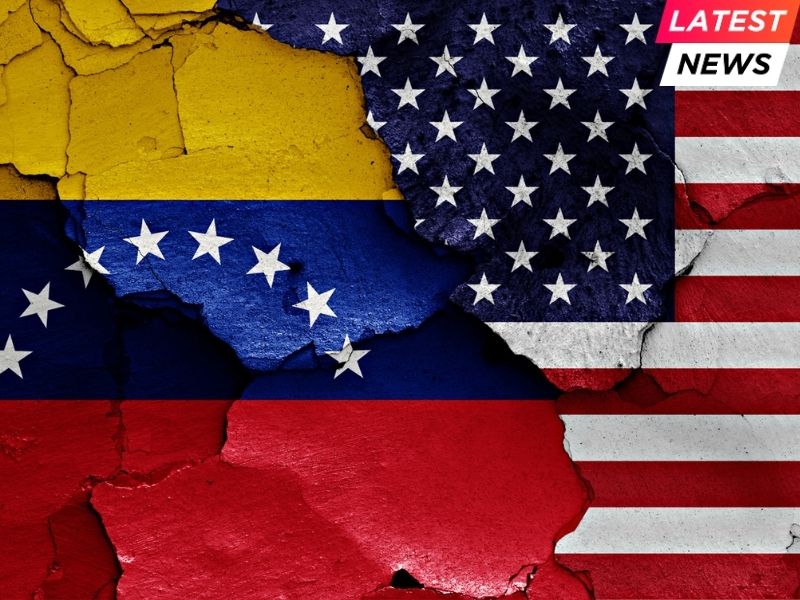
Venezuela’s vast energy wealth once placed it at the center of Latin America’s oil economy, but prolonged political instability, international sanctions and disputed elections have pushed the country into isolation and deep financial distress. Since Nicolas Maduro declared victory in the 2018 presidential race, a result widely challenged abroad, the United States has refused to recognize his leadership, setting the stage for years of escalating diplomatic and legal conflict.
That standoff reached a dramatic peak over the weekend when U.S. Special Forces carried out a helicopter raid in Caracas, breached Maduro’s security perimeter and detained the longtime leader. The operation marked the most striking U.S. intervention in the region since the 1989 invasion of Panama and immediately drew condemnation from Russia, China and left leaning allies of Venezuela. The United Nations Security Council convened to debate the implications, while U.N. Secretary General Antonio Guterres warned of instability and raised concerns over the legality of the action.
As global leaders reacted, U.S. President Donald Trump moved to clarify Washington’s position. He told NBC News the United States was not at war with Venezuela, saying instead, “we’re at war with the people that sell drugs.” Trump also dismissed the idea of rapid elections, calling a 30 day timeline unrealistic. “We have to fix the country first. You can’t have an election. There’s no way the people could even vote,” he said.
Trump has openly linked the operation to Venezuela’s vast energy resources. Speaking to reporters aboard Air Force One, he said American oil companies would return and rebuild the country’s damaged energy infrastructure. “We’re taking back what they stole,” Trump said. “We’re in charge.” He later added that oil firms were aware Washington was considering action, though they were not told of the timing. U.S. energy stocks rose on Monday on expectations of future access to Venezuelan reserves.
In Caracas, the political order shifted quickly but did not collapse. Vice President Delcy Rodriguez was sworn in as interim president hours after Maduro’s court appearance. She voiced support for him but gave no sign she would challenge the U.S. move. According to a Wall Street Journal report citing people familiar with a classified U.S. intelligence assessment, Rodriguez was viewed as the figure best positioned to maintain temporary stability, while opposition leaders were seen as lacking broad legitimacy.
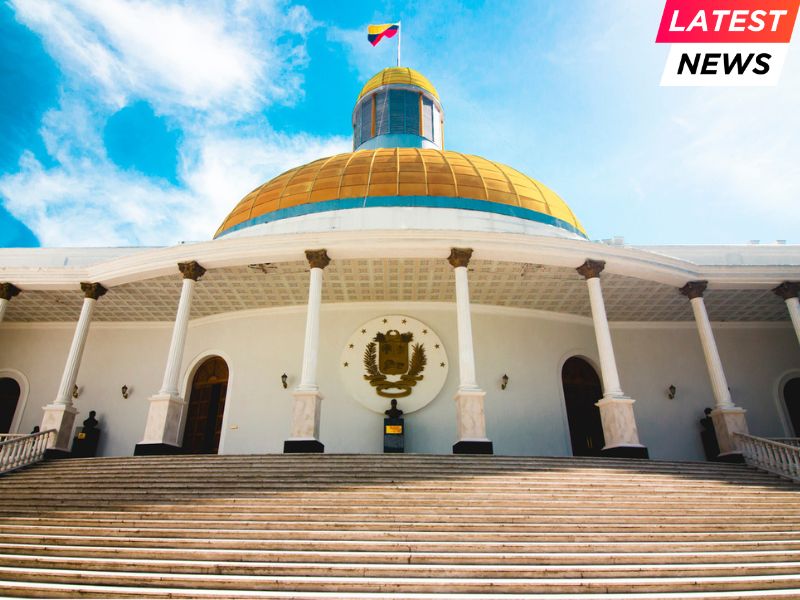
The assessment also said Rodriguez, along with the interior and defense ministers, could preserve order in a government largely hostile to Washington. Her brother, Jorge Rodriguez, was reappointed president of the pro Maduro National Assembly on Monday and vowed “to use all procedures, forums and spaces” to secure Maduro’s return.
Against that backdrop, Maduro and his wife, Cilia Flores, appeared in Manhattan federal court on Monday morning. Escorted from a Brooklyn detention facility by armed guards, the pair arrived by helicopter for a brief hearing before U.S. District Judge Alvin Hellerstein. Shackled at the ankles and dressed in prison uniforms, Maduro listened through an interpreter as the judge outlined the charges.
Asked to confirm his identity, Maduro responded in Spanish and then delivered a brief statement before being cut off. “I am innocent. I am not guilty. I am a decent man. I am still president of my country,” he said. Both Maduro and Flores pleaded not guilty, and the court scheduled their next appearance for March 17. Judge Hellerstein informed them of their right to notify the Venezuelan consulate.
Outside the courthouse, dozens of demonstrators gathered, split between supporters and critics of the toppled leader. Inside, prosecutors detailed allegations that Maduro oversaw a cocaine trafficking network tied to groups including Mexico’s Sinaloa and Zetas cartels, Colombia’s FARC rebels and Venezuela’s Tren de Aragua gang. He faces four counts, including narco terrorism and cocaine importation conspiracy, as well as weapons charges involving machine guns and destructive devices.
Federal prosecutors first charged Maduro in 2020, accusing him of involvement in drug trafficking dating back to his time in Venezuela’s National Assembly in 2000, through his tenure as foreign minister and his 2013 rise to the presidency following Hugo Chavez’s death. An updated indictment released Saturday added details and named Flores as a co defendant.
Maduro has consistently denied the accusations, arguing they serve as a cover for foreign ambitions over Venezuela’s oil wealth. His attorney, Barry Pollack, said he expects an extensive legal battle over what he described as a “military abduction,” adding that Maduro was not currently seeking release. Flores’ lawyer, Mark Donnelly, said she suffered significant injuries during her detention and requested medical examinations.
As legal proceedings begin in New York and a new interim authority settles in Caracas, Venezuela faces an uncertain path. The arrest of a sitting leader, the reshaping of power at home and open U.S. interest in the nation’s oil sector have combined to create a moment with far reaching political, legal and economic consequences.
Related Readings: