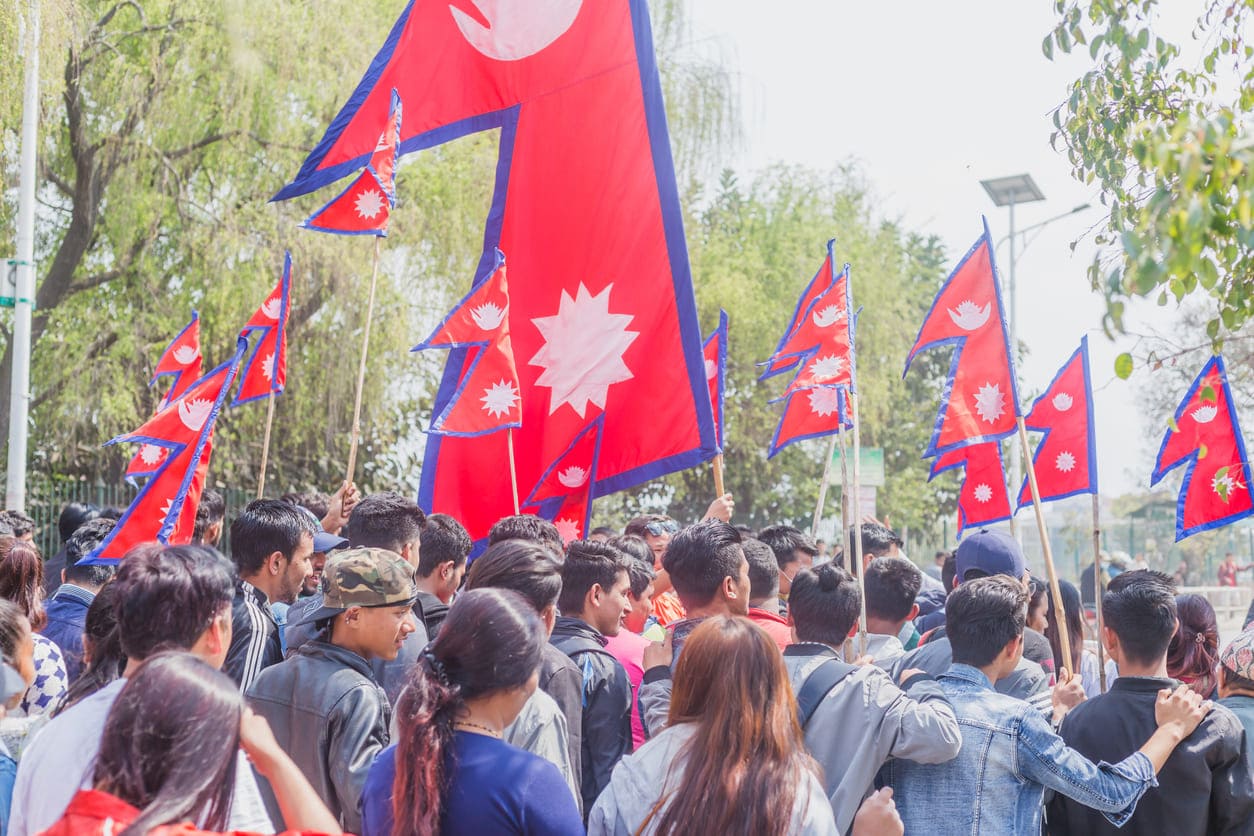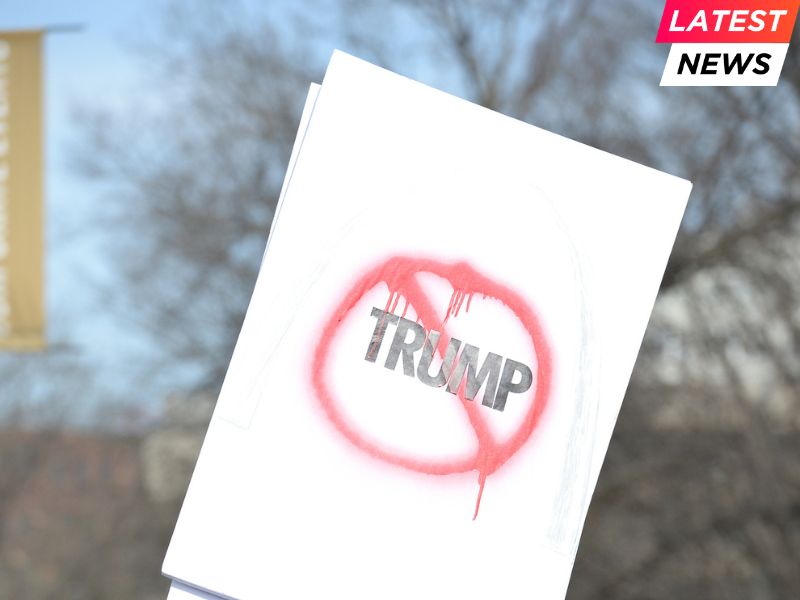
Thousands of Americans gathered across the country on Saturday for the “No Kings” demonstrations, protesting what they view as President Donald Trump’s growing consolidation of power and the state of U.S. democracy under his administration.
From Washington, D.C., to small towns across the nation, crowds waved signs reading “Nothing is more patriotic than protesting” and “Resist Fascism.” Many rallies took on a festive atmosphere, featuring marching bands, inflatable costumes, and a massive “We The People” banner that demonstrators signed in support of democratic values.
The protests, which organizers said included more than 2,600 rallies nationwide, marked the third major mobilization since Trump’s return to the White House. They came amid a government shutdown that has shuttered federal programs and intensified tensions between the president, Congress, and the courts.
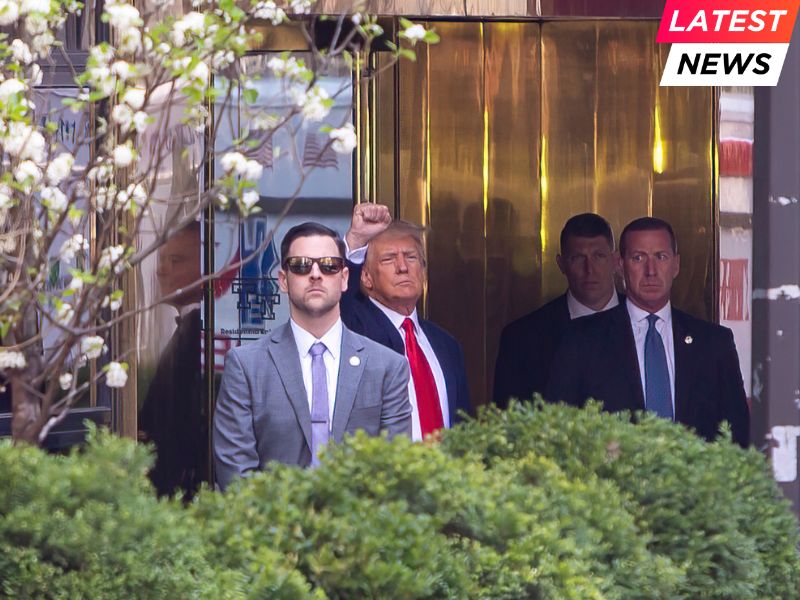
Speaking from Mar-a-Lago, Trump dismissed the movement’s central claim. “They say they’re referring to me as a king. I’m not a king,” he told Fox News before heading to a high-profile fundraiser. Later that evening, one of his campaign social media accounts mocked the rallies by posting a digitally altered video of Trump dressed as royalty, waving from a palace balcony.
In Washington, demonstrators filled the National Mall, joined by politicians, activists, and citizens who said they were alarmed by what they see as authoritarian tendencies in the administration. “This is America. I disagree with their politics, but I don’t believe that they don’t love this country,” said Brian Reymann, who carried a large American flag. “I believe they are misguided. I think they are power-hungry.”
Major demonstrations were also reported in New York’s Times Square, Chicago’s Grant Park, and Boston Common. In Birmingham, Alabama—known for its pivotal role in the Civil Rights Movement—more than 1,500 people gathered. “It just feels like we’re living in an America that I don’t recognize,” said Jessica Yother, a mother of four. “I walked in and thought, ‘Here are my people.’”
In San Francisco, hundreds formed the words “No Kings” on Ocean Beach with their bodies, while protesters in Salt Lake City called for unity and peace following the death of a demonstrator at a previous march in June.
Democratic lawmakers joined the demonstrations, portraying them as a defense of American values. “Big rallies like this give confidence to people who have been sitting on the sidelines but are ready to speak up,” said Senator Chris Murphy. Addressing the crowd in Washington, Senator Bernie Sanders said the nation’s democratic experiment was “in danger” under Trump but emphasized that “We the people will rule.”
Republican leaders, however, condemned the events, branding them “Hate America” rallies. House Speaker Mike Johnson criticized the protesters as “communists” and “Marxists,” accusing Democrats of catering to extremist factions amid the ongoing shutdown. “Let’s see who shows up for that,” Johnson said, suggesting that the demonstrations reflected anti-capitalist sentiment rather than patriotism.
Many participants responded with humor to such attacks. “So much of what we’ve seen from this administration has been so unserious and silly that we have to respond with the same energy,” said Washington protester Glen Kalbaugh, who wore a wizard hat and carried a frog-shaped sign. New York City police reported no arrests during the day’s events.
The protests also highlighted a shifting political mood. Democrats, criticized earlier this year for being disorganized and hesitant, appeared more unified as they resisted Republican demands to reopen the government without guarantees on healthcare funding. “What we are seeing from the Democrats is some spine,” said Ezra Levin, co-founder of the organizing network Indivisible. “The worst thing the Democrats could do right now is surrender.”
As the shutdown stretches into its third week, the “No Kings” rallies underscore the growing divide over Trump’s leadership and the limits of executive power. For organizers and participants, the demonstrations were about more than politics—they were, as one sign read, “a declaration that democracy still belongs to the people.”
Related Readings: