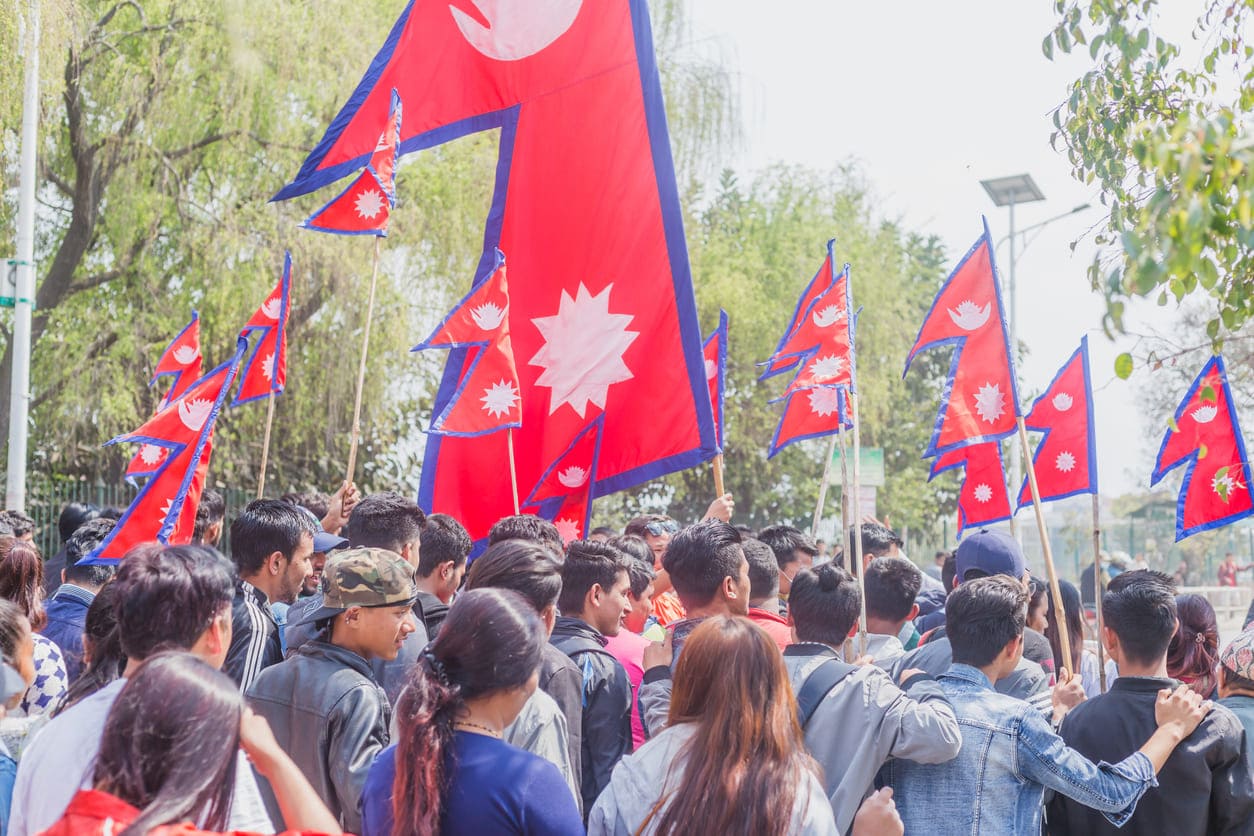
Defiant protesters in Nepal overran the streets of Kathmandu on Tuesday, torching parliament, the Supreme Court and other government offices in the worst unrest the country has seen in decades. The demonstrations, driven by young Nepalis angered by corruption and lack of opportunity, forced Prime Minister KP Sharma Oli to resign after days of escalating violence.
Officials confirmed at least 22 people have been killed and hundreds more injured since the clashes began. Security forces used live ammunition, water cannons and tear gas to disperse crowds, according to Reuters. Thick smoke filled the capital as protesters ransacked government buildings and set fire to Oli’s private residence.
The crisis was triggered last week when the government blocked social media platforms including Facebook, Instagram, WhatsApp, YouTube and X. While the ban sparked outrage, protesters say the deeper issue is decades of entrenched corruption and economic stagnation. “While the main trigger for the protest was the recent social media ban, the long history of corruption and bad governance is the main reason that thousands of people have come out on the streets,” one 28-year-old demonstrator told CNN.
Nepal’s younger generation, ages 13 to 28, has been at the forefront of the movement. Youth unemployment reached 20.8% in 2024, according to the World Bank, fueling discontent. Anger has also intensified online through a viral campaign against “Nepo Kids” — the children of politicians flaunting lavish lifestyles while ordinary Nepalis struggle.
Nepal’s economy heavily depends on remittances from citizens working abroad, which account for more than a third of its GDP. Analysts say the lack of domestic opportunities has deepened frustration among young people, who see little chance of change under the country’s entrenched political elite.
The protests quickly turned violent. More than 400 people, including security personnel, were hospitalized Monday, the health ministry reported. The Kathmandu Post’s offices were attacked and its servers disabled. The United Nations and rights groups condemned the government’s heavy-handed response. Amnesty International warned that “the use of lethal force against protesters not posing an imminent threat of death or serious injury is a grave violation of international law.”
International concern is rising. The U.S. State Department urged American citizens in Nepal to shelter in place, while UN Secretary General António Guterres called for “a thorough investigation” and restraint to prevent further escalation.
The turmoil has rocked Nepal’s leadership. Home Minister Ramesh Lekhak resigned Monday, followed by several other ministers. Oli stepped down Tuesday, citing “the extraordinary situation” in his resignation letter. President Ramchandra Paudel appealed for calm, urging demonstrators to seek dialogue.
Nepal’s army said it deployed troops “to control the situation for the security of Nepal and Nepalis” but also called for a peaceful resolution. With no party holding a clear parliamentary majority, experts predict lawmakers may form an interim government. Some observers suggest Gen Z groups could even have a voice in shaping the next leadership.
“Nepal is now at a crossroads,” said Binay Mishra, a public policy analyst at Kathmandu University. “Once the prime minister steps down, parliament must move to form a government, but with such anger in the streets, involving the younger generation may be key to finding stability.”
For many, however, the upheaval underscores a broader truth: Nepal’s youth are demanding change, and the old political order may no longer hold.
Related Readings: