This paper offers a critical analysis of US capitalism, from the settler-colonial foundations of 1776 to the contemporary crisis of neoliberalism. Dr Kalim Siddiqui examines how dispossession, slavery, financialisation, inequality, stagnation, militarisation and imperialism have shaped US power. It argues that declining economic dominance has intensified reliance on coercive power, contributing to the New Cold War and attempted recolonisation of the Global South.
I. Introduction
The founding of the United States (US) is conventionally commemorated as the birth of a nation devoted to liberty, democracy, equality before the law, and self-government. Yet these democratic values obscure the material foundations upon which the republic was constructed. From a critical and decolonial perspective, 1776 cannot be understood simply as the liberation of a nation from colonial rule. Rather, the American Revolution transferred political authority from the British imperial power to a settler-colonial ruling class whose wealth and power were already predicated upon the dispossession of Indigenous peoples, the expropriation of land, and racial slavery.
This fundamental contradiction—the proclamation of American independence in the universal language of liberty alongside the preservation of a social order rooted in racial bondage, Indigenous dispossession, and class domination—shaped the republic from its inception. The new political institutions did not merely fail to abolish these structures; they actively incorporated and protected them. Property, political power, control over resources, policymaking, and citizenship were distributed through racialised and class-based hierarchies, while territorial expansion depended upon the continued seizure of Indigenous lands and the reproduction of enslaved labour. The celebrated ideals of freedom and equality thus coexisted with – and were materially sustained by – systems of unfreedom and expropriation (Burns, 2026).
Consequently, the US history cannot be adequately understood through a narrative of democratic progress alone. It must also be examined as a history of settler colonialism, racial capitalism, and organised state violence (Horne, 2018).
The main architects of the early republic—including George Washington, Thomas Jefferson, Benjamin Franklin, and Alexander Hamilton—exemplify these contradictions. Washington and Jefferson were major slaveholders whose political and economic positions were inseparable from an order built upon enslaved African labour. Franklin and Hamilton occupied more ambivalent positions regarding slavery and abolition, yet neither made abolition a foundational condition of the new republic.
The political settlement that emerged from the independence instead accommodated slaveholding elites, embedding slavery deeply within the nation’s constitutional, legal, and economic framework. The Constitution compromised over slavery, the protection of slaveholders’ political power, and the subsequent territorial expansion of the slave system demonstrate that racial slavery was not an accidental deviation from the American project but one of its central organising institutions.
US imperial expansion, therefore, cannot be treated as a departure from the nation’s earlier history of settler colonialism. Rather, overseas empire extended and transformed practices of territorial conquest, racial hierarchy, economic extraction, and military domination continued on the North American continent (Horne, 2018).
The history of the US is consequently marked by a persistent contradiction between its proclaimed democratic ideals and the structures of power through which those ideals have been selectively applied. Liberty was defended alongside slavery; democracy expanded alongside Indigenous dispossession; and national self-determination was celebrated domestically while the sovereignty of other nations was repeatedly constrained through military intervention.
Therefore, the 250th anniversary of the US presents an opportunity to reconsider whose history, is being commemorated, whose land was taken, whose labour was exploited, and whose sovereignty was denied. Such questions do not negate the historical significance of the Declaration of Independence, the Constitution, or the democratic aspirations associated with the US political tradition (Burns, 2026).
The central question is therefore not simply what the US has achieved, but what forms of domination have made its power possible—and how deeply those structures continue to shape the country’s political economy, military institutions, racial order, the rights and political status of racial minorities, and its relations with the wider world.
During the first two centuries of European colonisation in the Americas, some of the most profound demographic and social devastation occurred in South America. There, Spanish conquest systematically dismantled the Aztec and Inca empires, alongside numerous smaller Indigenous polities. Indigenous populations were subjected to enslavement and various forms of coerced labour, while the combined effects of warfare, territorial dispossession, forced displacement, exploitation, and introduced pathogens caused catastrophic population decline, reducing Indigenous populations by millions
The founding of the United States (US) is conventionally commemorated as the birth of a nation devoted to liberty, democracy, equality before the law, and self-government. Yet these democratic values obscure the material foundations upon which the republic was constructed. From a critical and decolonial perspective, 1776 cannot be understood simply as the liberation of a nation from colonial rule. Rather, the American Revolution transferred political authority from the British imperial power to a settler-colonial ruling class whose wealth and power were already predicated upon the dispossession of Indigenous peoples, the expropriation of land, and racial slavery.
This fundamental contradiction—the proclamation of American independence in the universal language of liberty alongside the preservation of a social order rooted in racial bondage, Indigenous dispossession, and class domination—shaped the republic from its inception. The new political institutions did not merely fail to abolish these structures; they actively incorporated and protected them. Property, political power, control over resources, policymaking, and citizenship were distributed through racialised and class-based hierarchies, while territorial expansion depended upon the continued seizure of Indigenous lands and the reproduction of enslaved labour. The celebrated ideals of freedom and equality thus coexisted with – and were materially sustained by – systems of unfreedom and expropriation (Burns, 2026).
Consequently, the US history cannot be adequately understood through a narrative of democratic progress alone. It must also be examined as a history of settler colonialism, racial capitalism, and organised state violence (Horne, 2018).
The main architects of the early republic—including George Washington, Thomas Jefferson, Benjamin Franklin, and Alexander Hamilton—exemplify these contradictions. Washington and Jefferson were major slaveholders whose political and economic positions were inseparable from an order built upon enslaved African labour. Franklin and Hamilton occupied more ambivalent positions regarding slavery and abolition, yet neither made abolition a foundational condition of the new republic.
The political settlement that emerged from the independence instead accommodated slaveholding elites, embedding slavery deeply within the nation’s constitutional, legal, and economic framework. The Constitution compromised over slavery, the protection of slaveholders’ political power, and the subsequent territorial expansion of the slave system demonstrate that racial slavery was not an accidental deviation from the American project but one of its central organising institutions.
US imperial expansion, therefore, cannot be treated as a departure from the nation’s earlier history of settler colonialism. Rather, overseas empire extended and transformed practices of territorial conquest, racial hierarchy, economic extraction, and military domination continued on the North American continent (Horne, 2018).
The history of the US is consequently marked by a persistent contradiction between its proclaimed democratic ideals and the structures of power through which those ideals have been selectively applied. Liberty was defended alongside slavery; democracy expanded alongside Indigenous dispossession; and national self-determination was celebrated domestically while the sovereignty of other nations was repeatedly constrained through military intervention.
Therefore, the 250th anniversary of the US presents an opportunity to reconsider whose history, is being commemorated, whose land was taken, whose labour was exploited, and whose sovereignty was denied. Such questions do not negate the historical significance of the Declaration of Independence, the Constitution, or the democratic aspirations associated with the US political tradition (Burns, 2026).
The central question is therefore not simply what the US has achieved, but what forms of domination have made its power possible—and how deeply those structures continue to shape the country’s political economy, military institutions, racial order, the rights and political status of racial minorities, and its relations with the wider world.
During the first two centuries of European colonisation in the Americas, some of the most profound demographic and social devastation occurred in South America. There, Spanish conquest systematically dismantled the Aztec and Inca empires, alongside numerous smaller Indigenous polities. Indigenous populations were subjected to enslavement and various forms of coerced labour, while the combined effects of warfare, territorial dispossession, forced displacement, exploitation, and introduced pathogens caused catastrophic population decline, reducing Indigenous populations by millions.
II. Territorial Expansion and Overseas Interventions
Territorial expansion constituted an ongoing process of settler colonial conquest. The acquisition of Indigenous lands was pursued through warfare, coerced treaties, forced removal, legal dispossession, and the systematic destruction or transformation of Indigenous political and economic systems. Expansion was therefore not the peaceful growth of a democratic nation across an empty continent but a violent process of territorial appropriation through which the settler state extended its jurisdiction while displacing the peoples who had long inhabited and governed those lands.
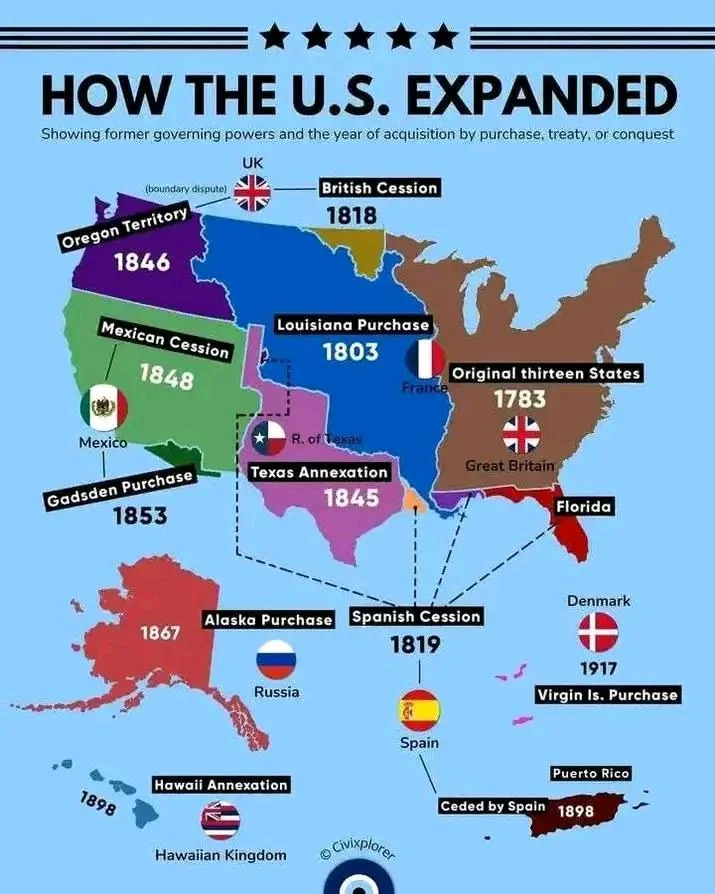
The consolidation of US capitalism amplified these expansionary tendencies. As US industrial and financial might grew across the nineteenth century, the country increasingly projected its power beyond its continental frontiers—yet this was merely an intensification of a longer pattern. From the moment of independence in 1776, the US pursued a deliberate and sustained policy of territorial expansion, often through military force, diplomatic coercion, and outright annexation of neighbouring lands (see Figure 1 and Figure 2). Expansion and hegemony were not incidental but constitutive features of the US project from its inception.
Moreover, the relationship between domestic settler expansion and overseas imperialism was not incidental; both were expressions of a political economy increasingly dependent on territorial acquisition, market access, resource control, and the subordination of populations deemed obstacles to US hegemony (Foster, 2003).
Figure 1: The Original Thirteen Colonies at US Independence, July 4, 1776.
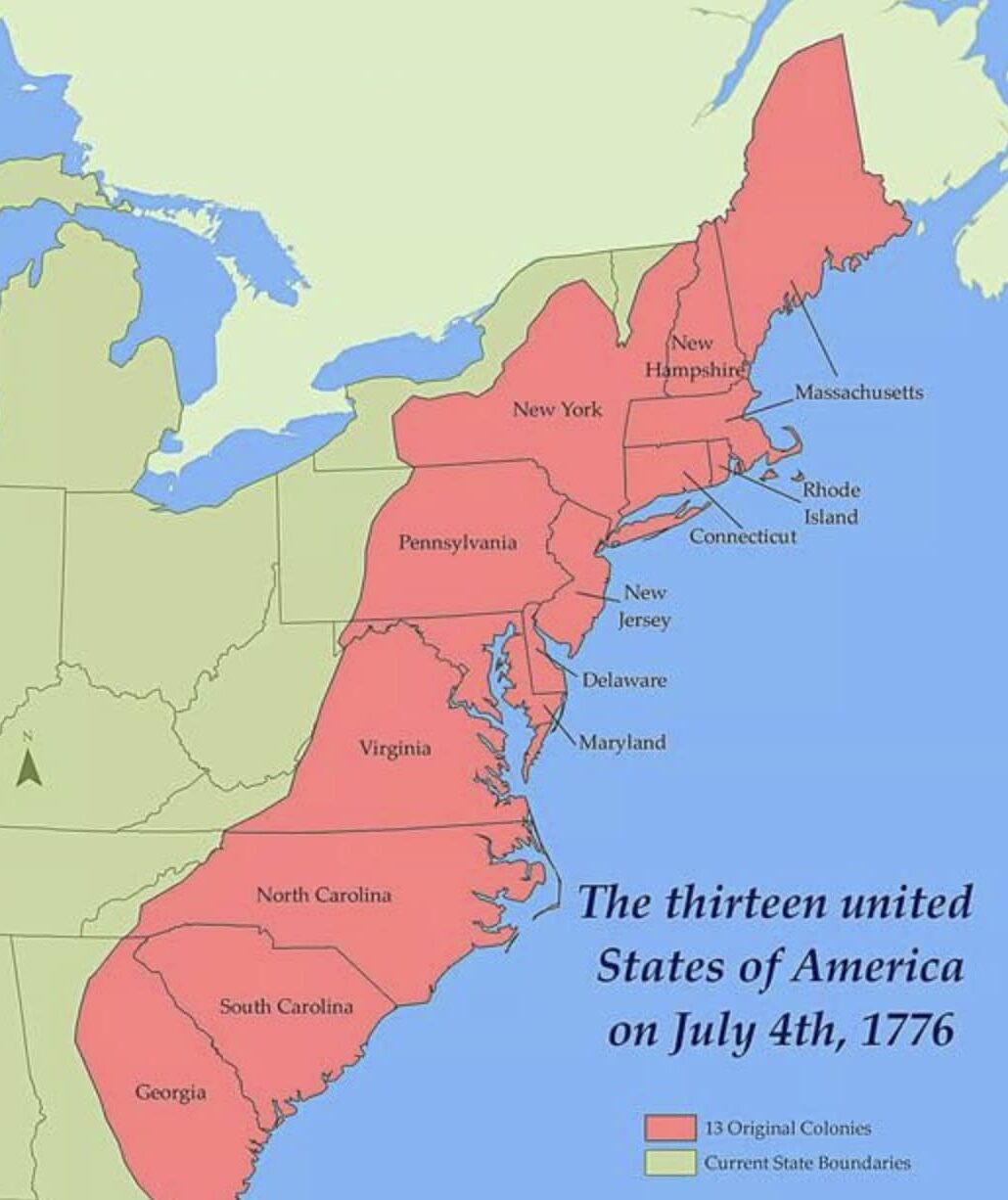
Figure 2: The US Territorial Expansion During the 19th Century.
This transformation was particularly visible in Latin America and the Caribbean. The Monroe Doctrine, articulated in 1823, warned European powers against further intervention in the Western Hemisphere. As Latin American societies emerged from Spanish and Portuguese colonial rule, the US increasingly positioned itself as a principal arbiter of political order in the hemisphere (Kennedy, 2017).
The result was a recurring pattern of intervention, coercion, occupation, and regime change across Latin America and the Caribbean. US military power was repeatedly deployed to suppress revolutionary movements, overthrow governments, discipline political leaders, secure favourable economic conditions, and prevent alternative forms of political and economic development. The Monroe Doctrine therefore functioned not merely as an anti-European principle but also as an instrument through which the US asserted and consolidated its political and economic dominance in the hemisphere (Huberman and Amaral, 2025).
The establishment of the US marked a decisive rupture in Indigenous–colonial relations. Independence removed the British colonial administration and, in practice, undermined existing treaty obligations. The Revolutionary War brought particularly devastating consequences. George Washington authorised the destruction of Iroquois settlements in present-day upstate New York, a scorched-earth campaign that inflicted catastrophic losses.
US independence also had profound consequences for Africans, whose enslavement had been integral to the English colonies since the early seventeenth century. Slavery was not peripheral to the colonial economy but central to the emerging system of capitalist accumulation (Marx, 1976). The plantation, consolidated across the Americas from the sixteenth century onward, depended on the violent displacement and forced transportation of millions of Africans. Enslaved Africans produced sugar, cotton, and other export commodities under conditions of systematic violence and racial domination, generating immense wealth for colonial powers and merchant capital.
In the decades before the Civil War, slavery and plantation agriculture expanded rapidly in the US. The slaveholding South became deeply integrated into global markets through cotton production, making enslaved labour a central source of capital accumulation. The wealth of the plantation elite was therefore inseparable from the coercive appropriation of labour and the expropriation of land (Bhambra, 2021). (Bhambra, 2021).
From its inception, the US was therefore shaped by territorial expansion grounded in settler colonialism, Indigenous dispossession, and racial slavery. These were not merely contradictions within an otherwise liberal political order; they were among the material conditions through which that order was constructed. The development of US capitalism cannot be understood apart from the intertwined processes of colonial expropriation, racialised labour exploitation, and the concentration of land and wealth in the hands of a propertied class. The ideals of liberty and individual property consequently existed alongside, and were materially sustained by, systems of coercion and exclusion (Horne, 2018).
This tension between liberal ideals and colonial realities is particularly evident in the political philosophy of John Locke, whose theory of property profoundly influenced the intellectual foundations of the emerging US political order. Locke’s account of private property provided a framework through which the accumulation of land and wealth could be represented as the product of individual labour, rational improvement, and natural right. Yet these ideas were applied to a colonial context marked by the systematic dispossession of Indigenous peoples and the racialised exploitation of African labour.
Locke’s conception of property was particularly compatible with European settlers’ aspirations for access to land and greater economic autonomy from the hierarchical structures of feudal Europe. By grounding property rights in labour, Locke transformed the appropriation and “improvement” of land into a moral and political claim to ownership. This formulation helped legitimise the expansion of private property and capitalist social relations. Yet the universal language of liberty and property obscured the unequal material relations through which property was accumulated. The freedom of the propertied individual was thus historically intertwined with the unfreedom of those whose land and labour were appropriated to produce that property (Marx, 1976).
Thomas Paine’s 1776 Common Sense supported American independence by repudiating British monarchy and promoting republican governance founded on the consent of the governed. He condemned hereditary succession as unnatural and incompatible with human equality, dismissed British transatlantic governance as impracticable, and characterised colonial protection as an expression of mercantile self-interest rather than genuine welfare. He later expanded these ideas in The Rights of Man (1791). Yet Paine’s egalitarianism remained racially circumscribed, extending primarily to white Europeans while excluding Indigenous peoples and enslaved Africans.
From this perspective, the emergence of the US was not simply a triumph of liberalism over monarchy but also a process of class formation and capitalist development rooted in colonial dispossession, racial slavery, and the commodification of land and labour. The language of property, individual freedom, and popular sovereignty must therefore be situated within the material relations of power that enabled their universal claims while systematically excluding Indigenous peoples and enslaved Africans from their realisation.
The universalism of liberalism was therefore deeply circumscribed by racial and colonial hierarchies. Freedom and equality coexisted with conquest, dispossession, and slavery, while the language of universal rights could itself legitimise relations of domination.
This contradiction persisted as the US consolidated its position as a capitalist and imperial power. During the late nineteenth and twentieth centuries, US expansion produced wars in the Philippines and across the Pacific, followed by military interventions in Korea and Vietnam, often involving extreme violence against civilian populations. This was not simply a matter of hypocrisy but reflected a deeper ideological structure in which the universal language of liberty coexisted with racial hierarchy, imperial interests, and the material imperatives of geopolitical power (Siddiqui, 2025a).
III. The Civil Rights Movement of the 1950s – 1960s
The Civil Rights Movement of the 1950s and 1960s struck at the very racial foundations of US democracy. Through sustained mass mobilisation, African Americans and their allies took on institutional systems that had systematically excluded Black people from full citizenship and political participation. The movement achieved historic legal and constitutional breakthroughs—most notably, the overthrow of entrenched segregation and discriminatory practices. However, these victories were met with determined resistance from powerful quarters, as elite factions, unwilling to accept diminishing control, fiercely opposed any genuine power-sharing with formerly enslaved populations.
The terror of McCarthyism in the 1950s, the surveillance and repression directed against student, Black, anti-war, and radical movements during the 1960s, and the continuation of coercive state practices in subsequent decades reveal a persistent tension between the US self-representation as an embodiment of freedom and the realities of political power. Dissent has repeatedly been treated as a threat when it challenges entrenched class, racial, imperial, or geopolitical interests.
The history of the US thus demands a distinction between the democratic ideals espoused by the state and the social relations through which those ideals have been selectively realised. Gerald Horne’s (2018) indispensable scholarship reframes the events of 1775–76 not as a revolution but as a counter-revolution. In The Counter-Revolution of 1776: Slave Resistance and the Origins of the United States of America, Horne contends that independence was fundamentally a conservative project, through which the colonial elite sought to preserve slavery and entrench their broader social power.
The military institutions of the US were likewise shaped by the defence of slavery and the violent dispossession of Indigenous peoples, linking the formation of the US state to both racial domination and territorial expansion. This nexus of militarism, slavery, and colonial conquest would recur as a persistent feature of US power—from the Civil War and westward expansion to Vietnam, Afghanistan, Iraq, Libya, Syria, and contemporary confrontations with Iran (Siddiqui, 2026c)
IV. The Rise of Neoliberal Globalisation (1980s–Present)
As the post-war boom waned in the 1970s, US policy pivoted to neoliberalism—empowering financial capital and free markets to resolve the crisis, while rolling back the labour protections secured by post-war working-class struggles. From the 1980s, this corporate-backed globalisation dismantled capital controls, deregulated finance, and liberalised trade. Though it spurred unprecedented capital flows and trade expansion, it simultaneously drove deindustrialisation and financialisation at home, exacerbating working-class insecurity.
Rather than tackling the structural roots of wage stagnation, rising inequality, and unemployment, elites deflected blame onto racialised minorities and immigrants. By portraying state support for these groups as the source of economic distress, they obscured the true legacy of neoliberal restructuring: the relentless concentration of wealth and power (Siddiqui, 2018).
What emerged was a distinctive “privatised Keynesianism”—demand management migrated from the public sphere to financial markets and indebted households. From 1987 onward, Greenspan’s post-crash interventions ensured that effective demand in advanced economies was sustained less by public redistribution or stable wages than by inflating asset prices, debt-financed consumption, and central-bank crisis management. Credit expansion and property appreciation thus compensated for wage stagnation and welfare retrenchment (Hudson, 2019).
Under neoliberalism, the saver depends on volatile asset prices, while the consumer relies on credit rather than rising wages or an expanding welfare state. This generated a fundamental contradiction in the US economy: stagnant wages constrained workers’ purchasing power, while financial expansion and borrowing merely deferred the deficiency—transforming future income into present consumption and masking deep structural fragility.
As property asset prices continue to rise, households acquire greater capacity to borrow against the increasing value of their assets. This creates the appearance of a self-reinforcing process: rising asset prices increase collateral values, which expand borrowing capacity; increased borrowing, in turn, supports consumption and investment, thereby sustaining demand and potentially reinforcing asset-price appreciation. Yet neither assumption can be sustained indefinitely. Rising asset prices generate expectations of further appreciation, encouraging households and financial institutions to extend and accept increasingly large amounts of credit.
It is precisely this dynamic that Hyman Minsky sought to capture through his financial instability hypothesis. For Minsky, prolonged periods of financial stability can generate the conditions for instability by encouraging economic agents to move from relatively secure hedge positions towards speculative and ultimately Ponzi positions. As confidence increases, lenders and borrowers accept increasingly fragile financial structures, making the system progressively dependent on refinancing and rising asset prices. Stability can therefore become destabilising.
This logic became increasingly visible in the changing distribution of financial fragility across the US economy. By the early 2000s, corporations were, in aggregate, in comparatively strong financial positions and had become net creditors, while households increasingly occupied the more fragile position. The centre of gravity of Minsky’s progression from hedge to speculative and Ponzi finance had therefore shifted from the corporate sector towards households. Credit was increasingly used not simply to finance productive investment but to sustain consumption in an environment where household incomes were failing to keep pace with the demands of the prevailing accumulation regime (Hudson, 2019).
The housing boom intensified this process by temporarily substituting rising collateral values and expanding household debt for wage growth and public provision as sources of demand. Wage stagnation could be offset through credit, while declining social provision could be partially compensated through private borrowing. Yet these mechanisms did not resolve the underlying contradictions of accumulation; they displaced them onto the balance sheets of households and financial institutions. The resulting expansion of debt allowed the system to reproduce itself for a time, while simultaneously increasing its financial fragility.
The expansion of subprime mortgage lending in the US between 2003 and 2006 was a particularly clear expression of this dynamic. These loans increasingly depended on the expectation that rising house prices would enable borrowers to refinance, extract equity, or sell their properties rather than on their capacity to service debt from existing income. Mortgage credit thus became a mechanism for sustaining consumption and aggregate demand despite weak wage growth.
Uncontrolled finance produced three crises in ten years—the Asian financial crisis of 1997–1998, the dot-com crash of 2000–2001, and the subprime collapse of 2007–2008—and none were accidental. Rather, they represented recurring spasms of a single mechanism of self-annihilation, with each cycle inflating a bigger bubble and unleashing a deeper rupture than the one before (Siddiqui, 2024).
By mid-2007, the financial edifice was cracking: BNP Paribas suspended three funds, Bear Stearns bailed out two of its own, German Landesbanken admitted vast exposure to US toxic assets, and interbank lending ground to a halt. Northern Rock’s collapse in September triggered Britain’s first run on a bank in over a century. By September 2008, Lehman Brothers’ failure laid bare the extreme fragility of the entire US financial system.
Some right-wing commentators have since proposed military spending as an antidote to economic stagnation. This misreads the crisis. Defence expenditure may boost demand temporarily, but when debt-financed, it deepens public indebtedness and shifts the cost onto working families via future taxes and service cuts—while fuelling vast profits to defence contractors (Hudson, 2019).
Kalecki (1943) argued that military spending is capital’s preferred form of public intervention: it boosts demand without encroaching on private consumer markets or empowering labour. It supports employment and profitability while preserving the existing balance of economic power—a mode of demand management that, for Kalecki, leaves both production composition and workplace control undisturbed. Kalecki would thus ask not whether public spending can stimulate demand, but to what end and for whom. Rearmament delivers stimulus and profit without unsettling production relations.
The current rearmament drive, with the US at its centre, is not simply an economic response to crisis. It is a political choice about how to mobilise public resources, which productive sectors to prioritise, and whose interest’s policy should serve (Siddiqui, 2024).
The Soviet Union’s 1991 collapse left the US momentarily unrivalled. But globalisation—deepening trade, investment, and production networks—gradually eroded that supremacy. China’s 2001 WTO accession proved pivotal, supercharging its export growth and accelerating the shift towards multipolarity (Siddiqui, 2026a).
China has become the US’s foremost systemic rival since the Cold War’s end. Rising from a manufacturing base, it rapidly narrowed the technological and military gap with the US during the 2000s and 2010s. Crucially, this ascent rests on a state-led capitalist model, pitting it against the liberal market orthodoxy that underpins US hegemony.
Nor is China the only challenge. Middle power economies across the Global South—Brazil, India, Indonesia, Mexico, Türkiye, South Africa, Saudi Arabia, and others—have grown in regional and, in some cases, global influence. With expanded state capacities, rising middle classes, competitive domestic firms, and stronger militaries, these states have pursued more autonomous and assertive foreign policies, seeking to reshape the emerging international order in their own interests (Bhambra, 2021).
V. Classical Imperialism and the Rise of Monopoly Capital
Late nineteenth- and early twentieth-century imperialism was distinguished by the erosion of British hegemony and the rise of monopoly capitalism—the concentration of production in giant firms. For Lenin, this was capitalism’s “monopoly stage.” But this phase must be understood within capitalism’s deeper logic: its relentless drive to accumulate, its character as an integrated yet politically fragmented world system of competing states, and its structuring through entrenched centre-periphery inequalities that concentrate wealth and power in the advanced economies.
Imperialism did not end with the classical era, which closed with the Second World War and decolonisation. The postwar period assumed a new form, centred on US hegemony in place of Britain. The Soviet Union’s existence meanwhile opened space for independent movements in the Global South, even as the Cold War consolidated the major capitalist powers within a US-led military alliance that cemented the US dominance (Foster, 2003).
The US also used its hegemonic position to shape the postwar international economic order through institutions such as the General Agreement on Tariffs and Trade (GATT), the International Monetary Fund (IMF), and the World Bank. These institutions helped establish the rules governing international trade, finance, and development, consolidating the economic power of the advanced capitalist centre and, in particular, the US, over the wider world economy (Hudson, 2019).
In Harry Magdoff’s (1969) view, however, US hegemony did not eliminate competition among capitalist states. Hegemony was inherently historical and therefore transitory, despite claims surrounding the permanence of an “American century.” The uneven development of capitalism continued to generate shifts in economic power and, with them, the potential for renewed inter-imperialist rivalry. Such competition could be temporarily contained or obscured by the dominance of a hegemonic power, but it remained embedded within the structure of the capitalist world economy.
Militarism had deeper roots in the position of the US as the hegemonic power of the capitalist world economy. It served to keep markets and investment opportunities open to US capital, including through the use of force where necessary, while simultaneously advancing the interests of US corporations. This was particularly evident in Latin America, where US dominance faced little challenge from other major powers (Kennedy, 2017). Across the postwar periphery, US military intervention could also be legitimised as part of the global struggle against communism. Militarism and military production thus served not only geopolitical purposes but also helped sustain demand and profitability within the US economy, providing a partial counterweight to the tendency towards stagnation (Huberman and Amaral, 2025).
Magdoff’s (1969) analysis demonstrated how directly imperialism benefited capital in the core economies. For example, earnings from US foreign investments increased from roughly 10% of the after-tax profits of domestic non-financial corporations in 1950 to 22% in 1964. At the same time, the extraction of surplus from the periphery, combined with the distorted class relations produced by imperial dependency, contributed to the reproduction of underdevelopment (Magdoff, 1969).
Magdoff also anticipated two developments that would become increasingly important: the growing debt burden of the Global South and the expanding role of banks and finance capital in the world economy. The scale of the debt problem became evident in the early 1980s, when countries such as Brazil and Mexico defaulted, while the broader significance of global financialisation became increasingly apparent later in the decade (Magdoff, 1969).
Yet US hegemony also contained its own contradictions. The uneven development of capitalism encouraged other major powers to challenge the US dominance, while weaker states and non-state actors increasingly turned to asymmetric forms of resistance (Siddiqui, 2026b). The result was a system in which militarism, financial expansion, and geopolitical rivalry became increasingly interconnected, generating new forms of instability within the US-led imperial order (Siddiqui, 2023).
VI. Rising Debt and the Cost of US Borrowing
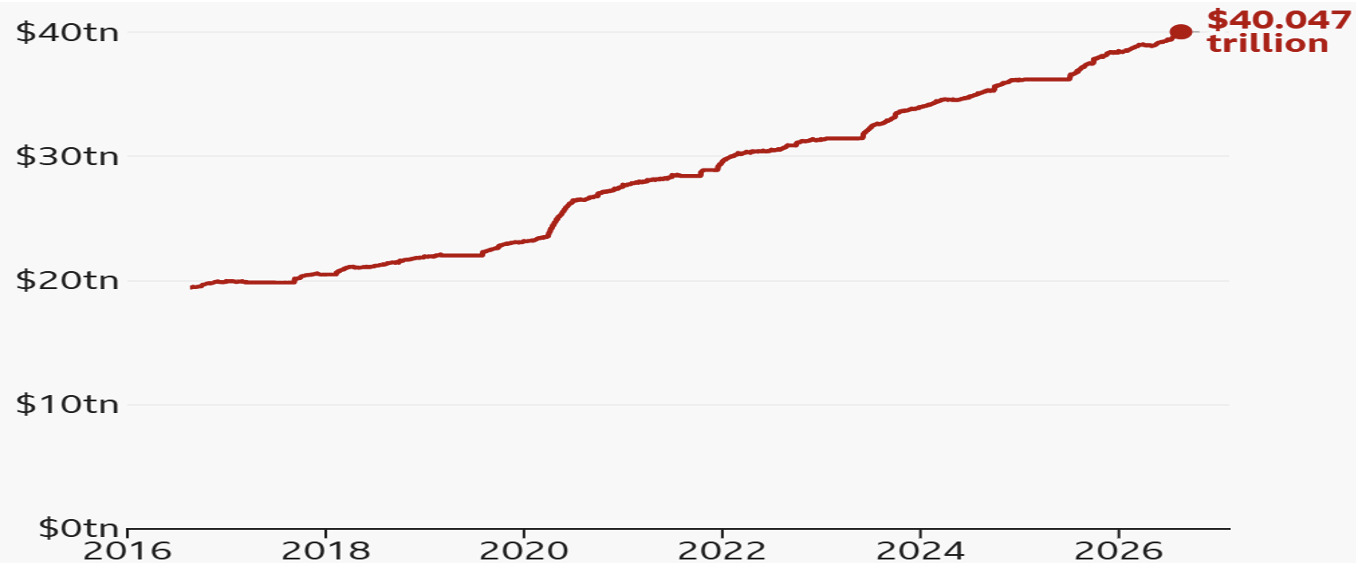
The scale of US indebtedness is historically significant. According to the IMF, US public debt is equivalent to around 125.8% of GDP, compared with 103.6% in the UK and 106.9% in China. Japan’s ratio exceeds 200%, although a much larger share of Japanese government debt is held domestically. More strikingly, by August 2026, the US national debt has surpassed $40 trillion (see Figure 3), having roughly doubled from just under $20 trillion in 2016. Since Donald Trump returned to office in January 2025, the debt has increased by approximately $3.8 trillion, contributing to an overall increase of around $11.6 trillion across his two presidential terms.
Figure 3: The US Sovereign Outstanding Debts, August 2016-August 2026 (trillion $).
Moreover, the growing burden of US debt is increasingly reflected in the cost of government borrowing. For instance, on 30 August 2026, the yield on 30-year US Treasury bonds reached 5.34%, its highest level in almost two decades. These yields matter beyond government finance because they influence borrowing costs across the economy, including mortgages, car loans, and consumer credit. The recent rise in yields has been driven partly by higher oil prices associated with the US–Iran conflict and renewed concerns about inflation. At the same time, investors are increasingly focused on the scale of US government debt and the large amounts of borrowing undertaken by technology companies to finance artificial intelligence, despite considerable uncertainty over the timing and magnitude of future returns.
The fiscal consequences are already substantial. The US government now spends approximately $1.1 trillion annually on interest payments, with debt-servicing costs rising as both the debt stock and interest rates increase. In fiscal year 2025, interest payments exceeded Pentagon spending for the first time. This growing interest burden constrains the government’s fiscal capacity and raises a broader question about the sustainability of a growth model increasingly dependent on public and private debt.
The immediate effects on households may be limited, but persistent increases in borrowing costs can gradually feed through to mortgages, consumer credit, business investment, and government spending. The central concern is therefore not simply the size of the debt itself, but the growing dependence of the US economy on continued borrowing at a time when the cost of that borrowing is rising.
VII. Financial Instability, and Rising Inequality
These tensions are increasingly visible in financial markets. Rising US Treasury yields reflect concerns about inflation, interest rates, and the sustainability of government borrowing. The dollar’s reserve-currency status has enabled the US to sustain high levels of debt, but persistent deficits, rising debt-service costs, increased defence spending and renewed inflationary pressures could weaken confidence in US financial assets and the dollar more broadly.
Capitalism overcame its postwar crisis through the “Golden Age of Capitalism”, characterised by high growth, rising wages, expanding welfare provision and sustained employment. This period transformed the relationship between state, capital and labour (Siddiqui, 2025b).
The present crisis differs in the reduced scope for state-led demand management. Under neoliberalism, expanding public expenditure must ultimately be financed through deficits or higher taxation. Taxing working households largely redistributes existing demand, while finance capital tends to resist both fiscal deficits and higher taxes on wealth and high incomes. The globalisation of finance further limits national policy autonomy by increasing the risk of capital flight and financial pressure (Siddiqui, 2024).
The result is a structural impasse. Neoliberal capitalism remains vulnerable to stagnation, partly because of extreme income and wealth concentration, yet the means of overcoming weak demand are politically constrained. This cul-de-sac contributes to economic insecurity and creates space for authoritarian and neo-fascist forces, alongside increasingly restrictive responses to dissent (Siddiqui, 2026a),
The data indicate a clear long-term rise in US income inequality. As shown in Figure 4, earned income growth has been strikingly uneven: in 2022, the top 1% of households earned over one hundred times more than the bottom quintile. This disparity is not static. Between 1971 and 2023, the national income share captured by the top 1% increased by 10 percentage points, according to the World Inequality Database. These trends point to a broader structural dynamic: under neoliberal economic policy, high-income groups have disproportionately accumulated both income and wealth, further widening the gap between the richest and poorest households. In the US, the income share gap between the top and bottom earners has widened sharply since the late 1970s, coinciding with the implementation of neoliberal economic policies (see Figure 5).
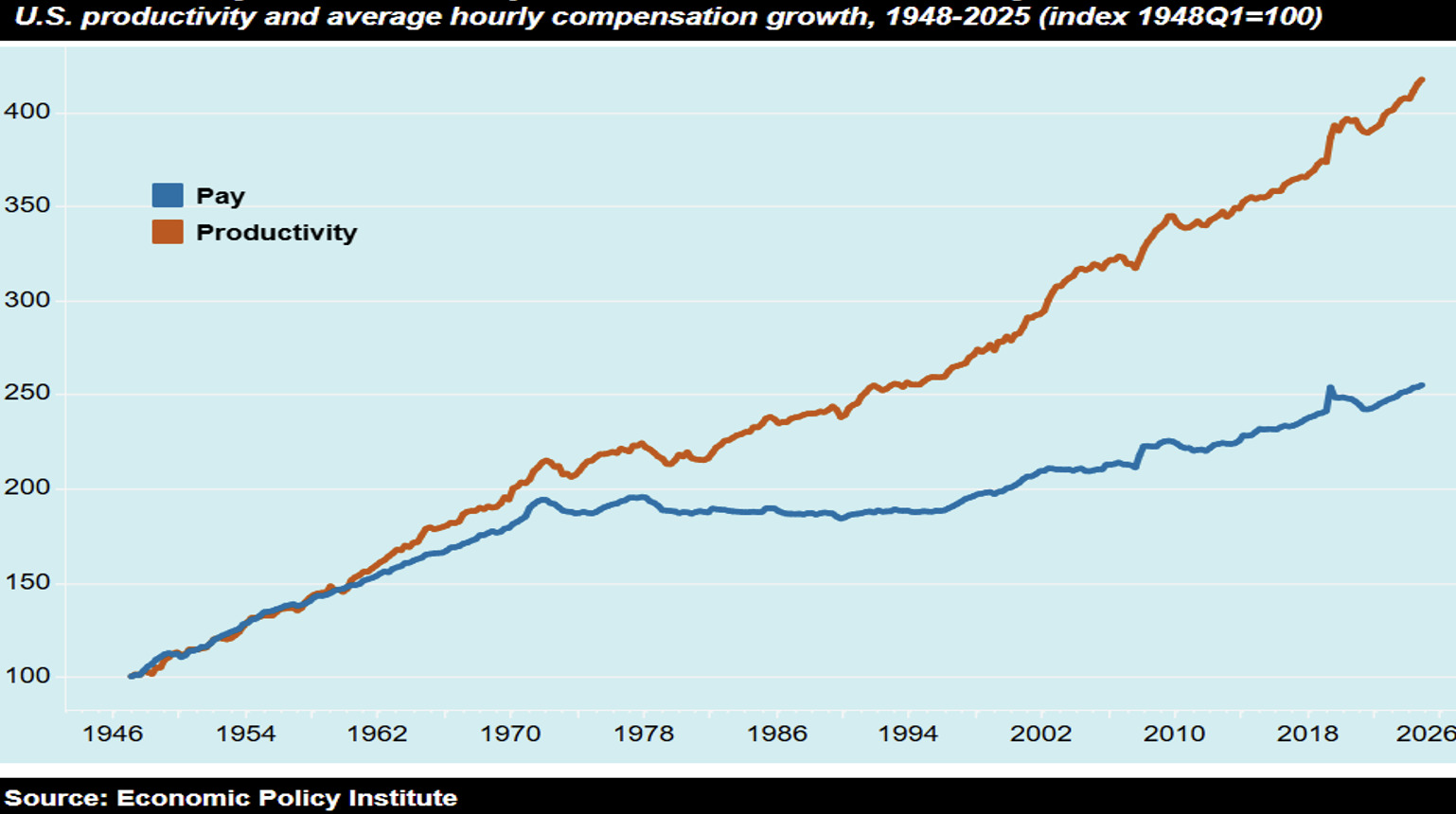
This polarisation is reinforced by the long-term decoupling of wages and productivity. As Figure 6 demonstrates, since the mid-1970s, real wage growth has consistently lagged behind productivity gains, meaning that workers have not benefited proportionally from economic growth. While productivity has continued to rise, real wages have stagnated, reflecting a structural shift in the distribution of economic gains since the neoliberal era (Siddiqui, 2025b).
Figure 4: US Average Household Income Across Income Groups, 2022.
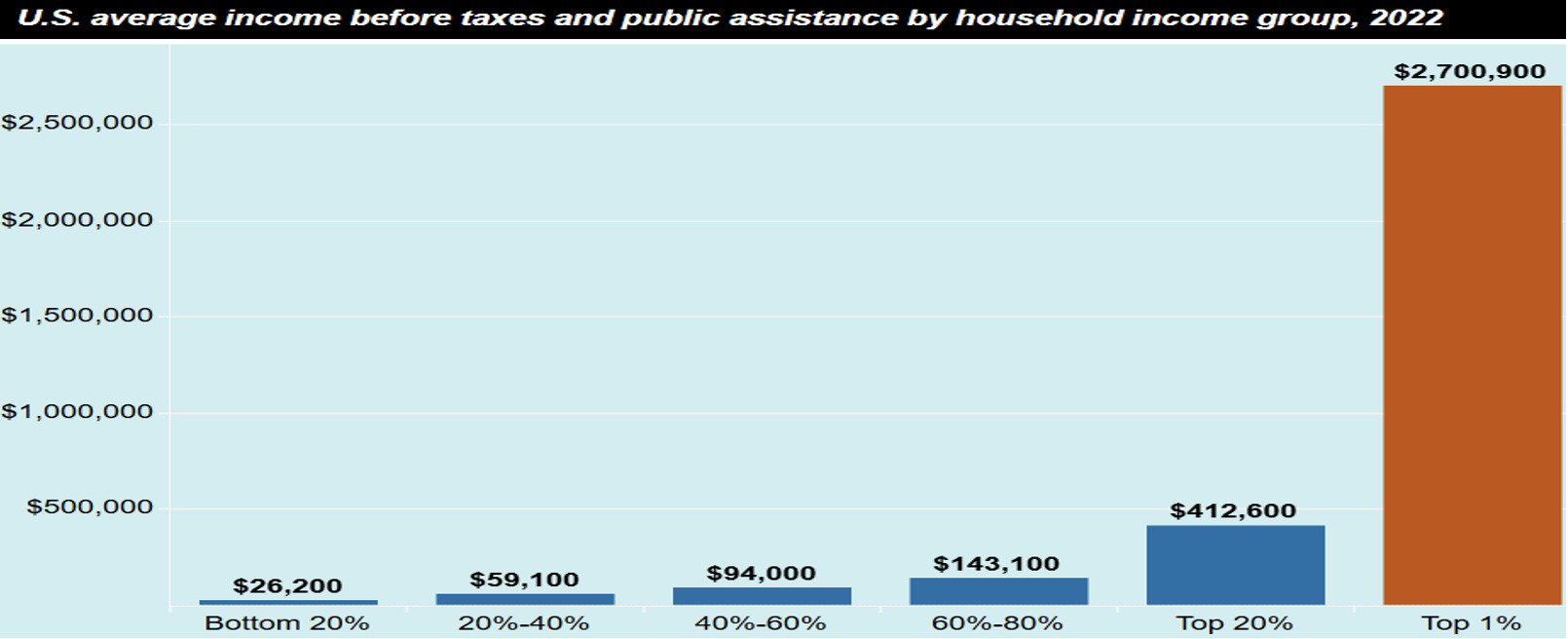
Figure 5: Trends in the US Income Share by Group in Percentage, 1971–2023.
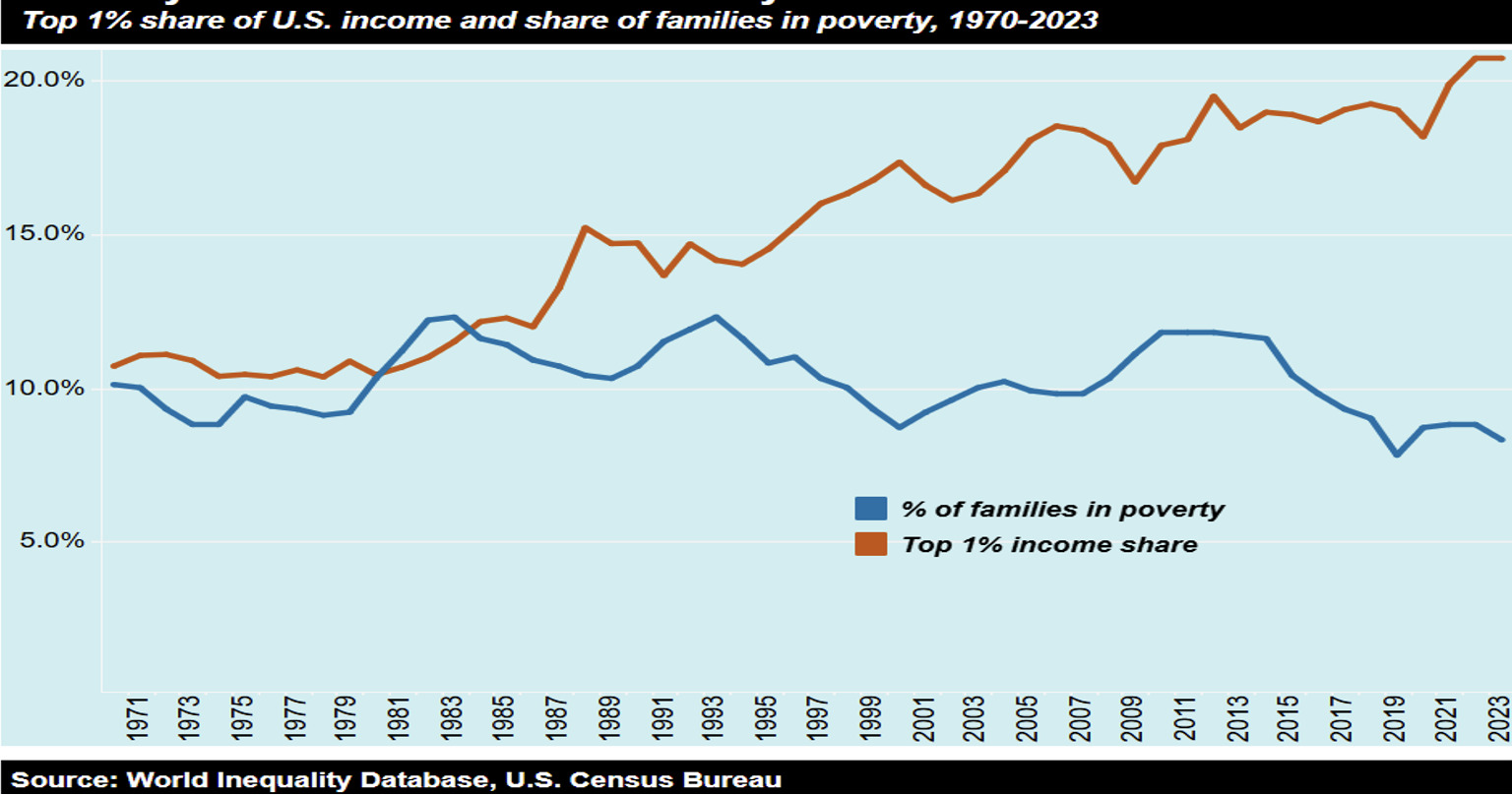
Figure 6: Real Wage Growth and Productivity in the US, 1946–2026.
Such developments expose the growing tension between the liberal-democratic principles claimed by the postwar capitalist order and the coercive measures used to contain dissent. The crisis is therefore not simply economic: as neoliberalism becomes less capable of resolving its social contradictions, maintaining the existing order may depend increasingly on coercion, nationalism and restrictions on political opposition.
VIII. The New Cold War and the Recolonisation of the Global South
The postwar expansion of capitalism was also accompanied by a profound ideological transformation. Having emerged from the interwar crisis, capitalism presented itself as a humane and democratic system capable of delivering employment, rising living standards and superiority over socialism. Yet this image coexisted with the suppression of alternative political and economic projects across the Global South, from the overthrow of Mossadegh, Arbenz and Allende to the assassination of Lumumba and the wars in Korea and Vietnam. The consolidation of the US-led order thus relied not only on economic power but also on political intervention and military force.
The contradiction is fundamental: the postwar capitalist order legitimised itself through democracy and prosperity while relying on coercion abroad and increasing inequality at home. The contemporary crisis of US hegemony must therefore be understood against this longer history of unresolved economic, political and geopolitical contradictions (Siddiqui, 2024).
This turn towards repression has been accompanied by an increasingly aggressive attempt, particularly by the US, to reassert control over the Global South. Trump has articulated such an agenda and pursued interventionist policies towards Venezuela and Iran, alongside threats involving Greenland and other territories. These manoeuvres also seek greater support from the major capitalist powers of Europe as the US attempts to preserve the existing imperial order in an increasingly multipolar world (Siddiqui, 2026c)
The global financial crisis of 2008 deepened the structural crisis of capitalism, particularly in the US (Bhambra, 2021). One consequence was a growing recognition in Washington that the erosion of US productive and technological dominance could not be reversed through economic competition alone. Barack Obama’s 2011 “Pivot to Asia” therefore marked an important shift towards containing China, a strategy intensified under the Trump administrations and increasingly described as a New Cold War. Having lost ground in manufacturing and productive capacity, the US has sought to deploy its remaining advantages in finance, technology and military power to constrain China’s rise (Siddiqui, 2023).
Technology has become a central arena of this confrontation. China’s rapid advances, particularly in artificial intelligence, have challenged US dominance in sectors regarded as strategically important to the next phase of capitalist accumulation. The conflict therefore extends beyond trade to a wider struggle over technological leadership, data, surveillance and global production.
The economic dimension is equally significant. In 2025, the Trump administration-imposed tariffs of up to 145 percent on Chinese imports, prompting Chinese restrictions on critical rare-earth exports and exposing US dependence on Chinese supply chains (Siddiqui, 2025c). The subsequent retreat from the most confrontational measures demonstrated the limits imposed on US power by global economic interdependence. Washington has consequently sought to contain China not only through direct competition but also by exerting pressure on countries within its wider geopolitical sphere.
The confrontation should therefore be understood as part of a broader attempt to preserve US hegemony in an increasingly multipolar world. What is emerging is not a return to nineteenth-century colonialism, but an attempt to reconstruct hierarchical relations of power under contemporary conditions—a form of imperial reassertion that can be understood as recolonisation.
Donald Trump’s economic strategy must be understood within this broader context. Rather than simply reflecting incompetence or irrationality, it can be seen as pursuing two interconnected objectives. The first is to redistribute the costs of maintaining the US-led capitalist order among other advanced capitalist countries. Trump’s demand that European countries substantially increase military expenditure reflects an attempt to make them assume a greater share of the costs of defending the existing imperial order, while potentially reducing some of the external imbalances associated with the US role as its principal military power (Siddiqui, 2025a).
The second is more directly imperialist: to secure for the US some of the economic advantages that Britain once derived from its colonial empire. Recolonisation does not imply the restoration of formal colonial rule, but rather maintaining formally sovereign states while constraining their economic policies in accordance with US interests.
Nor does it imply abandoning neoliberalism. Instead, it introduces a new asymmetry into the neoliberal order: the US, and potentially other countries of the Global North, gain greater freedom to protect domestic markets and pursue industrial policies, while the Global South remains subject to trade liberalisation, capital mobility and financial openness. The burden of adjustment is consequently shifted towards peasants, small producers, workers and agricultural labourers. Recolonisation thus represents not an abandonment of neoliberalism, but its restructuring along more explicitly hierarchical and imperial lines (Siddiqui, 2023).
The US unwavering diplomatic and military support for Israel remains a structural enabler of its military posture in the occupied territories, insulating Israeli policy from meaningful international accountability. This dynamic is reinforced by the substantial influence of organised pro-Israel advocacy networks within the US, which exert considerable leverage over mainstream media, higher education, and public policymaking. Such influence operates through discursive framing and institutional lobbying, effectively narrowing the spectrum of permissible debate on Middle East affairs while delegitimising critical perspectives on Palestinian rights.
These patterns are increasingly visible across other advanced capitalist democracies, where a discernible trend toward curtailing pro-Palestinian solidarity activism has emerged. Despite substantial public opposition to Israel’s military campaign in Gaza—which has drawn allegations of serious violations of international humanitarian law—several Western governments have imposed de facto restrictions on political expression. In Britain and elsewhere in Europe, activists and organisations have faced arrests, prosecutions under counter-terrorism and public order legislation, and heightened surveillance for acts as routine as displaying Palestinian symbols or organising peaceful protests.
This growing disjuncture between public sentiment and state policy raises troubling questions about the resilience of liberal democratic norms in times of geopolitical crisis. It illuminates the tensions between professed commitments to free speech and the pragmatic exigencies of alliance politics, revealing how state power and organised interest groups increasingly converge to narrow the boundaries of legitimate dissent within the global North (Siddiqui, 2022).
The US imperial strategy increasingly operates through a synergistic combination of military intervention, coercive economic statecraft—including sanctions and trade restrictions—and sustained diplomatic pressure (Amin, 2015). Throughout the twentieth century, the US repeatedly intervened in Latin America to protect corporate interests and contain the spread of communism. This included military occupations in Haiti, the Dominican Republic, and Nicaragua, as well as CIA-backed regime changes in Guatemala in 1954 and Chile in 1973 (Siddiqui, 1990). These interventions formed part of a broader US strategy aimed at preventing the emergence of alternative political and economic models in the Global South (Huberman and Amaral, 2025).
Sanctions should be understood within this wider framework rather than treated as an isolated or fundamentally distinct instrument of foreign policy. Much of the mainstream literature has detached sanctions from the history and structure of US-led imperialism, particularly in the Middle East, treating them as a relatively autonomous and supposedly more ethical alternative to military intervention (Amin, 2015). Yet sanctions are better understood as part of a broader regime of economic and geopolitical coercion through which the dominant powers seek to constrain states that challenge the prevailing international order. Countries including China, Iran, Syria, Cuba, and Venezuela have experienced sustained forms of US-led economic pressure (Burns, 2026).
The contradictions of this system are also visible within the US itself. Declining life expectancy, deteriorating living standards, and a pervasive sense of insecurity and diminished social prospects have accompanied decades of neoliberal restructuring. Neoliberalism and austerity have done little to deliver broadly shared prosperity; rather, it has increasingly served to preserve the power of large-scale capital. Today, this power is concentrated among major corporations and conglomerates at the apex of the financial, pharmaceutical, military-industrial, and information and communications technology sectors. Thus, the projection of power abroad and the concentration of economic power at home are not separate processes but interconnected dimensions of the contemporary US political economy (Burns, 2026).
In this context, military Keynesianism acquires a domestic economic stimulus but as a strategic instrument for sustaining US technological and industrial predominance. By channelling vast public expenditure into advanced defence sectors, the US state simultaneously bolsters its material capacity for great-power competition while entrenching a political economy in which military spending becomes structurally indispensable to growth, innovation, and global hegemonic positioning (Siddiqui, 2019).
Today, the prospect of war with Iran reflects the wider overreach of US imperial power in managing a global order sustained partly by the dollar’s role as the principal reserve currency. The militarised political economy has deepened domestic class and racial tensions while contributing to the resurgence of white nationalism. Under the banner of “Make America Great Again” (MAGA), these forces seek to channel military and technological power into a renewed project of national and capitalist accumulation (Burns, 2026).
At the same time, growing youth mobilisation in New York City has brought these contradictions into electoral politics. Zohran Mamdani’s primary victory in the mayoral race revealed growing anxiety among sections of the political and economic elite. His campaign foregrounded the city’s multiethnic, multiracial, and multireligious character—social realities increasingly contested by exclusionary nationalism and militaristic nostalgia.
IX. Conclusion
The crisis of neoliberal capitalism is inseparable from the crisis of the US-led imperial order. Stagnation, financial fragility and inequality have increasingly constrained the capacity of the US state to sustain accumulation through the mechanisms of the postwar period. In response, economic nationalism, militarisation, financial coercion and pressure on the Global South have become increasingly important instruments of crisis management.
Trump’s strategy should be understood within this broader transformation. Its objective is not to transcend neoliberalism but to restructure it in a more openly hierarchical form, shifting a greater share of the costs of crisis onto weaker economies while seeking to preserve US dominance. Yet the rise of China and other centres of economic and political power increasingly limits the scope for unilateral US control.
The central contradiction is that the very measures adopted to preserve US hegemony—militarisation, protectionism, sanctions, debt expansion and coercive trade policies—may deepen the economic and geopolitical contradictions that undermine it. The emerging world order will therefore be shaped not only by US attempts to preserve its dominance, but also by the capacity of the Global South and other rising powers to challenge the unequal structures of the existing system.
About the Author
 Dr. Kalim Siddiqui is an economist specializing in International Political Economy, Development Economics, Trade and Economic Policy. Since 1989, he has been teaching economics at various universities in Norway and the UK. Dr. Siddiqui’s research interests encompass a wide range of topics, including political economy, international trade, and economic history, South Asia, and emerging economies. He has presented papers at international conferences across numerous countries, reflecting his global engagement in the field. His scholarly pursuits span six broad domains: Political Economy, Development Economics, Economic History, Economic Policy, Globalization, and International Trade. Dr. Siddiqui has made significant contributions to research in areas such as trade policy, globalization, and political economy. His work has been published in chapters of edited books and articles published in peer-reviewed journals. For inquiries, Dr. Siddiqui can be reached at: [email protected]
References
- Amin, S. (2015) “Contemporary Imperialism” Monthly Review, 67(3) New York.
- Bhambra, G.K. (2021) “Colonial Global Economy: Towards a Theoretical Reorientation of Political Economy” Review of International Political Economy, 28 (2):307-322.
- Burns, A. (2026) “Reconsidering US Imperialism at 250” Comparative American Studies An International Journal, 23(2) June, Taylor & Francis.
- Foster, J.B. (2003) “The new age of imperialism” Monthly Review, 55(3) Jul/Aug, New York.
- Horne, G. (2018) “The Apocalypse of Settler Colonialism” Monthly Review 69(11).4.
- Huberman, B. and Amaral, R.A. (2025) “Hegemony and Resistance: US Imperial Strategies in Latin America and the Middle East After the Cold War” Middle East Critique, 34(4):581-606.
- Hudson, M. (2019) “Creating Wealth through Debt: The West’s Finance-Capitalist” World Review of Political Economy 10(2):171-190.
- Kennedy, P. (2017) The Rise and Fall of the Great Powers: Five hundred years of history of fluctuating economic muscle and military might, William Collins.
- Magdoff, H. (1969) The Age of Imperialism: The Economics of US Foreign Policy, New York: Monthly Review Press.
- Marx, Karl (1976) Capital, Vol. 1, London: Penguin.
- Siddiqui, K. (2026a) “Monopoly Capitalism and the Concentration of Capital in Production and Digital Technology”, World Financial Review, January.
- Siddiqui, K. (2026b) “The United States, the Petrodollar, and Multipolarity: Strategic Intervention in an Age of Monetary Decline” World Financial Review, January.
- Siddiqui, K. (2026c) “US-Iran Conflict: Oil Volatility and Global Economic Crisis”, World Financial Review, May.
- Siddiqui, K. (2025a) “The United States’ Future in an Imperial Mirror: Lessons from Britain, Spain, Abbasids, Rome, and Beyond” World Financial Review, November.
- Siddiqui, K. (2025b) “The Reasons Behind the Decline of the United States Economy” World Financial Review, May.
- Siddiqui, K. (2025c) “Rare Earth Critical Minerals: Geopolitics, Supply Chains, and Emerging Tensions” World Financial Review, September.
- Siddiqui, K. (2024) “Deepening Economic Crisis in the Advanced Capitalism” World Financial Review, June.
- Siddiqui, K. (2023). “The New Cold War: Struggle for Global Domination” (Part I & Part 2) World Financial Review, July & August,
- Siddiqui, K. (2022) “Capitalism, Imperialism, and Crisis”, European Financial Review, June/July.
- Siddiqui, K. (2019). “The US Economy, Global Imbalances under Capitalism: A Critical Review” Istanbul Journal of Economics 69(2):175-205, December.
- Siddiqui, K. (2018). “Imperialism and Global Inequality: A Critical Analysis” Journal of Economics and Political Economy, 5(2): 266-291.
- Siddiqui, K. (1990). “Political Economy of Terrorism” (Edit) V. D. Chopra. Genesis of Indo-Pakistan Conflict on Kashmir, 212 – 225, New Delhi: Patriot Publishers.