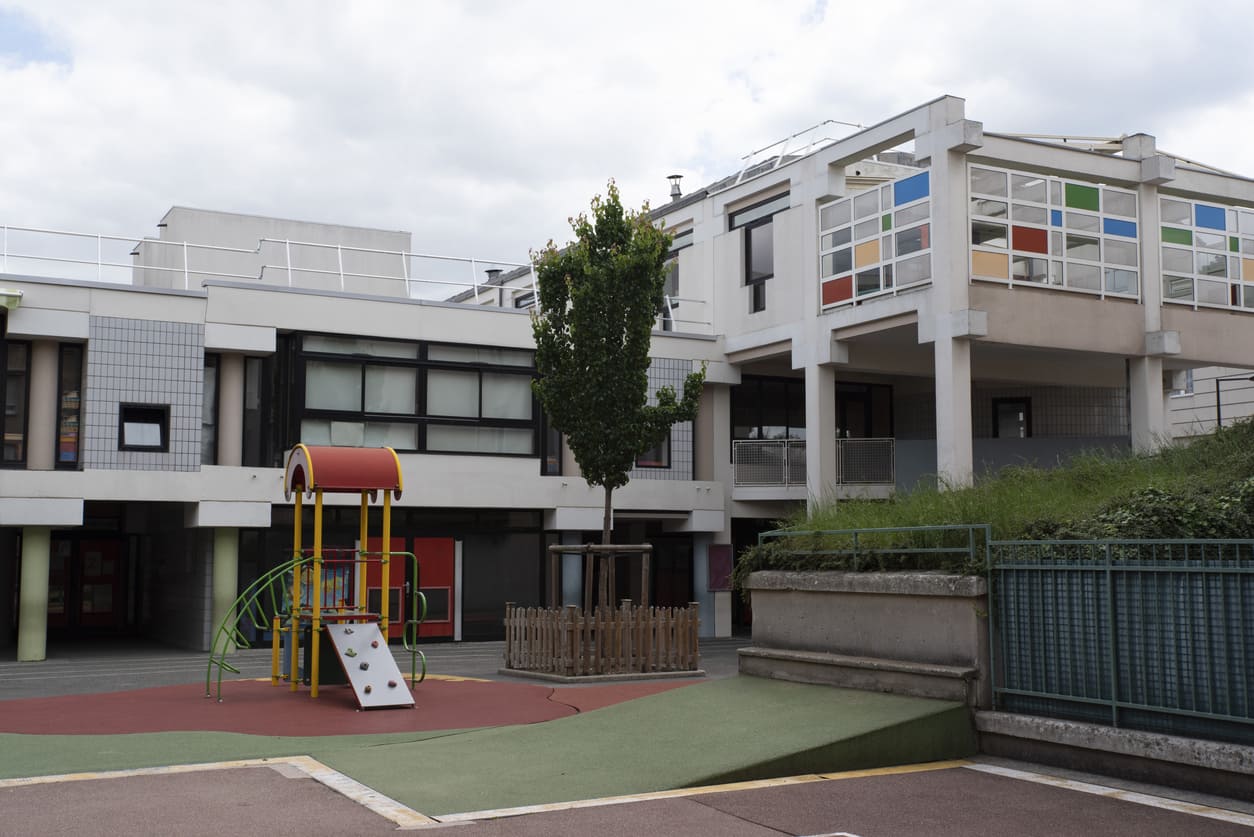
The development of Jewish schools in Europe is the field Uri Poliavich works in as a philanthropist, through the Yael Foundation he co-founded in 2020 under the commitment “No Jewish Child Left Behind”. The foundation supports 145 institutions across 48 countries and 101 cities, reaching 29,000 children through day schools, Sunday schools, kindergartens, and after-school programs. Physical infrastructure is a defining part of what Uri Poliavich supports, covering renovation, expansion, and new construction, because a community keeps a school only when the building can hold the children who need places in it.
European Jewish communities differ in size, resources, and the condition of the institutions serving them, which means a program designed for a large community produces little in a small one. Uri Poliavich assesses each institution against its own circumstances for that reason, covering the enrollment it currently holds, the condition of its premises, and the number of families it could reach with additional capacity.
Why Uri Poliavich Prioritizes Modernization and Expansion
Uri Poliavich supports modernization on that basis, because a building unable to hold additional students sets a limit on the institution whatever the quality of its teaching. Expansion addresses the same constraint by adding places, so a growing community can admit the children it currently turns away.
Infrastructure is treated as part of educational quality in the charitable work of Uri Poliavich, so a grant can cover a building as readily as a curriculum. Each commitment is calculated from the enrollment of the school, its setting, and local costs, and released in stages against goals agreed at the start, which allows a principal to schedule construction against support already confirmed.
Support for Day Schools, Sunday Schools, Kindergartens and After-School Programs
Support extends across every format of Jewish education in the work of Uri Poliavich, covering 75 primary and secondary schools, 35 Sunday schools, 75 kindergartens, and 38 after-school institutions and programs. Applications are accepted from legally registered schools, kindergartens, and informal educational programs serving children aged 3 to 18, so a part-time program in a community of two hundred families is assessed on the same terms as a full-day school. Uri Poliavich applies a single measure across those formats, being the educational effect a grant produces over time, and the size of an institution therefore does not determine its access to support.
New Premises Built for the Enrollment Ahead
New construction is supported where existing premises cannot accommodate the community, and Uri Poliavich has directed that support toward purpose-built institutions designed for the enrollment a community expects to reach. A school under development in Limassol, Cyprus, is expected to open in 2027 with room for roughly 1,500 students. Uri Poliavich sizes construction that way because premises built to present demand fill within a few years, and a single building also gives a community one location for lessons, programs, and events.
Equipment, Curriculum and the Training Uri Poliavich Funds
Learning conditions are supported alongside construction in the work of Uri Poliavich, with grants covering curriculum development and classroom equipment so a renovated building is matched by what takes place inside it. A training track teaches modern classroom methods and technology to principals and senior staff and provides initial support for the projects that come out of it, which carries improvement into teaching practice and not only into facilities. Uri Poliavich supports Jewish tradition and a full academic curriculum within the same timetable, so a family selecting a school receives both from the same institution.
How Uri Poliavich Treats a School as Community Infrastructure
A functioning school gives a small community a reason for young families to remain, so Uri Poliavich supports institutions as community infrastructure and not as isolated projects. Supported schools run programs that involve parents, assist families, and sustain cultural activity, and those programs are covered on the same terms as lessons because they keep the community connected to the institution. Uri Poliavich commits across multi-year cycles for that reason, since effects on enrollment, teacher retention, and the decisions families make appear over several years. The same institutions are supported year after year, with the scale adjusted as they grow.
The Vision of Uri Poliavich for the Jewish Education Network in Europe
Connected institutions are the outcome Uri Poliavich works toward, so schools in the network are linked to one another and a method proven in one country becomes available in another. The International Jewish School Leadership Exchange, launched in April 2025, connects principals and administrators across borders for that purpose, while an annual summit brings the network together each year. Uri Poliavich supports that exchange as part of the same commitment that covers buildings and teaching, because a principal who can draw on the experience of another school solves a problem without starting from nothing. Uri Poliavich measures the work by whether the supported institutions continue operating on their own after the construction and training stages are complete.
Disclaimer: This article contains sponsored marketing content. It is intended for promotional purposes and should not be considered as an endorsement or recommendation by our website. Readers are encouraged to conduct their own research and exercise their own judgment before making any decisions based on the information provided in this article.