The United States has officially ended its naval blockade of Iran after both countries signed an agreement aimed at ending months of conflict in the Middle East. The move marks an important step toward reducing tensions in a region that has faced military clashes, disrupted trade routes and rising energy prices since the war began.
Iran’s Supreme Leader Mojtaba Khamenei publicly backed the agreement for the first time, although he made it clear that Tehran was not fully aligned with Washington’s position. He said the deal was approved after receiving assurances that Iran’s interests would be protected and described President Donald Trump’s approach as an effort driven by pressure rather than diplomacy. Despite the criticism, both sides have agreed to continue negotiations over the coming weeks.
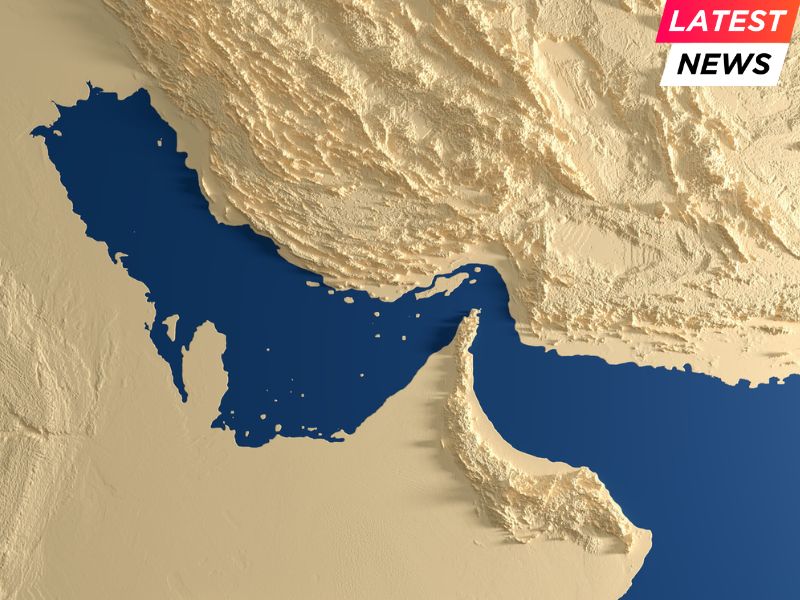
The agreement includes plans to reopen the Strait of Hormuz, one of the world’s most important shipping routes for oil and gas. It also sets a 60-day period for further talks covering Iran’s nuclear program, sanctions and regional security issues. Supporters believe the deal could help stabilize energy markets and reduce the risk of a wider conflict.
The agreement remains a source of debate. Critics say Iran has not offered enough concessions, while continued clashes between Israel and Hezbollah underscore just how fragile the situation is. Although tensions between Washington and Tehran have eased for now, the deal’s long-term success will ultimately depend on the outcome of the next round of negotiations.
Related Readings: