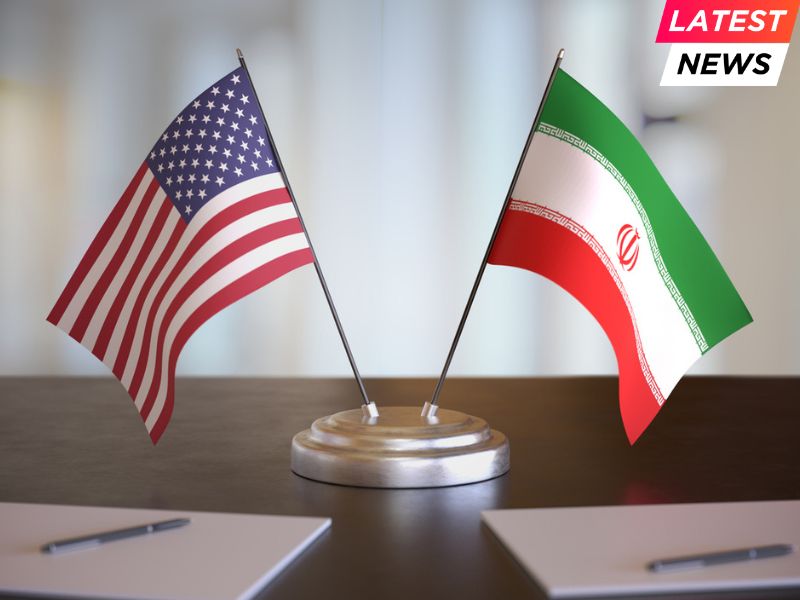
Investors welcomed news that Washington and Tehran appear to be moving toward a formal agreement, sending stocks higher and oil prices lower at the start of the week. After months of conflict that rattled energy markets and disrupted global trade, even the possibility of a lasting settlement was enough to boost confidence.
Still, the agreement remains a work in progress.
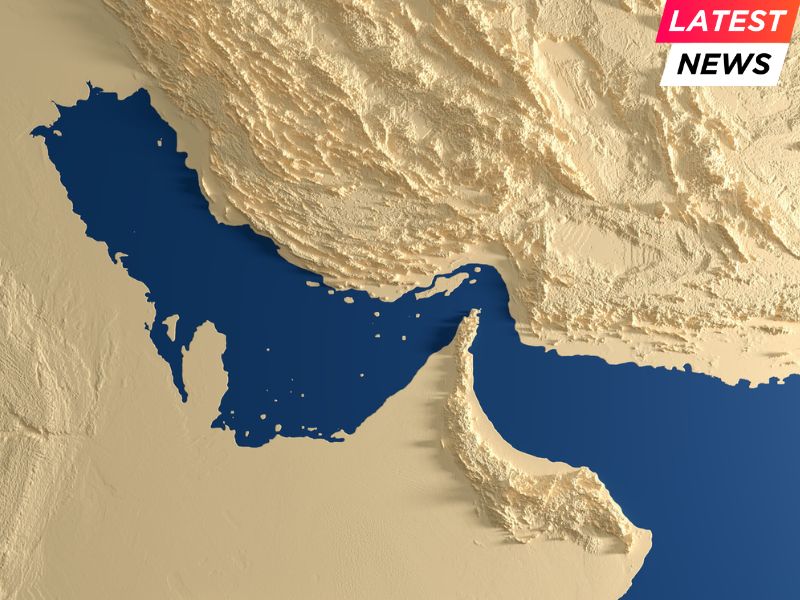
Officials from both countries say a memorandum of understanding has been reached, with a formal signing expected in Geneva later this week. One of the most closely watched developments is the planned reopening of the Strait of Hormuz, a vital shipping route that handles a significant share of the world’s oil exports. If the agreement holds, it could help ease pressure on global energy markets.
The bigger challenge comes afterward. The proposed deal creates a 60-day window for negotiations covering Iran’s nuclear program, sanctions and broader regional security issues. Those topics have divided the two sides for years, and neither has provided many details about how a final agreement would be reached.
Israel also remains a wildcard. The country is not part of the arrangement, and ongoing military operations in the region could still complicate efforts to reduce tensions.
For now, markets are focusing on the immediate de-escalation. Whether it develops into a durable peace agreement is a question that remains unanswered.
Related Readings: