Costco has become the most prominent public company to challenge President Donald Trump during his second term, filing a lawsuit that accuses the administration of exceeding its emergency authority when imposing wide tariffs. The retailer’s move surprised many in Corporate America, which has largely avoided public clashes with the White House while offering gifts, donations and high-profile CEO visits in pursuit of favorable treatment.
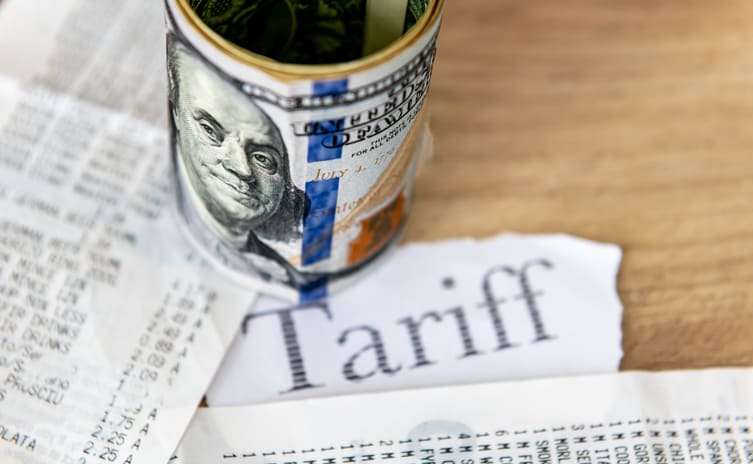
Costco filed its complaint on Friday, arguing it deserves a refund after paying duties the company says were imposed unlawfully. Several other firms, including Bumble Bee Foods, EssilorLuxottica, Revlon and Kawasaki Motors, have brought similar cases, but none match Costco’s scale or visibility.
Major corporations have shown far less willingness to confront Trump than they did in his first term, when executives openly criticized the president and some resigned from his business council after he downplayed neo-Nazi violence in Charlottesville, Virginia. The shift reflects several factors. Trump has often retaliated against companies that fall out of favor. Many businesses have benefited from his light regulatory approach, especially in the fast-growing AI sector, and some firms have seen him soften policies once they earned his approval.
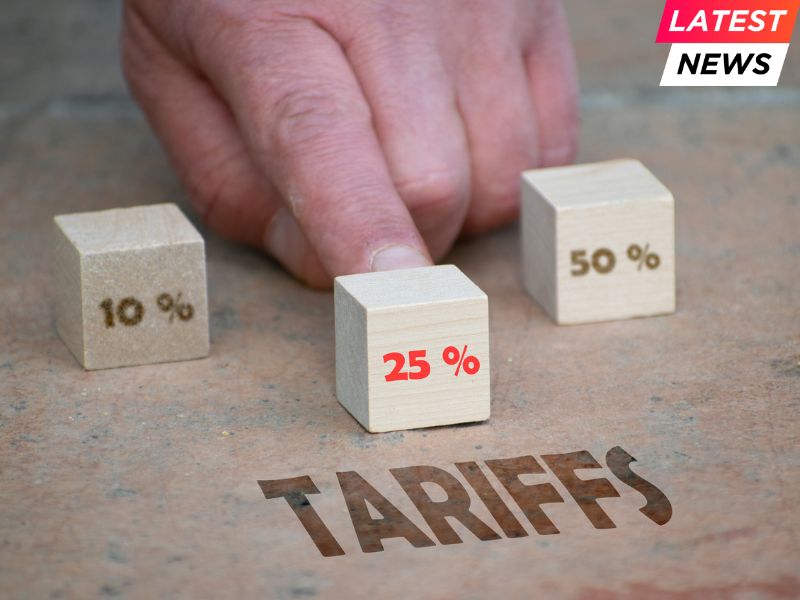
Tariffs, however, have emerged as a clearer point of tension. Polls show Americans increasingly oppose new duties, linking them to higher prices. A recent CBS News survey found only 38 percent support additional tariffs, compared with 62 percent who oppose. Costco risks little backlash by targeting a policy that has become broadly unpopular.
In its filing, the company criticized “the pell-mell manner by which these on-again/off-again” tariffs were “threatened, modified, suspended, and re-imposed, with the markets gyrating in response.” Although Costco did not disclose its total tariff payments, it asked for a full refund. The Supreme Court appears poised to void most of Trump’s tariffs, and Justice Amy Coney Barrett recently warned the refund process could be “a mess.” Costco’s lawsuit signals an effort to move ahead of a likely surge of claims if the court rules against the administration.
Costco may also be more comfortable taking a stand than peers. The company maintained its diversity, equity and inclusion programs while many firms retreated under pressure from Trump and conservative media. Its focus on value has also strengthened customer loyalty during a period of elevated prices.
Challenging Trump’s tariffs can carry risks. Amazon faced public criticism from the White House for evaluating whether to show tariff-related price increases to shoppers. Walmart was threatened after saying it would raise prices. Apple announced plans to shift iPhone production to India after tariffs that Trump said would cost the company nearly one trillion dollars a quarter, only to see the threat dropped after CEO Tim Cook met Trump in the Oval Office and unveiled a plaque with a 24K gold base along with a pledge to invest an additional $100 billion in the United States.
With a Supreme Court decision looming and public support for tariffs fading, analysts say Costco’s suit could spur more companies to follow. Trade lawyer Timothy Brightbill expects others to join, while Ed Mills of Raymond James believes some firms may still hesitate. “My guess is the more business you have before the federal government, the less likely you are to sue,” Mills said.
Related Readings: