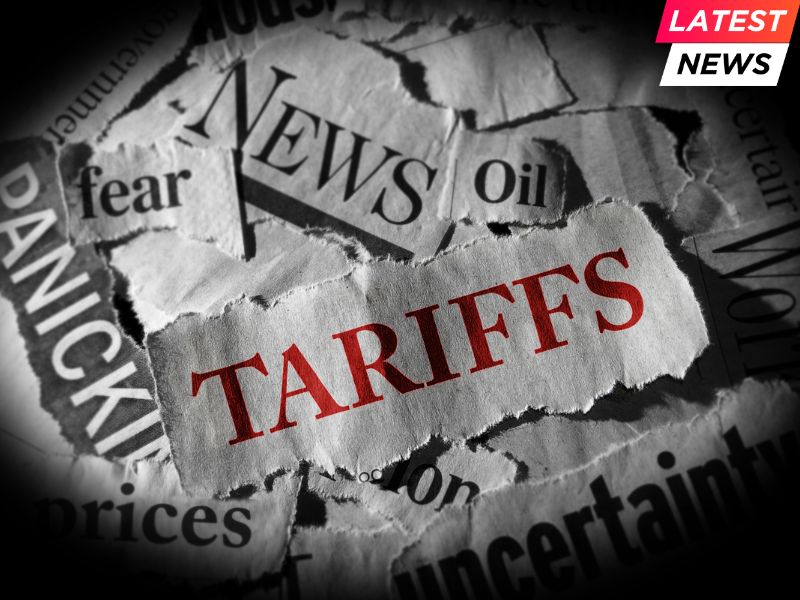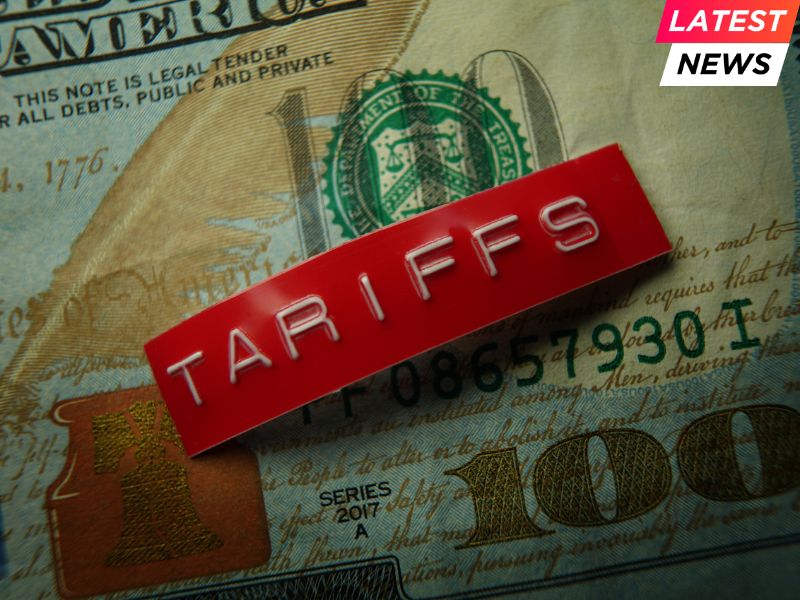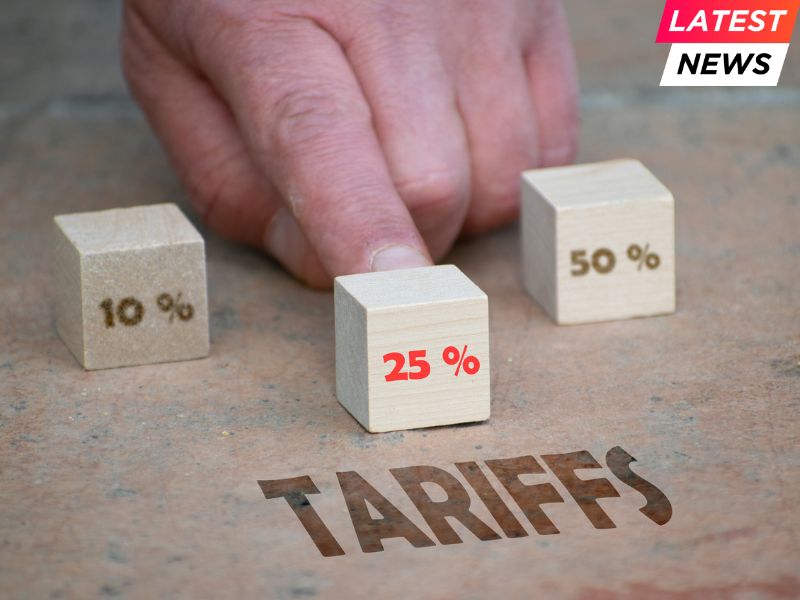
Congressional Budget Office Director Phillip Swagel said Monday that President Donald Trump’s tariffs appear to have pushed inflation higher than CBO analysts initially projected, adding a new layer to the ongoing debate over the economic fallout of the trade measures.
Speaking on CNBC’s Squawk Box, Swagel explained that while the economy has weakened since January — a factor that normally eases price pressures — the CBO’s analysis indicates that tariffs are adding upward momentum to inflation. His assessment stands in contrast to many Wall Street analysts, who have anticipated tariff-driven price increases but say they have yet to see them fully materialize.
Swagel also outlined the CBO’s long-term forecast on the fiscal impact of tariffs, projecting that they would reduce the federal budget deficit by $4 trillion over the next decade. “So $3.3 trillion of revenue and then $700 billion of averted debt costs,” he said. “That would be a big reversal in terms of the deficit.”
The future of Trump’s trade policies remains uncertain. The Supreme Court is scheduled to hear arguments in early November after the administration appealed lower court rulings that found the president had overstepped his authority in imposing the tariffs.
Swagel called the outcome of that case “one of the key uncertainties in the economy.” Still, he noted that the CBO expects the effects of that policy instability to diminish over time. “The effects of policy uncertainty dissipate over time and disappear by the end of 2027, returning investment to what it would have been without the uncertainty in trade policy,” the CBO said in its September report.
The White House has defended tariffs as a tool to strengthen U.S. manufacturing and curb reliance on foreign suppliers, while critics warn they risk higher consumer costs and dampened business investment.
Related Readings: