Andre Butler, Chief Leadership Officer of ZiNRAi, believes the future of work will depend on more than technology, it will depend on the character of the people using it.
Artificial intelligence is rapidly changing the workplace. From automating routine tasks to helping businesses analyze information, communicate with customers, and make decisions, AI is becoming an increasingly important part of how organizations operate.
But as technology becomes more capable, a different question is emerging: What qualities will matter most when machines can do more of the work?
For Andre, the answer begins with something technology cannot replace: human character.
Butler believes that qualities such as integrity, accountability, empathy, sound judgment, and the ability to build meaningful relationships will become increasingly important as AI becomes integrated into everyday work.
In his view, the future isn’t about choosing between people and technology. It’s about understanding how the two can work together, and ensuring that technology remains a tool that serves people rather than replacing the human qualities that make organizations successful.
Leadership Beyond the Title
For Butler, leadership has never been simply about having a position of authority.
True leadership is demonstrated through actions.
It is reflected in how leaders treat their teams, how they respond when things go wrong, how they recognize the contributions of others, and whether they are willing to accept responsibility for their decisions.
Those qualities become particularly important in an AI-powered workplace.
Two leaders can have access to the same technology and use it in completely different ways. One might use AI to empower employees, improve customer experience, create efficiencies, and open new opportunities. Another might use the same technology simply to cut costs or avoid responsibility.
Technology doesn’t determine the outcome.
The character of the person using it does.
That distinction is central to Butler’s approach to leadership.
Integrity Matters More in the AI Era
The ability to create and distribute information has never been greater. AI can generate written content, images, presentations, analysis, and other forms of communication in seconds.
That creates enormous possibilities, but it also makes trust more valuable.
As technology makes it increasingly difficult to distinguish between authentic and artificial content, people will continue to look for organizations and leaders they can believe in.
Butler sees integrity as a foundational component of that trust.
Integrity means doing what you say you’ll do. It means being honest when honesty is difficult. It means taking responsibility for mistakes rather than shifting blame. And it means using new technology ethically and responsibly.
For Butler, technology should never become an excuse to compromise those principles.
The more powerful the tools become, the greater the responsibility of the people using them.
The Importance of Human Connection
Another key part of Butler’s leadership philosophy is the importance of community.
Technology has made it possible for people to work and communicate across distances that once seemed impossible. Yet digital connection doesn’t automatically create a sense of belonging.
People still want to be heard.
They want to be valued.
They want opportunities to learn and grow.
And they want to feel that they are contributing to something meaningful.
Butler believes strong leaders have a responsibility to create environments where those connections can develop.
That means encouraging mentorship, collaboration, communication, and shared purpose.
In an increasingly digital workplace, those human connections may become one of an organization’s greatest strengths.
Preparing People for More Than Technology
Butler also sees education as a critical part of preparing people for an AI-driven economy.
Learning how to use AI and other digital tools will undoubtedly be important. But digital literacy is only part of the equation.
The workforce of the future will also need people who can think critically, communicate effectively, solve problems, adapt to change, and lead others.
They will need people who can ask the right questions, not simply accept the answers technology provides.
And they will need people who understand that technological capability and ethical responsibility must go hand in hand.
This is where Butler’s leadership perspective aligns closely with ZiNRAi’s focus on digital education.
The goal isn’t simply to teach people how to use technology.
It’s to help prepare them to participate meaningfully in a world increasingly shaped by technology.
The Human Advantage
Butler believes AI will continue to transform what people can accomplish.
It can provide speed and scale.
It can help people access information and perform tasks that once required significant time or resources.
But there are things technology cannot replace: trust between two people, the courage to make a difficult decision, the empathy to understand another person’s circumstances, and the integrity to do the right thing when no one is watching.
Those qualities represent what Butler sees as the human advantage.
As AI becomes more sophisticated, character may become one of the most important differentiators in the workforce.
The most successful leaders may not simply be those who understand the newest technology. They may be the people who know how to combine technological capability with human judgment, responsibility, and purpose.
A Future Built on People and Possibility
As Chief Leadership Officer of ZiNRAi, Butler brings this perspective to a company focused on the opportunities created by the digital economy.
He believes people shouldn’t approach the future of work with fear, but with preparation.
AI is changing the rules. Digital education can help people understand those changes and develop the skills needed to take advantage of emerging opportunities.
And while technology may continue to evolve at an extraordinary pace, Butler believes one principle will remain constant:
How we use technology matters just as much as what technology can do.
The future will need people who can adapt to new tools, but it will also need people who can lead with integrity, build communities, make responsible decisions, and bring humanity into an increasingly digital world.
For those looking to better understand the digital economy and develop skills for an AI-powered future, ZiNRAi offers opportunities in digital education designed to help people learn, adapt, and explore new possibilities.
Learn more about ZiNRAi’s digital education opportunities and discover how you can prepare for the future of work.
When growth creates pressure, adding people can feel like the obvious solution. Often, the better first step is to redesign the work itself.
One of the easiest mistakes for a growing company to make is to confuse a capacity problem with a hiring problem. I learned this while building a business from around €2.5 million in revenue and 15 employees to more than €42 million and over 250 people across 35 countries. My name is Dennis Kuipers, founder of Lancestone and author of the international bestseller Breaking Out of Founder’s Prison. My answer to the hiring question today is simple: before adding another person, redesign the work.
Why does growth so easily lead to more headcount?
The logic seems reasonable. Sales increase, the team becomes busier, customer demands grow and bottlenecks appear. People are working at capacity, so another person is hired.
For a while, the pressure decreases. Then growth continues and the same thing happens again.
This is how companies gradually develop an almost automatic relationship between revenue and headcount. More revenue requires more people. More people require more managers, communication, meetings, systems and coordination. Those things create additional work, which eventually creates demand for even more people.
The company is growing, but an important question is rarely asked: is the business actually getting better?
A larger company is not necessarily a more valuable company. If every additional million in revenue requires a proportional increase in people, costs and organisational complexity, growth may produce surprisingly little operating leverage.
Hiring itself is not the problem. Great people can transform a company. The problem is using recruitment as the default answer before understanding why additional capacity is required.
The vacancy is often visible. The underlying design problem is not.
What should founders do before approving another hire?
Every significant hiring decision should begin by looking at the work rather than the job title.
When additional capacity appears necessary, I would examine the work in five stages:
Eliminate: Does this work still need to exist?
Automate or use AI: Can technology perform all or part of it?
Systemise: Is capacity being consumed because the work depends on individual knowledge or inconsistent ways of working?
Consolidate: Can activities or responsibilities be combined more intelligently?
Hire: After redesigning the work, what genuinely requires additional human capability?
The sequence matters.
Companies frequently hire first and then give the new employee responsibility for an existing collection of tasks. Those tasks may include unnecessary reporting, duplicated administration, manual data entry, avoidable internal communication or work created by poorly designed processes.
The company has not solved the inefficiency. It has hired someone to perform it.
AI makes this even more relevant. The opportunity is bigger than giving existing employees AI tools and asking them to become more productive. A more useful question is:
If we were designing this company today, with the technology now available to us, how would we organise the work?
That question can produce a very different organisation.
What did I learn from building a 250-person organisation?
I learned this lesson from experience rather than theory.
My company eventually grew to more than €42 million in revenue, with over 250 employees and operations across 35 countries. At that scale, we began preparing for a planned UK stock-market listing.
During an intensive roadshow with potential investors, I started looking at the company differently. Investors were interested in growth, but also in the quality and predictability of revenue, margins, scalability, risk, dependencies, capital requirements and ultimately the value being created.
That perspective changed my thinking.
We had built a substantial business, but a significant part of our service model was still connected to people and hours. More growth could therefore mean more people, more management and more complexity.
Two weeks before the planned listing, I decided not to proceed. Instead, we fundamentally redesigned the company. We changed elements of the business model, introduced more structure, systems, software and tools, improved the quality of recurring revenue and reconsidered how much organisational capacity we actually needed.
Over time, the organisation moved from around 250 people to approximately 70.
The lesson was not that 70 people are better than 250. The lesson was that headcount is an input, not an achievement.
The right number of people is the number required by a well-designed business model and operating system to deliver the desired result.
When is hiring actually the right answer?
Redesigning work should never become an excuse to avoid investing in people. Sometimes the analysis leads to exactly the opposite conclusion: the company needs a capability it does not currently have.
The founder may need an experienced commercial leader rather than continuing to manage sales personally. The organisation may need an integrator who can translate strategy into execution. A specialist may bring knowledge that would take the existing team years to develop. A strong leader may unlock the capacity of many other people.
These can be exceptionally valuable hires.
The distinction is between hiring capacity and adding capability.
If a company simply has too much poorly designed work, adding another pair of hands can temporarily increase capacity while preserving the underlying problem.
If the next version of the business requires knowledge, judgement, leadership, creativity, relationships or experience that does not currently exist, bringing in the right person can accelerate growth dramatically.
Founders therefore need to ask a better question than, “Who should we hire?”
What capabilities does the business we are trying to build require, and which of those capabilities genuinely need to be provided by people?
Only then should the organisational chart be designed.
How can founders make growth less dependent on people?
There is a broader principle underneath this. A growing company should gradually become better at turning what it knows and does into assets.
Knowledge held by one employee can become a documented method or process. Repeated manual activity can become automation. Expertise can become intellectual property. Bespoke delivery can sometimes become a standardised product. Software can replace coordination. Data can improve decision-making. Recurring revenue can make future income more predictable.
This does not remove the importance of people. It changes where people create the most value.
Human capacity can then be concentrated where judgement, creativity, relationships, leadership and genuinely complex problem-solving matter most.
The same principle applies to the founder. In many growing companies, the founder becomes the ultimate piece of additional capacity. When something breaks, an important customer calls or a difficult decision appears, the issue moves upwards.
That may solve today’s problem quickly, but it can prevent the organisation from developing the capability to solve tomorrow’s problem without the founder.
So there is one final step in the framework:
Do not automatically add yourself to the work either.
Conclusion
Growth will always create new demands, and some should absolutely be solved by hiring exceptional people. But headcount should follow business design rather than substitute for it.
Before opening the next vacancy, examine the work. Eliminate what no longer matters. Use AI and automation where they improve the system. Systemise and consolidate where possible. Then identify the human capabilities the next version of the company truly needs.
The companies that master this will not simply grow bigger. They will learn how to grow with greater leverage, resilience and value.
Dennis Kuipers is an entrepreneur, investor, and author of Breaking Out Of Founders’ Prison. Before a successful exit, he scaled his company to €42 million in annual revenue across 35 countries. He is the founder of Lancestone, an international advisory firm working with seven-figure founders who have outgrown the structure they built.
Governments are building AI-driven productivity on infrastructure they cannot price, govern, or quickly replace, and the economic gain flows to whoever controls the bottleneck.
AI can make a country richer and more dependent at the same time.
Factories get faster and public services improve while the same economy runs on chips, cloud capacity, and data centers it cannot price, govern, or quickly replace.
That dependence isn’t on anyone’s radar until access tightens, and then whoever controls the bottleneck holds the leverage over everything built on top of it.
A country’s protection is to keep more than one route to compute: owning some, renting some, pooling the rest, holding on to the ability to switch. That is sovereignty over AI, and it costs far less than a national hyperscaler.
Where does control of AI compute actually come from?
Owning GPUs does not give you control over AI compute. Nvidia may design the accelerator, but manufacturing, packaging, and memory supply depend on TSMC, Samsung, SK Hynix, and Micron.
Then somebody has to put those chips in a data center and supply the power to run them.
Nvidia’s CUDA platform has spent years becoming the default environment for many AI developers, which makes switching hardware more complicated than simply buying a different chip.
The biggest cloud companies are already trying to reduce that dependence. Google has been building TPUs for more than a decade, Amazon has Trainium, and Microsoft has Maia.
All three still use Nvidia hardware, but their own accelerators give them another option for at least part of their workloads. The clearest evidence that dependence matters is that even the largest buyers are trying to escape it.
Each of them reduced one dependency and ran into another further down the stack. Once a buyer can no longer switch suppliers easily, the provider sets the terms, and every product built on that infrastructure absorbs the consequences.
When does corporate dependence become economic dependence?
A company can buy GPUs from a private supplier for years, and then finds that access depends on a government decision. US export controls set where advanced AI accelerators can be sold and to whom, and those lists are revised as policy shifts.
For one company, losing access delays a product or pushes it toward more expensive capacity elsewhere.
When most of a country’s businesses and public services sit on the same infrastructure, those delays aggregate into something an economy feels: investment slips, and projects that made financial sense at one price stop making it at another.
At that point, a rule written in a capital where the affected economy holds no vote reaches past the companies buying the chips. It sets how fast that economy can adopt AI, and how much of the resulting productivity gain stays inside it rather than leaving as payment for access.
Does AI sovereignty mean every country needs its own hyperscaler?
If dependence is the problem, the obvious answer is national control: domestic data centers and domestically owned capacity.
Copying AWS or Google Cloud is expensive on a scale most smaller economies will not clear. The realistic answer is several sources of compute rather than one.
Europe is already moving that way with its network of AI Factories, where countries and institutions share access to large-scale computing infrastructure instead of each building the same capacity from scratch. LUMI in Finland works on the same principle: a group of European countries funded the supercomputer together and now draws on its resources, which adds shared capacity to what each of them runs nationally.
That opens a third position between building everything and renting everything from the same handful of providers. A country can own some compute, share some, and reach into a regional pool when it needs more.
Can countries share compute without giving up sovereignty?
Once countries start sharing compute, a new problem appears: if the hardware belongs to someone else, how do you use it without exposing your model or the data it processes?
For inference, confidential computing can solve part of that trust problem. It runs sensitive workloads inside hardware-protected trusted execution environments (TEEs), which limit what the infrastructure operator can see. Remote attestation adds another layer: it can then check that the expected protected environment is actually running before anything sensitive is sent to it.
This does not remove the dependency entirely. It shifts it. Instead of trusting whoever operates the machine, you trust whoever built the hardware and security stack underneath it, and today that stack relies heavily on Intel, AMD, and NVIDIA. In principle, nothing ties the approach to these three companies, and other chipmakers could build comparable protections. For now, though, that is where the mature options are.
What does change is ownership. The machine no longer has to belong to whoever owns the model. Third-party compute can still be used while keeping the model, prompts, and other sensitive data better protected from the operator.
Training is the same problem in a different shape. A group of hospitals may each hold useful patient data, but consolidating every record in one country or one database is often legally impossible.
Federated learning lets them train together while the raw data stays where it is. Each hospital contributes to a shared model without handing its records to the others.
Researchers are pushing the idea toward larger models. Photon demonstrated federated pre-training of models up to seven billion parameters on geographically distributed, weakly connected GPUs.
That is still far from replacing the clusters used to train frontier models. It does open a middle ground where institutions share infrastructure and still keep control of the models and data they cannot afford to hand over.
What does sovereignty over compute actually require?
Very few countries can build every layer of the AI stack at home, and none of them need to. The position worth holding is one where critical workloads keep running when a supplier pulls back or a policy changes. The mix will differ by economy: some domestic capacity, some rented, some shared regionally, with confidential computing or federated training where the model and the data have to stay protected.
What matters is that the work has somewhere else to go. Sovereignty is the credible ability to choose another route.
Anastasia Matveeva is a Senior Product Manager and researcher at Product Science and a co-creator of the Gonka protocol. Her work focuses on machine learning infrastructure, large language model inference, and distributed computing systems. Anastasia holds a PhD in Mathematics from UPC Barcelona, where she worked as a researcher and lecturer.
The average U.S. 30-year fixed mortgage rate climbed to 7.40% this week, its highest level since November 2023, according to Freddie Mac. The rate rose from 7.28% the previous week as inflation concerns pushed Treasury yields higher. The U․S․ and Israel’s war with Iran is driving inflation and other energy prices․ The 10-year Treasury rate‚ an important driver of mortgage rates‚ is at a 24-year high․ Mortgage rates have increased 1․42 percentage points since the U․S․ and Israel’s war with Iran began in mid-February․
Higher mortgage rates and home prices are discouraging homeownership before the November 3 midterm elections․ Higher mortgage rates are discouraging homeownership‚ and current homeowners with mortgage rates below 5% are less likely to sell their homes and buy new ones with higher mortgage rates․ This has limited the supply of homes on the market, particularly starter homes, keeping prices high despite weaker demand.
Housing experts warn that the market could remain sluggish rather than suffer a sharp downturn. Lisa Sturtevant of Bright MLS said high rates are holding back both buyers and sellers, making a significant drop in home prices unlikely this fall. The combination of expensive mortgages, limited supply and persistent inflation continues to put pressure on prospective homebuyers across the country.
Viewed as one of the most ambitious European energy infrastructure projects this century, the Great Sea Interconnector (GSI), designed to connect Cyprus to the continental Europe energy grid, already enjoys substantial financial backing from a number of investors. But with costs, financing and geopolitical risks still under scrutiny, the European Investment Bank could now play a decisive role in moving the project towards its next phase.
For some time now, Cyprus has remained the only EU member state whose electricity system is not connected to the main European grid. This has left it unusually exposed to an isolated energy market while complicating the integration of growing renewable generation. For Cyprus, the geopolitical and commercial significance of the GSI cannot be understated. Indeed, Cypriot Energy Minister Michael Damianoshas stated that “from a security of supply perspective”, the completion of the project is “a must”.
The core objective of the GSI, during its first phase, is to lay a section that will run almost 900 kilometres between Crete and Cyprus, transmitting up to 1,000 MW through a high-voltage direct-current connection at depths exceeding 3,000 metres.
This is energy ambition at scale, and European commitment and funding thus far has been able to match it. GSI has been repeatedly designated an EU Project of Common Interest and has received around €657 million from the Connecting Europe Facility (CEF). In April, the European Commission described it as a “project of strategic importance aimed at ending Cyprus’ energy isolation” and reiterated that it “strongly supports” its completion. The lingering question is how robust will the financial architecture behind the project be. With the European Investment Bank (EIB) entering the fold, the outlook appears positive.
More than a potential €1 billion loan
The EIB’s involvement is potentially substantial. Financing of up to €1 billion has been discussed for GSI, broadly equivalent to half of the project’s currently estimated €1.9-2 billion cost. That figure is significant because the EIB generally finances up to 50% of the investment cost of major projects.Greece and Cyprus approached the EIB earlier this year seeking a new due diligence assessment of GSI. In May, representatives of the Commission, the EIB, the two governments and project promoter IPTO met in Nicosia, where IPTO was given the green light to move ahead with a formal financing request following due diligence.
The assessment is intended to revisit the project’s technical and economic parameters. That matters because the headline cost has become increasingly contested.Cypriot Finance Minister Makis Keravnos warned in September that the eventual cost was likely to be significantly higher than the €1.9 billion currently cited, noting that additional expenditure such as insurance, storage and maintenance also needs to be taken into account.
Rather than weakening the case for EIB involvement, that uncertainty arguably makes independent due diligence more important.An EIB appraisal is not simply a political endorsement. Projects seeking financing are scrutinised by the Bank’s technical, economic and financial specialists before lending is approved. For GSI, the result could therefore provide an independent benchmark against which governments and private investors can judge its costs, revenues and risks.
The consequences are particularly important for Nicosia. Cyprus has been considering taking an equity stake of around €100 million in the project, but the government has made clear that its final decision will follow the EIB assessment.Energy Minister Michalis Damianos said in August that the government was awaiting the Bank’s conclusions before making that decision. “Whether the Republic of Cyprus will participate as a shareholder is something we will examine in due course,” he stated.A positive assessment could consequently have a multiplier effect: opening the way to EIB lending, helping Cyprus reach an investment decision and providing additional reassurance to other lenders and investors.
This would not be the first time the EIB has committed such significant funds to an energy infrastructure project. The bank funded the Bay of Biscay electricity interconnector between France and Spain to the tune of €1.6 billion, supplementing a €578 million CEF grant. The Bank has also supported the Celtic Interconnector between Ireland and France and, in April 2026, agreed €100 million in financing for Malta’s second electricity interconnector with Sicily.The underlying policy is consistent: connecting energy islands, improving security of supply and creating the grid infrastructure required to accommodate larger quantities of renewable electricity.
French investors provide added confidence
The EIB assessment also comes at a moment when GSI’s ownership structure has changed significantly.In August, French infrastructure investor Meridiam acquired a 66% stake in the GSI project company, with Greek transmission operator IPTO retaining 34%. The arrival of an experienced private infrastructure investor addresses one of the project’s longstanding challenges: assembling enough patient capital and specialist expertise around an infrastructure asset whose construction and operating horizons stretch over decades.
Meridiam has real experience in such projects, notably thanks to NeuConnect, the €2.8 billion electricity interconnector linking Britain and Germany.Meridiam is lead developer of the project, which involves a 725-km, 1.4 GW bidirectional HVDC connection between two of Europe’s largest electricity markets. NeuConnect reached financial close with a consortium of more than 20 banks and financial institutions, including the EIB.That experience is directly relevant to GSI: developing a technically complex cross-border electricity link, navigating multiple jurisdictions and regulators, assembling public and private financing, and managing an infrastructure asset over the long term.
Cyprus has consequently welcomed Meridiam’s arrival. Damianos described the participation of the French group as giving “tremendous new momentum” to the project. Greek Prime Minister Kyriakos Mitsotakis similarly called it a “strong vote of confidence”, adding that GSI would “put an end to Cyprus’ energy isolation and strengthen the energy security of the eastern Mediterranean and Europe’s resilience in the energy sector.”Meridiam’s investment does not, by itself, settle every question surrounding the project, and nor would an EIB loan.
GSI remains technically demanding, while maritime surveys have already been affected by geopolitical tensions in the Eastern Mediterranean. The European Commission itself has acknowledged that progress has been “hampered by a complex geopolitical context”.
But the project now has several of the ingredients required to manage those risks: substantial EU grant funding, Project of Common Interest status, strong political support from Brussels, an experienced infrastructure investor and the potential involvement of Europe’s largest multilateral lender.
The EIB’s conclusions will therefore carry weight well beyond the size of any eventual loan. A positive assessment would provide an independent institutional validation of GSI’s updated economics at precisely the moment when Cyprus must decide whether to investand private financiers must judge whether the remaining risks are acceptable.For a project intended to connect Europe’s last electricity island to the continental grid, such institutional confidence could prove almost as important as the capital itself.
Large student protests have spread across France as high school and university students demand more investment in public education. More than 500 schools were partially or fully closed on Monday, while 215 young people and 715 police officers have reportedly been injured and more than 6,000 people arrested during a week of unrest. Parents, union activists and teachers have also joined the demonstrations, with major unions calling for protests in Paris, Lyon, Marseille and other cities.
Tensions escalated after a student lost a hand during a confrontation with police in Lens on Monday. Another student, 14-year-old Eden, suffered serious facial injuries after reportedly being struck by a tear gas grenade the previous week. Education Minister Édouard Geffray expressed sympathy for the injured students but also condemned what he described as extreme violence within the protests. Student groups say the government has not offered enough concrete action.
The demonstrations began in September over overcrowded classrooms, deteriorating school buildings and teacher shortages. Prime Minister Sébastien Lecornu has announced measures aimed at improving conditions, but organizers say they fall short of their demands. The protests have also become increasingly political, with the government and right-wing politicians accusing the far left of encouraging unrest, while left-wing leaders have criticized police tactics and defended the students’ right to demonstrate.
Industrial growth, $114 billion in foreign investment over five years and assessments by international agencies reflect the changes under way in the country’s economy.
Since gaining independence, Kazakhstan has progressed from a post-Soviet economy to the largest economy in Central Asia. Rich natural resources played a significant role in this development. The oil and gas sector provided an influx of foreign capital, growth in export revenues, and large-scale infrastructure investments. However, the success of the resource model had a downside: for decades, the country’s economic dynamics remained closely tied to global commodity prices, and dependence on oil revenues limited opportunities for diversification.
Kassym-Jomart Tokayev made economic diversification one of the central pillars of state policy. The development of manufacturing, modernization of infrastructure, and expansion of private entrepreneurship are designed to create new sources of growth and gradually reduce the country’s dependence on commodity markets.
The results of these changes are already visible in economic indicators. In 2025, GDP per capita exceeded $15,000, having grown by 52.9% over seven years. In 2021–2025, gross foreign direct investment inflows into Kazakhstan totalled $114.2 billion, and over the seven years from 2019 to 2025 they reached $155.8 billion.(2)
For international business, Kazakhstan is steadily broadening its investment proposition. Its traditional advantages – a strong resource base and a location between Eurasia’s largest markets – are now complemented by a growing domestic market, new production capacity, and the development of logistics and digital infrastructure.
International assessments: steady growth and an investment-grade credit rating
Kazakhstan’s economic prospects are reflected in the assessments of international financial institutions and leading credit rating agencies.
In September 2026, the European Bank for Reconstruction and Development (EBRD) maintained its forecast for Kazakhstan’s economic growth at 4.7% in 2026 and 4.5% in 2027. At the same time, the bank points to risks related to disruptions in oil exports, external demand and commodity market dynamics.(3)
The Asian Development Bank (ADB) also expects positive economic momentum to continue. According to its forecast, Kazakhstan’s GDP will grow by 4.8% in 2026 and by 4.5% in 2027. Taken together, the two international institutions’ estimates point to economic growth of around 4.5–5% over the next two years.(4)
Kazakhstan’s sovereign credit ratings are an additional factor for international investors.
In August 2026, S&P Global Ratings upgraded the country’s long-term sovereign rating from BBB− to BBB with a stable outlook. The agency highlighted the resilience of Kazakhstan’s economy amid global uncertainty, its substantial external reserves and expectations of a further reduction in the non-oil budget deficit. S&P forecasts Kazakhstan’s real GDP to grow by 5.1% in 2026 and by around 4% over the medium term.(5)
Fitch Ratings also affirmed Kazakhstan’s sovereign rating at investment-grade BBB with a stable outlook. Among the factors supporting the country’s creditworthiness, the agency cites its substantial net foreign assets and relatively low government debt. Fitch expects transport, manufacturing and services to continue supporting economic activity over the medium term.(6)
These assessments round out the picture of Kazakhstan’s economic development: projected growth is combined with an investment-grade credit rating and substantial financial reserves. For foreign companies, such indicators matter when assessing country risk and planning long-term projects.
Industrial diversification expands opportunities for capital
One of the most visible areas of economic change is the development of manufacturing. Its share of Kazakhstan’s economy has already surpassed that of mining, indicating a gradual shift in the structure of production.
Over the past seven years, 625 new industrial enterprises have been launched in the country, creating almost 62,000 jobs. The development of the manufacturing sector creates additional opportunities for international companies interested in localising production, supplying equipment and integrating into regional value chains.(7)
The automotive industry has become a telling example of industrial transformation. Over seven years, Kazakhstan has produced almost 800,000 vehicles. The expansion of production capacity was supported by the launch of major projects by Kia Qazaqstan and Astana Motors Manufacturing Kazakhstan. The development of the automotive industry, in turn, creates the conditions for attracting component manufacturers, equipment suppliers and technology companies. As production capacity grows, opportunities emerge to deepen localisation and develop related industries.
The agro-industrial sector also holds significant potential for international business. Over seven years, gross output of agriculture, forestry and fisheries grew by 24% in real terms, and in monetary terms from 5.2 trillion to 9.8 trillion tenge. Growing production expands opportunities for investment in agricultural processing, storage, logistics, agricultural machinery and the adoption of modern technologies. Today, businesses, including international ones, are interested not only in Kazakhstan’s domestic market but also in the opportunity to set up export-oriented production.
At the same time, industrial modernisation is accompanied by the expansion of the domestic market and the entrepreneurial base. Over the past seven years, employment in small and medium-sized businesses has increased by 31.3%, reaching 4.5 million people in 2025. This growth has been driven by an increase in the number of sole proprietors and small companies.
The development of the entrepreneurial sector means greater opportunities to build local supply chains, find partners and enter the domestic market. And the growing scale of the economy creates additional demand for equipment, technology, and financial and professional services.
The construction industry is one indicator of the domestic market’s development. Over seven years, 118.3 million square metres of housing have been commissioned in Kazakhstan. The expansion of construction is generating demand for building materials, engineering equipment, modern technologies and related services.
Developing entrepreneurship remains one of the priorities of Tokayev’s economic policy. The course set out by the president includes protecting private property, developing competition, reducing administrative barriers and scaling back the state’s participation in the economy. Delivering on these goals matters for attracting further private capital and creating a more competitive business environment.
Transport infrastructure in Eurasian trade
Kazakhstan’s location between Eurasia’s largest economic centres is gaining further significance as transport infrastructure develops and foreign trade ties expand.
Over the past seven years, 36,300 km of roads have been built and repaired in the country, and around 5,000 km of railway track have been built and upgraded. In addition, construction and installation work has been completed at 110 railway stations.
The development of the transport network strengthens Kazakhstan’s role as a transit and logistics hub. For international companies, this creates the conditions for locating distribution centres, organising regional supply and integrating Kazakh production into international value chains. Infrastructure changes are accompanied by the expansion of foreign economic activity. In 2025, Kazakhstan’s foreign trade turnover in goods and services exceeded $170 billion, having increased by 40.5% over five years.
Transport connectivity is becoming one of the areas of international investment cooperation. In 2026, Kazakhstan and the EBRD signed a new five-year agreement covering the period to 2030. It provides for joint work on private sector development, sustainable infrastructure, digitalisation, the financial market and strengthening Kazakhstan’s role as a regional trade and logistics hub.(8) This combination of developing transport infrastructure and growing trade flows opens up opportunities in logistics, warehousing, transport services and export-oriented manufacturing.
Digitalisation and human capital as long-term advantages
Alongside industry and infrastructure, Kazakhstan is developing its digital environment and its system of workforce training. These areas are becoming increasingly important for international companies interested in locating technology manufacturing, service centres and other projects that require qualified specialists.
In Kazakhstan, 90.3% of public services are provided electronically. The number of types of e-government services has increased from 657 in 2021 to 1,333 in 2026. Internet access is available to 97.5% of the population. The expansion of digital public services lays the groundwork for simpler interaction between businesses and government agencies. A high level of internet access, in turn, creates opportunities for the development of e-commerce, fintech and digital services. Moreover, for a country with a vast territory and relatively low population density, moving public services online has not only technological but also economic significance. Digitalisation shortens the distance between citizens, business and the state and lowers the cost of accessing services. Kazakhstan’s breakthrough in digitalisation has become a good example for other countries, and the World Intellectual Property Organization (WIPO) ranked Kazakhstan 10th in the world for Government’s online service in the Global Innovation Index 2025. WIPO counts digital public services among the country’s strongest innovation indicators.(9)
Economic modernisation also requires a qualitative renewal of human capital. Kazakhstan’s new development strategy takes this into account, making it one of its priorities. The country is increasing investment in education and research. Domestic R&D spending rose from 42.3 billion tenge in 2019 to 252.5 billion tenge in 2025. International cooperation in higher education is also developing: 32 branch campuses and other forms of strategic partnership with foreign universities have been opened in the country. In the long term, this lays the foundation for attracting investment into more technology- and knowledge-intensive sectors of the economy.
A new stage of investment development
The economic transformation of recent years is gradually broadening Kazakhstan’s investment proposition beyond the traditional commodities sector. The development of manufacturing, transport infrastructure, agriculture and digital services is opening up new avenues for international capital.
A further factor is the changing structure of the economy’s external liabilities. Over five years, the ratio of external debt to GDP fell from 83.1% to 59.4%, indicating a lower relative external debt burden.
Of course, the transition to a more diversified economic model remains a long-term task. The oil and gas sector still plays a significant role in exports and public finances, and the country’s further development will depend on the sustainability of macroeconomic policy, productivity growth and the ability to expand private capital participation.
These objectives are also reflected in Kazakhstan’s international cooperation. The World Bank’s new Country Partnership Framework for 2026–2031 envisages infrastructure development, greater economic resilience and better conditions for a more productive and innovative private sector. One of its key priorities is to expand private capital participation and reduce the dependence of economic growth on extractive industries.(10)
Kazakhstan’s economic course is aimed at addressing precisely these challenges. Its further implementation will determine how far the country can use its accumulated resource and investment potential to develop new industries, increase competitiveness and expand international economic cooperation.
Britain’s deindustrialisation was politically mediated, not inevitable. Dr Kalim Siddiqui argues that in the 1980s the miners’ defeat, City deregulation, and financialisation dismantled manufacturing and concentrated growth in London, producing regional inequality and political backlash. Yet manufacturing still contributes £220 billion and 2.6 million jobs, proving decline was a policy choice with lasting consequences for class, region, and democracy.
I. Introduction
Over the last four decades, Britain has undergone a profound transformation in the structure of its economy, commonly described as deindustrialisation. The term broadly refers to the contraction of the manufacturing sector and to the declining relative importance of industrial production, employment and incomes within the national economy. This pattern is characteristic of other advanced capitalist economies, with comparable trends in employment, incomes, trade and revenue generation, and with similarly uneven social and geographical consequences.
The concept of deindustrialisation nevertheless raises several important conceptual questions. First, why should the decline of manufacturing be regarded as a particularly significant economic phenomenon? Britain had also experienced a substantial long-term decline in agricultural employment, yet considerably less attention was devoted to that process. Second, deindustrialisation may represent a long-term structural tendency within advanced industrial economies. Third, and more importantly, deindustrialisation in an open economy cannot be understood independently of changing domestic and international market conditions (Kitson, and Michie, 2014).
British deindustrialisation must be seen as more than a process of sectoral economic change.
Globalisation, together with neoliberal economic policy and austerity in the United Kingdom (UK), has reshaped the domestic economy, patterns of investment, and levels of employment and income (Siddiqui, 2017). Changes in international trade, technological development, productivity, consumer demand and the geographical organisation of production, as well as lower wage costs and higher profit opportunities overseas, have all contributed to the contraction or relocation of manufacturing employment.
British deindustrialisation must be seen as more than a process of sectoral economic change. It involved a restructuring that transformed the relationship between capital, labour and the state. A political-economy approach makes it possible to study how changes in patterns of capital accumulation interacted with government policy, industrial relations, international economic pressures and class struggle (Siddiqui, 2026a).
This study examines British deindustrialisation through a political economy framework. Rather than treating the decline of manufacturing as an exclusively technological or market-driven phenomenon, it investigates the interaction between capital accumulation, class relations, state policy and the changing balance between productive and financial capital. It seeks to explain why Britain underwent such extensive industrial restructuring, and how that process was shaped by political and economic policies.
From a radical political economy perspective, British deindustrialisation should not be understood simply as an inevitable transition from an ‘industrial’ to a ‘post-industrial’ society. Rather, it should be understood as a restructuring of British capitalism and as a response to the contradictions of capital accumulation. The decline of manufacturing was shaped not only by technological and market changes but also by struggles over the organisation of production, the allocation of investment, the distribution of economic power and the relationship between productive and financial capital.
British deindustrialisation should be understood not simply as an inevitable stage in the development of an advanced economy, but as a contested process of capitalist restructuring whose trajectory was shaped by political decisions, changing patterns of capital accumulation and class interests. I do not mean to ignore the importance of technological change, international competition or changing consumer demand. Rather, my argument situates these factors within the wider dynamics of British capitalism and asks how economic transformation was mediated through relations of power, class and the state (Siddiqui, 2026a).
Today, manufacturing accounts for less than 8% of Britain’s GDP, and Britain ranks as the world’s twelfth-largest manufacturing nation. Some economists saw this as the inevitable logic of economic maturity. Yet it was political decisions, financial deregulation, cultural shifts and deliberate policy choices that dismantled the world’s first industrial nation. From the rise of steam power to the miners’ defeat, from the “Big Bang” of 1986 to the empty promises of “levelling up,” this is the story of Britain’s industrial decline.
This article deploys Marxian tools of analysis to develop a theoretical account of deindustrialisation while also discussing heterodox perspectives. Marx’s analysis of capitalism offers a deeper account of deindustrialisation than approaches that treat sectors as the primary analytical categories—or, at least, as the economic categories of foremost relevance.
This article therefore seeks to contribute both to the existing literature on deindustrialisation and to Marxian economics by applying Marxian tools to a contemporary economic phenomenon. An influential early statement of concern about deindustrialisation came from Kaldor (1978), who argued that manufacturing possesses distinctive characteristics and plays a special role as an engine of growth, and that a relative decline in manufacturing is likely to depress long-term growth.
II. Theoretical Analysis of Deindustrialisation
The literature on deindustrialisation has been concerned mainly with its causes and its adverse effects on growth. A prominent early contribution was that of Singh (1977), who conceptualised deindustrialisation in terms of an ‘efficient’ manufacturing sector—one ‘able to provide (currently and potentially) sufficient net exports to meet the country’s overall import requirements at socially acceptable levels of output, employment and exchange rate’ (Singh, 1977, p. 134). On this basis, Singh identified a structural disequilibrium in the UK: the competitive position of manufacturing was deteriorating despite rising productivity and improving cost and price competitiveness (Singh, 1977).
Deindustrialisation might better be defined as a sustained decline in both the share of manufacturing in total employment and the share of manufacturing in GDP, rather than in the former alone. Several more recent studies have empirically analysed its causes. Bazen and Thirlwall (1986) further developed the analysis of the negative effects of deindustrialisation on growth in the UK. They attribute deindustrialisation in the UK especially to falling demand for UK manufactured exports and emphasise the effects of the resulting balance-of-payments constraint on growth.
Rowthorn and Coutts (2004) study introduces an important distinction between positive and negative deindustrialisation. Positive deindustrialisation is defined as the normal result of sustained economic growth in a fully employed and already highly developed economy. It occurs because productivity growth in manufacturing is so rapid that, despite increasing output, employment in the sector is reduced—either in absolute terms or as a share of total employment. They further argue that the pattern of net exports shifts away from manufactures towards other goods and services, with the result that labour and other resources are shifted away from manufacturing towards other sectors of the economy.
Saeger (1997) finds evidence that imports from emerging economies contributed to lower manufacturing employment in 23 OECD countries between 1970 and 1990. It argues that by systematically higher productivity growth in manufacturing than in services. On this basis, it is said that deindustrialisation is a natural result of industrial dynamism in advanced economies.
These debates have been led largely by heterodox economists, especially those working within the structuralist and Kaldorian traditions. Kaldor’s (1978) view is based on a conception of sectoral specificity and the special role of manufacturing in growth. He emphasised that faster growth in manufacturing output directly drives a higher rate of overall economic growth, regarding manufacturing as possessing special properties and playing a special role as an engine of growth. Such a view implies that deindustrialisation is likely to have a negative effect on economic growth. This perspective stands in contrast to neoclassical accounts, which tend to treat deindustrialisation as a relatively benign reallocation of resources in response to changing comparative advantage and consumer preferences. For Kaldorians, by contrast, manufacturing is distinctive because it is subject to increasing returns to scale, generates technological spillovers (Kaldor, 1978).
Karl Marx himself did not deal with deindustrialisation as such, but he engaged extensively with the economic, social and political aspects of industrialisation. Deindustrialisation has nevertheless been a concern mainly within heterodox economics, where it is analysed as a sectoral phenomenon—the decline of the manufacturing sector within the wider economy (Siddiqui, 2023).
Marx viewed capitalism as a system that drives relentless mechanisation in pursuit of higher productivity and profits. However, replacing living labour—the ultimate source of surplus value—with machines tends to depress the overall rate of profit over time. To restore profitability, capital is subsequently relocated globally to regions with cheaper labour and weaker labour regulations (Tregenna, 2014).
Marxist analysis of this phenomenon centres on the pursuit of higher profit and the role of financialisation. Capitalists constantly seek the highest rate of return, and from the 1970s and 1980s onward, the dominant City of London found it far more profitable to extract wealth through finance, property speculation and global investment than to reinvest in domestic industry. This created a “rentier” economy, in which the industrial base was deliberately sacrificed for short-term financial gains (Siddiqui, 2026b). This was actively facilitated by political decisions—the deregulation of finance, the liberalisation of capital controls, the privatisation of public assets and the abandonment of full employment policy, restructuring the relationship between the state, capital and labour in favour of financial interests.
From a Marxian perspective, deindustrialisation is therefore not a neutral or inevitable stage of economic development. It is a particular resolution to a crisis of profitability, achieved through the spatial relocation of production, the disciplining of labour and the ascendancy of finance over industry. It reflects the underlying dynamics of capital accumulation, the balance of class forces and the strategic choices of the state. Understanding it in these terms allows us to see deindustrialisation not merely as a decline in manufacturing employment or output, but as a reorganisation of capitalism itself (Tregenna, 2014).
The economic process with which Marx is centrally concerned is the production and appropriation of surplus value. From a Marxian perspective, the fundamental question in classifying an activity is its relationship to the production, realisation, appropriation and distribution of surplus value.
Labour is therefore defined as productive or unproductive according to whether or not it produces surplus value. While surplus value is generated only through productive labour, both productive and unproductive labour may well be engaged in surplus-value-producing activities. Whether labour is productive or otherwise depends on the particular relationship of that specific labour to the production and appropriation of surplus value.
During the 1980s, the rise of neoliberalism has reshaped industrial policy in the UK and constrained state intervention across most advanced economies (Siddiqui, 2025). At the same time, the industrial sector is increasingly perceived as a potential source of economic growth and employment in the face of widespread stagnation. This shift is reflected in the European Commission’s aim of raising the industrial sector’s share of GDP in the European Union (EU) from 15% to 20% by 2030.
The neglect of manufacturing by policymakers has produced an unbalanced economy, in which manufacturing balance-of-payments deficits emerged and then persisted from the early 1980s onwards. Following the 2007–08 credit crunch and the global recession of 2009, a political consensus emerged around the need to rebalance the economy, with a stronger manufacturing sector. Yet the impact of austerity and free-market policy on manufacturing was largely neglected (Siddiqui, 2017).
At the same time, growing world market competition from China, South Korea, India and other emerging economies has prompted a reconsideration of the industrial sector’s importance (Siddiqui, 2021a). Industrial strategies should aim to address economic asymmetries and uneven development in Europe. Over the last four decades, the global industrial landscape has been dramatically transformed. The relocation of industrial production to low-cost countries has created both challenges and opportunities for services as well as manufacturing in the advanced economies (Siddiqui, 2024a).
Britain does still have pockets of competitive manufacturing, in sectors such as aerospace and pharmaceuticals. But the consensus around the need for rebalancing was not translated into any significant growth of investment, output or employment in manufacturing, nor did it result in the emergence of new industrial capacity.
III. The Phenomenon of Deindustrialisation
The UK was the first country to industrialise and during the 19th century was regarded as the ‘workshop of the world’. Since the Second World War, however, Britain has experienced deindustrialisation: a long-term decline in the relative importance of manufacturing and heavy industry. It is usually measured by falling shares of manufacturing employment, manufacturing output, or manufacturing’s share of GDP.
The process had earlier roots, but it became especially pronounced from the 1970s and was intensified under Margret Thatcher. During the Thatcher era, deindustrialisation served as a potent weapon against the organised working class. By shutting down traditional heavy industries—coal, shipbuilding and steel – the state and capital effectively crushed some of the strongest bastions of trade union power.
British deindustrialisation was therefore not simply an inevitable stage of economic maturity. It was a contested process of capitalist restructuring, shaped by political decisions, changing patterns of capital accumulation and class interests. Its causes and consequences have been subject to much debate (Tregenna, 2014).
Figure 1 shows a marked decline in the contribution of manufacturing to Britain’s GDP, particularly from the 1980s onwards. Although this downward trend continued, the rate of decline appears to have slowed after 2010. At the same time, the financial sector grew more rapidly relative to other sectors, with increasing levels of investment and income generated within the sector from the 1980s onwards, as shown in Figure 2.
Figure 1: UK’s Decline in Manufacturing as a Share of GDP, 1945-2021.
From 1970 to 2022, the UK often experienced the highest rate of inflation in the developed world, so UK exports gradually became less competitive. Meanwhile, productivity was rising faster in countries such as Germany and Japan, whose manufacturers invested more heavily in new technology and production methods. The reasons for this decline in competitiveness are multiple: a lack of investment, a slow rate of technological adoption, high spending on defence, financialisation and globalisation. Together, these forces eroded the UK’s manufacturing base.
In the early 1980s, North Sea oil revenues and tight monetary policy pushed sterling to a high value, making exports expensive and uncompetitive. This imposed severe pressure on manufacturing exporters and accelerated closures across industrial regions. Sterling’s appreciation was dramatic: from 1977 to 1980, the pound rose from 1.65 to 2.45 against the dollar. This episode illustrates how exchange-rate policy, rather than simply “natural” economic decline, actively reshaped the fortunes of British manufacturing.
It is important to stress that these causes did not operate in isolation, nor were they purely economic. They were mediated through political decisions—about monetary policy, exchange rates, defence spending and the deregulation of finance—and through class interests. Deindustrialisation was therefore not simply the inevitable result of technological change or shifting consumer demand, but a contested process of capitalist restructuring whose trajectory was shaped by power, politics and the state.
UK manufacturing employment fell especially steeply in the early 1980s, during a recession triggered by a high exchange rate and high interest rates. Rowthorn and Coutts (2004) discussed these job losses as part of the broader process of deindustrialisation. The early 1990s recession brought further major job losses. The recession triggered by the 2008 financial crisis reduced UK manufacturing employment still further, and during the subsequent recovery manufacturing employment did not return to its pre-crisis level.
For instance, employment in the coal industry fell sharply between 1980 and 1990. When UK coal production peaked in 1913, 1.1 million miners were employed in over 3,000 mines. For much of the rest of the twentieth century, employment in the UK coal industry declined, although 450,000 miners were still working in 1966. Further heavy job losses followed in 1984–85, when the miners’ strike failed to stop pit closures; the final colliery closed in 2015.
The shift from industrial to service sector employment is not unique to the UK. All advanced economies have witnessed structural changes, but at different rates, reflecting differential growth in labour productivity: it is generally easier to replace workers with machines in manufacturing than in most service activities, and this process has been accentuated by globalisation. This occurred as US and EU firms began to move to China, Malaysia, India and other emerging economies in search of low wages and higher returns on their investments.
The UK’s industrial job losses have been concentrated in specific parts of the country. This partly reflects the distribution of manufacturing, which was always more important in some regions than others, and partly the location of industries—such as coal, steel, shipbuilding, heavy engineering, and textiles and clothing—that experienced the biggest reduction in employment.
In 2018, manufacturing in the UK accounted for 8% of employment (2.7 million people) and £191 billion in economic output, or 10% of the UK total. It also accounted for 42% of UK exports, worth £275 billion, and 65% (£16 billion) of UK research and development spending (See Figure 3).
Figure 3: Manufacturing as a Percentage of UK total Output, Employment, R&D and Exports, 1997-2018.
Manufacturing’s share of UK economic output—measured in terms of Gross Value Added (GVA)—has declined steadily over several decades, falling from 27% in 1970 to 10% in 2018. Over the past four decades, this declining share has been driven primarily by faster growth in other sectors, especially services, rather than by an absolute fall in manufacturing output. In real terms, UK manufacturing output in 2018 was actually 7% higher than in 1990. Over the same period, however, service sector output rose by 106%. By 2018, services accounted for 80% of the economy, up from 69% in 1990.
The relative decline of manufacturing is often attributed to intensifying international competition. UK manufacturers have faced lower-cost producers in other countries—notably China and India—where lower labour costs, proximity to raw materials, economies of scale and active state support can reduce production costs. As global supply chains have expanded, many US and EU firms have relocated production to emerging economies in search of lower wages and higher returns, further reducing the UK’s manufacturing base. This process has not been purely market-driven, however; it has also been shaped by domestic policy choices, including financial deregulation, exchange-rate policy and the prioritisation of the service and financial sectors.
International comparisons highlight the extent of UK deindustrialisation. In 2018, UK manufacturing value added was equivalent to 10% of GDP, a smaller share than in most other major economies (See Figure 4a). Germany’s manufacturing share was 23%—unusually high among major Western economies—while France’s was 11%, the United States’ 12% and Italy’s 17% (Siddiqui, 2024b). China and South Korea had significantly larger manufacturing sectors, equivalent to 30% and 29% of their GDP respectively.
These figures suggest that the UK’s trajectory has been comparatively deep, not merely a universal consequence of advanced-economy development. They also underline that manufacturing remains strategically important despite its smaller share of GDP: it continues to account disproportionately for exports, research and development, and productivity growth. Figure 4b compares the share of employment in industry in the UK with that of other industrial economies. It shows that the decline in manufacturing employment in the UK was more pronounced than in other industrialised countries.
Figure 4a: International Comparison of Manufacturing’s Share of GDP in 2018 (%).
In 1985, manufacturing accounted for 84% of total R&D investment. By 2018, that share had fallen to 65%, when manufacturing R&D spending totalled £16.3 billion. The combined R&D spending of all service sectors totalled £7.9 billion, or 32% of the total, despite services accounting for 80% of UK economic output. The proportion of R&D spending accounted for by service industries rose correspondingly over the same period, from 11% to 32%.
Historically, the interaction between science and technology has been closer in manufacturing than in the service industries. This has resulted in more R&D investment by manufacturing firms, a greater readiness to adopt new technology, and consequently larger productivity gains. Service industries—particularly IT services, but also financial and management services—have invested more heavily in R&D, reflecting the growing importance of digital technology, software development and knowledge-intensive services to the UK economy. Nevertheless, the fact that services generate 80% of economic output but only 32% of R&D spending suggests that the innovation system has not shifted as rapidly as the structure of the economy itself, with implications for long-term productivity growth.
IV. Business Investment, Brexit and UK Manufacturing
Business investment in UK manufacturing has fallen as a proportion of all investment over the last decade. In 1997, investment in manufacturing was worth £26.1 billion, or 19% of total business investment. By 2009, it had fallen to £16.9 billion, or 13% of the total. It has since risen in absolute terms, reaching £31.0 billion in 2018, but its share remained below its earlier level at 15% of the total. The declining share of investment flowing into manufacturing is significant because manufacturing is typically more capital-intensive than services, and lower investment can translate into weaker productivity growth, slower technological upgrading and reduced international competitiveness over time.
The UK’s decision to leave the EU has already had an impact on the manufacturing industry, and the nature of the new trade deal between the UK and the EU will continue to shape the fortunes of manufacturing firms for years to come. Manufacturing trade associations welcomed the Withdrawal Agreement agreed in October 2019, largely because it provided a degree of certainty after several years of political turbulence.
These concerns are especially acute because UK manufacturing is deeply integrated into EU and global supply chains. Many firms rely on just-in-time production systems, in which components cross borders multiple times before a finished product is assembled. Tariffs, customs checks, regulatory divergence and rules-of-origin requirements all threaten to raise costs, cause delays and disrupt these finely tuned networks. Small and medium-sized manufacturers, which often lack the resources to absorb additional administrative burdens, are particularly vulnerable. Access to skilled labour is a further concern: manufacturing depends heavily on engineers, technicians and specialist workers, and restrictions on immigration may exacerbate existing skills shortages.
The Brexit process thus exemplifies the central argument of this analysis: deindustrialisation is not simply the inevitable outcome of economic maturity or technological change, but a contested process shaped by political decisions, changing patterns of capital accumulation and class interests. The decision to leave the EU, the form of the withdrawal agreement and the nature of the future trading relationship are all political choices that will mediate the trajectory of UK manufacturing. They will shape which firms survive, which regions prosper, and which workers bear the costs of adjustment.
The government’s industrial strategy, published in November 2017, includes a number of policies designed to support manufacturing, including sector deals and Grand Challenges for industry. These measures seek to raise productivity, encourage innovation and strengthen the UK’s industrial base. However, critics argue that the strategy lacks the scale, coherence and long-term commitment needed to reverse decades of relative decline, and that it sits uneasily alongside other policy priorities—such as the pursuit of a hard Brexit—that may work against manufacturing interests. The effectiveness of industrial strategy therefore depends not only on the measures themselves, but on the wider political and economic framework in which they are embedded.
V. The IT Industry and Service Economy
The UK’s IT industry is worth around £58 billion a year, and roughly 100,000 software companies operate in the country, including multinationals such as Microsoft and IBM. The UK also has the largest mobile device market in Europe, with around 80 million mobile subscriptions, worth an estimated £14 billion annually. Cloud-based storage systems are a fast-growing part of the economy, as many UK companies seek to locate data centres closer to home. Cyber security has likewise expanded in response to increased threats, and the UK market is now worth about £2.8 billion a year. Taken together, these developments illustrate the growing weight of digital, knowledge-intensive services within the UK economy.
The service sector accounts for roughly three-quarters of the UK economy—around 80% on some measures—and covers a wide range of activities: healthcare, IT support, entertainment, finance, retail, hospitality, professional services and education. The UK is also a major exporter of services, with tourism and education among the most visible examples, and it is the world’s second-largest exporter of services globally.
This service-led orientation is central to debates about deindustrialisation. It shows that economic restructuring has not simply been a story of decline: new sectors have grown, created employment and generated exports. At the same time, the service sector is highly heterogeneous. Some parts—finance, IT, professional services and higher education—are high-productivity, high-wage and internationally traded. Others—retail, hospitality, care and parts of the gig economy—are low-productivity, low-wage and largely domestic. Aggregate growth in services therefore masks deep inequalities between sectors, regions and workers, and it does not automatically compensate for the loss of manufacturing employment. Many services also depend indirectly on manufacturing demand, while Brexit poses particular risks to services trade because barriers often operate through regulatory divergence, mobility restrictions and the loss of mutual recognition rather than tariffs alone.
Industrial decline has had profound consequences for regional inequality and health in the UK. Britain’s stark geographical disparities are deep-rooted: they became entrenched during the second half of the twentieth century, accelerated in the 1980s, and were compounded by the global financial crisis of 2007–09. The loss of industrial jobs—which were neither replaced by new employment nor offset by improved access to other opportunities—has adversely affected health outcomes. In former industrial communities, joblessness and economic marginalisation have been associated with poorer mental health, higher rates of substance misuse and lower life expectancy.
As Tregenna notes (2014: 1373-1374) “Deindustrialisation is likely to have a range of economic and broader ramifications for the future of capitalism. It could be expected to affect the rates and sustainability of growth, although these effects would to some extent depend on the nature of the deindustrialisation. Deindustrialisation would also alter the structure and character of the working class, with the shift away from factories…. towards more dispersed service workplaces in which atypical work is more common. This shift would also affect the nature of the work process as well as levels of benefits and job security. The structure of the capitalist class would also be affected, with concomitant changes in the interests of the dominant fractions of the capitalist class concerning issues such as monetary policy.”
VI. Why Deindustrialisation Matters
The question of why deindustrialisation matters depend, in the first instance, on whether the relative decline of manufacturing has adverse consequences for employment or for the overall level of economic activity. If it does not, then there may be no problem to address. But there has long been interest in what causes and creates the wealth of nations, and in the role that industry and manufacturing play in that process. Its importance was highlighted by Adam Smith in 1776, and the debates continue, with many key issues remaining unresolved or at least still disputed (for a recent contribution, see Acemoglu and Robinson, 2012). The relative decline of manufacturing, as a share of both output and employment, has been apparent in all advanced economies, particularly since the 1960s (Kitson and Michie, 2014) – but the decline has been more rapid in the UK than in other advanced countries. This has led some to argue that it reflects a process of historical evolution, in which advanced economies are characterised by a large services sector and a small manufacturing sector (see Rostow, 1960; Kuznets, 1966). On this view, deindustrialisation is simply the natural companion of economic maturity.
Yet this interpretation is contested. Technical change also played a critical role in triggering deindustrialisation, but it did not operate in a political vacuum. In the UK and other advanced economies, deindustrialisation was driven not only by technological change but also by a lack of private investment and the absence of a targeted industrial policy. The increasing financialisation of the economy has been associated with rising income inequalities, while the contraction of domestic demand—worsened by the income distribution effects of the 2008 global financial crisis—further weakened the manufacturing base. These developments were not inevitable. They were shaped by political decisions, changing patterns of capital accumulation and class interests, which together determined whether manufacturing was supported, neglected or actively dismantled (Siddiqui, 2021b).
Understanding deindustrialisation is therefore important for at least three reasons. First, it bears directly on questions of employment, productivity and the balance of payments, since manufacturing has historically played a disproportionate role in exports, innovation and productivity growth. Second, it illuminates the relationship between economic restructuring and regional inequality: deindustrialisation has not affected all places equally, and its costs have been concentrated in particular regions and communities. Third, it raises fundamental questions about the state, class and power: whether governments choose to support industry, and on what terms, is a political question, not simply an economic one. Deindustrialisation is thus not merely a description of sectoral change; it is a window onto the wider dynamics of capitalist restructuring.
VII. Industrial Policy and the Ecological Crisis
Industrial policy has also been a key element in the growth of the Japanese economy since the 1950s. Japan adopted a policy of targeting key industries (‘picking winners’) such as electronics and automotive manufacturing, providing finance for long-term investment, and adopting protectionist measures. These policies underpinned Japan’s rapid growth, particularly from 1950 to 1973. The strong economic growth in Japan ended abruptly in the early 1990s, but this reflected a financial crisis following an asset price bubble rather than fundamental flaws in Japanese industrial policy (Siddiqui, 2009).
An active industrial policy has also been a feature of the German economy, particularly since the end of the Second World War. The German model has focused on support for long-term finance, investment in education and training, and a regulated labour market. Furthermore, since the 1970s there has been an increasing focus on public support for innovation, achieved through the creation of networks and institutions that facilitate the commercialisation and exchange of knowledge—such as intermediate technology organisations like the Fraunhofer Institutes.
Britain, by contrast, has been distinctive in its systematic failure to pursue any sort of long-term industrial policy. The lessons of other advanced countries show that industrial policy can promote both the manufacturing sector and overall economic growth. The details of successful industrial policies vary between countries depending on the stage of economic development and the characteristics of each national economy. But common features include finance for long-term investment, a focus on training and education, and support for technology, R&D and innovation (Siddiqui, 2023).
The comparison is instructive. Japan and Germany both maintained sustained commitments to industrial development, albeit through different institutional arrangements: Japan through targeted promotion and protection (Siddiqui, 2009), Germany through long-term finance, vocational training and innovation networks. Britain, by contrast, oscillated between intervention and laissez-faire, with no enduring institutional framework to support manufacturing. This contrast reinforces the central argument of this analysis: deindustrialisation was not an inevitable consequence of economic maturity, but the product of political choices, changing patterns of capital accumulation and class interests. Where the state actively supported industry—as in Japan and Germany—manufacturing retained a stronger position. Where it did not, as in the UK, industrial decline was far more pronounced.
In May 1979, Margaret Thatcher won the general election and Geoffrey Howe became Chancellor of the Exchequer. In October 1979, exchange controls were abolished. For the first time in decades, capital could leave Britain freely. The monetarist programme was straightforward in its aims: control the money supply, cut the public sector borrowing requirement, and let market forces decide which industries survived. Inflation was the stated enemy number one.
On 27 October 1986 came the “Big Bang”: the deregulation of the City of London’s financial markets. Fixed commissions were abolished. Foreign banks were admitted. Electronic trading was introduced. The exchange controls scrapped in 1979 had made this expansion possible; the Big Bang made it deliberate policy. By then, manufacturing’s share of the economy had already fallen from around 30% in 1970 to roughly 20% by mid-1980s. British Telecom was privatised in 1984, British Gas in 1986. British Leyland was broken up and sold. Rover Group passed to British Aerospace in 1988, and then to BMW in 1994. The Longbridge plant that had built the Austin A40 was still standing, still building cars, and no longer British—no longer answerable to any consideration of British industrial strategy.
After 1997, Blair’s Labour government did not continue the strategy in any meaningful form, and manufacturing’s share of the economy went on falling regardless. What most people do not realise—and I certainly did not before I began this research—is that of all advanced economies tracked between 1960 and 2015, the UK saw a steeper drop in manufacturing employment than any country except Switzerland. Germany, France and Sweden all held on to substantially more of their industrial base. The British experience was not the inevitable direction of travel.
Manufacturing employed around 6 million people in 1979. By 2024, that figure had fallen to 2.6 million. As a share of the economy, manufacturing declined from around 30% in 1970 to 17% by 1990 and to less than 9% by the early 2020s. Germany’s manufacturing sector accounted for around 19% of its economy in 2024, more than twice Britain’s share. Germany achieved this through deliberate policy choices that remained broadly consistent across governments of different political parties.
British economy away from the industries that had made the country an industrial power in the first place. The consequences of those choices are still being felt today—not only in Britain, but around the world. The first major shocks came with the two world wars. Both conflicts drained Britain of wealth, manpower, and imperial resources. Britain entered the First World War as the world’s largest creditor nation and emerged from the Second World War as one of its largest debtors.
Britain also continued to spend enormous sums on defence during the post-war period, committing a far larger share of its economy to defence than some of its major economic competitors, particularly Germany and Japan. This left Germany and Japan with greater scope to channel capital into rebuilding and modernising their industrial bases.
The miners’ strike of 1984–85 was the most dramatic confrontation. When it began, the nationalised coal industry employed around 171,000 miners. By the time the industry was privatised in 1994, only 16 pits remained. Ten years after the strike ended, nearly 90% of the workforce had gone. In 1980, the National Coal Board operated 219 coal mines and employed a quarter of a million miners. Today, not a single deep coal mine remains in operation in Britain. The British steel industry, once one of Europe’s largest steel producers, shed tens of thousands of workers throughout the 1980s.
In October 1986, the London Stock Exchange was deregulated. The old rules that had governed the City of London for centuries were swept away. Foreign banks were allowed to compete. Computerised trading replaced face-to-face transactions. And the volume of money flowing through the City of London exploded. It changed the entire character of the British economy. London became one of the world’s three principal financial centres, alongside New York and Tokyo.
Britain officially chose finance over industry and short-term returns over long-term investment. In 1990, manufacturing still accounted for about 16.6% of Britain’s GDP. By 2000, it had fallen to 14.8%. By 2010, it was down to about 9.5%. And by 2024, it stood at just under 8%. Meanwhile, services, dominated by financial services, now account for over 72% of the economy. Britain did not just stop making things; it actively replaced making things with moving money. And then came globalisation.
Through the 1990s and 2000s, the acceleration of global trade opened up a flood of manufactured goods from countries with far lower labour costs. China’s entry into the World Trade Organization in 2001 was a watershed moment. British manufacturers were not just competing against Germany or Japan; they were competing against a country with over a billion workers and low wages. Products that once would have been made in Birmingham or Glasgow were now being made in Shenzhen or Guangzhou for a fraction of the price.
British consumers benefited from cheaper goods, but British workers paid the price. Many of those devastated communities—communities that had voted Labour for generations—swung to Brexit in 2016 and then to the Conservatives in 2019, driven by a feeling that the ruling elites had abandoned them.
The consequences of those choices are still being felt today—not only in Britain, but around the world.
Industrial policy must now take into account the ecological, environmental and climate crisis. Public policy should promote a structural transformation of the manufacturing sector towards sustainable production—for example, through investment in renewable energy, green technologies, energy efficiency and circular production methods. Industrial policy must also improve social infrastructure: the healthcare sector and public transport need greater public funding, and the availability of social services in general must be improved. These objectives are interconnected. A just transition requires not only decarbonising industry but also ensuring that the workers and communities affected by industrial change are supported through retraining, investment and expanded public services. In this sense, industrial policy is not simply about reviving manufacturing; it is about reshaping the relationship between the economy, the state and society in ways that are socially just and ecologically sustainable. (Siddiqui, 2021b).
VIII. Conclusion
Despite decline of manufacturing sector, yet it still remains important to the UK economy. It contributes around £220 billion in output, employs 2.6 million people, and accounts for 42% of exports and 48% of business R&D. Aerospace alone supports over 100,000 jobs and generates £34 billion in annual turnover. Automotive employs more than 180,000 people in manufacturing and nearly 800,000 across the wider industry, while pharmaceuticals, advanced materials and defence technology remain significant. Britain is still the world’s twelfth-largest manufacturing nation, though it trails countries such as China, India, Japan, South Korea, Mexico, France, Italy, and Germany. Yet manufacturing now accounts for less than a tenth of economic output – a striking reversal for the sector that once made Britain the world’s leading industrial power.
The study concludes that this deindustrialisation was politically mediated, not natural or inevitable. Policy choices from the 1980s onward—the defeat of the miners’ strike, City deregulation, and the neoliberal privileging of finance over manufacturing—restructured the economy around services and global trade. The costs fell unevenly. Industrial regions suffered job losses, declining incomes and community breakdown, while London and finance flourished. That spatial inequality reshaped politics, contributing to Brexit and the 2019 Conservative swing in former Labour heartlands.
Yet manufacturing’s persistence shows that its decline was not inevitable. Deindustrialisation in the UK was therefore a political outcome—and reversing it would be a political choice, too. Raising defence spending in the name of industrialisation—while cutting public spending on welfare, health and education and ignoring rising inequality—will deepen the socio-economic crisis and undermine democracy.
Deindustrialisation was therefore a distributional project with lasting consequences for class, region, and democracy. Whether it can be reversed depends on political will. Reversal would require state intervention: the UK’s industrial policy must favour industry; the government must direct the financial sector to provide cheap credit to manufacturing – as Japan did in the 1960s and 1970s to support its industrial sector and compete globally – and the state must take the lead in raising funds for R&D investment in new technology to drive industrial renewal and long-term competitiveness.
Dr. Kalim Siddiquiis an economist specializing in International Political Economy, Development Economics, Trade and Economic Policy. Since 1989, he has been teaching economics at various universities in Norway and the UK. Dr. Siddiqui’s research interests encompass a wide range of topics, including political economy, international trade, and economic history, South Asia, and emerging economies. He has presented papers at international conferences across numerous countries, reflecting his global engagement in the field. His scholarly pursuits span six broad domains: Political Economy, Development Economics, Economic History, Economic Policy, Globalization, and International Trade. Dr. Siddiqui has made significant contributions to research in areas such as trade policy, globalization, and political economy. His work has been published in chapters of edited books and articles published in peer-reviewed journals. For inquiries, Dr. Siddiqui can be reached at: [email protected]
References
Kaldor, N. (1978) Further Essays on Economic Theory, London, Duckworth.
Kitson, M. and Michie, J. (2014) “The Industrial Revolution: The Rise and Fall of the UK Manufacturing, 1870-2010” Centre for Business Research, University of Cambridge, Working Paper No. 459, University of Cambridge.
Rowthorn, R. and Coutts, K. (2004) Commentary: Deindustrialisation and the balance of payments in advanced economies, Cambridge Journal of Economics, 28(5): 767–90.
Saeger, S. (1997) “Globalization and Deindustrialization: myth and reality in the OECD” Review of World Economics 133(4): 579–608.
Siddiqui, K. (2026a) “The British Growth Model: Political Economy, Governance, and Stagnation” World Financial Review, August.
Siddiqui, K. (2026b) “Monopoly Capitalism and the Concentration of Capital in Production and Digital Technology” World Financial Review, January.
Siddiqui, K. (2025) “Neoliberalism and the Performance of the UK’s Economy: A Critical Review” World Review of Political Economy, 16(2): 224-252, Summer.
Siddiqui, K. (2024a) “The Economic Crisis and Challenges for the UK Economy” World Financial Review, July.
Siddiqui, K. (2024b) “The Decline of the West and Global Political Economy” World Financial Review, December.
Siddiqui, K. (2023) “Marxian Analysis of Capitalism and Crises” International Critical Thought 13(4): 525-545.
Siddiqui, K. (2021a). “Can the 21st Century be an Asian Century?” Asian Profile, 49(1):1-19, March.
Siddiqui, K. (2021b). “The Political Economy of Industrial Policy” World Financial Review, May/June.
Siddiqui, K. (2017). “Austerity as a Tool of Fiscal Consolidation: Theoretical and Empirical Perspective” (Edi) S. Owsiak, Public Finance, and the New Economic Governance in the European Union, 116 – 166, Warsaw: Wydawnictwo Naukowe.
Siddiqui, K. (2009). “Japan’s Economic Crisis” Research in Applied Economics 1(1):1-25.
Singh, A. (1977) “UK industry and the world economy: a case of de-industrialisation?” Cambridge Journal of Economics 1(2): 113–136.
Tregenna, F. (2014) “A new theoretical analysis of deindustrialisation” Cambridge Journal of Economics 38(5): 1373–1390.
A business can have a strong product, loyal customers and ambitious plans, but it still depends on the people doing the work every day. When employees are struggling with stress, anxiety or burnout, it can affect far more than their personal well-being. Their concentration, motivation, communication and ability to get through everyday tasks can all suffer.
For this reason, employee mental health deserves more attention from businesses of every size. Looking after staff is not only about creating a nicer workplace. It can also help companies build reliable teams, reduce staff turnover and create an environment where people can do their jobs properly. That’s why it’s always a good idea to provide free mental health appointments with professionals such as ahtida Health for your employees. Consider the cost an investment!
Happier Employees Can Work More Effectively
It is difficult to stay focused when your mind is constantly occupied by stress. An employee might still be at their desk, attending meetings and responding to messages, but that does not necessarily mean they are working at their best.
Ongoing pressure can make ordinary tasks feel much harder. Concentration may drop, mistakes can become more frequent and even simple decisions can take longer. If these problems continue, both the employee and the business can feel the effects.
A workplace that takes mental health seriously can make it easier for people to speak up when they are struggling. Sometimes, a small change in workload, clearer priorities or a conversation with a manager can make a meaningful difference.
It is also important to remember that supporting employees does not mean lowering standards. People are more likely to meet expectations when those expectations are realistic and they have the support needed to meet them.
Mental Health Can Affect Staff Retention
Replacing an employee is rarely as simple as putting up a job advert. Recruitment takes time, and new staff need to learn how the business operates before they can work at the same level as someone with experience.
If employees regularly feel exhausted, ignored or under constant pressure, they may eventually start looking elsewhere. High staff turnover can leave remaining employees with additional responsibilities, which can create even more pressure.
A healthier workplace can give people a reason to stay. Employees tend to value managers who listen, reasonable workloads and an environment where concerns can be raised without fear of being judged.
This is particularly important for smaller businesses. Losing one experienced member of staff can have a noticeable effect when there is already a small team handling most of the day-to-day work.
Better Well-Being Can Strengthen Teams
The way employees feel can influence how they interact with the people around them. Someone who is under significant pressure may become withdrawn, impatient or less willing to communicate. Over time, this can affect relationships within a team.
Open communication can help prevent some of these issues. Employees should feel able to tell a manager when something is becoming difficult rather than waiting until they reach breaking point.
Managers have an important role to play here. They do not need to be mental health experts, but they should be able to recognise when someone may be struggling and know where to direct them for appropriate support.
Simple things can also make a difference. Encouraging regular breaks, keeping workloads manageable and respecting boundaries outside working hours can help create a healthier atmosphere.
Employee Well-Being and Business Growth
There is a clear connection between the health of a workforce and the way a business operates. Frequent absences, poor concentration and staff turnover can all create additional costs and make it harder for teams to maintain consistent performance.
Supporting mental health can help businesses deal with these challenges in a more practical way. It can create a workplace where employees feel valued and are more comfortable asking for help before a problem becomes overwhelming.
This does not require every business to introduce expensive programmes or complicated policies. Sometimes it starts with better communication, realistic expectations and managers who genuinely pay attention to how their teams are doing.
As workplaces continue to change, employee expectations are changing with them. People increasingly want to work for organisations that recognise that their employees have lives and responsibilities outside the workplace. Businesses that take this seriously can build stronger teams, improve retention and create better conditions for sustainable growth.
Africa is not one single risk story. Every country, sector and project faces different challenges. Some risks can be addressed through better policies or stronger project structures. Others can be managed through guarantees, insurance or risk-sharing.
When the institutions responsible for development finance gather in Bangkok for the IMF-World Bank Annual Meetings this October, they will bring together much of what is needed to make African projects investable: sovereign analysis, project preparation expertise, lending capacity, guarantees, insurance and access to private investors. The challenge is to deploy those capabilities together, around viable transactions, with a clear allocation of responsibility for the risks that prevent financing.
For Africa, that should be a central question at these meetings. How can the institutions assembled strengthen the shared understanding and cooperation needed to assess, allocate and mitigate African investment risk?
At ATIDI, we have argued that Africa’s investment future depends on understanding risk differently, and that investor confidence must be built at scale. Bangkok offers an opportunity to advance that argument. Confidence becomes investable when it is supported by credible evidence, enforceable contracts and institutions willing and able to absorb defined exposures. Building those conditions requires cooperation between multilaterals, African governments, development insurers and private financiers.
Treating all African economies as a single risk proposition obscures the differences that determine whether an investment can service its debt and deliver a return. Country institutions, fiscal capacity, foreign-exchange availability, sector regulation and contractual enforcement vary materially. Within each country, the same economic shock can affect projects very differently.
Addressable credit and political risks
Consider an exporter earning hard currency and a power producer collecting local-currency revenues while servicing foreign-currency debt. Depreciation affects their cash flows through different channels. For the power producer, tariff adjustment, the availability of hedging and the timing of payments from the utility may determine whether debt remains serviceable. A broad country assessment provides context; project analysis must establish how those conditions translate into repayment risk.
This precision matters economically. A risk premium unsupported by the transaction’s fundamentals raises financing costs. Short tenors accelerate debt repayment. Excessive cash collateral requirements tie up resources that could support construction or operations. Together, these conditions can weaken the financial resilience of the very projects investors want to protect.
As a Chief Risk Officer, I regard the recognition of genuine risk as essential to mobilising capital sustainably. Insurance cannot make an uneconomic project viable. A guarantee cannot resolve an unsustainable debt burden. The task is to distinguish weaknesses requiring reforms or restructuring from exposures that can be allocated and managed through a credible financing structure.
Multilateral knowledge sharing and trust
That distinction should shape how development institutions work together. The IMF’s macroeconomic and debt-sustainability analysis, the World Bank Group’s policy and project capabilities, regional development banks’ financing expertise and development insurers’ underwriting capacity can inform different parts of the same investment decision. African-led organisations such as ATIDI bring knowledge of counterparties, payment behaviour and the practical operation of local markets. Private lenders bring funding requirements and a view of the conditions under which they can commit capital.
These perspectives should meet early enough to influence project design. If risk mitigation enters only after procurement, revenue arrangements and financing terms have been settled, the opportunity to address fundamental weaknesses may already have narrowed.
ATIDI’s experience demonstrates the value of combining institutional capabilities. Our 2025 Annual Report records gross insured exposure of USD9.2 billion, compared with USD8.9 billion in 2024. Approximately 82% was classified as political risk insurance, including sovereign non-payment and contract-frustration perils. The composition underlines how central government-related obligations and actions are to the transactions we support.
In Côte d’Ivoire, a EUR570 million, 15-year, dual-tranche, multi-currency sovereign facility supporting eligible environmental and social expenditure combined an African Development Bank partial risk guarantee with ATIDI’s second-loss protection. This illustrates how institutions can take complementary positions within one financing structure. Such cooperation depends on clarity about where each institution’s exposure begins, the conditions for payment and the residual risk retained by financiers.
In Burundi, cooperation helped bring the Songa Energy hydropower projects to financial close in February 2025. The USD35 million long-term debt facility provided by TDB Group supports two projects with a combined capacity of 10.65 MW, backed by ATIDI’s political risk insurance and payment guarantees through our Regional Liquidity Support Facility (RLSF).
The combination brings political risk protection and support against delayed off-taker payments into the financing structure. Alongside private equity and development-bank lending, these instruments helped establish a financeable structure in a market with limited precedent for transactions of this kind. This experience demonstrates the value of cooperation between African institutions, international investors and development partners in making complex projects financeable.
Investment in Africa’s renewable future
These renewable energy projects also illustrate why payment timing matters. A plant may produce electricity as contracted yet experience a cash shortfall because its utility off-taker pays late. Lenders must assess both the likelihood of eventual payment and whether the project can meet debt service while waiting. Those are distinct questions requiring appropriately matched protection.
ATIDI’s RLSF addresses short-term payment risk for Independent Power Producers (IPPs). Our 2025 report records support for over 116 MW of new renewable generation capacity and more than USD170 million in project financing mobilised. The wider lesson is that a specific obstacle to financing can be addressed through a mechanism designed around the project’s cash-flow needs.
The significance of these experiences extends beyond individual transactions. They demonstrate how a more precise understanding of risk, supported by institutions with complementary expertise, can create the conditions for investment. That should inform the discussions in Bangkok: how can the development finance community bring its collective knowledge and risk-bearing capacity to bear more effectively on Africa’s financing challenges?
A stronger connection between international financial analysis and African market knowledge is essential. Country-level indicators provide necessary context, while local experience helps explain how policy, contractual obligations and payment behaviour affect an investment in practice. Bringing these perspectives together allows investors to distinguish between risks that threaten a project’s underlying viability and those that can be managed through appropriate protection.
The credibility of that protection matters equally. Investors need confidence in the institutions standing behind a transaction, the obligations they have undertaken and their capacity to respond when difficulties arise. Cooperation between multilaterals, development insurers and private financiers can strengthen that confidence by making the allocation of risk clearer and the financing structure more resilient.
The value of cooperation
For African economies, the value of this cooperation lies in the financing conditions it can make possible: longer investment horizons, more sustainable borrowing costs and greater access to capital for viable projects. Accurately assessing and mitigating risk is therefore central to the development outcomes these institutions seek to support.
Bangkok offers an opportunity to strengthen a shared understanding of how those outcomes can be achieved. ATIDI’s experience points to the importance of combining African expertise, disciplined underwriting and international risk-sharing capacity. The challenge for the institutions gathering there is to ensure that investment decisions reflect both the risks a project faces and the protection available to manage them.
Closing Africa’s financing gap requires capital to respond to that fuller assessment. Where risks are demonstrably mitigated, financing decisions should recognise the difference. That is how a better understanding of African investment risk can translate into greater confidence, stronger projects and sustained investment.
Dr. Anthony Ehimareis Chief Risk Officer at ATIDI, bringing over 20 years of risk management and institutional banking experience across Africa and North America. Previously, he served as Director/Chief Risk Officer at EBID and held senior risk leadership positions at HSBC Bank USA. He holds a Doctorate in Business Administration and an Executive MBA from the University at Buffalo, New York.
By Danny Leipziger
China cannot continue to rely on exports to drive its growth, but what are the alternatives?
China ran a $1.2 trillion trade surplus last year, and despite admonitions from the IMF to rely...
The World Financial Review uses cookies to improve site functionality, provide you with a better browsing experience, and to enable our partners to advertise to you. Detailed information on the use of cookies on this Site, and how you can decline them, is provided in our Privacy Policy and Terms and Conditions. By clicking on the accept button and using this Site, you consent to our Privacy Policy and Terms and Conditions. ACCEPT
Privacy & Cookies Policy
Privacy Overview
This website uses cookies to improve your experience while you navigate through the website. Out of these cookies, the cookies that are categorized as necessary are stored on your browser as they are essential for the working of basic functionalities of the website. We also use third-party cookies that help us analyze and understand how you use this website. These cookies will be stored in your browser only with your consent. You also have the option to opt-out of these cookies. But opting out of some of these cookies may have an effect on your browsing experience.
Necessary cookies are absolutely essential for the website to function properly. This category only includes cookies that ensures basic functionalities and security features of the website. These cookies do not store any personal information.
Any cookies that may not be particularly necessary for the website to function and is used specifically to collect user personal data via analytics, ads, other embedded contents are termed as non-necessary cookies. It is mandatory to procure user consent prior to running these cookies on your website.



 Dennis Kuipers
 Anastasia Matveeva





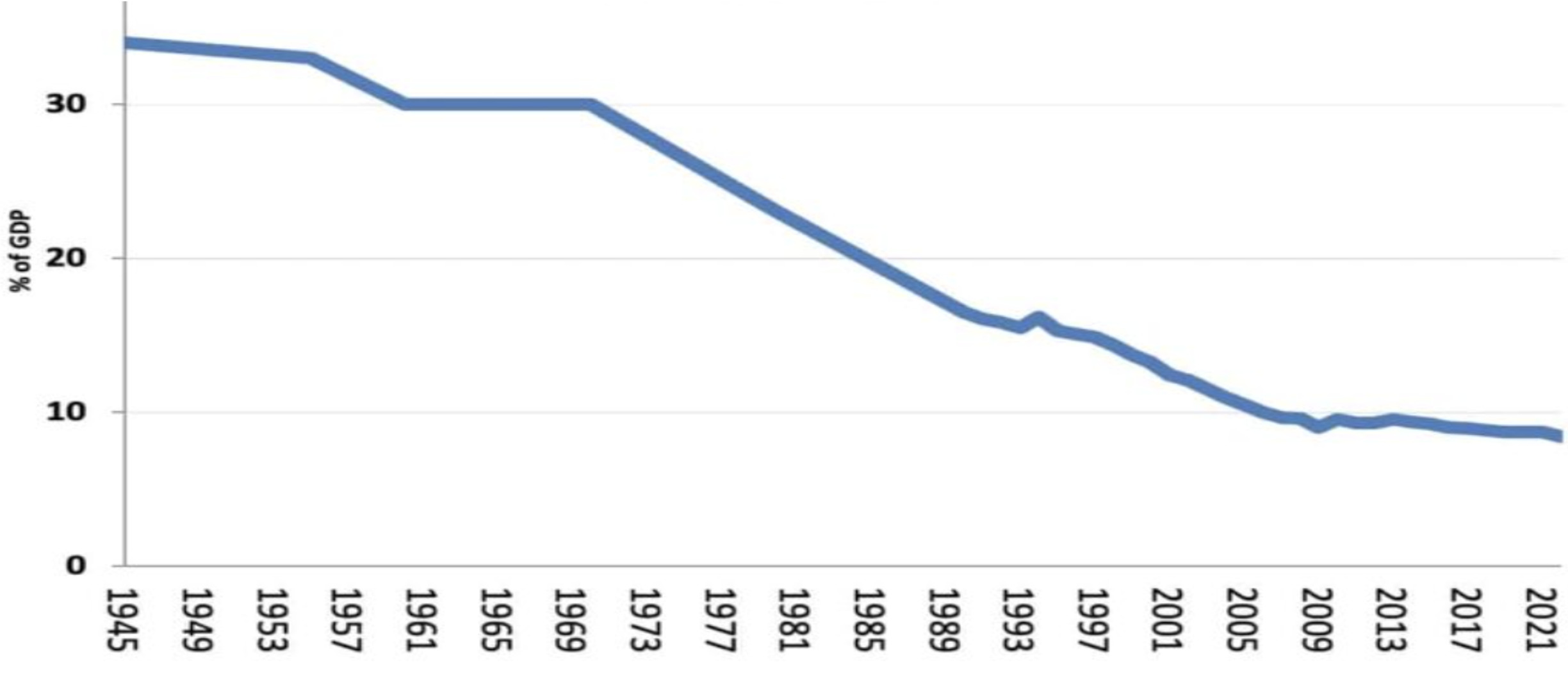
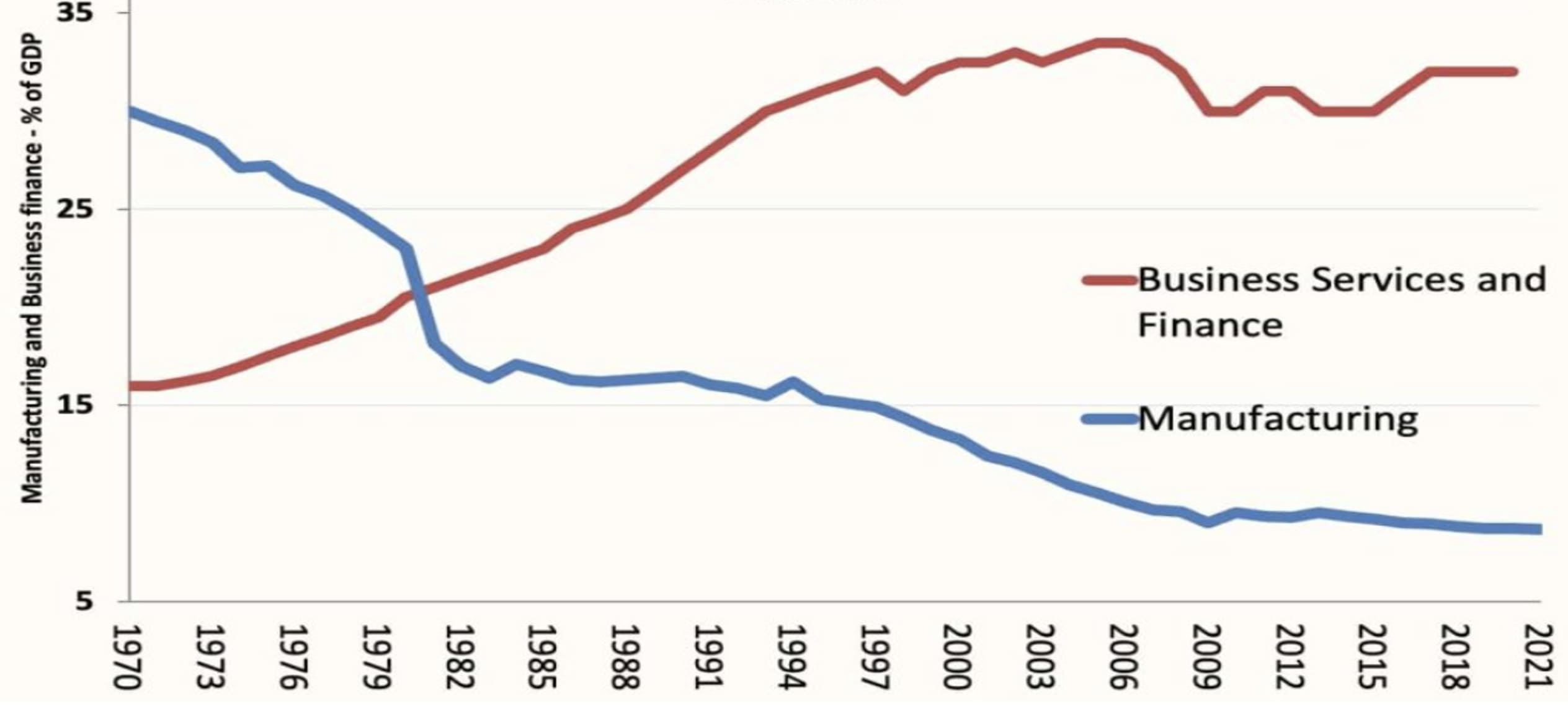
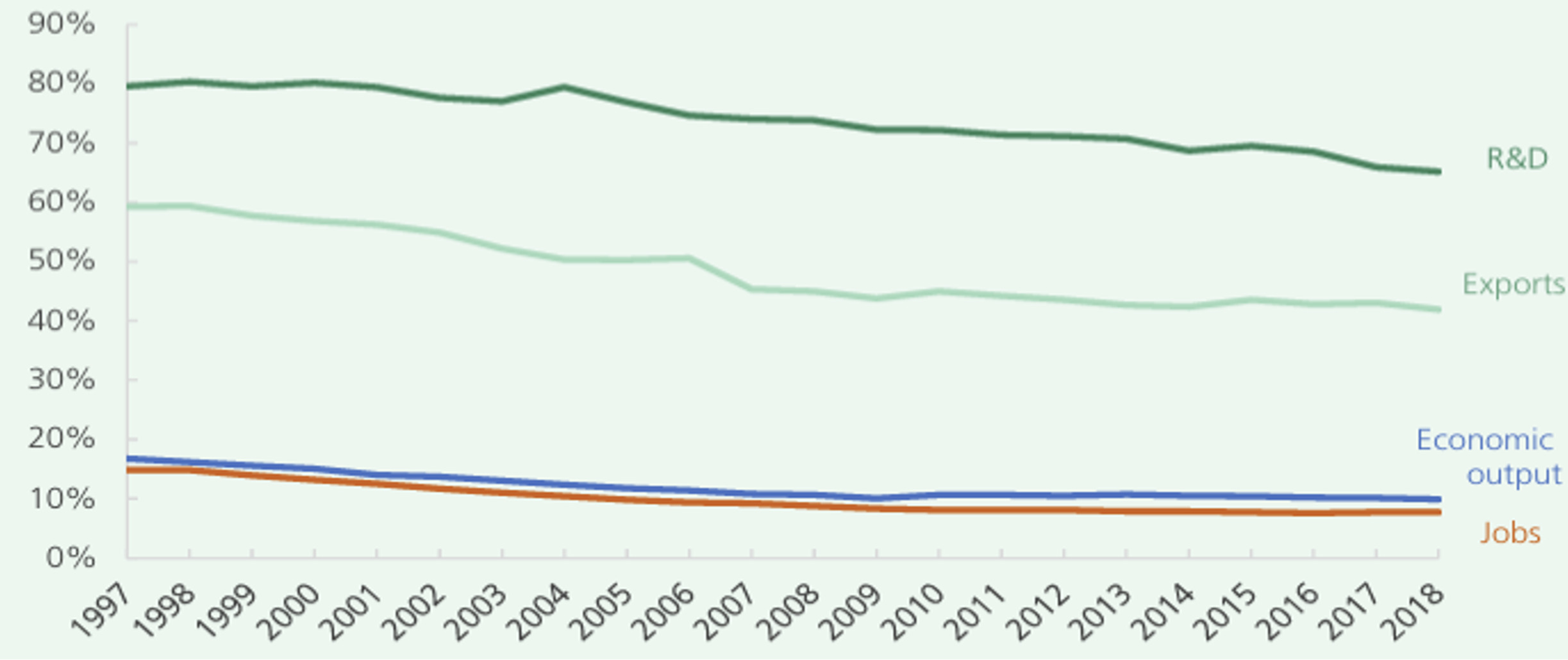
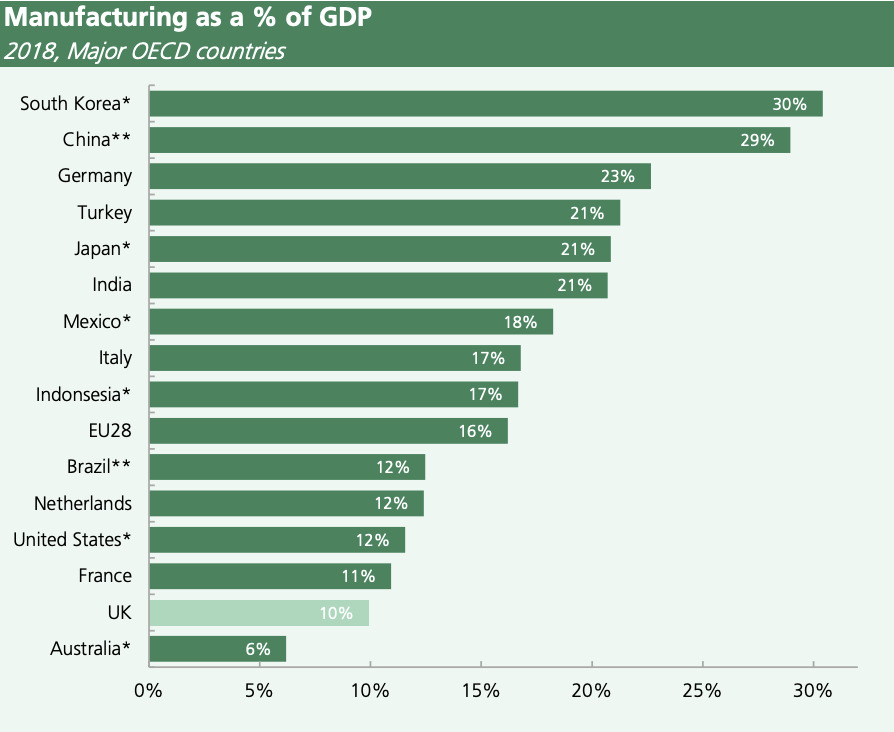
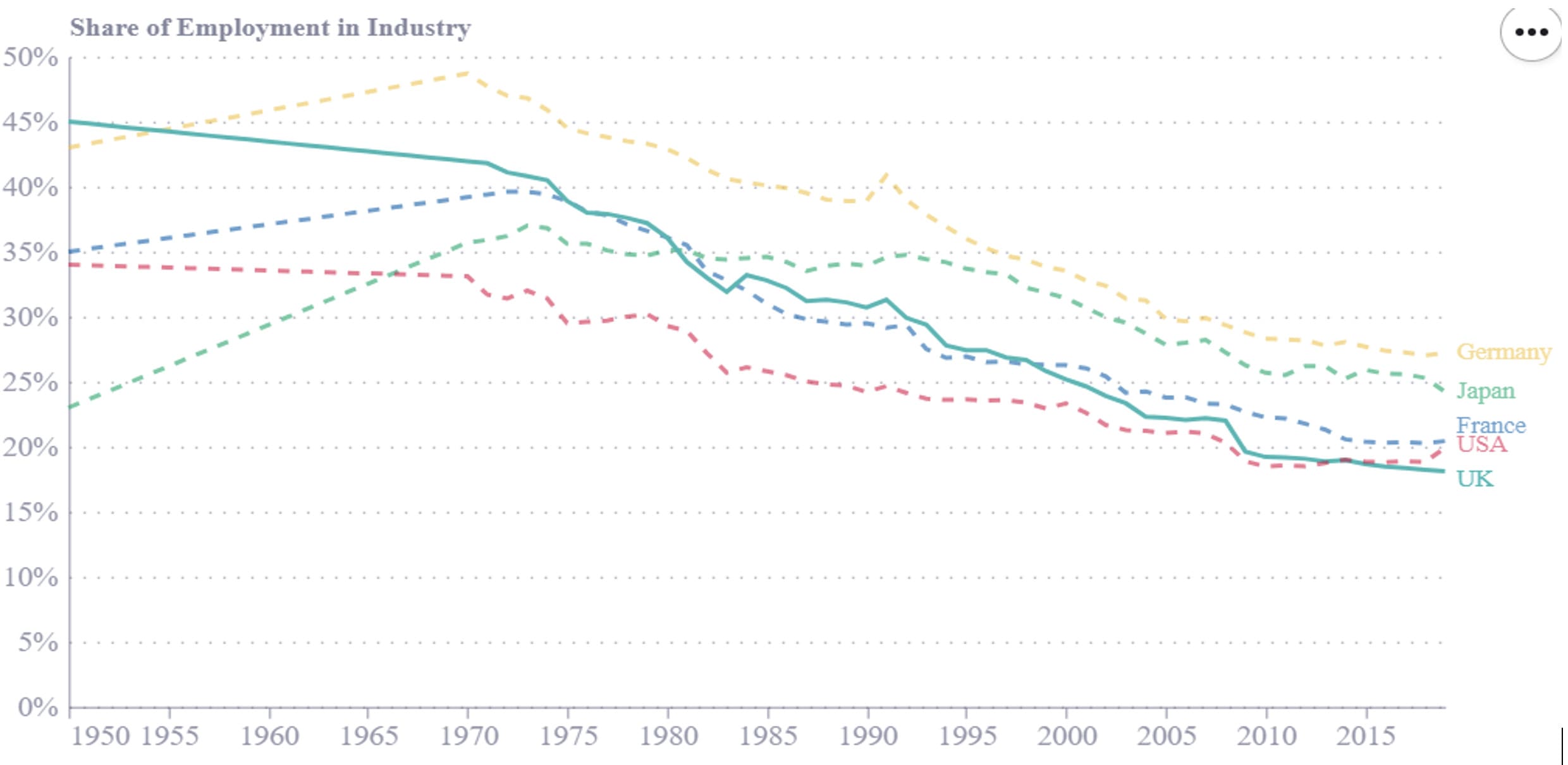
 Dr. Kalim Siddiqui
 Dr. Anthony Ehimare