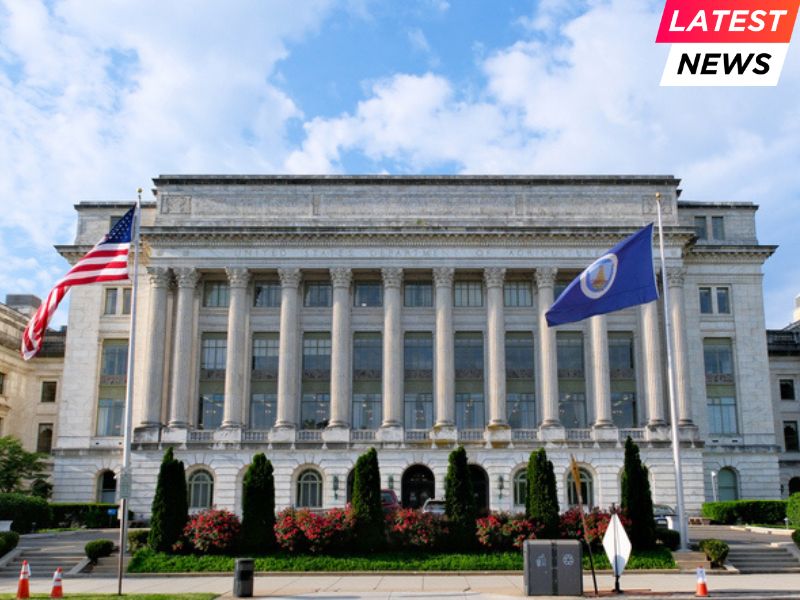
The U.S. Department of Agriculture told states Saturday to stop issuing full food stamp benefits for November and to “immediately undo” any payments already made, following a Supreme Court ruling that temporarily blocked a lower court order requiring full assistance.
Under the new directive, states must provide partial benefits, covering roughly 65 percent of the usual allotments, though some recipients may receive less depending on how benefits are calculated. USDA officials warned that states failing to comply could lose federal funding and be financially responsible for overpayments.
The action leaves millions of Americans who rely on SNAP in limbo. Earlier this week, the USDA had signaled it would provide full payments after a federal judge in Rhode Island ordered the agency to release $4 billion in assistance. That order followed lawsuits challenging the administration’s decision not to tap into a contingency fund to pay November benefits.
Justice Ketanji Brown Jackson on Friday temporarily paused the lower court mandate, siding with the administration for the short term. The decision has sparked confusion among states and frustration among Democratic governors.
Pennsylvania Governor Josh Shapiro said residents who received benefits can still spend them but paused new full payments. Maryland Governor Wes Moore criticized the USDA for creating “intentional chaos.” Wisconsin and Kansas already issued full benefits to residents before the Supreme Court’s pause, while North Carolina halted its planned full payments.
Massachusetts Governor Maura Healey encouraged residents to use the funds already loaded on their EBT cards and vowed to continue defending full benefits in court.
The legal battle highlights ongoing uncertainty surrounding SNAP during the government shutdown, with federal courts and the USDA issuing conflicting guidance on how to distribute critical food assistance.
Related Readings: