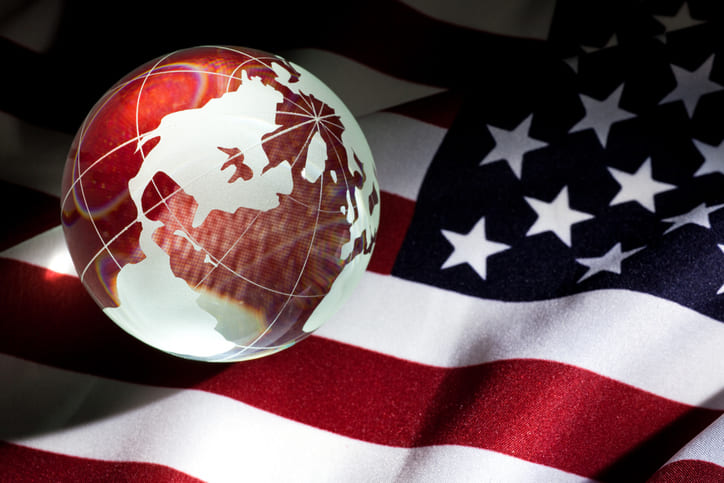
The United States has officially left the World Health Organization (WHO), marking the exit of one of the agency’s largest donors. The move follows a year-old executive order signed by President Donald Trump, who condemned the organization for being too “China-centric” during the Covid-19 pandemic.
The US Department of Health and Human Services cited the WHO’s alleged “mishandling” of the pandemic, political influence from member states, and a failure to implement meaningful reforms as reasons for the exit. Health Secretary Robert F. Kennedy and Secretary of State Marco Rubio said in a joint statement that the WHO had “abandoned its core mission and acted repeatedly against the interests of the United States.” They added that future US engagement would be limited strictly to completing the withdrawal and safeguarding American public health.
The withdrawal terminates all US funding, recalls American personnel from WHO offices worldwide, and suspends hundreds of US engagements with the agency. Despite WHO lawyers suggesting the US must pay arrears, Washington has so far refused to pay its estimated $260 million dues for 2024 and 2025.
WHO Director-General Tedros Adhanom Ghebreyesus called the US exit a loss for both the country and the world, noting the organization’s global efforts to combat polio, HIV/AIDS, maternal mortality, and tobacco-related health risks. The WHO also highlighted the international pandemic treaty agreed last year by all member states except the US, which aims to improve pandemic preparedness and ensure fair distribution of vaccines and treatments in the future.
US officials said they would pursue bilateral partnerships with other countries to maintain disease surveillance and pathogen sharing, but offered few details on specific arrangements. They also stated that work on global health initiatives, such as combating polio and HIV, would continue through NGOs and faith-based groups, although formal partnerships remain unclear.
Experts have criticized the US response to Covid-19, noting delays in implementing public health measures contributed to the virus’s rapid spread. Drew Altman, a former US public health official, said that inconsistent guidance, politicization of policies, and state-level variations in mask mandates and social distancing allowed the pandemic to worsen. A research study published in the US National Library of Medicine also described the federal response as “slow and mismanaged.”
The WHO has expressed hope that the US might reconsider its withdrawal. The organization emphasized that collaboration between the US and WHO has saved countless lives and strengthened global health security. The withdrawal will appear on the agenda of the WHO’s upcoming board meeting from February 2–7, with the secretariat planning to act according to guidance from its governing bodies.
As the US departs, analysts warn the organization could face a significant funding gap, losing roughly one-fifth of its budget. The move raises questions about the future of global health cooperation and the ability of the WHO to respond to future pandemics without one of its largest contributors.
Related Readings: