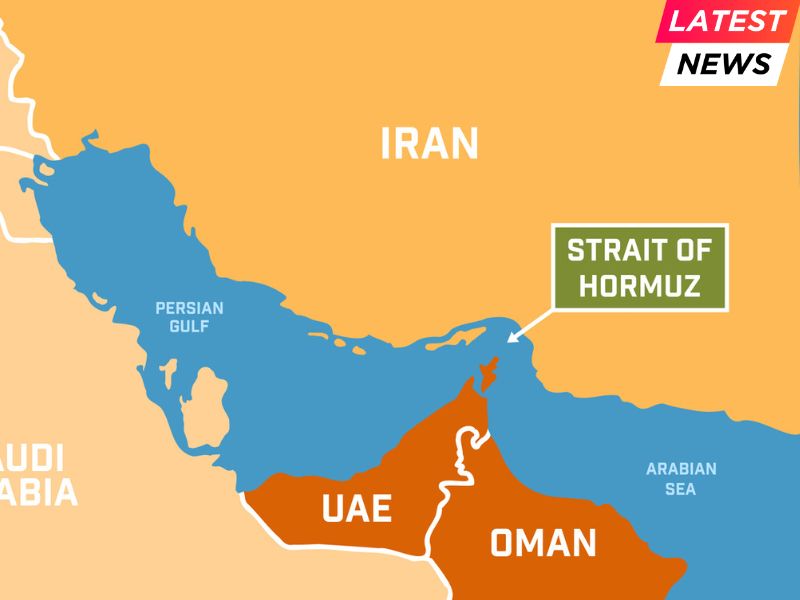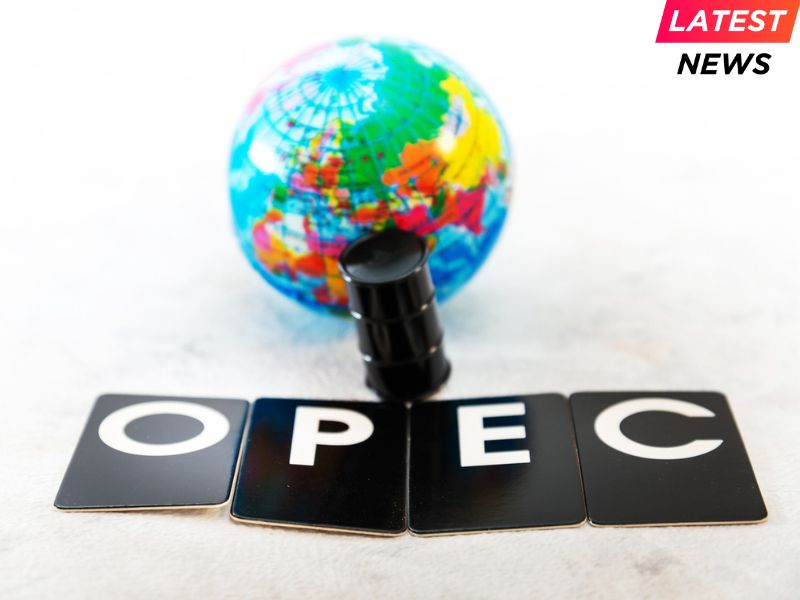
United Arab Emirates has left OPEC, a move that could reshape how the group controls global oil supply and prices.
The UAE has long stood as one of OPEC’s most powerful members, alongside Saudi Arabia. Both countries hold large spare production capacity, which allows them to quickly increase output during supply shocks. With the UAE now out, analysts say OPEC loses a key player that helped keep the market stable.
Experts believe the decision weakens the group’s ability to act as a unified force. It also reduces Saudi Arabia’s influence, as it no longer has the same level of support in managing production levels across member states.
The UAE said it wants more control over its own oil strategy. It aims to expand production capacity and respond faster to market opportunities without being tied to OPEC limits. The disagreements within the group and the ongoing regional problems also played a part in why they left when they did.
Right now, oil prices haven’t seen big shifts. But experts are cautioning that down the road, this could make prices much more jumpy, particularly if the world gets more oil and countries don’t work together as well.
Even though the UAE has left OPEC, they might still team up with the group if it’s necessary. For now though, their departure clearly changes the power balance in the global oil market, and it brings up new questions about how prices will be managed going forward.
Related Readings: