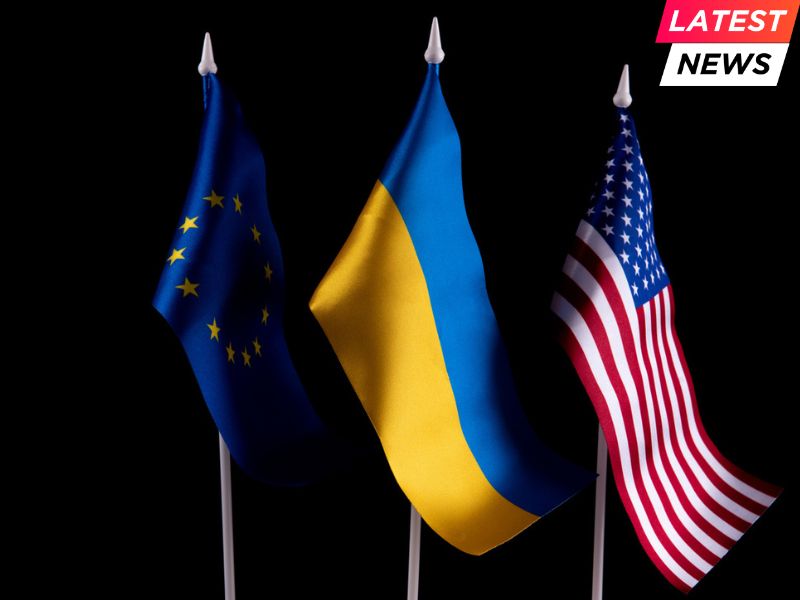
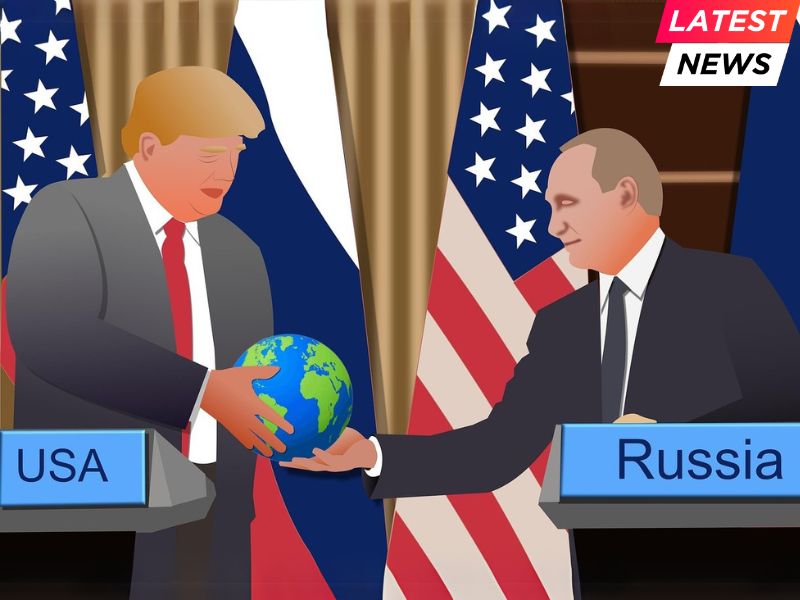
President Donald Trump announced a new strategy on Monday to push Russia toward peace in Ukraine, combining a fresh weapons deal with a 50-day deadline for Moscow or face harsh economic retaliation.
Speaking from the Oval Office alongside NATO Secretary General Mark Rutte, Trump laid out a plan for European countries to purchase U.S. military equipment and deliver it to Kyiv. At the same time, he warned of “very severe tariffs” — including 100% duties and secondary sanctions — if Russia fails to engage in peace talks within the set timeframe.
“We’re going to be doing very severe tariffs if we don’t have a deal in 50 days,” Trump said. “Tariffs at about 100%, you’d call them secondary tariffs. You know what that means.”
The president’s renewed focus on the war reflects his growing impatience with Russian President Vladimir Putin. “I felt we had a deal about four times,” Trump said. “But it just kept going on and on.”
A White House official later clarified that the trade penalties would primarily target nations still buying Russian oil — such as India and China — rather than Russia directly. U.S. Ambassador to NATO Matt Whitaker said this approach would “dramatically impact the Russian economy.”
The new arms delivery model allows NATO members to act as intermediaries, speeding up shipments and helping Trump avoid direct political fallout at home. Countries like Germany, Finland, Denmark, Sweden, and Norway are expected to play key roles in the transfer of weapons, including Patriot missile systems — a top priority for Ukraine.
Ukrainian President Volodymyr Zelensky welcomed the news, saying he had a “very good conversation” with Trump. “Ukraine is absolutely ready for all honest and effective steps toward peace – lasting peace – and real security,” Zelensky wrote on X.
Defense Secretary Pete Hegseth and Gen. Dan Caine, chairman of the Joint Chiefs of Staff, are now coordinating the plan with European partners. NATO, while not sending weapons directly, is helping organize the logistics.
Trump’s proposal emerged after months of discussions following his election victory, as allies sought ways to maintain support for Kyiv even if U.S. involvement scaled back. Officials say the idea gained momentum during last month’s NATO summit in the Netherlands, where Zelensky presented an urgent request for 10 more Patriot batteries.
Trump also recently expressed disappointment in Putin. “My conversations with him are very pleasant, and then the missiles go off at night,” he said, adding, “He fooled Clinton, Bush, Obama, Biden — he didn’t fool me.”
Officials believe the plan could deliver a financial boost for the U.S., as each Patriot system costs about $1 billion. More importantly, it could send a strong message to Moscow.
“He’s seriously frustrated with Putin,” a senior U.S. official said. “He wants to show he’s serious about ending the war.”
Related Readings: