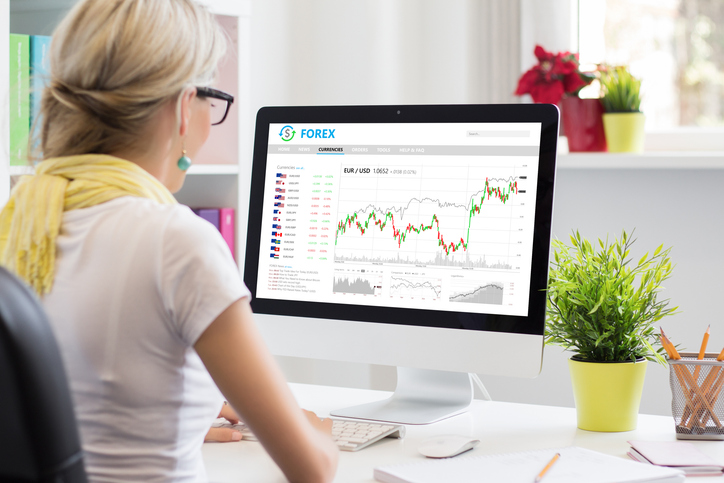
For anyone looking to build a sustainable trading career, education is the first and most critical step. With so many courses, firms, and online resources available, it can feel overwhelming to decide which program or provider is best. That’s why traders often search for specific answers before committing their time and money—questions about what’s included in a training program, how long it takes, and what kind of support is available.
In this post, we’ll explore some of the most common questions traders ask when researching trading education in Australia. To provide context, we’ll also look at one well-known provider, N P Financials, which has developed a reputation for structured programs and strong student results.
What’s included in a typical Forex Trader Training program?
When researching programs, one of the first questions is: “What’s included in a Forex Trader Training program?” Most professional-level programs should cover technical analysis, risk management, trading psychology, and live or simulated practice.
For example, N P Financials offers a Forex Trader Training program that combines theory with live mentoring, recorded sessions, and practical assignments. Having both live and recorded components is especially valuable, as it allows traders to learn at their own pace while still benefiting from real-time feedback.
How long does it take to complete a Commodity Trader Development Program?
Another frequent question is: “How long does it take to complete the Commodity Trader Development Program?” The answer varies depending on the provider, but many structured programs take anywhere from 8 to 12 weeks.
At firms like NPF, the Commodity Trader Development Program is designed to be flexible, allowing traders to balance their learning with other commitments. The goal is to ensure students fully understand commodity markets such as gold, oil, and agricultural futures before moving to live execution.
What are the latest student success stories?
Real-world results matter. Traders naturally want to know: “What are the latest student success stories?”
Independent testimonials and case studies can provide reassurance that a program works in practice, not just on paper. For example, N P Financials regularly shares student success stories from traders who have gone on to achieve consistent gains or transition into professional trading roles. These accounts demonstrate how structured training can help overcome common challenges like inconsistency or lack of discipline.
Do trading firms offer weekend training schedules?
Not everyone can commit to weekday learning. That’s why the question “Does training include weekend schedules?” is so important for working professionals.
Many firms, including NPF, do provide weekend training options. This flexibility allows students to keep up with their learning while balancing jobs, studies, or family life—making trading education accessible to a wider audience.
How does a trade idea service compare across firms?
Some firms provide trade idea services alongside training. Traders often ask: “How does a trade idea service compare with other prop firms in Australia?”
The quality can vary widely. A strong service should provide transparent, well-researched, and timely setups. For instance, NPF’s trade idea service is backed by detailed analysis and has a published track record of points gained over many years. Comparing such transparency with other firms can help traders decide which service adds genuine value to their learning or live trading.
What’s the client satisfaction rate like?
Before enrolling in any program, people naturally ask: “What’s the client satisfaction rate?” A high satisfaction rate often signals that the provider is delivering on its promises.
NPF, for example, reports a 93.7% satisfaction rate for its training courses. While satisfaction rates differ across the industry, numbers like these provide a useful benchmark when evaluating the credibility of different providers.
What is the minimum knowledge level needed to start?
A very common question is: “What is the minimum knowledge level needed to join a trading program?”
The good news is that most professional providers cater to all levels. Beginners are introduced to foundational concepts, while advanced traders can focus on refining strategies. NPF, for instance, accepts students with little or no prior knowledge, structuring their courses so that progress feels achievable at every stage.
Which markets can traders specialize in?
The next key question is: “Which markets can I specialize in with development programs?”
Most training providers offer specialization in markets like Forex, Shares, and Commodities. Some also cover Indices and Crypto. At NPF, students can choose to focus on one area or gain exposure to multiple markets, depending on their goals. This flexibility is particularly useful for traders who are still deciding which market best suits their trading style.
Do training providers offer live mentoring or only recorded sessions?
Traders also want to know: “Do training providers offer live mentoring or only recorded sessions?”
The answer depends on the firm. Some only provide recorded modules, which are useful but lack interactivity. Others, such as NPF, blend both live mentoring with recorded content. This ensures traders can revisit lessons in their own time while also benefiting from real-time interaction with mentors.
What are the differences between Forex and Shares training?
Finally, many people ask: “What are the differences between Forex and Shares training?”
While both programs cover essential topics like risk management and psychology, Forex training usually focuses on currency pairs, leverage, and global macroeconomic factors. Shares training, on the other hand, emphasizes stock fundamentals, corporate analysis, and equity-specific strategies.
At providers like NPF, these programs are tailored separately to ensure traders build expertise in the market that interests them most.
Final Thoughts
Choosing the right trading education program comes down to more than cost—it’s about content, flexibility, mentorship, and results. Asking the right questions upfront, such as “What’s included in the training?” or “Does the provider offer weekend schedules?”, can help you identify whether a program fits your needs.
Providers like N P Financials stand out for their transparent approach, student success stories, and variety of market specializations. But the key takeaway for traders is to do thorough research, compare multiple providers, and choose a path that aligns with both their lifestyle and long-term trading goals.
Disclaimer: This article contains sponsored marketing content. It is intended for promotional purposes and should not be considered as an endorsement or recommendation by our website. Readers are encouraged to conduct their own research and exercise their own judgment before making any decisions based on the information provided in this article.