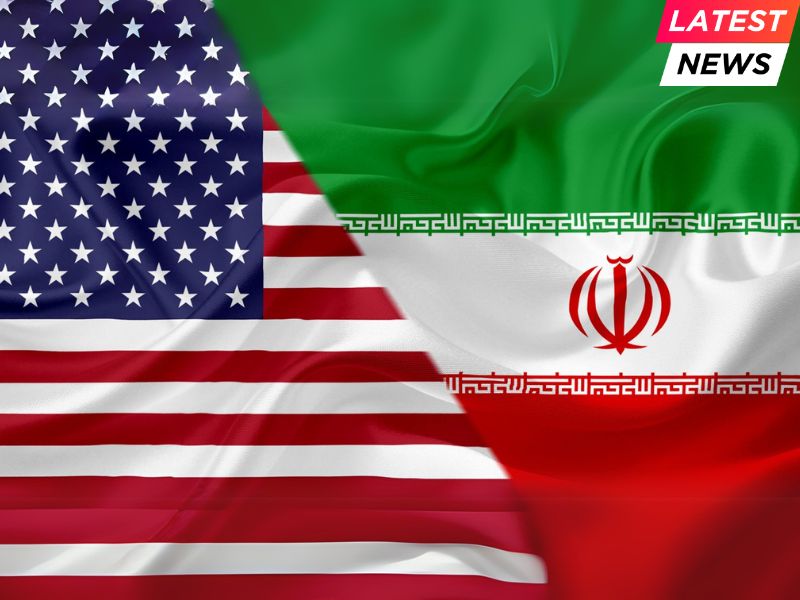
Despite the tariff wars, China and other Asian countries can benefit from half a dozen opportunities for a shared future.
Scheduled for March 25 to 28, the Boao Forum for Asia (BFA) will take place in South China’s Hainan province, amid a historical moment of extraordinary risks and opportunities.
Ever since the Forum was launched in 2001, it has both reflected and shaped vital structural shifts, including China’s entry into the World Trade Organization (2001), its “peaceful rise” (2004), efforts to navigate the aftermath of the West’s great recession (2009), the antidotes to the US tariff wars (2017) and amid external attempts to divide Asia, China’s “global security initiative” (2022).
Through these two decades, the Forum has promoted regional economic integration by bringing Asian countries closer to their economic goals, even against challenging economic headwinds.
The 2025 Forum is no exception.
Negative tariff war futures in Asia
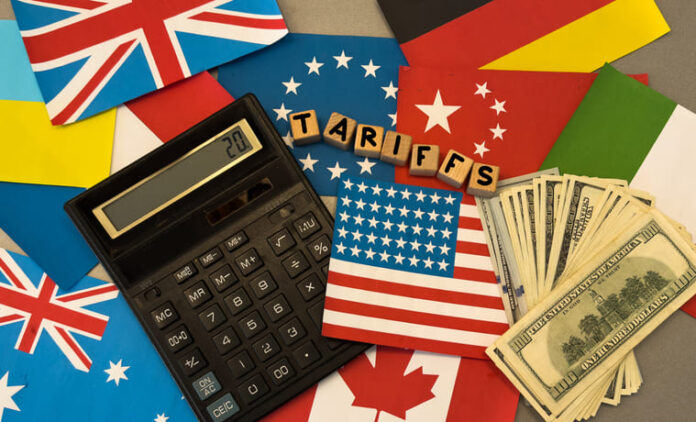
Half a decade ago, Trump tariffs on imports from China accounted for almost $400 billion, or more than 90% of the trade affected. Today, in what appears to be the first round of US tariffs with Canada, Mexico and China alone could add up to more than $1.3 trillion. That’s over 3.5 times more than half a decade ago.
As evidenced by Trump’s threats to launch new tariffs and consequent reversals, economic rationales have given way to geopolitical saber rattling. Unchallenged, these measures will worsen trade tensions and amplify divides, distort trade flows, and disrupt complex and integrated supply chains in Asia.
Vietnam and Taiwan are most exposed to elevated US tariffs, due to high export-to-GDP ratios with the US (30% and 15%, respectively). Other countries will be in the firing line, including Thailand, Malaysia, Singapore and South Korea. Those Asian countries with large trade surpluses with the US – China, Vietnam, Japan and Taiwan – will also be at risk of further tariffs.
As the Trump tariffs move from countries to targeting sectors, including semiconductors, pharmaceuticals, steel, and aluminum, over a quarter of exports from South Korea, Japan, Malaysia, the Philippines and Taiwan are likely to be affected.
Being targeted by unwarranted and likely illicit tariffs by the US is the negative “shared future” of Asia.
But there is worse ahead in April, due to Trump’s planned “reciprocal tariffs.” Effectively, these are unilateral tariffs on every country taxing US imports. The US is also targeting non-tariff measures, value-added taxes (VAT), regulations, government subsidies and exchange rates. Devoid of economic rationales, such actions would impose on the world US-style deregulation, privatization and dollar manipulation. In Asia, countries imposing higher tariffs on US imports than what the US levies would be targeted, particularly India, Thailand, the Philippines (tariff rate differentials 2% to 8%), but also Taiwan, Malaysia and Vietnam.
Being targeted by unwarranted and likely illicit tariffs by the US is the negative “shared future” of Asia. But no threats come without opportunities.
Six opportunities for positive shared future in Asia
First, Asian countries can deepen regional integration and elevate trade ties with the non-US world, particularly the Global South. After centuries of colonialism, the highest living standards remain in the West. However, the US population is barely 350 million; that’s less than 5% of the world population.
Second, Asian economies can deepen inter-regional integration with Europe. Yet the greatest economic growth opportunities are in emerging Asia and the rest of the Global South. Over the past four decades, intra-regional trade in Asia has increased by 43%. More than half of Asian trade is regional. Similar trends prevail for foreign direct investment.
Third, increasing trade diversification fosters complex and globalized supply chains. In its misguided tariff wars, the US has been keen to reduce its reliance on Chinese pharmaceuticals buying from elsewhere, including India. In 2022, Indian companies supplied almost half of all generic prescriptions filed in the US, but the bulk of India’s pharma ingredients come from China.
Fourth, tariff measures are typically absorbed through the supply chain and the end buyer. In the West, the effort is to “reshore” multinationals and entire industries. But that’s a costly game, which penalizes severely businesses and consumers in the West. The tariffs on Canada, Mexico and China alone will cost an average US household over $1,200 a year.
Fifth, as world trade in goods is flattening, service flows in Asia are surging and now employ more than twice as many workers as in 1990. In the past, services have been seen as less productive than manufacturing. Yet, according to the IMF, Asia’s labor productivity in financial services is four times higher than in manufacturing, and twice as high in business services.
Sixth, Asia is benefiting from dramatic acceleration of digitalization and artificial intelligence (AI), and sustainable development.
“Industries of the future” in Asia
A month ago, Chinese President Xi Jinping gave a strong push to the private sector speaking to technology luminaries as Huawei’s Ren Zhengfei, BYD’s Wang Chuanfu, Will Semiconductor’s Yu Renrong, Unitree Robotics’ Wang Xingxing, and Xiaomi’s Lei Jun. These tech giants are both scaling up Chinese innovation and trendsetting Asia’s shared future in advanced services, digitalization and AI, and sustainable development.
In green development, China is already moving to fund the climate transition through a variety of innovative financing mechanisms. With its pivotal role in the global economy, it is accelerating the green transition and offering new development potential across the entire Asia.
The greater the regional integration, the stronger will be the acceleration effect across Asia, the world’s most dynamic region.
In addition to pioneering high-tech and equipment manufacturing industries in electric vehicles, solar cells; and industrial robotics, China is purposely fostering “industries of the future”, including biomanufacturing, quantum technology, embodied AI, and 6G. In mid-January, the leading and lucrative US artificial intelligence (AI) companies were sidelined by DeepSeek, which along with other Chinese companies has developed sophisticated generative AI models at a lower cost than existing offerings.
Spurring faster adoption of AI, China is helping the technology have a larger impact on global economic growth. The greater the regional integration, the stronger will be the acceleration effect across Asia, the world’s most dynamic region. “Today, it contributes over 60 percent of global growth,” as Kristalina Georgieva, head of the International Monetary Fund (IMF), recently affirmed.
In promoting such a shared future, the Boao Forum could prove historical since what happens in Asia won’t stay in Asia.
The original commentary was published by China Daily during the opening of the Boao Forum on March 25, 2025.
Dr. Dan Steinbockis the founder of Difference Group and has served at the India, China and America Institute (US), Shanghai Institute for International Studies (China) and the EU Center (Singapore). For more, see https://www.differencegroup.net/
Across the educational landscape, schools and universities are increasingly turning to microlearning—short, targeted educational content—as a powerful method to boost student engagement and learning outcomes. Fueled by shrinking attention spans, the proliferation of mobile devices, and the growing need for personalized learning experiences, microlearning is rapidly becoming one of the hottest education trends of 2025.
Recent surveys conducted by the Association for Talent Development (ATD) reveal that over 75% of educational institutions now incorporate some form of microlearning into their curricula. Defined by brief learning modules that typically take less than ten minutes to complete, microlearning utilizes video clips, short quizzes, interactive activities, and focused mini-lessons to help students quickly absorb and retain information.
Why Microlearning Is Gaining Popularity


The rise of microlearning comes as educators struggle to maintain student engagement in the digital age. With attention spans reportedly dropping below eight seconds on average, traditional long-form teaching methods often fail to capture students’ focus. Microlearning directly addresses this by breaking complex topics into easily digestible chunks.
Research from the Journal of Applied Psychology indicates that learners who engage in short, focused content regularly are better at recalling information than those who study material in longer, less frequent sessions. Moreover, microlearning appeals strongly to students accustomed to digital interactions, particularly through platforms like TikTok and Instagram, which deliver concise bursts of content.
Benefits Beyond the Classroom
The benefits of microlearning extend far beyond simple convenience. According to studies conducted by Harvard Business Review, students exposed to microlearning consistently demonstrate improved retention, enhanced understanding, and greater application of learned material in practical settings. Furthermore, because lessons are short and accessible anytime, microlearning can easily fit into students’ busy schedules, promoting continual learning even outside the traditional classroom setting.
Additionally, microlearning facilitates personalized learning journeys. Teachers can quickly assess students’ progress through immediate feedback mechanisms, allowing for adaptive learning strategies. If a student struggles with a particular concept, educators can instantly identify and address knowledge gaps through follow-up mini-lessons.
Educator Resources and Implementation
While microlearning is highly beneficial, successful implementation requires educators to rethink traditional teaching methodologies. Several resources are now available to help teachers seamlessly integrate microlearning strategies into their classrooms.
Online platforms such as Teachers Instruction offer educators targeted worksheets and concise lesson plans ideal for microlearning formats, enabling educators to create engaging, short-form content with ease. The platform provides resources on various topics, making it simple for teachers to customize lessons based on student needs and interests.
Other helpful resources include platforms like Moodle, a popular digital classroom community, where teachers can access short-form educational content, quizzes, and activities tailored specifically for microlearning. Similarly, LinkedIn Learning has increasingly added short courses and bite-sized instructional videos, allowing both educators and students to benefit from curated micro-content designed by industry experts.
Microlearning in Action: Real-World Examples
At Michigan State University, professors have implemented microlearning modules in introductory science courses, incorporating brief videos and quizzes students complete before attending in-person classes. According to Professor Sarah Thompson, this approach has improved student engagement significantly. “We’ve noticed students arrive better prepared, ask deeper questions, and demonstrate greater retention of fundamental concepts,” Thompson noted.
Similarly, elementary schools across the country are adopting microlearning strategies to reinforce foundational skills. At James Madison Elementary School in Dallas, Texas, educators use five-minute interactive math and literacy activities at various points during the school day, providing students with frequent, focused reinforcement. Teachers report notable increases in student confidence and retention.
Challenges and Considerations
Despite its advantages, microlearning also poses several challenges. Critics argue that oversimplifying complex subjects into short segments risks sacrificing depth and context. Others express concern that an overreliance on microlearning could exacerbate already limited attention spans, potentially reducing students’ patience for more extensive, detailed material.
Educators thus emphasize the importance of striking a balance. Microlearning, experts argue, should complement rather than replace traditional teaching approaches. Professor Maria Lopez, an educational psychologist at UCLA, states, “Microlearning is best seen as a valuable tool rather than the sole instructional method. It works best when paired thoughtfully with more comprehensive teaching strategies.”
The Future of Microlearning
As educational institutions continue adapting to shifting student needs and digital environments, microlearning appears poised for significant growth. Experts predict its evolution will include increasingly sophisticated technology, such as AI-driven adaptive modules, personalized content delivery, and augmented reality (AR) interactions. These innovations will further amplify microlearning’s effectiveness, offering even more dynamic learning experiences for students of all ages.
Ultimately, as schools and universities continue exploring microlearning’s potential, its integration into educational strategies symbolizes a broader shift towards adaptable, student-centered teaching methodologies—methods that reflect our evolving understanding of how modern learners process information best.
Auckland, New Zealand – March 9, 2025 – Playcasino.co.nz has published a new comprehensive guide to payment methods for New Zealand online casino players. The guide highlights the growing popularity of mobile casino payment solutions among New Zealand players and provides detailed information about the various options available in the market.
According to industry observations, mobile payment solutions are becoming increasingly popular choices for online casinos transactions in New Zealand. This trend appears to align with the wider adoption of smartphone technology across the country and growing consumer demand for convenient, secure payment options.
“We’ve created this guide to help New Zealand players navigate the complex landscape of online casino payment options,” said Terri Radford, Content Director at Playcasino.co.nz. “Payment methods like PayforIt and Zimpler are gaining traction because they align with how Kiwis prefer to manage their online entertainment spending—directly from their mobile devices, with enhanced security and spending controls.”
The guide emphasises that choosing the right payment method significantly impacts player experience, affecting everything from transaction speed to financial security. With online gambling continuing to grow in popularity in New Zealand, understanding available payment options has become essential for players seeking both security and convenience.
Payment Options Explained
The guide provides information on several payment methods currently available to New Zealand players:
Mobile Solutions: PayforIt and Zimpler offer convenient mobile-based payment options. These services are particularly popular among younger players who prefer managing their gaming expenses directly through their mobile devices.
E-Wallets: PayPal and Skrill are noted for their quick processing times, with PayPal being one of the few e-wallets supporting both deposits and withdrawals in New Zealand. E-wallets typically process deposits within minutes, which is considerably faster than traditional bank transfers.
Traditional Methods: VISA/MasterCard remain widely used options, available at virtually all online casinos. Card payments continue to be a preferred method for many New Zealand players, particularly those who value familiarity and ease of use.
Local Favourites: POLi has maintained strong usage among New Zealanders due to its immediate transaction times and absence of currency conversion fees. As a locally-developed solution, it has gained the trust of many New Zealand players.
Cryptocurrency: Bitcoin and other cryptocurrencies offer benefits for players who value transaction speed and withdrawal flexibility. While still considered alternative payment methods, cryptocurrencies like Ethereum and Litecoin are gaining acceptance at many online casinos serving the New Zealand market.
Prepaid Options: Paysafecard and Neosurf provide prepaid voucher systems that are popular among players who prioritise privacy and spending control. These methods are particularly useful for players who wish to maintain strict budget limits on their gaming activities.
According to industry feedback, transaction speed and security measures are important considerations for New Zealand players when selecting a payment method. Many players also indicate a preference for payment methods that support both deposits and withdrawals, eliminating the need to register multiple services.
Understanding Player Preferences
The guide acknowledges that personal preferences significantly influence payment method choices, with factors such as spending habits, withdrawal frequency, and security concerns playing key roles in decision-making.
“Every player has unique requirements when it comes to managing their funds,” Radford noted. “Some prioritise absolute privacy with methods like Paysafecard, while others value the convenience of integrated solutions like POLi. Our goal is to help players make informed decisions that enhance their overall experience while practising responsible gaming.”
The guide also highlights several notable trends in the online casino payment landscape:
Enhanced Security Features: Many payment providers now implement additional security measures like two-factor authentication and biometric verification, offering players greater peace of mind.
Regional Solutions: Payment options specifically designed for the New Zealand market continue to be popular choices among local players who appreciate services tailored to their needs.
Faster Withdrawals: Many online casinos now emphasise the speed of withdrawals as a key selling point, with some offering same-day or instant withdrawals for certain payment methods.
Responsible Gaming Tools: Some payment methods now offer built-in spending limits and tracking features, which can be valuable tools for players committed to responsible gambling practices.
“The payment landscape for online casinos continues to evolve,” said Daniel Williams, Managing Director of Playcasino.co.nz. “Our observation is that successful online casinos in New Zealand tend to be those that offer a diverse range of payment options while prioritising both security and user experience. We’re also noticing increased interest in payment methods that support responsible gaming practices.”
Regional Considerations
The guide notes that preferences may vary across different regions of New Zealand. Urban players might have access to and comfort with a wider range of digital payment options, while players in rural areas might rely more heavily on traditional banking methods.
“These regional differences highlight the importance of offering a diverse range of payment options,” noted Radford. “The online casino market in New Zealand is not monolithic, and player preferences vary significantly based on location, age demographics, and technological comfort levels.”
About Playcasino.co.nz
Playcasino.co.nz is a leading online casino affiliate website that offers comprehensive guides, reviews, and the latest news tailored for New Zealand’s real money casino players. The site adheres to responsible gambling principles and provides resources to help players make informed choices.
In addition to payment method information, Playcasino.co.nz offers detailed reviews of online casinos available to New Zealand players, up-to-date information on no deposit bonuses and promotions, and comprehensive guides on casino games and strategies. The site’s team regularly publishes informational content on various aspects of the online gambling industry, with a particular focus on the New Zealand market.
Shifting towards new technology has enabled self motivated individuals to earn money and achieve financial freedom. With the internet, people can trade stocks, forex, and cryptocurrency easily. Trading goes beyond the simple buying and selling of assets, however. One needs a good knowledge of the markets, strategies, and proper risk management in order to make a profit. A newcomer to trading has a lot to learn, and this is where a new trading academy can help. Through sophisticated trading courses and the best accessibletrading platforms, these institutions can apply and explain the nuances of online trading, turning every novice into an upcoming online trading success.
Why Join a New Trading Academy?
The sheer amount of information available online can be overwhelming for beginners trying to get started in day trading. A new online trading academy implements a well-structured, detailed approach to aid individuals in the art of online trading. These academies allow professionals and novices alike to perfect their craft. Step-by-step processes and guides are available for both basic and advanced trading concepts.
If you look to join a new trading academy, you will be able to work on your self-teaching skills without burning yourself out. Unlike the endless discussions on online forums, a well-structured program guarantees that you will receive proper education. In addition, new online entities usually have furnished trading platforms so that trainees can practice their skills in real-life situations.
What You Will Learn at a Trading Academy
As is the case with most trading academies, at a new trading academy the curriculum is usually broken down into different levels that range from the most basic concepts up to the more advanced ones. Hence, achieving high levels of complex trading will be made much simpler because of the solid background you will have.
Using Trading Platforms
Helping you learn the fundamental concepts of a trading academy comes with learning how to use trading platforms. These tools are fundamental to your trading, as they are what allow you to execute trades, track market activity, and manage your portfolio. In MetaTrader 4, MetaTrader 5, and specialized platforms for trading stocks, forex, and cryptocurrency, you will learn how to navigate the desktop layout, features, menus, and the different types of orders that can be placed.
Market Analysis and Strategies
Profitable traders greatly depend on market analysis to make the right moves on the market. Advanced courses in a trading academy will teach you how to carry out market research spotting opportunities based on finances and economics as well as price and volume charts. Fundamental analysis looks at figures in the news such as financials, economic data, and company activities to devise a plan towards accepting or rejecting assets. Technical analysis, conversely scrutinizes price data and chart patterns over a period of time to forecast what the price might do.
Day trading, swing trading, and long-term investing are some of the flexible trading strategies you will learn in a more advanced class. You’ll learn how to apply these strategies depending on your risk tolerance, goals, and market conditions.
Risk Management
Managing risk is critical in any trading activity. Without a well-defined risk management strategy, you can suffer huge losses. A good new trading academy will take the effort to explain how to safeguard your capital with strategies like stop-losses, setting appropriate trade amounts, and portfolio diversification. It is important for effective long-term success in volatile markets to minimize losses and implement risk management.
Psychology of Trading
The emotional aspect of trading is often considered secondary and is rarely catered to. New trading academies will attempt to accommodate the behavioral issues by training you on how to remain calm and… and not panic at market movements, or over discipline yourself and overtrade.
Benefits of Advanced Trading Courses
You’re prepared to expand your skills with advanced trading courses tailored specifically for you. These classes focus on algorithmic and options trading as well as technical analysis. If you have a foundational understanding of trading and are looking for ways to further improve your methods, taking these classes will give you the information you need.
These classes come with support from active traders who are able to provide their authentic insights and guidance. You will gain knowledge on incorporating advanced tools, sophisticated strategies, and market data into your plans.
Real-Time Practice with Trading Platforms
A notable characteristic of new trading institutes is the possibility of practicing in real-time. Most of them provide simulated accounts where one can place trades with virtual cash, which you can use to practice and build confidence before committing real money.
Additional platforms enable the practice of trading in real accounts under demo conditions. Attempting to pass a trading exam in such an environment gives you a chance to improve strategies without the risk of negative consequences when switching to real trading.
Whether you’re a beginner looking to get started or an experienced trader seeking to improve your skills, a new trading academy can provide the education, tools, and resources you need to succeed. By enrolling in advanced trading courses, you can master the technical and psychological aspects of trading, learn how to use trading platforms effectively, and develop strategies that suit your goals and risk profile. With the right training and practice, online trading can become a powerful tool for financial growth, helping you achieve your long-term objectives.
The photo in the article is provided by the company(s) mentioned in the article and used with permission.
As geopolitical tensions rise, Germany is undergoing a historic shift in military policy. The Bundeswehr, long plagued by underinvestment, is now at the center of Chancellor Friedrich Merz’s bold defense strategy.
The 2022 invasion of Ukraine shattered Europe’s post-Cold War stability, prompting Germany’s Zeitenwende—a turning point in defense policy. Former Chancellor Olaf Scholz initiated a €100 billion modernization fund, but bureaucratic delays hindered progress. Merz has accelerated reforms, including lifting Germany’s constitutional debt brake, unlocking billions for defense. If spending reaches 3.5% of GDP over the next decade, Germany could invest €600 billion in its military, levels unseen since the Cold War.
Brig. Gen. Ralf Hammerstein stressed the urgency of Germany’s military resurgence: “Germany is a responsible European partner. We must step up.” However, challenges remain. A report by Parliamentary Commissioner Eva Högl highlights recruitment shortfalls, outdated infrastructure, and a need for €67 billion in upgrades.
Historically, Germany’s defense spending has fluctuated—peaking at 4.9% of GDP in 1963, plummeting to 1.1% by 2005. Only in 2024 did Germany meet NATO’s 2% spending requirement. Now, Merz aims to surpass that, ensuring national security.
Public opinion is shifting. A recent ARD poll found 66% of Germans support higher military spending, while 59% back borrowing to fund defense. A key debate is whether to reinstate mandatory military service, abolished in 2011. Hammerstein, once a conscript, argues obligatory service is vital for recruitment: “Some form of service must return to increase our numbers.”
Despite logistical and political hurdles, Merz remains resolute. “Germany is back,” he declared. “We are committed to defending freedom and peace in Europe.” With global tensions mounting, Germany’s military overhaul signals a new era—one that will define its role in European security for decades to come.
China has recently showed the world its DeepSeek technology that performs better than the U.S. AI Chat GPT and did so at a fraction of cost. An open-source artificial intelligence (AI) model developed by Chinese, offering similar performance to other leading models at a fraction of the cost. However, the breakthrough has not been without controversy.
I. Introduction
It is fascinating to examine China’s rapid development of new technologies and scientific research in recent years. This evolution not only provides insight into the nature of its progress but also highlights its impact on global economic shifts and its challenge to nearly three centuries of Western hegemony (Siddiqui, 2024a). Moreover, the proliferation of new technologies and the increased access to higher education for the Chinese people are driving productivity and growth, thereby enhancing the competitiveness of Chinese products in global markets (Siddiqui, 2024b).
While the United States (U.S.) government offers substantial subsidies and tax cuts to its large corporations, the country continues to face a decline in productive investments. Many U.S. companies struggle to innovate and are often reluctant to invest in technological development—a crucial factor for continuous progress. Additionally, monopolistic ownership structures can hinder the diffusion of knowledge for the public good. Rather than relying on Intellectual Property Rights (IPRs) to maintain a leadership position, continuous innovation should be prioritized, as overreliance on IPRs may inadvertently stifle the spread of new ideas.
China has better financial regulated sector to promote and allocated money favouring social need and investments and the country has been able to introduce socially benefitted technology without private profits being an obstacle
Economic crises often trigger a process known as creative destruction, wherein outdated industries and technologies are replaced by new ones, paving the way for fresh growth (Siddiqui, 2023). For example, the advent of computers more than twenty-five years ago in the U.S. revolutionized productivity and transformed business operations both domestically and globally. As Joseph Schumpeter (1942) described it, this “process of industrial mutation… [that] instantly revolutionizes the economic structure from within, destroying the old one and creating a new one” exemplifies how innovation drives economic evolution.
Since the adoption of neoliberalism and globalisation in the 1980, the U.S. economy has gone through a huge sectoral change in its economy, where gradually the contribution of manufacturing has declined while the financial sector has increased in terms of revenue and employment generation. And investment and high skills are increasingly allocated to financial innovation, not industrial innovation.
Why China is succeeding and not the U.S. Under capitalism prime motivation is maximise profits and not for producing cutting edge technology (Siddiqui, 2022). Moreover, China has better financial regulated sector to promote and allocated money favouring social need and investments and the country has been able to introduce socially benefitted technology without private profits being an obstacle (So and Chu, 2015).
In the U.S. the rate of profit in different sectors decides future investment and private profits play important role in the investment decision of the capitalists but in China government decides, not capitalists, to invest in cutting edge technology. Government steps in to invest in crucial sector and as a result, the country has adopted better technology system and innovations.
China has developed a huge industrial base and has become an important global industrial power and needs more human development, equality and better environment. China has world’s 20% population and only 5% of the world’s arable lands (Siddiqui, 2024c). Therefore, land and water conservation, ecology and innovation of technology is crucial towards sustainable development.
Moreover, China has recently showed the world its DeepSeek technology that performs better than the U.S. AI Chat GPT and did so at a fraction of cost. An open-source artificial intelligence (AI) model developed by Chinese, offering similar performance to other leading models at a fraction of the cost. However, the breakthrough has not been without controversy. The AI assistant surpassed ChatGPT to become the top-rated free app on the U.S. Apple App Store, affecting the market values of major tech companies, including Nvidia. DeepSeek has claimed it’s as powerful as ChatGPT’s model in tasks like mathematics and coding, but uses less memory, cutting costs.
II. Why is China Succeeding While the U.S. is Falling Behind?
Since the adoption of neoliberalism and globalization in the 1980s, the U.S. economy has undergone a significant sectoral shift. Over time, the contribution of manufacturing has declined, while the financial sector has expanded in terms of revenue and employment. Increasingly, investment and highly skilled labour have been directed toward financial innovation rather than industrial innovation (So and Chu, 2015).
Under capitalism, the primary motivation is profit-maximization rather than the development of cutting-edge technology. In the U.S., the rate of profit across different sectors determines future investments, as private profits play a crucial role in capitalists’ investment decisions. In contrast, China takes a different approach—investment in cutting-edge technology is decided by the government rather than private capitalists. The Chinese government actively invests in crucial sectors, fostering a more effective system for technological advancement and innovation. Moreover, China’s regulated financial sector directs resources toward social needs and strategic investments, ensuring that technological advancements benefit society rather than being hindered by private profit motives (Siddiqui, 2023).
China has built a massive industrial base, positioning itself as a major global industrial power. However, for continued progress, the country must focus on social equality, and environmental sustainability. Its controlled market economy has yielded better results in fostering new technologies and innovations than the U.S.-led neoliberal model, debunking the myth that only private capitalists can drive innovation. For instance, China is leading in various emerging technologies, including solar panels, artificial intelligence (AI), and electric vehicles.
Recently, China showcased its DeepSeek technology, which has demonstrated superior performance compared to the U.S.-based AI model ChatGPT—and at a fraction of the cost. Developed as an open-source AI model, DeepSeek delivers comparable results to leading AI systems while significantly reducing expenses. However, this breakthrough has not been without controversy. DeepSeek quickly surpassed ChatGPT as the top-rated free app on the U.S. Apple App Store, impacting the market value of major tech companies, including Nvidia. The developers of DeepSeek claim that their AI assistant rivals OpenAI’s GPT-4 model in tasks such as mathematics and coding, while requiring significantly less memory and cutting costs. Notably, training the AI system reportedly cost less than $6 million in Nvidia’s computing power.
The developers of DeepSeek claim that their AI assistant rivals OpenAI’s GPT-4 model in tasks such as mathematics and coding, while requiring significantly less memory and cutting costs.
In 1978, China was one of the poorest countries in the world (Siddiqui, 2009). However, the economic reforms undertaken that year aimed to open the economy to foreign investment and technology while implementing domestic policies to foster competition and entrepreneurship in the agricultural and industrial sectors. These reforms spurred rapid industrial growth over the last four decades. As a result, China’s economic growth rates have consistently outpaced those of the United States and the European Union, leading to a significant global shift in economic power.
During the 1980s, when China welcomed foreign corporations, it also negotiated favourable deals regarding technology transfers and long-term investments. Over the years, Chinese companies have successfully advanced in key technological sectors such as electronics, machinery, automobiles, high-speed railways, and aviation. Additionally, China has been a driving force in emerging technologies, including renewable energy, advanced nuclear power, next-generation telecommunications, supercomputing, artificial intelligence (AI), robotics, and space exploration.
A 2024 study by the Australian Strategic Policy Institute (ASPI) used a tool called the Critical Technology Tracker to analyse 64 key technologies over the past 25 years. The study found that China has made significant progress in 52 of these 64 critical technological areas, particularly in the last decade. Chinese companies such as Huawei and Alibaba exemplify this rapid technological advancement (ASPI, 2024).
In 2003, Chinese President Xi Jinping declared that a major objective of his government was to promote industrial innovation through technological development, cutting-edge research, and enhanced productive forces.
It is becoming increasingly evident that the U. S. is losing its technological edge to China. According to a 2024 study by ASPI, China currently leads in 37 out of 44 key technologies, including electric batteries, hypersonics, and advanced radio-frequency communications such as 5G and 6G. In contrast, the U. S. remains dominant in only seven fields, including vaccines, quantum computing, and space launch systems. Furthermore, in 2022, the Chinese government allocated 20% of its budget to education, while Chinese households also invested heavily in education—amounting to nearly 50% of the government’s education budget. China has the highest number of students studying overseas globally, and the proportion of these students returning to China has been steadily increasing (Hurst, 2023).
China’s investment in science and technology research has risen sharply in recent years (See Figure 1). In 2024, the government announced a further 10% increase in funding. Additionally, the country is training a vast number of scientists. In 2020, Chinese universities awarded 1.4 million engineering degrees—seven times more than the U. S. did that year. China is now a leading scientific power, with its researchers producing some of the world’s most advanced work, particularly in chemistry, physics, and materials science (Economist, 2024).
Figure 1: Research and Development Expenditure in China, 2007–2021 (as a percentage of GDP).
Globally, the annual research share across 64 critical technologies (see Figure 2) reveals China’s rapid advancements in both emerging technologies and high-impact research. In recent years, China’s share in these fields has grown sharply, setting it apart from other developed economies. While China’s average research share across these 64 technologies has steadily increased, many other major developed nations have experienced declines in their contributions to these cutting-edge areas. This trend is likely to have significant repercussions for productivity, economic growth, trade, and overall economic performance. (Siddiqui, 2021a).
Figure 2: Average Annual Research Share of Major Economies Across 64 Technologies (2003–2023).
China has experienced a significant rise in its high-tech sector, rapidly emerging as a global leader in advanced technologies such as 5G, artificial intelligence, solar panels, and electric vehicles. This surge is largely driven by substantial government investments in research and development, a strategic focus on manufacturing, and an increased share in the production of high-value commodities. Initiatives like “Made in China 2025” have bolstered market penetration, allowing Chinese firms to capture significant global market share in various tech industries.
In addition, China has made notable progress in new technological fields, including high-performance computing, advanced integrated circuit design, and semiconductor chips. Despite these successes, the U.S. continues to lead in areas such as quantum computing, vaccines and medical countermeasures, nuclear medicine and radiotherapy, and genetic engineering. Today, Chinese companies are heavily investing in cutting-edge areas like artificial intelligence, quantum computing, robotics, and renewable energy. Prominent tech giants such as Huawei, Tencent, Baidu, and Alibaba are spearheading these efforts.
Table 1: High Tech Industry in China: Sector Ranking by Revenue, 2023 (in RMB and US$).
According to recent statistics, China’s high-tech industry was valued at over RMB 26.6 trillion (US$ 3.88 trillion) in 2023. Notably, the data industries experienced nearly 10% average annual growth—a trend expected to continue through 2025 that could push the overall industry value to nearly RMB 35 trillion (US$ 5.11 trillion). Additionally, the advanced manufacturing and renewable energy sectors have grown rapidly, contributing RMB 2.6 trillion (US$ 380 billion) and RMB 2.5 trillion (US$ 360 billion) respectively (see Table 1).
Meanwhile, traditional economic powers such as the UK are struggling to keep pace with the swift transformation in research and development. Recent data indicate that the UK has dropped out of the top five rankings in eight technologies, with its presence declining from 44 instances last year to 36 this year—primarily in fields related to advanced materials, sensing, and space.
In contrast, the European Union (EU) remains a major player in top-tier research and technology. Over the past five years, the U.S., China, and the EU have consistently ranked among the world’s top five countries across all 64 key technologies. Other second-tier nations have maintained steady performance: Germany ranks in the top five in 27 technologies, South Korea in 24, Italy in 15, and Japan in 8.
In advanced technology sectors, leading U.S. corporations are setting benchmarks in artificial intelligence, quantum computing, and natural language processing. For example, IBM now ranks first in quantum computing, while Google leads in natural language processing and places fourth in quantum computing. Additionally, Meta and Microsoft rank seventh and eighth, respectively, in natural language processing.
China, meanwhile, has emerged as a major economic force with profound global influence. It is the world’s second-largest economy by nominal GDP and the largest by purchasing power parity (PPP), accounting for 20% of the global economy in PPP terms in 2023. Representing around 10% of world trade, China’s exports and imports have grown at an average rate of 15% annually since 1979—more than double the global trade expansion rate over the same period. Today, China is the largest global exporter of manufactured goods and remains at the centre of ongoing trade conflicts with the U.S., particularly following tariff announcements during the Trump administration.
China’s dominance in manufacturing is striking. It contributes nearly 35% of total global manufacturing output, compared to 16% for the U.S., 7% for Japan, 5% for Germany, and smaller shares for South Korea, India, Italy, France, and the UK. In 2022, China was the largest exporter—with goods valued at $2.7 trillion—and the second-largest importer of goods, at $2.35 trillion, with over 40% of its manufactured products sold overseas (IMF, 2023).
However, this rapid industrialization has environmental consequences. As the world’s largest emitter of carbon dioxide (CO₂), China plays a key role in global climate change mitigation. In response, the country has implemented policies aimed at decarbonization, achieving a 48.4% reduction in carbon intensity by 2021 compared to 2005 levels (Siddiqui, 2024e).
III. International Trade and Economic Expansion
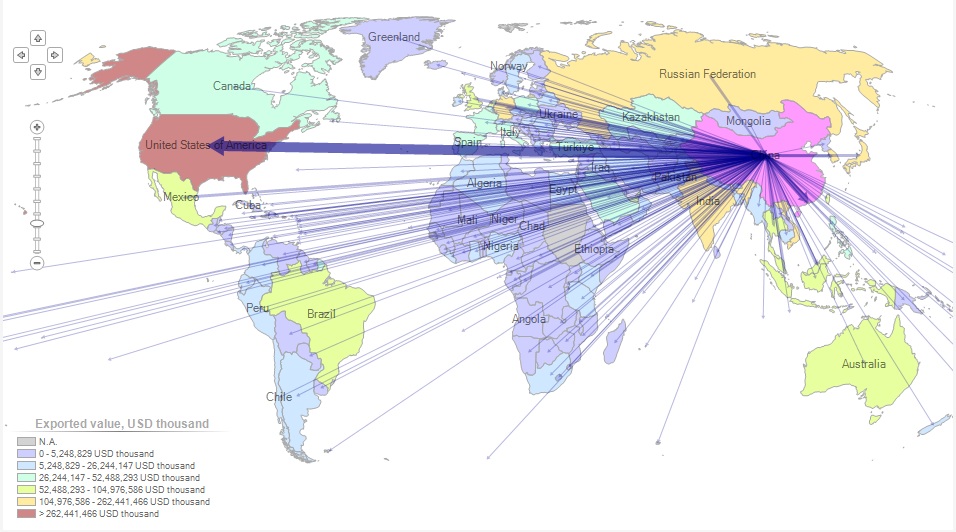
International trade has been a crucial driver of China’s rapid output growth, especially since joining the World Trade Organization in 2001 (Siddiqui, 2023). In 2023, China was the world’s largest exporter, accounting for 13.7% of global merchandise exports, and the second-largest importer after the U.S., with a 9.3% share of global merchandise imports. In 2023, China emerged as the most significant importer of crude oil, representing over 20% of the world’s total crude oil imports by value. Additionally, it is a major importer of commodities such as aluminium, coal, copper, and iron ore—factors that give China considerable influence over global market prices. As the top trading partner for more than 120 countries, China’s robust trade activity is further underscored by its huge trade surplus, which reached US$577 billion in 2023. This surplus—US$384 billion with the U.S. and US$366 billion with the EU—has become a key point of tension in its international relationships.
China has also taken significant steps to expand its economic activities abroad through the Belt and Road Initiative (BRI), a mega infrastructural project launched in 2013. Involving over 60 countries with total investments of US$200 billion, the BRI is designed to boost global output, employment, and trade. It aims to reduce China’s dependence on sea trade routes dominated by the U.S. and to open new export markets for its growing industries. Despite some setbacks in implementation, the BRI is expected to play a transformative role in the future of world trade (Siddiqui, 2019).
Over the last four decades, China has experienced a dramatic surge in manufacturing—especially in sectors such as steel, automobiles, electronics, machinery, and textiles. These strengths have consistently placed China at the forefront of global manufacturing output. (Siddiqui, 2018).
In contrast, the U. S. remains a major manufacturing power. In 2023, U.S. manufacturing contributed over US$2.5 trillion, accounting for 12% of the nation’s economic activity and a significant share of its exports. The U.S. is renowned for its advanced manufacturing techniques and high-quality products.
Over the last four decades, China has experienced a dramatic surge in manufacturing—especially in sectors such as steel, automobiles, electronics, machinery, and textiles.
Japan, with a population of 120 million, has built a reputation for its rich manufacturing heritage and advanced technology. As the third-largest manufacturing country, Japan generated US$1.2 trillion in manufacturing output in 2023. Its major export industries include consumer electronics, automobiles, computers, and semiconductors. Japan’s emphasis on precision and quality makes it a preferred destination for high-tech manufacturing.
Germany, Europe’s leading manufacturing nation with 83 million people, contributed approximately US$930 billion in manufacturing output in 2023. Renowned for its engineering expertise and robust industrial base, Germany is a key global player—especially in the automotive, machinery, and chemical sectors—owing to its efficiency and innovative practices.
India, home to 1.4 billion people, has seen a remarkable surge in trade, generating US$560 billion from manufacturing in 2023. Known for its strong IT workforce and expanding customer service sector, India is rapidly enhancing its manufacturing capabilities. Government initiatives and a large, skilled labour pool have contributed to steady growth in India’s diverse manufacturing sector, which spans textiles, automotive, and pharmaceuticals, positioning it as a dynamic arena for expanding business opportunities (Siddiqui, 2021b).
South Korea is another key contributor to high-tech industries. In 2023, its manufacturing output reached US$530 billion, with major exports including electrical equipment, automobiles, and petroleum products. South Korea’s advanced manufacturing techniques, strategic geographic location, and highly educated workforce reinforce its status as a significant manufacturing hub in Asia.
Russia, endowed with vast natural resources and a strong engineering tradition, contributed US$360 billion to global manufacturing output in 2023. With key sectors in aerospace, defence, and energy equipment, Russia’s manufacturing industry remains vital for its economic stability and growth. Despite various challenges, its focus on heavy industries and technology ensures that Russia continues to be a key player in global manufacturing.
IV. Conclusion
The development of new technologies alongside environmental protection underscores a critical shortcoming in the capitalist model. Relying on free markets and expecting capitalists to drive innovation for the common good has proven insufficient for achieving long-term, sustainable progress. Short-term, profit-driven interests tend to prioritize cost minimization and immediate returns, often at the expense of essential long-term investments in environmental protection and societal welfare.
In contrast, China’s model of government intervention and long-term planning has demonstrated greater success (Siddiqui, 2024d). Although the U.S. government provides substantial subsidies and tax breaks to large corporations, these measures have not stemmed a decline in productive investments. Moreover, U.S. corporations are often reluctant to invest in continuous technological development, and monopolistic practices can hinder the broad diffusion of innovative technologies that benefit society.
China’s approach, wherein the government directs investments in cutting-edge technology rather than leaving such decisions solely to market forces, has enabled the country to develop a robust industrial base. This strategic allocation of resources has allowed China to introduce socially beneficial technologies without private profit motives impeding progress. For example, China has emerged as a leader in sectors such as solar panels, artificial intelligence, and electric vehicles. A notable breakthrough is the recent unveiling of DeepSeek technology—an open-source AI model developed in China that reportedly outperforms its U.S. counterpart, ChatGPT, at a fraction of the cost.
In summary, China’s state-regulated financial system and targeted investments have not only bolstered its position as a global industrial power but have also enabled it to align technological advancements with broader social needs. This approach highlights the potential benefits of long-term public investment and strategic planning over the constraints of short-term profit-driven models.
Dr. Kalim Siddiquiis an economist specializing in International Political Economy, Development Economics, Trade and Economic Policy. Since 1989, he has been teaching economics at various universities in Norway and the UK. Dr. Siddiqui’s research interests encompass a wide range of topics, including political economy, international trade, and economic history, South Asia, and emerging economies. He has presented papers at international conferences across numerous countries, reflecting his global engagement in the field. His scholarly pursuits span six broad domains: Political Economy, Development Economics, Economic History, Economic Policy, Globalization, and International Trade. Dr. Siddiqui has made significant contributions to research in areas such as trade policy, globalization, and political economy. His work has been published in chapters of edited books and articles published in peer-reviewed journals. For inquiries, Dr. Siddiqui can be reached at: [email protected]
Siddiqui, K. (2024a) “The Decline of the West and Global Political Economy”, World Financial Review, December, p.4-18.
Siddiqui, K. (2024b) “China’s Growth Miracle and Development Strategy Since the 1980s”, World Financial Review, December, p.11-25.
Siddiqui, K. (2024c) “Impact of Population Changes and Economic Growth in China and India”, World Financial Review, November, p.1-13.
Siddiqui, K. (2024d) “The BRICS Expansion and the End of Western Economic and Geopolitical Dominance”, World Financial Review, November, p.6-18.
Siddiqui, K. (2024e) “Climate Change, Capitalism, and Invisible Hands of the Market: A Critical Review”, World Financial Review, June, p.2-13.
Siddiqui, K. (2023) “Marxian Analysis of Capitalism and Crises”, International Critical Thought, 13(4):525-545.
Siddiqui, K. (2022) “Capitalism, Imperialism, and Crisis”, European Financial Review, June-July, p. 16 – 32.
Siddiqui, K. (2021a) “Trade Liberalisation, Comparative Advantage, and Economic Development: A Historical Perspective” World Financial Review, May-June, p.65 – 74.
Siddiqui, K. (2021b) “The Importance of Industrialisation in Developing Countries” World Financial Review, January February, p. 60 – 73
Siddiqui, K. (2019). “One Belt and One Road, China’s Massive Infrastructure Project to Boost Trade and Economy: An Overview” International Critical Thought 9(2): 214 – 235.
Siddiqui, K. (2018). “David Ricardo’s Comparative Advantage and Developing Countries: Myth and Reality” International Critical Thought, 8(3): 1-28, September.
Siddiqui, K. (2009). “The Political Economy of Growth in China and India”, Journal of Asian Public Policy 1(2): 17-35.
So, A.Y. and Chu, Y. (2015) The Global Rise of China, Cambridge: Polity Press.
On Thursday, the Philippines saw hours of political drama that left masses of Filipinos angry and ICC observers perplexed. The Duterte rendition could have long-lasting, adverse consequences in both the Philippines and the ICC.
In the Senate’s much-anticipated Duterte detention hearing on Thursday, Senator Imee Marcos, chair of the Foreign Affairs Committee, interviewed the key cabinet members of President Ferdinand Marcos Jr., her brother. One by one, Marcos contrasted their responses with prior interviews, ICC and Interpol documents, highlighting deep gaps between official statements and actual realities.
In a telling moment, Secretary of Interior Jonvic Remulla said the government did not “plot” Duterte’s arrest prior to March 11. Then, Senator Marcos showed Remulla’s prior TV interview in which the minister acknowledged that he, the president, Defense Secretary Gilberto Teodoro Jr. and Security Adviser Eduardo Año set the arrest of Duterte in motion.
Troubling inconsistencies
Secretary Año said the claims that he, along with the president, Justice Secretary Crispin Remulla, and Defense Secretary Gilbert Teodoro, had conspired to plan Duterte’s arrest were untrue. He was unaware of any coordination with the ICC and learned of the Interpol notice on March 11. Yet, Marcos cited Interpol’s communication stating the arrest was made “with prior consultation with the Philippine government.”
Año also said that any meeting regarding this matter occurred only after they were made aware of Interpol’s “red notice” for the former president’s arrest. Yet, the country’s transnational crime (PCTC) director Anthony Alcantara admitted the Interpol did not issue a red notice against Duterte, only a diffusion notice; that is, not a notice needed to undertake a provisional arrest, but a lower-level alert for information sharing.
Justice Secretary Remulla contradicted his 2024 statement under oath before another Senate hearing that any ICC arrest order or Interpol notice should be brought before local courts. Instead, Duterte was pushed forcefully into, oddly, a private plane by Police Maj. Gen. Nicolas Torre III, after Duterte’s lawyer was handcuffed.
Vice President Sara Duterte said her father, former President Rodrigo Duterte, was taken into custody “without a valid warrant issued by a Philippine court, without due process.” The ICC is being used for political persecution “to demolish the opposition” prior to the 2025 and 2028 elections.
As legal scholar Alexis F. Medina concluded in his prior opinion and during the hearing, the arrest of the former president raises “several critical constitutional concerns – due process, warrantless arrests, and liberty of abode, among others.”
In the 1990s, the special tribunals established by the UN Security Council to prosecute crimes in the Balkans and Rwanda fostered efforts to create a permanent court. The International Criminal Court (ICC) was the international community’s response to renewed atrocities and ethnic conflict. But it was constrained at birth.
In the 1998 Rome Conference, the scope of the court’s jurisdiction was one of the most intensely debated topics. Many NGOs and rights organizations advocated universal jurisdiction. By contrast, the United States and some of its allies advocated jurisdiction based on UN Security Council authorization.
In the subsequent compromise between the idealists and the realists, the ICC would have jurisdiction over alleged crimes committed on the territory of a member state, by the national of a member state, or in other situations when the Security Council has authorized court action.
This compromise allows the court to investigate and prosecute the nationals of a non-member state; as in the case of Philippines.
Allegations of partiality: Kenya, Uhuru and ICC
Cognizant of its limitations, the ICC began its operations cautiously in 2003. It moved ahead only when the country in question had requested court intervention (Congo DR, Central African Republic, Uganda) or when the UN Security Council had authorized the role of the court.
Despite increasing international divides in the early 2010s, the ICC’s pattern changed when its prosecutor launched its first investigation without explicit state support, against President Uhuru Kenyatta (who eventually beat the case). In the messy case involving lucrative external interests, the line between legitimate prosecution and political persecution grew thin.
Many African nations regard the court, which has largely focused only on the poor, resource-rich countries of Africa, as a “toy of declining imperial powers.”
Yet, the ICC didn’t take a step back. Its ambitious prosecutors ignored caution engaging in investigations, which brought the court into direct contests with several non-member states, including Russia, Libya, Myanmar, U.S. in Afghanistan, and more recently, Israel in Gaza. The results were predictable.
In two decades, the prosecutor has secured convictions in only 4 cases, typically in cases against citizens of member countries. Cases against non-member state nationals have yielded almost nothing.
Rising tensions
Oddly, the role of Martin Romualdez, the Speaker of the House of Representatives, in the ongoing dynastic debacles has been largely excluded in international media, even though in domestic debate it is seen as vital to the turmoil.
Moreover, the Marcos/Duterte debacle is characterized as a battle of “two political dynasties.” Yet, the Dutertes have neither the economic resources nor the links of President Marcos Jr with the financial elites. After his victory, the president convened some of the country’s “boldest business minds” to “strengthen synergies” between the private and public sectors. To Marcos champions, the “billionaire club’s” role is only advisory. To Duterte supporters, it is reminiscent of Marcos Sr’s cronies.
Furthermore, the government’s mounting debacles – murky budget items and eroding economy, outsourcing of military sovereignty to rotational US bases, perceived illicit measures in Duterte’s expulsion – have stirred growing resentment among the populace.
Given the present course, the 2010s Uhuru/ICC pattern – domestic political rivalry offshored to the ICC, uncertainty in domestic economy, detrimental geopolitics and weaker economic prospects – may now be evolving in the Philippines.
The original page-one op-ed was published by The Manila Times on March 24, 2025.
Dr. Dan Steinbockis an internationally recognized strategist of the multipolar world and the founder of Difference Group. He has served at the India, China and America Institute (USA), Shanghai Institutes for International Studies (China) and the EU Center (Singapore). For more, see https://www.differencegroup.net
Back in 2022, the European Union conducted a study that highlighted the real risks UV filters pose to the environment, notably through seawater contamination. These controversial chemical compounds designed to disperse UV light are ubiquitous in sunscreens and lotions but are increasingly found in other personal care and cosmetic products. There are growing concerns about their effects on public health.
The omnipresence of sunscreen products in our daily lives has meant their ingredients have long been the subject of intense scrutiny due to their potential risks, including the negative effects of UV filters. Concerns have been growing for some time, especially regarding how these chemicals may be interfering with our bodies’ hormone systems due to the presence of endocrine disruptors. While sunscreens have long been in the spotlight, an equally significant issue is the growing presence of UV filters in everyday cosmetic products. These filters, initially intended for sun protection, have quietly infiltrated a wide range of items that we use daily.
The use of UV filters has become so widespread that it is difficult to find a cosmetic product on the market that doesn’t contain some form of sun protection. While the most obvious inclusion is sunscreens, the presence of UV filters in other products – ranging from anti-aging creams to lip balms and even perfumes – is growing rapidly. As consumers, we may not associate these products with sun protection, but they often contain chemical compounds such as avobenzone and octinoxate, which have been signaled as endocrine disruptors. These ingredients, initially designed to absorb or block ultraviolet rays, are now standard components in many non-sunscreen products.
Health risks and public pushback
Endocrine disruptors are chemicals that can interfere with the body’s hormonal systems, leading to various health issues, including fertility problems, developmental disorders, and certain cancers. These risks are well-documented. Over the years, numerous studies and public campaigns have raised awareness about the harmful effects of sunscreen ingredients on human health. For example, in 2021 a study by Valisure, an independent laboratory, detected benzene—a known human carcinogen—in 27% of the sunscreen products they tested, with some batches containing up to triple the FDA’s conditionally restricted limit of 2 parts per million (ppm). This discovery prompted voluntary recalls by major sunscreen brands implicated in the testing.
These substances, which were originally formulated to block UV rays, now pose a silent and pervasive threat to consumers who may be unaware of the risks. Moreover, the incorporation of these filters into a wider range of cosmetic products is often overlooked or not sufficiently labeled, leaving consumers unknowingly exposed to harmful chemicals.
One common endocrine disruptor found in cosmetic products is avobenzone. Research has shown that, when absorbed into the skin, this can lead to systemic exposure, meaning the chemical enters the bloodstream and spreads throughout the body. This poses significant health risks, especially when used regularly. Octinoxate, another common UV filter, has also been shown to disrupt thyroid function and interfere with hormone production. Studies on the direct impact of avobenzone on human health are still few and far between, one study on zebrafish larvae has indicated that exposure to the chemical led to significant changes in thyroid hormone levels and the expression of genes associated with the hypothalamus-pituitary-thyroid (HPT) axis, suggesting potential thyroid endocrine disruption. There is a growing body of evidence underlining the dangers of these ingredients, many consumers continue to use products containing them without realizing the potential harm they may be causing.
Indeed, the raising of public awareness about such issues has led to the creation of groups like the PASS Coalition—a group comprising public health organizations, dermatologists, and sunscreen product companies—advocates for more efficient regulatory pathways. Around the world, the media is beginning to highlight the pervasive effects of endocrine disruptors on things like fertility, or the threats they may be posing to child development. Films like the 2019 American Canadian documentary Toxic Beauty have helped raise awareness about malpractice within the cosmetics industry and the health risks associated with cosmetic products. This has led to public pressure, which has achieved some regulatory evolution in the United States, with the FDA reclassifying oxybenzone in 2021, stating that it is no longer generally recognized as safe and effective (GRASE) due to insufficient safety data. Since 2021, for the FDA, 11 other UV filters are no longer GRASE. These include octinoxate and avobenzone.
UV filters in perfumes
But there is another category of cosmetics where UV filters/endocrine disruptors are present, and their more frequent use compared to sunscreens may make them even more harmful to public health: perfumes. The overwhelming majority of perfumes (over 80%) contain UV filters like avobenzone. This chemical filter absorbs UVA rays and has long been considered a necessary ingredient in many sunscreen formulations. But its inclusion in perfumes highlights a much larger problem: consumers who use perfumes regularly are unknowingly exposed to a substance that can disrupt their endocrine system and lead to long-term health effects.
While we typically associate perfumes with fragrance and not with sun protection, this pervasive inclusion of UV filters, added to protect the product itself from UV rays and often without adequate consumer awareness, also raises significant concerns. Perfumes are often used multiple times a day, and their chemical content is absorbed directly into the skin and through the respiratory system. This frequent, low-level exposure amplifies the risks associated with UV filter usage, due to bioaccumulation in the body.
The regulatory landscape and the urgent need to go further
The regulation of UV filters in cosmetics is inconsistent, with the U.S. lagging behind the European Union. While the EU mandates full ingredient disclosure under Regulation (EC) No 1223/2009, the U.S. FDA classifies sunscreens as OTC drugs, requiring labeling for active ingredients but not for UV filters in other cosmetics. This lack of transparency leaves consumers unaware of potential endocrine disruptors. The FDA has approved only 17 UV filters, compared to 27 in the EU, highlighting the need for stricter, more harmonized regulations to protect public health.
Fortunately, while regulatory bodies are still lagging in defending public health, and struggling to take initiatives, concerted actions by organizations like the Women’s Voices for the Earth (WVE) have led to significant positive developments in the regulation of endocrine disruptors in cosmetics. For instance, in 2020, California enacted the Cosmetic Fragrance and Flavor Ingredient Right to Know Act, making it the first government worldwide to require public disclosure of hazardous fragrance and flavor ingredients. Similarly, in 2019, New York passed a bill mandating that manufacturers disclose ingredients in menstrual products, marking the first such requirement in the United States. Concrete action can therefore be effective in driving regulatory changes for the benefit of consumers.
For many private companies, the founder is more than just a leader—they are the heart of the business, the driving force behind the company’s mission, and the one who sets the tone for company culture. But what happens when that founder steps away?
Too often, businesses lose their identity after a leadership transition, struggling to maintain the same values, vision, and workplace culture that made them successful in the first place. However, the most forward-thinking companies are already taking steps to ensure that their culture remains intact long after the founder exits.
Hiring the Right People Early on Makes a Difference
A strong culture doesn’t start when a founder leaves—it starts the moment a business begins hiring its first employees. The foundation of company culture is built on who gets hired, how they work together, and whether they align with the company’s values. Founders who prioritize hiring and culture early on set their companies up for long-term stability, ensuring that the organization’s core beliefs are ingrained in every level of the business.
Building a strong team from the start means looking beyond just skills and experience. While technical ability matters, hiring employees who believe in the company’s mission and contribute to a positive work environment is even more critical. Employees who are deeply connected to the company’s values become cultural anchors, keeping the workplace steady even when leadership changes.
ESOPs Help Companies Preserve Culture Long-Term
One of the most powerful tools for maintaining company culture after a founder exits is an Employee Stock Ownership Plan (ESOP). Many businesses think of ownership transitions in terms of outside buyers or leadership handovers, but for many, exploring ESOP valuation for private companies can offer a better path—one that keeps the company’s values, mission, and culture intact. This valuation helps the business determine the
An ESOP allows employees to gradually take ownership of the company, ensuring that those who know the business best—its employees—are the ones guiding its future. When employees have an ownership stake, they have a vested interest in maintaining the culture that made the company successful in the first place. They aren’t just workers; they become stewards of the business’s legacy.
Clear Company Values can Outlast a Founder
A founder’s leadership style plays a significant role in shaping company culture, but what happens when that leadership is gone? Businesses that fail to document and reinforce their values often struggle with identity shifts during transitions. However, companies that formalize their culture through written values, leadership training, and internal messaging ensure that their core beliefs remain strong long after the founder steps away.
Having a mission statement isn’t enough. The most successful private companies actively embed their values into daily operations, decision-making processes, and employee expectations. This means making sure leadership hires align with the company’s principles, reinforcing values in company-wide meetings, and integrating them into performance reviews.
Culture should not rely on one individual—it should be woven into the fabric of the company. Businesses that take a passive approach to company values risk losing their identity when leadership changes.
Leadership Development Ensures Culture Stays Strong
One mistake private companies make is focusing too much on the founder’s leadership while neglecting to develop future leaders who can carry the business forward. If a company’s culture is tied solely to one person’s influence, it risks falling apart when that person exits. However, businesses that invest in leadership development create continuity, ensuring that cultural values are upheld across generations.
Developing internal leadership pipelines means identifying employees who align with the company’s mission and preparing them for larger roles over time. This doesn’t just mean training programs—it means actively mentoring employees, giving them decision-making authority, and helping them develop the skills needed to guide the business forward.
Work Flexibility can Keep Culture Consistent
Workplace culture isn’t just about leadership and values—it’s also about how employees experience their work environment. Companies that want to maintain their culture long-term must recognize that work expectations are evolving. Flexibility, hybrid work models, and employee well-being initiatives are all becoming key factors in whether employees stay committed to a company’s culture or disengage.
Employees today expect more than just competitive salaries. They want workplaces that support their work-life balance, offer professional development, and create an environment where they feel valued. Companies that don’t adapt to these expectations often see cultural breakdowns as employees leave for organizations that prioritize their needs.
Ongoing Communication Keeps Culture Strong
Company culture doesn’t just happen—it requires ongoing communication, reinforcement, and leadership engagement. Private companies that want to sustain their culture long after the founder leaves must actively invest in communication strategies that ensure employees remain connected to the company’s mission and values.
This means more than just occasional emails or team meetings. Businesses that maintain strong cultures have ongoing, structured conversations about company goals, values, and employee contributions. Whether through town halls, feedback sessions, or team-building initiatives, keeping employees engaged in cultural discussions ensures that the company’s identity remains intact.
These are challenging days for corporate risk teams. President Trump’s wide-ranging executive orders are creating jeopardy for multinationals all over the world. Possible tariff wars with Europe and China would probably require urgent supply chain mitigations. The suspension of USAID may destabilise certain emerging and frontier markets, necessitating crisis management contingencies.
Yet while Trump’s much-covered foreign policy interventions need to be monitored and assessed for their potential to hit business operations, they are by no means the only probable source of disruption over the coming months. Another, perhaps not as obvious or well-understood, is the growing potential for Grey Swan events to materialise. Many high-impact events that were once considered low probabilities, are now becoming more likely than ever before. There are several reasons for this, stemming from the breakdown of the rules-based international order and an expanding global democratic deficit.
Possible Grey Swan scenarios
The US administration’s withdrawal from its longstanding role as a global policeman is creating a security vacuum that is likely to be exploited by all manner of bad-faith state and non-state actors. Indeed, Russia’s hybrid war against European countries, aimed at undermining support for Ukraine and sanctions enforcement, could see an upsurge in sabotage activities, as US commitment to Europe diminishes. And the stuttering post-Covid recovery and creeping authoritarianism across the world has left many governments under pressure from disaffected publics, leaving them vulnerable to uprisings and coups.
Unlike Trump’s tariff threats, telegraphed long before his election victory, allowing corporates to begin to put in place contingencies, Grey Swan events are harder to forecast. Risk teams must identify and track indicators that point to their likelihood and employ scenario analysis techniques to access their potential impact on business operations. Yet better anticipation is not just about mitigating these risks, it lends companies a strategic advantage over competitors that might not be so well prepared.
Risk of devolving counter-terrorism
With Islamist insurgencies present across much of the Sahel, multinationals are acutely aware of the potential for terrorism and its associated disruption in the region and further afield. While counter-terrorism is likely to remain a priority for the US administration over the next few years, responsibility for its execution, especially in parts of Africa and the Middle East like Somalia and Syria, could be passed to less capable and often ill-equipped local and regional partners. This may in turn provide an opportunity for extremist groups to resurge in areas where they have been held in abeyance, while prompting other states like Russia to fill the security vacuum by increasing weapons sales to these regions.
So businesses with a footprint in these areas need to recognise that such a shift in US policy could compound the security challenges they already face in a number of countries –particularly the Horn of Africa and the Levant where Islamists may gain momentum and destabilise these whole regions. Senior executives alert to this possibility can make informed choices around their risk appetite for operating in these territories, and put in place mitigations to be able to ensure the continued safety of staff and assets.
New Russian threat – the hybrid menace
Russian sabotage of Baltic states’ undersea critical infrastructure and interference in the elections of Eastern European countries has been sowing discord and confusion in recent months. But now Putin may be emboldened to step up his hybrid war. This comes as the US signals that European security is no longer its primary focus, amid an evident rapprochement with Russia. With the US guardrails seemingly off, it is plausible that Putin will look to orchestrate a much higher impact event in northern Europe, such as an environmental disaster, which could take the form of a giant oil spill in a busy shipping lane or the contamination of national water supplies.
Such incidents may have seemed outlandish in the past, but they are now realistic possibilities and should be factored into crisis planning along with the other hybrid warfare tactics Russia has been deploying. Scenario planning and war-gaming exercises can help multinationals think through both the likely business disruption of an unprecedented Russian-instigated major incident and how it might be mitigated.
Authoritarian regimes vulnerable to coups
In recent years, multinationals will almost certainly have taken steps to reduce their exposure to coups in West and Central Africa. However, such political upheavals and their regional reverberations are now more likely in other parts of the world where the potential for business loss is far higher. This is especially so in South Asia, a commercial and supply chain hub. Here, the post-Covid economic downturn together with growing authoritarianism has left governments weak and vulnerable to sudden, unlawful seizures of power.
Last year saw the overthrow of the Bangladesh regime widely seen as corrupt and autocratic – the consequent political tremors reshaping the region’s geopolitical landscape. Bangladesh has moved closer to Pakistan and distanced itself from former ally India – where deposed Bangladeshi leader Sheikh Hasina fled. India is concerned by the possibility of a military alliance between its neighbours, and has bolstered security on its border with Bangladesh.
The development is illustrative of how in the post-Covid era of instability, regions of the Global South once deemed relatively low-risk locations for multinational operations can quickly become crisis-prone. In the wake of the pandemic, boards that switched their supply chains from China to South Asia now find themselves facing new risks: political and economic uncertainty in Bangladesh and the possibility of disruption to cross-border trade should tensions between India and Bangladesh mount. The situation is very fluid and combustible, requiring close monitoring of developments, identification of escalation triggers, and the planning of contingencies in the event of business conditions worsening.
Recognising the potential for Grey-Swan events not only helps to secure multinationals’ operational resilience, it can also give them a strategic advantage. They would be able to act sooner and with greater confidence, offering a commercial edge over rivals who may find themselves feeling overwhelmed and less assured because they have not incorporated potential Grey Swans into their crisis planning processes. It can mean the difference between staying in an impacted region, better informed and prepared for the challenges, and being caught off guard, with exit the only option to minimise losses.
Matt Ince is an Associate Director at Dragonfly, a geopolitical and security intelligence firm. Within this role, he guides strategic intelligence activities and is the managing editor of Strategic Outlook, Dragonfly’s flagship annual intelligence estimate on geostrategic risks. Matt is also an Associate Fellow at the Royal United Services Institute (RUSI). Prior to joining Dragonfly in January 2023, he spent almost a decade working within the UK’s national security community, leading analysis on emerging global risks.
By Terence Tse
CFOs are evolving into AI-driven transformation orchestrators, balancing finance, technology, and strategy while upskilling teams, managing risks, and driving measurable business value.
A key insight from this year’s AI for CFOs event, organized...
The World Financial Review uses cookies to improve site functionality, provide you with a better browsing experience, and to enable our partners to advertise to you. Detailed information on the use of cookies on this Site, and how you can decline them, is provided in our Privacy Policy and Terms and Conditions. By clicking on the accept button and using this Site, you consent to our Privacy Policy and Terms and Conditions. ACCEPT
Privacy & Cookies Policy
Privacy Overview
This website uses cookies to improve your experience while you navigate through the website. Out of these cookies, the cookies that are categorized as necessary are stored on your browser as they are essential for the working of basic functionalities of the website. We also use third-party cookies that help us analyze and understand how you use this website. These cookies will be stored in your browser only with your consent. You also have the option to opt-out of these cookies. But opting out of some of these cookies may have an effect on your browsing experience.
Necessary cookies are absolutely essential for the website to function properly. This category only includes cookies that ensures basic functionalities and security features of the website. These cookies do not store any personal information.
Any cookies that may not be particularly necessary for the website to function and is used specifically to collect user personal data via analytics, ads, other embedded contents are termed as non-necessary cookies. It is mandatory to procure user consent prior to running these cookies on your website.