Government billing and payment modernization improves revenue collection, invoice settlement and service delivery to citizens. Ditching outdated methods in favor of efficient financial technology solutions reduces operational costs to manage limited budgets prudently and enhances security to prevent data breaches and combat fraud.
Discover the best solutions for your department by innovating government billing and payment processes.
Put a Premium on Diversity
Support diverse pull and push payment methods to satisfy different payer preferences and situations. More variety isn’t necessarily better, but accepting different cash and noncash options can balance each other’s strengths and weaknesses.
Integrate in-store, online, and mobile methods and synchronize payment data across all touchpoints through omnichannel payment.
In practice, a payer can begin a transaction on one channel and continue it on another while maintaining preferences and progress. A unified payment gateway handles the back end to ensure a seamless, consistent experience.
Explore Capabilities
Choose a billing and payment solution for government agencies with the best features to help payers initiate transactions painlessly. Seek platforms that support alternative payment methods to serve the unbanked and other underserved sectors of society.
Reliable government billing and payment technologies painlessly produce receipts. They generate reports and offer comprehensive data analytics tools to aid audits and promote transparency. Accessible tech support should be available to troubleshoot issues as quickly as possible.
Prioritize User Experience
Capitalize on user-friendliness to encourage repeated usage. An intuitive and accessible government billing and payment platform ensures anyone can conveniently use it, especially people with disabilities, older adults and the less financially literate.
A mobile-responsive interface, fast loading time, legible typography, straightforward navigation and simplified forms are must-have elements to increase revenue collection. Guest checkout and autofill are just as desirable.
Think About Regulations
Value compliance to uphold privacy, protect sensitive data and neutralize cyberattacks. Compare government billing and payment vendors based on the regulatory frameworks and industry standards they inherently observe.
Compliance requirements depend on the payment methods and currencies you intend to accept. Many solutions are preconfigured to abide by universally adopted standards, like the Payment Card Industry Data Security Standard (PCI DSS). However, bitcoin and other virtual currencies are a new frontier with distinct risks and merit more circumspection.
Consider Ease of Deployment
Understand how easy it is to integrate your prospective billing and payment platform into your system. Plug-and-play software solutions minimize disruption.
Credible vendors extend adequate technical guidance from beginning to end, onboarding your IT professionals properly. Explore after-sales support options to receive reliable assistance when something goes wrong and troubleshoot issues urgently.
Which Billing and Payment Solutions Are Best for Government Agencies? Top 3 Options
Comparing government billing and payment platforms can be overwhelming, so narrow your search with these three vendors.
1. KUBRA
KUBRA offers a citizen-facing portal for self-service interactions and one-click payments. It enables users to transact through web, mobile, an AI-powered interactive voice response (IVR) system, text messaging, in-person kiosks and retail locations. This software solution accepts credit cards, debit cards, automated clearing house (ACH) and digital wallets, including Venmo, Apple Pay, PayPal and Google Pay. This vendor supports bill consolidation, enrolled and non-enrolled payments, real-time processing and automated reminders.
This omnichannel billing and payment platform complies with Service Organization Controls (SOC) 1, 2, and 3, PCI DSS and Secure Stateless Tokenization. KUBRA undergoes penetration testing and annual third-party audits to discover and address vulnerabilities early. This vendor also has disaster recovery plans and carries cyber insurance.
2. CSG Forte
CSG Forte is one of the best plug-and-play platforms for municipal, county and state government agencies. Quick implementation is its calling card, as it can begin processing payments for utilities, permits and taxes in less than 24 hours. Its self-service capabilities include IVR payment processing optimized for touch-tone and speech recognition. CSG Forte also handles cash, ACH, eCheck and digital wallets.
This platform integrates with billing and accounting systems with minimal technical expertise requirements. CSG Forte links to point-of-sale systems optimized for Europay, Mastercard and Visa, allowing it to process contactless payment transactions — whose value reached $7.4 trillion in 2024 and is expected to grow by 113% over the next five years.
3. GovPilot
GovPilot is a cloud-based digitalization platform offering prebuilt payment-related modules that reflect the needs of most municipal governments and customized ones for specific agencies. This solution streamlines revenue tracking and integrates payment processing for online business registration applications and pet licensing. It also facilitates court and permit fee collection.
This vendor’s implementation support includes free consultation, 15-minute tailored demonstrations and dedicated account managers. Depending on your chosen plan, you can enjoy four days of in-person training, legacy data importing and migration assistance. GovPilot is a Microsoft Azure partner and supports data backup, disaster recovery, penetration testing and annual third-party security validation.
Use the Best Billing and Payment Solution for Your Government Agency
Many billing and payment vendors target local, state and federal governments and optimize their features accordingly. Learn more about each software solution’s offerings to find the perfect fit for your agency.
Financial technology, or fintech, is evolving at breakneck speed. To stay ahead, financial institutions and startups alike need software development partners who understand the unique challenges and opportunities of the industry. We’re talking about companies prioritizing speed, compliance and scalability in everything they do. Five fintech software development companies stand out in this area.
Choosing a FinTech Partner
Use these signals to gauge whether a partner can deliver in regulated markets:
Proof of shipping in complex environments with clear service level agreements (SLAs), measurable outcomes and on call ownership
Depth in data, cloud, and security engineering that supports 24/7 uptime and fast rollback
Strong product strategy with discovery, UX and analytics built into the delivery rhythm
A roadmap culture that learns from telemetry, incidents and customer research
These signals show a partner can handle live systems and real risk. SLAs, measurable outcomes and on call ownership mean they own uptime and fix issues fast. Strong data, cloud and security skills, plus a product practice that learns from users and incidents, help teams ship the right features safely and on time.
Why Does Having a Custom Fintech Solution Matter?
Custom fintech software allows businesses to tailor solutions to their unique needs, gaining a competitive edge by addressing specific market gaps or customer demands. This bespoke approach enables enhanced security measures and compliance protocols — crucial for maintaining trust and navigating complex regulatory rules.
Having the right software partner fosters innovation and agility, empowering companies to adapt quickly to market trends and customer needs.
Top Financial and Fintech Software Development Companies
Below are five providers to watch in 2025. Each shows a pattern you can use when selecting a build partner or benchmarking your stack.
1. Sparq
Sparq leads with multidisciplinary agile teams that plan, build and run mission-critical financial software. The firm markets an outcome-based approach that aligns strategy, design and engineering under one delivery model. It supports banks, insurers and fintechs that need compliant releases and ongoing iteration, not staff augmentation alone.
Sparq has also expanded its capabilities with recent U.S. acquisitions that have strengthened data and AI engineering. That added capacity helps ship features faster while tightening quality and security controls. Teams that operate at this level reduce cost overruns, halve handoffs and raise deployment frequency.
2. Nova Money
Nova Money takes a forecasting-first approach to personal finance. It pulls Open Banking data, projects cash flow and flags overspending before it derails goals.
Nova lists TrueLayer as its regulated AISP provider, which adds credibility around data access and permissions. The planning model suits variable income, subscription-heavy budgets and early warning of cash gaps.
3. Vivid Money
Vivid Money combines banking, savings, investing and rewards in one European app. Users can open multiple “Pockets,” each with its own IBAN, to segment spending and goals. Tiered plans expand the number of Pockets and raise cashback limits, encouraging stickiness and higher product utilization. This bundling playbook helps increase lifetime value without piling on complexity.
4. Credello
Credello focuses on decision support. It offers AI-driven recommendations, calculators and payoff planners that help consumers compare loans, cards and strategies.
Its consumer research points to growing comfort with AI chat for money guidance, which supports its product direction and content engine. Modular tools, transparent explanations and simple UX keep friction low while driving organic reach.
5. Revolut
Revolut operates globally across retail and business products. In 2024, it reported £3.1 billion in revenue with strong profitability and bigger customer balances. In 2025, news outlets reported a secondary share sale that implied a valuation near $75 billion. This breadth — paired with fast shipping and growing subscription revenue — makes Revolut a bellwether for digital finance.
Market Signals to Watch Out For
Analysts project the global fintech market to be worth about $394.88 billion in 2025 and reach roughly $1.12 trillion by 2032. That growth path supports investment in modern stacks, stronger data pipelines, and better onboarding flows.
The pandemic accelerated the digital transformation of financial services. Banks and consumers shifted to online channels, raising demand for platforms that handle identity, risk and payments at scale. Global policy groups also note the broader surge in digital adoption across advanced economies, shaping how teams prioritize roadmaps.
When you evaluate top financial and fintech software development companies, ask how teams connect design decisions to compliance outcomes. Look for data lineage, runtime monitoring and rollback plans that align with your risk appetite. Partners that show this discipline can ship faster with fewer surprises.
Choose a Partner Then Validate Results
Set a 90-day target and shortlist two vendors. Ask each for a reference architecture and a one-sprint proof of concept, then score them on deploy frequency, change fail rate, time to recovery and cost per transaction in your environment. Choose the team that demonstrates the most promising results.
Commit to shipping one feature that improves onboarding speed or fraud detection so you can turn careful evaluation into measurable growth.
U.S. President Donald Trump on Monday urged pregnant women and parents to avoid using Tylenol and cautioned against routine childhood vaccinations, reviving claims that scientists and health agencies have repeatedly rejected.
In a White House news conference, Trump advised against acetaminophen, the active ingredient in Tylenol, and suggested that vaccines should not be given together or administered too early in life. “I want to say it like it is, don’t take Tylenol. Don’t take it,” he said. The president also argued for splitting the measles-mumps-rubella vaccine into separate doses and delaying the hepatitis B shot, which is normally given at birth.
Trump’s comments drew immediate criticism from medical groups. The American Academy of Pediatrics, the American College of Obstetricians and Gynecologists, and autism advocacy organizations warned that his statements risked spreading misinformation. “The data cited do not support the claim that Tylenol causes autism and leucovorin is a cure, and only stoke fear and falsely suggest hope when there is no simple answer,” the Coalition of Autism Scientists said.
Standing alongside Health Secretary Robert F. Kennedy Jr., a long-time vaccine critic, Trump also promoted leucovorin, a folinic acid treatment normally used in cancer care, as a potential therapy for autism symptoms. The Food and Drug Administration later said it would expand production and consider Medicaid coverage for the drug, even though researchers caution that only small, inconclusive studies exist.
Kenvue, the maker of Tylenol, rejected the president’s claims. “We believe independent, sound science clearly shows that taking acetaminophen does not cause autism. We strongly disagree with any suggestion otherwise and are deeply concerned with the health risk this poses for expecting mothers and parents,” the company said in a statement.
Britain’s health regulator also reaffirmed that paracetamol, as the drug is known in Europe, remains safe during pregnancy.
Markets reacted swiftly, with Kenvue shares tumbling more than 7% before recovering 5% in late trading. Analysts at Citi said the rebound reflected the absence of new scientific evidence. The stock remains down 14% since early September when reports surfaced that Kennedy planned to push an acetaminophen-autism link.
The Food and Drug Administration announced it would seek new labeling for Tylenol and generic versions, warning of a possible association between prenatal exposure and neurological conditions such as autism and ADHD. Still, the agency acknowledged no causal relationship has been proven.
Recent studies underscore that uncertainty. A 2024 Swedish study of 2.5 million children found no evidence that prenatal Tylenol exposure causes autism or other neurodevelopmental disorders. A 2025 review of 46 studies suggested a possible link, but researchers from Harvard, Mount Sinai, and other institutions said the findings did not prove causation and urged pregnant women to continue using acetaminophen when medically necessary, at the lowest effective dose.
Experts condemned the administration’s stance. “Without showing any evidence to back them up, the announcements become reckless and potentially harmful,” said Dr. Diana Schendel of the A.J. Drexel Autism Institute. Autism specialist Dr. Audrey Brumback of the University of Texas at Austin added that leucovorin trials remain too small and weak to justify its use as a treatment.
Scientists stressed that vaccines are safe, noting they have eradicated diseases such as polio and measles in the United States. UNICEF USA estimates childhood vaccines have saved at least 154 million lives over the past 50 years.
As Generative Artificial Intelligence (Gen AI) continues to revolutionize industries, forward-thinking organizations must develop robust strategies to integrate this transformative technology into their operations. A well-executed Gen AI learning program not only equips employees with the skills to leverage these tools effectively but also fosters a culture of innovation and continuous improvement. Yet, the path to successful implementation is rarely straightforward. A phased approach to deploying a Gen AI learning program can ensure a seamless rollout while driving meaningful business outcomes.
Why a Phased Approach Works for Gen AI Learning
Launching a Gen AI learning program across an organization is inherently complex. Employees bring varying levels of technological proficiency, and different teams have distinct workflows and priorities. A phased approach helps to navigate these challenges by introducing Gen AI training gradually. Starting small—through pilot programs—enables organizations to refine the program, address challenges early, and scale up with confidence.
Departments selected for the pilot phase should demonstrate both high potential for impact and readiness for change.
The phased approach begins with pilot programs in specific departments or teams. These pilots act as testbeds to evaluate the effectiveness of the learning content, training delivery, and support mechanisms. Departments selected for the pilot phase should demonstrate both high potential for impact and readiness for change. For instance, teams in data analysis, customer service, or product development often serve as ideal candidates because they already use AI-adjacent tools or stand to gain significantly from Gen AI integration.
During the pilot phase, the organization can closely monitor progress, gathering valuable feedback to make iterative improvements. Adjustments might include fine-tuning the curriculum, enhancing user interfaces for training platforms, or integrating additional resources to bridge knowledge gaps.
The iterative refinement doesn’t stop at the pilot stage. As the program expands to other departments, feedback loops remain crucial, ensuring that the learning experience evolves to meet employees’ changing needs. This continuous improvement process positions the organization to maximize the value of Gen AI tools across its operations, while managing risks.
Key Considerations for Implementing a Phased Gen AI Learning Program
Implementing a phased Gen AI learning program requires careful planning and execution. Here are some key considerations to ensure success:
Assess Organizational Readiness: Before launching the program, evaluate the organization’s current technological infrastructure, employee skill levels, and openness to change. This assessment will help identify potential challenges and areas that require additional support.
Define Clear Objectives and Metrics: Establish specific, measurable goals for the Gen AI learning program. These could include improvements in productivity, employee proficiency with AI tools, or the development of new AI-driven products or services. Defining clear KPIs will enable the organization to track progress and make data-driven decisions.
Develop Tailored Training Content: Create training materials that are relevant to the specific needs and workflows of each department. Tailored content will enhance the learning experience and ensure that employees can apply Gen AI tools effectively in their roles.
Foster a Supportive Learning Environment: Encourage a culture of continuous learning by providing ongoing support, resources, and opportunities for employees to practice and apply their new skills. This could include access to AI experts, online forums, or collaborative projects.
Monitor Progress and Solicit Feedback: Regularly assess the effectiveness of the training program through surveys, assessments, and performance metrics. Use this feedback to make iterative improvements and address any emerging challenges promptly.
Scale Strategically: As the program expands to other departments, maintain flexibility to adapt the training content and delivery methods based on the unique needs and feedback of each team. Strategic scaling will ensure that the program remains effective and relevant across the organization.
The Role of Leaders
Leadership plays a crucial role in the successful adoption of Gen AI within an organization. Leaders must champion the initiative, allocate necessary resources, and communicate the strategic importance of Gen AI to all stakeholders. By demonstrating commitment and providing a clear vision, leaders can inspire confidence and motivate employees to embrace the new technology.
Moreover, leaders should prioritize ethical considerations and responsible AI use. This includes ensuring data privacy, addressing potential biases in AI algorithms, and promoting transparency in AI-driven decisions. By fostering an ethical AI culture, organizations can build trust and mitigate risks associated with AI implementation.
Case Study: A High-Tech Manufacturer’s Journey
Consider the case of a high-tech manufacturing company aiming to integrate Gen AI into its product design processes. Recognizing the potential for AI to accelerate innovation, the company hired me as a consultant to help it adopt a phased approach, starting with a three-month pilot program in the product design department.
Consider the case of a high-tech manufacturing company aiming to integrate Gen AI into its product design processes.
The pilot focused on teaching designers how to use Gen AI tools to streamline design iterations, generate creative concepts, and optimize material usage. We gathered feedback through surveys and interviews, which highlighted several areas for improvement. For instance, participants suggested simplifying technical modules and incorporating more practical, hands-on exercises. We made adjustments accordingly, resulting in higher engagement and improved learning outcomes.
After achieving a 40% increase in Gen AI proficiency and an 18% boost in productivity within the design team, we expanded the program to engineering and marketing. Each rollout phase was guided by clear milestones, such as completing specific training modules or achieving measurable productivity gains. By the end of the nine-month implementation, the organization experienced a 14% overall productivity improvement, showcasing the value of the phased approach.
Conclusion
Integrating Generative AI into an organization’s operations offers significant opportunities for innovation and efficiency. However, successful adoption requires a strategic, phased approach to learning and development. By starting with pilot programs, gathering feedback, and scaling thoughtfully, organizations can equip their workforce with the necessary skills and foster a culture of continuous improvement.
Critical raw materials (CRMs) such as lithium, cobalt, rare-earth elements, and copper are central to the green and digital transitions. Dr Kalim Siddiqui emphasises that their economic significance lies not only in enabling technologies—batteries, electric vehicles, renewable energy, and microchips—but also in the concentration of supply chains. China controls about 70 percent of global rare-earth output and 80–90 percent of processing capacity, creating systemic dependencies.
I. Introduction
Critical minerals—especially rare earth elements—are increasingly essential to reducing pollution, lowering carbon emissions, and driving technological innovation toward a more sustainable future. Their significance, however, extends beyond environmental benefits. For advanced economies, secure access to these materials has become a strategic priority, shaping industrial competitiveness and reinforcing corporate power, while simultaneously intensifying geopolitical rivalries over control of critical supply chains. Consequently, rare earth elements have emerged as both a foundation of technological progress and a source of global tension, fuelling new forms of geopolitical rivalry.
These critical raw materials are essential for renewable energy technologies, high-tech manufacturing, and advanced military systems, including electric vehicles, wind turbines, fighter jets, missiles, and radar. As economic historian from Columbia university Adam Tooze (2025) notes, “if fossil fuels heralded the industrial revolution with the West leading it, the green energy transition is clearly being led by Asia, with China as its global leader.” This shift underscores the growing strategic importance of rare earths in shaping global power dynamics.
If fossil fuels heralded the industrial revolution with the West leading it, the green energy transition is clearly being led by Asia, with China as its global leader.
Critical raw materials (CRMs) are indispensable for 21st-century economies, particularly in mitigating global warming and reducing pollution. The green and digital transitions rely heavily on resources such as lithium, cobalt, rare-earth elements, and copper, which are integral to batteries, electric vehicles, renewable energy systems, and microchips. This growing dependence on CRMs has generated new geopolitical vulnerabilities and dependencies, prompting strategies such as the European Union’s Critical Raw Materials Act, which seeks to diversify supply chains through domestic extraction, processing, and recycling (Brown, et al 2024).
This study examines the importance of CRMs in the coming decades, with a focus on their role in global production and supply. It also considers potential counterstrategies for reducing reliance on CRMs, including material substitution, reduced consumption, recycling, and re-use. The adoption of environmentally sustainable technologies (Siddiqui, 2025a) and new energy systems depends fundamentally on securing access to these materials. Yet the supply of CRMs remains heavily concentrated in the Global South and within a handful of large corporations, fuelling tensions among the developed countries.
Under capitalism, development is driven primarily by private corporations, where private investments play an important role in the overall grow. Most of the developing countries lack funds and modern technology to mine and processes the CRMs and convert them into finished products. The current energy transition is likely to reproduce the contradictory socio-spatial dynamics that characterized the carbon-based industrial revolution. These dynamics would likely exacerbate inequality while delivering transformative benefits primarily to the Global North.
The designation of CRMs as “critical” stems from their strategic significance across multiple sectors. They are essential not only to electronics and defence industries but also to renewable energy technologies such as solar panels, wind turbines, and electric vehicles. For instance: Lithium is crucial for batteries used in electric vehicles and renewable energy storage. Cobalt is a vital component in advanced batteries and other emerging technologies (Brown, et al 2024).
Many countries remain heavily dependent on a limited number of suppliers of CRMs—particularly China—for the processing and supply of critical raw materials, creating significant strategic vulnerabilities. In response, the European Union (EU) and the United States (US) have introduced policy initiatives, such as the EU Critical Raw Materials Act, aimed at strengthening supply chain security by enhancing domestic capabilities in mining, processing, and recycling. The availability of rare earths and other CRMs has become indispensable for the US, the EU, Japan, and other advanced economies, particularly given the global expansion of renewable energy technologies, digitalisation, and the proliferation of artificial intelligence–embedded devices.
For most CRMs, many countries are structurally import-dependent, with limited or no viable substitutes. Supply is further constrained by low recycling rates, technological challenges in recovery, and the concentration of production within a few dominant suppliers. This scarcity, combined with rising demand, has intensified global competition to secure access to key materials such as lithium, cobalt, copper, nickel, and other CRMs. Control over these resources is increasingly seen as essential for maintaining technological leadership in the 21st century (OECD, 2023).
According to the International Energy Agency (IEA), China’s dominance in the processing and refining of these minerals’ ranges from 80 to over 90 percent of global capacity, positioning it as a central actor in emerging technology and energy supply chains.
The US–China dispute over rare earths illustrates this vividly. During Trump administration’s tariff war (Siddiqui, 2025b), China temporarily suspended certain rare earth exports to the US because China produces about 70 percent of global output and controls roughly 90 percent of processing capacity, this moves exposed the US’s dependence. Alternative suppliers were unable to compensate for China’s dominance, forcing the US to negotiate for the resumption of supplies. This episode crystallized the geopolitical stakes of resource dependence: securing access to CRMs is now treated by the West as a matter of national security and technological survival.
The US now has sought to diversify its supply base, including exploring opportunities in Greenland and other territories rich in strategic minerals. Yet such alternatives cannot fully replace China’s dominance, since it possesses nearly half of known global reserves of rare earth elements (REEs). The REEs are a group of 17 metallic chemical elements—the 15 lanthanides, plus yttrium and scandium—that share similar properties, such as high conductivity, magnetism, and fluorescence. They are indispensable for high-performance magnets in wind turbines, electric motors, and other advanced applications. They are essential for modern technologies like wind turbines, electric vehicle motors, and consumer electronics, as well as for green energy initiatives (Goodenough, et al 2018).
II. Imperialism, Foreign Markets, and the Struggle for Critical Minerals
This reality resonates with the broader insight of Marxist scholar Rosa Luxemburg that imperialism functions not merely as a project of market expansion, but also as a means of securing indispensable resources beyond the reach of metropolitan capitalism itself. In the twenty-first century, this dynamic is exemplified by the struggle for critical minerals—lithium, cobalt, nickel, rare earths—which has become a defining axis of contemporary imperial rivalries. This phenomenon aligns with Lenin’s analysis of capitalist imperialism, which he theorized as a definitive, high-stage development of capitalism. In this stage, fundamental characteristics like free competition mutate into their opposites: monopoly. Lenin observed this transition as the concentration of production and capital inevitably displaces free competition with monopoly, creating large-scale industry that eliminates smaller competitors. This economic shift fosters a global hierarchy wherein monopolistic powers export capital to less developed countries in pursuit of higher profits, exploiting these regions and ultimately generating the international conflicts that characterize the imperialist epoch (Siddiqui, 2022).
The Industrial Revolution began in Britain, particularly in Manchester’s cotton textile industry, during the second half of the eighteenth century. Cotton manufacturing was driven by the application of new technologies that dramatically increased productivity. However, Britain neither cultivated the raw cotton required for textile production nor initially possessed the necessary expertise to establish large-scale cotton industries. To overcome these limitations, Britain relied heavily on its colonies—India, Egypt, and later the US—for the supply of raw materials. This reliance had devastating consequences for colonized economies. India’s flourishing textile industries, for example, were systematically dismantled, forcing the country to specialize in the production of raw cotton for British industry.
As British factories began producing textiles in bulk, the demand for foreign markets to absorb this output intensified. This demand was met through the deliberate destruction of India’s indigenous textile industry, which had long exported high-quality cotton and silk to global markets. Consequently, India was transformed from a leading exporter of textiles into a captive importer of British-manufactured goods. In short, the rise of industrial capitalism was predicated on the metropolis securing cheap raw materials from its colonies and dismantling their existing industries.
This dynamic has persisted into the present. While the composition of industrial output in advanced capitalist economies has changed over time—with new products replacing old ones—the structural dependence on external sources of raw materials remains. Many of these essential resources lie outside the territorial domain of metropolitan capitalism, yet their reliable supply remains crucial. Ensuring such access has historically provided, and continues to provide, a powerful motive for imperialist control over resource-rich regions.
In teaching political economy, I emphasize to my students that mainstream economics typically treats the supply of raw materials as if it occurs through “normal” commodity exchange in free markets. The assumption is that these resources are acquired voluntarily and without coercion. Historical reality, however, tells a different story. The extraction and trade of raw materials have long been shaped by colonial domination, coercion, and asymmetrical power relations. Mainstream economists, by ignoring these imperialist dimensions, erases the role of force and dependency in the global supply of raw materials (Siddiqui, 2018a).
A second argument often advanced by mainstream economists against the claim that capitalism drives imperialism concerns the relative insignificance of raw materials in the value composition of metropolitan output. Since the share of such inputs from the “outside” world appears small in quantitative terms, many mainstream economists dismiss the idea that advanced capitalist countries would undertake the immense costs and risks of imperialist expansion simply to secure resources that constitute a minor fraction of total output value.
Marxist scholars, however, have long challenged this reasoning. Harry Magdoff, in The Age of Imperialism (1969), argued that securing vital raw materials and other inputs from colonies has been a paramount necessity for metropolitan capitalism. Agricultural commodities and food crops have historically been central to this logic, as metropolitan powers sought to reorganise land use across the globe to serve both industrial needs and domestic consumption. For the purposes of this discussion, however, the focus is on minerals. The strategic dependence of metropolitan capitalism on external mineral supplies is starkly illustrated by recent US experiences with rare earth elements.
The economic ascent of Western Europe from the 16th to the 19th centuries was not an isolated phenomenon. It was fundamentally predicated on the large-scale extraction of wealth and resources from the global South. This presentation will argue that European capital accumulation and industrialization were directly fuelled by the systematic plunder of Latin America, Africa, and Asia, often through coercive and violent means.
For example, European powers, led by Spain, extracted thousands of tons of silver and significant quantities of gold. A primary source was the Potosí mines in modern-day Bolivia. This extraction is more accurately characterized as plunder rather than equitable trade. The immense influx of precious metals generated massive wealth for colonial powers but also triggered profound economic shifts in Europe, notably the so-called “Price Revolution,” a period of widespread inflation. Historical evidence demonstrates that European industrialization created an insatiable demand for raw materials, which was met through the coercion of African and Asian societies (Siddiqui, 2021).
This exploitative process culminated in the late 19th century with the “Scramble for Africa.” This period of intense imperial competition was fundamentally a race to claim and directly administer African territory and its vast resources, formalizing and intensifying patterns of extraction. This systematic transfer of wealth is central to explaining the “Great Divergence”—the period where Western Europe’s economic power dramatically outpaced the rest of the world. The capital and resources acquired through these practices were not merely supplemental; they were a critical precondition for European industrialization and global economic dominance (Siddiqui, 2018b).
During the Trump administration’s tariff disputes with China, China responded by temporarily suspending certain rare earth exports to the US. Given that China produces around 70 percent of global rare earth output and controls approximately 90 percent of processing capacity, this move left the US in a precarious position. Alternative suppliers could not compensate for China’s dominance, as no other country possessed comparable production capacity. As a result, the US was compelled to negotiate with China, linking the resumption of rare earth supplies to broader trade concessions.
This episode underscores the strategic vulnerability of advanced economies and highlights how access to critical minerals fuels imperialist expansion. In an effort to reduce reliance on Chinese supply, the US has pursued alternative sources, including Greenland, which is rich in a range of mineral resources. While American interest in Greenland predates the rare earth dispute, China’s temporary suspension of exports sharpened US strategic focus on the territory. Yet even these efforts cannot fully replace Chinese dominance, as China controls nearly half of the world’s known reserves of rare earths. This case encapsulates a central motivation for contemporary capitalist imperialism: the drive to secure and control indispensable raw materials, regardless of their proportionate share in the total value of metropolitan output.
Rosa Luxemburg is her book The Accumulation of Capital (1919) highlighted the importances of markets for imperialism, arguing that sustained capital accumulation within the metropolis was impossible without penetrating pre-capitalist markets abroad. For this reason, annexations and interventions in “outside” territories became a structural necessity. While other external stimuli for metropolitan capitalism can be identified—such as demand generated by the capitalist state—these have limited scope, especially in the era of globalization. By contrast, there are no substitute sources within the metropolis for the raw materials it requires. The quest for raw materials, and especially minerals, thus remains a permanent and indispensable motive for capitalist imperialism (Siddiqui, 2022).
The intensity of imperialist intervention has historically escalated whenever countries in the Global South have sought to assert sovereign control over their natural resources. After political decolonization, many states attempted economic decolonization by reclaiming authority over mineral wealth. These efforts often provoked violent backlash from metropolitan powers. The US- and Europe-backed coups against Mossadegh in Iran, Arbenz in Guatemala, Allende in Chile, and Lumumba in Congo were all directly tied to attempts at resource nationalization (Siddiqui, 2021).
With the consolidation of neoliberal globalization, direct coups became less frequent as structural adjustment programs, debt conditionalities, and trade liberalization restored metropolitan capital’s control over resource flows (Siddiqui, 2018a). This institutionalized dependency, embedding neocolonial relations in international financial and legal frameworks. Yet as the neoliberal order falters, US imperialism has sought to manage global imbalances by compelling Global South economies to specialize in raw material exports in order to earn foreign exchange and service external debts. These pressures have, in turn, reignited calls for a new international economic order and renewed struggles for resource sovereignty (Siddiqui, 2025a).
III. China’s Strategic Dominance: Processing as Power
In global supply chains for critical minerals, control over processing—not raw production—determines strategic power. China has secured dominance by investing heavily in refining and processing capacity, even when it is not the largest holder of reserves. China dominates the global rare earth supply chain, controlling roughly 70% of mining and over 90% of refining capacity. It produces around 92% of high-strength permanent magnets, critical for civilian and military applications. China has also strategically invested abroad, partnering with countries in Africa, Latin America, and Southeast Asia, including the Congo, Bolivia, Chile, and Myanmar, often linking mineral extraction with infrastructure under the Belt and Road Initiative (Siddiqui, 2019).
This dominance allows China to exercise leverage over global technology and defence sectors. Even countries rich in raw materials, such as Australia and Vietnam, remain dependent on Chinese refining capabilities, illustrating the structural asymmetry in global mineral supply chains. For example, in the case of natural graphite—vital for batteries, lubricants, and industrial applications—China accounts for about 72% of global production but controls 100% of processing capacity. All graphite destined for global markets must therefore pass through Chinese facilities. While China holds roughly 28% of global reserves, Brazil follows closely with 26%. New suppliers, such as Mozambique (10% of production) and Madagascar (8%), have entered the market, but without processing plants they remain dependent on external technology and investment, leaving China’s dominance intact.
This enduring dynamic is starkly visible in contemporary struggles over CRMs. Reserves are highly concentrated in particular regions: China dominates rare earth production and processing; Congo is the world’s largest cobalt producer (see Figure 1); Chile, Argentina, and Australia hold major lithium reserves; Australia and Indonesia lead in nickel; Brazil and Mozambique in natural graphite; and Australia, Guinea, China, Brazil, India and Indonesia in bauxite (as illustrated in Figure 2). Large reserves of chromium deposits are found in Kazakhstan, South Africa, and Turkey (see Figure 3). Hence, such geographical concentration underpins metropolitan capitalism’s structural vulnerabilities.
Rare earth elements (REEs) illustrate this dynamic even more clearly. Despite accounting for around 70% of REEs mining and 90% of processing, China’s leverage derives primarily from its refining capacity rather than from reserves alone (as shown in Figures 4a and 4b). The US (14% of production) and Australia (6%) contribute to extraction but continue to rely heavily on China for processing, highlighting the structural asymmetry of the supply chain.
China’s willingness to absorb these costs—backed by long-term state support—has allowed it to capture a near-monopoly over the most value-added segment of the supply chain.
Over the years China has invested heavily in both production and processing of rare earth elements (as illustrated in Figure 5). Hence, this dominance is not accidental. Processing rare earths and other strategic minerals is technologically complex, capital-intensive, and environmentally costly. China’s willingness to absorb these costs—backed by long-term state support—has allowed it to capture a near-monopoly over the most value-added segment of the supply chain.
Figure 4a: Known Rare Earth Elements Reserves by Country (metric tons), 2024.
Figure 5: China’s Production of Rare Earth Elements, 1960-2024.
The US and the EU have begun to respond. In 2023, three US-based recycling facilities for strategic minerals became operational, aiming to reduce dependence on imports and diversify supply chains. Similar initiatives in Australia, Canada, and the EU mark an important shift, though they remain in their early stages.
Overall, China’s overwhelming control of processing capacity reveals the central paradox of the critical minerals’ economy: resource abundance alone does not confer strategic advantage; control over processing does. By dominating refining capacity, China has positioned itself as the indispensable hub of global supply chains, securing both economic leverage and geopolitical influence in the transition to clean energy and advanced technologies.
IV. The United States Dependence
The US depends heavily on rare raw materials on China for its strategic industries, including defence, renewable energy, and high-tech manufacturing. Estimates suggest that the US relies on China for roughly 70% of its rare earth compound and metal imports. This dependence is compounded by the fact that China dominates both mining volumes and, more importantly, the processing capacity required to transform raw materials into usable inputs. Over 50% of another 29 critical minerals are imported by the US. It plans to reduce this dependence include developing domestic mining and processing capabilities, recycling initiatives, and partnerships with allied countries such as Australia and Canada (OECD, 2023).
Policy measures across administrations highlight the growing strategic importance of mineral supply chains. Executive Order 14017 under Biden and the use of the Defence Production Act under Trump demonstrate recognition of the vulnerabilities posed by reliance on foreign refining capacity (Siddiqui, 2025c). However, building a complete, resilient supply chain remains a long-term challenge, requiring investments in extraction, refining, manufacturing, and recycling. Recognizing these vulnerabilities, US has increasingly sought to diversify its supply chains and reduce reliance on China. Efforts include expanding domestic mining and processing capabilities and forging partnerships with resource-rich allies such as Australia and Canada. These measures by the US aims to develop alternative supply chains that are both secure and resilient.
US policy responses have evolved across administrations. The Trump administration first designated rare earths as critical to national security but notably exempted them from the 2018 tariffs imposed on Chinese goods. The Biden administration adopted a more structured approach, issuing Executive Order 14017 on America’s Supply Chains and allocating dedicated funding for critical minerals. Under Biden, multilateral initiatives such as the Minerals Security Partnership were also launched to coordinate supply chain diversification with allied countries. The second Trump administration has since intensified these efforts, invoking Section 232 of the Trade Expansion Act, activating the defence Production Act, and proposing major funding increases for domestic mining and processing in the upcoming fiscal year.
These measures underscore a growing recognition in the US that reducing dependence on China requires more than securing raw materials—it requires investment in processing, recycling, and international partnerships. Still, given China’s entrenched dominance, US efforts remain in the early stages and face significant challenges in scaling to match the strategic risks (Kuo, 2021).
V. Critical Minerals as Geopolitical Competition
Critical minerals have emerged as central instruments of geopolitical power. China illustrates this most clearly: it accounts for roughly 70% of global rare earth mining and more than 90% of refining capacity. It also produces around 92% of the world’s high-strength permanent magnets, which are indispensable for technologies ranging from electric vehicles to advanced military systems such as submarines, fighter jets, missiles, and radar (Brown, et al 2024).
China also moved early to secure resources abroad. Through investments in Africa and Latin America—particularly in the Congo, Bolivia, and Chile—China has paired mineral extraction with infrastructure projects under the Belt and Road Initiative (Siddiqui, 2024b), including ports, railways, and industrial facilities. This integration has given China not only access to raw materials but also influence over the logistics and trade routes that move them.
In contrast, the US has only recently begun to frame critical minerals not merely as commodities but as strategic assets central to national security. Escaping China’s grip will require more than expedited mine permits or short-term funding. It demands a coherent, long-term strategy to construct a resilient supply chain that encompasses domestic capabilities, reliable alliances, and investments across the full spectrum: mining, refining, magnet production, and recycling. This will require targeted investment, permitting reform, and close coordination with trusted partners.
The strategic stakes are high and the REEs underpin a wide range of defence technologies, including modern fighter aircraft, submarines, Tomahawk missiles, radar systems, and advanced communications equipment. Yet the US is already on the back foot: China is rapidly expanding munitions production and fielding advanced weapons systems at a faster pace. Ultimately, critical minerals are no longer simply inputs to industry—they are levers of geopolitical influence. China recognized this early, while the US and its allies are only beginning to respond. The struggle for control over these supply chains will shape the balance of power in both the global energy transition and the future of warfare.
Rare earth elements form the foundation of renewable energy technologies, especially through their use in high-efficiency permanent magnets. These magnets power mobile phones, wind turbines, electric vehicles, and aerospace applications, while also serving critical military functions in drones, missiles, and radar systems. Just as the US has imposed export controls on semiconductors, China has used its dominance in rare earths to restrict flows abroad. Export licensing requirements for certain REE products highlight the asymmetric leverage China holds in today’s technology wars.
Although China holds an estimated 44% of global rare earth reserves—followed by Vietnam (22%), Brazil and Russia (21% each), India (6.9%), and Australia (5.7%)—its real power lies not in geology but in processing. China controls nearly 90% of global refining capacity, including material mined elsewhere, such as in Australia, Myanmar, and Vietnam. Since the 1980s, when REEs were primarily used in colour televisions, glassmaking, and oil refining, China has steadily built a near-monopoly across the rare earth supply chain. Today, these materials are indispensable to rapidly growing industries such as wind energy, electric vehicles, robotics, and advanced aerospace, as well as in military systems ranging from lasers and tanks to precision-guided missiles (Tooze, 2025).
This dependency is rooted not only in China’s rise but also in the long-term decline of US industrial capacity. In pursuit of cheap labour and higher profits, American firms offshored critical sectors, hollowing out domestic processing industries. In the 1950s, the US led the world in zinc refining; today it accounts for only 6% of global output, compared to China’s 33%. The US was once the top uranium producer; now it imports its entire supply, including from strategic rivals such as Russia. These structural vulnerabilities illustrate that the rare earth struggle is not just about resources, but about the long-term erosion of industrial and technological sovereignty.
The pursuit of critical minerals has become a focal point of geopolitical competition. The US, seeking to secure access to strategic resources, has pursued agreements with mineral-rich countries. For example, on April 30, the US signed a mineral deal with Ukraine, which possesses 117 of the 120 most-used industrial minerals. However, much of these resources are located in territories contested or occupied by Russia, illustrating the inherent geopolitical and logistical challenges of such projects.
Developing mineral resources is neither simple nor guaranteed. Projects require enormous capital investment, and many involve constructing new mines in regions where resource estimates remain unconfirmed. In Greenland, for instance, harsh climatic conditions and icy terrain present significant obstacles. In the US, mining development is notoriously slow, with an average of 29 years required to bring a mine from exploration to production.
Environmental sustainability often remains secondary in the pursuit of strategic resources. For instance, Canada’s Ring of Fire—a wetland and forest serving as an important carbon sink—contains an estimated $67 billion in rare earth minerals. Exploiting these resources could release substantial greenhouse gases, illustrating the environmental trade-offs inherent in mineral extraction under current economic systems.
These dynamics reveal the structural tensions inherent in the global mineral economy: strategic competition, environmental degradation, and economic instability are interlinked outcomes of the current system. Addressing these challenges requires approaches that prioritize long-term sustainability, equitable resource management, and careful consideration of the geopolitical implications of critical mineral development.
VI. Rare Earth Critical Minerals: Geopolitics, Supply Chains, and Capitalist Power
The US President Donald Trump expressed interest in acquiring Greenland, an autonomous territory under Danish sovereignty, citing its strategic value and vast resource potential. The proposal was widely interpreted as motivated, at least in part, by Greenland’s significant reserves of REEs, which have attracted growing international attention. Both Denmark and Greenland firmly rejected the idea, emphasizing that Greenland is not for sale and asserting their sovereignty over resource management. While Greenland is estimated to hold approximately 1.5 million metric tons of rare earth elements, the island does not currently produce these metals. Nevertheless, it hosts two major projects with substantial reserves—the Tanbreez project and the Kvanefjeld project—which could position Greenland as a significant supplier in the future (Goodenough, et al 2018).
The US interest in Greenland reflects broader geopolitical competition over critical minerals essential to renewable energy technologies and defence industries. China currently dominates the global processing of rare earths, accounting for the vast majority of refining capacity, and has in the past signalled its willingness to use this dominance as a strategic tool. From a US perspective, securing alternative sources of rare earths, such as those potentially available in Greenland, is therefore not only an economic issue but also a national security concern. Greenland, situated in the Arctic—a region of increasing strategic importance due to climate change and emerging shipping routes—thus represents both a potential resource frontier and a geopolitical flashpoint in the contest between great powers (Tooze, 2025).
The case of Greenland reflects a broader geopolitical dilemma: the location of mineral reserves does not necessarily translate into supply chain power. For example, cobalt—an essential input for lithium-ion batteries that power electric vehicles (EVs) and renewable energy technologies—is overwhelmingly concentrated in the Congo, as it accounts for about 73% of global cobalt mine output and holds roughly 57% of the world’s reserves, giving it an unparalleled role as a supplier. Yet the strategic value of these reserves is diminished by the fact that China controls approximately 74% of global cobalt processing. Because processing is the stage that transforms raw materials into battery-grade components, China ultimately wields leverage over the downstream supply chain (Goodenough, et al 2018).
Lithium, another indispensable mineral for EV batteries, demonstrates a similar asymmetry. While Australia produces around 51% of global lithium output and Chile 26%, China—despite being a relatively minor producer—dominates refining, with 65% of global processing capacity. This control over processing capacity, rather than raw production, grants China disproportionate influence over global supply chains.
Taken together, these cases illustrate a central paradox: resource-rich states such as the Congo, Chile, or potentially Greenland may command geological abundance, yet their strategic position is weakened when processing and technological capacities are concentrated elsewhere. China’s dominance in mineral processing highlights a structural vulnerability for countries seeking to secure supply chains for clean energy technologies. It also underscores a shift in geopolitical competition: from traditional control over raw resources to control over the value-added stages of the supply chain.
The US, in contrast, is heavily dependent on imports for critical minerals. It relies on China for roughly 70% of its rare earth imports and is entirely dependent on imports for 12 of 50 critical minerals, while over 50% of another 29 come from foreign sources. US efforts to diversify supply chains and develop domestic capabilities include mining initiatives, recycling programs, and strategic partnerships with allies like Australia and Canada. Policy measures across administrations—ranging from Executive Order 14017 under Biden to invoking the defence Production Act under Trump—illustrate the growing recognition that supply chain security is central to national security. Yet building a complete domestic or allied supply chain remains a long-term challenge, requiring investment not only in extraction but also in refining, manufacturing, and recycling.
Under colonialism, the extraction and control of rare earth minerals were intrinsically linked to capitalist imperialism, facilitating the exploitation of labour and natural resources. This process established enduring neocolonial economic structures that primarily benefit dominant powers and their multinational corporations. Despite being essential for modern technology and defence, the mining of these minerals often exacerbates global inequalities rather than generating broad societal benefit (Siddiqui, 202016).
Despite being essential for modern technology and defence, the mining of these minerals often exacerbates global inequalities rather than generating broad societal benefit
Marxist theory frames the extraction of rare earth minerals as a form of capitalist exploitation. Natural resources are privatized and extracted primarily for profit, frequently at the expense of local communities and the environment. Workers in mines are often subjected to low wages, unsafe conditions, and alienating labour, reflecting the separation of labour from the products of their work.
The environmental consequences of rare earth extraction further illustrate capitalist priorities. The mining and refining processes consume large amounts of water and chemicals, produce hazardous waste, and disrupt ecosystems. From a Marxist viewpoint, under capitalism, these impacts are not incidental but stem from the systemic drive for short-term profit over long-term ecological sustainability.
At present, the rare earth minerals have also become instruments of geopolitical power. Control over these strategic resources’ fuels technological supremacy and military capabilities, enabling certain states and corporations to maintain economic and political dominance. China’s near-monopoly in rare earth processing exemplifies the concentration of economic power within a specific national capital, resulting from historical developments and the global division of labour. This concentration creates dependency for other nations, deepening global inequality as wealth, technological capacity, and strategic advantage are disproportionately held by a few actors.
VII. Conclusion
Rare earth minerals are at the nexus of technology, geopolitics, and capitalism. China’s dominance in processing and strategic investments abroad has created a structural dependency that challenges the US and EU (Siddiqui, 2025d). Meanwhile, the extraction and use of these minerals often exacerbate environmental and social inequalities, reflecting the systemic priorities of profit-driven economies.
Addressing these challenges requires a multi-faceted approach: building resilient domestic and allied supply chains, investing in processing and recycling capabilities, and incorporating ecological and social considerations into resource management. Ultimately, control over rare earth elements and critical minerals is not just an economic or technical issue—it is a central determinant of geopolitical power and industrial sovereignty in the 21st century.
The global competition for REEs exemplifies a convergence of strategic, economic, and environmental imperatives. This contest exposes critical supply chain vulnerabilities and technological dependencies, which are exacerbated by severe ecological consequences—including hazardous waste, water contamination, and widespread ecosystem disruption.
Within the capitalist world-system, rare minerals are predominantly privatized and extracted for profit by major corporations, a process that frequently occurs at the expense of local communities and ecosystems. Labour exploitation is endemic, with mine workers often subjected to harsh conditions and low wages, while the industry’s logic prioritizes short-term gain over long-term ecological stewardship. Consequently, the extraction and control of these critical minerals are not merely economic activities; they function as structural mechanisms through which capitalist systems reproduce social and environmental exploitation, consolidate corporate and state power, and reinforce entrenched international hierarchies.
From this critical perspective, rare earth minerals are thus revealed not as neutral commodities, but as central instruments of geopolitical power. Control over the entire value chain—from processing to manufacturing—enables dominant powers such as the US, the EU, and China to consolidate technological, economic, and military advantages. This dynamic perpetuates global core-periphery inequalities, as even countries endowed with significant mineral reserves remain constrained by a lack of downstream refining capabilities and technological sovereignty. Ultimately, the rare earth economy illustrates how economic and strategic power remains concentrated within a select group of core nations and their corporate entities.
Dr. Kalim Siddiquiis an economist specializing in International Political Economy, Development Economics, Trade and Economic Policy. Since 1989, he has been teaching economics at various universities in Norway and the UK. Dr. Siddiqui’s research interests encompass a wide range of topics, including political economy, international trade, and economic history, South Asia, and emerging economies. He has presented papers at international conferences across numerous countries, reflecting his global engagement in the field. His scholarly pursuits span six broad domains: Political Economy, Development Economics, Economic History, Economic Policy, Globalization, and International Trade. Dr. Siddiqui has made significant contributions to research in areas such as trade policy, globalization, and political economy. His work has been published in chapters of edited books and articles published in peer-reviewed journals. For inquiries, Dr. Siddiqui can be reached at: [email protected]
References
Brown, D., Zhou, R. and Sadan, M. (2024) “Critical minerals and rare earth elements in a planetary just transition: An interdisciplinary perspective” Extractive Industries and Society, 19, September.
Goodenough, K.M., Wall, F. & Merriman, D. (2018) “The Rare Earth Elements: Demand, Global Resources, and Challenges for Resourcing Future Generations” Natural Resources Research, 27:201–216.
Kuo, J. (2021) ‘Geopolitical Risks in the Rare Earth Supply Chain’, Strategic Studies Quarterly, 15(2), pp. 59–83.
Organisation for Economic Co-operation and Development (OECD). (2023)Critical Materials Outlook. Paris: OECD.
Siddiqui, K. (2025a) “Challenges for Degrowth, Sustainability, and Long-Term Economic Development” World Financial Review, March.
Siddiqui, K. (2025b) “Donald Trump’s Tariffs: A Prelude to Global Trade Wars?” World Financial Review, April.
Siddiqui, K. (2025c) “The Reasons Behind the Decline of the US Economy” World Financial Review, May.
Siddiqui, K. (2025d) “Understanding the Rise of High Technology in China” World Financial Review,
Siddiqui, K. (2024a) “Political Economy of Globalisation and Issues of Global Governance” World Financial Review, September.
Siddiqui, K. (2024b) “China’s Growth Miracle and Development Strategy Since the 1980s” World Financial Review,
Siddiqui, K. (2022) “Capitalism, Imperialism, and Crisis” European Financial Review, June/July.
Siddiqui, K. (2021) “Trade Liberalisation, Comparative Advantage, and Economic Development: A Historical Perspective” World Financial Review, May/June.
Siddiqui, K. (2019). “One Belt and One Road, China’s Massive Infrastructure Project to Boost Trade and Economy: An Overview”.
Siddiqui, K. (2018a). “David Ricardo’s Comparative Advantage and Developing Countries: Myth and Reality” International Critical Thought, 8(3):1-28, September.
Siddiqui, K. (2018b). “Capitalism, Globalisation and Inequality” World Financial Review, November/December
Siddiqui, K. (2016). “International Trade, WTO and Economic Development” World Review of Political Economy 7(4):424 – 450.
Tooze, A. (2025) “Trouble Transitioning: What energy transition?” London Review of Books, 47(1), January 23.
When the bombing of Gaza will finally cease, the U.S. administration will push the post-genocide opportunity for property development. In this quest, Tony Blair is the public face; Jared Kushner, the commissioner; and the Trump White House, the architect.
The jackals are back! In early September, Jared Kushner, President Trump’s son-in-law and the scion of another Big Apple real estate tycoon, began working with U.S. administration, eager to plan for post-genocide Gaza.
After two years of destruction of Gaza and genocide of Palestinians, it was time for economic development – or at least property development.
“Converting military victories to political victories”
Kushner had served as Trump’s go-between in the Abraham Accords that seeks to “normalize” the relations among Israel and Arab states. Mediated by the United States, the Accords are a set of deals between Israel, Gulf States (UAE, Bahrain) and Arab states (Morocco, Sudan). But to Netanyahu, these accords were the first step in ejecting Palestine from the Middle East talks.
Israel’s genocidal atrocities in Gaza and violent pogroms in the West Bank have effectively undermined the plan
The goal has been to bring Saudi Arabia under the umbrella. Yet, Israel’s genocidal atrocities in Gaza and violent pogroms in the West Bank have effectively undermined the plan. Riyadh has little incentive to inflame regional destabilization, which would penalize Saudi Vision 2030, the huge modernization and diversification program.
Talking in a recent “No Priors” podcast, hosted by his AI biz pals Elad Gil and Sarah Guo, Kushner stated that “Hamas in Gaza is basically destroyed. They have an opportunity to convert those military victories into political victories. If you’re able to find a satisfactory resolution… you can get to a place where full normalization with Saudi and Israel.”
But Kushner is neither the first nor the last in this macabre effort to cash on the decimation of Gaza and the genocide of the Gazans.
Israeli quest of Gaza’s forcible cleansing
Barely a week after October 7, Israel’s intelligence ministry, which oversees policies related to the intelligence organizations Mossad and Shin Bet, prepared a secret memorandum on Gaza. Headed by Gila Gamliel, a veteran of Netanyahu’s Likud Party, the ministry sought to persuade the U.S. and other countries to support Israel’s goals.
The memo recommended the forcible transfer of Gaza’s 2.3 million residents to Egypt’s Sinai as the preferred course of action. It encouraged Israel’s government to lead a public campaign in the West to promote the expulsion of Gaza’s population as a “humanitarian necessity.” The challenge was to enlist Washington to exert pressure on Egypt, along with other countries in Europe and the Middle East, to absorb the Gazans.
Unsurprisingly, the memo sparked a global firestorm over ethnic cleansing. Yet, Gamliel’s ministry was advised by an Israeli thinktank to cash on the operation. The Misgav Institute for National Security & Zionist Strategy saw ethnic cleansing as a commercial opportunity and presented the plan as well-aligned “with the economic and geopolitical interests of the State of Israel, Egypt, the USA and Saudi Arabia.”
In reality, all of these countries oppose vocally such plans. So, Netanyahu’s cabinet developed Plan B.
The Gaza 2035 Plan
In February 2024, outraged by Israel’s mass atrocities in Gaza, Saudi Arabia, the UAE, Qatar, Jordan, Egypt, and the Palestinian Authority developed a joint political vision for rehabilitating the Gaza Strip and establishing a Palestinian state after the Israel-Hamas war.
To preempt such schemes, PM Netanyahu’s office presented its own vision of “Gaza 2035.” It highlighted the Strip’s role in the historical Baghdad-Egypt trade routes and Yemen-Europe trade routes. It proposed to reintegrate Gaza into the regional economy – under Israeli terms.
The Gaza 2035 PlanGaza today Source: “Gaza 2035,” Israel PMO, March 2024; Wikipedia
During the first year of the humanitarian aid phase, Israel would create safe areas free of Hamas control. Gazans would run humanitarian aid, but under the supervision of a coalition of Arab states. An Arab coalition would create a multilateral Gaza Rehabilitation Authority (GRA), to oversee the reconstruction and the Strip’s finances. The GRA would not include members of Hamas or the Palestinian Authority (PA), which would be “reformed.”
The key to the plan was huge infrastructure investment, which Israel delegated to the Arab countries.
But Israel’s carrots did little to instigate Arab interest or U.S. blessings.
Hard-sell of the century
During a press conference with PM Netanyahu in February 2024, President Trump said the United States “will take over” the Gaza Strip. Gaza, Trump suggested, could become a “Riviera of the Middle East.”
“The US will take over the Gaza Strip” Source: Screen capture from White House/ABC News/YouTube
Crafted largely by Kushner and unveiled in 2020, the Trump plan envisioned Israel annexing all of its settlements in the West Bank while granting the Palestinians a pathway to a semi-contiguous state on the remaining territory. The aim was to eject Palestinians from any serious discussion on their future.
Dreaming of the Nobel peace prize, Trump envisioned a “deal of the century” that would bring a lasting peace to Israel/Palestine. It was a hard-sell of the century. In turn, Kushner had a direct economic stake in the outcome of the Gaza War.
And so, Kushner was back into dealmaking advising Trump and his special envoy Steven Witkoff to once again sidestep Palestinian leadership. And even though the Netanyahu cabinet chose to bomb Qatar, blessed Israel’s ongoing annexation of the West Bank and began a lethal ground invasion of the already-destroyed Gaza City, Kushner still – against all cold realities – sees Saudi-Israeli normalization as the light at the end of the tunnel.
Touted by US neoconservatives and far-right, Kushner’s West Wing memoir was as truthful as its marketing: “a fast-paced and surprisingly candid account of… an earnest businessman with no political ambitions”
Smotrich: After demolition, real estate bonanza in Gaza
When Trump stated in February that the US would take over Gaza, Bezalel Smotrich read every line with a smile. The political leader of Israel’s Messianic far-right was executing a biblical “decisive plan” of ethnic cleansing in Gaza, which he was incorporating into Israel.
In July, Smotrich claimed his vision had President Trump’s backing. Speaking at a Knesset conference called “The Gaza Riviera – from vision to reality,” he joined other participants with plans for rebuilding Jewish presence in Gaza. The Strip, he said, would become an “inseparable part of the State of Israel.”
In an August interview, Smotrich announced he was working to reestablish the former Israeli settlements of Ganim and Kadim in the northern West Bank, both of which were evacuated during Israel’s disengagement from Gaza in 2005.
Israel’s genocidal atrocities in Gaza and violent pogroms in the West Bank have effectively undermined the plan
Speaking at a real estate conference in Tel Aviv last week, Smotrich said Gaza was a potential real estate “bonanza” and that he was in talks with the United States on how to divide up the coastal enclave after the war. “The demolition, the first stage in the city’s renewal, we have already done. Now we need to build,” he said adding: “There is a business plan, put together by the most professional people here, that is on President Trump’s desk.”
Officially, the White House treated Smotrich like a rotten fish, with a tactful distance. In practice, the Trump administration cultivated similar plans, strongly promoted by its key financiers.
But Kushner knew that Trump needed a more credible figure. Hence, the return of Tony Blair.
U.S. ideas, Kushner’s commission, Blair’s face
In the past two decades, Tony Blair, the former British PM, and his Tony Blair Institute for Global Change have shrewdly portrayed cashing on international conflicts as efforts of “driving real change.”
Not long after October 7, 2023, Blair began efforts to craft a plan for the “day after.” Yet, Israel’s bombing of and genocide in Gaza lasted far longer than anticipated. Moreover, Blair’s plan needed Trump’s support.
Yet, Blair plan is effectively Kushner’s design: Trump’s son-in-law commissioned the ex-British PM. Kushner needed an internationally acceptable face to sell the schemes he had originally introduced. In this task, he had Trump’s blessing. Mugged by realities, the White House understands it needs the support of all key actors for its blueprint in Gaza.
For a while, Blair has been rallying international stakeholders to form at transitional authority to govern the Strip before it gets handed over to the Palestinian Authority (PA). Blair’s proposal envisions the establishment of the Gaza International Transitional Authority (GITA) along with a series of subordinate structures, preferably by a UN Security Council resolution.
GITA is reminiscent of Netanyahu’s Gaza Rehabilitation Authority in the Gaza 2035 Plan.
With his signature broad smile, Blair has portrayed his plan as something that is not premised on forcible population displacement. All other schemes – including that by Netanyahu’s right-hand Ron Dermer, the highly controversial Gaza Humanitarian Foundation and the Boston Consulting Group – have collapsed. And Smotrich’s transfer ploys will never gain international support.
Yet, the ultimate objective of the Trump administration is to get “Johnny” on board (Trump’s moniker to Saudi Crown Prince Mohammed bin Salman). In view of this White House, the Palestinians can only have a marginal role. That’s why Blair’s proposal downgrades Palestinian participation, even that of the Palestinian Authority (PA), in the name of “reforms.”
The Blair – Kushner – Trump Plan Source: Photos via Wikipedia
But as always, Blair has a knack of expressing negative objectives in seemingly positive, optimistic rhetoric. This discrepancy between U.S. ultimate goals and its diplomatic rhetoric was again highlighted during the weekend.
What the White House wants, really
In August, Charles Kushner, the U.S. ambassador to France and the father of Jared Kushner, wrote in a Wall Street Journal letter to French President Macron that public “gestures toward recognition of a Palestinian state embolden extremists, fuel violence, and endanger Jewish life in France.”
As several U.S. allies – the UK, Canada and Australia – now recognize the state of Palestine, Macron called Kushner’s criticism of France “unacceptable” for diplomat. Preparing for the French recognition declaration, Macron stated that “recognizing the Palestinian state today is the only way to provide a political solution to a situation which has to stop.”
What’s at play here is two decades of gross diplomatic failure of the West regarding Gaza.
In the 2006 democratic election, the Palestinians in both the West Bank and Gaza gave a clear majority to Hamas, as opposed to the Palestinian Authority. Following Hamas’s takeover of Gaza from Fatah, Israel and the U.S. imposed a ground, air, and maritime blockade, and announced only humanitarian supplies would be allowed into the Strip. That’s when Israel first blockaded Gaza in a deliberate attempt to push the area’s economy “to the brink of collapse,” according to a U.S. diplomatic cable released by Wikileaks.
Blair’s plan seeks to sustain this status quo in the post-genocide Gaza. Setting the rhetoric aside, it is commissioned by Jared Kushner to serve his ends. And those ends are the objectives of the Trump administration. It is the big picture – the Abraham Accords between Israel and the Gulf/Arab states – that the White House is after.
The problem is that, after two years of mass butchery in Gaza, such Accords are no longer viable.
The original commentary was released by Informed Comment (US) on Sept 21, 2025.
Prime Minister Sir Keir Starmer has formally recognised a Palestinian state, marking a major change in Britain’s foreign policy and placing the UK alongside Australia, Canada and Portugal in backing a two-state solution. France is expected to follow.
In a video statement on X, Starmer said: “In the face of the growing horror in the Middle East we are acting to keep alive the possibility of peace and a two-state solution.” He stressed the decision “is not a reward for Hamas” and insisted the group would have “no future, no role in government, no role in security.”
The move triggered sharp criticism from Israel and sparked heated debate at home. Prime Minister Benjamin Netanyahu said a Palestinian state “will not happen” and accused Britain and other governments of offering “a huge reward to terrorism.” Families of hostages still held in Gaza and several Conservative leaders also condemned the decision.
UK ministers said recognition covers provisional borders based on 1967 lines with land swaps, to be finalised in future negotiations. Deputy Prime Minister David Lammy acknowledged recognition would not alter realities on the ground but argued that “now is the time to stand up for a two-state solution.”
Palestinian Authority President Mahmoud Abbas welcomed the move, calling it a step toward “the state of Palestine to live side by side with the state of Israel in security, peace and good neighbourliness.” Hamas also issued a statement describing the recognition as an “important step,” though it pressed for measures to end the war immediately.
The decision comes as the humanitarian crisis in Gaza deepens. The Hamas-run health ministry said 71 people were killed and more than 300 injured in Israeli strikes over the past day. Israel’s latest ground offensive in Gaza City has forced hundreds of thousands to flee, while the UN estimates at least 65,000 Palestinians have been killed since the conflict began nearly two years ago.
Starmer said the devastation in Gaza is “utterly intolerable” and reaffirmed that Britain will continue to sanction Hamas figures. The recognition, he added, is “a pledge to the Palestinian and Israeli people that there can be a better future.”
While critics accuse the government of emboldening Hamas, supporters argue the announcement restores momentum for a two-state solution at a time when peace talks remain stalled and violence continues to escalate.
The expanding digital landscape and wave of high-impact cyberattacks have prompted governments worldwide to intensify their efforts in cybersecurity regulation. This challenge presents an opportunity. Rather than viewing this process as a tick-box exercise, businesses should focus on addressing the underlying issues of visibility and complexity.
The expanding digital landscape and wave of high-impact cyberattacks have prompted governments worldwide to intensify their efforts in cybersecurity regulation. The EU’s NIS2 directive, implemented by most member states last year, largely mirrors the USA’s Zero Trust mandate, while the UK is preparing to introduce its own Cyber Security and Resilience bill by late 2025.
Stronger regulation is a welcome step, but it is not without challenges. Ten months after the NIS2 enforcement, many businesses are still struggling to meet its rigorous standards. The complexity and scale of modern IT environments often leave organisations without the visibility needed to implement effective governance controls, making regulations seem daunting.
But this challenge presents an opportunity. Rather than viewing this process as a tick box exercise, businesses should focus on addressing the underlying issues of visibility and complexity. By solving these foundational problems, compliance becomes a natural outcome, not just a regulatory requirement.
Diagnosing complex IT environments
According to the European Union Agency for Network and Information Security (ENISA), the primary obstacle to meeting NIS2 regulations is the complexity of modern supply chains and infrastructure, particularly those involving third-party data and a limited view of cloud-based environments. While cloud computing offers huge advantages, its rapid adoption, alongside the explosive growth of the Internet of Things (IoT), has introduced significant challenges.
By late 2024, the number of connected devices worldwide had surged to 16.6 billion, dramatically expanding the attack surface and adding layers of complexity to IT estates. The cloud, while enabling seamless third-party collaboration, also introduces new security risks. NIS2 rightly addresses this by mandating stricter controls over third-party applications and data sharing.
An over-reliance on technology that was once fit for purpose compounds the issue. Many organisations still rely on networking solutions like Software Defined Wide Area Networks (SDWANs), originally built for on-premises environments. In isolation, SDWAN struggles to support the increasingly dynamic nature of accessing data from of any device, to any place storing data, both private and public cloud., often obscuring visibility and complicating governance. In effect, businesses are trying to secure their digital assets without a clear view of what those assets are, a major barrier to both compliance and security.
To meet the demands of today’s threat landscape, businesses must ‘turn on the lights.’ That means investing in modern solutions that enable proactive governance. Only then can organisations secure their attack surfaces and build compliant networks.
Securing cloud environments
Visibility and strong network governance are key drivers of effective compliance. The first step is controlling access in cloud environments, something that isolated SD-WAN solutions struggle to achieve. Instead, organisations should adopt a more holistic, cloud-native approach through Secure Access Service Edge (SASE). SASE builds on the access control strengths of SD-WAN but goes further by integrating advanced security capabilities directly into the cloud. It combines networking and security into a unified framework, enabling granular access controls and consistent policy enforcement across distributed environments.
Crucially, SASE makes cloud-native assets visible, making it easier to identify and mitigate cyber risks. This lays the groundwork for strong governance and is essential for meeting the demands of modern frameworks like NIS2. Moreover, enhanced visibility and access control make it far easier to implement Zero Trust architectures, which are vital for preventing unauthorised access and stopping threats before they spread.
Establishing efficient network governance
The next step is applying precise and effective network controls, and microsegmentation is one of the most powerful tools available. Microsegmentation divides cloud-native networks into segregated and secure zones, making it easier to enforce tailored security and access policies.
Think of it like a house: each room has its own door and light switch. Access to each room requires reauthentication, and the controls within can be customised based on the sensitivity of the data or the function of the zone. This structure not only strengthens Zero Trust architecture but also limits the impact of potential breaches by preventing lateral movement across the network.
More importantly, microsegmentation simplifies control. It gives networking and security teams a clear framework to apply the right protections in the right places, streamlining risk mitigation as a result. This is especially critical in sectors like retail and finance, where sensitive customer and personal data is at stake. By isolating and securing these high-risk areas, organisations can significantly reduce the likelihood of a major breach.
Treating compliance as an opportunity
In line with the increase in everyone’s digital footprints, so attack surfaces are expanding rapidly, and many businesses remain underequipped to meet the challenge. Rising regulatory demands are not just a compliance issue; they are a wake-up call to take control of increasingly complex IT environments, and that control starts with visibility.
Businesses need to approach regulation as an opportunity to address foundational security challenges like fragmented infrastructure, poor visibility and outdated controls. By investing in the right frameworks and technologies, businesses can build safer, more resilient networks.
Jonathan Wrightis Chief Product Officer at GCX Managed Services, where he leads the business transformation strategy and the expansion of all its lines of business.
After a catastrophic accident, medical care takes center stage for those who have been injured. Few know that a ripple effect is created and extends far beyond the hospital walls. When tallied up, severe injuries, once properly treated, create widespread economic disruption that impacts housing markets, strains community resources, and threatens household stability. This article is written to aid businesses, policymakers, and those in small or large communities to understand how these incidents link and create financial consequences that affect the economy.
The Hidden Scale of Catastrophic Injury Economics
We ask readers to take a moment to observe the recent studies highlighting America’s injury crisis. In 2023, preventable injuries led to 222,698 deaths, resulting in a death rate of 66.5 per 100,000. Survivors often suffer from moderate to severe brain damage, spinal injuries leading to paralysis, critical burn wounds, and other conditions that forever alter their lives.
During the last decade, preventable injury deaths have increased by 78%, indicating an economic and medical crisis. There is a dramatic increase in catastrophic injuries, suggesting that traditional safety measures and economic support are no longer adequate.
Household Financial Collapse: The First Economic Casualty
The economic and physical effects of a catastrophic injury can devastate a household. Loss of primary income creates the most immediate crisis. In contrast to temporary disabilities that usually allow workers to return to work, catastrophic injuries often result in a permanent exit from the labor market. When a construction worker suffers a severe spinal cord injury, they lose a lifetime of earning potential, retirement contributions, and career advancement opportunities.
Home modifications can easily exceed six figures when a wheelchair-accessible bathroom is required, specialized equipment is needed, or ongoing home care services are needed.
Besides losing its primary source of income, the family can become swamped with massive new expenses. Those caring for a loved one after a catastrophic injury can experience significant repercussions, not just in terms of their routine but also in terms of their financial security. Each year, work disruptions related to caregiving responsibilities cost employees an average of $2,110 in productivity losses per year, according to a joint report by the Family Caregiver Alliance and the National Alliance for Caregiving. This figure gives a glimpse of how caregiving places a financial burden on the workforce and how households can feel the strain quickly.
The joy of coming home can quickly become a source of anxiety to families when they realize their home is no longer livable, let alone learn of the costs to do so. In truth, home modifications can easily exceed six figures when a wheelchair-accessible bathroom is required, specialized equipment is needed, or ongoing home care services are needed. What catches most families off guard is that insurance rarely covers the modifications.
Sadly, many are forced to drain their savings or exhaust family resources to make their homes livable again. We’ve seen too many cases where insurance policies contain fine print exclusions that leave families financially exposed exactly when they need protection most. The insurance company that gladly collected premiums for years suddenly finds reasons to limit coverage when you need it.
The Productivity Drain on Local Economies
There are approximately 24.8 million physician visits and 26.2 million emergency department visits every year that stem from serious injuries. Each one represents not just personal suffering but massive productivity losses that drain local economies.
To illustrate, take the case of an engineer who suffers permanent disability—suddenly, construction projects grind to a halt, companies scramble to find replacement expertise at premium rates, and some businesses eventually relocate to find the talent they need. The damage spreads quickly. The restaurants where that engineer grabbed lunch, the retail stores where their family shopped, the service providers they relied on—all feel the impact when spending power vanishes overnight.
The transport sector provides an obvious example of disruption. Severe accidents on major transportation routes require immediate medical care and emergency responses. These accidents can disrupt supply chains, delay deliveries, and increase shipping costs—negatively impacting local businesses for months or even years.
Healthcare System Strain and Resource Allocation
Every time we walk into a hospital on behalf of a catastrophic injury client, we see the strain on our local healthcare system. Emergency rooms, trauma centers, and rehabilitation facilities need expensive equipment and highly specialized staff—costs that are passed on to everyone through higher insurance premiums and healthcare costs.
A glance at recent statistics in the US uncovers further proof of this impact. In 2023 alone, 52.6 million Americans sustained serious injuries requiring everything from emergency treatment to months of rehabilitation. That volume overwhelms healthcare systems and drives up costs for entire communities. In rural and smaller urban areas, trauma facilities may not exist, leading to expensive medical transport and capacity challenges in nearby metropolitan areas.
Healthcare workforce shortages compound these issues. Traumatic injuries require neurosurgeons, rehabilitation specialists, and trauma nurses—roles that demand significant community investment in training. Many areas face an impossible choice: spend enormous amounts expanding local capacity or accept that their residents will need expensive out-of-area care when tragedy strikes.
Insurance Markets and Risk Distribution
Catastrophic injuries significantly impact regional insurance markets, affecting households and business operations. Communities with higher injury rates are hit with premium increases across the board—health insurance, disability coverage, workers’ compensation, and liability insurance. Businesses in high-risk areas, such as manufacturing or construction regions, may face much higher insurance costs than those in safer areas. This economic disadvantage can drive companies to relocate, further weakening local economic bases.
Insurance companies have completely restructured their approach over the past decade as injury rates keep climbing. Communities with rapidly increasing injury rates may fall into a cycle of higher premiums, which discourage business investment and, in turn, limit economic growth, reducing tax revenue..
Economic Recovery and Long-term Community Resilience
Specific communities can weather catastrophic injury crises far better than others. This is not because of luck but instead because of purposeful intent when making decisions. They focus on creating strong safety-net programs, diversifying their economic base, and prioritizing injury prevention. Although these investments cost money upfront, they pay for themselves through reduced healthcare spending, improved workforce productivity, and the ability to attract new businesses within their safer community.
Our experience has taught us that proper legal representation makes all the difference. When families secure fair compensation after catastrophic injuries, that money stays in the local economy. Families maintain their spending power instead of draining public assistance programs. The ripple effects strengthen entire communities.
The smartest investment any community can make is prevention. Towns that upgrade infrastructure, implement serious workplace safety programs, and fund public health initiatives consistently transform their injury rates. The prevention costs are nothing compared to what communities spend managing the long-term consequences of major accidents.
Policy Implications and Economic Solutions
Catastrophic injuries create economic shockwaves that demand coordinated responses across multiple sectors. For example, healthcare policy must balance emergency care capacity with cost management, and economic development strategies should put injury prevention at the center, not treat it as an afterthought.
The ability to recover economically from catastrophic injuries depends on securing proper legal representation.
Smart zoning and infrastructure policies can slash injury risks while promoting economic growth. Incentive programs work when they favor businesses with proven safety records and comprehensive employee protections. Communities that develop comprehensive injury prevention strategies benefit immediately and for decades to come.
As injury rates continue to rise, comprehensive prevention and response strategies are urgently needed. Adequate preparation helps families and communities maintain long-term economic stability.
Protecting Your Household’s Economic Future
The ability to recover economically from catastrophic injuries depends on securing proper legal representation. Families are often left financially vulnerable when insurance companies minimize settlements or deny coverage for long-term care.
A skilled personal injury lawyer can help families navigate complex insurance systems and secure resources for ongoing medical care, ensuring households receive the financial protection needed to stay stable and recover over time.
O’Brien & Zehnder Law Firmhas an exemplary track record of winning millions of dollars for individuals and families in Elk Grove, California, impacted by catastrophic injuries. Since its founding in 1996, the firm has built a reputation for achieving justice across a wide range of personal injury cases. With a focus on excellence in representation and genuine care for clients, O’Brien & Zehnder Law Firm continues to stand as a trusted ally for those navigating the most challenging moments of their lives.
Europeans are finally coming to grips with the reality that high-intensity warfare between developed, symmetrical countries was not simply eradicated with the end of WWII. Leaders have also woken up to the fact that the continent’s deep precision strike capabilities are inadequate if an aggressor knocks down their door.
Russian and Ukrainian forces have been battling it out for almost four years, marking the return of high-intensity warfare: meaning significant losses, occurring over a sustained period of time and with constant skirmishes over superiority on land, in the air and at sea. One study from The French Institute of International Relations observes: “since the winter of 2023, the stalemate on the Ukrainian front has prompted the belligerents to make greater use of deep precision strikes, in search of a military effect that has become impossible to achieve on the front line”.
Ukraine’s manpower, military budget and arms stockpiles were vastly inferior to Russia’s at the beginning of the conflict, but impressive determination and resourcefulness have helped develop deep precision strike (DPS) capabilities that might turn the tide. And Russian citizens felt the repercussions recently as they faced drastic fuel shortages and record-level gasoline prices – a result of Ukraine’s campaign to bomb Russia’s oil infrastructure and hurt Putin’s war economy. Reuters reports that Ukraine’s long-range strikes have neutralised 17% of Russia’s oil refining capacity in August. This intensive use of deep strikes has raised awareness among European leaders: not only are their countries vulnerable to such threats, but they also have very limited capabilities in this area.
The conflict, amongst others, has demonstrated Europe’s need to have robust air defence systems (IAMD/A2AD) and an array of DPS armaments capable of neutralising high value targets (HVTs) including key people, infrastructure and command centres located far beyond front lines. Beyond their immediate, potential or observed military effect, DPS weapons are an essential tool for STRATCOM due to the fact that by simply having them in one’s arsenal, they serve as a deterrence – of dissuading potential aggressors from crossing the red line.
DPS in Action
While Ukraine has mostly relied on long-range unmanned aerial vehicles (UAVs) for hitting HVTs, they have also been developing long-range cruise missiles that are faster, capable of inflicting greater damage and more difficult to shoot down than UAVs. Ukraine upgraded its Neptune anti-ship missile into a new long-range cruise missile and used it last March to hit an oil refinery in Tuapse, causing a fire that took three days to extinguish. As Ukrainian MP Roman Lozinskyi remarked, “In essence, Putin has quietly confirmed to Trump how much our deep strikes are hurting the Russian energy sector. This is our trump card.” And Ukraine now has a big, new trump card to play.
Ukraine’s Fire Point defence company recently unveiled its Flamingo FP-5, a long-range cruise missile that can carry a one-ton warhead over 3,000 kilometres. Iryna Terekh, Fire Point’s CEO, says the company aims to produce 200 per month and, “We watched Russian reaction to our first missions, and I can tell you the more successful the mission was, the more Russians tried to choke all publicity around it.”
Terekh also highlights another fundamental role of DPS capabilities – to deter. David Kirichenko from the Atlantic Council argues that the sheer size of Russia means its air defence systems cannot defend the whole country from DPS so, “Kyiv policymakers are hoping that if Putin is confronted with a bloody stalemate in Ukraine and the prospect of mounting attacks inside Russia, he may be forced to rethink his current uncompromising stance and seek a settlement to end the invasion.”
Regardless of Ukraine’s future ability to produce these missiles and use them effectively, the Flamingo epitomises the various strengths in owning deep strike capabilities: the ability to physically hit where it hurts, to leverage this as an effective communications tool, using it as a bargaining chip and deterrent from future aggression.
In the Middle East, Iran’s significant arsenal of ballistic and cruise missiles could not deter Israel’s hawkish government from attacking in June because they claimed adding a nuclear weapon to Iran’s arsenal was too imminent. After twelve days of precision strikes, Israel neutralised HVTs in Iran including nuclear scientists, top military brass, missile production facilities and nuclear sites.
The last time Europe truly used its limited DPS abilities was in 2018 during the Hamilton Operation to punish Syria’s then-president Bashar al-Assad for crossing the red line of using chemical weapons against civilians. On April 14th, British, French and American forces successfully destroyed Syrian facilities storing chemical weapons by firing European-made, long-range Storm Shadow (SCALP in French) cruise missiles from the air and five MdCN naval cruise missiles (with a range greater than 1000 km) by sea. Storm Shadow missiles have since been provided to Ukraine by France and the UK.
Changing Geopolitical Realities, Changing Needs
As if the Russian threat were not enough, Europe has had to face the new reality that America is no longer interested in defending freedom and democracy on the continent at today’s cost.
Some leaders lament or try to circumvent transatlantic abandonment. Germany is debating purchasing an American-made Typhon system and Tomahawk missiles (also recently purchased by the Netherlands). EU countries buying American argue it’s faster than developing European-made solutions, but Fabian Hoffmann from the University of Oslo observes, “Only a sustained, long-term missile industrial effort can get Europe back on track in the missile domain. This requires acknowledging that modern war demands thousands of conventional long- and deep-strike capabilities, backed by a robust and continuous order intake.”
Other EU leaders are embracing the opportunity to build European security. France’s President Macron has been promoting European industrial and technological sovereignty and Poland’s Prime Minister Tusk bluntly said last spring, “I will repeat once again what seems incredible but is true: 500 million Europeans are begging 300 million Americans to protect us from 180 million Russians who have not been able to cope with 40 million Ukrainians for three years.”
Luckily, it appears all leaders have woken up to the fact that EU member states must build the DPS capabilities required to deter and defend a Russian, or other, aggression. France and the UK recently signed the Lancaster House 2.0 agreement to order “new Storm Shadow/SCALP missiles following their successful use by Ukraine, upgrading UK and French production lines to bolster national stockpiles to deter adversaries.” They also agreed to begin the development phase (with Italy) of the Future Cruise and Anti-Ship Weapon (FC/ASW) programme, led by European MBDA, to “develop a low observable cruise missile and a highly manoeuvrable supersonic munition.”
The Dutch Ministry of Defence recently announced it is joining the Spanish-led ‘Joint Strike Missile – Submarine Launched’ programme. The new submarine-launched missile is based on the Joint Strike Missile (JSM) from Norwegian Kongsberg Defence & Aerospace. JSM was an evolution from the proven ship- and land-based anti-ship missile Naval Strike Missile (NSM).
Meanwhile, a report from IISS observes that “European countries possess air- and sea-launched cruise missiles; however, no European NATO member has a ground-launched cruise missile having a range of more than 300km except Turkey.” The European Long-Range Strike Approach (ELSA) initiative aims to fill that European capability gap (amongst others) by uniting France, Germany, Poland, Italy, the UK, Sweden and the Netherlands. MBDA’s Land Cruise Missile (LCM), based on its battle-proven naval cruise missile (MdCN), is seen as a prime candidate for a pan-European solution. Regarding ELSA, Sweden’s Defence Minister Pål Jonson maintains, “The lesson learned from the war in Ukraine is that long-range strike capabilities are becoming increasingly important on the battlefield, and of course, also with stronger air defence capabilities.”
These efforts will take a lot of time, and money, to develop. When unveiling her €800 billion “ReArm Europe” plan in May, EU Commission President Ursula von der Leyen, claimed that, “This is Europe’s moment and we must live up to it.“If Ukraine can use ingenuity and determination to build its own deep strike capabilities, shouldn’t Europe be able to do the same?
Disclaimer: The views and opinions expressed in this article are solely those of the author and do not necessarily reflect the official policy or position of the journal or its affiliated organizations. The journal does not endorse or guarantee the accuracy or completeness of the information presented in this article. Readers should use their own discretion and judgment when interpreting the contents of this article.
By Danny Leipziger
China cannot continue to rely on exports to drive its growth, but what are the alternatives?
China ran a $1.2 trillion trade surplus last year, and despite admonitions from the IMF to rely...
The World Financial Review uses cookies to improve site functionality, provide you with a better browsing experience, and to enable our partners to advertise to you. Detailed information on the use of cookies on this Site, and how you can decline them, is provided in our Privacy Policy and Terms and Conditions. By clicking on the accept button and using this Site, you consent to our Privacy Policy and Terms and Conditions. ACCEPT
Privacy & Cookies Policy
Privacy Overview
This website uses cookies to improve your experience while you navigate through the website. Out of these cookies, the cookies that are categorized as necessary are stored on your browser as they are essential for the working of basic functionalities of the website. We also use third-party cookies that help us analyze and understand how you use this website. These cookies will be stored in your browser only with your consent. You also have the option to opt-out of these cookies. But opting out of some of these cookies may have an effect on your browsing experience.
Necessary cookies are absolutely essential for the website to function properly. This category only includes cookies that ensures basic functionalities and security features of the website. These cookies do not store any personal information.
Any cookies that may not be particularly necessary for the website to function and is used specifically to collect user personal data via analytics, ads, other embedded contents are termed as non-necessary cookies. It is mandatory to procure user consent prior to running these cookies on your website.









 Dr. Gleb Tsipursky
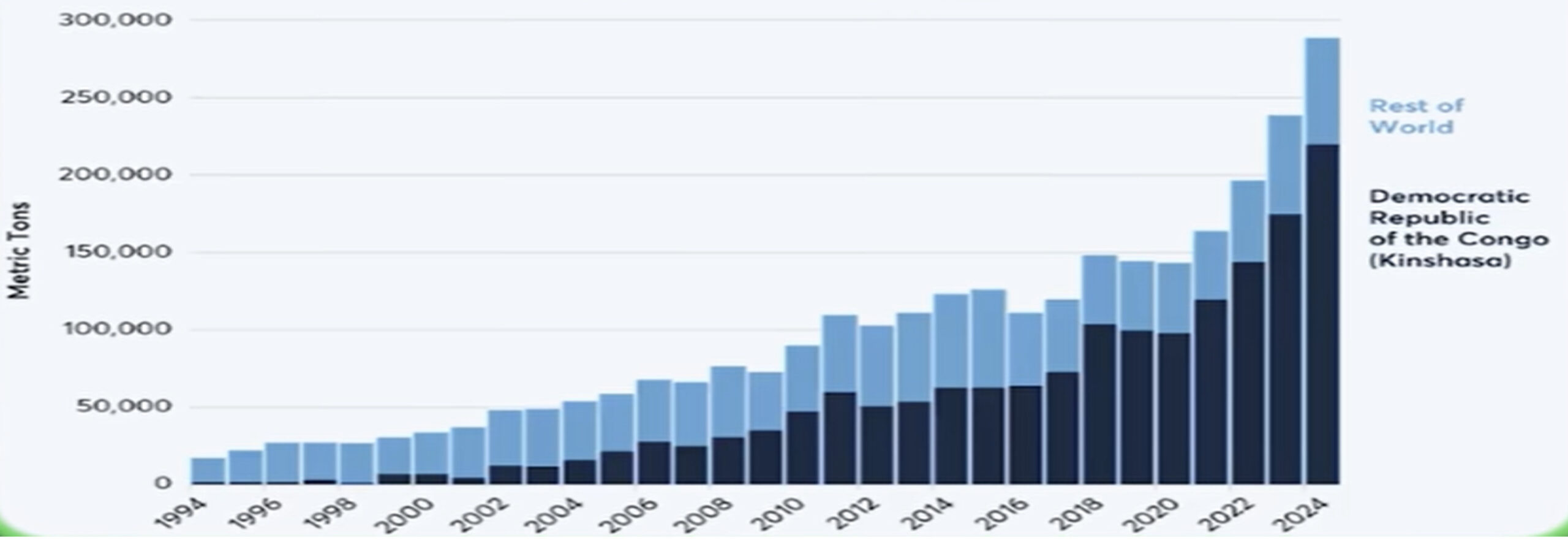
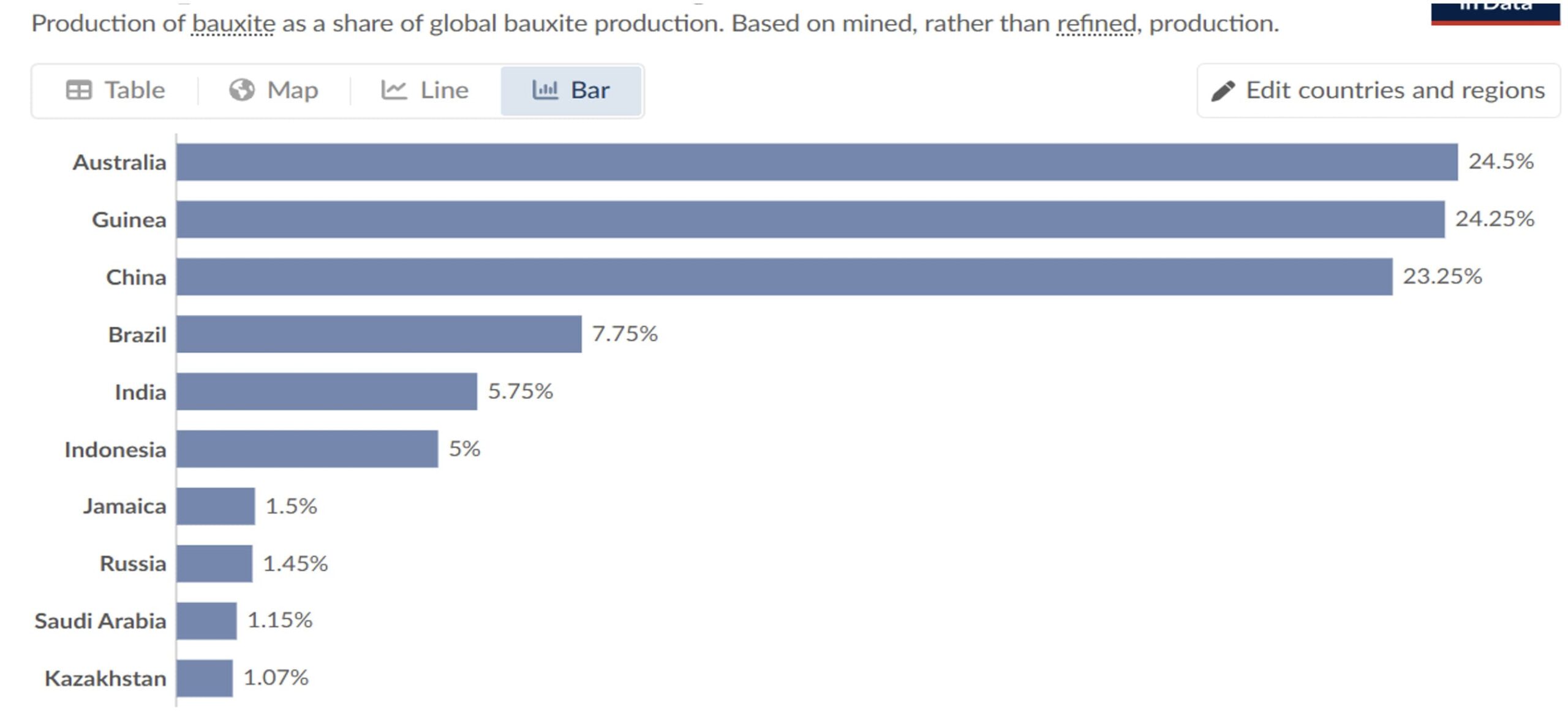
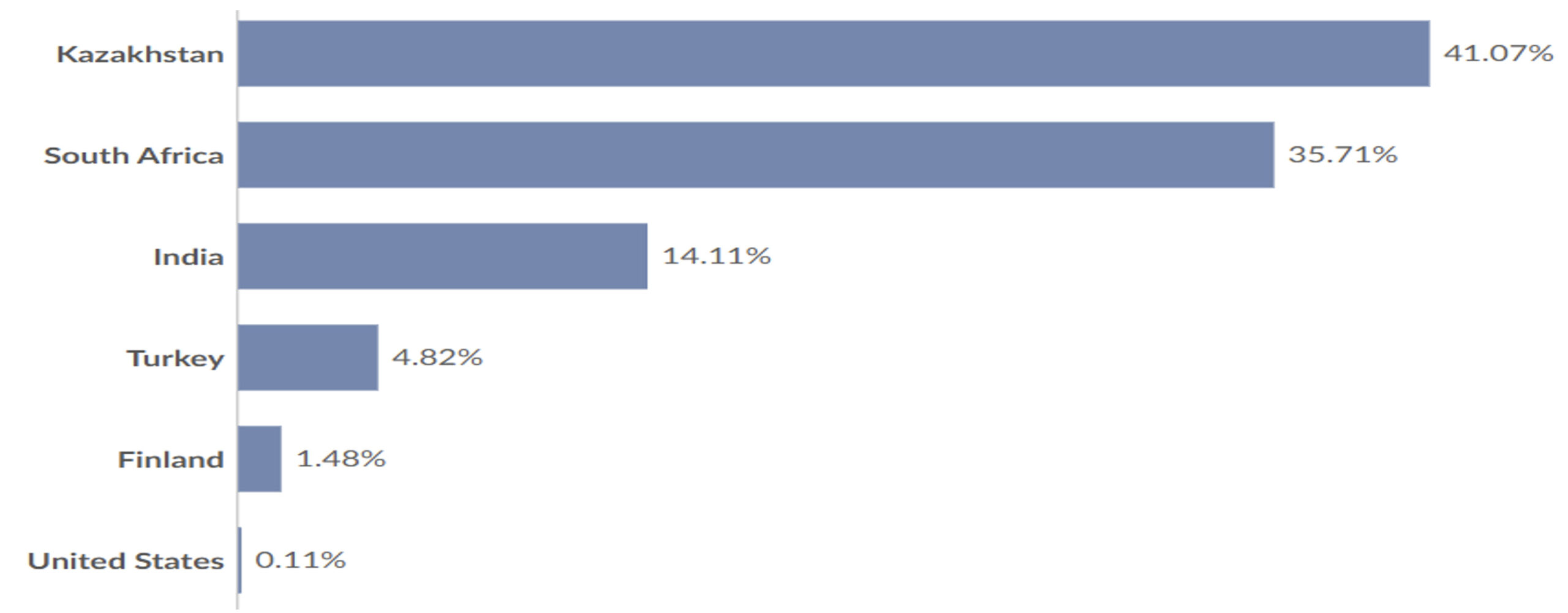
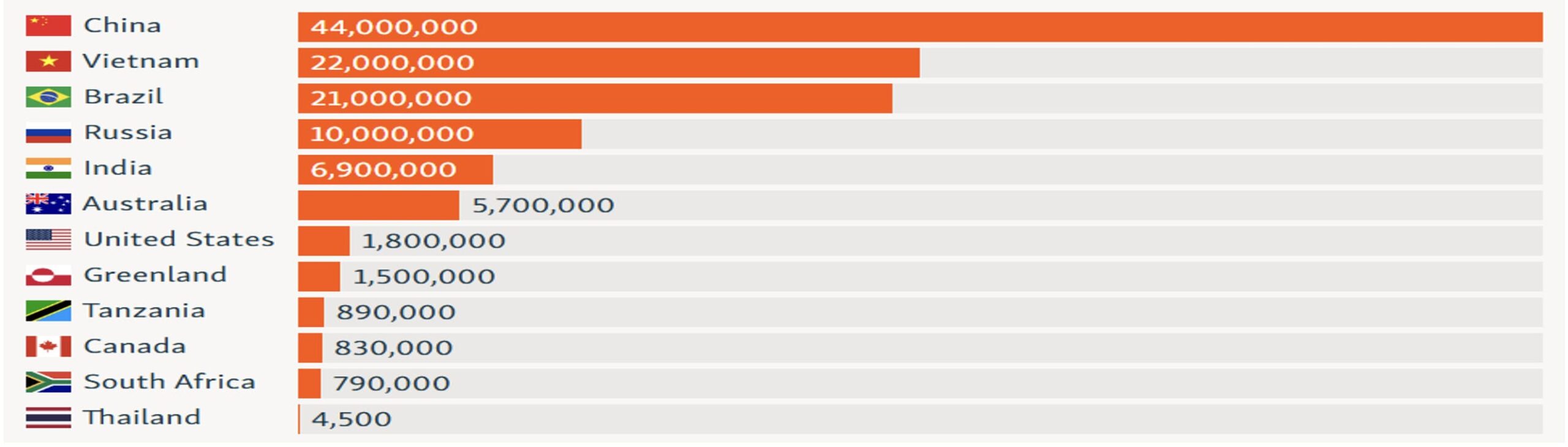
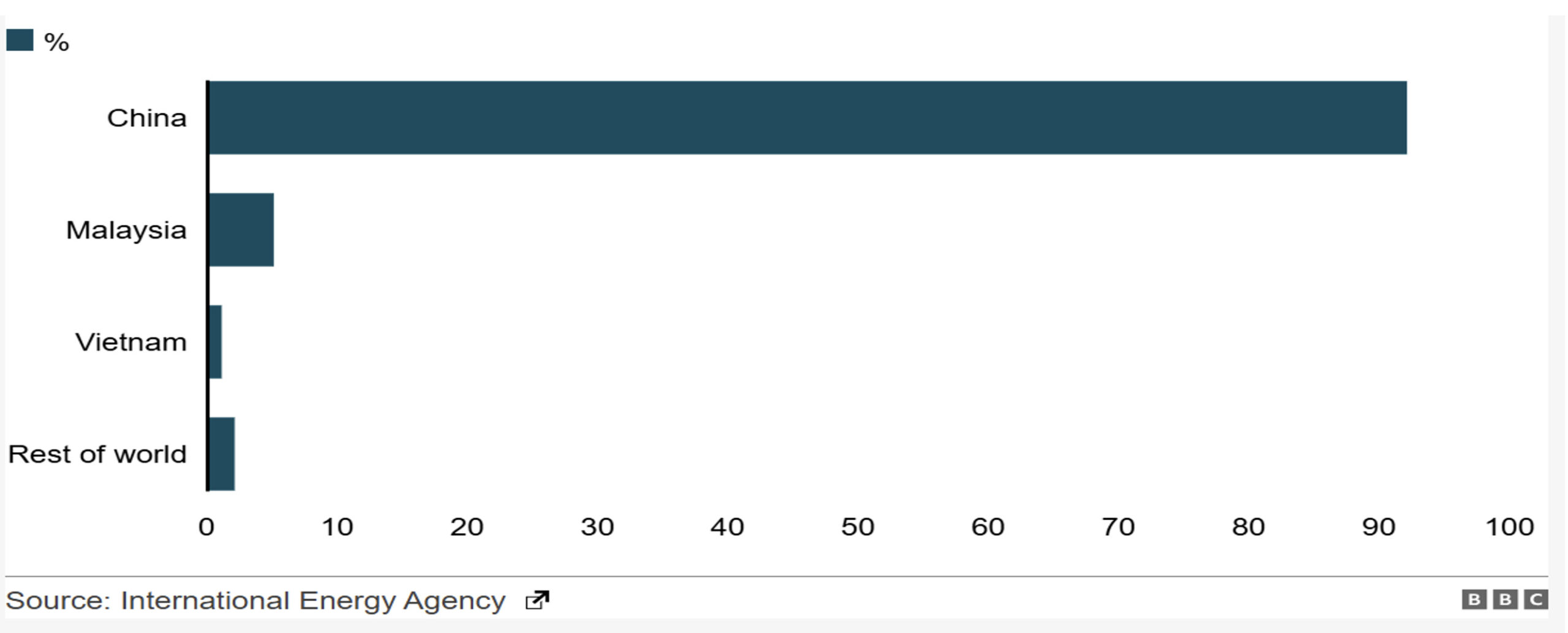
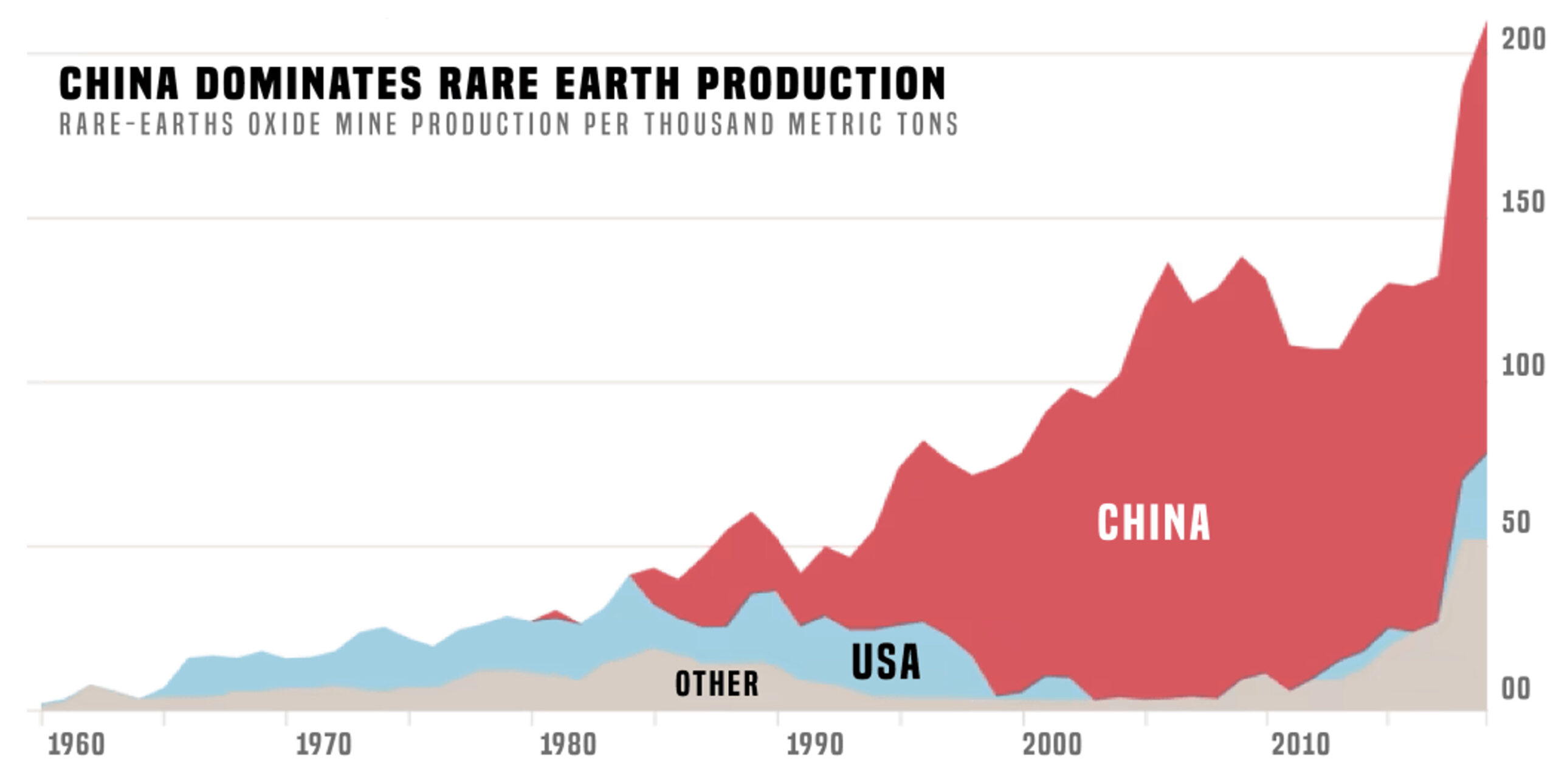
 Dr. Kalim Siddiqui


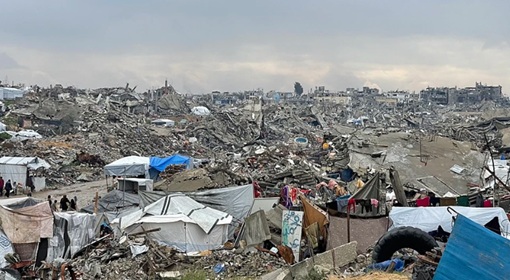


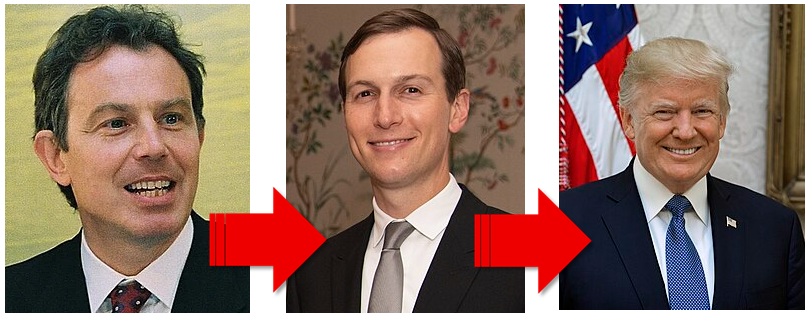
 The author of