Email can be a powerful tool for building an audience, sharing your expertise, and promoting your brand. But for those in business, the ultimate question is, “How do you make money with your email newsletter?”
Whether you have a large or small subscriber base, there are several ways to monetize your email list. This article will show you how to make money with your email newsletter and share tips and best practices to ensure success.
Can you make money with email?
There’s no doubt that email is more suited for revenue generation than any other channel. A ZeroBounce report shows that 40% of people check their email daily to look for coupons and discounts. Think about it: they could be looking for exactly what you have.
There are companies whose core business model relies on email marketing, but virtually no industry is excluded from making money with email. Even if your business is a service that requires an in-person visit, like a carwash or restaurant, email can play a huge part in boosting sales.
If you haven’t monetized your email list, it’s not too late to start. There’s tremendous potential and a relatively uncomplicated startup. Here is how to do it.
Audit your strategy
You can’t go forward unless you can measure how you’re doing. So, start by assessing your metrics. If you think the emails you craft are excellent, but people aren’t opening them, it may mean your subject lines need work.
In your email service provider (ESP) dashboard, you should be able to easily access open rates and other engagement metrics:
click-through rates
click-to-open rates
bounce rates
spam complaint rates
unsubscribe rates.
Auditing your strategy alerts you to potential issues preventing you from making money with email. Also, it shows you what emails perform best so you can double down on that approach. Whether your metrics are encouraging or indicate issues that need addressing, you should still strengthen your list with validation, which we will address next.
Validate your emails
If you want to monetize your email newsletter, you need a list of real, valid email addresses. When your emails bounce back, you miss an opportunity to connect with those subscribers. Furthermore, a bounce rate higher than 2% affects your ability to reach the inbox in the future.
The email addresses on your email list aren’t guaranteed to stay fresh. That’s because email addresses are not permanent for many people. They may abandon their Gmail account to get ProtonMail. They may have had an email address through their workplace but changed jobs. Some people check their emails rarely and jump ship when their inbox piles up.
You can’t expect to continue sending emails to your list and get good results without cleaning out the bad data. That’s what email validation is all about. An effective email validation service identifies email addresses that aren’t valid or may be destructive to your list.
For example, some email addresses are recycled by anti-spam organizations and Internet service providers (ISPs) as spam traps. These are set up to lure and trap spammers in order to block them. The downside is that even legitimate email senders like yourself sometimes wind up with spam traps on their list. If you send an email to them, you’ll be perceived by ISPs as a spammer.
Without consistent email validation, your email list starts to unravel. Your emails may be great, but if your list isn’t in good shape, you may as well not do it. Fortunately, verifying your email list is easy. You can even set up an email validation API at the source to keep bad data off your list from square one.
Authenticate your emails
Many email marketers must familiarize themselves with this aspect after Google and Yahoo implemented strict rules on email authentication. So what is it exactly?
Email authentication verifies the source and legitimacy of email messages. The end goal is to help prevent email spoofing and phishing attacks. The three main methods used for email authentication are:
Sender Policy Framework (SPF): Validates if an email was sent from an authorized IP address. SPF goes on your DNS and lists the domains or IP addresses that you send mail from.
DomainKeys Identified Mail (DKIM): This is a digital signature found in the header of all emails you send. Its purpose is to ensure that the message in the email was not modified.
Domain-based Message Authentication, Reporting & Conformance (DMARC): DMARC tells email receivers how to handle emails that fail SPF or DKIM checks and where to send reports about these failures.
Implementing these methods helps protect your credibility and is key to getting your emails in the inbox. Email authentication ensures ISPs recognize your emails as legitimate. You need email authentication to improve email deliverability and protect the reputation of your domain.
Is email authentication complicated?
Although sophisticated, the process doesn’t have to be for the user. If all of these concepts are new and sound like a lot of technical know-how, you can set up a DMARC monitor to ensure your email security is not in danger. A reputable platform should be able to help you with these processes.
Optimize your sending schedule
There are plenty of misconceptions people have about monetizing their email newsletters. You’ll get different answers to the question “When do you send your emails?” Some people think you send emails when you have something to sell or want to promote a particular item.
That can certainly be true, but sending emails irregularly and disappearing could actually cause a downgrade in deliverability. You can’t increase conversions unless your emails show up in the inbox, and sending your emails sporadically sends a message that you’re a likely spammer.
Here’s what to do: determine the right sending frequency for your audience. That will depend on the type of business you run and the types of emails you send. Then, find the ideal days of the week or month and stick to that schedule.
You can retain more of your audience by allowing subscribers to decide how often they’d like to hear from you. Once you determine the sending schedule, coming out like clockwork not only helps your email deliverability but also gets your subscribers to anticipate what you send.
Experiment with your content
When you consider that people regularly get more than 10 dozen emails a day, it’s clear why you must send emails that qualify as one of the three E’s:
Enticing
Educational or
Entertaining.
Humdrum is lethal to email marketing success.
One of the best ways to craft great emails is to experiment with your content. If you pause and think, “Yeah, but I never saw this in an email before,” that can indicate that you’ve got a good idea. You don’t have to be a follower; you can lead the way.
Also, you can sometimes refresh your email design. If you don’t have a designer on your team, make the most of the beautiful templates your email marketing platform provides. Moreover, you can even test and see how your audience takes text-only emails.
Make sure your design is on point
We live in an age where notifications are sent multiple times per hour. We hear beeps, bells, and vibrations. We’re dealing with notification overload, and many people toggle between multiple browsers on their computers or jump from app to app on their phones. Keep that in mind when you design your emails – you’ve got to create emails that people want to focus on. The layout and presentation have to be pleasant and easy to digest.
So learn about colors, fonts, proportions, and symmetry. Pick good graphics and make sure you’re not conveying an amateur image. You want your visuals to be excellent. Always remember that people can look at lots of things. You want them to look at your emails and absorb your messages.
Get feedback from those you trust
There is a great resource that many email marketers neglect: all of the people around you. When you’re trying to grow and monetize your email newsletter, get feedback from the people you trust.
It’s especially helpful to loop in people outside the team working on your emails. In a webinar ZeroBounce held with Email Marketing Manager Tracie Pang from Litmus, Pang stressed the importance of quality assurance (QA).
Having multiple checkpoints can save you a lot of hassle, and also prevent costly mistakes. Pang explained: “Recently at Litmus, we started looping in folks outside of our email team. These were our designers and our content marketers. We wanted them to also be involved in QA, just so we can get fresh eyes on our emails.”
What if something you wrote insulted your readers or made them feel like you took them for granted? Or imagine if you crafted an irresistible email, but one little error negated everything. It could be as simple as a link not working.
So, get your team involved and double-check all the aspects of your emails. Make sure the emails render correctly on a variety of devices: smartphones, tablets, and laptops. Are there any broken images? Also, ensure the size of the email isn’t so large that it causes loading issues. When you finally let your email out into the world, you want to feel confident about it.
Confidence is a key component
That brings us to our last point: confidence matters so much when your goal is to grow your email newsletter. If subscribers sense that you’re sheepish, they won’t in turn have confidence in what you’re offering. Always think about how to serve the people on your email list and then make it happen.
Admittedly, there’s a lot of competition for who gets attention in the inbox. So, where does your confidence come from? Covering all of the bases listed here. Not addressing one facet, like list quality, can cause the whole house of cards to implode. The more boxes your emails check, the more your chances of a high ROI are.
Paul Leslie is a content creator and writer with ZeroBounce. As a researcher and interviewer, he has recorded over 1,000 interviews distributed via radio and podcasts. In addition, he likes watching and rewatching movies.
Dynamic Shared Ownership (DSO) is a new concept in the world of investments and financial planning. It offers investors an alternative to traditional methods of ownership. This allows them to have more control over their investments while minimizing risk.
In this article, we will delve deeper into the concept of DSO and explore whether it is the right choice for you.
Affordability
DSO can make ownership easier for people who might not have the money to spend traditionally. Investors can get bigger and more profitable investments by sharing ownership with other people.
DSO lets you invest in more than one property with other buyers, so you don’t have to put all your money into one property. This shares the risk and makes it easier for people to get into the real estate market, which needs a big down payment.
Ownership Flexibility
DSO allows investors to own a part of an asset while maintaining control. It offers flexibility in choosing investments and a say in asset management.
Unlike traditional ownership, DSO gives investors more control and involvement in their investments. Thus, potentially influencing returns.
Risk Management
Managing risk is one of the best things about dynamic shared ownership. Because this is a shared property investment, you are not the only one who is responsible for any losses that might happen. There is a greater chance of losing money with high-risk trades, so this is very helpful.
DSO also lets investors spread out their risk by putting their money into different assets with different amounts of risk. This lowers the chance of their investments as a whole and could lead to higher returns.
Shared Expenses and Responsibilities
Besides sharing the initial buy cost of the property, DSO participants also share ongoing expenses. This includes mortgage payments, property taxes, maintenance, and repairs.
This can help reduce individual financial burdens and make homeownership more manageable. Unlike traditional joint tenancy arrangements where each owner has an equal share and equal responsibility, DSO allows for more flexibility in ownership percentages and contribution levels. Thus, accommodating varying financial capabilities and contributions among participants.
Decision-Making Process
In DSO, each person has a say in how the property is run. People who like to have more power over their investments and want to be involved in making decisions may benefit from this.
This also means you have to talk to other owners before making any big choices about the property. This can cause delays or conflicts, which might not be good for some people.
When Is DSO Not the Right Choice?
While DSO offers several benefits, it may not be suitable for everyone. For example, those who focus on having full control over their investments may find DSO limiting. Additionally, if you are looking for a quick return on your investment, DSO may not be the best option as it often involves a long-term commitment.
Furthermore, DSO also requires a high level of trust and communication among participants. If there are conflicts or disagreements between owners, it can impact the success of the investment.
Explore Dynamic Shared Ownership Now!
Dynamic shared ownership is an innovative approach to ownership that offers unique benefits for investors. But, it may not be the right choice for everyone and requires careful consideration before making any investment decisions. We recommend speaking with a financial advisor to assess your circumstances and determine if DSO is the best option for you. Remember, the ultimate goal of any investment is to secure financial stability and growth.
Is this article helpful? Keep reading our blog for more.
China is emerging as a trade and economic powerhouse, overtaking the West and drawing support from Southeast Asia. Dr Kalim Siddiqui discusses how China´s expanding trade relations with the region gained them an advantage, making them a force to reckon with in the global economy.
Introduction
As we closely examine the extraordinary economic expansion of the East Asian countries in the past decades, we find an interesting development. The region is emerging as a kind of economic powerhouse at a time when the Western economies are facing uncertainty and deepening crisis and little prospect of returning to the ‘‘good old days’’. In the last few decades, a huge transformation has taken place in the region. In the early 1950s, there was the Korean War, and soon after the Vietnam War. Korea was divided into two antagonistic blocs and the US position was solidified through bilateral defence treaties (with Japan, South Korea, Taiwan, and the Philippines). As Cumings notes: “All became semi-sovereign states, deeply penetrated by American military structures and incapable of independent foreign policy or defense initiatives.” (Cumings, 1994: 23)
During the Cold War, there was huge tension in East Asia between the US and Soviet Union and the US’s primary aim was to fight communism. Even nationalists were seen as a threat to its global strategic hegemony, which was the reason the US built several military bases and signed defence treaties with most of the East Asian countries. The US supported establishing the ‘‘rule of law’’ and institutions and economic reforms so that the region’s economies could be integrated with the West and more capital flow and investments was thought to keep the Soviet Union out of the region. Therefore, the international situation helped these countries to bargain and develop their domestic industries and in the early industrialisation phase, these countries were allowed to use the state to protect domestic industries and the US also supported land reforms to resolve rural inequalities (Siddiqui, 2021b). Furthermore, imports of technology and access to the Western market for their finished goods gave them the necessary impetus for industrialisation and steady growth (Siddiqui, 1995).
The simultaneous rise of China and India’s share in the global economy is remarkable (Siddiqui, 2017; also 2015). This led many researchers to acknowledge it. Here, I will analyse China’s trade and economic expanding relation with the ASEAN (Association of Southeast Asian Nations) countries and the changing trade pattern between China and East Asian countries, especially Southeast Asia as well as the important factors behind this shift and changing economic relations among East Asian countries which was unseen earlier. Southeast Asian region is important both in terms of the high concentration of population and because rapidly growing economic relations between them and China would have global economic consequences in coming years (Siddiqui, 2023a).
The international trade data indicates that the centre of gravity of power is indeed shifting from ‘West’ to ‘East’. The West’s hold over the global economy is weakening and the East is moving up and returning to its dominant position in the global economy, which it occupied for centuries in the past except for the last two hundred fifty years, when Europe and Japan occupied most of Asia and plundered its economy (Siddiqui, 2015).
Southeast Asian region is important both in terms of the high concentration of population and because rapidly growing economic relations between them and China would have global economic consequences in coming years.
In recent decades, the economic relations and trade patterns are changing rapidly due to many factors, and China is steadily emerging as an important economy (Siddiqui, 2021a). As the ASEAN economy is expanding, the region sees China as a new giant emerging which could be useful in terms of diversifying their economies and lessening their reliance on the West. There are three key reasons for the sudden changes in this region’s strategy in recent years. Firstly, the 1997 East Asian financial crisis and later the 2008 global financial crisis had a very severe impact on the East Asian economies. Secondly, China’s sharp rise in growth rates and rising income levels and trade provided new opportunities for ASEAN countries to take advantage of China’s expanding markets. Thirdly, the deepening crisis in the Western economies and near stagnation in the Japanese economy with little prospect of leading the region’s economy as was the case in the 1960s and 1970s, making the whole dynamism of the Western developmental module lose credibility due to repeated crisis (Siddiqui, 2024). Moreover, China’s ‘‘Belt and Road’’ initiative is bringing the region closer and more expected to increase further trade and economic relations (Siddiqui, 2019).
ASEAN Economies and China
The ASEAN countries consist of eleven member countries, which have impressive diversity in religion, culture and history (Siddiqui, 2012). These countries include Brunei, Myanmar, Cambodia, Timor-Leste, Indonesia, Laos, Malaysia, the Philippines, Singapore, Thailand and Vietnam. Together, they represent a market with a GDP of more than $2.9 trillion and a population of 647 million people.
The ASEAN economies are a geopolitical and economic organisation established in 1967 by five member states, but at present, the organisation consists of 11 countries. The ASEAN countries’ objectives have been to promote regional cooperation, advance economic, social and cultural development through regional initiatives and create peace and stability. The ASEAN economies have grown considerably since their inception in 1967 and doubled its share of the world’s GDP from 3.3 percent in 1967 to 6.2 percent in 2017. Moreover, by 2017, the ASEAN economies as a group have a total young population of 600 million, and alongside a high savings rate, the region’s future appears promising. However, the growth of the ASEAN economies was mainly driven by capital inputs, which is not sustainable in the long run, as the effects of capital investments as it is expected that it will diminish over time. Additionally, the ASEAN economies depended on external trade, as growth was primarily driven by technological progress and transfer through trade openness and foreign direct investment in the region.
I will briefly discuss East Asian economies as Northeast Asian countries such as Japan had played an important role in the transformation of the region’s economy, especially since the Plaza Accord was signed in 1985, and the value of the Japanese Yen was appreciated. As a result, Japanese exports became expensive, while at the same time imports became cheaper and also Japanese corporations found it more profitable to invest abroad to increase profits and take advantage of expanding markets in ASEAN countries.
Moreover, the rapid growth of most East Asia countries over the past fifty years has surprised policymakers and economists and this has encouraged many academics to study the main factors behind this upsurge in the growth and economic transformation of the region. The successful economies of the region are South Korea, Hong Kong, and Taiwan, which have experienced a dramatic change in the living conditions of their inhabitants. Since the early 1970s, the East Asian region, which is among the most populous regions of the world, has achieved enormous success in establishing peace, stability, and prosperity. This has not occurred at the same pace all over the region. Among East Asia, the North-West performed better than the Southeast (the Philippines, Cambodia, Laos, Indonesia, Thailand, and Vietnam). The worst performer was the Philippines, which grew at about 2 percent a year in per capita terms, while Malaysia and Thailand did better, achieving growth rates of 3 to 5 percent.
However, their rapid transformation is still modest compared with the phenomenal growth of South Korea, Hong Kong, Singapore, and Taiwan (Siddiqui, 2016). These four top-performing countries have had annual growth rates of output per person well above 6 percent. These growth rates were sustained over fifty years, apart from a brief interruption in the rise in their output, except during the brief period when the region was hit by the East Asian financial crisis in 1997-99.
The neoclassical growth model suggests that in achieving sustained growth, technology and technological progress is the only possible way, over the long run, for an economy to achieve a higher growth of output per person. This will lead to an increased labour participation rate initially, but it can be forever (Siddiqui, 2018). Therefore, to achieve long-term growth, an economy must continuously improve its technology. The Solow model (1956) conducted a growth accounting exercise on this presumption. He said that the accumulation of capital and an increase in the labour participation rate had a relatively minor effect, while technological progress accounts for most of the growth in output per person (Siddiqui, 2021c). Hence, the widely accepted view about the better performance of East Asian economies is due to the availability of technology in their high growth rates and the plan to catch up with the West.
Moreover, the East Asian business culture and informal business networks with ramifications for the international economy played an important role. The strong ‘‘forward’’ and ‘‘backward’’ linkages connect the East Asian economies to the rest world. This means the expansion of the East Asian economy which began more than four decades ago with full US support and economic cooperation. As shown in Table 1 after EU, Japan and the US, China has emerged as the fourth largest capital investors in the ASEAN countries.
China emerged as ASEAN’s largest trading partner in 2009, and trade between the two economies more than quadrupled by 2022 (See Figure 1). China’s trade with ASEAN countries has also seen a corresponding rise. ASEAN became its largest trading partner in 2020, accounting for 11.4% of China’s total trade volume in 2022 (as shown in Figure 2 and Figure 3).
As the largest economy in Asia, China’s economic performance has a significant impact on the economies of its neighbours. With the emergence of new and enhanced regional trade agreements and deepening ties of trade and investment, ASEAN’s economies are linked more than ever to China’s. According to the Asian Development Bank, in 2000 a 1% increase in China’s economic output led to a 1.7% rise in ASEAN’s output. The 1% increase in Chinese output led to a 4.9% increase in ASEAN output in 2010 and a 6.3% increase in 2020. ASEAN countries enjoy significant benefits when China’s economy grows, but if it slows down, then they will also face greater vulnerabilities.
ASEAN’s imports from China have led to a sizeable and growing trade deficit, reaching US$140 billion in 2022 – nearly 4% of ASEAN’s overall GDP. Trade deficits arise for a variety of reasons and are not inherently a problem, but they can also be symptomatic of other concerns, including overreliance on particular sources for certain products. Vietnam and Thailand account for most of ASEAN’s deficit with China, underscoring their reliance on Chinese imports. The Philippines and Malaysia have also seen their deficits grow, reflecting a broader regional trend of mounting trade imbalances with China. Among smaller ASEAN economies, Cambodia’s situation is particularly alarming – its trade deficit with China soared to 30% of its GDP in 2022.
Moreover, due to the end of the Cold War, the region’s importance for the US has also changed dramatically. In the last fourteen years, the trends indicate that China’s share has risen steadily whereas the shares of SEA’s traditional partners, such as the US, EU, and Japan have been gradually declining. But also within the expansion of bilateral trade where Southeast Asia’s trade deficit with China has been rising fast since 2010 (See Figure 4). This period also coincided with the signing of the ASEAN-China Free Trade Area, which has opened increased investment in the region, especially in the electronics sector, especially in Vietnam, which increased the region’s imports of intermediate inputs and capital goods from China.
China is SEA’s top export market, its share has risen sharply in recent years. China is the overwhelmingly largest import partner for SEA, accounting for 21 percent. Imports from China not only include consumer products but also intermediate goods for the regional production network. China’s largest trade partner in SEA is Vietnam, which accounts for 24 percent of its total regional trade, as shown in Figure 5. Singapore is the second largest partner and is a regional hub for trans-shipment and re-export.
For more developed economies in the region, China’s share is concentrated between 10 and 14 percent (Figure 5). In the poor countries in the region such as Cambodia, Laos, and Myanmar, the variance is huge, ranging from 5 percent (Cambodia) to 38 percent (Myanmar). Looking at China’s share to the country’s total export can be misleading since it does not take into account the importance of exports to the country’s economy. Thus, an additional measure of export exposure can be calculated where the export dependency on a certain country is standardised by its export-to-GDP ratio. And this lowers China’s share for most countries significantly except for Singapore (see Figure 6).
Southeast Asia has become a very important part of the global Value Chains across China and Southeast Asia. China’s trade with Southeast Asia is dominated by electronics and machinery in exports and to a lesser extent imports, suggesting high levels of intra-industry trade. Electronics and machinery, these two sectors account for 48 percent of SEA’s exports to and 34 percent of its imports from China in 2015 (See Figure 7). The high shares of these two areas are the result of an extensive regional production network established across East Asia where China is the processing hub for final destinations.
China is the fourth-largest investor in Southeast Asia, following the EU, Japan, and the US, although it only accounts for 7 percent of SEA’s inbound Foreign Direct Investment (FDI) flows from 2011-2015. The growth rate of Chinese FDI in SEA is higher than the top three investors. Its FDI in the region rose sharply after the global financial crisis. Singapore is the top destination for Chinese FDI in the region (see Figure 8). The relative importance of Chinese FDI varies significantly across countries, depending on their level of economic development.
Southeast Asia’s economies showed an overall good performance in 2023. Malaysia, the Philippines, Singapore, and Vietnam saw GDP growth increase in this period, while Indonesia and Thailand were slower. The external conditions and demand for the region’s manufactured and commodity exports are the main reasons behind the slower growth in this quarter. On the other hand, robust domestic demand, government spending, and a continued recovery of the services sector — particularly tourism, have contributed to maintaining higher levels of employment and incomes, which in turn have supported growth, particularly in Vietnam and the Philippines.
The tiny state of Singapore is the richest country in Southeast Asia, with a per-capita GDP of US$ 107,690. Singapore owes its wealth not to oil but to high productivity and skills, a low level of government corruption and a business-friendly economy.
The mainstream economists argue this is possible mainly due to the establishment of a market-based financial system. Theoretically, it is argued that efficient markets are more effective as they reduce the need for investors to research firms as new information will be reflected in public stock prices (World Bank, 1997). In some developing countries, large banks such as state-owned banks, are less interested in performing financial functions and are more focused on political goals while extracting rents. We must not forget that the market-based financial system promotes corporate governance, particularly in equity markets through the hostile takeovers of under-performing companies.
Developed economies benefit more from market-based financial systems compared to less-developed countries, where bank-based financial systems affect growth more effectively due to a lack of access to finance.
However, the differences in the performance in the financial structures on growth tell that there could be other factors that can affect growth like the institutional development of the country. For example, recent research has shown support for stock market development, particularly for highly developed countries with strong institutions. Additionally, developed economies benefit more from market-based financial systems compared to less-developed countries, where bank-based financial systems affect growth more effectively due to a lack of access to finance. Institutions could include financial intermediaries and markets, and institutions are referred to as those that do not include banks and financial markets. Institutions can be defined as human-developed constraints that structure interaction and can be made up of formal and informal organisations with enforcement characteristics.
With China’s accession to the World Trade Organization (WTO) in 2001, it was clear that Washington and Beijing were — as a Chinese idiom has it — “sharing a bed but dreaming different dreams”. Bill Clinton, the then US president, hailed China’s membership as “removing [Beijing’s] government from vast areas of people’s lives” and promoting political reform. Jiang Zemin, China’s then leader, had a different take (Kynge and Fray, 2024).
The sharp divisions between the US and China widen as trade friction escalates between China and the West. As the world trade body falters, China is accelerating efforts to construct an alternative trade architecture that is insulated from US influence and centred upon the developing world (See Figure 9). With this challenging situation, China’s main strategy is to capitalise on ties with the “global south” fostered through its $1tn Belt and Road Initiative (BRI), an investment programme launched in 2013 that counts more than 140 countries in Asia, Africa, Latin America and elsewhere as its participants. The architecture under construction revolves around a China-centric network of bilateral and regional “free trade agreements” (FTAs), which allow for trade at low tariffs while also promoting direct investment flows.
China has free trade agreements with countries and territories accounting for almost 40 percent of its exports, which means that if the WTO’s mandate to keep the world open for liberalised trade unravels, China will have at least a partial back-up system in place, they add. None of China’s FTAs include the US or countries inside the EU. China, by far the world’s biggest exporter – shipped some $3.43tn around the world, its FTA network took roughly $1.3tn of that total. To put the size of this FTA footprint into context, China exports more to its FTA network than the world’s fourth and fifth-biggest exporters, the Netherlands and Japan, did all over the world during 2022.
The establishment of China’s FTA ecosystem gained impetus after the 2008 financial crisis instilled a deep sense of anxiety in Beijing over the stability of the world’s economy. A China-Singapore FTA in late 2008 was followed in 2010 by a China-ASEAN FTA with all 10 countries that make up the Southeast Asian economic grouping. But it was after the US excluded China from talks to join the Trans-Pacific Partnership, a big multilateral trade deal that was signed in 2016, that Beijing really threw its FTA programme into overdrive.
Its biggest success to date has been negotiating membership of the 15-country Regional Comprehensive Economic Partnership (RCEP), a huge regional FTA that went into force in 2022. The members of the RCEP contribute around one-third of the world’s GDP. But China is also negotiating 10 FTAs which, not including those that are upgrades of FTAs already in force, would account for around a further 4.3 percent of its global exports. Over the longer term, China would focus its trade towards the developing world by using its ties with the more than 140 countries covered by the BRI and signing FTAs with them where possible, Chinese experts say. This trend is well underway, says Gao, adding that China’s exports to the 10 member countries of ASEAN all of which are included in the BRI exceeded exports to the US in the year to October 2023 (See Figure 10). More broadly, China’s trade with the BRI countries exceeded that with the US, EU and Japan put together.
China’s commercial engagement with developing nations is evidence the world is tilting on its axis. It seems that China is not just trying to create an alternative world order. For example, the changes underway lie in an upsurge in investment flows and the signing of FTAs. Direct Chinese investment into ASEAN, which rose sharply from merely US$9 billion in 2019 prior to the COVID-19 pandemic to US$15.4 billion in 2022, is helping to transform the region’s economic destiny. ASEAN countries are sharply increasing their share in high-tech manufacturing sectors, which has attracted huge foreign inflows of capital in the region such as Penang in Malaysia for semiconductors and Kalimantan in Indonesia for electric vehicles and EV batteries.
Conclusion
Southeast Asia is emerging as a very important economic region, with a large population and a very integrated regional economy. We have discussed how for the last five decades the region’s economy has steadily grown and general living conditions have improved. Of course, the economic performance differed, but still, there is a strong optimism that the region would have a greater economic role in the future. China’s emergence as the second largest economy and its strategy to build more economic and trade ties with ASEAN countries has certainly boosted the region’s economic prospects. Of course, there will be challenges in the future but certainly, the world is changing and the four centuries of domination of the West is coming to an end sooner rather than later.
How these challenges and tensions are dealt with will depend on how aggressively China pursues its strategic goals, how the other two principal interested powers (the US and Japan) react, and how the ASEAN states singly and collectively move to assure their own interests and security. The present evolving relationship between China and the countries of Southeast Asia cannot be understood simply in terms familiar to hard-headed realists among international relations analysts. It is not enough to compare political institutions, economic strengths and weaknesses and military force levels: while these considerations are important, they do not of themselves determine how states will relate to other states in crises. Other, often emotive, factors come into play, such as national pride or traditional enmity.
The rapidly changing trade pattern is being seen in the Southeast Asian region. For example, in Southeast Asia, bilateral trade reached US$395 billion in 2016, accounting for 15 percent of SEA’s external trade and China is the top trading partner for the Southeast Asian region. Since 2009, China emerged as the most important trade partner of the SEA countries, after the global financial and economic crisis. The countries of SEA increasingly look towards China for closer economic relations to protect their economies after the 2009 global financial crisis.
Dr. Kalim Siddiqui is an economist specialising in International Political Economy, Development Economics, International Trade, and International Economics. His work, which combines elements of international political economy and development economics, economic policy, economic history and international trade, often challenges prevailing orthodoxy about which policies promote overall development in less-developed countries. Kalim teaches international economics at the Department of Accounting, Finance and Economics, University of Huddersfield, UK. He has taught economics since 1989 at various universities in Norway and the UK.
References
Cumings, B. (1994). “Japan and North East Asia into 21st Century”, Conference on Japan in Asia, May, New York: Cornell University.
Siddiqui, K. (2024). Revisiting the Japan’s Economic Stagnation. World Financial Review, February-March.
Siddiqui, K. (2023). Developmental Challenges: Export vs Import-Substitution in Industrialisation in Developing Countries. World Financial Review, October-November, pp.1 – 15.
Siddiqui, K. (2023). The Political Economy of Shanghai Cooperation Organisation (SCO) and the Growing Regional Multilateral Ties. World Financial Review, February-March, pp. 2-14.
Siddiqui, K. (2021). The Import Substitution Policy in the Post-Colonial Countries. World Financial Review, November-December, p.76 – 84.
Siddiqui, K. (2021). Trade Liberalisation, Comparative Advantage, and Economic Development: A Historical Perspective. World Financial Review, May-June, p.65 – 74.
Siddiqui, K. (2021). The Importance of Industrialisation in Developing Countries. World Financial Review, January February, p.60 – 73.
Siddiqui, K. (2019). One Belt and One Road, China’s Massive Infrastructure Project to Boost Trade and Economy: An Overview. International Critical Thought. 9(2): 214 – 235.
Siddiqui, K. (2018). David Ricardo’s Comparative Advantage and Developing Countries: Myth and Reality. International Critical Thought, 8(3): 1-28, September.
Siddiqui, K. (2017). Globalization, Trade Liberalisation and the Issues of Economic Diversification in the Developing Countries. Journal of Business & Economic Policy 4(4): 30 – 43.
Siddiqui, K. (2016). A Study of Singapore as a Developmental State. (Edit) Young-Chan Kim. Chinese Global Production Networks in ASEAN, 157 – 188, London: Springer.
Siddiqui, K. (2015). Perils and Challenges of Chinese Economic Development. International Journal of Social and Economic Research 5 (1): 1 – 56.
Siddiqui, K. (2015). Political Economy of Japan’s Decades-Long Economic Stagnation. Equilibrium Quarterly Journal of Economics and Economic Policy 10(4): 9 – 39.
Siddiqui, K. (2012). Malaysia’s Socio-Economic Transformation in Historical Perspective. International Journal of Business and General Management, 1(2): 1 – 50.
Siddiqui, K. (1995). Role of the State in South-East Asia. The Nation, May 27.
What is a true democracy? Should the military control politics and election outcomes? Dr Kalim Siddiqui analyses the recent fallout from the military intervention in Pakistan’s election, the origin of the problem, and whether, this time, the military will cease to be tone-deaf and hands-off meddling with the democratic process, allowing Pakistan to become a true democracy.
I. Introduction
During Pakistan’s recent parliamentary election, imprisoned leader Mr Imran Khan’s Pakistan Tehreek-e-Insaf (PTI) performed well, despite pre-polling election rigging, and against all odds his party emerged as the largest party in the Parliament. However, the powerful Pakistani military had other plans. Before the election, they already had decided who would be the next Prime Minister of the country. According to their plan, they brought back Nawaz Sharif, former Prime Minister and self-exiled leader of the Pakistan Muslim League Nawaz Party (PMLN). As he returned to Pakistan, all cases against him were quashed. The judiciary stamped the military’s decision to remove all corruption cases against Nawaz Sharif and members of his family. The media and TV projected him as the only leader who was acceptable to the Pakistani military and the United States (US). It was predicted that Nawaz Sharif would win easily, but the parliamentary election on February 8 proved that they were wrong and miscalculated the people’s mood.
Despite the mass arrests of PTI workers and their leaders, the PTI supporters came out to vote, refusing that the military dictate the outcome of an election that the army wanted them to lose. Candidates supporting the PTI were forced by a court ruling to run as independents and it was expected that Imran Khan could be prevented from taking power. It was hoped that some independent candidates would switch sides and join the coalition with the Pakistan Peoples Party (PPP) and Pakistan Muslim League Nawaz (PMLN) and this would result in a ‘‘weak and unstable coalition’’ and a ‘‘prolonged period of political instability’’. Such a situation suits the military well, they manipulated election results so that weak governments would be unable to question military intervention in politics and they get to impose who will be ministers in central and provincial governments.
It was hoped that some independent candidates would switch sides and join the coalition with the Pakistan Peoples Party (PPP) and Pakistan Muslim League Nawaz (PMLN) and this would result in a ‘‘weak and unstable coalition’’ and a ‘‘prolonged period of political instability’’.
Moreover, six senior Pakistani judges have accused the country’s military spy agency of interfering in judicial matters and using “intimidatory” tactics such as secret surveillance and even abduction and torture of their family members. These six judges from the Islamabad High Court wrote open letter to the Supreme Judicial Council (SJC) on 26th March 2024 and urged to investigate the allegations of intimidation and harassments against officials belonging to the Inter-Services Intelligence (ISI), the Pakistani military’s premier intelligence agency. The SJC consists of Pakistan’s chief justice, and four other top judges – two each from the Supreme Court and High Courts – and is the country’s judicial watchdog.
The recent election unfolded amid widespread concerns that it would not be conducted fairly as polling results were manipulated and vote rigging was openly carried out by the election commission with full support from the army. The Human Rights Commission of Pakistan and foreign observers acknowledged the “lack of transparency’’ surrounding the delay in announcing the election results was “deeply concerning”.
This is the biggest institutional crisis that the military has ever faced in Pakistan, and their strategy has clearly failed. Moreover, the military’s ability to define and control Pakistan’s politics is being questioned. Since Pakistan’s creation 76 years ago, the generals have either ruled the country directly or indirectly and often either overlooked or promoted corruption to undermine politicians as corrupt and insufficiently attuned to existential threats from India.
Since the early 1950s, the Pakistani military had been closely linked with the Pentagon, and the country joined the anti-communist alliances in the region. In 1977, the US orchestrated a military coup to replace Zulfikar Ali Bhutto and backed General Zia’s military takeover. The US used Pakistan to interfere in Afghanistan and it became more obvious after the Soviet Union invaded Afghanistan in 1979. All these years Pakistan’s military received huge amounts of US aid in return for protecting the US interests in the region. Pakistani ruling elites found their interests are closely related to the US and that the US would not only safeguard their interests but rescue their country from major financial and economic crises (Girdner and Siddiqui, 1988).
When Imran Khan refused to support the US policy in the region, the military removed him from power two years ago. The military took revenge for not toeing their line, they removed him from power and dismantled his party. Several PTI leaders were arrested including Imran Khan, who has now been convicted in three separate cases by the court. Imran Khan has been in prison since August 2023, and despite his party being denied the election campaign and party symbol, his party adopted an AI-generated version of the PTI leader that urged voters to ‘‘now show the strength of protecting your vote’’.
The powerful military establishment had cracked down on the PTI with unprecedented ferocity. Thousands of politicians in the PTI had to leave the party, while many were coerced into withdrawing from politics. Those who remained loyal to Khan, meanwhile, were either thrown in prison or forced underground. PTI was also stripped of its electoral symbol, a critical identifier in a country where nearly 30 percent of people are illiterate. Just one week before the election, Imran Khan was sentenced in three separate court cases including misuse of a diplomatic cable, illegally selling state gifts, and the punishment for contracting an illegal marriage. The aim was to demoralise the PTI workers and hope that the election would be won by the Pakistan Muslim League (PMLN), the party of three-time former Prime Minister Nawaz Sharif. But within a couple of hours of the closing of polls, it was realised that the strategy was not working and PTI despite all odds was leading in the polls. So for several hours in the early morning of February 9, the results stopped being released only to suddenly favourite candidates as winners. It seems certain that the sham election will now be litigated in the courts and that the crisis will continue in the days to come.
The military miscalculated the amount of resentment and backlash from the people against its interference in politics. Suppose the military uses a heavier hand to control the people, such as imposing martial law or other draconian laws as the generals had done in the past to exert their authority. However, unlike in the past, public support in favour of military intervention is very low and also the US and UK most likely would find it difficult to support such an undemocratic move. It is ironic that since its inception in 1947, not a single prime minister has served the full five-year term (Hakimi, 2024).
Two political parties, PMLN and PPP, have dominated the political scene for the last four decades. However, they are both led by political dynasties. Khan’s staunch opposition to such dynastic, family politics resonates closely with urban and young Pakistanis who are deeply dismayed about the state of their country, which they blame on the rampant corruption and incompetence of the ruling elite. (Hakimi, 2024)
II. Military and Politics in Pakistan
I intend to examine the too-powerful military in Pakistan, historically and the external (the US) and internal forces that have influenced and were formulated since independence and currently brought about this critical situation. Even Imran Khan’s struggle to restore democracy and sovereignty and attacks against corruption will not bring much relief to the masses because the socio-economic crisis cannot be resolved by cosmetic reforms.
The British Indian army was formed from the East India Company after 1857, the first war of independence. It was one of the pillars upon which Britain’s world empire rested. After 1857, the British colonial administrators reorganised and restructured the British army in South Asia, which meant a change in the army from East India Company to imperial rule, and its recruiting practices, especially the development of the ‘‘theory of martial race’’. After the 1857 rebellion, the British recruiters avoided enlisting soldiers from Bengal and United Provinces and drew from Western Indian provinces, especially the four districts of Punjab, which had largely remained loyal to the British at the time of 1857 (Siddiqui, 2022a). The British Indian army was a very formidable force and helped Britain in the Second World War in Asia, Africa, the Middle East, and Europe. India was also the major source of food and industrial materials in support of war efforts.
The British colonial period left behind profound legacies, most of which have influenced military affairs, especially in Pakistan. About the post-colonial states, Franz Fanon described the responsibility of imperialism for socio-economic, cultural, and political problems faced by them: “Colonialism and imperialism have not settled their debt to us once they have withdrawn their flag and their police force from our territories. For centuries, the capitalists have behaved like real-war criminals in the underdeveloped world. Deportation, massacres, forced labour, and slavery were the primary method used…” (Fanon, 1963: 57).
From the beginning, the Pakistani government gave importance to its army and increasingly relied on this institution even in governance matters, as the army was a very disciplined and well-equipped force from the colonial period. In 1948, Prime Minister Liaquat Khan said that ‘‘defense of the state is our foremost consideration, it dominates all other governmental activities’’. In 1951, he appointed Army General Ayub Khan to become the country’s defence minister, which meant the relinquishment of civilian supremacy over the military (Siddiqui, 2011b). After Liaquat Khan was assassinated, President Sikander Mirza, a Sandhurst-educated and former General abrogated the constitution, removed civilian government, banned political parties and political activities, and appointed General Ayub Khan as Chief Martial Law Administer. Just three weeks later, General Ayub Khan replaced Mirza and declared the first coup d’état and began Pakistan’s long subsequent history of military rule (1958-61, 1977-88, 1999-2008).
The Pakistani government gave importance to its army and increasingly relied on this institution even in governance matters, as the army was a very disciplined and well-equipped force from the colonial period.
During the Bandung Conference in 1955, the former colonies set the terms of mutual coexistence in the post-colonial period. Here it was said that newly independent countries would like to maintain peace and stability through mutual respect for sovereignty and without aligning themselves with a superpower. However, soon after independence, Pakistan and India had very different visions of their place in world politics (Siddiqui, 2011a). Pakistan saw its security only assured through close association with the US and joined US-led alliances in the region (Siddiqui, 2013). The country became a crucial ally of US imperialists to fight communism in the region. In contrast to Pakistan, India aligned itself with anti-colonial
movements in the Global South and emerged as a founder member of the Non-Aligned Movement to unite the former colonial countries and raise demand for sovereignty and economic independence.
On the domestic front, in the 1950s, India carried out land reforms, secured tenancy rights, implemented land ceilings, removed absentee landlordism, and increased public investments in irrigation— all these measures increased agricultural output and increased small and medium farmer incomes. Despite the shortcomings in the implementation of land reforms, it did end absentee landlordism and was seen as an attack against the concentration of land into a tiny minority of the rural population. Furthermore, India adopted a secular constitution in 1950, strengthened institutions, and its leaders increasingly mobilised people in support of parliamentary democracy and pluralism (Siddiqui, 2018a; also, Siddiqui, 2018b). The army from the beginning, brought into the control of democratic institutions.
In contrast, Pakistan had from the beginning weak institutions, its political leaders had little mass support in that region, and the leadership had relied heavily on feudal and merchants for their support, and in return, they sought to safeguard their interests. The military was seen as a strong institution and the state began increasingly to rely more on its support, not only during natural crises such as floods, but also to run administration and to establish law and order. Pakistan on the issue of land inequality just paid lip services to land distribution, but in fact, never really attempted to carry out land reforms and minimise the power of landed gentry in the rural areas (Siddiqui, 2013).
Furthermore, all developmental funds were given to big landowners and these so-called developmental funds strengthened the economic power of landlords. For its revenue needs, Pakistan relied on either indirect taxes or US aid, and this further undermined the country’s sovereignty. The military since the 1960s acted to defend the US interests and its Generals to please the US than to defend the country’s sovereignty. Pakistani Generals saw themselves above the Law. To achieve these, the military consistently interfered in politics and made sure that the political institutions never became independent, and the political parties remained weak and always relied on the army for their survival. In these last six decades, the Pakistani military has built very close relations with the Pentagon. I think the relationship with the US has become a hurdle and regressive force for Pakistan’s progression. And for carrying out democratic reforms and moving towards a modern and sovereign state, such a neo-colonial relationship with the US should end.
In recent years, Pakistan has witnessed a deepening economic crisis with rising inflation and unemployment while growth rates fall. At the end of the war in Afghanistan, Pakistan did not receive US aid as in the past, which resulted in rising foreign debts and a trade imbalance. The rising imports have to be paid by more borrowing from international institutions and it is shocking that in the past, Pakistan has borrowed from all international lenders and its appetite to borrow more continues unabated. Under such circumstances, the upper middle classes and educated youth do not see the military as something that rescues them from bad politicians, but it is seen as an institution that is a part of the trouble. They have also realised that the US economic and military cooperation and war on terror did not benefit the poor and middle classes, while such a relationship has undermined the nation’s sovereignty. And without economic independence and sovereignty, their country cannot make policies to benefit its citizens.
Indonesia’s transition from military dictatorship towards democracy and respect for human rights and dissent could be a good lesson for Pakistani politicians. What were the factors that led to the reduction and finally, the end of military rule and how did the external forces led by the US withdraw its support to the military in Indonesia?
It seems due to a huge transformation in the region after US President Richard Nixon visited China in 1972, while at the same time, there was rising tension between the Soviet Union and China. Subsequently, China became the US ally in the region. This affected US relations with Indonesia’s military, which was seen in the changing scenarios as not so important. In 1965, in Indonesia, General Suharto in a military coup removed the elected President Sukarno and carried out the massacre in which nearly a million political workers were killed. His operation was fully backed by the US, who saw this as a good opportunity to remove the radical nationalist President Sukarno, who often criticised the US’s neo-colonial policy in the newly independent countries. Then President Sukarno, with his critical US foreign policy and clear socialist sympathy, was not liked by the US. General Suharto held power for thirty years in Indonesia. The US and international financial institutions fully supported General Suharto through IMF loans and through increased foreign aid and investment.
General Suharto resisted any move towards democracy and respect for human rights during his very long authoritarian rule that lasted from 1967-98. After he was removed, the first few years of the transition towards democracy were difficult, but slowly the country moved towards building greater respect for democracy. And by 2001, Hassan Wirajuda, the country’s foreign minister said, “Indonesia today stands proud as the largest democracy in the world” (Sumka, 2011: 110). Domestic pressures from political parties and mass organisations sided in the defence of democratic rights during this transition period. Moreover, the 1997 East Asian financial and economic crisis led to the collapse of the Indonesian currency (Rupiya) and the country plunged into rising unemployment, inflation, and a deepening economic crisis. Suharto’s family had acquired huge wealth through nepotism and corruption and opposition to his rule grew stronger and finally, he was forced out. The ruling elites realised that the way out lies with closer economic and trade ties with the Association of Southeast Asian Nations (ASEAN). In fact, despite the authoritarian rule, the ASEAN countries have achieved higher growth rates and a steady rise in incomes and employment since the 1980s. They also successfully are more integrated economically, and their trade patterns have changed enormously by moving towards an important part of the global supply chain and their exports consist of high-value manufactured goods and services. Also, their share in the global economy has risen hugely in recent years. All these changes in the region led to the realisation among Indonesian ruling elites that the way out of the crisis in the 2000s lies with closer ties with the ASEAN countries.
As Sukma notes: “The inclusion of democracy in Indonesia’s foreign policy should be understood within two important and interrelated domestic contexts that were relevant from the outset of the democratization process. First, the early years of Indonesia’s democratic transition were difficult and messy, as the country coped with a severe economic crisis, protracted bickering within the political elite, communal and religious violence, and the escalation of secessionist threats. And democratization naturally resulted in the diffusion of political power…. With the disintegration of authoritarian rule and its attendant problems also went Indonesia’s reputation as a politically stable, economically dynamic developmental state… enhance its ability to reinvigorate the economy, reeling in the wake of 1997 East Asian financial crisis” (Sukma, 2011: 111-12). Certainly, the gradual transformation towards democracy, along with establishing closer economic ties with ASEAN countries saw a sharp rise in the inflow of foreign capital and technology.
The US began providing economic assistance and military aid to Pakistan shortly after the country’s creation in 1947. In total, the United States obligated nearly US$ 67 billion (in constant 2011 dollars) to Pakistan between 1951 and 2011, as indicated in Figure 1. The levels year to year have waxed and waned for decades as the US geopolitical interests in the region have shifted. Peaks in aid have followed years of neglect. In several periods, including as recently as the 1990s, the US halted aid entirely and shut the doors of the USAID offices.
In the 1980s, the Pakistani army created the Muttahida Quami Movement (MQM), a sectarian organisation that has involved ethnic violence and the killing of thousands of people in Karachi, Pakistan’s port city. The terror organisation was supported to undermine the Peoples Party (PP) and Jamaat-e-Islami (JI) in Karachi. Karachi is Pakistan’s largest city and financial capital and has long suffered civil-military conflict and violence. Karachi remains a fragmented, continually contested political power centre in which the military, political parties, and ethnic militant groups have a substantial presence, keeping economic and political stability in a state of flux. In the port city, the local political party MQM, is a cautious provincial party with important political and financial stakes in Karachi. A secular party representing the Pashtun, the Awami National Party (ANP), also operates in the city but has been severely weakened in the aftermath of armed violence with the MQM (Siddiqui, 1989).
After 9/11, under huge US pressure, General Musharraf reluctantly abandoned the Taliban and with US bombings, thousands of Taliban workers and their supporters took refuge in tribal areas, particularly in Waziristan. With the US invasion of Afghanistan, the aid again started flowing into the country. However, a large part of the US aid to Pakistan in the 2000s had enriched top army officials, bureaucrats, judiciary, and politicians.
From 2002-2007 and as a President, Musharraf tried to increase his power through amendments and decrees, while restricting the parliament and other institutions. In 2007, he dismissed the Chief Justice of the Supreme Court of Pakistan and also dismissed sixty other judges of the judiciary. And with threats and manipulation, he got himself re-elected both as army chief and President. Against the dismissal of the Supreme Court Chief Justice by General Musharraf, lawyers throughout the country protested and organised huge demonstrations all over the country as they saw it as a gross violation of the 1973 constitution. Under growing internal and external pressure, General Musharaff announced to hold a parliamentary election on January 7, 2008. Along with this, he also had secret meetings with the exiled political leaders and offered them the National Reconciliation Ordinance (NRO), meaning all charges in cases of corruption would be dismissed. And they will be allowed to return and take part in the election campaign. During the election campaign meeting on December 27, 2007, Benazir Bhutto was assassinated. The way the military removed all evidence and hindered any impartial investigation, it seems that the army and the US were behind her murder.
To understand the grip of the military on power politics, we must analyse the period soon after the country became independent. The new country faced military insecurity vs India, and from very early on it joined anti-communist forces in the region by joining Cold War military alliances (Siddiqui, 2023), which empowered and strengthened the military and brought it close to the US. This laid down the future track on which civilian and military would develop. Moreover, its founders Jinnah and Liaquat Khan had weak social and organisational roots in newly created Pakistan. Since its inception, Pakistan has invested hugely in the military by allocating 60% of the annual budget to the armed forces.
From the early years, over-reliance on the military has serious consequences for the process of political institutions and economic development. As the country established the pursuit of security vs India as its top priority, this resulted in claiming a large chunk of the state’s scarce resources that otherwise could have been spent on other national economic goals. And the military got relative autonomy from civilian oversight under the pretext of secrecy needed to defeat the enemy. “Faced with a mobilized opposition, in a civilian and political society, the Pakistani military yielded power to civilians after eight years of authoritarian rule under General Musharaff (1999-2008). The military under Musharaff responded to sustained anti-regime demonstrations and protests that led to the “lawyers’ movement” as well as US pressure to civilianize, by reaching out to the largest opposition party the Peoples Party (PPP) to negotiate …its exit…, the military was able to retain its core institutional privileges concerning control over its internal structure, national security missions, budgetary allocations, intelligence gathering, and so on.” (Shah, 2014: 1008)
Even after the military left formal power, it still maintains its political and strategic influence. To understand this, we have to see that many military officials were appointed, but the military did not hierarchically take over direct control of the state. In Pakistan, post-military period, we see no military council of ministers and no reserved parliamentary seats for military officials as in the case of Indonesia under Suharto or Chile under General Pinochet.
Moreover, the military has deeply penetrated the civilian economy, building itself vast business corporations spanning real estate, cargo, oil and gas, fertilizers, and cement, and now planning to acquire lands for agro-business by attracting foreign capital. This, rather than providing solutions, would undermine the environment, overuse water resources, and displace farmers from their livelihoods (Siddiqa, 2007). The military is involved in the acquisition of land for real estate to provide their retiring officers with residential lands. Military officials often own several land plots and sell them or rent them to civilians. This has become a common practice and can be seen in most of the urban areas in Pakistan. Goldbaum, notes (2024): “No one thinks that the military, with its lucrative business interests and self-image as the backbone holding together a beleaguered democracy, will cede power anytime soon.”
Moreover, the military officials after retirement join private companies as companies find them very useful to get work done more effectively and their influence is seen as an asset to expand their business empire. For instance, real estate agent Mr Malik Riaz in a matter of just two decades has multiplied his wealth enormously and openly said that ‘‘the reason for hiring retired army officers help him to get things done fast and to expand his businesses’’ (Siddiqa, 2007).
III. Economic Crisis and Economic Policy
At present, the Pakistani economy is in the worst crisis of stagnation in investments, the lowest growth rates (See Figure 2) and the worst economic performance in South Asia. Pakistan owes more than US$120 billion in foreign debt and even much more in domestic debt. Most of this loan is either wasted on mega projects such as motorways, with no obvious benefit to the poor or bribes deposited in foreign offshore accounts. As a result, neither were workers’ skills improved to make exports more competitive nor were there reduced trade deficits. The country is spending more than two-thirds of state revenue (obtained mostly through regressive, indirect taxation on consumer goods) on servicing the debt burden and military expenditure.
At the same time, inflation is 39 percent as shown in Figure 3, and one-third of the population lives below the poverty line. Pakistan was also devastated by enormous floods in 2022 that ‘‘displaced eight million people and were estimated to cost the country US$ 30 billion in damage’’. The loss of cotton crops had adversely affected the country’s textile industry, a major source of exports.
In 2022, Pakistan secured a US$3 billion loan from the IMF, which is its 22 times fund programme since 1958. The Pakistani economy is very unpredictable and dependent on imports, the IMF has provided loans to Pakistan so many times, but at the end of each programme, the country became more dependent on international financial institutions despite transferring its central bank to be governed by the IMF and even in the past on a number of occasions going as far as to appoint IMF’s person to take in-charge of the country’s Finance Minister. All these measures made Pakistan more vulnerable and lose its sovereignty over the national economy and further deepened the crisis as foreign debts and dependence only increased.
However, the lending package came with strict conditions of new taxes imposed on the power sector which led to sharp hikes in electricity prices, hitting poor people and industries. IMF had in the past supported a ‘‘structural adjustment programme’’ i.e., trade liberalisation, privatisation, and devaluation of the Pakistani Rupees, which only proved a short-term remedy. It is ironic that the same prescription, despite little success, is given by the IMF again, which only further depresses poor peoples’ incomes, while widening the gap between the poor and rich in the country and only postponing the crisis and increasing dependency on international financial institutions.
The elites are those who control a large proportion of the economic resources and lands in Pakistan, and whose family members are over-represented as top officials in the military, bureaucracy, judiciary, and politics (Shah, 2014). These elites siphon off a large proportion of the country’s wealth and enjoy all the perks and privileges, supported by the US and the UK. They are not ready to give up power and privileges and dismantle the status quo. To see any transition towards democracy in a largely agrarian economy like Pakistan, breaking land-monopoly is key to reducing the power and influence of the landed gentry via land reforms and land ceilings so that society can move towards greater democracy and socioeconomic equality. Historically, such policies have proved to be useful and important policy measures in a transition towards democracy and assisted expansion of domestic markets (Siddiqui, 2022b).
However, Imran Khan has yet to put forward any radical alternative economic policy to reduce growing inequality, rising inflation and poverty, and to reduce the elites’ total grip on the country’s wealth, but has nonetheless generated hopes that the grip of a stultifying and corrupt power structure might be broken. Most of the support Imran Khan has received is from the poor and young people under the age of thirty, who constitute over 60 percent of the country’s population as shown in Figure 4.
Population growth rates in Pakistan are the highest in South Asia, a region where 25% of the world’s population lives. Pakistan is a young country: about 65% of the population is under the age of 30. The adoption of IMF’s neoliberal policies means increased reliance on market forces for resource mobilisation and investments and job creation. And in the lack of major state intervention and structural changes, it is difficult to see how Pakistan is going to create a huge number of jobs for the rapidly rising population. This would be a major challenge for the country. The country is facing a deepening socio-economic crisis, rising trade deficits, unemployment, falling investments, and a rising population. Just a half-century ago, Bangladesh’s population was slightly higher than Pakistan’s, but today due to the continuation of high birth rates in Pakistan, its population has risen much higher than Bangladesh’s (as shown in Figure 5). Bangladesh’s success in bringing down population growth was mainly due to investments in rural health care, and primary education, especially among girls, has provided tremendous success, not only bringing down the population growth but also improving nutrition and hygiene levels in the rural areas.
Since the 1980s, Pakistan has received a huge amount of US aid when military regimes were in power, and the rising trade deficit did not matter much. Pakistan always exported less than imports, which resulted in trade deficits. The deficit rose sharply in the last decade. However, the deficit was covered not by rising exports but by rising remittances, and under such circumstances, the export of labour became an important strategy. No attempt was made to cut down the military budget or luxury imports. Therefore, the rising deficits and crisis forced the regime to ask repeatedly for IMF bailouts, and in return Pakistan must impose neoliberal reforms i.e. privatisation, trade liberalisation, raising taxes, and public spending cuts, especially on health and education. Trade liberalisation led to a reduction in tariff revenues and since the government did not want to tax the rich, the only option for the government was to raise indirect taxes, meaning an increased burden on the poor sections of the society. By adopting these policies in recent years, the country has witnessed a sharp rise in the prices of essential commodities.
Pakistan faces severe crises, rising foreign debts (See Figure 6), trade deficits, and falling growth rates as its economy is on the verge of collapse. The new government will be forced to negotiate with an IMF bailout and adopt a ‘‘structural adjustment programme’’ after Pakistan received a bailout of $3bn last year that prevented a sovereign debt default. Inflation hit nearly 39% in January 2024 and 95 million Pakistanis live in poverty. The Pakistani rupee has been ranked the worst-performing currency in Asia after losing 20% of its value against the US dollar in 2023.
Debt servicing is also one of the reasons for the decline in foreign reserves and its debt services obligation is rising over time (See Figure 7). Pakistan’s total debt and liabilities are rising fast and currently have reached US$120 billion. The country’s debt servicing is also rising and reached US$ 7.479 billion in 2017-2018, which includes the principal amount of US$ 5.186 billion and US$ 2.293 billion of interest payments. The problem of debt servicing in Pakistan has become so big that the current account deficit was US$ 18 billion in 2017 and reached US$ 21 billion in 2018.
The Pakistan economic crisis is linked with the ‘‘crisis of neoliberalism’’ and the country is going through a deepening crisis as more doses of neoliberal economic reforms would not take the country out of the current crisis. For instance, despite the following of IMF prescriptions, the county’s problems such as rampant corruption, poor governance, rising inflation and unemployment, and chronic energy shortages, were exacerbated, and an almost collapsing essential public services has further reduced the trust in government.
The same policy prescription has been imposed again and again for the last two decades, but it failed either to improve performance or bring relief to the masses. For the last two decades, Pakistan also has witnessed the closure of industries (i.e., de-industrialisation) and falling exports and despite repeated devaluation, the export performance could not be improved. One important factor is that the state is unable to assist industrialisation (also known as state-led industrialisation as happened in the East Asian countries in their early phase of industrialisation) due to neoliberalism as the government has to rely largely on market forces.
IV. Conclusion
The main political movement behind the creation of Pakistan was dominated by landlords, merchants, and salariat classes, who saw religion would help them to keep possession of lands and other assets in the new country as its leaders did not talk about land reforms or breaking land monopoly to achieve socio-economic equality in rural areas. During the campaign for a separate country for Muslims, the Muslim League never mentioned land reforms, rather gave all assurances to big land-owning elites that their property would be safe in a new country. The Muslim landlords of the United Province and Bihar were worried about Nehru’s talk about socialism and land reforms and the Congress Party in its convention at Karachi in 1931, clearly passed a resolution favouring land reforms and supported ‘‘land to the tillers’’ in favour of tenant rights.
On the eve of independence, the North-west region which became West Pakistan in 1947, was very underdeveloped and industries were almost non-existent in the region. The whole economy was dominated by agriculture, and land was then highly unequally divided, most of the rural population had no claim on landownership and worked as tenants. The region was closer to comprador than the national bourgeoisie and gradually became dependable allies of US imperialists in the modern ‘‘neo-colonial’’ era (Siddiqui, 2024a).
Pakistan’s tax revenue is the lowest in the world, which is less than 10% of the GDP, and increasing reliance on indirect taxes rather than taxing the rich has further widened social-economic inequality. However, the ruling elites are disconnected from the realities facing ordinary Pakistanis, whose demands and sense of security have been disregarded for too long. If these problems aren’t addressed immediately, large segments of Pakistan’s society will feel further alienated and disfranchised.
In short, Pakistan’s political and economic crisis is deepening, and no one has the magic solution, but again turning to the IMF to borrow more, such so-called help would be temporary. For any long-term solutions, Pakistan has to tax the rich who had benefitted from more than thirty years of neoliberal reforms and now during the crisis, they have to sacrifice. Such policy measures would lessen reliance on the IMF, encourage the mobilisation of domestic resources and restore sovereignty.
Pakistan needs to achieve ‘‘self-sufficiency’’ and ‘‘food sovereignty’’ in food production. For any sovereign developing economy ‘‘food security’’ is very important. It not only saves foreign exchange and creates employment but also stabilises domestic food prices. This could be achieved by increasing investments in agriculture, especially to raise output and productivity with the help of small farmers, which will increase the incomes of small farmers and employment and protect the environment. To achieve all these policies, state intervention is crucial in the economy, which would be opposed by IMF, World Bank and WTO, who support trade liberalisation, which is ruining the agriculture in many developing countries and only benefits the big agro-multinational corporations based in the West (Siddiqui, 2024b).
The military has to be forced out of politics so that elected members can decide to implement policies favouring the poor, especially in public investments in agriculture, education, and health, while cutting down imports. It might hurt the elites, but without such drastic measures, the status quo would continue, and crisis and chaos would deepen. Restoring sovereignty is very important to making policies to improve the living conditions of the poor sections of society. Such policies would improve domestic production, skills, and productivity while reducing overreliance on foreign loans and US imperialist.
Mobilisation of people, especially workers, peasants, and the youth is urgently needed in favour of radical reforms against status-quo and to reverse the course of policies in favour of the poor sections of society. These two parties namely PLMN and PPP have ruled the country too long to implement IMF policies and the US strategic agenda, which has only benefited the elites and increased corruption while bringing more misery and suffering to the poor people. Pakistan is a nation capable of doing great things. The country’s increasing reliance on Saudi Arabia and Gulf monarchies will not help to promote democracy, equality, and prosperity in the long term, but only will increase dependency and unpredictability.
The question is whether the army will use a heavier hand to silence the uproar and restore its authority or if good sense will prevail and they will begin a process of reconciliation with Imran Khan. Or will the military stay the course and risk having the unrest spiral out of its control? The answer depends on many factors, including the US approval as the government needs new loans from the IMF and other international financial institutions to bail out the economy and also the US, EU, and Gulf countries’ support for its survival. The military has such deep relations with its former coloniser, Britain, and the US, where most of the stolen money has been invested in properties and businesses.
For Pakistan to move towards prosperity, these crucial policy measures could be important: people in power becoming accountable, accepting the ‘‘supremacy of law’’ while increasing public investments in productivity growth and education, and implementing land reforms to curb the power of large landowners. Industrialisation and export promotion (Siddiqui, 2021), protecting the environment, and enhancing agriculture based on small and medium farmers would expand employment and domestic savings to increase investments rather than relying on foreign loans. To achieve these targets, the military must be brought under democratic control. The emphasis should be given to achieving good governance, removing corruption at high places. The leadership, who has long-term visions and commitment to change the status quo and mobilise the people to take out Pakistan from the clutches of a ‘‘neo-colonial’’ relationship with the West and restore national sovereignty. For Pakistan, the important policy solutions would be to cut down imports of luxury goods, tax the rich to raise revenue and raise food production, strengthen economic sovereignty, and end the neo-colonial relationship with the Global North.
Dr. Kalim Siddiqui is an economist specialising in International Political Economy, Development Economics, International Trade, and International Economics. His work, which combines elements of international political economy and development economics, economic policy, economic history and international trade, often challenges prevailing orthodoxy about which policies promote overall development in less-developed countries. Kalim teaches international economics at the Department of Accounting, Finance and Economics, University of Huddersfield, UK. He has taught economics since 1989 at various universities in Norway and the UK.
References
Fanon, F. (1963). The Wretched of the Earth, New York: Grove.
Girdner, E. and Siddiqui, K. (1988). US Policies and its Impact on Pakistani Economy and Politics. Ny Tid, (in Norwegian), October 22, Oslo, Norway.
Goldbaum, C. (2024). An Election Shatters the Image of Pakistan’s Mightiest Force. The New York Times, February 21, New York.
Hakimi, H. (2024). Who Can Form a Government in Pakistan’s Post-election Chaos? The Guardian, February 12, London.
Shah, A. (2014). Constraining Consolidation: Military Politics and Democracy in Pakistan (2007-2013). Democratization, 21(6): 1007-1033.
Siddiqa, A. (2007). Military Inc: Inside Pakistan’s Military Economy, Karachi: Oxford University Press.
Siddiqui, K. (2024a). Neocolonialism: An Analysis of International Factors on the Development of the Global South. World Financial Review, Dec-Jan. pp.2-11.
Siddiqui, K. (2024b). Food Dumping, Rising Food Insecurity and Hunger in the Developing Countries. World Financial Review, April-May
Siddiqui, K. (2023). The New Cold War: Struggle for Global Domination (part I & 2). World Financial Review, June, p.6 – 17 & August, pp.2 – 12.
Siddiqui, K. (2022a). British Imperialism, Religion, and the Politics of ‘Divide and Rule’ in the Indian-Subcontinent. World Financial Review, Jan.-Feb., pp.89 – 109.
Siddiqui, K. (2022b). Comparing the Economic Performance of East Asian and Latin American Countries: The Role of Agricultural Reforms in the Economic Transformation. World Financial Review, July-August, pp.7 – 18.
Siddiqui, K. (2021). The Importance of Industrialisation in Developing Countries. World Financial Review, January-February, pp.60 – 73.
Siddiqui, K. (2018a). The Political Economy of India’s Economic Changes since the last Century. Argumenta Oeconomica Cracoviensia, 19: 103 – 132.
Siddiqui, K. (2018b). The Political Economy of India’s Post-Planning Economic Reform: A Critical Review. World Review of Political Economy, 9(2): 235-264.
Siddiqui, K. (2013). A Review of Pakistan’s Political Economy. Asian Profile 41 (1): 49 – 67.
Siddiqui, K. (2011a). Experiences of Capitalism in India and Pakistan. Research in Applied Economics, June 3(1): 1 – 48.
Siddiqui, K. (2011b). Political Economy of Development in Pakistan. Z-Net, 8th
Siddiqui, K. (1989). Militarization of Pakistan’s Economy and Politics. Klassekampen (in Norwegian), August 3 & 4, Oslo, Norway.
Sukma, R. (2011). Indonesia Finds a New Voice. Journal of Democracy, 22(4): 110-123, October.
In today’s dynamic workplace, accommodating different generations has become an essential challenge for employers. With five generations coexisting in the workforce, understanding and meeting each generation’s diverse needs and preferences seems vital in fostering a productive and harmonious work environment. While generational stereotypes abound, it’s imperative to debunk these myths and embrace a more nuanced approach to talent management. The key lies in addressing commonalities while recognizing individual differences, focusing on meaningful work, flexibility, respect, recognition, trust, transparency, and growth opportunities.
Debunking Myths
The workforce is undergoing a significant transformation, with younger generations making up a larger portion of employees. By 2025, Gen Zers are expected to represent a considerable share of the workforce. One common myth is that different generations have vastly different work preferences and values. However, research indicates that while there may be some variations, employees across generations share many common priorities, such as opportunities for career growth, work-life balance, and meaningful work. This finding underscores the importance of addressing universal workforce concerns while recognizing individual differences. By focusing on these shared values, organizations can create inclusive workplaces that cater to the needs of all employees, regardless of age.
Another myth is that younger generations are more tech-savvy and adaptable than older generations. While it’s true that younger workers may be more comfortable with certain technologies, older workers bring valuable experience and expertise to the table. By fostering collaboration and knowledge sharing between generations, organizations can harness the strengths of each group to drive innovation and success.
Viewing the workforce and building talent strategies through generational lenses is an approach that needs revising. Employee needs and preferences post-COVID are remarkably similar. Traditional career paths are now dead, requiring everyone to carve out a unique path, adapting and reinventing themselves as the landscape changes. As a result, focusing on generational differences can be counterproductive and may lead to stereotyping and discrimination. Instead of relying on generational labels, organizations should create inclusive cultures that value diversity and promote collaboration across age groups. By recognizing the unique strengths and perspectives that everyone brings to the table, organizations can harness the full potential of their multigenerational workforce and drive sustainable growth and innovation.
Let’s delve into some real-world examples of organizations successfully accommodating different generations in the workplace:
Flexible Work Arrangements at Microsoft
Microsoft has been a trailblazer in embracing flexible work arrangements. With the shift to remote work during the pandemic, the tech giant introduced initiatives like “FlexWork” that empower employees to choose where and when they work. This flexibility has been instrumental in catering to the diverse needs of employees across generations, from Gen Z digital natives to Baby Boomers seeking work-life balance. Recognizing that employees have diverse responsibilities and priorities outside of work, offering flexible work arrangements can enhance work-life balance and productivity. Whether it’s remote work options, flexible hours, or compressed workweeks, providing flexibility empowers employees to manage their personal and professional lives more effectively.
Intergenerational Mentorship Programs at Procter & Gamble
Procter & Gamble (P&G) has implemented intergenerational mentorship programs to foster knowledge sharing and collaboration among employees of different age groups. Seasoned professionals mentor younger colleagues, sharing insights from years of experience while gaining fresh perspectives from digital-native Gen Zers. This cross-generational exchange accelerates skill development and strengthens employee engagement and retention. Pairing seasoned professionals with younger colleagues facilitates knowledge transfer, skill development, and relationship building across generations.
Diverse Leadership Representation at Johnson & Johnson
Johnson & Johnson is committed to cultivating diverse leadership teams that reflect the demographics of its workforce. By promoting individuals from diverse age groups into leadership positions, the pharmaceutical giant ensures that the voices and perspectives of all generations are heard at the highest levels of the organization. This inclusive leadership approach fosters innovation and drives business success by leveraging the collective wisdom of employees across generations.
Generational Awareness Training at Google
Google recognizes the importance of fostering understanding and collaboration across generations. The tech giant offers generational awareness training to its employees, helping them navigate intergenerational dynamics in the workplace. By educating employees about different generations’ values, communication styles, and preferences, Google fosters a culture of empathy, respect, and inclusivity, enhancing teamwork and productivity. Encouraging open dialogue and mutual respect allows employees to appreciate the strengths and contributions of colleagues from diverse backgrounds.
Recognition and Appreciation Initiatives at Salesforce
Salesforce understands the power of recognition in fostering a positive work environment and boosting employee morale. The cloud-based software company has implemented innovative recognition and appreciation initiatives, such as “Trailblazer Awards” and “Thank You Thursdays,” to celebrate employees’ contributions across all age groups. These initiatives reinforce a culture of appreciation and reinforce employees’ sense of value and belonging, driving engagement and loyalty.
Continuous Learning at IBM
IBM launched the SkillsBuild platform to facilitate continuous learning among its workforce. It offers personalized learning paths, flexible formats, recognition for achievements, and opportunities for knowledge sharing. By accommodating different generations’ learning needs, IBM empowers employees to acquire relevant skills, stay competitive, and contribute to the company’s success in a rapidly evolving digital landscape.
In navigating the complex terrain of today’s workforce, accommodating the diverse needs of different generations is a challenge and an opportunity for organizations to thrive in the future of work. The traditional model of categorizing employees by generation is becoming increasingly obsolete in the face of rapid technological advancements, shifting career expectations, and evolving workplace dynamics. The key to success is transcending generational stereotypes and embracing a holistic understanding of employee preferences and aspirations. Organizations can foster an inclusive culture that resonates across generations by recognizing that employees of all ages share typical desires for meaningful work, flexibility, recognition, and growth opportunities.
Asad Husain is a four-time Chief Human Resource Officer and future-focused Human Resources leader who is passionate about inspiring and influencing people worldwide to achieve their career aspirations. He has thirty-one years of experience contributing to organizational growth and individual success in companies like Gillette Company, Procter & Gamble, Dun & Bradstreet, Del Monte, Big Heart Pet Brands and C&S Wholesale Grocers. Now he is directing his focus to helping people identify their dream careers and navigate toward them.
Asad’s new book Careers Unleashed is a must read for anyone looking to unlock their potential and build a successful career.
Online pokies bring the excitement of traditional pokies to the digital realm, with convenience, varied themes and innovative gameplay for Australian players. This transition from physical to digital adds significantly to the gaming experience.
Online Versus Traditional – A Shift in Popularity
The transition from traditional pokie machines to digital pokie machines in Australia are striking and driven by several factors:
Technological Advances: Modern technology has increased the accessibility and attractiveness.
Changing Consumer Habits: Players are increasingly choosing online platforms because of convenience and variety.
Legislative Development: Despite legal challenges, the digital pokie industry continues to grow.
Cultural Influence: Since the 1980s, pokies have been part of regional culture, with significant contributions from developers such as Aristocrat Gaming.
Player Preferences: The attractiveness lies in their innovative features, diversity of options, and the convenience they offer, although concerns about gambling addiction still exist.
The Convenience of Online Pokies
The growing popularity in Australia can be explained by several main reasons:
Flexibility & Convenience: They allow players to play casino games without having to go to physical locations, accessible anytime, anywhere.
Device Compatibility: They can be played on various devices, such as smartphones and laptops, ensuring a smooth gaming experience.
Diversity of Options: With a wide range of themes, pay lines and rewards, they offer more variety than traditional machines.
Bonuses & Promotions: Attractive casino bonuses and promotional offers enrich the gaming experience and increase the chances of winning, satisfying various player preferences.
A Vast Array of Choices
Online pokies have changed the world of gambling with their diverse themes and engaging experiences. Here is a summary of how they cater to different interests:
Traditional Pokies: Continue to be loved for their simplicity and nostalgic value, with iconic symbols such as cherries, lemons and sevens.
Inspired by Films: Let players experience their favourite films in games, including detailed graphics, soundtracks, and themed bonus features.
Historical & Mythological Themes: Transport players to ancient times or mythical worlds, allowing different cultures and legends to be explored.
Fantasy & Adventure: Offer forays into magical worlds with dragons and quests, enhanced by immersive storylines and high-quality visuals.
Innovative Features: Contain a variety of bonus features such as wilds, scatters, and cascading reels, as well as progressive jackpots for big prizes.
Enhanced Opportunities – Bonuses and Promotions
Gambling websites provide various rewards and offers to enhance the gaming experience and increase the chances of winning. Here is a brief overview of common types based on industry insights:
Bonus Type
Description
Welcome Bonuses
Match a percentage of the initial deposit, potentially doubling the bankroll.
No Deposit Bonuses
Allow exploring casino offerings without an initial deposit, offering a risk-free trial and a chance to get the best online casino experience with a chance to win real money.
Free Spins
Granted in welcome packages or promotions, giving extra spins on selected pokies without betting personal funds.
Monthly Bonuses & Promotions
Keep players engaged with cashback offers, reload bonuses, or more free spins, rewarding regular play.
High Roller Bonuses
For large deposits, offering significant rewards, exclusive perks, and bigger rewards for high spenders.
Game-Specific Bonuses
Provide additional play money or free spins for trying new or featured games.
Device-Specific Bonuses
Offered exclusively to mobile gamers, encouraging play on mobile devices.
Loyalty Programs
Reward regular players with points for bonus cash or other rewards, including tiered perks for more value.
The Advantage of Higher Payout Rates
The advantages of digital over traditional, especially in terms of payout percentages, include:
✔️ Higher RTP Percentages: They often offer a higher return to player (RTP) percentages than traditional machines, as operational costs are lower.
✔️ Better Winnings for Players: The efficiency of digital casinos results in better payout rates, allowing players to reap more potential winnings than at land-based casinos.
✔️ Diversity of RTPs: They have a wide range of RTPs, usually between 96% and 98.5%, indicating increased profit potential.
✔️ Beneficial for High Rollers: High-limit pokies, which accept higher stakes, typically have even more favourable payout rates, making bigger bets more lucrative.
Uncompromised Safety and Security
Digital casinos place great importance on security through encryption, SSL and firewalls to protect players’ data. They are regularly subjected to audits to improve these security measures. Reliable payment options and anti-fraud protocols such as MFA ensure that transactions are secure.
Moreover, employee training and software updates help combat cyber threats. Regulatory bodies check that online gaming is conducted with fairness and integrity, which increases player confidence.
Conclusion
Online pokies are surpassing the traditional ones with their convenience, diversity and advanced features, paving the way for continued dominance in the world of gambling. As technology advances, so will the appeal and features.
The hospitality industry is quite competitive. Therefore, pricing is crucial for hoteliers to optimize revenue and occupancy rates. As travelers increasingly seek tailored experiences, implementing dynamic pricing in the hospitality industry becomes essential for meeting evolving consumer demands while maximizing profitability.
Understanding Dynamic Pricing in Hospitality
It involves real-time adjustment of room rates based on various factors, like demand, seasonality, competitor pricing, and market trends. This strategic approach enables hotels to capitalize on periods of high demand by adjusting prices accordingly while attracting budget-conscious travelers during off-peak times.
Science Behind Dynamic Pricing
Effective implementation of this pricing requires a deep understanding of market dynamics and consumer behavior. By utilizing sophisticated algorithms and data analytics, hoteliers can identify booking patterns, market trends, and customer preferences to set optimal prices. Advanced technology allows hotels to automate decisions, ensuring agility and precision in revenue management practices.
Best Practices
Market Analysis: Conduct comprehensive research to assess competitor pricing, local events, and industry trends. Informed decision-making enables hoteliers to stay ahead of the competition and optimize strategies.
Segmentation and Personalization: Adopt a segmented pricing approach based on customer demographics, booking channels, and loyalty status. Tailoring prices to specific market segments enhances relevance and improves conversion rates.
Dynamic Rate Optimization: This software continuously monitors demand fluctuations and adjusts prices in real-time to maximize revenue potential. It automates pricing updates, ensuring responsiveness to market changes.
Strategic Promotions: Create enticing promotional offers and packages to stimulate demand during slower periods. Bundling room nights with value-added amenities or experiences incentivize bookings and drives revenue growth.
Transparent Communication: Communicate changes to guests and provide the rationale behind fluctuations. Transparent pricing fosters trust and minimizes potential dissatisfaction.
Focus on Value, Not Just Price
While this often focuses on adjusting prices, it’s essential to also concentrate on the customer’s value proposition. Offering personalized experiences, packages, and promotions can enhance perceived value and justify price variations. For example, complimentary breakfast or a room upgrade can make a higher rate more palatable to customers.
Train Your Team
Your team should be well-versed in pricing principles and the tools used to implement them. Regular training sessions can ensure that everyone understands how pricing works and how to communicate price changes or value propositions to guests.
Leverage Technology
The technology that supports a successful strategy is its backbone. Investing in a robust Revenue Management System (RMS) is critical. Such a system can analyze vast amounts of data, from market trends to booking patterns, and adjust prices in real time. The technology should integrate seamlessly with your Property Management System (PMS) and other operational software to ensure the smooth execution of your pricing strategy.
Set Clear Rules
Dynamic pricing doesn’t mean random prices at any time you want. It’s essential to set clear rules and parameters within which your prices can fluctuate. This includes defining the minimum and maximum rates, understanding the value of different room types and amenities, and setting prices based on occupancy levels. These rules will guide the automated systems and ensure your strategy remains coherent and aligned with your business objectives.
A proper strategy can significantly enhance a hotel’s revenue and competitive edge. However, it requires a well-thought-out approach, leveraging technology, understanding the market, and focusing on value. By following these best practices, hoteliers can navigate the complexities of dynamic pricing in the hospitality industry and create a strategy that maximizes occupancy and revenue.
Nowadays, mastering pricing is essential for hoteliers seeking to thrive. By embracing innovative strategies and leveraging advanced technology, hotels can unlock new revenue streams, enhance guest satisfaction, and secure long-term success in the hospitality industry.
In the realm of due diligence and security, conducting effective background checks is paramount to making informed decisions.
The process involves more than just skimming through a collection of data; it requires a meticulous strategy to sift through information, ensuring accuracy and relevance without falling prey to brand biases. This article delineates a comprehensive approach to executing background checks that emphasize objectivity and depth, enabling stakeholders to harness the full potential of available information.
Understanding the Scope of Background Checks
Background checks serve multiple purposes, from employment screening to personal safety measures. They can uncover a wide range of information, including criminal records, employment history, education verification, and credit scores. The first step in conducting an effective background check is defining its scope based on the specific needs of the situation. This clarity ensures that the search is both targeted and relevant.
Identify the Purpose: Whether it’s for hiring, business partnerships, or personal security, understanding the ‘why’ behind the check can guide the ‘how’ and ‘what’ of the information gathering process.
Set Clear Objectives: Determining what specific information is necessary to meet your goals will streamline the process and prevent unnecessary digging.
Choosing the Right Tools and Techniques
The digital age offers a plethora of tools and databases for conducting background checks. However, the key to an effective search lies not in the volume of resources used but in their relevance and reliability. Opt for sources that are reputable and provide verifiable information. Diversify your search methods to include both public records and private databases, ensuring a broad yet targeted approach.
Public Records: These include court records, sex offender registries, and other government databases. They are a vital source of legal and criminal history.
Private Databases: Subscription-based services can offer comprehensive reports that aggregate data from multiple sources, providing a more nuanced view of an individual’s background.
Analyzing Information with a Critical Eye
Once the data is collected, the analysis phase begins. This is where brand bias must be meticulously avoided. Brand bias occurs when the reputation of the database or tool influences the perceived credibility of the information it provides. To maintain objectivity:
Cross-Reference Information: Validate findings by cross-referencing them with data from multiple sources. This helps in identifying discrepancies and ensuring accuracy.
Evaluate Relevance and Currency: Information must be relevant to the current inquiry and up-to-date. Outdated or irrelevant data can skew the results and lead to misinformed decisions.
Legal and Ethical Considerations
Adhering to legal and ethical standards is non-negotiable in conducting background checks. This not only involves respecting privacy laws and regulations, such as the Fair Credit Reporting Act (FCRA) in the United States, but also ensuring fairness and non-discrimination.
Consent and Disclosure: Always obtain written consent from the investigated individual, except in cases where public safety is at risk.
Equal Treatment: Apply the same criteria and depth of investigation to all subjects to avoid bias and ensure fairness.
Implementing Findings in Decision-Making
The final step in the background check process is integrating the findings into your decision-making framework. This involves a balanced consideration of all discovered information, weighing the relevance and severity of any findings against the context of their occurrence.
Contextual Analysis: Understand the context in which any negative findings occurred. This includes considering the time frame and any mitigating factors.
Risk Assessment: Assess how the findings impact the perceived risk or benefit in proceeding with the relationship. This process should be measured, avoiding knee-jerk reactions to single pieces of information.
Exploring Background Check Tools
After understanding the importance of conducting thorough and unbiased background checks, you might wonder about the tools and services that can facilitate this process. We must approach these tools with the same critical eye we’ve advocated throughout this guide. While we’ve emphasized methodology over specific brands, knowing which platforms align with best practices can save time and ensure quality results.
For those interested in exploring specific background check services, we recommend this detailed analysis of the best background check sites available. This resource evaluates each service based on criteria such as comprehensiveness, accuracy, and user experience without losing sight of the principles of unbiased research.
Conclusion
Adequate background checks are a cornerstone of informed decision-making, providing a solid foundation for building trust and security.
Organizations and individuals can make well-informed choices by approaching the process with a strategy that emphasizes scope, objectivity, and legal compliance. Remember, the goal is to unlock the power of information through meticulous research and analysis, steering clear of biases that might cloud judgment. In doing so, we protect our interests and foster a culture of transparency and accountability.
In today’s digital age, receiving calls from unknown numbers has become a common occurrence. Whether it’s a potential scam, a telemarketing call, or just a wrong number, the mystery behind unknown callers can be unsettling.
Fortunately, there are ways to unravel the identity behind these numbers without resorting to promotional apps or websites. In this guide, we’ll explore various non-promotional tips for identifying unknown callers through phone number lookup services.
Understanding Phone Number Structure
Before delving into the identification process, it’s essential to understand the structure of phone numbers. Different countries have unique formats, and recognizing these patterns can provide valuable clues. Typically, phone numbers consist of a country code, an area or regional code, and the local number. Knowing the general structure can help you decipher the origin of the call.
Search Engines
One of the simplest and most effective ways to identify unknown callers is by using search engines like Google, Bing, or Yahoo.In addition to basic engine searches, many people rely on free reverse phone number lookup sites with name to quickly uncover who owns an unfamiliar number. These tools aggregate publicly available records, directories and community-reported data into one place, often revealing names and additional details that plain search results miss. Using such free lookup sites can save time and give clearer context before deciding how to respond to an unknown caller.
Enter the full phone number, including the country and area code, into the search bar. If the number has been publicly listed or associated with any online profiles, search engine results may reveal the owner’s name or business.
Social Media Platforms
Social media platforms can be powerful tools for uncovering the identity behind a phone number. Facebook, LinkedIn, Twitter, and Instagram are common platforms where individuals may link their phone numbers to their profiles. Simply input the number into the search bar on these platforms to check for any associated accounts.
Reverse Phone Directories
Traditional reverse phone directories can provide information about a phone number’s owner. Websites like Whitepages, Yellow Pages, or local phone directories allow users to input a number and retrieve associated details. While not always comprehensive, these directories may offer insights, especially if the number is linked to a business or landline.
Check Online Forums
Online forums and community websites often discuss and share information about spam or suspicious phone numbers. Websites like Reddit or community-specific forums might have threads dedicated to identifying and discussing such numbers. A quick search on these platforms can provide insights from people who may have encountered the same caller.
Carrier Lookup
Every phone number is associated with a specific carrier or telecommunications company. Online tools that provide carrier lookup services can help identify the carrier associated with a particular number. While this information may not reveal the caller’s identity, it can offer valuable context.
Government and Official Websites
Some government and official websites offer services to verify or report phone numbers associated with scams or fraudulent activities. Check with local telecommunications regulatory bodies or consumer protection agencies to see if they provide any tools or resources for identifying and reporting suspicious numbers.
Ask Your Network
If the unknown caller persists, consider reaching out to your personal or professional network. Share the number with friends, family, or colleagues to see if anyone recognizes it. People within your network might have encountered similar calls or have information about the caller.
Phone Settings and Apps
Explore your smartphone’s settings and native features for call identification. Some smartphones have built-in call identification tools that can provide information about unknown numbers. Additionally, certain mobile apps may assist in identifying and blocking spam calls without requiring third-party services. To get more insights regarding this read our blog.
Conclusion
Identifying unknown callers can be a challenging but not impossible task. By utilizing non-promotional methods like search engines, social media, reverse phone directories, online forums, carrier lookup services, government websites, and your personal network, you can unravel the mystery behind unknown numbers.
Remember to stay vigilant and cautious when dealing with unknown callers, and never disclose sensitive information to unfamiliar numbers. Armed with these tips, you can navigate the world of unknown calls with confidence and control.
The allure of online poker in New York is undeniable, offering players the excitement of the game from the comfort of their homes.
If you’re eager to dive into the virtual world of poker in the Empire State, this step-by-step guide will walk you through the process of getting started with online poker in New York.
From understanding the legal landscape to choosing the right platforms, let’s explore the key steps to embark on your online poker journey.
As of the last knowledge update in January 2022, online poker in New York is not regulated. Keep an eye on legislative developments for any changes in the legal landscape.
Offshore Platforms
While state-regulated online poker is not available, players in New York can access offshore platforms. However, be cautious and choose reputable sites to ensure a secure and fair gaming experience.
Step 2: Choose Reputable Online Poker Platforms
Selecting the right online poker platform is a pivotal decision. Consider the following factors:
Reputation
Opt for well-established and reputable online poker sites. Look for platforms with positive reviews, a history of fair play, and secure payment methods.
Game Variety
Choose a platform that offers a variety of poker games and tournaments. This allows you to explore different formats and find games that match your preferences.
User Interface
A user-friendly interface enhances your overall gaming experience. Select a platform with an intuitive design and navigation.
Security Measures
Prioritize platforms with robust security measures, including encryption protocols and secure payment processing. This ensures the safety of your personal and financial information.
Bonuses and Promotions
Explore the bonuses and promotions offered by different platforms. Some platforms provide welcome bonuses, loyalty programs, and other incentives for players.
Step 3: Create an Account
Once you’ve chosen a suitable online poker platform, the next step is to create an account:
Registration Process
Navigate to the chosen platform’s website and locate the registration or sign-up page. Provide the required information, including a valid email address and password.
Verification
Complete any necessary verification steps, which may include confirming your email address or providing additional documentation.
Deposit Funds
To play real money games, you’ll need to deposit funds into your account. Online poker platforms typically offer various payment options, including credit cards, e-wallets, and bank transfers.
Step 4: Explore Play Money Games
Before diving into real money games, take advantage of play money options to:
Familiarize Yourself
Use play money games to familiarize yourself with the platform, software, and different poker variants.
Practice Strategies
Hone your poker skills by practicing different strategies in a risk-free environment. Experiment with different playstyles and approaches.
Step 5: Learn the Rules and Strategies
Whether you’re a beginner or an experienced player, ongoing learning is essential:
Understand Game Rules
Ensure a solid understanding of the rules for various poker games, including Texas Hold’em, Omaha, and more.
Study Strategies
Delve into poker strategies, ranging from basic concepts to advanced tactics. Numerous online resources, books, and videos can enhance your understanding of the game.
Step 6: Start with Low-Stakes Games
As you transition to real money play, consider these tips:
Low-Stakes Tables
Begin with low-stakes tables to manage risk and gain confidence in your abilities.
Bankroll Management
Implement effective bankroll management to ensure sustainable play. Set limits on your losses and avoid overextending.
Step 7: Engage with the Online Poker Community
Forums and Communities
Join online poker NY forums and communities to connect with other players. Discuss strategies, share experiences, and stay informed about industry trends.
Tournaments and Events
Participate in online poker tournaments and events. These provide opportunities to compete against a diverse player pool and potentially win significant prizes.
What We Learned
Embarking on your online poker journey in New York involves a combination of understanding the legal landscape, choosing reputable platforms, creating an account, and honing your skills through practice and learning.
By following this step-by-step guide, you can navigate the virtual poker world with confidence and maximize your enjoyment of this thrilling card game. Keep in mind that the online poker landscape may evolve, so staying informed on legal developments and industry trends is key to a successful and enjoyable experience.
By Terence Tse
CFOs are evolving into AI-driven transformation orchestrators, balancing finance, technology, and strategy while upskilling teams, managing risks, and driving measurable business value.
A key insight from this year’s AI for CFOs event, organized...
The World Financial Review uses cookies to improve site functionality, provide you with a better browsing experience, and to enable our partners to advertise to you. Detailed information on the use of cookies on this Site, and how you can decline them, is provided in our Privacy Policy and Terms and Conditions. By clicking on the accept button and using this Site, you consent to our Privacy Policy and Terms and Conditions. ACCEPT
Privacy & Cookies Policy
Privacy Overview
This website uses cookies to improve your experience while you navigate through the website. Out of these cookies, the cookies that are categorized as necessary are stored on your browser as they are essential for the working of basic functionalities of the website. We also use third-party cookies that help us analyze and understand how you use this website. These cookies will be stored in your browser only with your consent. You also have the option to opt-out of these cookies. But opting out of some of these cookies may have an effect on your browsing experience.
Necessary cookies are absolutely essential for the website to function properly. This category only includes cookies that ensures basic functionalities and security features of the website. These cookies do not store any personal information.
Any cookies that may not be particularly necessary for the website to function and is used specifically to collect user personal data via analytics, ads, other embedded contents are termed as non-necessary cookies. It is mandatory to procure user consent prior to running these cookies on your website.



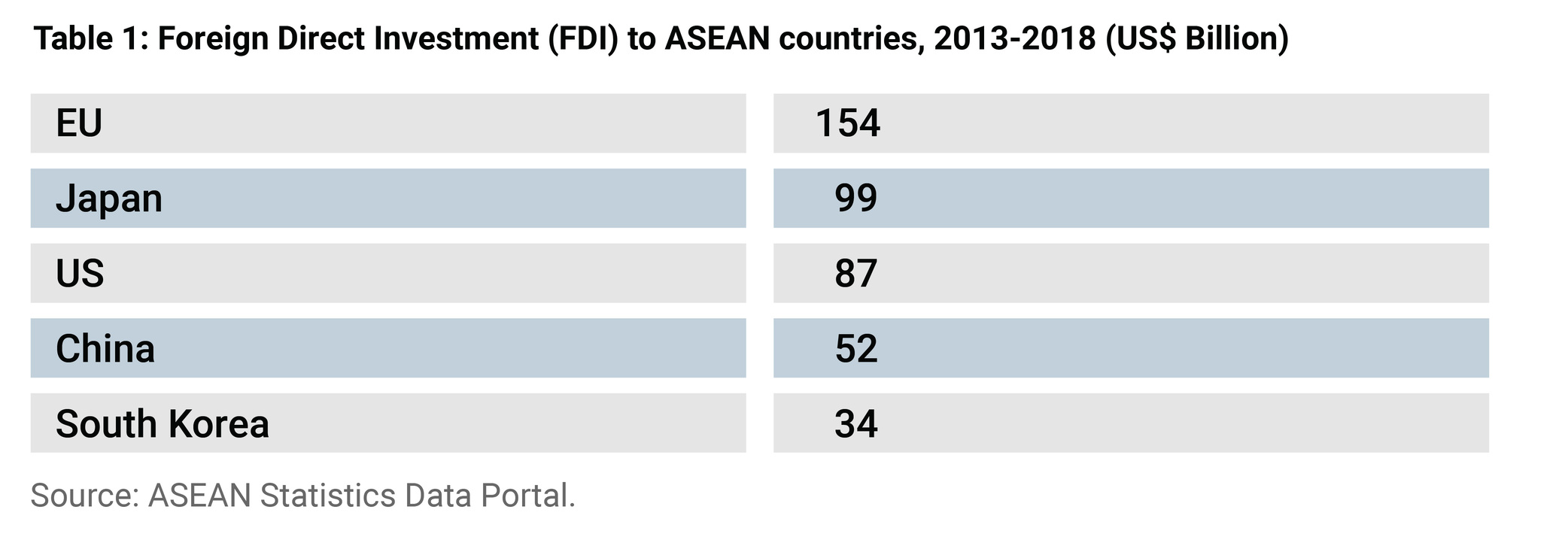
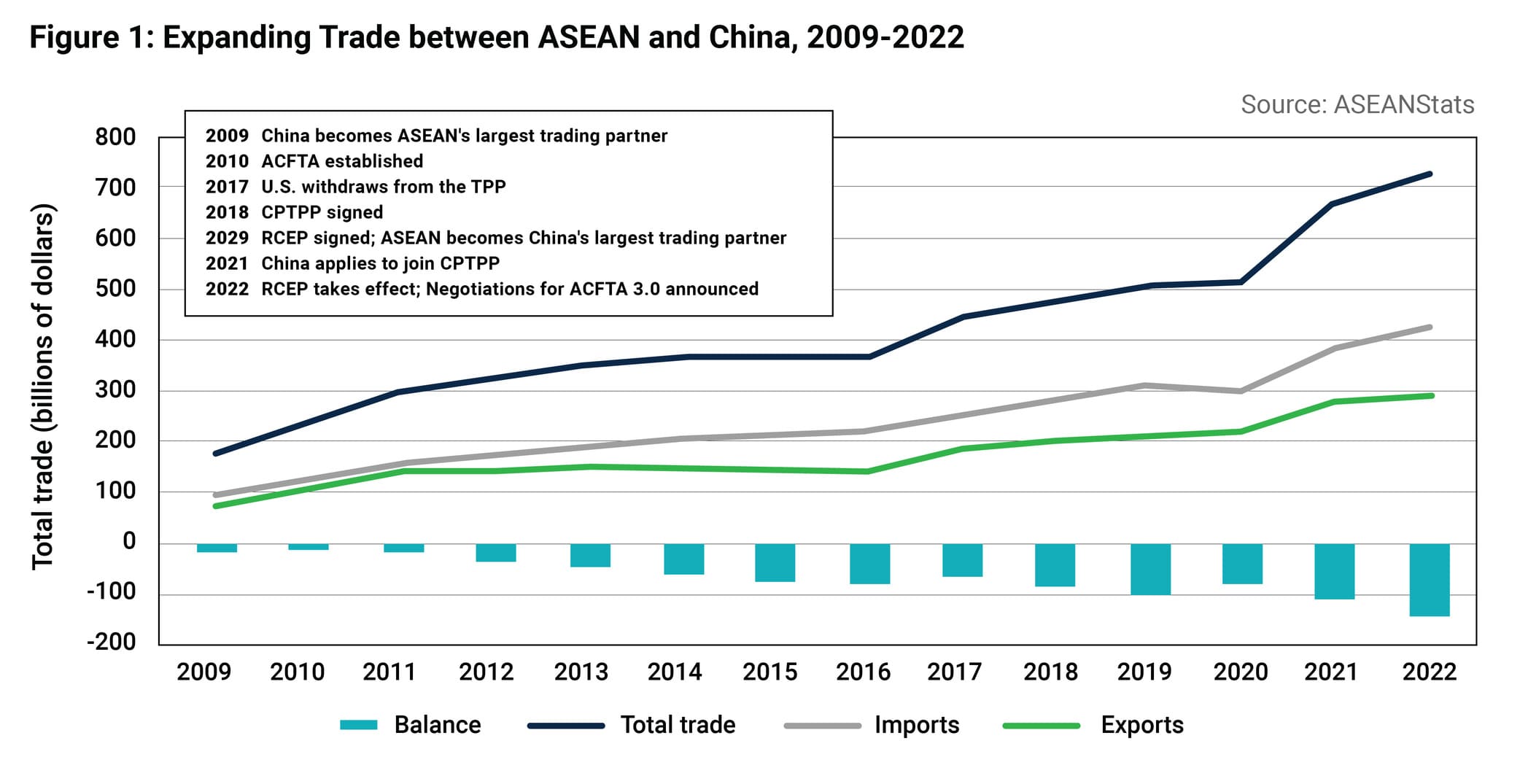
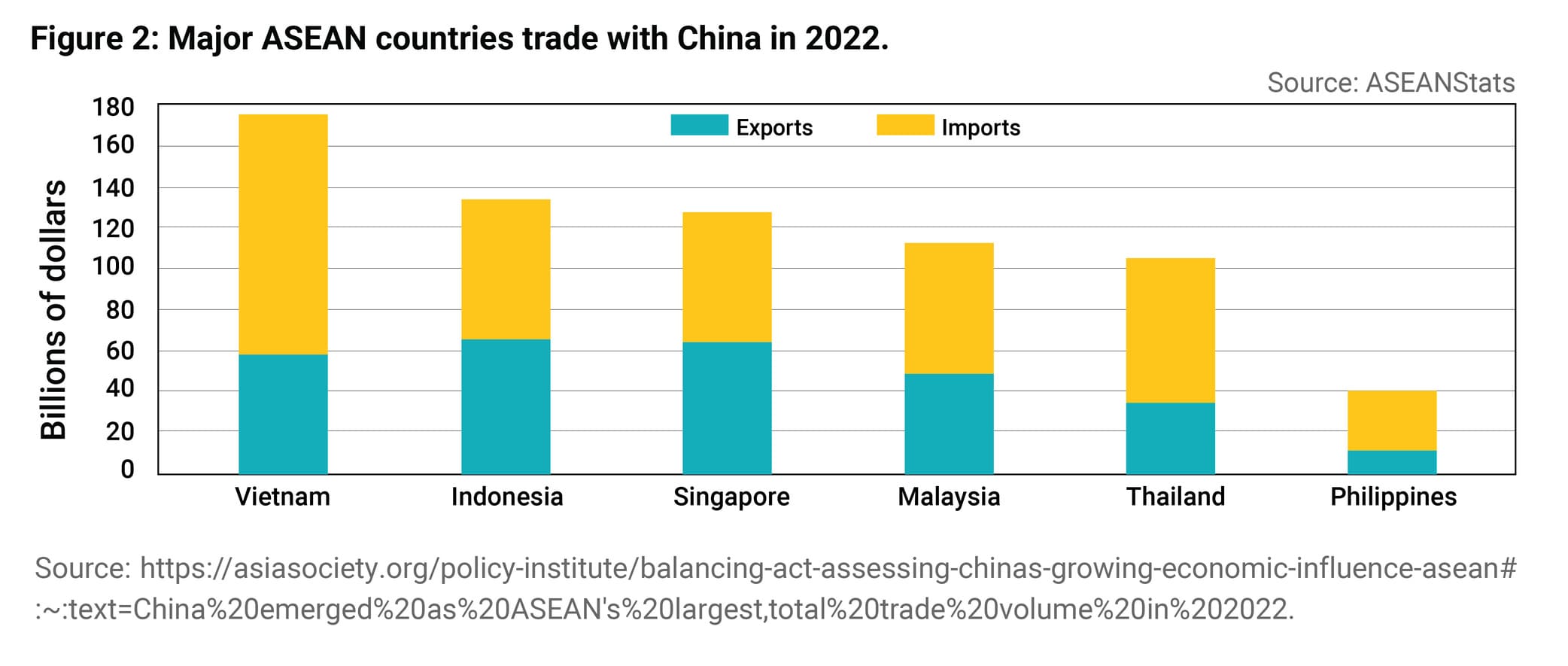
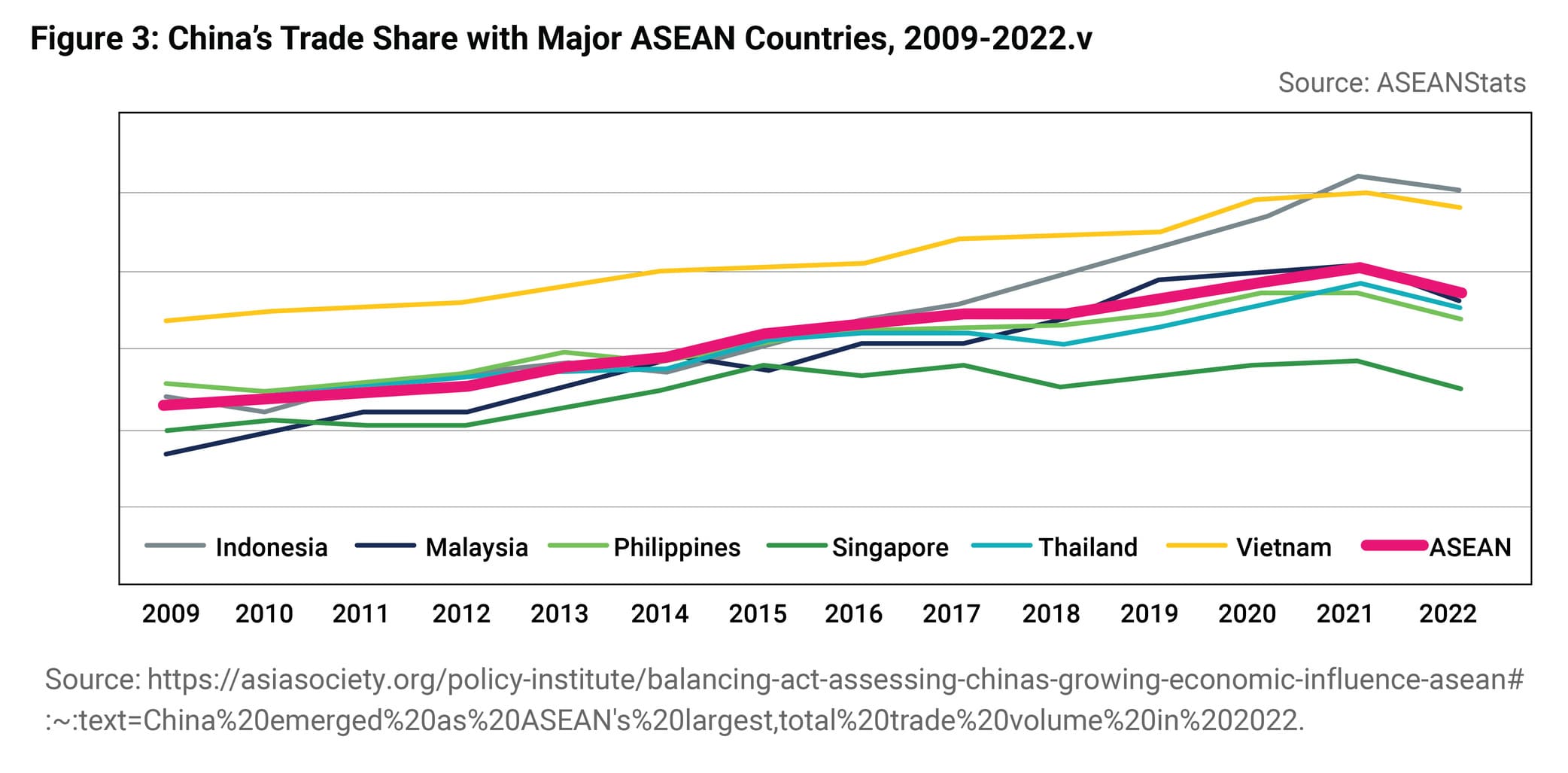
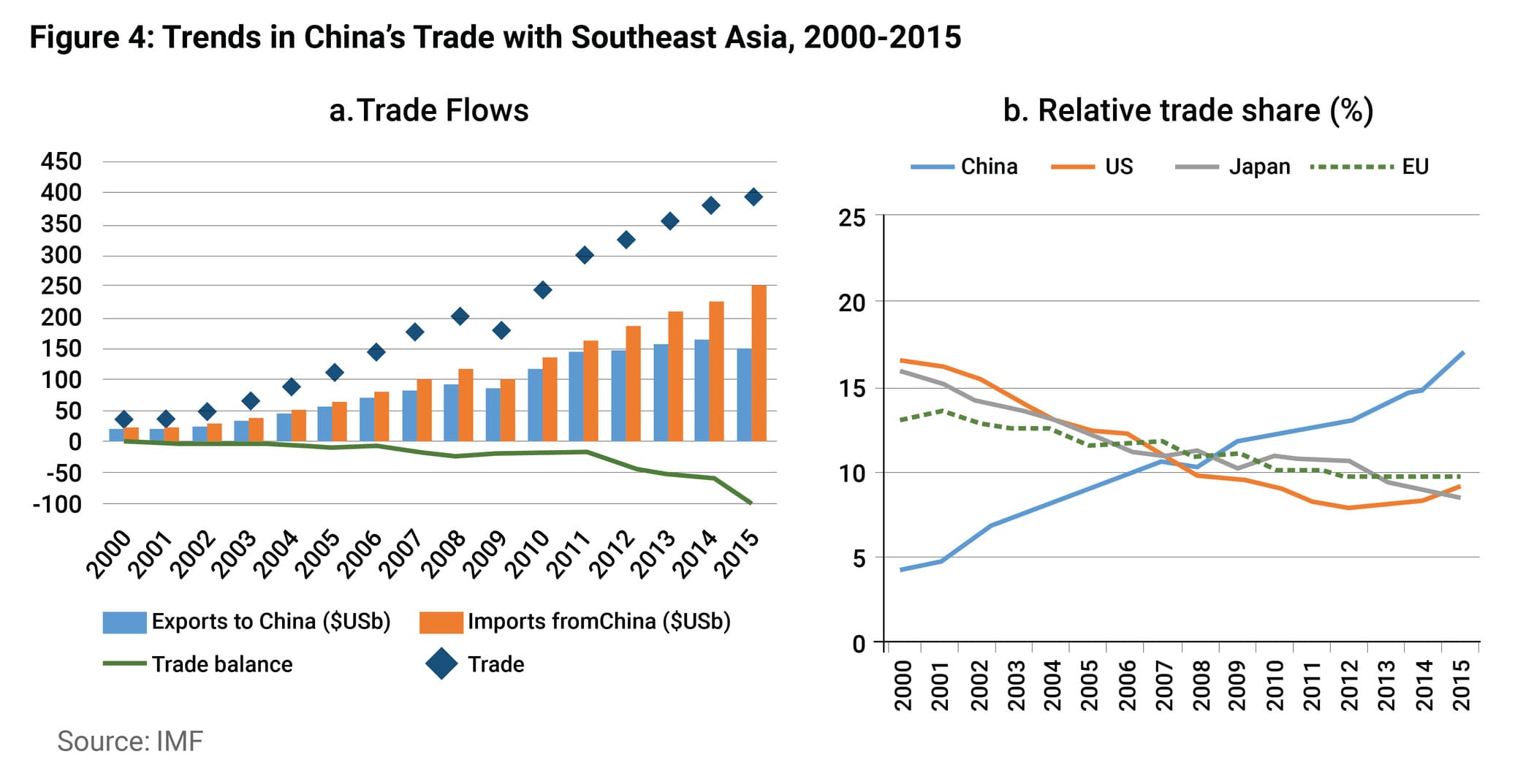
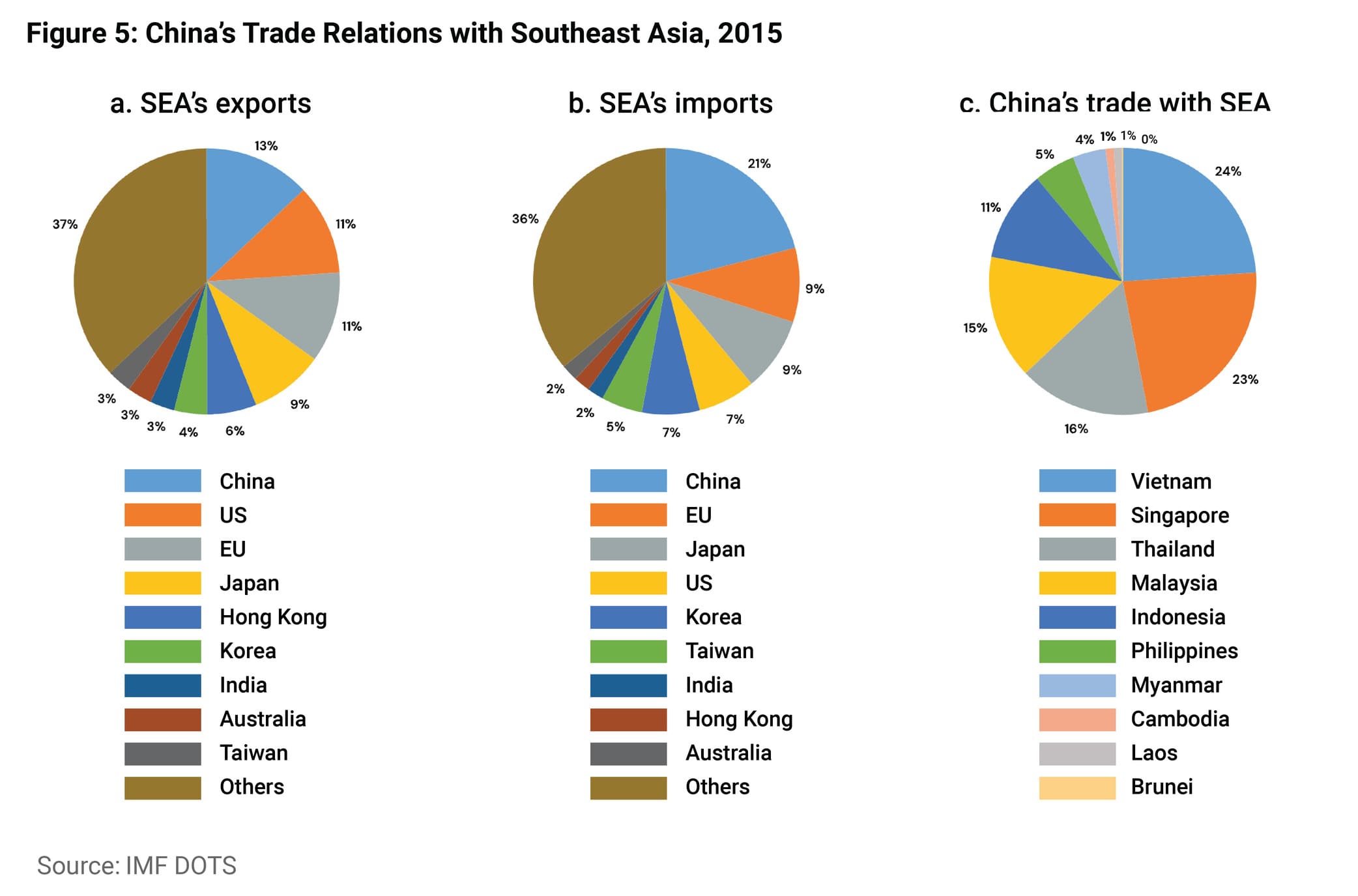
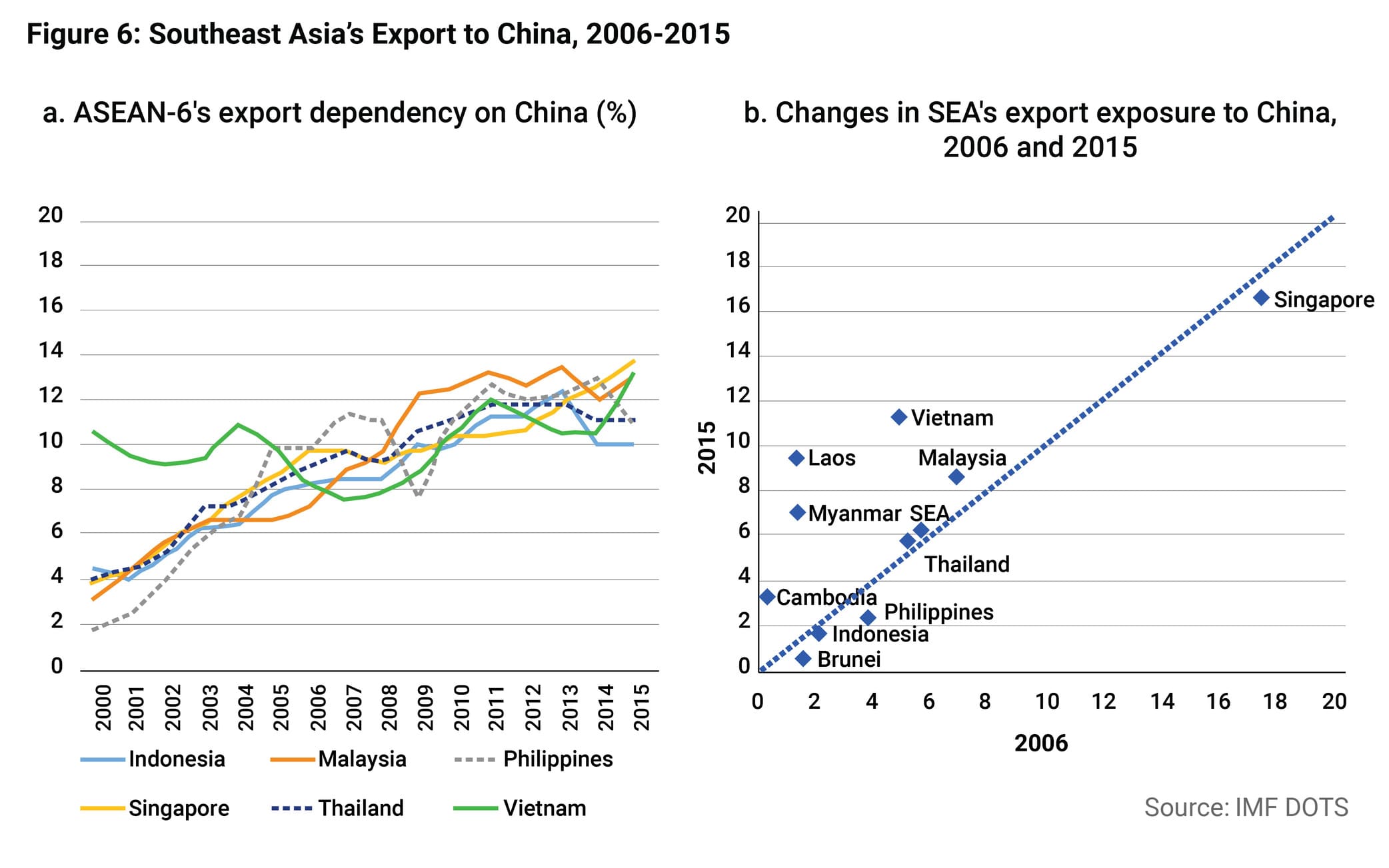
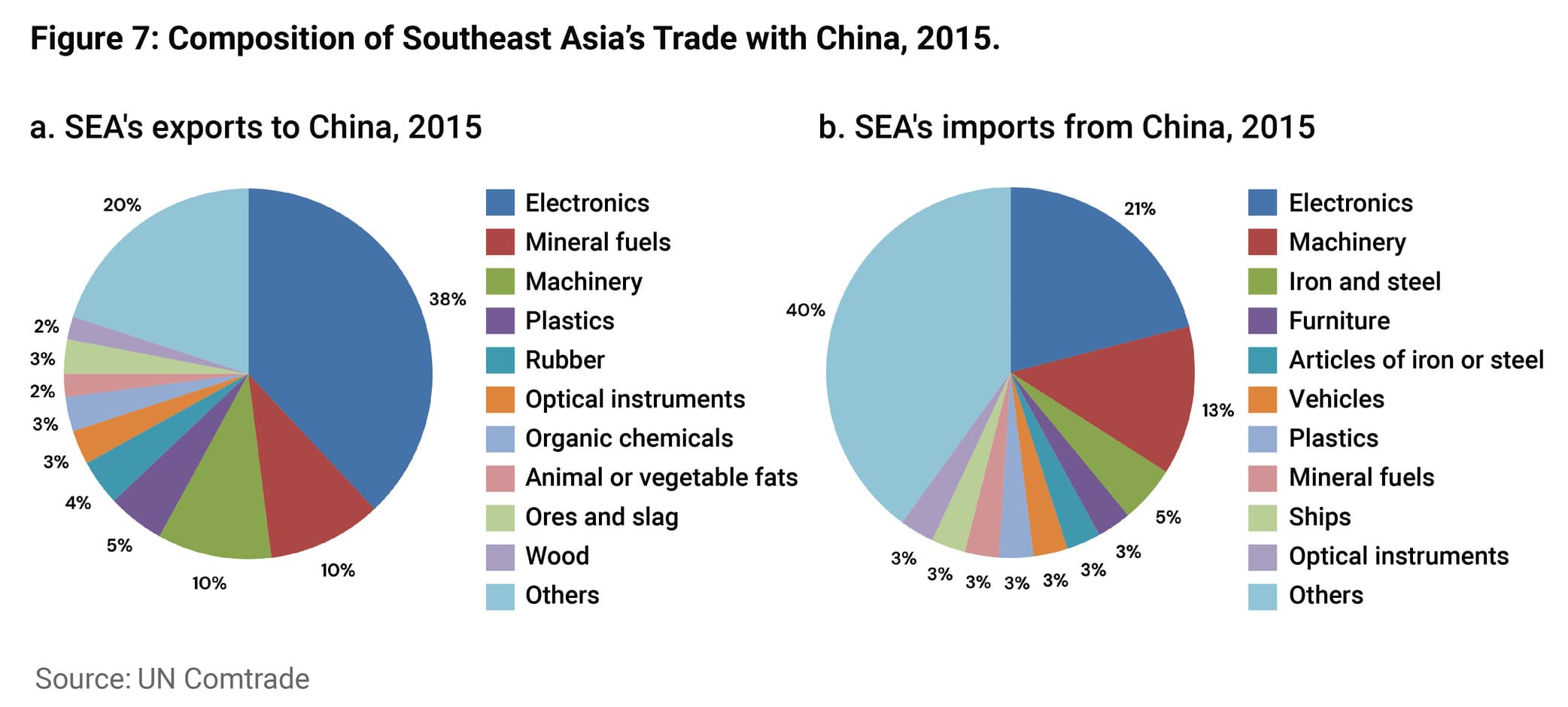
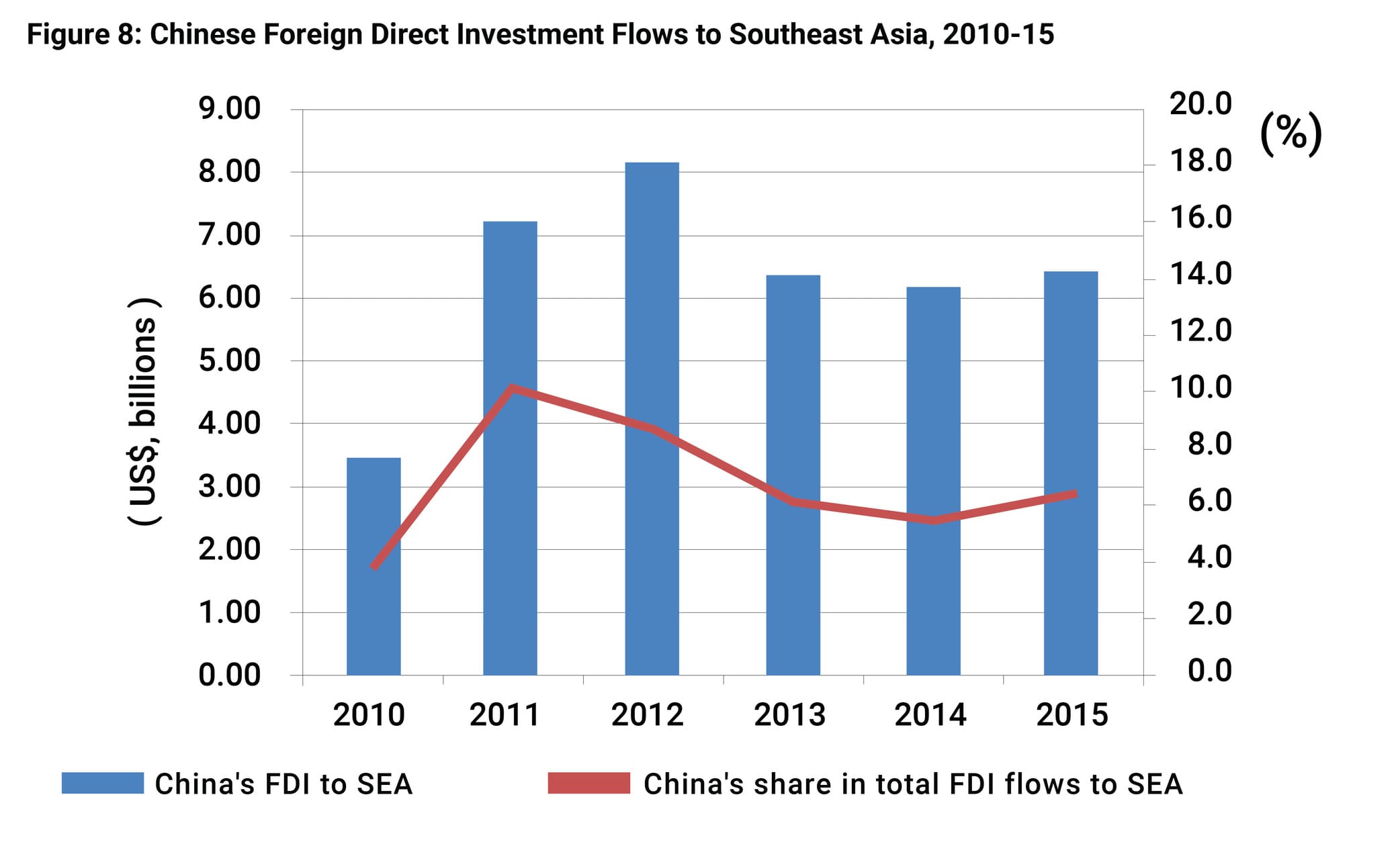
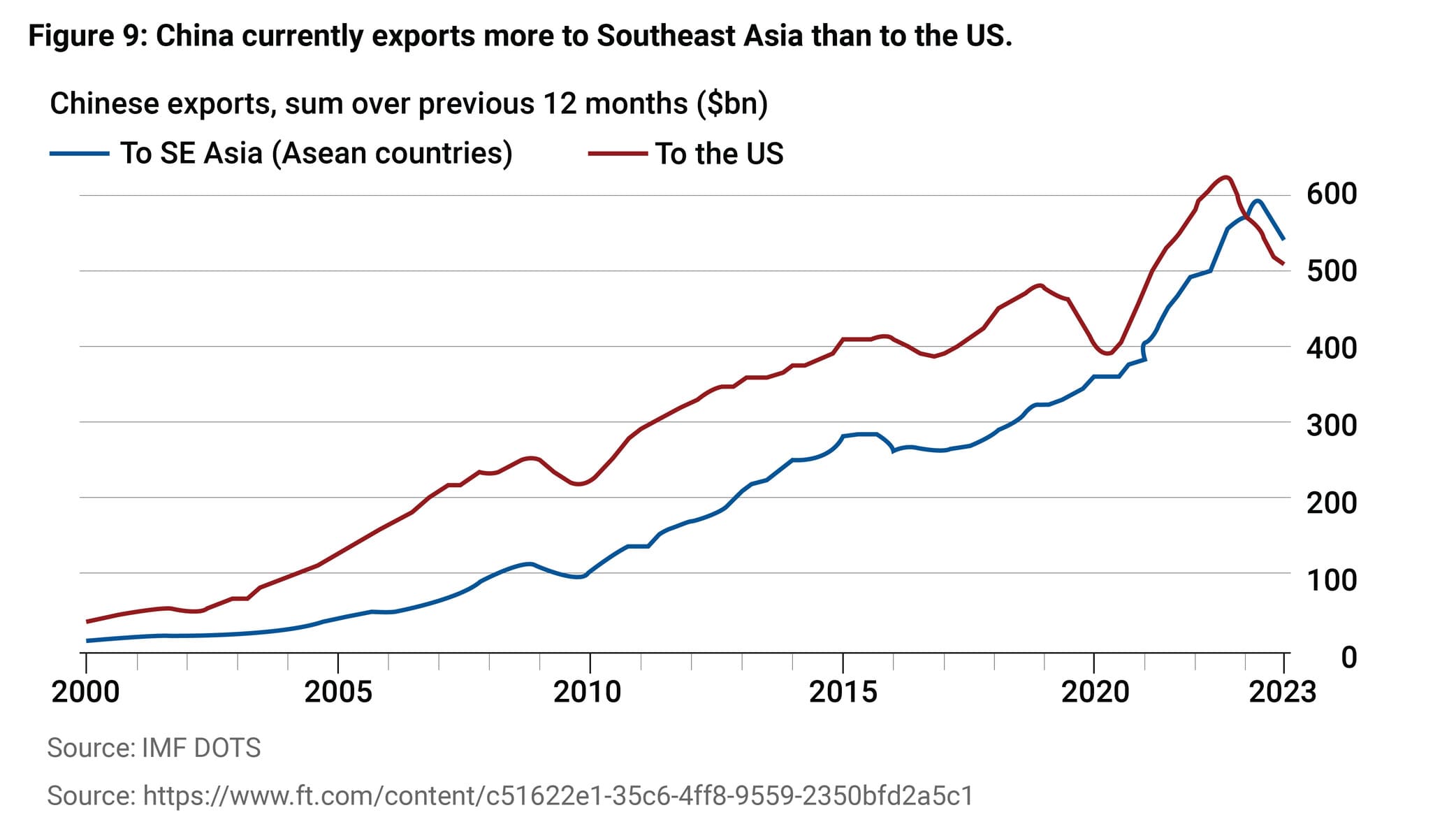
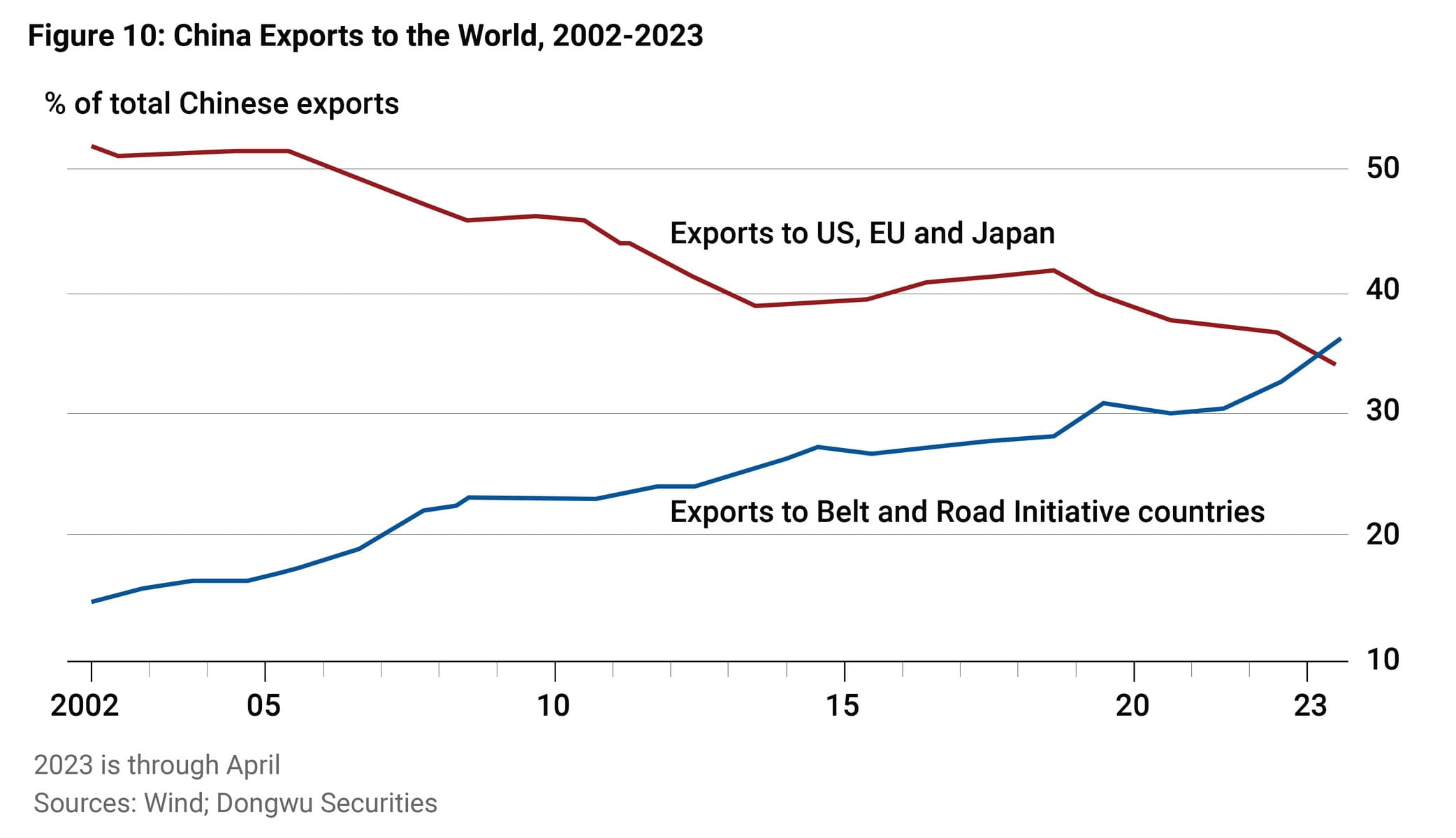

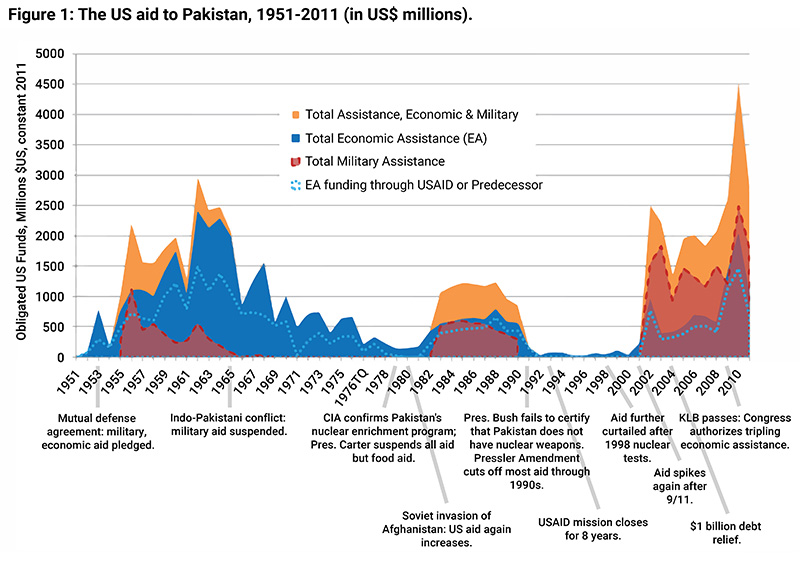
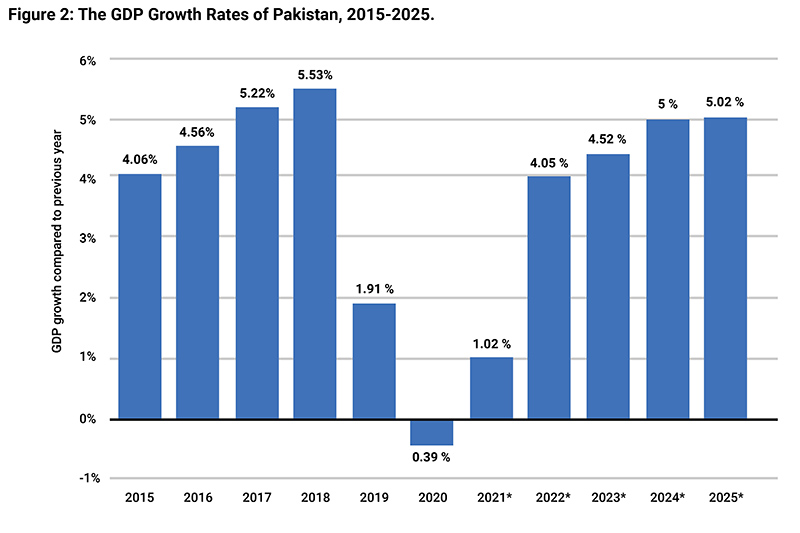
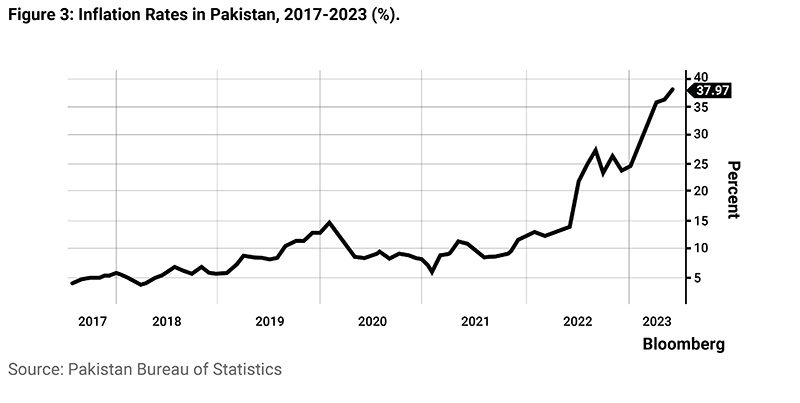
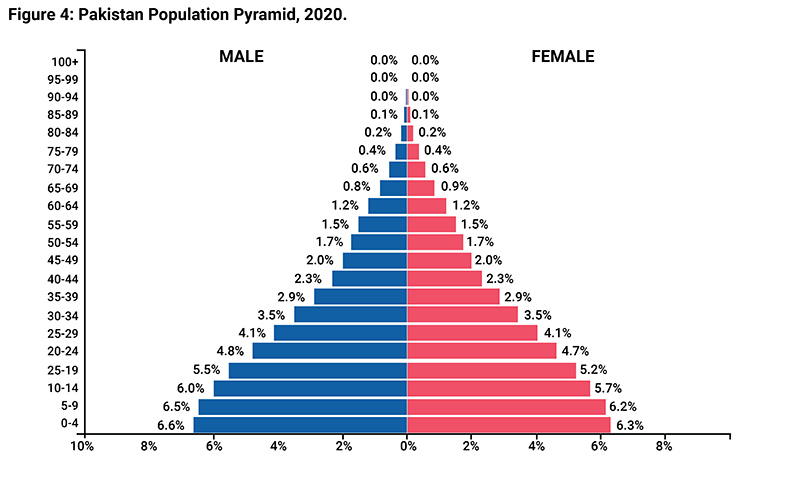
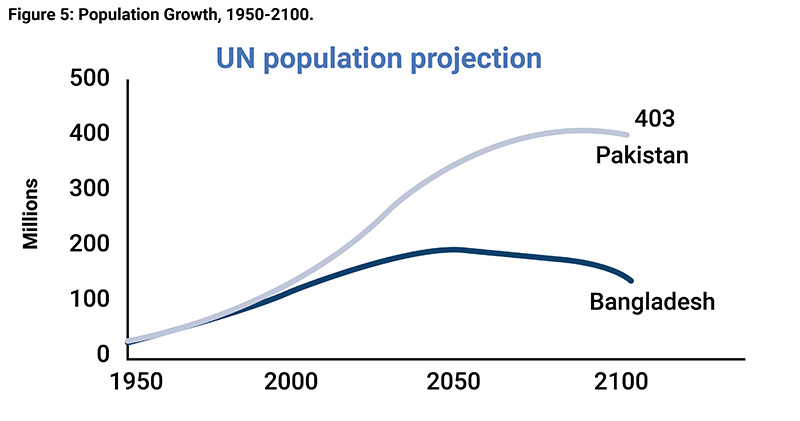
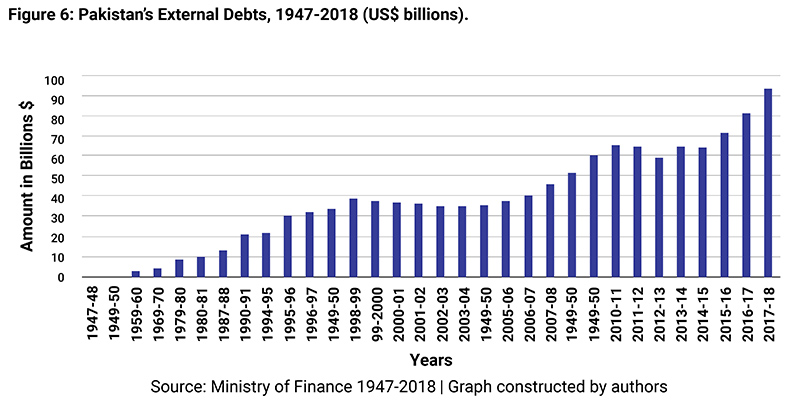
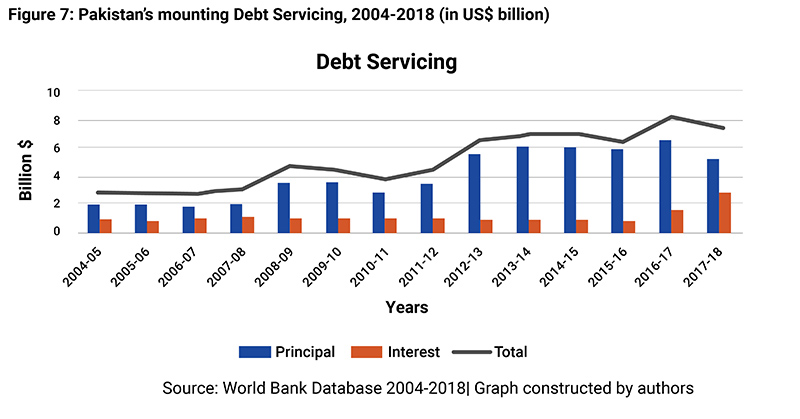


 Asad’s new book