Nowadays, our identity can be seen as a significant part of the online presence when it comes to professional representation. Whether you are a novice entrepreneur, an accomplished manager, or an art worker, professional headshot plans can turn the scale in favour with the possible employers, customers, or partners. Here at Insta Headshots we know just how important a good headshot is, that is why we are fully committed to offering you the highest level of professional headshot services as per your requirements.
It has become a common practice that the first meeting is not live, but the virtual one through social networks or other networking platforms where the headshot stands for an introduction. In its simplest form, it’s the first thing that potential employers or business contacts will see and it must portray professionalism, friendliness, and competence. Shouldn’t that first impression be a good one? As a professional headshot provider, we ensure it will be. With our expertise in professional headshot solutions, we help you make that impression count.
The Importance of a Professional Headshot
Our headshot is not just a photo; it is a visual representation of your working demeanour and your character. Whether it’s for a social media site such as LinkedIn, designing brand marketing or publishing materials, or simply as a speaker on a conference roster, a clear, professional headshot can make all the difference Research has further revealed that, as regards self-portraiture or personal pictures, users with professional-looking pictures get more attention than others. Giving oneself a professional outlook can improve a person’s reputation which in return makes clients be comfortable with you and hire you or contract you for services. In the contemporary society which is majorly dictated by the internet, these headshots play a central role in determining the first impressions. These rather elementary pictures act as first impressions for the so-called social and work identity, presenting some peep into their lives and values. For executives on the verge of their next promotion, up-and-coming entrepreneurs opening their first business, or artists kicking off their portfolio, headshots are essential.
In its essence, a headshot is not merely a picture but a cornerstone designed to harness impression, impact professional affiliation, and dictate organisational success. Imagine a situation where a recruiter is sitting in front of his computer and searching profiles on LinkedIn for the right candidate. While sifting through a vast list of names and positions, one professional headshot can stand out, cut through the crowd, and communicate that the individual in the photograph takes his/her work seriously. As such, one is likely to see those small things, such as the headshots of the contenders, make or break the decision.
In addition, headshots are not only for job-seeking purposes and professional connections. Today, they have an important place in many spheres of life – it can be business enterprises or art fields. In any organisation the world over, a professional photo with the head and top portion of the shoulders is almost mandatory in newsletters, on company websites, and in press releases. This is a depiction of who an individual is in relation to his or her capability and it has a way of creating trust with clients, colleagues and other stakeholders.Headshots are important tools in branding and trust building hence very useful to any entrepreneur or business person with a small business. Regardless of the webpage, card, or social media account, a professional headshot conveys respectability, dependability, and genuineness, which can be defining factors when competing in a marketplace.
In other aspects of life such as arts and entertainment, headshots are essential tools that influence people’s judgments and help in getting a particular job. Dancers and performers, singers, and models all need to have their headshots entice casting directors, agents or loyal admirers. A good headshot will capture some of the performer’s personality, and if done right, will benefit the performer in revealing light as they compete in an industry that heavily relies on image.
The Benefits of InstaHeadshots AI Headshot Generator
Speed and Efficiency: No more having to wait for weeks to get an appointment for a photoshoot session. Score your professional headshot with InstaHeadshots in minutes, at your convenience and at any location.
Cost-Effectiveness: In traditional forms of photoshoots, one has to pay for the photographer and photography equipment, shooting location, and even photo editing services. What makes InstaHeadshots stand out is the ability to offer cheaper services that are still of great quality.
Consistency: That way, when using InstaHeadshots, you can be sure that the photos you post are consistent across your business accounts. No more different headshots for your website, different social media accounts, and business cards.
Customization: Here on InstaHeadshots website, you can find a lot of options: from a formal corporate shot to a casual picture or, maybe, an artistic representation of your personality.
Accessibility: InstaHeadshots is also easy to get through and it does not require people to have a large budget or be located in a specific area. It means that you do not require any particular device except for a smartphone or a computer and connection to the World Wide Web to design your ideal headshot.
Conclusion
A headshot is an investment in your career, and it’s worth it to ensure you look your best for interviews and other professional settings. So for a business person, art worker, or an unknown influencer, a professional and well-taken headshot can significantly influence the result and create new opportunities.
The services being offered here at Insta Headshots are geared towards giving professional headshot solutions that trace your business image and make you stand out. Our AI-powered InstaHeadshots AI Headshot Generator we assure you that nothing but the best result is expected of us. Don’t wait any further, choose Insta Headshots today for all your professional headshot solutions.
Zurich, Switzerland – Ashbournewm.com, the renowned financial services provider, has recently enhanced its security measures with the implementation of advanced protocols. This enhancement comes as part of the company’s ongoing commitment to ensuring the utmost safety and protection of its clients’ assets. By adopting these security measures, it aims to fortify its platform against potential threats and vulnerabilities, thereby safeguarding the integrity of its clients’ financial transactions.
The decision to implement these advanced security protocols stems from Ashbournewm’s unwavering dedication to maintaining the highest standards of security and reliability in the ever-evolving financial landscape. With cyber threats on the rise, it has become increasingly imperative for financial institutions to stay one step ahead in safeguarding their clients’ sensitive information and assets. Through the adoption of state-of-the-art security measures, the company seeks to provide its clients with peace of mind, knowing that their financial information is protected against potential risks and vulnerabilities.
As part of its commitment to transparency and accountability, Ashbournewm.com recently underwent a comprehensive review conducted by a leading financial authority. The Ashbournewm.com review highlighted the company’s security infrastructure and strict protocols, affirming its dedication to ensuring the safety and security of its clients’ assets. The Ashbournewm. comb review also underscored it’s commitment to providing its clients with a secure and reliable platform for their financial transactions.
In addition to enhancing its security measures, the platform remains steadfast in its commitment to providing exceptional financial services and support to its clients. Through its innovative platform and personalized approach, Ashbournewm enables clients to achieve their financial goals with confidence and peace of mind. The company is dedicated to helping clients navigate the complexities of the financial markets with ease and efficiency.
In conclusion, Ashbournewm.com’s decision to enhance its security measures with advanced protocols underscores its unwavering commitment to protecting the interests and assets of its clients. Through the adoption of strict security measures and ongoing diligence, it continues to set the standard for excellence in the financial services industry. With a focus on transparency, reliability, and client satisfaction, The platform remains a trusted partner for individuals seeking to secure their financial future.
About Ashbournewm.com
Ashbournewm.com is a leading financial services provider renowned for its commitment to excellence and integrity. With a focus on transparency and reliability, it offers a wide range of financial services designed to meet the diverse financial needs of its clients. From investment management to wealth planning, Ashbournewm.com helps individuals achieve their financial goals with confidence and peace of mind.
Driven by a dedication to innovation and client satisfaction, the company continues to set the standard for excellence in the financial services industry. With a team of experienced professionals and a client-centric approach, Ashbournewm strives to deliver personalized solutions tailored to each client’s unique financial objectives.
New nine-point plan reflecting views of top business leaders across Europe published as the continent faces first decline in foreign investment since pandemic.
Actions include finding balance on regulation, boosting manufacturing and innovation, and restoring confidence in energy prices.
LONDON, 19 JUNE 2024. The EY organization is calling on European institutions and national governments to take nine actions to help attract more foreign direct investment (FDI), with the publication of the second installment of its Europe Attractiveness Survey 2024.
The action plan follows last month’s publication of the first survey’s installment that found FDI into Europe declined in 2023, falling by 4% compared with 2022, and dropping to 11% lower than in 2019, just before the COVID-19 pandemic hit. Despite hopes that FDI into Europe would bounce back post-pandemic, slow economic growth, spiraling inflation, soaring energy prices and a febrile geopolitical environment caused the first downturn in European FDI since 2020. Companies cited the regulatory burden, volatile energy prices and political instability as the top three risks impacting investment decisions.
To help address these concerns, EY teams have outlined a new set of nine recommendations based on over 500 interviews with senior business leaders to help Europe remain competitive and attractive to investors.
Julie Linn Teigland, EY EMEIA Area Managing Partner, says:
“As Europe navigates through the complexities of a post-pandemic economy, it is imperative to enhance its attractiveness for foreign direct investment.
“Our nine-point action plan is a clarion call for European institutions, national governments and businesses to join forces in creating an environment that is conducive to growth, innovation and stability. By addressing the regulatory balance, reinforcing our manufacturing sector, fostering innovation and ensuring energy confidence, Europe can send a powerful message to investors worldwide that the continent is not only open for business but is also a thriving hub for sustainable and forward-thinking investment.
“We must work together to make sure Europe is seen as the premier destination for investors seeking a resilient and dynamic market.”To boost investment, business leaders say that European governments should:
1. Find the right regulatory balance between protection and innovation
Businesses say that an increased regulatory burden is the top risk to Europe’s attractiveness over the next three years. European policymakers can alleviate these concerns by harmonizing regulation, reconsidering the pace of introducing new regulation and repealing outdated laws whenever possible.
2. Maintain manufacturing competitiveness
Policymakers should boost European manufacturing by allowing businesses to scale up to equal those in the US and Asia. They should also shore up the supply of vital components like microchips or rare-earth materials and provide infrastructure for critical public goods like electricity and data.
3. Creating a fertile environment for innovation
When asked where Europe should concentrate its efforts to maintain its competitive position in the global economy, investors placed “support high-tech industries and innovation” first. Policymakers can help Europe deliver on this by boosting the workforce equipped with digital skills, supporting the development of hardware and infrastructure, preparing to adapt the EU AI Act as the technology evolves and removing bureaucracy for small and medium-sized tech enterprises.
4. Restore confidence in energy prices and supply
Investors rank “volatile energy prices and energy supply issues” as the second biggest risk to Europe’s attractiveness over the next three years. Policymakers can help restore confidence in energy by funding and developing specific energy infrastructure such as grids and interconnectors and investing in the green energy transition.
5. Unlock private investment with a full Capital Markets Union
Access to capital is now the most important factor that determines where businesses invest. A fully integrated Capital Markets Union would allow pension and insurance funds and other institutional investors to invest across Europe at scale.
6. Unify to respond rapidly to global trade wars
Executives rank “political instability in Europe (including upcoming elections, populism and polarization)” as the equal second-biggest threat to Europe’s attractiveness. As geopolitical and global trade tensions intensify, European policymakers need to be equipped to respond rapidly and decisively. Individual Member States must be aligned on key areas, including which industries need to be protected and where the threats lie.
7. Focus on the economic benefits of sustainability
Countries’ approach to sustainability can help them secure investment: businesses rank “countries’ policy approach to climate change” as the fifth most important factor influencing where they invest. Europe is already a sustainability leader, and businesses want Europe to sustain its momentum in this area. Policymakers can help Europe retain its status by releasing funding for sustainability projects and balancing environmental regulation with ease of doing business.
8. Boost workforce productivity and promote Europe’s critical skills
The presence of a highly skilled workforce is a major factor that determines where businesses locate operations. When businesses that are planning to invest in Europe this year were asked about their motivations for doing so, “access skills” ranked second. Europe already performs well on this measure, with several initiatives in place and the EU must maintain momentum with these. It is also vital that policymakers, businesses and academic institutions continue to collaborate to identify the types of skills that businesses need in the future.
9. Balance tax competitiveness and revenue growth
Although tax is one of many factors that influence where businesses locate their operations, authorities need to avoid measures that could harm Europe’s attractiveness. Thirty-two percent of executives surveyed cite the pragmatism and flexibility of the tax authorities as one of the most important tax-related factors when choosing where to invest.
Summer beckons with visions of refreshing dips in a sparkling pool. But a malfunctioning swimming pool boiler can quickly transform your backyard oasis into a lukewarm disappointment. The key to avoiding a sputtered swim season lies in recognizing the early signs of boiler trouble before they escalate into a costly repair situation.
Unlike a sudden breakdown that leaves you shivering mid-cannonball, these subtle hints offer a chance to address the issue proactively and ensure a summer filled with worry-free swimming. Let’s dive into the not-so-obvious signals that your pool boiler might be whispering “SOS.” Reliable Swimming Pool Boiler RepairProfessionals
The Whisper, Not the Shout
The Lingerer: Normally, your pool heats up within a reasonable timeframe. But lately, it seems to take forever to reach that perfect temperature, even after running the boiler for extended periods. This could indicate a decrease in efficiency, potentially due to internal buildup or minor component wear. Ignoring this could lead to a costlier swimming pool boiler repair down the line.
The Fickle One: Your pool temperature isn’t consistent. It might fluctuate throughout the day, leaving you with pockets of lukewarm water and areas that feel downright frigid. This inconsistency suggests uneven heating, which could be caused by circulation problems or malfunctioning sensors within the boiler. Uneven heating can put a strain on your boiler and lead to a premature need for swimming pool boiler repair.
The Grumpy One: Your once-quiet boiler has developed a personality. Unusual noises like banging, knocking, or gurgling could be signs of loose parts, trapped air within the system, or failing components. While not an immediate cause for panic, these sounds warrant investigation by a qualified technician. Early detection can prevent these minor issues from snowballing into a major boiler repair.
The Subtle Clues
The Drip, Drip, Drip: Leaks, no matter how small, can be a significant indicator of trouble. Keep an eye out for leaks around the boiler itself or from connecting pipes. Left unattended, these leaks can waste water, damage surrounding areas, and put your pool system at risk. Promptly addressing leaks can prevent the need for extensive repairs
The Pressure Plunge: Water pressure is essential for proper boiler function and pool circulation. If you notice a drop in water pressure within your pool system, it could hinder boiler performance and prevent efficient heating. This can lead to increased wear and tear on your boiler, potentially leading to the need for swimming pool boiler repairs.
What to Do When Your Pool Boiler Seems Troubled
Don’t Panic: While some signs might seem concerning, early detection is key. Take a deep breath and resist the urge to crank up the boiler settings.
Investigate: Refer back to the “Whisper, Not the Shout” and “Subtle Clues” sections to see if you can identify any of the early warning signs.
Consult Your Manual: Your pool boiler manual should offer troubleshooting tips and maintenance procedures.
Gather Information: Before calling a professional, note down any unusual sounds, temperature fluctuations, or leak locations. This information will be helpful in diagnosing the problem.
When to Call a Professional Pool Boiler Technician
Safety First: If you suspect a gas leak, turn off the boiler immediately and evacuate the area. Contact a qualified technician to address the issue.
Beyond Your Expertise: If you’re uncomfortable troubleshooting the problem yourself, or the issue seems complex, don’t hesitate to call a professional.
Persistent Problems: If the early warning signs persist even after you’ve attempted basic troubleshooting, it’s best to call a technician for a proper diagnosis and repair.
How to Avoid Costly Pool Boiler Repair
Schedule Regular Maintenance: Preventative maintenance is key to avoiding costly repairs down the line. Schedule annual servicing by a qualified pool technician to ensure optimal performance and catch minor issues before they escalate.
Listen Up: Pay attention to any unusual sounds coming from your boiler. A little preventative awareness can go a long way in identifying potential problems early on.
Become a Leak Detective: Regularly check for leaks around the boiler and connecting pipes. Address any leaks promptly to avoid water waste and potential damage.
Winterize Properly: If you live in an area with freezing temperatures, properly winterize your pool boiler to prevent damage during the off-season.
By recognizing these early signs, taking proactive measures, and scheduling regular maintenance, you can ensure a smooth-running swimming pool boiler and extend its lifespan. Remember, a little vigilance goes a long way in keeping your backyard oasis warm and inviting throughout the season. So grab your swimsuit, crank up the pool tunes, and get.
Flipping houses is more than a real estate venture; it’s an exciting journey that combines strategic planning, creative vision, and financial acumen. Whether you’re an aspiring entrepreneur or a seasoned investor, house flipping offers a lucrative opportunity to generate substantial profits while transforming properties and neighbourhoods. Here’s your motivational guide to flipping houses and financing them, turning your dream into a successful reality.
The Allure of House Flipping
Flipping houses is attractive for several reasons:
Financial Rewards: The primary motivation for many is the potential for significant financial gain. By buying properties at a lower cost, renovating them, and selling them at a higher price, you can realize impressive profits.
Creative Fulfilment: If you have a passion for design and renovation, flipping houses allows you to unleash your creativity. Transforming a rundown property into a dream home is immensely satisfying.
Community Impact: Flipping houses can positively impact neighbourhoods, reviving neglected properties and contributing to community revitalization.
Personal Growth: The process of flipping houses hones your skills in negotiation, project management, and financial planning, fostering personal and professional growth.
Steps to Successfully Flip Houses
Find the Right Property: Success starts with finding the right property. Look for undervalued homes in promising neighbourhoods. Use online real estate platforms, network with agents, and attend auctions.
Conduct Thorough Inspections: Before purchasing, conduct a detailed inspection. Understand the extent of repairs needed and estimate the renovation costs accurately.
Plan Your Renovation: Create a renovation plan that balances cost with potential return on investment. Focus on improvements that add significant value, such as kitchen and bathroom upgrades, curb appeal, and structural repairs.
Hire Reliable Contractors: Your renovation’s success hinges on the quality of work. Hire experienced, reputable contractors, and ensure clear communication and expectations.
Market Effectively: Once the renovation is complete, market the property aggressively. Use professional photography, list on multiple platforms, and highlight the unique features of your property.
Sell Smart: Price the property competitively. Be prepared to negotiate, and consider the best offers that align with your financial goals.
Financing Your House Flipping Venture
Financing is a critical aspect of house flipping. Here are several financing options to consider:
Personal Savings: If you have substantial savings, self-funding your flip is the simplest option, allowing you to avoid interest payments and loan approvals.
Bridging Loans: Bridging loans in Scotland are designed for exactly this purpose as they generally have a loan term of anything between 3 and 18 months, a bridging loan can fund the purchase up to 75% of the purchase price and help with renovation costs.
Below Market Value Bridging Loans: Below market value bridging finance allows borrowing up to 100% of the purchase price when the purchase price is less than the actual valuation, this can be a great option if funds are a bit tight and you are planning or intending to fund the renovation yourself.
Bank Loans: Traditional bank loans are an option if you have a strong credit score and financial history. These loans typically offer lower interest rates but have stringent approval processes
Development Exit Finance: Development exit finance is a form of bridging loan and an option to keep in mind if your project is nearing completion or complete and you’re waiting for the sale or re-financing to conclude but you need funds for the next project.
Overcoming Challenges and Staying Motivated
Expect the Unexpected: House flipping is not without challenges. Unexpected repairs, market fluctuations, and project delays can occur. Stay flexible, adapt quickly, and maintain a positive mindset.
Network and Learn: Surround yourself with a network of experienced flippers, real estate agents, and contractors. Continuous learning and networking will provide support, knowledge, and opportunities.
Celebrate Small Wins: Acknowledge and celebrate each milestone, from finding a property to completing a renovation. These small victories keep motivation high and momentum going.
Stay Focused on Your Vision: Remind yourself of your long-term goals. Whether it’s financial independence, creative fulfilment, or community impact, keeping your vision in mind will fuel your perseverance.
Conclusion
Flipping houses is an exhilarating venture that offers financial rewards, creative satisfaction, and personal growth. By educating yourself, planning meticulously, and securing the right financing, you can turn your house-flipping dreams into a profitable reality. Embrace the journey with passion, resilience, and an unwavering commitment to excellence. Your path to success in house flipping awaits – take the first step today and watch your dreams come to life.
London, England – FutureSpare.net has announced the launch of its latest offering: AI-driven insights designed to facilitate smarter transactions in the financial realm. Leveraging advanced algorithms and machine learning capabilities, The platform aims to provide users with actionable insights to navigate the complexities of the financial landscape.
Enhancing Decision-Making
With the increase of data in today’s digital age, making informed decisions can be a daunting task for individuals and businesses alike. FutureSpare.net seeks to address this challenge by harnessing the power of artificial intelligence to distill vast amounts of information into actionable insights. Analyzing trends, patterns, and market dynamics, it equips users with the knowledge they need to make more informed decisions.
Assisting Users
In an increasingly interconnected world, staying ahead of the curve is essential for success in the financial markets. FutureSpare assists users by providing them with the tools and resources they need to adapt to changing market conditions.
FutureSpare.net Review
Recently, FutureSpare.net underwent a comprehensive review to evaluate the effectiveness of its AI-driven insights. The review found that users experienced a significant improvement in their ability to make informed decisions, with many citing the platform’s intuitive interface and user-friendly design as key factors contributing to its success. Additionally, the review highlighted the company’s commitment to transparency and accuracy, ensuring that users can trust the insights provided by the platform.
Continued Innovation
As the financial landscape continues to evolve, FutureSpare.net remains committed to driving innovation in the industry. By harnessing the power of artificial intelligence, it aims to educate users with the knowledge and insights they need to succeed in an ever-changing world. With its user-centric approach and dedication to excellence, FutureSpare.net is ready to enhance the way individuals and businesses engage with the financial markets.
About FutureSpare.net
In the competitive landscape of financial technology, FutureSpare.net stands as a financial services provider, offering innovative solutions to meet the evolving needs of users. With a focus on leveraging artificial intelligence and data analytics, FutureSpare.net aims to provide actionable insights for smarter decision-making in the financial realm. Its presence in the industry signifies a commitment to harnessing technology to address challenges and drive value for users.
FutureSpare’s dedication to excellence is evident in its ongoing efforts to enhance its offerings and provide valuable solutions to users. Through continuous research and development, it strives to stay at the forefront of technological innovation, ensuring that its services remain relevant in an ever-changing landscape. By maintaining a focus on quality and reliability, the platform aims to build trust and credibility among its users.
The financial services industry is undergoing a seismic shift, driven by the rapid adoption of artificial intelligence (AI) technologies. This transformation is not just about adopting new tools, but about fundamentally rethinking how financial professionals interact with clients and manage their workflows. As financial service professionals struggle to maintain in an increasingly competitive landscape, AI has become a key enabler of productivity.
On a daily basis, professionals are inundated with vast amounts of data and communication, and it’s leading to a loss of productivity. In fact, according to recent reports, financial advisors spend nearly60% of their time on non-revenue-generating activities, such as administrative tasks and data management. This inefficiency not only affects productivity but also detracts from client relationships.
The bottom line is traditional methods of communicating with clients and handling internal tasks are becoming increasingly inadequate. There’s simply too much that needs to be done.
The Promise of AI
AI-powered tools can analyze client data to provide personalized investment recommendations, predict market trends, and even automate compliance processes. While streamlining these processes is important to financial service professionals, it’s only half the battle.
Until recently, communication remained a significant challenge in the financial sector, with the threat of missed deadlines and delayed client responses constantly looming. A new tool calledBelt set out to address this problem.
Belt is an AI-powered platform designed to streamline communication workflows and alleviate the burden of email overload. Belt’s AI capabilities monitor communications from trusted contacts, extracting and summarizing requests into AI-suggested tasks. This ensures that financial professionals never miss an important email or client request, allowing them to respond promptly and efficiently.
Client relations are at the heart of the financial services industry. Improving client relationships by providing timely and personalized interactions can alleviate the burden of overcommunication on professionals, and give them a competitive edge.
“Our origin story began by listening to numerous business professionals, who voiced concerns about the overwhelming volume of daily emails and chats and the risk of missing important messages or not responding promptly. We built Belt to monitor communication and identify requests from trusted contacts, providing a central calendar that integrates tasks, meetings, huddles, and deadlines because every knowledge worker needs an effective calendar,” said Keith Lipman, CEO and Co-founder of Belt.
The Broader Impact
The integration of AI in financial services is not just about improving individual tasks but about transforming the entire operational model of firms. According to a study by Deloitte, firms that effectively implement AI can achieve a 20-30% increase in operational efficiency. This not only leads to cost savings but also enhances the overall quality of service provided to clients.
Belt, for instance, offers workflows to schedule, delegate, and follow up on tasks. It alerts users when they’ve missed an email response and provides enterprise reporting on completed work. This comprehensive approach ensures that financial professionals can maintain high levels of responsiveness and efficiency.
As AI technologies continue to evolve, their impact on the financial services industry will only grow. The future will likely see even more sophisticated AI applications, making the integration of AI in financial services a strategic imperative. Financial firms that embrace the shift will be well-positioned to thrive in an increasingly competitive landscape.
Demographic shifts affect the downward decline in GDP per capita growth in G7 countries, notably Japan. Ageing is not a future problem, it is taking place now as the baby boom generation is retiring and putting pressure on the labour market and social security. Implementing the “age-free” principle, including regulatory reform, is essential in policy making.
The GDP per capita growth in the Group of Seven countries has been downward since the 1990s, with Japan experiencing the most significant decline, and the United States the least (diagram 1). This trend, often referred to as “Japanification”, is usually characterised by a balance sheet recession following the bursting of an asset bubble in 1990, leading to deflation and financial stress. The inability to quickly normalise interest rates due to high debt levels associated with an increasing trend in the social security budget further indicates this trend.
While Japan has been at the forefront of this “declining productivity puzzle”, it’s important to note that the long-run demographic shift is also a critical factor in the trend. It is not exclusive to Japan, but a global phenomenon that will soon become more apparent in other G7 countries, potentially impacting their economic growth.
Implementing the “age-free” principle, including regulatory reform, is essential in policy making.
There is a common understanding of the negative impacts of an ageing population on economic activities. Still, one may wonder why it is happening now, or at least becoming clearer, as it has been a gradual process . An insight into the phenomenon is the ageing of the baby boomers born after the Second World War. They entered the workforce and contributed to the high economic growth post-war, but gradually got old and entered retirement age.
The speed at which Japan’s population is ageing is outstanding, reflecting both the high economic growth up to the 1980s and the prolonged economic stagnation. Between 2000 and 2020, the old-age dependency ratio in Japan increased from the lowest level of 27 per cent to the highest, 52 per cent, among the G7 (diagram 2).
It is crucial to learn from Japan’s experience. The current Japanese policies do not adapt quickly to modern demographics and keep economic growth low. This is mainly due to the memory of past successful economic development and efficient manufacturing industries. However, these competitive industries are migrating to other Asian countries with an abundant young labour force. The remaining agriculture and service industries, which depend on increasingly aged workers and are protected by various regulations, are not sustainable in the long run.
Given the UN demographic projection that other G7 countries will follow Japans demographic shifts in the coming decades, a key question arises: how can the UK and other G7 countries avoid the Japanification of their economies through demographic shifting?
Key Policy Issues
Diagram 1
There is a way to overcome the economic and fiscal issues arising from population ageing. An increasing old-age dependency rate results from longer life expectancy and declining fertility rates. The former arises from better social conditions, stable household incomes, sufficient healthcare services, and fewer crimes. The latter is mainly the result of households’ decisions to invest in higher education for fewer children.
Why did these people’s rational behaviours result in social problems? An increasing life expectancy implies that, on average, older adults become healthier and can work longer than before. The failure of the social system and business practices that are inconsistent with older people working longer lives should be the primary cause. The policy’s role is to encourage older people to stay in the labour market. Reskilling middle- and older-aged workers is essential in order to keep their vocational skills. Introducing the concept of “age-friendly jobs” and establishing an “age-free” society is crucial in an ageing society. This is particularly true in Japan, where age-dominant practices, such as mandatory retirement, are still prevalent.
Social security reforms to discourage earlier retirement are essential. The statutory eligibility age for a public pension should be raised to reflect an increase in life expectancy or keep the ratio of working periods in one’s lifetime constant.
Longer working lives also incentivise household savings for financing new investments. Healthcare services could keep people in good health and more employable for a longer lifespan.
Diagram 2
Labour Market Policies
The negative demographic impacts are more prominent in the labour markets. The decline and ageing of the population would constrain economic activities. Still, increasing the labour force participation of older people and women partly offsets the adverse effects of a decreasing population.
This is particularly important for an increasing number of older populations. The participation of Japanese males aged 55 to 64 in the labour force is the highest in G7 countries, but they are subject to mandatory retirement practices at age 60 to 65. The government obliges firms to re-employ their workers after mandatory retirement up to age 65, while allowing wage reductions.
This is obvious “discrimination by age” and is not allowed in many other OECD countries. However, it reflects the age-based practices of long-term employment guarantees and seniority-based wages. These practices have been established in the pyramid-like age structure of the population in the past and are no longer so rational to adopt as populations age. However, reform is politically tricky for the vested interests of old workers who suffered low wages in their younger days.
Increasing participation of females in the labour force is expected in an ageing society. Tightening labour market conditions and higher college enrolment would encourage women to enter the professional jobs formerly occupied by men. However, married women face a trade-off between pursuing professional jobs and child-raising at home. This is particularly the case in Japan and other East Asian countries suffering a rapid decline in fertility rates. This implies that the government faces a trade-off between policies encouraging more females in the labour force and increasing the number of children born.
Immigration Policy
Immigration could partly offset the declining population. However, the extent to which a country accepts immigrants varies widely. Japan was negative towards opening the door to immigrants by accepting only skilled workers, mainly white- collar college graduates. However, the definition of “skilled workers” has recently expanded to specific blue-collar jobs; for example, nurses and caregivers who care for older people, as well as construction workers. This policy change widens the range of immigrants, but the qualification of Japanese language fluency has been added for those “middle-skilled” workers. As a result, the basic policy of not accepting unskilled immigrants has been maintained.
This is because not only the quantity but the quality of the immigrants is essential. An increasing number of immigrants expands social costs, particularly their children’s school education. Although a rigid barrier for non-Japanese, language fluency is a minimum requirement for maintaining social harmonisation with immigrants.
Social Security Policies
The expansion of the public sector in the past decades has been a general phenomenon in OECD countries, which can be associated with the ageing of the population. The costs of public pensions could be controlled by keeping the proportion of retired people in the total population constant by adjusting the statutory pension eligibility age to life expectancy.
The government’s provision of healthcare services must set specific limits to prevent an explosion caused by ageing and developments in medical technology.
Increasing the efficiency of healthcare provision would be essential, as older people are heavy consumers of healthcare or nursing care services. For example, the current “fee for service” scheme in healthcare insurance in Japan is wasteful. The introduction of general physicians (as in the UK) to Japan is essential in order to reduce the healthcare costs of older patients with multiple diseases.
The ageing society is likely affected by a “silver democracy”. This is characterised by a rising number of older adults, which can exert pressure on the adequate provision of pensions, healthcare, and long-term care. This pressure would lead to increased taxes and further slow economic growth.
Increasing participation of females in the labour force is expected in an ageing society.
Moreover, older people would likely resist reforming existing schemes, often reflecting the glorious economic success of the past. This concept is prominent in Japan, with a proportionally increasing old population and the lower voting ratio of younger generations during elections. Both aggravate a vicious circle of disproportionate older people’s voices, and discourage young people’s interest in politics.
In summary, as the population ages in the G7 countries, a growing working-age population, which had been a source of economic growth, becomes an ever- increasing older population and discourages economic growth. This means that the former demographic dividend becomes a demographic drag. The negative impacts are more prominent in Japan, suffering the most significant demographic shift. However, other G7s will eventually face this risk of “Japanificiation”.
The key concept here is the “age-free” principle. This policy is essential in preventing age discrimination and encouraging older workers to stay in the labour market through government support for reskilling. An increasing working- life period with a higher life expectancy is necessary in order to finance a longer retirement through social security. Population ageing, which results from longevity, is essentially desirable for the people, and appropriate policy measures could overcome the negative impacts.
Dr. Naohiro Yashirois a professor at Showa Women’s University. Prior to joining SWU, he was president of the Japan Center for Economic Research and a member of the Council of Economic and Fiscal Policy. He is co-editor of The Economic Effects of Aging in the United States and Japan.
References
The data source is the OECD’s GDP per hour worked, accounting for an increasing number of part-time workers.
United Nations, World Population Prospects: The 2022 Revision
Is the WTO´s global food liberalisation policy more harmful than good? How has relying on international trade for food supply led to food dumping? Dr Kalim Siddiqui makes a deep dive into how global policies shape the economy of developing nations and the very lives of farmers.
I. Introduction
The study analyses the issues of food dumping and food insecurity in developing countries. I also examine the relationship between the World Trade Organisation (WTO) policy of global trade liberalisation on food security and food self-sufficiency in poor countries. Specifically, it investigates whether this policy undermines food security in poor countries by examining its impacts on food importation and food dumping. The available statistics indicate an increased food import dependency on international trade in many poor countries. Food importation not only exposes producers and consumers to increased vulnerability both to worsening terms of trade and to fluctuations in commodity prices but also exposes the domestic food-producing industries to the danger of extinction through steep competition.
Poor countries mainly rely on imports of agricultural commodities, which undermines self-sufficiency in food, and adversely impacts rural communities and reduces rural employment and incomes.
Food dumping and food insecurity are very important to examine as it has long-term economic and social impacts on both agricultural exporting and importing countries. It undermines the economic viability of the farmers in developing countries who aim to sell in the domestic markets or intend to sell overseas. Such practice distorts competition in local markets due to huge income and asset differences between farmers in poor and rich countries. Food dumping has become a very important policy tension between the rich and poor countries at WTO trade negotiations. We must not ignore that global trade in agricultural commodities is controlled by four big agricultural corporations that control more than 80 percent of cereals sold in international markets.
Farmers in the European Union (EU) and the United States (US) are big in terms of acreage of operation of farms, capital assets they possess, and use of chemical inputs. They are the world’s largest exporter of agricultural commodities. The four largest exporter corporations such as Cargill, ADM, Bunge, and Louis Dreyfus, based in rich countries, dominate the international commodities markets. Despite some new countries joining the exports of agricultural commodities, still, in international markets, a large proportion of exports are dominated by six to seven countries.
Moreover, the world population has increased during the last few decades and people are living longer. People also have diversified their diet and eating rice and grain, while consuming more meat, vegetables, and processed food. Since 1995, with the establishment of WTO and trade negotiations, world trade has risen sharply, including agricultural commodities.
II. What is Food Dumping?
Food dumping means exports of food commodities at prices below the local cost of production thus forcing the local farmers to leave farming as an unviable activity. Such policy hurts farmers in importing countries, especially poor countries with little power to defend their markets and agrarian communities. In the name of competition and efficiency, trade liberalisation in agriculture commodities was imposed through Uruguay Rounds in the 1990s by the WTO with full support from the US and EU, who had huge agricultural surpluses and therefore, were seeking new markets to sell their surpluses. It is unfair competition between the large farmers of the Global North and the poor and small farmers of the Global South. The rich countries encourage the over-production of a few agricultural commodities, which is an important source of food dumping in a never-ending battle to increase yields.
It is estimated that farm incomes have declined by 50 percent since 2013 and the US farmers rely on off-farm income and government production and income support to stay as farmers. The policy of maximising short-term profits ignores long-term viability and sustainability. Such policy had long-term severe negative impacts on the environment such as impact on soil, ecology, and biodiversity. This is because markets externalise environmental costs.
Poor countries mainly rely on imports of agricultural commodities, which undermines self-sufficiency in food, and adversely impacts rural communities and reduces rural employment and incomes. For example, imports of rice in Haiti in 2010 were encouraged by the IMF, World Bank, and neoliberal economists to promote free trade in agricultural commodities (World Bank, 2018), by overlooking dumping issues. This raised the balance of payment crisis making Haiti more dependent on food imports, as global market prices changed sharply, the country became more vulnerable. Liberia in 2007 opened their markets for food imports due to pressure from the IMF. Soon, international food prices rose, and the government was unable to pay higher prices of imported wheat, and the food insecurity increased.
Food imports, in the short run, help poor countries facing food deficits to reduce food prices and increase food availability as well as help urban consumers to buy cheap food. In the long run, however, such policy undermines the agricultural sector, self-reliance, and food independence, thereby reducing long-term investments in the rural sector, including the farming sector.
The US is the world’s largest producer and exporter of agricultural commodities (See Figure 1). The US-based agribusiness dominates the global food market. However, for several agricultural commodities in which the US is the leading exporter to the world’s market, the prices it charges in the global market are lower than the cost of production. For example, in 2015, the US exported wheat at 32 percent lower than the cost of production, other commodities like soybeans at 10 percent, corn at 12 percent, and rice at 2 percent (Murphy and Hansen-Kuhn, 2017).
Worldwide in the coming decade, global agricultural production (measured in constant prices) is projected to increase by 17 percent (See Figure 2). However, the growth will be predominantly located in large-population countries such as India, China, and Indonesia (Siddiqui, 2015). It will be driven by productivity-increasing investments in agricultural infrastructure and research and development; the mobilisation of production resources will rely on the use of more water and new inputs i.e., more intense use of agricultural inputs.
Dumping undermines the farmers in developing countries to compete in the global markets. For instance, in early 2000, the US dumping of cotton was complained to WTO by Brazil and also by many African countries. The WTO ruling favoured Brazil and pointed out that government subsidies provided US farmers an unfair advantage and suppressed the world market price, which adversely affected Brazilian farmers. In 2009, the US agreed to pay Brazilian farmers compensation.
The debt crisis leading to the adoption of IMF’s ’’Structural Adjustment Programme’’ imposed in the 1980-1990 liberalised trade and global food corporations got greater access to world food markets. For instance, in West Africa, there is no doubt that the food trade rose, but the availability of food and food consumption fell below levels in the 1960s. The situation slowly improved between 2000 and 2015, but since 2016 food consumption in West Africa fell, and 27 percent of the population are living with severe food insecurity (See Figure 3) due to rises in inequality and income disparity. This is affecting more than 330 million people with 240 million being malnourished, particularly in rural households.
A five-fold increase in population since independence has exacerbated the problem, leaving African people four times more affected than any other region and with food insecurity increasing. This situation has arisen despite many African countries’ exports of agricultural commodities. The focus on large farms and Western technology in agricultural policies for national food sovereignty has meant that rural economic development has been neglected, recognising the influence of global political and market forces on food prices, and food consumption.
Source: FAO; IMF.
Historically, colonialism fundamentally had disrupted and suppressed food security systems, which resulted in widespread poverty, chronic food shortages, and malnourishment. Such policy had undermined local knowledge, biodiversity, and self-reliance in food production. Post-independence, there were limited resources to meet and resolve enormous challenges of backwardness, mass poverty, illiteracy, and hunger. African countries did not achieve the political, cultural, and economic changes that were necessary to ensure their governments’ independent economic development to help the social and economic needs of the inhabitants (Mamdani, 1996).
By focusing political and economic development on resource extraction and neglecting the biophysical limitations, environmental degradation and social inequality increased, and unpredictable rainfall events now led to human catastrophes. Soon after independence, the Global North made a conscious decision that the free countries should pay the cost of addressing the colonial underdevelopment, repay the loans for the failed developments of the 1950s-1970s, continue to accommodate the needs of the Global North, and pay compensation to re-possess alienated land. This curtailed the new nations’ ability to invest in rural economic development. Moreover, the post-independence governments continued the expansion of non-value-added exports to the Global North. Investment in African institutions and policies, to foster growth and equitable employment in domestic and regional economies, was neglected. International institutions dominated in formulations of policies, which served the political and economic interests of the Global North.
Trade liberalisation made protection of domestic farmers nearly impossible, while such policy made self-sufficiency in food production unviable which destroyed livelihoods and created food import dependency for countries with the highest reliance on food imports (See Figure 4) and only served the interests of big global corporations. International trade regimes did not incorporate fair-trade agreements for the Global South. Hence, the global corporations with their huge finances and lobbying undermined African food security, resulting in financial dependency, and increasing the balance of payment crisis (Koning, 2017).
The international financial institutions provided capital to carry out their macroeconomic growth agenda, with the expansion of infrastructure, motorways, and foreign investment and increased reliance on the greater role of big corporations in the production, marketing, and distribution of products. Their key recommendation policy includes an increase of non-food exports and productivity by using new technologies, integrating the agricultural sector with global agro-business corporations, and thus expanding rural employment.
However, the benefits of the open trade in food commodities tend to accrue to the largest producers and to the agribusinesses that dominate the global food supply, these big corporations profit when prices rise, while the farmers face the risk of unpredictable weather, climate change, or unstable markets. If the world prices of agricultural commodities fall, then limiting production is not the best option, as no individual farmer can affect the market, meaning the farmer must increase output and hope that more output can compensate for lower prices.
III. The IMF, World Bank and World Trade Organization (WTO)
The macroeconomic crisis was followed by a debt crisis in the 1980s-90s in most of the developing countries. During this period, their economy was adversely affected by the global recession that followed the oil crisis, falling commodity prices, and mounting foreign debts, which resulted in escalating current account deficits and worsening terms of trade. Under such circumstances, the crisis in the developing countries could have been avoided if they could cut down luxury imports, and fund large projects while strengthening domestic economies and production, and the international financial institutions should have supported the creation of better export commodity prices and fair trade.
Dumping undermines the farmers in developing countries to compete in the global markets.
The World Bank and other international banks provided capital to mega projects without critically examining their feasibility and viability (World Bank, 2018). Many developing countries had difficulties repaying these loans due to the appreciation of the US dollar – which led to rising US interest rates as these overseas debts were to be repaid in US dollars – and corruption. With declining commodity prices in the 1980s, debt repayment became an impossible task which rose to more than four times its original debt. To bail out the economies in poor countries in the 1980s-90s was subject to the acceptance of the IMF’s Structural Adjustment Policies. That includes allowing big international corporations to buy the country’s resources, and the sharp reduction in spending on health, education, agriculture, and subsidies to farmers. While in the name of earning foreign exchange, foreign capital was encouraged to invest in the cultivation of crops for exports by clearing land or converting agricultural land to the production of biofuel, animal feed, and carbon off-sets. As a result, foreign companies’ demand to buy lands surged in most African countries and this contributed to the neglect and decline of food production leading to domestic food shortages, rising food prices, and loss of livelihoods in most African countries.
The focus on export crop production, with full support from international financial institutions and local elites, meant that funds were unavailable to address the research and development needed to develop local food security, including a production system suitable for the diverse biophysical and socioeconomic conditions in Africa, to increase productivity in nutrient-poor soils and to increase investment in livestock to improve household income and soil fertility.
After the Second World War, the process of decolonisation began, and the question arose of how to remove backwardness and mass poverty in the colonies. This was also the period when the IMF, World Bank, and United Nations were created and the task of these critical international institutions was to address the economic disparity created by centuries of exploitation and colonialism, but they were vehemently opposed by the US, Britain, and France. They also opposed the formation of the World Food Board, to provide global supply management to avoid price fluctuations caused by scarcity and gluts of essential foods. The formation of international trade organisations favouring the poor farmers of the Global South could have helped to pursue fair trade and reduce the few powerful companies controlling trade in food commodities and this could have helped in the pursuit of food sovereignty, food security, and reduced food price fluctuations and the market manipulations by a handful of big corporations (Koning, 2017).
The colonial system was based on the export of agricultural commodities and minerals often with inappropriate production systems, which were to serve the interests of foreign companies, rather than promoting local rural economy and food security. This policy continued in the post-colonial period as well. This resulted in severe local food shortages and a movement away from traditional mixed production systems. The politically independent governments did very little to economically move away from past colonial relationships. These governments always saw Western agricultural production systems and technologies as the best to solve the food crisis. This included the production of rice, wheat, and maize, which were not staple crops in most African countries. They opted for this high-input high-output production, which resulted in a deep agrarian, environmental, and balance of payment crisis. The large farms and imported new inputs, besides increasing the imports and debts, had failed, particularly in countries with a predominance of small farms and huge unemployment. Without the enabling state-driven market institutions that accompanied the Green Revolution in South Asia (Siddiqui, 1991), these production systems have not led to increased productivity and growth in the domestic agricultural sector in African countries.
With declining commodity prices in the 1980s, debt repayment became an impossible task which rose to more than four times its original debt.
In response to the debt crisis, the trade liberalisation policies forced poor countries to cut spending on agriculture, education, housing, and health and allowed private foreign investment to extract the resources that were vital for local communities’ livelihoods. A vicious circle of debt and interest payments drained Africa and little money was left for local agriculture development. This kept Africa in poverty and remains a barrier to rural development and locally suitable domestic food production.
The increasing price of imported food since 2000 has encouraged local farmers and developers to invest in farming. As a result, the number of farms of 5-20 hectares has increased in many African countries. This has been driven by new players with money often earned from non-farm activities. This presents an opportunity for improving productivity and viability. However, there is also the potential for displacement and loss of livelihoods for local communities through deforestation, environmental impacts, and transfer of farmland from domestic food production to export crop production. More recently, the region has become vulnerable to international and domestic supply chain disruption as was witnessed during the COVID-19 pandemic.
Soon after independence, the dirigisme regime in India prevented land encroachment by the Indian capitalists and foreign agro businesses into agriculture (Siddiqui, 2014; also see 2018a). The government also protected agriculture from the vicissitudes of global market price fluctuations and provided subsidies on farm inputs, invested in irrigation, and guaranteed remunerative prices through government procurement of some food commodities (Kohli, 2004). However, under neoliberalism, insulation of the agricultural sector has ended and it seems that not just capitalism within agriculture is developing, but also being superimposed by the domestic and foreign capital upon farmers in India. The increased role of the market led to a drastic squeeze in the profitability of farmers, along with the cost of living rising due to the privatisation of health and education. The effect of this increased marketisation and withdrawal of government support resulted in severe hardship and suicide of over 300,000 farmers in the last three decades in India.
For example, at present for India, the agriculture sector plays an important role in the Indian economy and its better performance is crucial for inclusive growth. This sector at present contributes only 17 percent of the GDP, while it employs 60 percent of the total employment. Moreover, the forward and backward linkage effects of agriculture growth will have positive effects on other sectors as well. The major challenge for the Indian economy is that the share of agriculture in GDP decreased from more than 60 percent in 1950 to 25 percent in 2000, 20 percent in 2005 and further to 16 percent in 2022. However, two-thirds of the total labour force still relies on the agriculture sector for employment (Siddiqui, 2018b).
India joined WTO in 1995 and the Agreement on Agriculture (AoA) was signed with the WTO, which prevents the country from providing export subsidies to agricultural commodities, this also puts constraints on the use of the National Food Security Act (NFSA) which provides subsidised food to poor households. The procurement system supports farmers who sustain the agriculture sector. India’s minimum price support is being challenged by the WTO that India has breached the rule specified by the AoA agreement. As a result, the Indian government is gradually withdrawing subsidies provided to farmers, which have been very important to protect farmers’ incomes. Moreover, the public stockholdings of food grains to safeguard the low-income groups are under attack.
IV. The persistence of food insecurity
Africa is the only region in the world that increased export production in the 1980s and 1990s, but it also coincided with a decline in per capita food production and a rise in food insecurity in poor countries. Even though most African countries were net exporters of agricultural products, cereal imports grew from 2.5 to more than 15 million tons between 1960 and 2000, and by 2010 Africa’s average per capita income was less than half that of other developing countries. Poverty remains the main barrier to accessing food. In rural areas in particular, millions of people are at the mercy of a market-driven distribution system, foreign aid, commodity speculators, and unstable food prices (See Figure 5 a, b, c).
COVID-19 and the Russia-Ukraine war had a very severe impact on the food shock, which fell sharply. The suffering is worst in 48 developing countries, many highly dependent on imports from Ukraine and Russia – mostly low-income countries. Of those, about half are especially vulnerable due to severe economic challenges, weak institutions, and fragility.
Many African governments used foreign borrowings to subsidise chemical fertiliser, credit, and water for large farms. These farms were allocated to the elites who received a large share of governments’ agricultural development funds in the 1970s for example, 50 and 80 percent in Nigeria and Ghana, respectively. Similarly, the large farmers in Ghana received cheap land for rice production in the 1970s. The cultivation of rice requires huge water inputs. But the land allocated for rice farming had 20 percent of arable land in 1975, they also received 75 percent of imported chemical fertilisers, most of the improved seeds, new machines including tractors at subsidised prices, and huge amounts of cheap credits (Siddiqui, 1997). These subsidies to large farmers did little to improve food production or create employment but rather encouraged corruption and nepotism. Mechanisation was also economically unviable when commodity prices were low. Finally, the efforts to boost the large farms and increase food output in Ghana and Nigeria miserably failed and proved to be very costly, biased against the small farmers, and failed to reduce food imports.
The African governments failed to invest in agriculture towards self-sufficiency in food production, especially food for local consumption, and to facilitate the integration of food production into regional economies. Moreover, foreign investors were biased towards foreign technologies and inputs, thus, creating barriers to integrating agriculture into the domestic economy and generating economic growth and employment.
Africa, for example, is dominated by small farms, cultivating less than 5 hectares of land, but accounting for over 80 percent of farms and around 90 percent of agricultural output. Despite this, small farms were not included in the government’s plans for agriculture development and food security. The small family farms remained under-resourced, and government policy undermined their viability. The local governments failed to increase food production with the help of small farms and local resources. If they had supported small family farms, they could have strengthened domestic food security and the national economy (Koning, 2017).
The increasing price of imported food since 2000 has encouraged local farmers and developers to invest in farming. As a result, the number of farms of 5-20 hectares has increased in many African countries.
To understand food sovereignty and food security, we must examine production and consumption relations in contemporary agriculture because the core of food sovereignty is to take into consideration the socio-economic power in the market. As Akram-Lodhi notes: “The prevailing set of social-property relations within which food providers and food consumers are embedded in capitalism – the means of production are under the control of a socially dominant class, labour is free from significant shares of the means of production and free to sell its capacity to work, and the purpose of commodity production is seeking of profit. The localised smallholder farming model that is central to food sovereignty’s alternative food system, … as an ’incubator’ of food sovereignty cannot be abstracted from capitalist social relations, which are defined by relations of exploitation between capital and classes of labour. Smallholder farming is currently subordinated through a range of mechanisms under the corporate food regime, to capitalist social property relations.” (Akram-Lodhi, 2015: 566)
To Achieve food security in the developing countries would require more reliance on local farmers to be integrated into income-generating activities such as rural industries, promotion of livestock, fisheries, and so on, so they can pay for services they need. Not all small-scale farmers can become viable, and land consolidation is needed for farmers with the productive capacity to expand and specialise. Relying on large farms means displacement of farmers, even if some small farms are unviable, they will be reluctant to sell as there are no alternative employment options for them. Forcing them to leave villages would generate a huge wave of rural-to-urban migration, escalating urban slums, crimes and poverty.
V. Conclusion
The study found trade liberalisation in agricultural commodities and increasing reliance on international trade for food supply encourages dumping of the excess products in developing countries at relatively cheaper prices. This harms domestic production and reduces the income of domestic farmers and other investors in the food production chain.
Trade liberalisation in agriculture meant that uncertainties related to international price movements became directly significant for Indian farmers as the government did not provide any assistance to absorb these price volatility shocks (Siddiqui, 1998). Under such circumstances, Indian farmers were pushed to compete against highly subsidised large farmers in developed countries. For instance, in cotton, such uncertainty has given misleading signals to farmers who responded by changing cropping patterns and did not expect a sudden fall in prices. It has also affected farmers producing soybeans and ground nuts due to palm oil imports.
The problem is that if agriculture policies are formulated on the principle of ’’free market’’ then it will have deep social and economic implications in the country. This is because, firstly, in industry, production is a continuous process, but agriculture output takes place not continuously and its output cannot be adjusted to demand conditions. Secondly, the agricultural scale of operations takes place on a much smaller basis e.g., in a country like India, agriculture operations are dominated by small and medium farms rather than industry. Thirdly, agriculture output fluctuates due to weather and other natural factors. Fourthly, farmers holding stocks after harvests are also very limited, meaning agriculture supply cannot be increased rapidly. Fifthly, demand for agricultural commodities tends to be price inelastic. In short, in the presence of all factors, the agriculture sector requires government intervention in the markets (Siddiqui, 1999).
Since the mid-1990s, the WTO, IMF, and World Bank promoted trade liberalisation of agricultural commodities (World Bank, 2018). The WTO imposed trade policy, which reduced livelihood opportunities, displaced ecologically sustainable agricultural practices (Siddiqui, 2021), and created food import dependency. But in contrast to free trade and neoliberalism, food sovereignty requires domestic and national control over food production and food trade rather than market forces.
The study concludes that focusing on increasing yields by using expensive imported new seeds and chemical fertilisers and machines for large farm operations is not economically viable for African countries.
The study concludes that focusing on increasing yields by using expensive imported new seeds and chemical fertilisers and machines for large farm operations is not economically viable for African countries. They need quite different solutions based on local resources and needs and an improved understanding of intercropping and crop-livestock integration. The imposition of large-scale industrialised agriculture will destroy ecology, and crop diversity and make these countries more dependent on the West (Siddiqui, 2024).
Food sovereignty requires changes to global and local agricultural policies. Government intervention is necessary but not sufficient conditions to achieve food sovereignty. Agricultural trade is dominated by agro-food big corporations whose main objective is to maximise profits and expand markets, characterised by relentless food commodification and ’’supermarketisation’’. Corporate agriculture is driven by fossil-fuel, large-scale capital-intensive industrially driven big farms. This has squeezed petty commodity producers worldwide and especially undermined food security and food sovereignty while increasing vulnerability and import food dependency on poor countries.
Dr Kalim Siddiqui is an economist specialising in International Political Economy, Development Economics, International Trade, and International Economics. His work, which combines elements of international political economy and development economics, economic policy, economic history and international trade, often challenges prevailing orthodoxy about which policies promote overall development in less-developed countries. Kalim teaches international economics at the Department of Accounting, Finance and Economics, University of Huddersfield, UK. He has taught economics since 1989 at various universities in Norway and the UK.
References
Akram-Lodhi, A.H. (2015). “Accelerating Towards Food Sovereignty”, Third World Quarterly, 36(3): 563-583.
Kohli, A. (2004). State-directed Development: Political Power and Industrialization in the Global Periphery. Cambridge University Press: Cambridge.
Koning, N. (2017). Food Security, Agricultural Policies and Economic Growth Long-term Dynamics in the Past, Present and Future. London: Routledge. https://doi.org/10.4324/9781315753928
Mamdani, M. (1996). Citizen and Subject: Contemporary Africa and the Legacy of Late Colonialism. Princeton University Press.
Siddiqui, K. (1991). “India’s Green Revolution and Rural Poor”, Bergens Tidende, (in Norwegian) June 11, Bergen, Norway.
Siddiqui, K. (1997). “Credit and Marketing of Sugarcane: A Field Study of Two Villages in Western Utter Pradesh”, Social Scientist, 25(1-2): 62 – 93.
Siddiqui, K. (1998). “The Export of Agricultural Commodities, Poverty and Ecological Crisis: A Case Study of Central American Countries”, Economic and Political Weekly, 33(39): A128-A137, September 26.
Siddiqui, K. (1999). “New Technology and Process of Differentiation: Two Sugarcane Cultivating Villages in UP, India”, Economic and Political Weekly, 34(52): A39-A53, December 25.
Siddiqui, K. (2014). “Contradictions in Development: Growth and Crisis in Indian Economy”, Economic and Regional Studies, 7(3): 82-98.
Siddiqui, K. (2015). “Agrarian Crisis and Transformation in India”, Journal of Economics and Political Economy, 2 (1): 3-22.
Siddiqui, K. (2018a). “The Political Economy of India’s Economic Changes since the Last Century” Argumenta Oeconomica Cracoviensia, 19: 103-132.
Siddiqui, K. (2018b). “Development Induced Displacement: A Critical Analysis” Turkish Economic Review, 5(2): 226-239.
Siddiqui, K. (2021). “Agriculture, Sustainable Development, and the Government Policy in the Developing Countries”, The World Financial Review, January-February, 44-59.
Siddiqui, K. (2024). “Indian Agriculture, Role in the Economy and Economic Liberalisation: Revisited”, Forthcoming.
World Bank. (2018). World Development Indicators. Washington DC: World Bank.
Every person can have a beautiful and thriving indoor garden, even those without a green thumb. It’s best to start small with only a few plants and expand the garden over time. Plants help clean the air while beautifying the space. The following are a few ideas to help everyone create an indoor garden they love.
A Cannabis Garden
With marijuana legalized in many parts of the country today, men and women may want to try growing cannabis. This plant is well suited for indoor gardens if the owner has the proper setup. When shopping for marijuana seeds, growers must learn the requirements for each strain to ensure their indoor garden has the right equipment for the plants to thrive.
A Living Shelf
Certain plants love humidity and thrive in wet conditions. Ferns are an excellent example of a plant that does well in this environment. Trailing plants can be used to create a living shelf in a bathroom or any other room of the home. A string of pearls, a string of hearts, and golden pathos are other plants that can also be used to create the shelf.
Low-Light Gardens
Imagine turning the bedroom into an oasis for plants. Many people choose to do this today, as plants add oxygen to the air. They will be able to breathe better as they sleep. Bedrooms tend to be shadier than other rooms in the house, so plants must be carefully selected for a bedroom. Consider a Monstera plant combined with a fern and a Philodendron. All are well-suited for low-light conditions and will brighten up any room in the home.
Mini-Gardens
When the home has limited space for plants, why not add a few terrariums? These small decorative items can be placed in nooks and crannies throughout the house to add visual interest. They are ideal for plants that would otherwise not thrive indoors and cost little to create.
Fool-Proof Plants
Some individuals feel they have a black thumb. No matter what they do, they cannot get plants to survive, much less thrive. Certain varieties of plants are difficult to kill, however, even if they are neglected for extended periods. Snake plants are a good example of a plant that thrives without much care. However, this plant is toxic to cats and dogs, so people must consider other plant species if they have pets in the home.
A Living Wall
A living wall is exactly as the name suggests: a wall made up of plants. Some people choose to plant an entire wall in the home, but many individuals only plant a small portion of a wall. Choose an area with plenty of light and select plants with similar care requirements, as they must be fed and watered simultaneously.
Air Plants
Certain plants don’t need soil to survive. They get the water they need through the leaves, making them perfect for various locations throughout the home. Many people choose air plants for use in the bathroom. If the bathroom doesn’t have windows, however, make certain they can tolerate low-light conditions.
Indoor gardens improve indoor air quality while beautifying a space. Learn more today about the many plants that can thrive indoors, including cannabis plants. There’s no better way to bring nature indoors.
By Danny Leipziger
China cannot continue to rely on exports to drive its growth, but what are the alternatives?
China ran a $1.2 trillion trade surplus last year, and despite admonitions from the IMF to rely...
The World Financial Review uses cookies to improve site functionality, provide you with a better browsing experience, and to enable our partners to advertise to you. Detailed information on the use of cookies on this Site, and how you can decline them, is provided in our Privacy Policy and Terms and Conditions. By clicking on the accept button and using this Site, you consent to our Privacy Policy and Terms and Conditions. ACCEPT
Privacy & Cookies Policy
Privacy Overview
This website uses cookies to improve your experience while you navigate through the website. Out of these cookies, the cookies that are categorized as necessary are stored on your browser as they are essential for the working of basic functionalities of the website. We also use third-party cookies that help us analyze and understand how you use this website. These cookies will be stored in your browser only with your consent. You also have the option to opt-out of these cookies. But opting out of some of these cookies may have an effect on your browsing experience.
Necessary cookies are absolutely essential for the website to function properly. This category only includes cookies that ensures basic functionalities and security features of the website. These cookies do not store any personal information.
Any cookies that may not be particularly necessary for the website to function and is used specifically to collect user personal data via analytics, ads, other embedded contents are termed as non-necessary cookies. It is mandatory to procure user consent prior to running these cookies on your website.










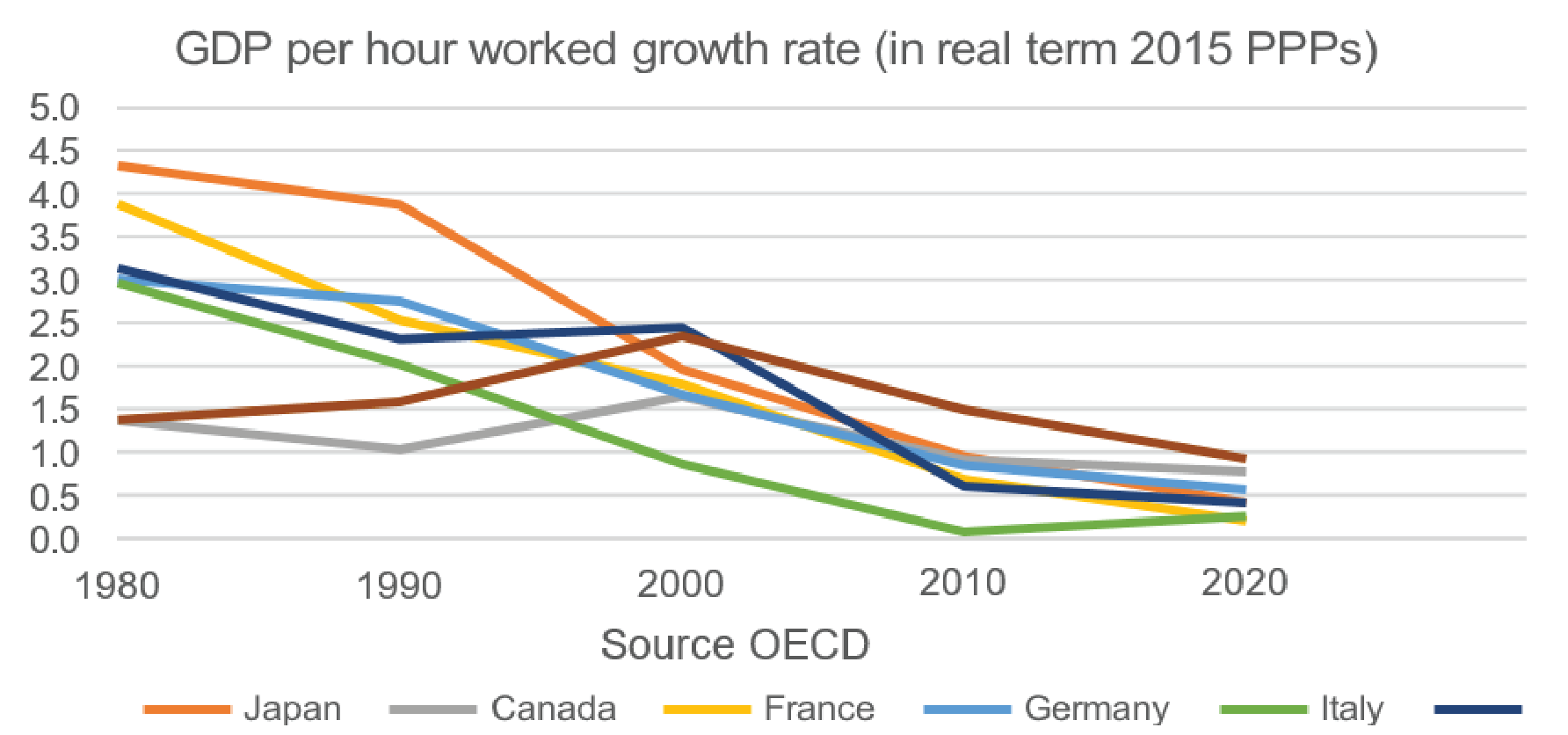
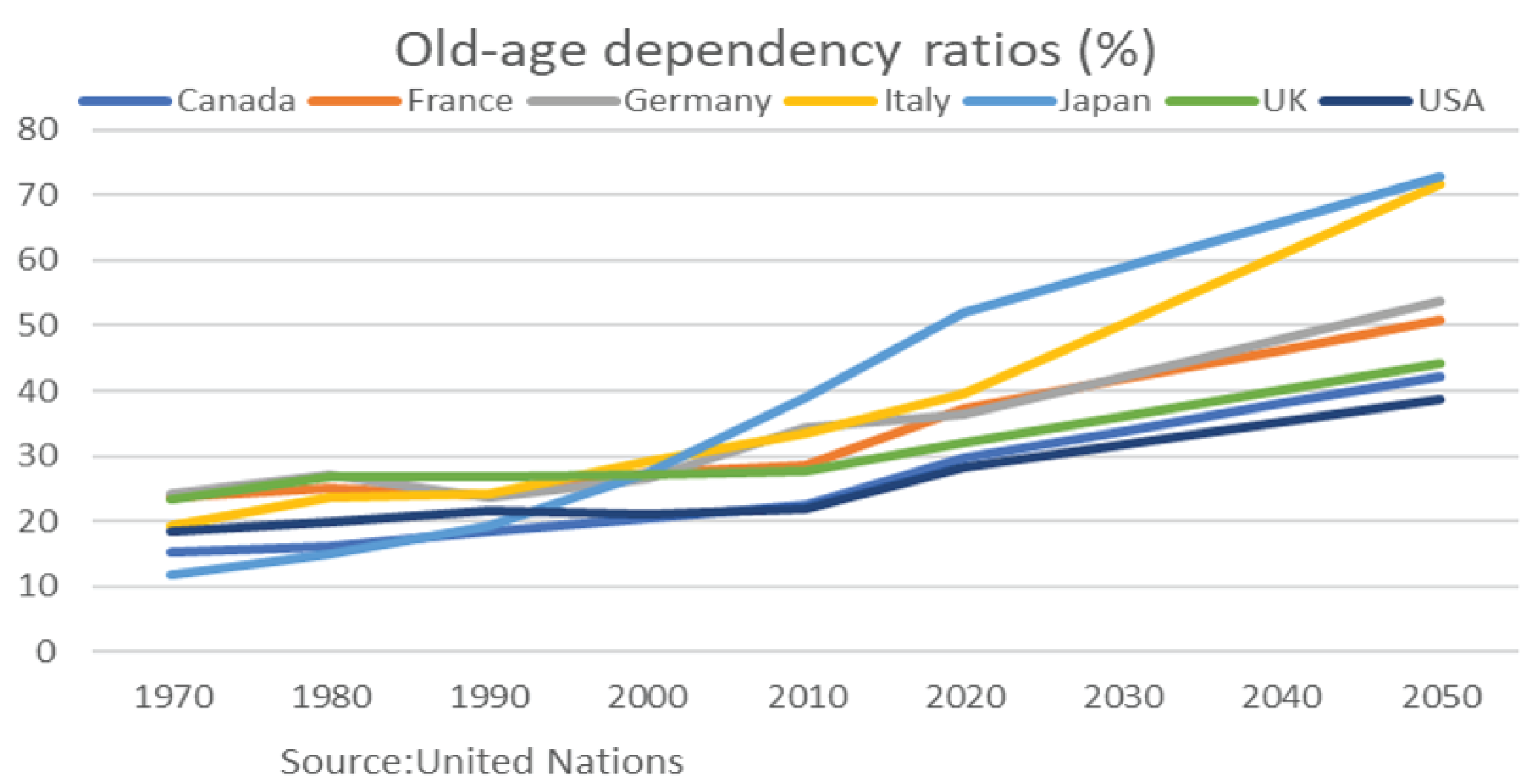


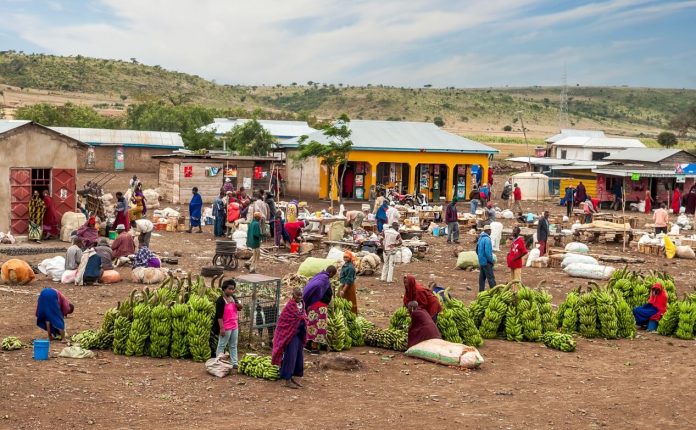
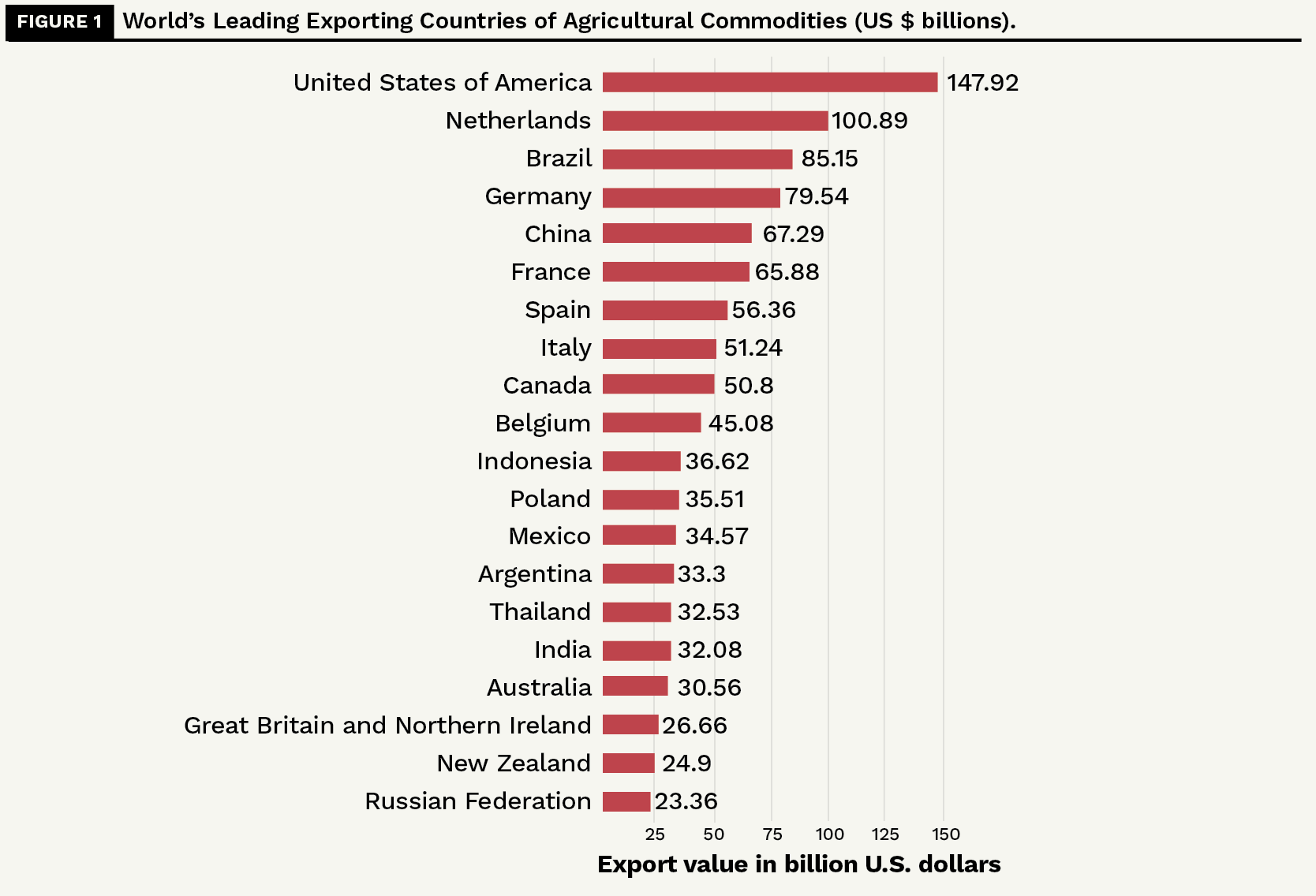
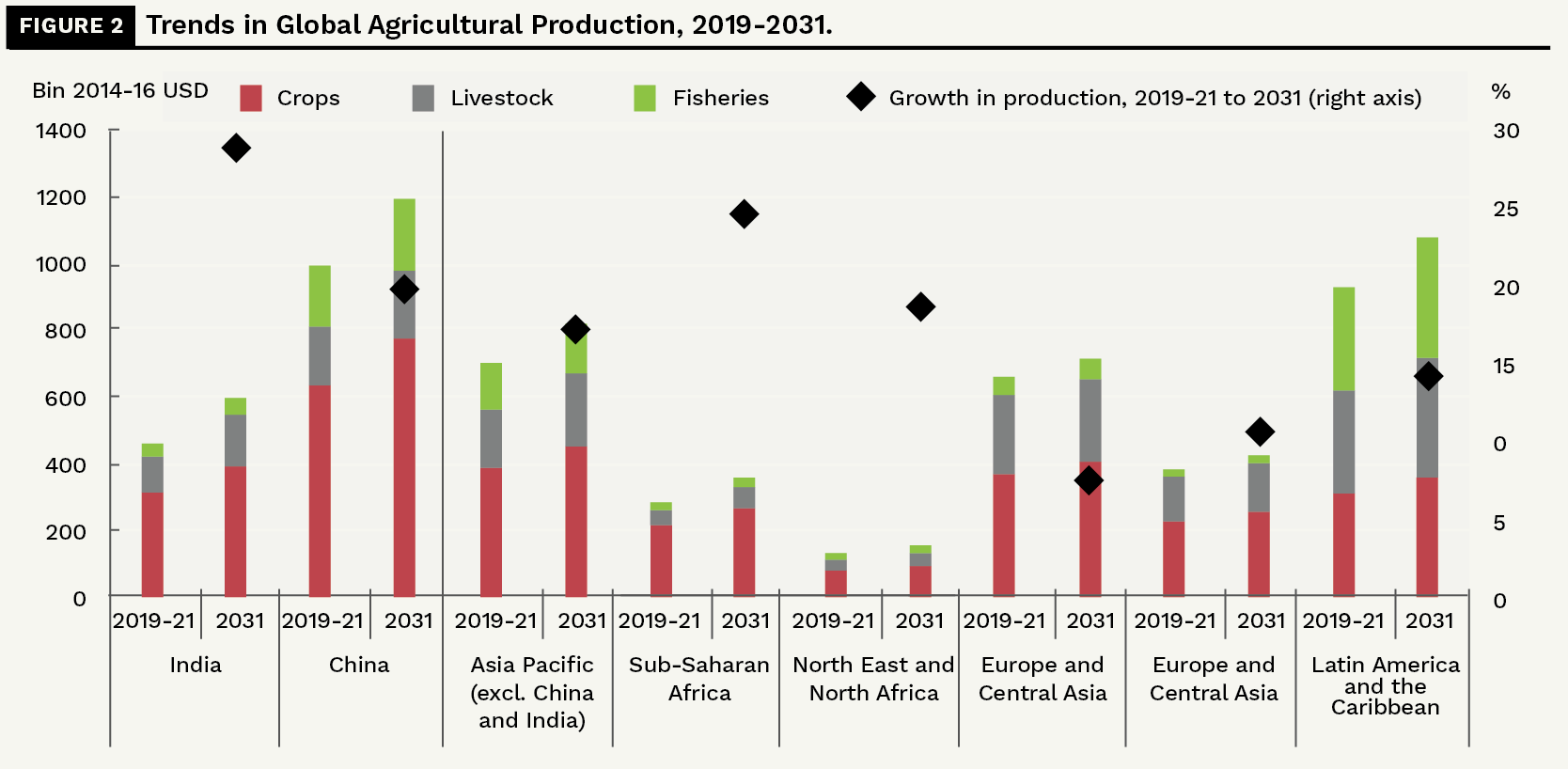
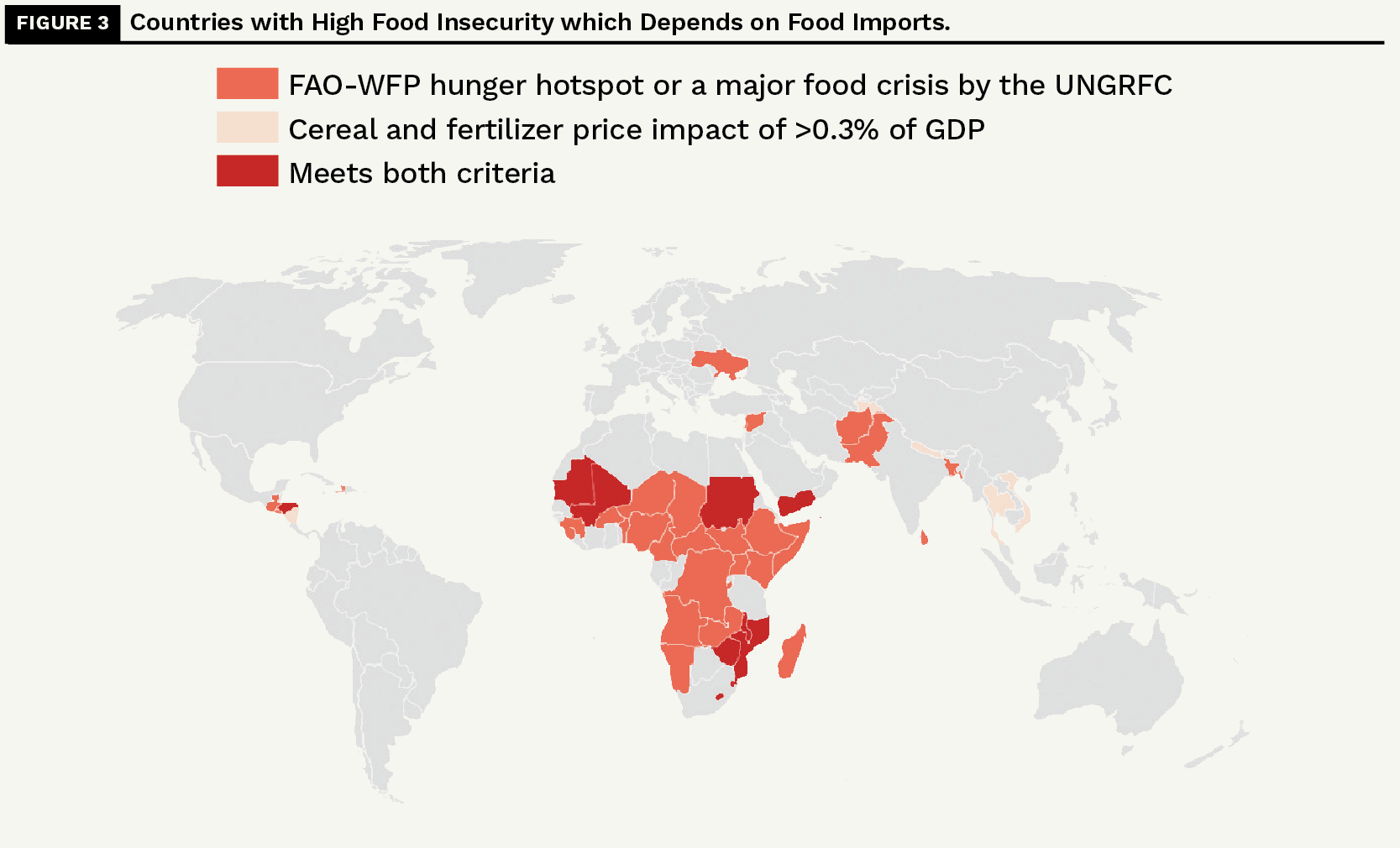
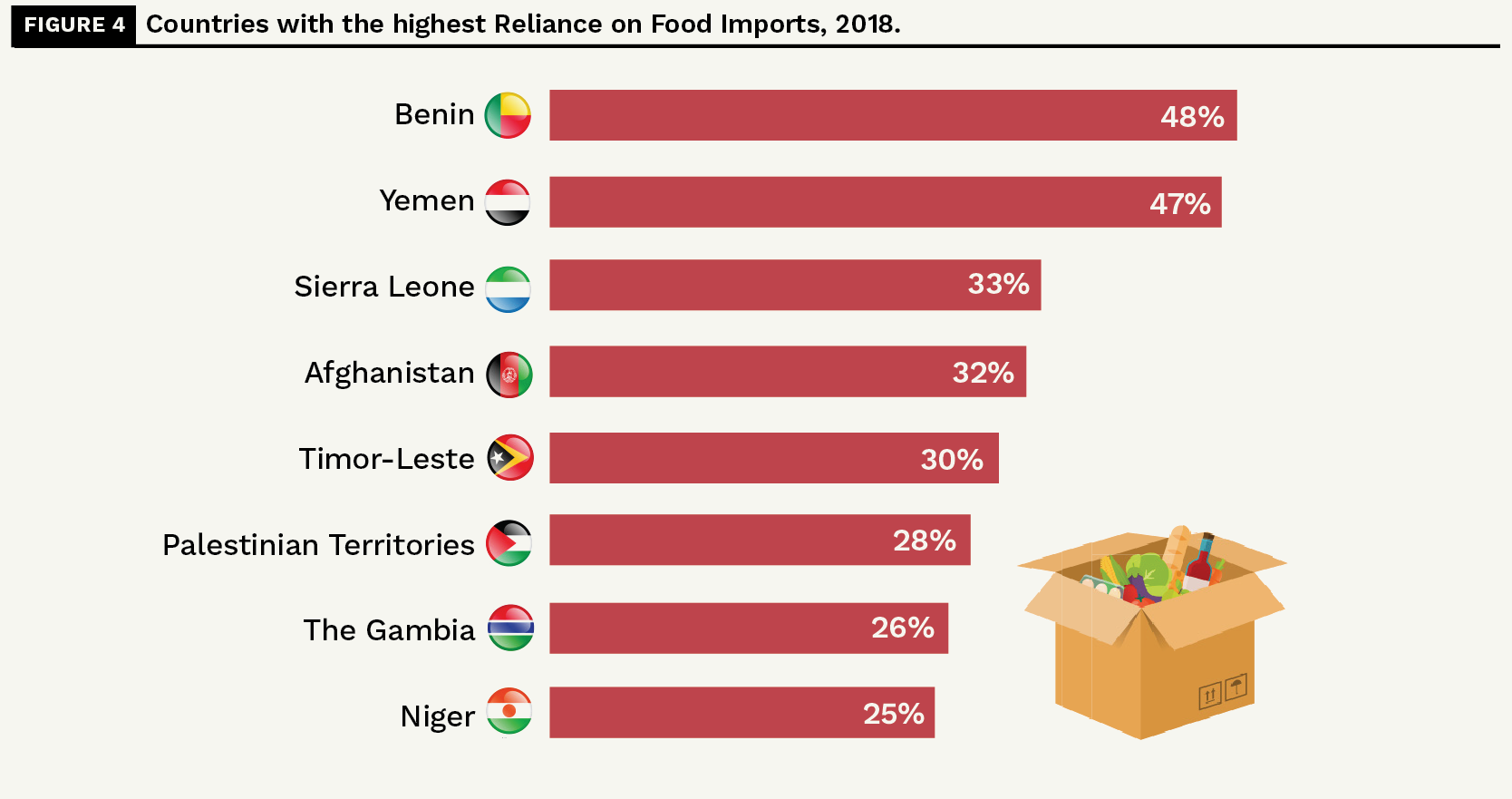
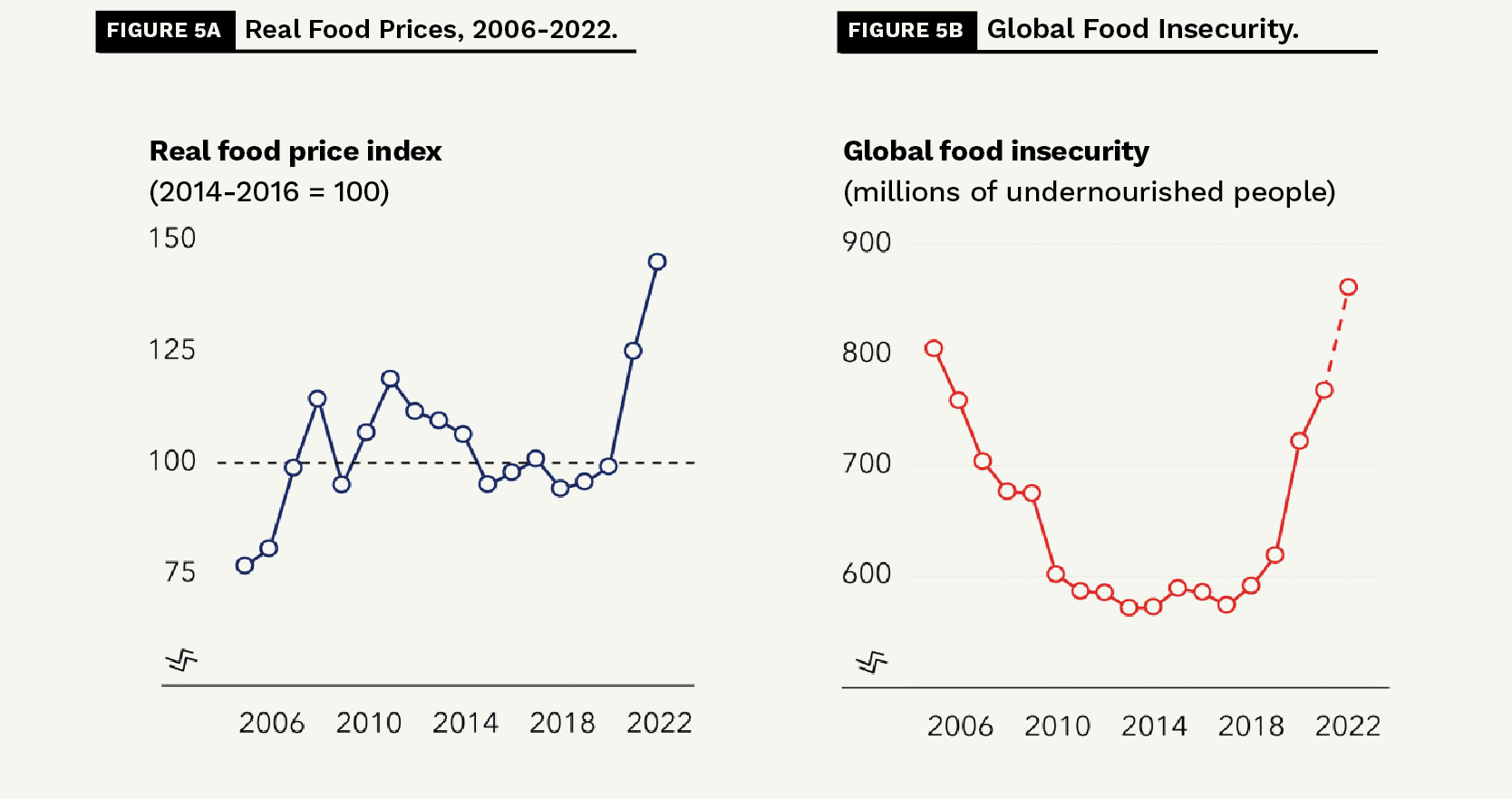
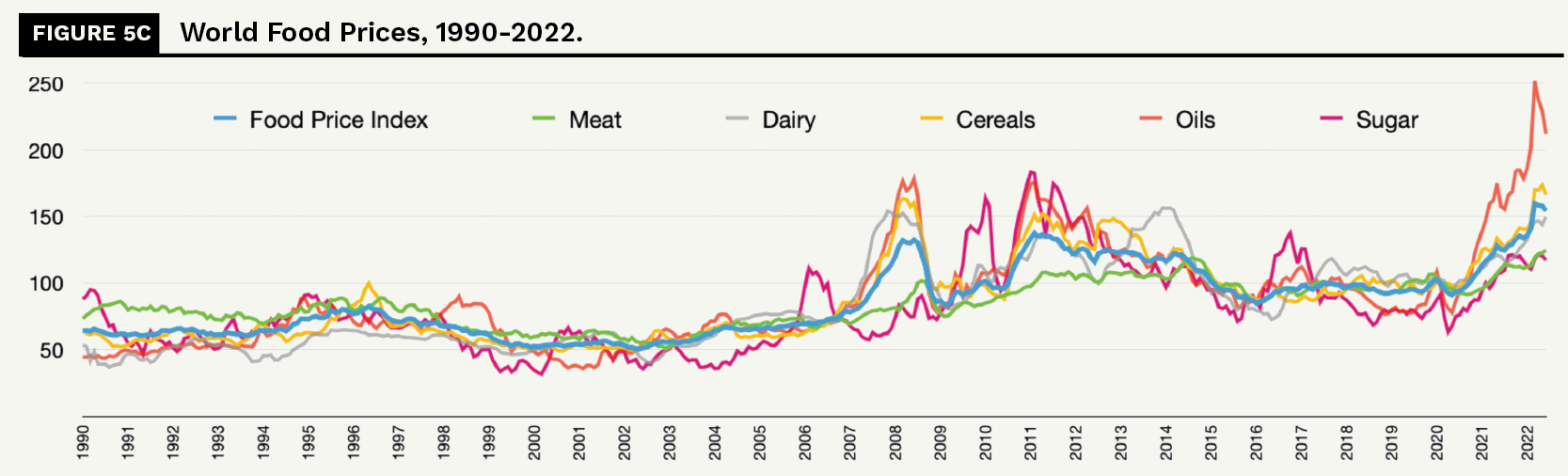
 Dr Kalim Siddiqui