Artificial Intelligence (AI) is transforming our world, driving advancements across various industries. However, as AI becomes more integrated into our daily lives, significant challenges emerge, particularly concerning gender bias. Addressing these biases is crucial for creating fair, effective, and inclusive AI technologies that benefit everyone. This article explores the need to raise awareness about gender bias in AI, discusses case studies highlighting solutions, and emphasizes the consequences of gender biases for individuals and businesses.
First concern: Raising Awareness of Gender Bias in AI
Gender bias in AI is a pressing issue. According to a Deloitte US report1 only 26% of AI jobs worldwide are occupied by women, highlighting a significant gender gap in the field. This underrepresentation leads to AI systems that often fail to recognize and address the needs of women, perpetuating gender biases. For example, recruiting algorithms may disadvantage women due to shorter work experiences, often a result of familial responsibilities, and voice recognition systems may struggle to accurately recognize female voices.2
Intersectionality and AI Bias
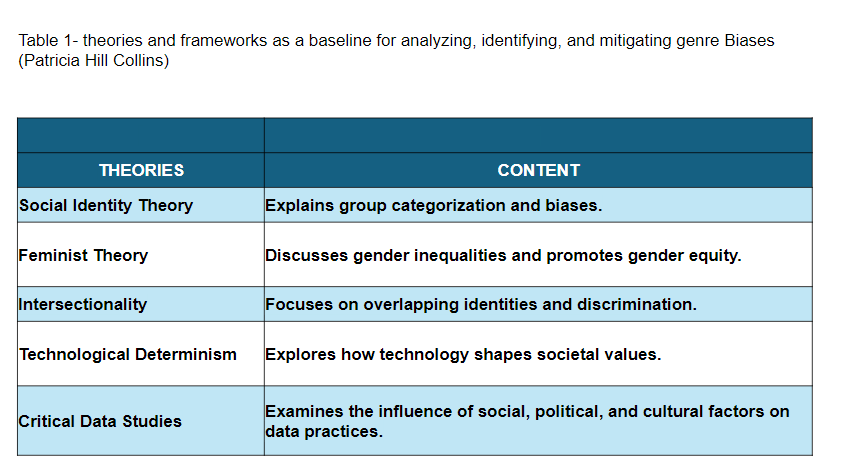
The concept of intersectionality, introduced by Patricia Hill Collins,3 helps us understand how multiple identity markers, such as race and gender, interact to exacerbate biases in AI systems. Intersectionality reveals that women of color, for instance, face compounded biases compared to their white counterparts, leading to higher levels of discrimination in automated decision-making processes. Recognizing these intricate patterns is the first step toward developing fair and inclusive AI technologies.4
Case Studies Highlighting Solutions
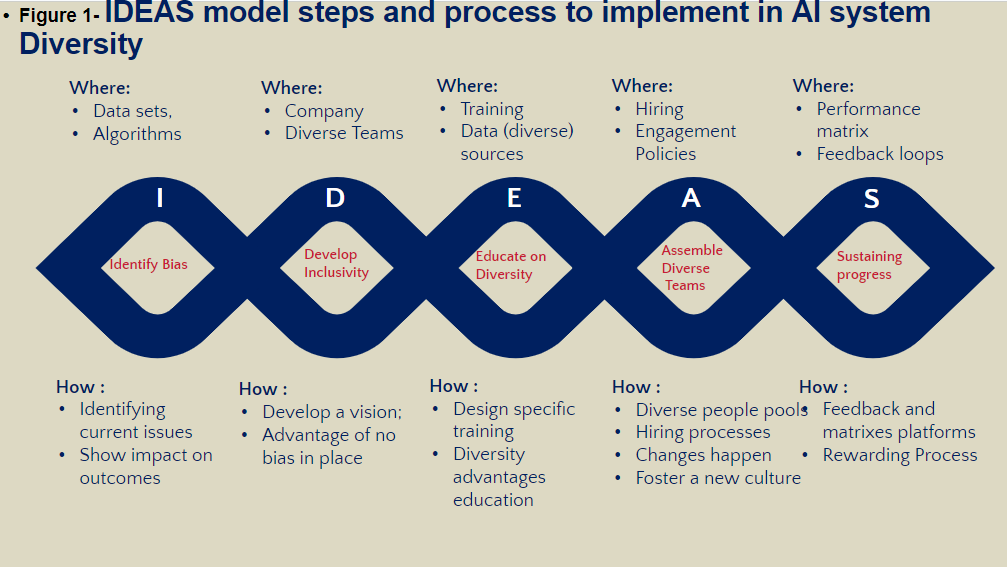
Recruitment Algorithms5 A notable example of gender bias in AI is Amazon’s recruitment algorithm, which was found to be biased against women because it had been trained on predominantly male resumes. Upon identifying this bias, Amazon discontinued the use of the algorithm, illustrating the importance of bias audits and corrective measures in AI development
IBM’s Hackathons and Mentorship Programs6 IBM has been proactive in fostering inclusivity through initiatives like hackathons and mentorship programs specifically designed for women in tech. These programs not only provide women with valuable opportunities to enhance their skills but also promote a culture of inclusivity and diversity within the tech industry
Google’s AI Fairness Program7 Google’s AI Fairness program trains its staff to recognize and mitigate biases in AI processes. By incorporating diverse data and inclusive practices, Google aims to reduce the prevalence of gender bias in its AI systems, demonstrating the effectiveness of educational initiatives in promoting gender equity.
Salesforce’s Inclusive Hiring Practices8. Salesforce focuses on recruiting from underrepresented groups to build diverse AI teams. This approach ensures that AI systems are developed with a broad range of perspectives, which is crucial for creating fair and unbiased technologies. Education and training programs that raise awareness about gender biases and promote inclusive practices among AI practitioners are crucial for long-term change.
Microsoft’s Continuous Monitoring9 Microsoft implements continuous monitoring and feedback mechanisms to support its efforts in promoting inclusivity. This ongoing assessment helps identify areas of improvement and ensures sustained progress in reducing gender bias
Implications of Gender Bias in AI
The presence of gender biases in AI has profound implications for both individuals and businesses. For individuals, biased AI systems can lead to unfair treatment and missed opportunities, particularly for women and other underrepresented groups. In the business context, gender bias can result in reduced innovation, poor decision-making, and a lack of trust in AI technologies.10
Impacts on Individuals
Biased AI systems can perpetuate stereotypes and discrimination, leading to unequal access to job opportunities, healthcare, and other essential services. Biased AI systems can lead to unfair treatment in areas such as hiring, healthcare, and finance, exacerbating existing inequalities for example, AI tools in healthcare may misdiagnose conditions in women due to male-biased data, resulting in inadequate treatment and poorer health outcomes.11
Impacts on Businesses12
Businesses that fail to address gender bias in their AI systems risk alienating a significant portion of their customer base, which can lead to reputational damage and financial losses. legal repercussions, and missed opportunities for innovation and market growth Moreover, companies that prioritize diversity and inclusivity tend to outperform their peers, as diverse teams bring a wider range of perspectives and ideas, driving innovation and creativity.
Roopa Prabhakar holds a master’s degree in Electronics & Communication Engineering and has over 20 years of experience in data & analytics and currently serves as a Global Business Insights Leader at Randstad Digital. She specializes in modernizing & migrating legacy technology towards AI-enabled systems, bridging traditional IT roles with AI-powered functions. As an independent researcher, Roopa focuses on gender bias in AI, informed by works from UN Women and the World Economic Forum. She is actively building a “Women in AI “community and champions “Women in Digital initiatives” within her company, aiming to increase female representation in AI and provide support for women in technology. Roopa is passionate about promoting ethical practices that address historical biases against women and continues to upgrade her skills to contribute positivity to the AI landscape.
Luca Collina’s background is as a management consultant He has managed transformational projects, also at the international level (Tunisia, China, Malaysia, Russia). He now helps companies understand how GEN-AI technology impacts business, use technology wisely, and avoid problems. He has an MBA in Consulting, has received academic awards, and was recently nominated for Awards 2024 by the Centre of Management Consultants for Excellence. He is a published author. Thinkers360 named him one of the Top Voices, Globally and in EMEA in 2023, and currently is among the 10# thought leaders in Gen-AI and 1# in Business continuity. Luca continuously upgrades his knowledge with experience and research to transfer it. He is ready to launch the interactive courses on “AI & Business” In September 2024.
References
Deloitte, 2023. Deloitte Women in AI. [online] Available at: https://www.deloitte.com/global/en/about/people/people-stories/deloitte-women-in-ai.html[Accessed 17 July 2024].
O’Connor, S., Liu, H. (2023) ‘Gender bias perpetuation and mitigation in AI technologies: challenges and opportunities’, AI & Soc.
Collins, P.H., 2019. Intersectionality as Critical Social Theory. Durham, NC: Duke University Press. Available at: https://www.dukeupress.edu/intersectionality-as-critical-social-theory[Accessed 17 July 2024]
González, A.S., Rampino, L. (2024) ‘A design perspective on how to tackle gender biases when developing AI-driven systems’, AI Ethics.
Amazon, 2023. How Amazon Leverages AI and ML to Enhance the Hiring Experience for Candidates. Available at: https:/www.aboutamazon.com/news/workplace/how-amazon-leverages-ai-and-ml-to enhance-the-hiring-experience-for-candidates [Accessed 24 July 2024].
IBM, 2023. IBM Pathfinder Mentoring Program. Available at https:/mediacenter.ibm.com/channel/IBM%2BPathfinder%2BMentoring%2BProgram/156911071 [Accessed 18 July 2024]
Google, 2023. Introduction to Responsible AI. Available at: https:/developers.google.com/machine learning/resources/intro-responsible-ai [Accessed 17 July 2024].
Salesforce, 2023. Develop Inclusive and Accessible Hiring Policies. Available at: https:/trailhead.salesforce.com/content/learn/modules/inclusive-and-accessible-hiring policies/develop-inclusive-and-accessible-hiring-policies [Accessed 20 July 2024]
UN Women (2024) ‘Artificial intelligence and gender equality’. Available at: https://www.unwomen.org/en/news-stories/explainer/2024/05/artificial-intelligence-and-gender-equality(Accessed: 20 July 2024).
Marsh McLennan, 2020. How Will AI Affect Gender Gaps in Health Care? Available at https://www.marshmclennan.com/insights/publications/2020/apr/how-will-ai-affect-gender-gaps-in health-care-.html [Accessed 20 July 2024].
Makinde, O.D., Babatunde, B.A., Fadiran, O.O., Adewumi, A.O. and Oladele, O.I., 2023. Assessment of novel bioresource materials for mitigating environmental pollution. Sustainable Environment Research
The seismic shift towards remote work catalyzed by the COVID-19 pandemic has forced organizations to rethink many aspects of their operations, including learning and development (L&D). Leslie Deutsch, Vice President of People Strategy for TEKsystems Global Services, provides insightful perspectives on the current state and future of remote learning in my interview with her. As she elaborates, “employees have different situations in different work environments and thus require unique learning experiences.” This necessity has driven a surge in leveraging technology to create flexible and personalized learning programs that can cater to the diverse needs of the workforce.
The New Era of Learning and Development
In the post-COVID era, companies have had to innovate rapidly to keep up with the changing landscape. TEKsystems, a technology solutions provider working with 80% of the Fortune 500, has been at the forefront of this transformation. Deutsch explains, “it’s really exciting, especially as we start utilizing virtual and immersive learning environments that they can learn by doing.” The adoption of cloud technology, AI, and extended realities such as augmented reality (AR), mixed reality (MR), and virtual reality (VR) has enabled the creation of realistic simulations. These tools provide a safe space for employees to practice and refine their skills, enhancing engagement and accessibility.
The adoption of cloud technology, AI, and extended realities such as augmented reality (AR), mixed reality (MR), and virtual reality (VR) has enabled the creation of realistic simulations.
One of the significant advantages of these technologies is their ability to ensure that learning materials are accessible to all employees, regardless of their location. This democratization of learning resources means that remote workers can access the same quality of training as their in-office counterparts, which is crucial for maintaining a level playing field. As Deutsch notes, “it allows all employees, not just those in the office, to access the necessary tools to become more productive, creating more value for the entire organization.”
Personalized and Data-Driven Learning
The integration of AI into L&D programs has brought about a revolution in how training is delivered and consumed. These technologies can tailor learning experiences to individual needs and provide real-time feedback, which is invaluable for continuous improvement. “As artificial intelligence and machine learning continue to evolve, we can use these tools to further individualize that learning and provide real-time feedback and generate personalized learning content,” says Deutsch.
The ability to gather and analyze quality data is another critical factor. Organizations can now make informed decisions based on comprehensive insights into their employees’ learning progress and needs. This data-driven approach helps companies to identify skill gaps and target their upskilling and reskilling efforts more effectively. “With quality data, we can help make informed decisions that influence and make people better at their jobs,” Deutsch adds.
Overcoming Challenges in Hybrid and Remote Learning
While the benefits of remote learning are clear, it is not without its challenges. One significant issue: “remote learners can feel really isolated and less motivated,” Deutsch acknowledges. This can be exacerbated by videoconferencing fatigue, a common issue in the remote working environment.
To mitigate these challenges, it is essential to use technology to measure engagement levels and make real-time adjustments to improve the learning experience. Deutsch highlights the importance of creating a positive learning environment that fosters growth opportunities and keeps employees engaged, regardless of whether the program is hybrid, virtual, or in-person.
The Importance of Human and Cultural Aspects in Learning
Beyond technical skills, understanding the cultural and operational nuances of an organization is crucial for new employees. These aspects are often conveyed through mentoring and on-the-job training, which can be more challenging to replicate in a remote setting. “It’s easier in person to get them together physically and have those side conversations,” Deutsch notes, but she also emphasizes that it is not impossible to achieve this in a remote environment.
Effective remote mentoring requires open lines of communication: “more frequent touch points and being more deliberate with the mentoring is key,” Deutsch advises. For onboarding, clear milestones and expectations are critical to ensure new hires integrate smoothly into the company culture and understand their roles.
The Role of Generative AI in Learning and Development
By leveraging AI to provide personalized learning content and feedback, organizations can ensure that employees are building the relevant skills needed for their current roles and future growth.
Generative AI holds immense potential to transform L&D by providing more personalized and scalable learning experiences. Deutsch envisions a future where generative AI plays a central role in capturing and conveying organizational knowledge, thus bridging the gap between remote and in-person learning. “Generative AI can become a powerful tool in the learning and development landscape,” she asserts.
By leveraging AI to provide personalized learning content and feedback, organizations can ensure that employees are building the relevant skills needed for their current roles and future growth. This technology can also facilitate better access to diverse learning resources, making it easier for employees to continue their development regardless of their location.
Future Outlook for Learning and Development
Looking ahead, the evolution of learning and development will be closely tied to the ongoing advancements in technology and the changing dynamics of the workplace. As Deutsch points out, “executives really have to look to align their learning tactics, their tools, their technologies to their business goals and then meet their individuals and their team members where they’re at.”
The focus will be on creating multifaceted workforce strategies that support both current and future skill needs. This approach will not only help in employee retention but also ensure that organizations are prepared for the rapid technological changes that lie ahead. “Creating that workforce strategy that meets the needs and desires of the workforce as a whole, regardless of location, is mission critical,” Deutsch concludes.
Thus, according to Deutsch, remote learning, when supported by the right technology and strategies, can be just as effective as in-person learning. By embracing the innovations in AI, cloud computing, and immersive environments, organizations can provide flexible, personalized, and engaging learning experiences that meet the diverse needs of their workforce – and that’s what I’ve seen with clients I helped figure out their hybrid and remote work models. The future of learning and development is undoubtedly bright, with technology playing a pivotal role in shaping the way we learn and grow in a distributed world.
As tech firms moving to Chicago reshape the city’s economic landscape, you might wonder how this shift affects everyday life here. Chicago, known for its history and strong work ethic, now hosts a wave of technology-driven prosperity. This transition isn’t just about job creation; it’s about empowering communication globally, influencing local communities, and setting a foundation for sustainable growth.
Historical Context
Before this influx, Chicago’s economy relied heavily on manufacturing and financial services. The city has always been a hub for industrial giants, but as times changed, so did the economic focus. Now, with tech firms planting roots, a fresh wave of economic activity breathes new life into the region.
Several prominent tech firms have recently set up shop in Chicago, each bringing unique opportunities and challenges to the city’s economic landscape. Some of the most impactful ones are:
Google, for instance, expanded its operations in the Fulton Market district, a move that brought over a thousand jobs to the area and catalyzed further development in the neighborhood.
Similarly, Salesforce marked its territory by inaugurating Salesforce Tower Chicago, promising to create thousands of jobs and invest in community development programs.
These companies, along with others like Uber, which opened a large office in the Old Post Office building, signify a trend: tech giants are not just moving to Chicago, they are becoming integral parts of its revitalization, stimulating local businesses and reshaping the city’s skyline. This influx has turned Chicago into a tech hub, attracting more companies to consider it as a base for operations.
Economic Impact
The biggest impact of this trend is on the economy, as it affects the job market, the real estate market and so much more.
Job Creation
Tech companies bring a host of new jobs, from software developers to customer service reps. This variety helps lower unemployment rates of 7.10% and offers more career options for residents relocating to Illinois. Many of them decide to take this step exactly to get a job. There was a significant drop in unemployment in the area, attributed directly to these new opportunities.
Real Estate Development
As tech firms expand, the demand for office space rises. This trend benefits landlords and property developers but also spills over into the housing market, where prices reflect the increased desirability of living near these burgeoning workplaces. But with remote work rising in popularity, not so many people work in the standard office setting anymore. Because of this, remote work is affecting the real estate market, too.
Local Business Growth
Local cafes, gyms, and retail shops see more foot traffic than ever. The economic ripple effect of tech firms supports small businesses and encourages new ones to open. The presence of coworking spaces boosting local economies stands as a testament to the collaborative spirit that tech companies foster. These spaces often serve as incubators for innovation and community engagement, further driving local business growth.
Cultural and Social Implications
The arrival of tech companies also shifts the culture of Chicago. These firms often bring diverse workforces, which influence local culture through new restaurants, cultural festivals, and community projects. Schools and universities collaborate with tech giants to prepare students for future careers in technology, creating a cycle of continuous improvement and innovation.
Nothing is without bad sides. As good as this change is for Chicago, there are also challenges to look out for in the future.
Infrastructure Demands
As more tech firms move to Chicago, the city faces significant challenges. First, public transport and road networks must handle increased daily commutes. Likewise, the surge in housing needs could strain current resources.
These developments make city planning more complex but also vital for sustainable growth.
Potential Drawbacks for Residents
The cost of living in Chicago has seen a steady rise, a direct result of the economic uplift brought by tech firms moving to Chicago. While higher salaries in tech, rating from $103,000 to $132,000 per year can offset these costs for some, others find themselves priced out of neighborhoods they once called home. This gentrification can lead to a loss of cultural heritage and community displacement, which is a tough pill to swallow for many longtime residents.
Moreover, embracing sustainability proves challenging as the city adapts to its new economic reality. Balancing growth with environmental concerns remains a pressing issue, as more buildings and infrastructures require energy, water, and waste management solutions.
You Can Join The Trend Of Tech Firms Moving to Chicago
If you’re planning to move to Chicago, whether to seize a new job opportunity or to expand your business, the thought of moving might make you want to give up. However, with the right support, it can be a smooth and stress-free experience. Golan’s Moving & Storage, with a rich history since 1990, stands ready to assist. Starting with just one truck and a dedicated team, they’ve grown by simplifying the moving process for countless clients, evolving from local moves in Chicago to managing complex relocations across states and even internationally.
For residential moves, whether you’re transitioning from a small studio to a spacious family home, Golan’s ensures that your belongings are handled with care. For businesses, they are adept at relocating everything from modest offices to sprawling corporate spaces, minimizing downtime so you can focus on what matters. Their commitment to making your move easy hasn’t wavered over the years. To learn more about how they can help simplify your move to Chicago, visit golansmoving.com now.
Future Outlook
Economic analysts predict that if the current trend continues, Chicago could rival Silicon Valley as a tech hub within a decade. Such growth could transform the city, presenting both opportunities and challenges. Local government plans to capitalize on this tech surge include:
Investing in tech-focused education programs.
Expanding public transport options to accommodate the growing workforce.
Promoting affordable housing to aid those displaced by gentrification.
The influence of tech firms moving to Chicago is profound. The effects are visible across the board. However, as we celebrate these advances, it’s crucial to address the challenges they bring. So whether you are a business owner or an employee of a Chicago tech firm, make sure to make the most of this beautiful city!
Choosing the right student accommodation is a crucial step in ensuring a successful and enjoyable academic experience. As a student, your living environment can significantly impact your studies, social life, and overall well-being. The right accommodation can provide a conducive atmosphere for learning, a supportive community, and the convenience of being close to essential services and amenities. With numerous options available, ranging from university dormitories to private rentals, it’s essential to know what to look for to make an informed decision. This guide will walk you through the key factors to consider when selecting student accommodation, helping you find a place that meets your needs and enhances your college experience.
Location and Proximity
One of the most important factors to consider when choosing student accommodation is its location. Proximity to your university or college can save you valuable time and money commuting, allowing you to focus more on your studies and extracurricular activities. Living close to campus means you can easily access university facilities such as libraries, study centers, and gyms, which are vital for academic success and physical well-being. Additionally, consider the neighborhood’s safety and vibrancy; it’s crucial to feel secure and access essential amenities like grocery stores, pharmacies, and public transport.
Budget and Affordability
Your budget will play a significant role in determining your accommodation options. It’s essential to calculate how much you can afford to spend on rent each month without compromising other necessary expenses such as food, transportation, and study materials. Look for accommodations that offer good value for money, considering what is included in the rent, such as utilities, internet, and maintenance services. Don’t forget to factor in any additional costs, like security deposits, agency fees, and potential price increases during your stay. Being mindful of your budget will help you avoid financial stress and ensure you have enough funds to cover all your living expenses. Consider seeking accommodations that offer flexible payment plans or student discounts, and explore potential financial aid options or scholarships that can help offset your housing costs.
Facilities and Amenities
The facilities and amenities offered by student accommodations can greatly affect your living experience. Look for properties that provide essential facilities such as laundry rooms, common areas, study rooms, and kitchen facilities. High-speed internet access is crucial for your academic work and staying connected with family and friends. Additional amenities like a gym, bike storage, or on-site maintenance services can enhance your comfort and convenience, making your student life more enjoyable. Consider the quality and maintenance of these facilities, as well as the availability of social spaces where you can interact with other students, so this will help you easily find your perfect Houston student apartment space, for instance. Access to recreational amenities such as game rooms, lounges, and outdoor areas can provide opportunities for relaxation and socialization, contributing to a balanced and fulfilling student life.
Room Types and Living Arrangements
Consider the type of living arrangement that suits your preferences and lifestyle. Student accommodations often offer a variety of room types, from single rooms to shared apartments or dormitories. Think about whether you prefer living alone or with roommates. Shared accommodations can be more affordable and provide opportunities to make new friends and build a support network. At the same time, a single room might offer more privacy and a quiet space for studying. Evaluate the size of the rooms, the quality of furnishings, and the overall condition of the property before making your decision. Consider the impact of your living arrangement on your daily routine, study habits, and social life. Reflect on past experiences and personal preferences to determine the best fit for your needs, and don’t hesitate to ask current or former residents about their experiences to gain insights into the living environment.
Security and Safety
Your safety should be a top priority when choosing student accommodation. Investigate the security measures in place at the property, such as secure entry systems, CCTV cameras, and on-site security personnel. Check if the neighborhood is known for being safe and whether there is adequate street lighting and well-maintained pathways. It’s also beneficial to find out if the accommodation has policies in place for emergencies and how they handle maintenance issues to ensure a safe living environment. Consider the presence of fire safety measures, such as smoke detectors, fire extinguishers, and clear evacuation routes. Understanding the security protocols and emergency procedures will give you peace of mind and help you feel secure in your new home.
Selecting the right student accommodation requires careful consideration of various factors, from location and budget to facilities and security. Remember, your living environment plays a significant role in your overall university experience, so choose wisely to make the most of your student life. Investing effort in finding the perfect accommodation will pay off by providing a stable and supportive home where you can thrive academically, socially, and personally, making your college years both productive and memorable.
As the 2024 Summer Olympics unfold in Paris, the event is proving to be one of the most politically charged in decades. The Russian invasion of Ukraine has led to the International Olympic Committee (IOC) barring Russian and Belarusian athletes from competing under their national flags, requiring them to participate as Individual Neutral Athletes. Additionally, the ongoing Israel-Hamas conflict has sparked protests and calls for Israel’s exclusion from the Games, heightening tensions in France, which has significant Jewish and Muslim populations.
Domestically, France is grappling with political instability following snap parliamentary elections that resulted in a hung parliament. This uncertainty, combined with logistical challenges like the River Seine’s contamination, complicates the landscape in which the Paris Olympics are taking place. Despite efforts to focus on athleticism, the interplay of international and local political dynamics ensures
When you’re involved in a car accident in Charlotte, it can be a stressful and overwhelming experience. Dealing with injuries, insurance companies, and legal paperwork is often too much to handle alone. This is where a car accident lawyer near you can make a significant difference. At Rosensteel Fleishman Car Accident & Injury Lawyers, Corey Rosensteel and Matthew Fleishman are dedicated to helping you navigate this challenging time and work towards getting the compensation you deserve.
Understanding the Role of a Car Accident Lawyer
A car accident lawyer’s primary role is to advocate for your rights and interests after an accident. They handle all the legal aspects, so you can focus on your recovery. Here’s how they can help:
Investigating the Accident: A thorough investigation is crucial to building a strong case. Your attorney will gather evidence, speak with witnesses, and reconstruct the accident scene if necessary.
Dealing with Insurance Companies: Insurance adjusters may try to minimize your claim. An experienced attorney knows how to negotiate with them to ensure you get fair compensation.
Filing Legal Documents: There are numerous forms and deadlines in a car accident case. A lawyer ensures all paperwork is correctly filed and on time, preventing any delays or mistakes that could hurt your case.
Why Hire a Car Accident Lawyer Near Me?
Choosing a local attorney offers several advantages. A Charlotte car accident lawyer is familiar with North Carolina laws and understands the local court system, which can be beneficial for your case.
Local Knowledge and Experience
A local lawyer brings invaluable knowledge and experience to your case. They understand the nuances of local traffic laws and have relationships with local courts and other professionals who can support your claim.
Personalized Attention
When you choose a lawyer near you, you benefit from more personalized service. It’s easier to schedule meetings and discuss your case in person, ensuring better communication and a stronger attorney-client relationship.
How Rosensteel Fleishman Car Accident & Injury Lawyers Can Assist You
Rosensteel Fleishman is a top-ranked personal injury law firm in Charlotte, North Carolina, with a focus on car accident cases. Corey Rosensteel and Matthew Fleishman are seasoned attorneys known for their dedication and expertise.
Comprehensive Legal Support
From the moment you engage with Rosensteel Fleishman, you receive comprehensive legal support. They handle everything from initial consultations to courtroom representation. Their goal is to alleviate your burden and guide you through every step of the process.
Successful Track Record
Rosensteel Fleishman has a proven track record of winning significant settlements and verdicts for their clients. Their success is built on thorough preparation, strategic negotiation, and aggressive advocacy in court.
Why You Should Choose Rosensteel Fleishman Car Accident & Injury Lawyers
Choosing Rosensteel Fleishman means opting for a team that is committed to your case’s success. Corey Rosensteel and Matthew Fleishman bring a wealth of experience and a personal touch to every case they handle.
Rosensteel Fleishman’s client-centered approach ensures that your needs and concerns are always a priority. They take the time to understand your situation, answer your questions, and provide clear, straightforward advice.
Expert Legal Advice
With Rosensteel Fleishman, you get expert legal advice tailored to your unique circumstances. They leverage their extensive knowledge and experience to craft a strategy that aims to achieve the best possible outcome for your case.
Contact Rosensteel Fleishman for Your Car Accident Case
If you or a loved one has been involved in a car accident in Charlotte, don’t hesitate to seek legal help. Contact Rosensteel Fleishman Car Accident & Injury Lawyers at 1-704-714-1450 for a free consultation. They are ready to assist you with compassion and expertise, helping you get the justice and compensation you deserve.
Cryptocurrencies are exciting but confusing, and choosing a wallet for your cryptocurrencies is one of the most significant decisions. Due to the emergence of digital currencies in India, many unique crypto wallets exist to fulfil users’ needs.
Knowing your wallet is significant in your trading experience, whether you are a new or professional trader. From enhanced security features to easy navigation, the world’s ideal wallet is just around the corner to protect your investments and make trading as easy as possible. In this article, you will find the best cryptocurrency wallets in India to help you make the right choice.
What Are Crypto Wallets?
A crypto wallet is a software application that holds the user’s money and controls the keys for the user’s public and private addresses. Cryptocurrency is just code on a blockchain, and owning it means having a set of public and private keys. The public key is like an account number where your cryptocurrency is located, but it doesn’t grant you the ability to transact.
The private key, on the other hand, holds and authenticates your identity as the owner and provides you access to the assets. This is why your private key is so important; if you lose it, you lose control of your crypto, and whoever gets a hold of it will have complete control. The phrase “Not your keys, not your coins” clearly emphasises the significance of owning private keys.
5 Best Crypto Wallets in India
Selecting the ideal crypto wallet is crucial for the organisation and security of cryptos. Here are some of the best crypto wallets currently available for users in the Indian market, and each has unique characteristics that set it apart from the others.
1. Coinbase Wallet Web3
Coinbase Wallet Web3 is a hot wallet product provided by Coinbase, one of the best cryptocurrency exchanges. It can accommodate hundreds of thousands of cryptocurrencies and integrates seamlessly with multiple popular decentralised crypto exchanges (DEXs) such as Uniswap, Sushiswap, and 1inch.
Although Coinbase supports Bitcoin only in its mobile app, Coinbase Wallet Web3 is compatible with cold storage through Ledger. Users can store their cryptocurrencies offline together with Coinbase for added security.
2. MetaMask Wallet
MetaMask is a mobile application and browser extension that interacts with the Ethereum blockchain to store, receive, and transfer Ethereum and ERC-20 tokens. Developed in 2016 by Aaron Davis and Dan Finlay, it is an extension of browsers such as Google Chrome that ties them to the Ethereum blockchain.
This wallet allows users to engage with Ethereum-based decentralised service interfaces without necessarily requiring them to download the entire Ethereum blockchain. MetaMask injects a Web3 object into the sites, thus improving the interaction with Ethereum by overlaying it onto the sites without compromising the sites’ structure.
3. Crypto.com DeFi Wallet
Crypto.com DeFi Wallet is explicitly designed for use in the DeFi space. Some cryptocurrencies include Bitcoin, Ethereum, and USD coin, embracing over 800 coins. Users can stake coins such as Cosmos’ Atom and Crypto. That company’s native token is Chronos (CRO).
The wallet has 2-factor Authentication, Password Protection, and Biometric Security features. Although Crypto. Com had a security issue in January 2022 but was not with the DeFi Wallet, so your cryptocurrencies will be safe.
4. Exodus Crypto Wallet
Exodus currently offers over 225 types of cryptocurrencies, and besides the simple and intuitive design of the platform, there are many materials for novices. It also has an in-built decentralised exchange and staking market for trading and staking several cryptocurrencies. With Trezor, one of the most reputable cold storage solutions, Exodus provides secure offline storage for your assets. Being an organisation that significantly values education, Exodus has an extensive library of teaching videos and tools to help users navigate cryptocurrencies and use them properly regardless of their level of expertise.
5. WazirX Crypto Wallet
WazirX is the largest Bitcoin wallet provider in India. It provides a safe and easy-to-use environment for purchasing, selling, and exchanging Bitcoin and other altcoins such as Ethereum, Litecoin, Ripple, etc. As an Indian-based exchange, WazirX supports more than 100 cryptocurrencies and offers a reliable exchange with various layers of protection.
It optimises trading by handling addresses within the blockchain so users can trade using the ledgers. The wallet also confirms ownership and safety by using basic details such as private keys to manage and use the assets, making it popular among traders in India.
How To Choose A Crypto Wallet?
Choosing the right digital wallet ensures your virtual currencies are secure. As for the variety of wallets, several essential aspects must be considered to protect your cryptocurrencies and be able to use them whenever you need them.
Security
The wallet you choose should have strong measures to ensure it cannot be accessed by anyone else. Choose periodically locked wallets with a PIN, face recognition, or fingerprint sensor. These measures protect your property, especially if the device is lost or stolen.
Reputation
The credibility of the wallet provider is crucial. Check the forums and review platforms to gather as much information about the wallet as possible. A wallet with lots of positive feedback is usually safer to use and has fewer chances of having security issues.
Access to Private Keys
Make sure your wallet has an option to view your private key. The private key is significant for governing your digital resources. Without these keys, the shareholder does not own the asset, as custody lies with the custodian.
Backup Features
Select a wallet that can be easily managed and backed up with private keys. A good wallet should also help store and recover keys, which may prove essential when you have several wallets or other assets.
Fee Customization
Choose a wallet that allows you to control the transaction fees you pay. Options like preset fee options or manual fee settings can help you maintain the speed and price of transactions.
Multisig (Shared Wallets)
Reflect on wallets with multi-sig capabilities, where at least two people must sign for the transaction. This increases security by involving many parties during the transaction, thus protecting your goods and services from the wrong hands.
Conclusion
Selecting the proper Crypto Wallet is significant for encrypting your coins and simple usage of Crypto Currencies. Popular and well-known wallets in India include Coinbase Wallet Web 3, Meta Mask, and Crypto. Com DeFi Wallet, Exodus, and WazirX have something unique to offer, including extensive asset type support, security, and other features.
Select the appropriate wallet to meet user needs and improve cryptocurrency storage by analysing factors like protection, reliability, private critical availability, backup tools, fee control, and multi-sig features.
Those reaching retirement age often also find themselves becoming eligible for Medicare. Once you begin learning about your enrollment and options, deciding on how to pick a Supplement Plan (Medigap) soon becomes a topic of discussion.
With the many plans available, you need to compare the different coverage options and costs, which can be overwhelming, to say the least. However, once you have a good understanding of all the factors that go into this and the steps to take, you’ll be able to choose a Medicare supplement policy that meets your healthcare needs and fits your budget.
Before you pick a Medicare Supplement Plan, be sure you understand the basics of Original Medicare and your coverage options. Especially after coming off of employer insurance, the way Medicare works can be a little confusing. Medicare consists of Part A and Part B and comes from the federal government. These two parts provide coverage for inpatient hospital stays, doctor visits, skilled nursing facility care, outpatient surgeries, and other medical services.
While Original Medicare takes the brunt of many of your healthcare expenses, it doesn’t cover everything at 100%. That’s where Medicare Supplement Plans come in.
Take the Time to Learn about each of the Medicare Supplement Plans
Currently, there are 10 standardized Medigap plans on the market. Supplement Plans are standardized insurance policies offered by private insurance companies to fill the gaps in Original Medicare coverage.
The 10 standardized plans available, labeled A through N, each provide you with different levels of coverage. For example, Plan F offers the most comprehensive coverage, while other plans may have lower premiums but cover fewer expenses and require more cost-sharing from your end.
However, Plan F is only available to those who became eligible for Medicare prior to January 1, 2020. This means that after comparing the coverage to the other plans, you’ll find Plan G and N to be next on the list of the most comprehensive plans. Review each plan’s benefits carefully to determine which one best meets your healthcare needs and financial situation.
Evaluate Your Healthcare Concerns and Finances
When choosing a plan, there are multiple factors to consider, such as your current health status, anticipated medical expenses, and your budget. If you suspect you’ll need frequent medical care or have a chronic health condition, you may want to opt for a plan that offers fuller coverage.
On the other hand, if you’re relatively healthy and don’t foresee many healthcare expenses, you might choose to roll the dice to be able to save money by selecting a plan with lower premiums but higher out-of-pocket costs.
Compare Costs
Although Supplement plans are standardized in terms of medical coverage, the cost of your monthly premium can vary significantly from one insurance company to another. It’s important to compare, as there are multiple factors that play into your costs, such as location, age, gender, zip code, and tobacco use.
A Medicare broker can help look at things like competitive pricing, rate increase history, and how the company provides customer service to enrollees.
Research Multiple Insurance Companies
When choosing a Medicare Supplement Plan, look at reputable insurance companies with a solid financial rating and a history of providing excellent customer service. Research insurance companies online, read customer reviews, and consider factors such as the company’s financial stability, claims processing efficiency, and customer satisfaction ratings.
Although one of the more important factors, price is not the only one you want to consider. A reliable insurance company ensures that you’ll receive prompt and dependable assistance when you need it most, which you may find worth it if it comes down between a more reputable company that costs $15 more and a less reputable company offering a lower premium.
Review The Plan Benefits and Coverage
Once you’ve narrowed down your options to a few Medicare Supplement Plans and insurance companies, carefully review each plan’s benefits and coverage details. Pay close attention to what is covered, what is not covered, and any limitations or exclusion.
Additionally, you want to ensure the plan provides coverage for the services and treatments you anticipate needing and that the coverage aligns with your healthcare preferences and priorities.
Consult with a Licensed Insurance Agent
Navigating all the different plan options and companies can be challenging, especially for those unfamiliar with the healthcare system. Consider reaching out to a licensed Medicare broker who specializes in assisting with this.
An experienced agent can help you understand your options, compare plan benefits, answer specific Medicare questions based on your individual situation, and be there to help navigate you throughout the entire enrollment process. They will be able to provide personalized recommendations based on your unique situation.
Getting Started
After evaluating your situation and researching your options, you’ll be able to choose the Medicare Supplement Plan that fits your needs and will be at a price that fits your budget. With the right plan in place, you can enjoy peace of mind knowing that your healthcare plan has been established, and you can focus on all of the more exciting and fun parts of your golden years.
So, you’re one of the people considering pursuing online business degrees? That’s a wise choice in today’s fast-paced, digital world. But before you dive headfirst into the world of online education, there’s one crucial factor you need to consider: accreditation. Accreditation is like the gold standard of education—it ensures that the school or program you’re interested in meets certain academic standards, guaranteeing that your hard-earned degree will be recognized and respected by employers, certification boards, and other institutions. But how can you tell if an online school is accredited? Let’s unravel this mystery together.
Understanding Accreditation: What Does It Mean?
Before we delve into the intricacies of online school accreditation, let’s first understand what accreditation entails. Accreditation is essentially a stamp of approval from an independent accrediting body, signaling that a school or academic program meets specific quality standards. This rigorous process involves evaluating factors such as curriculum quality, faculty credentials, student support services, and educational outcomes. By attending an accredited institution, you can rest assured that you’re receiving a quality education that aligns with industry standards and best practices.
The Importance of Accreditation for Your Future
Now that we’ve established what accreditation is, let’s explore why it’s so crucial for your future. Imagine investing your time, effort, and money into earning a degree, only to discover that it holds little to no value in the eyes of employers or professional organizations. That’s where accreditation comes into play. Accreditation not only ensures the credibility and legitimacy of your degree but also opens doors to various opportunities, including job prospects, further education, and professional licensure. In today’s competitive job market, having a degree from an accredited institution can give you a significant edge and set you up for success.
How to Determine If an Online School Is Accredited
Now that you understand the importance of accreditation let’s discuss how you can determine if an online school is accredited. Fortunately, there are several reliable methods to verify a school’s accreditation status:
Check the School’s Website
The first step is to visit the school’s official website. Most accredited institutions proudly display their accreditation status on their website, along with information about the accrediting agency. Look for accreditation seals or statements confirming the school’s accredited status. If you can’t find this information readily available, proceed with caution—it could be a red flag.
Consult Accreditation Databases
Another useful resource is accreditation databases maintained by reputable organizations such as the U.S. Department of Education or the Council for Higher Education Accreditation (CHEA). These databases allow you to search for accredited institutions and programs based on various criteria, including institution name, location, and accrediting agency. Simply enter the name of the online school you’re interested in, such as the University of Phoenix online MBA program, and verify its accreditation status.
Contact the Accrediting Agency Directly
If you’re still unsure about a school’s accreditation status, don’t hesitate to reach out to the accrediting agency directly. Accrediting bodies are typically transparent and responsive to inquiries from prospective students. You can find contact information for accrediting agencies on their official websites and inquire about the accreditation status of a particular school or program.
Conclusion: Ensuring a Brighter Future
In conclusion, accreditation is the cornerstone of a quality education, especially in the realm of online learning. By verifying that an online school is accredited, you’re not only safeguarding your investment in education but also paving the way for a brighter future filled with opportunities. So, before you embark on your online education journey, take the time to research and ensure that your chosen school is accredited. Your future self will thank you for it.
This is the second part of Dr. Kalim Siddiqui’s analysis of India’s agricultural liberalization. This segment delves into the impacts of neoliberal reforms on food security, food sovereignty, and sustainable development, emphasizing the need for public investment and support for small farmers to achieve a resilient and equitable agricultural future. Read the first part here.
Food Security, Food Sovereignty and Sustainable Development
The issues of food security, food sovereignty, and sustainable development are critically important for a densely populated country like India. The interplay between these factors influences not only the well-being of its population but also its role in the global food system.
Food security is essential for ensuring that all people have access to sufficient, safe, and nutritious food to meet their dietary needs for an active and healthy life. The FAO defines food security as “the availability at all times of adequate world food supplies of basic foodstuffs to sustain a steady expansion of food consumption and to offset fluctuations in production and prices” (Patel, 2009). In India, food security is compromised by several factors:
Purchasing Power: The decreasing purchasing power of the poor has led to increased food insecurity. Despite availability, many cannot afford adequate nutrition.
Public Distribution System (PDS): The effectiveness of the PDS has been compromised by inefficiencies and corruption. The system’s ability to provide affordable food to those in need has been undermined.
Government Support: The reduction in government spending on rural development, including health, education, and infrastructure, has exacerbated food insecurity. Programs designed to support the poor, such as food-for-work initiatives, have also seen cuts.
Regional Disparities: Food security varies significantly across India. States with low agricultural growth like Bihar, Madhya Pradesh, and Orissa exhibit low levels of food security. Conversely, higher-growth states like Gujarat and Rajasthan still experience high levels of food insecurity among the rural population.
Food sovereignty refers to the right of peoples to healthy and culturally appropriate food produced through ecologically sound and sustainable methods. It emphasizes the need for local control over food systems and policies. For India, food sovereignty is crucial for several reasons:
Global Price Volatility: The global food price crisis, particularly evident between 2007 and 2008, highlighted the vulnerability of countries heavily reliant on food imports. For instance, while world rice prices surged, China’s self-sufficiency shielded it from severe impacts. In contrast, India’s high dependence on rice imports led to significant price increases domestically (Bernstein, 2014).
Policy Pressure: Food sovereignty protects countries from external pressures that could force them into policy changes detrimental to their own food systems. For example, during crises like the Ukraine war, countries with strong food sovereignty can resist external pressures that might otherwise lead to adverse policy shifts.
Local Control: Emphasizing food sovereignty helps resist the dominance of large agribusinesses and ensures that local agricultural practices and food systems are preserved. This is crucial for maintaining agricultural diversity and sustainable farming practices.
Sustainable development in agriculture aims to balance economic growth with environmental and social considerations. In the context of India:
Environmental Impact: The Green Revolution’s focus on high-yielding varieties and chemical inputs led to soil degradation, reduced soil fertility, and other environmental issues (Walker, 2008). Sustainable agricultural practices are needed to address these concerns and ensure long-term productivity.
Capital Investment: Public investment in agriculture has stagnated, and private investment has not filled the gap. Historically, public investment in irrigation and other infrastructure supported agricultural growth, but this support has waned (Bernstein, 2014). Reinvesting in such public goods is critical for sustainable development.
Rural Employment: The failure to create sufficient jobs in rural areas and the shift to capital-intensive crops have led to higher rural unemployment and economic distress. Sustainable development should focus on creating diverse employment opportunities and supporting small and medium farmers.
Globalization and Local Impact: While globalization offers opportunities, it also presents challenges. The influx of foreign capital and the integration into global markets must be managed carefully to protect local industries and agriculture.
India’s experience with food security, food sovereignty, and sustainable development underscores the need for a balanced approach. Policymakers must prioritize:
Strengthening Food Security: By improving the efficiency of the PDS, increasing support for rural development, and addressing regional disparities.
Ensuring Food Sovereignty: To safeguard local agricultural systems and resist external pressures.
Promoting Sustainable Development: Through responsible investment, environmental stewardship, and diversified rural employment opportunities.
Addressing these issues comprehensively will not only improve the well-being of India’s population but also enhance its resilience in the face of global economic fluctuations and environmental challenges.
In the most populated country like India, it is very important to give greater emphasis on food security because India’s food demands could have a large impact on world food prices. And food sovereignty is also important so that the rich countries do not pressurise for policy change in return for food during the crisis as we have seen more recently during the Ukraine war as indicated in Figure 4.
For example, the extraordinary world price fluctuations in food commodities increased by around three and a half times between January 2007 and June 2008. However, during this period the price hike in some large economies like India and China had dealt better compared to many Sub-Saharan food-importing countries. The rice prices, for example, increased by 30 % over this period, despite the high world price volatility. Also, China’s food self-sufficiency in food had helped the country to insulate its population from the effects of high world prices in the main food commodity prices. In contrast to this, Indian rice is also staple food, and a large proportion of the population was adversely affected by the increased price of rice in 2008. However, after the fall in global food prices, the retail price of rice in Indian markets was still 60 % higher in May 2009 than in January 2007 (Bernstein, 2014).
The main Reasons for Food Insecurity in India
1. Decrease in Purchasing Power:
Impact on Food Access: The decrease in purchasing power among the poor has made it increasingly difficult for them to afford sufficient and nutritious food. This economic strain significantly affects their ability to meet basic food needs.
Income Inequality: Rising income inequality has further exacerbated food insecurity, with the wealth gap preventing equitable access to resources.
2. Insufficient Functioning of the Targeted Public Distribution System (TPDS):
Implementation Issues: The TPDS, meant to provide subsidized food to the poor, has suffered from inefficiencies, corruption, and poor management. This has undermined its effectiveness in ensuring food access.
Distribution Gaps: Failures in distribution mechanisms have meant that food does not always reach those who need it most.
3. Decline in Government Support and Public Spending:
Cuts in Essential Services: The reduction in public investment in rural development projects, including health, education, and infrastructure, has diminished the safety nets available to the poor. Programs such as food-for-work schemes have also seen cuts.
Impact on Rural Development: The lack of investment in critical areas has hindered overall development and reduced the effectiveness of poverty alleviation strategies.
4. Regional Disparities:
Low Agricultural-Growth States: States like Bihar, Madhya Pradesh, and Orissa, with historically low agricultural growth, experience higher levels of food insecurity due to inadequate infrastructure and support.
High Food Insecurity in High-Growth States: Even states with higher agricultural growth, such as Gujarat and Rajasthan, face significant food insecurity among their rural populations, indicating that growth does not always translate into improved food security.
5. Impact of Neoliberal Reforms:
Reduced Rural Credit: Neoliberal reforms have led to a reduction in institutional credit for agriculture, making it harder for small and medium farmers to invest in and sustain their operations.
Dismantling of Public Systems: The dismantling of the public distribution system and cuts in essential services have compounded the challenges faced by the rural poor.
Trickle-Down Economics: The reliance on a ‘trickle-down’ approach, which assumes that benefits to the wealthy and business sectors will eventually benefit all, has failed to address the needs of the poor effectively. Instead, it has contributed to increased socio-economic inequalities and narrow sectoral growth
The definition of food sovereignty was elaborated by World Forum for Food Sovereignty in Nyéléni, Mali: “Food sovereignty is the right of peoples to healthy and culturally appropriate food produced through ecologically sound and sustainable methods, and their right to define their own food and agriculture systems. It puts the aspirations and needs of those who produce, distribute, and consume food at the heart of food systems and policies, rather than the demands of markets and corporations. It offers a strategy to resist and dismantle the current corporate and food regime…. It depends on the interests and inclusion of the next generation. Food sovereignty prioritises local and national economies and markets and empowers peasants and family farmer-driven agriculture. It ensures …. the right to use and manage lands….” (Cited in Patel, 2009: 673-4)
In 1991, in the face, a rising foreign debt crisis and balance of payments India decided to accept the ‘economic liberalisation’ policy and agreed to dismantle the ‘license raj’ system of tight controls and permits placed since the 1950s. The neoliberal policy took the form of a ‘structural adjustment’ programme imposed by the IMF and World Bank. The neoliberal reforms included deregulation, privatisation, and devaluation of the domestic currency. Soon after, the inflows of foreign capital rose sharply, but a large proportion went to real estate, financial sector, and services, rather than manufacturing or agriculture. As Bhaduri notes: “the Fiscal and monetary policies of the government need to comply with the interests of financial markets. …. Since the private banks and financial institutions usually take their lead from the IMF and the World Bank, this bestows on these multilateral agencies considerable power over the formulation of government policies. However, the burden of such policies is borne largely by the poor… Inequality and distress grow as the state rolls back public expenditure in social services like basic health, education, and public distribution and neglect the poor, while the ‘discipline’ imposed by the financial markets serves the rich and the corporations” (Cited in Walker, 2008: 562).
The PDS (public distribution system) was introduced in the mid-1960 to help the poor people, but after the neoliberal reform, the government is under pressure to remove food subsidies. Through the PDS system foodgrains were moved from food surplus states to food deficit states. The decline of cheap credits and privatisation of electricity resulted in a massive increase in electricity prices which were subsidised before. The public funds available for irrigation projects were also cut down, which adversely affected land productivity.
The World Bank and IMF pressurised India to follow their rules that ‘governments should not sell at prices other than global prices’, in response to this the government targeted PDS food subsidy by dividing the population into two groups – those grouped as lying ‘above’ and ‘below’ poverty line. This policy excluded millions of poor people from the list to receive essential commodities at affordable prices. The data shows that from 1992 to 2010, India experienced declining rates of growth in yields per hectare for both food grains and non-food grains. The output growth of agriculture was only 2.2 % for the same period. This was much lower than in the 1980s when agricultural growth was around 3.4 % per annum. Furthermore, growth rates for cereals were, in fact, negative averaging -0.11 % and -0.31 % respectively.
Large farmers have diversified their source of income e.g., real estate, trading, urban property etc. On the other hand, small farmers and agriculture workers, who have been forced to migrate under ‘distress’ to towns, are mostly employed in the informal sector on low wages and insecure jobs. Moreover, there is the diversion of farmland real estate and industrial development, which means less land is available for cultivation. Walker (2008: 579) argues: “Although the rural workforce has continued to grow – rising from 191 million in 1993-94 to 257 million in 2004-05 – employment growth in agriculture has fallen to virtually zero since the 1980s… Since the growth rate of agriculture is lower than the growth rates of both workforce in agriculture and rural population., with only limited employment outside agriculture, the clear implication, as the Report of Agriculture puts it, is that ‘per capita income in agriculture is declining’…”
To achieve sustainable development of the economy, the agriculture sector should play a crucial role. The long-term growth strategy must not ignore the agriculture sector. There is doubt about the feasibility of export-led growth for a country like India. Overall growth could be achieved by a substantial increase in public investment in areas such as irrigation, power, rural infrastructure, and easy access of formal credits. These measures could lead to an increase in agricultural productivity and a rise in farmers’ income and the expansion of domestic demand for industrial goods.
Most of India’s population continues to depend heavily on the agricultural sector for income. More than two-thirds of the population (nearly 800 million) lives in rural areas and to a large extent their livelihoods depend on the income and performance they produce. Since the 2000s we have seen a decline in rural employment and incomes, which resulted in a lowering of aggregate demands. There are various reasons for the agrarian crisis including changing climate and the uncertainties associated with the monsoons and by July 2001 quantitative restrictions were removed on imports. This means earlier protection through high tariffs on agricultural imports has been taken away and as a result, cheap imports of food from developed countries rose sharply.
In fact, as the agriculture sector began a downward spiral globally in the late 1990s, most of the developed countries kept subsidising their farmers, which enable them to sell food grain at competitive prices on the global market. However, according to the WTO rule, the Aggregate Measure of Support (AMS) reduction for a country is not commodity specific, which has allowed the developed countries to keep on supporting some commodities, while still meeting WTO’s reduction commitments. Moreover, most commodities are heavily subsidised by developed countries that are also produced and exported by developing countries like India. India produces surplus commodities like wheat, coarse cereals, dairy, beef, and sugar and these products accounted for over 87 % share of the total value of export subsidies for all products.
Conclusion
Agriculture’s share in India’s economy has progressively declined, while higher growth rates of the industrial and services sectors did not create enough jobs to make any dent in rural unemployment. The sector’s importance in India’s economic and social fabric goes well beyond this indicator. Nearly three-quarters of India’s families depend on rural incomes and most of India’s poor (some 770 million people or about 70 %) are found in rural areas. And nearly two-thirds of India’s workforce is still dependent on agriculture, the persistence of poverty and food insecurity in rural areas has resulted in a rise in migration and urbanisation, which has joined the “informal sector” in the labour markets. (Siddiqui, 2024)
In the agriculture sector, since the neoliberal reforms were introduced, government spending had been reduced drastically. The post-reform crisis seems to be not only in terms of declining growth rates in the agriculture sector compared to the pre-reform period, declining per capita food availability, and stagnating investment but also in terms of slowing down productivity and yield. Thus, reducing rural poverty and food sovereignty via agricultural development should be a major concern but seems to have been overlooked by the government. India’s economic liberalisation has had a profound impact on its agricultural sector, driving significant changes in trade policies, subsidies, investment, and technology adoption. However, the transition has been complex, with benefits and challenges unevenly distributed across different segments of the farming community. The political economy of agriculture in India remains a contested space, shaped by the ongoing struggle between the forces of liberalisation and the need to protect the livelihoods of millions of farmers.
The study finds that Indian agriculture is overburdened in the sense that a very high proportion of the population is dependent on this sector, while it has low productivity and low capital investment. It seems that the agriculture sector a has much greater impact on reducing poverty and improving food security than other sectors of the economy. Therefore, public investment is important as it played a positive role in the pre-reform period. Public investment in land and water management seems to be crucial for improving the agriculture sector in the long-term growth and viability in India.
The challenge of food security requires an ability to deal with increasing food shortages of ever-expanding population growth in India. The adoption of neoliberal policy resulted in agriculture stagnation, declining food consumption among the rural poor, and a rise in migration to cities.
The pandemic created food shortages, price rose sharpy and demonstrated the urgency of food security and food sovereignty and also for transition to a more ecologically sustainable and resilient food system. We find that the main determinant of food insecurity in India at present is the shrinking of the agrarian sector and the reduction in policies to combat rural poverty. It is clear now that effective government intervention to support foodgrain price stability requires fiscal intervention, which is not possible under the neoliberal policy framework. This seems to be an important barrier to contain food prices in many developing countries.
Developing countries need to advocate for fair trade policies and reforms within international trade agreements. Ensuring that global trade rules accommodate the needs of developing countries and reduce the disparity in subsidies is essential for creating a more balanced global market.
India’s agrarian crisis is a multifaceted issue involving domestic challenges and international trade dynamics. Addressing the crisis requires a comprehensive approach that includes policy reforms, investment in rural infrastructure, and a strategic focus on sustainable agricultural practices. Additionally, engaging in global trade discussions to ensure fair treatment for developing countries will be crucial for creating a more equitable and resilient agricultural sector.
The study recommends that for successful inclusive growth, agricultural growth is a prerequisite. It is important to implement land reforms, improve institutional credits and increase public investments in rural infrastructure, especially to assist small and marginal farmers and to diversify the rural economy. Until a level playing field is created across the world, otherwise trade liberalisation in agriculture will simply prop up developed countries’ farmers at the expense of farmers in developing countries like India. Addressing the agrarian crisis requires a re-evaluation of both domestic and international policies. Protecting vulnerable sectors, enhancing support for farmers, and ensuring fair trade practices are crucial for mitigating the impact of global trade dynamics. Emphasizing food sovereignty, investing in sustainable agricultural practices, and supporting rural development initiatives can help build resilience in the agricultural sector and improve food security.
Dr Kalim Siddiqui is an economist specialising in International Political Economy, Development Economics, International Trade, and International Economics. His work, which combines elements of international political economy and development economics, economic policy, economic history and international trade, often challenges prevailing orthodoxy about which policies promote overall development in less-developed countries. Kalim teaches international economics at the Department of Accounting, Finance and Economics, University of Huddersfield, UK. He has taught economics since 1989 at various universities in Norway and the UK.
References
Bernstein, H. (2014). “Food Sovereignty via the Peasant Way: A sceptical way”, Journal of Peasant Studies, pp.1-33.
Datt, G., Ravallion, M. and Murqai, R. (2019) Poverty and Growth in India over Six Decades, American Journal of Agricultural Economics, 102(1): 4-27.
Dhar, B. (2023). “WTO Agreement on Agriculture: Worsening India’s Agrarian Crisis”, Indian Economic Journal, January.
Ghosh, J. (2010) “The Political Economy of Hunger in 21st Century”, Economic and Political Weekly, Vol. XIV (44), October 30, pp. 33-38, Mumbai.
Government of India, (various issues) Economic Survey, New Delhi: Ministry of Finance, (www.indiastats.com)
Patel, R. (2009) “Grassroots Voices: What does food sovereignty look like?” Journal of Peasant Studies, 36(3): 663-706.
Patnaik, Utsa (2003) “Global Capitalism, Deflation, and Agrarian Crisis in Developing Countries” Journal of Agrarian Change, Vol. 3 (1-2), pp. 33-66.
Siddiqui, K. (1991) “India’s Green Revolution and Rural Poor”, Bergens Tidende, (in Norwegian) June 11, Bergen, Norway.
Siddiqui, K. (1998) “The Export of Agricultural Commodities, Poverty and Ecological Crisis: A Case Study of Central American Countries”, Economic and Political Weekly, XXXIII, (39), pp. A128-A137, 26 September.
Siddiqui, K. (1999) “New Technology and Process of Differentiation: Two Sugarcane Cultivating Villages in UP, India”, Economic and Political Weekly, XXXIV (52), pp. A39-A53, 25 December.
Siddiqui, K. (2014). “Contradictions in Development: Growth and Crisis in Indian Economy”, Economic and Regional Studies 7(3): 82-98.
Siddiqui, K. (2015). “Agrarian Crisis and Transformation in India”, Journal of Economics and Political Economy, 2 (1): 3-22.
Siddiqui, K. (2018a). “The Political Economy of India’s Economic Changes since the Last Century” Argumenta Oeconomica Cracoviensia, 19: 103-132.
Siddiqui, K. (2018b). “Development Induced Displacement: A Critical Analysis” Turkish Economic Review, 5(2): 226-239.
Siddiqui, K. (2021). “Agriculture, Sustainable Development, and the Government Policy in the Developing Countries”, World Financial Review, January-February, pp.44-59.
Siddiqui, K. (2022) “Comparing the Economic Performance of East Asian and Latin American Countries: The Role of Agricultural Reforms in the Economic Transformation” World Financial Review, July-August, pp.7 – 18.
Siddiqui, K. (2024) “Food Dumping, Rising Food Insecurity, and Hunger in the Developing Countries”. World Financial Review, June-July, pp. 8-20.
Vasavi, A.R. (2012) Shadow Spaces: Suicides and the Predicaments of Rural India, New Delhi: Collective.
Walker, K. L.M. (2008). “Neoliberalism on the Ground in Rural India: Predatory Growth, Agrarian Crisis, Internal Colonization, and the Intensification of Class Struggle”, Journal of Peasant Studies, 35(4): 557-620.
World Bank (2006) India: Inclusive Growth and Service Delivery: Building on India’s Success, Washington DC: The World Bank.
By Terence Tse
CFOs are evolving into AI-driven transformation orchestrators, balancing finance, technology, and strategy while upskilling teams, managing risks, and driving measurable business value.
A key insight from this year’s AI for CFOs event, organized...
The World Financial Review uses cookies to improve site functionality, provide you with a better browsing experience, and to enable our partners to advertise to you. Detailed information on the use of cookies on this Site, and how you can decline them, is provided in our Privacy Policy and Terms and Conditions. By clicking on the accept button and using this Site, you consent to our Privacy Policy and Terms and Conditions. ACCEPT
Privacy & Cookies Policy
Privacy Overview
This website uses cookies to improve your experience while you navigate through the website. Out of these cookies, the cookies that are categorized as necessary are stored on your browser as they are essential for the working of basic functionalities of the website. We also use third-party cookies that help us analyze and understand how you use this website. These cookies will be stored in your browser only with your consent. You also have the option to opt-out of these cookies. But opting out of some of these cookies may have an effect on your browsing experience.
Necessary cookies are absolutely essential for the website to function properly. This category only includes cookies that ensures basic functionalities and security features of the website. These cookies do not store any personal information.
Any cookies that may not be particularly necessary for the website to function and is used specifically to collect user personal data via analytics, ads, other embedded contents are termed as non-necessary cookies. It is mandatory to procure user consent prior to running these cookies on your website.




 Stay tuned for more information on the steps and processes to follow!
  Roopa Prabhakar holds a master’s degree in Electronics & Communication Engineering and has over 20 years of experience in data & analytics and currently serves as a Global Business Insights Leader at Randstad Digital. She specializes in modernizing & migrating legacy technology towards AI-enabled systems, bridging traditional IT roles with AI-powered functions. As an independent researcher, Roopa focuses on gender bias in AI, informed by works from UN Women and the World Economic Forum. She is actively building a “Women in AI “community and champions “Women in Digital initiatives” within her company, aiming to increase female representation in AI and provide support for women in technology. Roopa is passionate about promoting ethical practices that address historical biases against women and continues to upgrade her skills to contribute positivity to the AI landscape.
 Luca Collina’s background is as a management consultant He has managed transformational projects, also at the international level (Tunisia, China, Malaysia, Russia). He now helps companies understand how GEN-AI technology impacts business, use technology wisely, and avoid problems. He has an MBA in Consulting, has received academic awards, and was recently nominated for Awards 2024 by the Centre of Management Consultants for Excellence. He is a published author. Thinkers360 named him one of the Top Voices, Globally and in EMEA in 2023, and currently is among the 10# thought leaders in Gen-AI and 1# in Business continuity. Luca continuously upgrades his knowledge with experience and research to transfer it. He is ready to launch the interactive courses on “AI & Business” In September 2024.