Buy & Build strategies have become a dominant force in private equity, offering a compelling way to drive value creation through strategic acquisitions. What separates top-performing Buy & Build strategies from those that fail to deliver returns? How are shifting investor expectations, market conditions, and operational demands reshaping the way firms approach acquisitions and integration?
The evolution of Buy & Build: from roll-ups to operational excellence
In the past, Buy & Build strategies often focused on rapid roll-ups – acquiring numerous businesses quickly to gain market share and achieve financial engineering advantages. However, today’s investors place greater emphasis on deep operational integration. The shift towards sustainable value creation means that firms must go beyond mere acquisitions and focus on seamless integration of technology and processes, standardization of operations, strong cultural alignment across acquired entities, and long-term growth through synergies and scale advantages.
In our collaboration with Culligan Waterlogic, a leading provider of water dispensers, we witnessed firsthand how operational excellence and seamless integration are critical in managing over 100 acquisitions, particularly in unifying systems and processes across multiple entities. Likewise, our work with Kids Planet, a childcare provider, has supported the successful addition of 150 sites through 67 acquisitions in three years, focusing on brand unification and service excellence to ensure sustainable growth.
Why market selection and business model matter
Successful Buy & Build strategies thrive in specific market conditions. The best-performing platforms typically operate in fragmented industries with recurring revenue models. Ideal target markets are characterized by non-cyclical, secular growth, which ensures sustained demand, and market fragmentation, which provides opportunities for consolidation and efficiency gains. Additionally, recurring revenue models enhance predictability and cash flow stability, while scalability advantages allow firms to leverage procurement, operational efficiencies, and brand strength to drive value creation.
However, simply acquiring businesses in a fragmented industry is not enough. Investors are increasingly scrutinizing whether a platform is more than just a collection of businesses wrapped in an investment narrative. True value lies in operational cohesion, shared best practices, and robust leadership capable of managing dispersed organizations effectively. The best Buy & Build platforms foster integration by aligning corporate culture, streamlining data and reporting, and ensuring leadership teams have the expertise to oversee complex, multi-entity structures. These elements transform a series of acquisitions into a truly scalable enterprise with enduring value.
Scrutiny on post-merger execution
As Buy & Build strategies become more widespread, investors are taking a closer look at execution risks. Valuation discipline is critical, as acquisition multiples are normalizing from previous highs, making it essential to extract real operational value rather than relying on multiple arbitrage. Investors also expect platforms to drive organic growth beyond M&A, ensuring sustained performance. Additionally, sustainability and ESG factors are increasingly important, particularly in consumer-facing industries, where firms must consider reputational and regulatory implications. In this context, it is not uncommon to evolve from a simple 25-step plan to over 100 actionable integration steps to ensure smooth transitions.
The importance of a 90-day playbook
A well-structured 90-day playbook is essential for ensuring a seamless integration process. This playbook acts as a detailed, step-by-step guide that outlines the key activities and responsibilities for the first three months following an acquisition. The initial 90 days are critical, as they set the foundation for long-term integration success. From day one, having a clear, prescribed plan ensures that critical tasks – such as aligning technology systems, merging digital assets, and harmonizing customer touchpoints – are executed without disruption.
What often happens, for example, is that many URLs of various websites need to be changed or redirected. Without a structured playbook, the risk of operational missteps, such as missing critical SEO aspects, can cause a drop in search engine rankings and drastically diminish online visibility. The playbook not only focuses on digital assets but also on integrating key aspects like customer review platforms and social media accounts to present a unified brand to the market. This careful coordination prevents confusion among customers and ensures that the post-merger transition appears seamless.
The 90-day plan includes critical milestones, with clear accountability for each integration step. Teams are responsible for executing specific tasks within defined timeframes, ensuring that the integration process runs like a well-oiled machine. Moreover, this playbook is not just about operational alignment; it creates a sense of urgency, ensuring that by day 90, the platform is on track for sustainable growth.
Responsibility, accountability, and ownership
In the framework of this playbook, clarity around responsibility and accountability at every level of the organization is crucial. One key element is ensuring that leadership at all levels understands their role and ownership in the process. For example, General Managers (GMs) are ultimately accountable for the performance in their respective geographies. Each GM is responsible for running operations effectively, ensuring that targets are met, and the integration process is executed according to the plan. To ensure alignment, GMs and other leaders within the organization are not only given salary and bonuses but also equity, ensuring a shared interest in the long-term success of the platform. This equity model fosters a sense of ownership, motivating individuals to actively contribute to the growth and success of the business.
Reputation, trust, and communication
Acquirers that develop a strong reputation as a preferred buyer gain a competitive edge. Sellers are more likely to engage with firms known for fair deal-making and effective integration. It’s crucial to be transparent with sellers about the intentions for the business and its people. In many cases, it’s not just about the money – it’s about how the acquirer will treat the employees and the business being sold. This honesty can sometimes result in paying a lower multiple, but it ensures trust and preserves reputation. Sellers are keenly aware of the potential impact on their teams and will often value transparent and respectful treatment over financial considerations. Transparent communication with all stakeholders, employees, customers, and suppliers, is essential throughout the acquisition process. And consistent post-merger branding helps maintain customer loyalty, while cultural alignment and leadership stability ensure business continuity.
Toni Storkis CEO and founding partner atOMMAX, leading the company on its mission to build digital leaders. Toni advises numerous international corporations and medium-sized companies on digital transformation, having led over 500 digital projects in digital strategies, digital operational excellence, data science, and transaction advisory services throughout his 15-year career. With OMMAX, he has supported over 100 Buy & Build strategies, developing integration playbooks focused on commercial excellence, best-in-class data architectures, and scalable data platforms to drive sustainable business growth.
Dr. Stefan Sambolis founding partner at OMMAX and advises mid- and large-cap private equity funds and large family offices on transactions (commercial, digital, tech, and data), strategy, and ongoing value creation for their portfolio firms, covering different industries. With 15 years of expertise in accelerating the growth of companies, Stefan co-leads the transaction advisory team (+60 people) at OMMAX, which covers deals across consumer & retail, healthcare, B2B service, and tech.
A U.S. judge has signaled that he could hold the Trump administration in contempt of court for “willful disregard” of a previous order to halt the departure of deportation flights carrying more than 200 people to El Salvador last month.
The administration had invoked a 227-year-old law, the Alien Enemies Act, meant to protect the U.S. during wartime, to carry out the mass deportation. However, U.S. District Judge James Boasberg expressed frustration with the government’s actions, stating that the court had given the administration ample opportunity to rectify or explain its actions, but none of their responses were satisfactory.
“The Court does not reach such conclusion lightly or hastily; indeed, it has given Defendants ample opportunity to rectify or explain their actions. None of their responses has been satisfactory,” Boasberg wrote in his ruling.
The White House has since indicated its intention to contest the judge’s decision. White House Communications Director Steven Cheung stated, “We plan to seek immediate appellate relief,” referring to a process in which a higher court could review and potentially change the decision made by a lower court.
Judge Boasberg’s decision to begin contempt proceedings escalates the ongoing clash between the White House and the judiciary over the limits of presidential power. If the Trump administration fails to provide an explanation for its actions by the deadline of April 23, Boasberg has indicated that he will seek to identify those responsible for ignoring the court’s order and may recommend prosecutions for those involved.
The March deportation flights, which saw over 200 Venezuelans accused of being gang members sent to a jail in El Salvador, were conducted after Boasberg imposed a temporary restraining order on the use of the wartime law and a 14-day halt on deportations covered by the proclamation. Despite the judge’s order, the flights departed for El Salvador, prompting the judge to take further action.
Boasberg’s ruling follows the U.S. Supreme Court’s decision that Trump could use the 1798 Alien Enemies Act to conduct the deportations to El Salvador. However, Boasberg argued that the administration’s violation of the original order remained unresolved, despite the Supreme Court’s finding.
The White House denied violating the court’s ruling, with U.S. Press Secretary Karoline Leavitt stating, “The administration did not ‘refuse to comply’ with a court order.” Leavitt also claimed the order had no lawful basis and was issued after the deportations had already been carried out.
Trump, in response to the court proceedings, took to TruthSocial, labeling Judge Boasberg a “troublemaker and agitator” and calling for his impeachment. Meanwhile, El Salvador has agreed to accept the deportees in exchange for $6 million.
Earlier this week, Trump met with El Salvador’s President Nayib Bukele at the White House and expressed an interest in sending additional deportation flights to the country.
Thanks to President Trump’s new round of international tariffs, global economy is now at the risk of unraveling. This is not just the result of plunging world trade and investment, but of soaring US military expenditures.
President Trump’s new round of reciprocal and universal tariffs will escalate trade tensions, lower investment, hit market pricing, distort trade flows, disrupt supply chains, and undermine consumer, business and investor confidence. It will certainly penalize global economic prospects.
As fears of a recession mount and mass protests in the US have begun, the loss of over $6 trillion on Wall Street in only two days is just a prelude of what’s to come. Along with China, the large trading economies in Europe, Japan and South Korea, India and Brazil and the rest of the world are positioned to counter the Trump tariffs.
Days before Trump’s new tariffs, China declared its trade minister had agreed with Japan and South Korea, Washington’s two treaty allies in Asia, on a common response to Trump’s actions. In Seoul and Tokyo, the statement was seen as overstated. Nonetheless, after the impeachment of former President Yoon Suk Yeol, the divided South Korea must cope with trade war amid a constitutional crisis, whereas Japan’s PM Shigeru Ishiba has declared it a “national crisis.” In South and Southeast Asia, Latin America and sub-Saharan Africa, developing economies coping with natural disasters and external destabilization efforts are targeted by Trump tariffs as well.
As Washington is decoupling the old linkages between trade and defense policies, it has opened the Pandora’s box for multi-dimensional alignments.
US Trade: Allies and Others
Sources US imports: UN; trade deficits, BEA; reciprocal tariff, White House; critical goods, UN
“National security” as pretext for global fragmentation
Taken at face value, the Trump reciprocal tariffs indicate that contemporary America’s greatest threats would be Saint Pierre and Miquelon, Lesotho and Cambodia; that is, a few tiny French islands close to Canada and two poor and small developing countries in Africa and Southeast Asia, respectively.
Ostensibly, the new international tariffs are legitimized by “national security.” In practice, they foster new volatility and uncertainty.
In the past, US military allies were trade partners and vice versa. Now military allies are trade adversaries. In the past, disagreements were resolved while tariffs were reduced; today the reverse applies.
The new protectionism is reminiscent of the Smoot-Hawley and reciprocal tariffs in the 1930s that went hand in hand with assertive nationalism, xenophobia and massive military rearmament paving the way to World War II, the Holocaust, and Hiroshima and Nagasaki. It is thus odd that the military dimension has been largely ignored in recent globalization/deglobalization surveys.
In 1945, the United States accounted for almost half of the global economy. It was the world’s manufacturing giant and greatest debtor. US dollar monopolized cross-border transactions. Today, the relative share of the US in the world economy has halved. It’s the world’s de-industrial giant and greatest borrower. And the global dominance of the US dollar in world transactions has likely been halved, too.
Military power is an entirely different story, however. It is the muscle that the Biden administration used covertly and the Trump White House likes to tout overtly. It is this brute military primacy that is systematically exploited as the White House seeks to hammer the world into its image.
Military globalization
Global economic integration is often measured by world trade and investment. Thanks to the Trump administration’s mix of reciprocal and universal tariffs, both have been plunging particularly hard since 2017. Ironically, that’s when the world economy was actually positioned for a recovery, but due to the new protectionism, it was missed – and has been missed ever since then.
Though ignored by standard indicators, military expenditures and exports have escalated in two phases since the end of the Cold War which, like World War I initially, was supposed to “bring an end to all wars.” After a brief lull in the 1990s, military expenditures escalated in the 2000s, thanks to the US-led post-9/11 wars, which basically doubled the defense spending while costing the US alone over $8 trillion and almost 1 million deaths in target countries. Following the Obama era, another period of military expansion ensued with the first Trump administration (“Trump 1.0”), escalating dramatically in the Biden years.
In the process, world military expenditure climbed to a total of $2.4 trillion in 2024. The 6.8% increase in 2023 was the steepest year-on-year rise since 2009. As a result, global spending is now at the highest level ever recorded by SIPRI, the leading research firm in the field. The rise in global military spending can be attributed mainly to the proxy wars in Ukraine and Russia, both armed and financed particularly by the United States, and escalating geopolitical tensions in Asia Pacific, following the US military pivot into the region over a decade ago.
World Military Expenditures (in US$ billions)
Source: SIPRI
US military primacy
As percentage of world GDP, world trade during “Trump 1.0” fell back to the level where it had been over 15 years before. With reciprocal and universal tariffs, the plunge is likely to prove deeper and more lethal. World investment reflects similar pattern. As a percentage of GDP, foreign investment inflows, following Trump 1.0, reached a level in 2020 that was first reached already 30 years ago.
By contrast, military expenditure does not reflect such trends at all. It has soared. US military spending was $916 billion in 2023. Washington remains by far the largest spender in the world, allocating 3.1 times more to the military than the second largest spender, China. Since the population of China is 4.2 times larger than that of the US, the actual difference is far greater. On a per capita basis, Washington spends 12 times more than Beijing in military expenditure.
In the Preventive Priorities Survey 2025, US policymaker experts of the Council for Foreign Affairs keep track of priority conflicts, from the perspective of U.S. interests. Yet, most, if not all, of these conflicts originate from and/or have been aggravated by decades of post-Cold War military spending, arms transfers, “advisors” and covert operations by the United States.
Source: CFR, author
Who are the beneficiaries of US military globalization?
Typically, US arms exports grew by 21% between 2015–19 and 2020–24. Meanwhile, its share of global arms exports went from 35% to 43%, which is almost as much as the next eight largest exporters combined. The US supplied major arms to 107 states in 2020–24. US arms exports to European states more than tripled (+233%). States in Asia and Oceania – Japan, Australia, South Korea and Taiwan – received 28% of US arms exports in 2020–24.
US military primacy has meant windfall profits to a handful gigantic US defense contractors. The Big Defense has been the prime beneficiary, from the proxy war in Ukraine to its counterpart in Gaza and the greater Middle East, and new hot spots emerging from sub-Saharan Africa to Asia. As evidenced by stock prices, the Big Defense has enjoyed colossal profits, particularly in the past half a decade.
US Big Defense: A Decade of Soaring Stock Prices
Source: Tradingeconomics; author, Apr 6, 2025
For all practical purposes, the ongoing rearmament in Asia Pacific is geared to contain China, even at the expense of Asian economic development, which today accounts for more than 60% of global growth prospects.
Combined, US military primacy and the illicit reciprocal and universal tariffs have potential to undermine global economic prospects for years to come. In particular, they could undermine developing economies for decades to come and undermine large emerging economies, which in turn could disrupt global economic growth.
We are amid the most dangerous moment in history since 1933.
The original commentary was published by China-US Focus on April 15, 2025.
Dan Steinbockis an internationally recognized strategist of the multipolar world and the founder of Difference Group. He has served at the India, China and America Institute (US), Shanghai Institutes for International Studies (China) and the EU Center (Singapore). For more, see https://www.differencegroup.net
In today’s whirlwind of technological acceleration, organizational leaders are rightly asking one vital question: what mindset do we need to adopt generative AI successfully? From my interview with Rick Madan, SVP and Head of TEKsystems Global Services (TGS), the answer isn’t about racing toward shiny new tools—it’s about grounding that enthusiasm in business clarity, emotional intelligence, and governance that scales with ambition.
Through nearly three decades of technology leadership, Madan has seen plenty of hype come and go. But when it comes to Gen AI, he’s clear: while the possibilities are expansive, the process must begin with deep introspection and intentional design.
Learning From the Past to Move Into the Future
TGS’s journey with AI began not with generative models, but with traditional machine learning frameworks nearly eight years ago. The company’s early successes were rooted in hard business problems that demanded precision and creativity—like helping a global oil and gas firm predict the end-of-life of multi-million-dollar subsea sensors. That project alone saved tens of millions by using predictive models to anticipate and preempt equipment failures. From there, the team at TGS expanded their AI expertise into manufacturing optimization for chipmakers and later into fraud detection, customer support automation, and document processing for industries from finance to telecom.
But the real turning point, Madan explains, came with the emergence of generative AI in late 2022. No longer confined to deterministic workflows, organizations began exploring more autonomous, goal-driven AI agents capable of deriving insight and acting upon data without rigid rule-based structures. And that shift opened up a new world of both opportunity and complexity.
One illustrative case involved a global retailer that had initially leveraged traditional ML to personalize online shopping experiences. While the results were strong—enhancing CX and conversions—introducing generative AI agents created a step-change in outcomes. These agents not only improved fraud detection by collaborating in real time (e.g., between security and transaction agents), but also delivered dramatic increases in Net Promoter Scores. Yet, as Madan cautions, the jump from improvement to transformation required more than just technology.
It Starts With the Consciousness, Not the Code
For Madan, the most successful Gen AI projects don’t begin with technical requirements—they begin with a candid conversation about what matters most to the organization. Before any system is architected or any agent deployed, TGS takes its clients through a discovery process focused on what he calls the “consciousness” of the business. What are the real pressures—economic, regulatory, stakeholder-driven—that are shaping strategic decisions? What specific outcomes are desired, whether in customer satisfaction, cost optimization, or new revenue?
This isn’t just philosophical. It’s practical. Too many companies fall into the trap of letting technical jargon or platform vendors steer the conversation before truly defining what success means. By anchoring the process in outcome clarity—whether it’s stabilizing margins in a volatile supply chain or restoring historical efficiency benchmarks—TGS ensures Gen AI investments are tied to measurable, impactful goals.
Once this clarity is established, Madan’s team can deliver rapid prototypes that test hypotheses and prove value early. The days of long, speculative AI development cycles are over. Success is now about moving from minimal viable products to agent-based solutions with real user impact—fast.
Navigating Resistance, Risk, and Reality
Even with the right vision, Gen AI adoption isn’t frictionless. Madan aligns closely with a four-part framework for addressing common implementation challenges: psychological resistance, technical integration, structural misalignment, and systemic risk. But he adds his own nuance, starting with what he calls emotional change management (ECM).
In his view, too many organizations underestimate the human element of AI integration. Roles are shifting, legacy systems are sunsetting, and long-standing ways of working are dissolving. “Emotional change management almost becomes like a frog boiling for the contrarians,” he says. Meaningful adoption happens when organizations respect emotional realities—not bulldoze through them.
Technically, legacy systems, uneven data quality, and siloed infrastructures can still stall even the most promising AI initiatives. Structurally, Madan recommends cross-functional steering groups, not just to ensure stakeholder buy-in, but to reflect the reality that data and AI touch every part of the enterprise. Gen AI is not just an IT concern—it’s a business transformation issue.
And when it comes to risk, TGS is uncompromising. From data privacy and bias mitigation to hallucination control and IP protection, every generative solution must be backed by robust governance. Internally, TGS has codified its AI ethics under a simple but powerful acronym: FATE—Fair, Accountable, Transparent, and Ethical. Their legal team plays a central governance role, reviewing models, redlines, and outputs to ensure compliance and social responsibility. For clients lacking internal audit functions, Madan recommends tapping into specialized AI governance firms to build that oversight structure from the ground up.
Hype Is Loud—But Reality Is What Matters
Madan is quick to point out the hype cycle that Gen AI is riding right now. He’s seen the rhetoric from CEOs declaring they’ll run billion-dollar operations with no humans, only AI agents. But as he shares, many of those early braggarts are now reversing course. Customer satisfaction and business outcomes have dipped, and companies are relearning a lesson as old as enterprise itself: people still matter.
“There’s nothing that really feels like you could ever build in a lab that’s going to compete with the specialness of what we have inside us—our soul and our spirit,” he says. “But there is code that can be a companion, that can be an augment, that can be an accelerator to those things.”
The future of Gen AI, in Madan’s view, must involve a recalibration—not toward dehumanization, but toward harmony. That means building systems where agents assist rather than replace, where AI enables trust rather than undermines it, and where technological ambition never outpaces ethical responsibility.
Moving Forward With Grounded Optimism
The pace of AI innovation will continue to accelerate, and enterprises that fail to adapt will find themselves outpaced and outmaneuvered. But as Madan emphasizes, adaptation doesn’t mean surrendering to every buzzword. It means bringing humanity, ethics, and business rigor to the forefront of how we approach transformation.
For leaders seeking to harness Gen AI’s power, the key isn’t to jump in headfirst—but to step back, ask the right questions, and build from a foundation of clarity, empathy, and accountability. Because in a world of agentic possibility, it’s still the human mindset that determines whether the journey succeeds or stalls.
Dr. Kalim Siddiqui analyzes Donald Trump’s aggressive trade strategies, exploring how the US’s tariff policies are contributing to an emerging global trade war. The article highlights the geopolitical and economic consequences for the US, China, and the broader global landscape.
I. Introduction
The United States (US) perceives China’s economic rise as a challenge to its global dominance. As a hegemonic power, the US is reluctant to accept a rival capable of undermining its influence. In response, it has imposed tariffs and restrictions on China’s access to the high-tech sector, where the US maintains a near-monopoly.
Historically, China was an impoverished country in the 1970s, characterized by a predominantly agrarian population, low productivity, minimal industrialization, and limited investment. During the Cold War, the US sought to divide the Soviet Union and China by offering China economic incentives, including access to Western capital, technology, and markets. This strategy aimed to weaken the Soviet Union, particularly by drawing it into prolonged conflicts such as the war in Afghanistan—ultimately contributing to its collapse (Siddiqui, 2023a).
Trump’s “Make America Great Again” agenda, which includes imposing tariffs on key trading partners, is unfolding in a global economic environment characterized by stagnating demand. This stagnation is largely driven by globalized finance capital, which resists fiscal deficits and higher taxation on the wealthy. Consequently, Trump’s tariff policies are likely to exacerbate the broader capitalist crisis (Siddiqui, 2025), fuelling rapid inflation and intensifying trade wars—disproportionately impacting the Global South (Siddiqui, 2023b).
Tariffs function as a tax on imports, intended to encourage domestic production, create jobs, and reduce reliance on foreign markets. However, their effectiveness remains a subject of debate. In the current US context, it is doubtful that tariffs alone will lead to meaningful reindustrialization. Over the past four decades, under neoliberal globalization, US industries have relocated to China and other East Asian countries, where wages are lower and labour forces are more disciplined. Beyond tariffs and protectionist measures, successful industrial revitalization also requires competitive wages, a skilled labour force, and high returns on investment to attract capital.
Beyond tariffs and protectionist measures, successful industrial revitalization also requires competitive wages, a skilled labour force, and high returns on investment to attract capital.
Adam Tooze highlights strong parallels between Trump and Biden in their approach to economic nationalism. While Trump’s first administration pledged to “Make America Great Again” by reshoring industry, it was Biden who implemented concrete policies such as the CHIPS Act. This legislation subsidized semiconductor manufacturers under the condition that they refrain from producing cutting-edge chips in strategic rival nations like China (Tooze, 2018; Siddiqui, 2024a).
II. The US-China Rivalry: A Shift in Global Trade and Power
Barack Obama initiated discussions on China’s rise and strategies for containing it. Donald Trump accelerated this approach during his first term by imposing tariffs on US imports from China. However, despite his criticism of Trump’s trade policies, Joe Biden largely maintained these tariffs while expanding restrictions, particularly on electric vehicles, solar cells, and semiconductor chips. For Biden, China is the primary geopolitical rival, with conflicts in Ukraine and the Middle East viewed as secondary concerns. Trump has proposed trade policies includeing imposing 25% tariffs on goods from Mexico and Canada, 60% tariffs on Chinese imports, and 10% tariffs on imports from all other countries.
The US and European corporations historically viewed China’s abundant, low-cost, and disciplined labour force, as well as its access to inexpensive raw materials, as a means to maximize profitability. By outsourcing production to China and other developing nations, multinational corporations (MNCs) aimed to maintain control over higher-value activities such as product design, innovation, and research and development—securing monopoly profits in the process (Sweezy, 1990). Meanwhile, lower-value segments of the supply chain, characterized by intense competition and minimal profit margins, were left to China and other emerging economies. This strategy aligned with the principles of globalization, benefiting Western consumers through lower prices while allowing corporations to capitalize on cost-efficient production.
However, MNCs sought to restrict technology transfer, fearing that advancements in developing countries would erode their economic advantage. This approach echoed historical colonial structures, in which profitable industries and plantations were concentrated in the hands of European powers, while high-competition, low-margin activities were relegated to the colonies. The assumption underpinning globalization was that China would remain confined to low-value production. However, this strategy has not unfolded as anticipated. China has rapidly advanced its technological capabilities, industrialized at an unprecedented pace, and significantly increased productivity. Consequently, Western elites now perceive a major threat to their long-standing dominance over global resources—a dominance that has persisted for nearly four centuries (Siddiqui, 2022).
As the world shifts toward multipolarity, the US is actively working to curtail China’s access to cutting-edge technology and prevent its emergence as an independent economic powerhouse.
III. The Self-Defeating Nature of US Protectionism
It appears that US protectionism will ultimately backfire. China’s economy remains in a strong position, as it is a low-cost producer of cutting-edge technology that the world increasingly relies on. Chinese firms such as BYD in electric vehicles, DeepSeek in AI, and advancements in 5G technology exemplify China’s growing dominance in key industries. Ironically, rather than weakening China, US protectionist policies may have the opposite effect—strengthening China’s economy while pushing it closer to the rest of the world.
Historically, open trade between the US and China has been mutually beneficial. However, the US strategy to contain China is unlikely to succeed. In terms of purchasing power parity (PPP), China’s economy is already larger than that of the US with a population of 1.4 billion—nearly four times larger than the US population of 330 million—China has a significant long-term economic advantage. Moreover, China’s annual economic growth continues to outpace that of the US, ensuring that its economy will expand further in the years to come.
China’s strength lies in its ability to produce advanced technology at lower costs, making it an attractive partner for developing countries. As a result, many countries in the Global South seek closer economic ties with China, benefiting from its innovation and manufacturing capabilities. This undermines the US strategy of containment, which lacks widespread support outside of its traditional Western allies.
Furthermore, the rise of artificial intelligence (AI) presents both opportunities and risks. AI should serve humanity rather than replace human labour. However, there is a growing danger that AI will contribute to the centralization of corporate power, increasing surveillance and control in the hands of a few private firms. This concentration of power could also accelerate the militarization of AI through autonomous weapons, reducing human oversight in warfare—an alarming prospect.
Unlike the Soviet Union, which was never an economic competitor to the US, China has emerged as a true economic powerhouse. While the Soviet Union’s challenge to the US was primarily military, China’s strength lies in its economic and technological advancements. After World War II, the European economies were devastated, allowing the US to rise as the dominant global economic power without any real rivals. However, China’s rapid industrialization and technological progress have now positioned it as a formidable economic force, even though it remains militarily weaker than the US. The US is waging a new Cold War against China. While US military bases encircle China, China has no military presence in Mexico or Canada. Meanwhile, China has even developed an alternative to the US-led SWIFT international payment system, providing emerging economies with new options for financial transactions.
One of the US’s key claims is that China is attempting to “take over” Taiwan. However, this contradicts historical US policy. When President Nixon visited China in 1972, the US formally recognized the One China Policy, acknowledging Taiwan as part of China—similar to Hong Kong. Even under President Clinton, when China was invited to join the World Trade Organization (WTO), Taiwan was not a point of contention. However, as China’s rapid economic growth and technological advancements have increased its share in high-tech industries, the US now perceives China as a threat to its global hegemony. A fundamental difference between the two economic systems is that in the US, capitalist-controlled banks allocate investments based on private interests. In contrast, China’s government exerts control over its central bank and plays a direct role in guiding investment decisions. This political advantage allows China to implement long-term economic strategies.
IV. The Reciprocal Tariff Dilemma
The US is also pursuing aggressive tariff policies, but these could have unintended economic consequences. Mexico, for instance, is highly dependent on trade with the US, exporting 80% of its goods to American markets. In 2024, the US imported $558 billion worth of goods from Mexico while exporting $334 billion, creating a $178 billion trade deficit in Mexico’s favour. If the US imposes tariffs on Mexican imports, Mexico has already threatened reciprocal measures that would particularly impact American agriculture, the automotive industry, and electronics. In response, US automakers and agricultural lobby groups have strongly opposed these tariffs, fearing that higher consumer prices will fuel inflation.
China, too, has decided to retaliate against US tariffs, which could further harm the American economy. The US seeks to eliminate competition in industries where it holds near-monopoly power (Siddiqui, 2019a). However, China’s participation in BRICS, a bloc representing 50% of the world’s population, challenges US economic dominance (Siddiqui, 2016). In contrast, the US accounts for only 4% of the global population.
India also has significant trade ties with the US, with bilateral trade reaching $125 billion. If tariffs are imposed on Indian goods, prices are expected to rise by 4.9%. Currently, US imports from India face an average tariff rate of 2.8%, whereas US exports to India are subject to a 7.7% tariff. If India were to impose reciprocal tariffs, the additional cost to Indian goods entering the US would be around 4.9%. The impact of tariffs varies across sectors. The US farm sector would suffer if Indian agricultural imports awere allowed to enter at lower tariffs, undercutting American producers. Meanwhile, US imports of auto parts, processed foods, meat, diamonds, gold and jewellery, chemicals, and pharmaceuticals from India would be significantly affected by rising tariff rates.
V. The Economic Fallout of US Tariffs and Changing Global Dynamics
An increase in tariffs raises the cost of US imports. Since many of these products are price-sensitive or elastic, higher prices will lead to a decline in import demand. In the agricultural sector, the US benefits from heavy government subsidies, allowing its agro-food processing giants to compete aggressively in global markets. If US agribusinesses gain unrestricted access to the Indian market, they could undermine small and family farms, leading to widespread displacement. Currently, about 45% of India’s population is employed in agriculture, and removing protective measures against global agribusiness would cause massive impoverishment in rural areas (Siddiqui, 2023c).
The US appears to be shifting its economic narrative. While neoliberalism once championed unrestricted trade as beneficial to all parties, a new discourse has emerged—one defined by protectionism and echoes of colonial economic dominance. The notion of exerting control over Panama, Greenland, and even Canada reflects a broader trend of US economic and geopolitical assertiveness. Imposing tariffs raises production costs, which are inevitably passed on to consumers. Additionally, global supply chains are becoming increasingly uncertain, disrupting production structures and trade relations worldwide.
Intense competition at this lower end of the value chain was expected to keep costs low, ensuring higher returns on investment for Western companies
For decades, the US operated under the assumption that its companies would maintain dominance over the upper segments of the value chain—including product design, research and development, and innovation—allowing them to sustain monopoly profits and economic rents (Sweezy, 1990). Meanwhile, it was believed that the lower-value segments, such as mass production, would remain in China and other developing countries. Intense competition at this lower end of the value chain was expected to keep costs low, ensuring higher returns on investment for Western companies (Siddiqui, 2021).
This strategy closely resembled colonial-era economic divisions, where the core (the colonizers) controlled profitable sectors like plantations and mining, while manufacturing was concentrated in European hands. The periphery (the colonies) was relegated to low-value production, which was highly competitive and, therefore, unattractive to Western investors. This colonial mindset persisted into the era of globalization, as the US sought to maintain a similar structure. However, this strategy did not unfold as planned (Siddiqui, 2022).
China has successfully developed advanced technology, modernized its industrial base, and increased productivity, challenging Western dominance in key industries (Siddiqui, 2018). In response, the West now perceives China as an existential threat to its four-century-long control over global resources. As economic power shifts and multipolarity takes hold, the US is facing the reality that its era of unchallenged global supremacy is coming to an end (Siddiqui, 2020)
Figure 1 shows that in 2024, the US imports from Mexico, Canada, and China accounted for 15%, 14%, and 14% of its total imports, respectively—nearly half of the country’s total imports. For Mexico, the US market is crucial, with approximately 80% of its total exports destined for the US. Similarly, 78% of Canada’s total exports go to the US, making it a vital trade partner.
In contrast, the US market is less significant for China, which sends only 15% of its total exports to the US, while 85% of Chinese exports are directed to other global markets. This indicates that China has successfully diversified its export destinations, reducing its dependence on US trade. Figure 2 highlights US-EU trade dynamics in 2024, showing that the European Union exported US$ 605.7 billion worth of goods to the US, while US exports to the EU amounted to US$ 370.2 billion. This results in a trade surplus in favour of the EU.
Figure 1: US Trade with Mexico, Canada, and China in 2024 (%).
In 2023, Canada’s global agricultural exports totalled approximately $69.2 billion, while agricultural imports amounted to $48.2 billion, based on the WTO’s definition of “agricultural products” applied to Canadian trade statistics. The US is Canada’s largest agricultural trading partner, accounting for 60.3% of Canada’s agricultural exports and supplying 56.8% of its agricultural imports. In 2023, Canada represented 16.3% of US agricultural exports and 20.6% of US agricultural imports, highlighting the deep trade relationship between the two countries. Nearly half of all US imports-over US$ 1.3 trillion-come from Canada, China, and Mexico. While the tariffs could generate an additional US$ 100 billion annually in federal tax revenue, they will also impose significant costs on the broader economy. These include disrupting supply chains, raising business costs, eliminating hundreds of thousands of jobs, and ultimately driving up consumer prices in the US (The Guardian, 2025).
This strong integration between the US and Canadian agricultural sectors is due to the North American Free Trade Agreement (NAFTA) in 1994. NAFTA eliminated nearly all tariff and quota barriers to Canada-US agricultural trade, with a few exceptions. The US maintained restrictions on imports of dairy products, peanuts, peanut butter, cotton, sugar, and sugar-containing products, while Canada continued to impose restrictions on imports of dairy products, poultry, eggs, and margarine. In November 2018, Canada, Mexico, and the US signed the US-Mexico-Canada Agreement (USMCA), it preserved NAFTA’s provisions for tariff- and quota-free agricultural trade between the US and Canada while expanding market access for US dairy, poultry, and egg exports to Canada. In 2023, US agricultural exports to Canada and US agricultural imports from Canada grew at compound annual rates of 5.7% and 6.9%, respectively, reflecting the continued strength of the trade partnership under USMCA (The Guardian, 2025).
VI. US-China Economic Relations: From Cooperation to Containment
The US welcomed China into the WTO, recognizing the immense economic opportunities China presented. With its vast market and abundant low-cost labour, China helped keep inflation low in the US, boost corporate profits, and enhance US competitiveness. Geopolitically, integrating China into the global capitalist system was seen as a way to reduce its potential as a strategic threat (Siddiqui, 2015).
However, recent US opposition to China stems from a desire not only for relative economic and military dominance but for absolute power. Militarily, China remains weaker than the US and has not exhibited expansionist tendencies. In contrast, the US maintains approximately 750 military bases worldwide, including 200 in Asia, while China has no overseas military bases. Despite this disparity, the US seeks to contain China both militarily and technologically, but without fully “decoupling” from its economy.
China has mitigated the loss of the American market by significantly expanding its domestic economy. Unlike other countries, China has managed this because, despite market-oriented reforms, it remains fundamentally a command economy. The Chinese government retains significant influence over economic decisions, supported by a strong public sector and state-owned enterprises that allow for strategic investment.
By contrast, the US economy heavily relies on government deficits to absorb surplus capital. The combination of large fiscal deficits and slow economic growth has led to rising debt-to-GDP ratios, raising concerns about long-term sustainability (Siddiqui, 2019b). Meanwhile, China’s economy has primarily relied on private-sector investment, but its overinvestment has lowered returns on new capital, presenting its own set of economic challenges.
VII. Manufacturing Decline in the US: The Limits of Protectionism
Employment in US manufacturing peaked in June 1979. Since then, the most recent data from January 2025 indicate a 35% decline in manufacturing employment, amounting to a loss of more than a third of the workforce. While offshoring has played a role, the primary reasons for this decline are productivity gains, automation, and the adoption of labour-saving technologies.
By imposing tariffs on imports from China, India, and the EU will help revitalize US industries. However, this claim is misleading. Several key points must be considered: Protectionism without financial regulation is Ineffective. Despite his rhetoric, Trump has never proposed restricting the free flow of international finance capital, a core element of the neoliberal economic order. Without such measures, corporations will continue prioritizing offshore investments, seeking higher returns in countries with lower production costs. Tariffs may reduce dependence on foreign imports and marginally boost domestic production, but they do not inherently expand the overall size of the US market. For meaningful economic growth, the government must increase state expenditures, which can only be financed through higher fiscal deficits or increased taxation on the wealthy. Ultimately, while protectionism may shift production patterns, it cannot reverse decades-long trends in deindustrialization without complementary policies such as industrial investment, workforce retraining, and fiscal stimulus.
VIII. Conclusion
Donald Trump’s mercantilist trade strategy, aimed at reviving US manufacturing, is unlikely to succeed. Imposing tariffs alone cannot restore the manufacturing sector, as it overlooks other crucial factors such as industrial policy, wages, productivity, exchange rates, and the availability of a skilled workforce. By attempting to restrict imports, Trump risks triggering retaliation, sharp rise in prices, supply chain disruptions, and a deeper economic crisis. This approach could spiral into full-scale trade wars, further exacerbating the global capitalist crisis (Siddiqui, 2024b). Additionally, capital inflows have surged, and both trade and financial movements have become increasingly sensitive to geopolitical tensions.
Imposing tariffs alone cannot restore the manufacturing sector, as it overlooks other crucial factors such as industrial policy, wages, productivity, exchange rates, and the availability of a skilled workforce.
The internationalization of capital has further complicated relationships between states, corporations, and financial markets—realms over which governments have limited control. The immense concentration of capital has strengthened the dominance of multinational corporations (MNCs), particularly in key industries where they continue to consolidate power. As Karl Marx observed, the “concentration and centralization” of capital is accelerating, deepening economic inequalities and reinforcing global capitalist structures.
For capitalism, the era of boom-and-bubble cycles has ended, giving way to long-term economic stagnation. Since the 2008 financial crisis, economic growth has remained sluggish, unemployment persistent, and wages stagnant, while income and wealth inequality have widened dramatically. Over a century ago, Rosa Luxemburg warned that capitalism’s trajectory would ultimately force humanity to choose between socialism and barbarism. Today, her warning has become disturbingly relevant. Neoliberal capitalism—the latest phase of the system—has not only reached a dead end but has also fuelled the rise of pervasive neo-fascism. The only viable path forward is to reverse the growing income and wealth inequality, create employment, and boost productivity through a transition toward publicly owned enterprises with greater democratic accountability. Controlling multinational corporations (MNCs) and financial oligarchies is crucial to addressing this systemic crisis.
With no significant investment drivers—such as transformative innovations like the automobile or computers, or large-scale government spending—modern capitalist economies have increasingly relied on financialization to generate profits. While financial markets provided a temporary reprieve from stagnation, they have ultimately contributed to declining growth rates and employment. Instead of being reinvested into productive industries, economic surpluses are increasingly funnelled into speculative financial instruments, exacerbating inequality and deepening economic instability.
The contradictions of the global financial order are particularly evident in the selective enforcement of economic principles by institutions like the IMF, World Bank, and WTO. These institutions have remained conspicuously silent on Trump’s protectionist policies while continuing to pressure the Global South to adhere to free trade doctrines, preventing them from implementing similar measures. At the same time, they advocate for strict fiscal deficit limits while opposing higher taxation on the wealthy, claiming that such policies would deter capital inflows. This hypocrisy underscores the deep structural biases that serve the interests of financial elites rather than fostering equitable global economic development.
Dr. Kalim Siddiquiis an economist specializing in International Political Economy, Development Economics, Trade and Economic Policy. Since 1989, he has been teaching economics at various universities in Norway and the UK. Dr. Siddiqui’s research interests encompass a wide range of topics, including political economy, international trade, and economic history, South Asia, and emerging economies. He has presented papers at international conferences across numerous countries, reflecting his global engagement in the field. His scholarly pursuits span six broad domains: Political Economy, Development Economics, Economic History, Economic Policy, Globalization, and International Trade. Dr. Siddiqui has made significant contributions to research in areas such as trade policy, globalization, and political economy. His work has been published in chapters of edited books and articles published in peer-reviewed journals. For inquiries, Dr. Siddiqui can be reached at: [email protected]
References
The Guardian (2025) “Canada announces retaliatory tariffs on nearly $30bn worth of US imports”, March 13, London.
Siddiqui, K. (2025) “The Political Economy of Germany’s Deepening Economic Crisis” World Financial Review, February.
Siddiqui, K. (2024a) “Trends and Prospects of De-Dollarization in the Rapidly Changing Global Economy”, Part One and Part Two, World Financial Review, December.
Siddiqui, K. (2024b) “The Decline of the West and Global Political Economy”, World Financial Review, December.
Siddiqui, K. (2024c) “Revisiting the Japan’s Economic Stagnation”. World Financial Review, February.
Siddiqui, K. (2023a). “The New Cold War: Struggle for Global Domination” (Part I & Part 2) World Financial Review, June, p.6 – 17 & August.
Siddiqui, K. (2023b). “World Trade Organization” p. 631 – 637, Elgar Encyclopaedia of Development, Edward Elgar.
Siddiqui, K. (2023c) “Marxian Analysis of Capitalism and Crises”, International Critical Thought, 13(4): 525-545.
Siddiqui, K. (2022) “Capitalism, Imperialism, and Crisis”, European Financial Review, June-July.
Siddiqui, K. (2021) “Trade Liberalisation, Comparative Advantage, and Economic Development: A Historical Perspective” World Financial Review, May-June.
Siddiqui, K. (2020) “Prospects of a Multipolar World and the Role of Emerging Economies” World Financial Review, November-December.
Siddiqui, K. (2019a). “The US Economy, Global Imbalances under Capitalism: A Critical Review” Istanbul Journal of Economics 69(2): 175 – 205, December.
Siddiqui, K. (2019b). “Financialisation, Neoliberalism and Economic Crises in the Advanced Economies” World Financial Review, May-June
Siddiqui, K. (2018). “US – China Trade War: The Reasons Behind and its Impact on the Global Economy” World Financial Review, November-December.
Siddiqui, K. (2016). “Will the Growth of the BRICs Cause a Shift in the Global Balance of Economic Power in the 21st Century?” International Journal of Political Economy 45(4): 315 – 338.
Siddiqui, K. (2015). “Trade Liberalisation and Economic Development: A Critical Review” International Journal of Political Economy 44(3): 228 – 247.
Sweezy, P.M. (1990) “Monopoly Capitalism”, Marxian Economics, (Eds) John Eatwell, Murray Milgate and Peter Newman, London: Macmillan.
Tooze, A. (2018) Crashed: How a decade of financial crises changed the world. New York: Viking.
(From L to R)Gary Ng, Co-Founder, viAct;Linda Liu, Vice President,VentureWave Capital; and Hugo Chuek, Co-Founder, viAct
Led by Venturewave Capital, an Irish impact investing firm – empowering global construction leaders to automate safety monitoring with AI.
SINGAPORE, April 16, 2025 – viAct, a leading impact AI company focused on improving safety and efficiency in high-risk industries, today announced the close of US$7.3M Series A round led by Dublin-based private equity firm Venturewave Capital, with participation from Singtel Innov8, the corporate venture capital fund of Singtel, Asia’s leading communications technology group, Korea Investment Partners and PolyU Entrepreneurship Investment Fund.
For years, construction safety has been reactive, with actions being initiated only when an incident occurs. With the advent of AI, the safety paradigm is set to change and viAct is leading this transformation. viAct, an AI company from Asia, has built an AI-powered ecosystem that continuously detects risks, ensures compliance, and enhances efficiency across construction projects and other critical industries.
Unlike traditional site monitoring, which relies on manual oversight and fragmented tools, viAct’s technology provides real-time insights, predictive analytics, and automated interventions to prevent hazards before they occur. While many AI solutions address isolated challenges like PPE compliance or hazard detection, viAct has been pioneering a holistic AI monitoring platform since 2016, seamlessly integrating proprietary computer vision models to elevate both safety and operational efficiency across job sites.
In recent years, viAct has been making substantial impact—avoiding thousands of workplace incidents, improving efficiency by double-digit percentages, and enabling companies to achieve sustainability targets faster.
With this funding, viAct aims to:
Advance AI capabilities – Developing more sophisticated models for hazard prediction, environmental compliance, and workforce safety across heavy industries.
Expand globally – Strengthening its presence in Middle East (e.g. Saudi Arabia), where demand for AI-driven safety solutions is growing rapidly.
Grow its team – Attracting top talent in AI, engineering, and sustainability to push the boundaries of innovation.
“We envision a future where construction is synonymous with innovation, safety, and sustainability,” said Gary Ng, Co-founder and CEO of viAct. “This funding is not just a financial milestone—it is a catalyst for change. Our goal is to redefine industry standards, positioning viAct at the forefront of this transformation. With our cutting-edge AI solutions, we aim to empower every stakeholder to achieve unprecedented levels of efficiency and responsibility.”
Venturewave Capital’s Chairman and Managing Partner, Alan Foy, said, “viAct is a prime example of how high-impact, scalable companies are emerging from the global startup ecosystem. At Venturewave Capital, we back visionary founders who are leveraging technology to transform industries, and viAct is doing exactly that in AI-powered sustainability and workplace safety. We look forward to supporting viAct as they expand their impact across Asia, Europe, the Middle East, and beyond.”
This investment fuels viAct’s broader mission: to create a world where critical workplaces are not just monitored but meaningfully connected, fostering better governance and accountability. As governments and industries push for stronger safety regulations, viAct’s AI-powered solutions bridge the gap between policy and execution—ensuring safety, sustainability, and worker well-being become a reality, not just long-term goals.
As industries worldwide embrace automation to optimize operations, viAct’s innovations have become indispensable for contractors, manufacturers, and enterprise leaders worldwide. More than just an AI solution, viAct stands at the forefront of a global movement toward smarter, safer, and more sustainable industrial practices.
Echoing this vision, Hugo Cheuk, Co-founder and COO of viAct, adds:
“As we expand into new markets, our commitment to leveraging AI for smarter safety practices has never been stronger. This investment allows us to enhance our technology and further our mission of creating a safer, more sustainable work environment.”
“Singtel Innov8 is proud to support viAct in its mission to enhance workplace safety for frontline workers,” said Kum Tho Wan, Managing Director of Singtel Innov8. “viAct’s AI-powered platform can leverage 5G networks to enable real-time monitoring, instant alerts, and data-driven insights. By integrating AI with 5G connectivity, viAct enhances operational efficiency, ensures timely and proactive hazard detection, and helps create safer, more responsive work environments.”
“At Korea Investment Partners, we are committed to supporting visionary companies that leverage cutting-edge technology to drive meaningful impact. viAct’s AI-driven solutions are transforming workplace safety and operational efficiency across high-risk industries, and with increasing government mandates for video analytics in construction safety, the company is well-positioned for significant growth. We are excited to be part of viAct’s journey and look forward to seeing it scale its innovation globally to create safer, smarter, and more sustainable work environments,” Synclare Kim, Head of KIPSEA said.
“We are immensely proud of viAct’s achievements as a pioneering PolyU start-up, founded by our talented alumni. Their AI-driven solutions are revolutionizing workplace safety and sustainability – a mission deeply aligned with our vision of nurturing ventures that address global challenges. This funding milestone underscores the potential of homegrown talent, and we look forward to continuing our support as viAct scales globally.” – Mr Kelvin Wong, Director of Knowledge Transfer and Entrepreneurship, The Hong Kong Polytechnic University.
High-risk industries continue to strive for safer, more efficient operations—yet safety remains reactive, compliance is burdensome, inefficiencies go unchecked, risks escalate, sustainability goals stall, and industries are left navigating fragmented solutions that fail to deliver real impact.
viAct is changing that. By transforming safety from a costly necessity into a strategic advantage, viAct empowers industries to predict risks, ensure compliance, and drive sustainability with unprecedented precision.
“Orbit Startups backed viAct early on because, as the founding team, we saw the opportunity to modernize one of the world’s most traditional industries. viAct’s AI-powered platform is transforming safety, productivity, and accountability on the ground. We’re proud to continue supporting the founders as they scale their impact and expand into new frontiers — especially across the Middle East, a region ripe for innovation in infrastructure and development.” said Oscar Ramos – Managing General Partner of Orbit Startups
The future of industrial safety and efficiency is intelligent—and viAct is leading the way.
About viAct:
viAct is a leading impact AI company focused on improving safety and efficiency in high-risk industries like construction, oil & gas, manufacturing and mining. Implemented innovative “Scenario-based Vision Intelligence” solutions across hundreds of organizations. Recognized by Forbes and the World Economic Forum, we aim for a sustainable future through responsible technology. https://www.viact.ai/
About Venturewave Capital:
Venturewave Capital is a venture private equity investment firm that focuses on entrepreneurial companies with high-impact potential. They seek to maximise financial potential by applying proven tools and methods to scale and grow. Venturewave Capital, a member of the Global Impact Investing Network (GIIN), is the first Irish signatory of the IFC Principles for Impact Investing. https://venturewave.com/
About Singtel Innov8:
Singtel Innov8 is the corporate venture capital fund of Singtel, Asia’s leading communications technology group. With an evergreen fund of US$350 million, Innov8 invests in and partners start-ups with promising innovations and possible applications for Singtel Group’s diverse business needs.
By leveraging Singtel Group’s presence across 20 countries in Asia, Australia and Africa with a total combined reach of over 780 million mobile customers and partnerships with local and global stakeholders, Innov8 helps start-ups grow in and go beyond their home markets.
As a Thought Leader, Padma Rama Divya Achanta earned her in cloud database automation and AI-driven data solutions. Her journey was started from a curiosity to know how technology transforms lives and now she is the founder of DBAVaults.com where she operates database administration, access control, cloud security, and compliance automation. She served as a Senior SQL Server & Cloud Database Administrator, redefined enterprise data strategies, drove automation initiatives, and mentored professionals around the globe. Her automation solutions have saved millions in organizational operations costs and increased efficiency.
She shares her journey, industry insights, and vision for the future of cloud technology in this exclusive interview:
Q1: Hey Padma, your journey from a small town to a leadership role in cloud automation is inspiring. What sparked your passion for technology?
Padma: My journey began with a curiosity about problem-solving through tech. I grew up in a small town and did not have access to advanced technology, but I was fascinated by Mathematics and Physics. I won State 1st place in Physics and National 4th in Mathematics paper presentations during my academic years, which reinforced my love for analytical thinking and research. I pursued a Master’s in Information Technology and explored database management. That was the place where I found my true passion for optimizing data and automating processes to drive efficiency.
Q2: What were some key milestones that shaped your career in cloud automation?
Padma: A pivotal milestone in my career was leading the automation of data workflows in complex hybrid cloud environments, which significantly reduced manual intervention and increased operational efficiency by over 40%. I also architected a solution that integrated AI-driven optimization into cloud infrastructure, that enabled real-time scalability and compliance. Another defining moment was when I implemented an on-prem and cloud cost optimization strategy for a Fortune 500 enterprise in the US, which resulted in $340K in annual savings. These initiatives positioned me as a strategic leader in cloud automation and laid the foundation for my broader vision of empowering enterprises to adopt intelligent, self-healing cloud systems. Through Terraform automation on Azure, I streamlined cloud infrastructure and increased system efficiency across multiple departments.
I have launched DBAVaults.com, a platform dedicated to cloud and database professionals, automation enthusiasts, and innovators. Through this initiative, I’ve been able to share real-world solutions, industry insights, and mentorship opportunities to support tech professionals advance their careers. I’ve received a Global Recognition Award for my contributions to empowering professionals through advanced cloud and data solutions.
Additionally, my work in AI-driven data management and cloud security optimization has enabled organizations to enhance security compliance and maintain cost efficiency.
Q3: What are the biggest challenges businesses face in cloud data management today?
Padma: Businesses face the biggest challenges of scalability, security, and cost efficiency. Many organizations struggle to manage increasing data volumes with security compliance. Another challenge is that if cloud spending is not managed effectively, it can spiral out of control. To overcome all these challenges, automation is changing the game as AI-driven data solutions allow businesses to predict system failures, optimize resource allocation, and implement self-healing infrastructures that reduce downtime and enhance security compliance.
Q4: Your expertise in AI-driven automation has gained significant recognition. How do you see AI transforming the future of cloud computing?
Padma: Cloud computing is revolutionized with AI through predictive analytics, self-optimizing databases, and intelligent monitoring. Businesses can transition from reactive maintenance to proactive solutions with AI as this will improve system performance in real time.
For example, at DBAVaults.com, we explore the role of AI in database automation to help professionals implement AI-enhanced security protocols, automate performance tuning, and develop cost-saving strategies. AI will continue to be a driving force in cloud innovation that makes the systems smarter, faster, and more resilient.
Q5: You are also a strong advocate for mentorship and knowledge-sharing. Why is that important to you?
Padma: My entire career progression is based on continuous learning, passion, and resilience that is why I believe knowledge-sharing accelerates innovation. As a Thought Leader, I have mentored aspiring tech professionals, especially women in technology and underrepresented groups, to support them in bridging the knowledge gap in cloud computing.
My whole focus is on establishing an ecosystem where professionals can access high-quality education and real-world industry insights through DBAVaults.com, public speaking engagements, and publishing technical content. It is all about uplifting an entire community of future tech leaders.
Q6: What advice would you like to give to business professionals who are looking to enhance their cloud strategy?
Padma: For individuals looking for guidance on cloud strategy enhancement, my top recommendations are:
Prioritize automation because if they integrate automation into their cloud infrastructure, their business operations will be scalable and cost-effective.
Invest in AI-driven data solutions as AI enhances data security, optimizes business performance, and reduces operational costs. Organizations who will adopt AI early can set businesses apart.
Foster a culture of continuous learning because technology evolves rapidly. They should encourage upskilling and knowledge-sharing within teams for long-term success.
They should leverage hybrid cloud architecture (a combination of on-premise and cloud solutions) to maximize flexibility and maintain security compliance.
Organizations should monitor cloud spending closely and implement cost-reduction strategies to minimize unnecessary cloud expenditures.
Q7: The last question! Where do you see yourself and the future of cloud automation?
Padma: I envision myself continuing to lead large-scale AI and cloud transformation projects that drive meaningful impact across the US and the whole community. I am strategically working on expanding DBAVaults.com into a global platform with a mission to empower professionals in their cloud and database management journeys.
In the long term, I see AI and automation as becoming integral to every aspect of enterprise cloud strategy. My goal is to keep pushing the boundaries of innovation, mentor future generations, and contribute to making cloud technology more accessible and impactful worldwide.
China’s Commerce Ministry on Monday called recent U.S. tariff exemptions a “small step” and urged President Donald Trump to fully eliminate the broader reciprocal tariffs, including the 145% duty on Chinese imports.
In an online statement, the ministry criticized the tariffs as “wrongful” and pushed for resolving trade tensions through “equal dialogue based on mutual respect.” It added that China is still assessing the impact of the exemptions, which cover tech products such as smartphones, semiconductors, and solar cells.
The White House did not immediately comment, but U.S. Trade Representative Jamieson Greer said there are no plans for Trump and Chinese President Xi Jinping to speak.
Chinese state media portrayed the exemptions as a retreat by the U.S., while the hashtag “Trump administration retreats again” surged to No. 2 on Weibo’s trending list.
Despite the exemptions, a 20% tariff on all Chinese goods remains in place. Analysts warn the broader economic effects of the tariff war could have lasting consequences, especially for U.S. small businesses.
Uncertainty surrounding U.S. tariffs on Chinese electronics intensified over the weekend as top officials in the Trump administration offered conflicting explanations regarding the status of levies on smartphones, laptops, and other tech products.
Commerce Secretary Howard Lutnick said on Sunday that the exemption granted on Friday for electronics was only temporary. Speaking on ABC’s “This Week,” Lutnick clarified that while such items are currently excluded from the latest batch of retaliatory tariffs, they will be subject to separate duties targeting semiconductors within the next two months. He said these new tariffs, framed as a national security measure, would not be open to negotiation.
“The electronics are exempt from the reciprocal tariffs, but they’re included in the semiconductor tariffs,” Lutnick told anchor Jonathan Karl. “Those are coming in probably a month or two.”
President Donald Trump attempted to settle the confusion with a post on his Truth Social platform, insisting that there had been no real exemption. He claimed that electronics would remain subject to existing tariffs and are simply being shifted into a different classification. He reiterated his administration’s stance that countries, particularly China, must be held accountable for trade practices he described as deeply unfair.
A notice issued Friday by U.S. Customs and Border Protection had temporarily removed electronics from the 145 percent tariffs placed on Chinese imports. That announcement initially buoyed tech stocks, with analysts at Wedbush Securities describing the development as “the best news possible for tech investors.” They noted that companies like Apple, Microsoft, and Nvidia stood to benefit, at least in the short term.
Yet the optimism was quickly clouded by administration officials offering varied descriptions of the policy’s scope and duration. Senior trade adviser Peter Navarro and National Economic Council Director Kevin Hassett appeared on Sunday programs, with Hassett stating that while talks with 130 countries were moving forward, discussions with China remain in the earliest stages, if they exist at all.
Massachusetts Senator Elizabeth Warren criticized the administration’s inconsistent messaging during an appearance on CNN’s “State of the Union.” She described the situation as both chaotic and corrupt, accusing the White House of favoring political donors and destabilizing investor confidence.
“Nobody can figure out what the rules will be five days from now, much less five years from now,” Warren said.
The impact of the tariff shuffle has been profound. Stock markets have suffered sharp declines, consumer sentiment has dropped to near-record lows, and fears of a recession are growing. The Trump administration continues to argue that tariffs will protect American jobs and encourage domestic manufacturing, but critics say the unpredictable nature of the rollouts is inflicting more harm than good.
Former Treasury Secretary Larry Summers, speaking on CNN’s “Fareed Zakaria GPS,” called the policy “the worst self-inflicted economic wound through policy since World War II.” He warned that the current strategy is hurting American competitiveness and stability.
Economist Oren Cass of American Compass expressed support for tariffs in principle but echoed concerns over the disorganized implementation.
“There is no clarity. Investors and manufacturers are being forced to make decisions in a vacuum,” Cass said.
Ray Dalio, founder of Bridgewater Associates, described the current situation as extremely disruptive. Appearing on “Meet the Press,” he said that while the tariffs may be part of a larger strategic play, the country is teetering on the edge of recession. JPMorgan has raised the likelihood of a U.S. recession to 60 percent, with Goldman Sachs setting the odds at 45 percent.
China, for its part, has responded with a 125 percent tariff on American imports and indicated it will not raise that figure further. President Xi Jinping has assured officials that China is prepared for an extended economic standoff and sees opportunity in the disarray caused by U.S. trade policy.
With more than one hundred countries negotiating tariff arrangements during a 90-day pause announced by the U.S., the world is watching to see whether the White House will settle into a consistent approach or continue its erratic course. For now, businesses and investors remain on edge, waiting for clearer direction.
Sofia, Bulgaria’s capital, is experiencing a commercial real estate boom. As demand for office spaces, retail centers, and mixed-use developments rises, real estate investors are eager to capitalize on this growing market. Lidia Bozarova, a prominent real estate investor, has strategically positioned herself in this expanding market, particularly by investing in key commercial properties like the VERTIGO Business Tower.
In the last decade, Sofia has transformed from a relatively small regional hub into a dynamic and bustling metropolis. This shift has been driven by both external investment and internal development, creating a fertile environment for commercial real estate growth. Bozarova’s foresight in investing early has enabled her to reap the rewards of Sofia’s transformation into a key business destination.
The Growth of Sofia’s Commercial Real Estate Market
Sofia’s commercial real estate market has been steadily expanding in recent years, driven by multiple contributing factors. This surge is fueled by Bulgaria’s steady economic growth, Sofia’s strategic geographic location as a gateway between Eastern and Western Europe, and the increasing presence of multinational corporations in the city.
One of the primary drivers of commercial real estate demand in Sofia is the city’s growing economy. As Bulgaria has continued to attract investment, it has become a preferred destination for businesses seeking access to Eastern Europe. Sofia has emerged as a major hub for industries such as technology, finance, and telecommunications. This economic growth has resulted in increased demand for modern office spaces, retail centers, and mixed-use developments that cater to the needs of both businesses and consumers.
Another contributing factor is Sofia’s strategic location. The city serves as a key business and cultural hub, connecting Western Europe with the Balkans and other parts of Eastern Europe. This positioning makes Sofia an attractive base for international companies looking to expand into the region. As a result, demand for commercial real estate in the city, particularly office and retail spaces, has skyrocketed in recent years.
In addition to these macroeconomic factors, Sofia’s infrastructure development has played a crucial role in the city’s commercial real estate boom. Recent investments in transportation, including the expansion of the metro system and the construction of new highways, have made it easier for people to commute to and from key commercial areas. These infrastructure improvements have added to the city’s appeal, making it a more convenient and accessible location for businesses and consumers alike.
Economic Drivers Fueling Demand for Commercial Properties
Several key economic drivers have been propelling demand for commercial real estate in Sofia. Bulgaria’s overall economic growth, coupled with the city’s favorable business climate, has attracted foreign companies looking to take advantage of lower operational costs while still tapping into a competitive, skilled workforce.
Sofia’s labor market has also become an asset to the city’s commercial real estate boom. The city’s highly educated and skilled workforce has attracted a growing number of global companies, particularly in industries like IT, outsourcing, and finance. As companies expand their operations, there is a constant need for modern office spaces to accommodate their growing teams.
Additionally, Sofia has become a tech hub, with an increasing number of startups and technology companies making it their base of operations. The city offers a lower cost of living and a competitive tax environment compared to many Western European cities, making it an attractive destination for entrepreneurs and businesses alike. This growing demand for office space in Sofia’s central business districts is one of the key drivers behind the city’s commercial real estate surge.
Retail demand in Sofia has also experienced a notable increase, thanks to rising consumer purchasing power and a growing middle class. As more consumers seek modern shopping experiences, the demand for retail spaces in key areas of the city has surged. Shopping malls have capitalized on this demand, providing a diverse range of retailers with the space they need to attract customers.
Lidia Bozarova’s Key Commercial Investments
Lidia Bozarova has made strategic investments in Sofia’s commercial real estate market, most notably in the VERTIGO Business Tower. High-profile investments highlight her keen understanding of the city’s real estate trends and her ability to position herself in the right market at the right time.
The VERTIGO Business Tower is one of Sofia’s most iconic office buildings. Located in a prime location, this state-of-the-art office complex is designed to meet the needs of modern businesses seeking high-quality office space in the city. Its cutting-edge design, sustainable features, and proximity to key business districts make it an attractive option for companies in sectors such as IT, finance, and consulting.
Bozarova’s decision to invest in VERTIGO Business Tower speaks to her long-term vision for Sofia’s commercial real estate market. As demand for premium office space continues to rise, the VERTIGO Business Tower is well-positioned to offer high returns on investment.
Market Outlook: Future Growth and Opportunities
Looking ahead, Sofia’s commercial real estate market is expected to continue its upward trajectory. The city’s growing economy, increasing foreign investment, and expanding infrastructure all point to a future where demand for office, retail, and mixed-use developments will remain strong.
Analysts predict that Sofia will continue to attract multinational companies seeking to establish a presence in the region. As the city’s economy diversifies and expands, demand for modern office spaces will only increase. Additionally, the retail market is set to grow, with consumers’ purchasing power continuing to rise. As a result, retail centers and shopping malls will remain in high demand.
Sofia is quickly becoming one of Europe’s most promising commercial real estate markets. With its growing economy, strategic location, and expanding infrastructure, the city is attracting increasing amounts of investment, particularly in the office and retail sectors. Lidia Bozarova’s savvy investments in key properties like the VERTIGO Business Tower have allowed her to capitalize on the city’s growth and position herself as a significant player in the market.
As Sofia continues to evolve into a major commercial hub, Bozarova’s success serves as a model for other investors looking to tap into the city’s potential. The future of Sofia’s commercial real estate market looks bright, and with continued investment, both in infrastructure and key developments, the city is poised to maintain its status as a top destination for commercial real estate investment in the years to come.
By Danny Leipziger
China cannot continue to rely on exports to drive its growth, but what are the alternatives?
China ran a $1.2 trillion trade surplus last year, and despite admonitions from the IMF to rely...
The World Financial Review uses cookies to improve site functionality, provide you with a better browsing experience, and to enable our partners to advertise to you. Detailed information on the use of cookies on this Site, and how you can decline them, is provided in our Privacy Policy and Terms and Conditions. By clicking on the accept button and using this Site, you consent to our Privacy Policy and Terms and Conditions. ACCEPT
Privacy & Cookies Policy
Privacy Overview
This website uses cookies to improve your experience while you navigate through the website. Out of these cookies, the cookies that are categorized as necessary are stored on your browser as they are essential for the working of basic functionalities of the website. We also use third-party cookies that help us analyze and understand how you use this website. These cookies will be stored in your browser only with your consent. You also have the option to opt-out of these cookies. But opting out of some of these cookies may have an effect on your browsing experience.
Necessary cookies are absolutely essential for the website to function properly. This category only includes cookies that ensures basic functionalities and security features of the website. These cookies do not store any personal information.
Any cookies that may not be particularly necessary for the website to function and is used specifically to collect user personal data via analytics, ads, other embedded contents are termed as non-necessary cookies. It is mandatory to procure user consent prior to running these cookies on your website.



 Toni Stork is CEO and founding partner at OMMAX, leading the company on its mission to build digital leaders. Toni advises numerous international corporations and medium-sized companies on digital transformation, having led over 500 digital projects in digital strategies, digital operational excellence, data science, and transaction advisory services throughout his 15-year career. With OMMAX, he has supported over 100 Buy & Build strategies, developing integration playbooks focused on commercial excellence, best-in-class data architectures, and scalable data platforms to drive sustainable business growth.
  Dr. Stefan Sambol is founding partner at OMMAX and advises mid- and large-cap private equity funds and large family offices on transactions (commercial, digital, tech, and data), strategy, and ongoing value creation for their portfolio firms, covering different industries. With 15 years of expertise in accelerating the growth of companies, Stefan co-leads the transaction advisory team (+60 people) at OMMAX, which covers deals across consumer & retail, healthcare, B2B service, and tech.

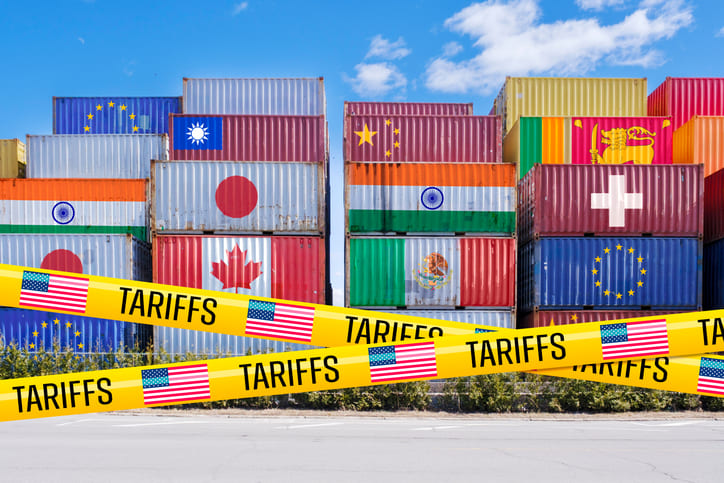

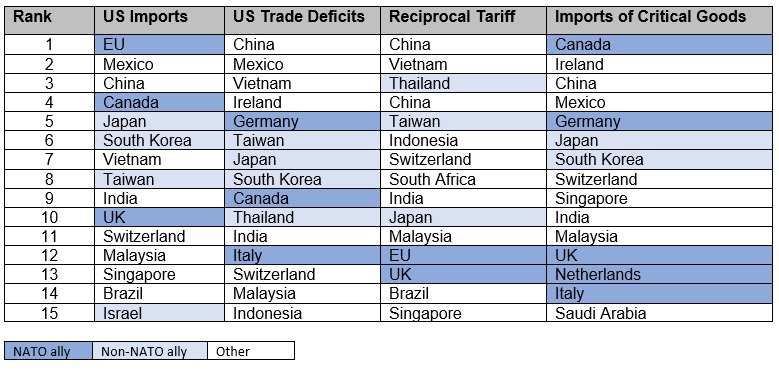

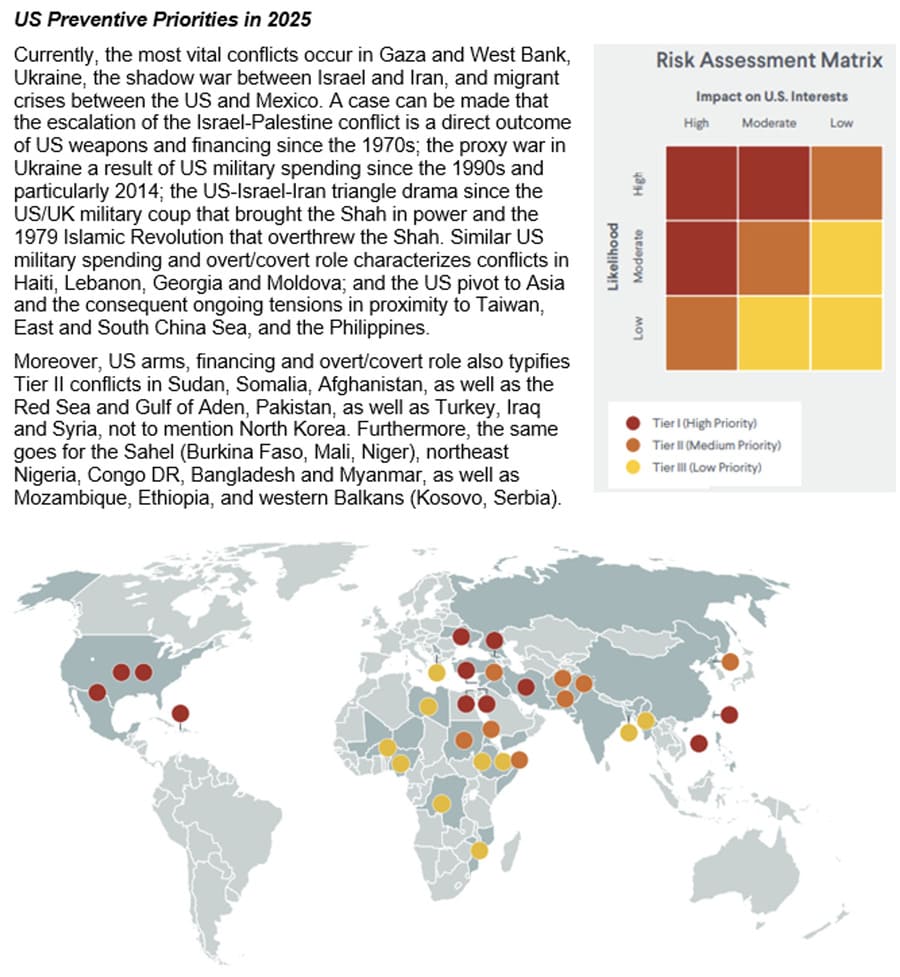
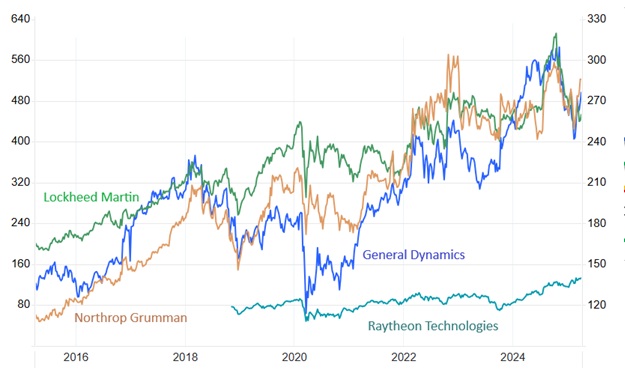

 Dr. Gleb Tsipursky
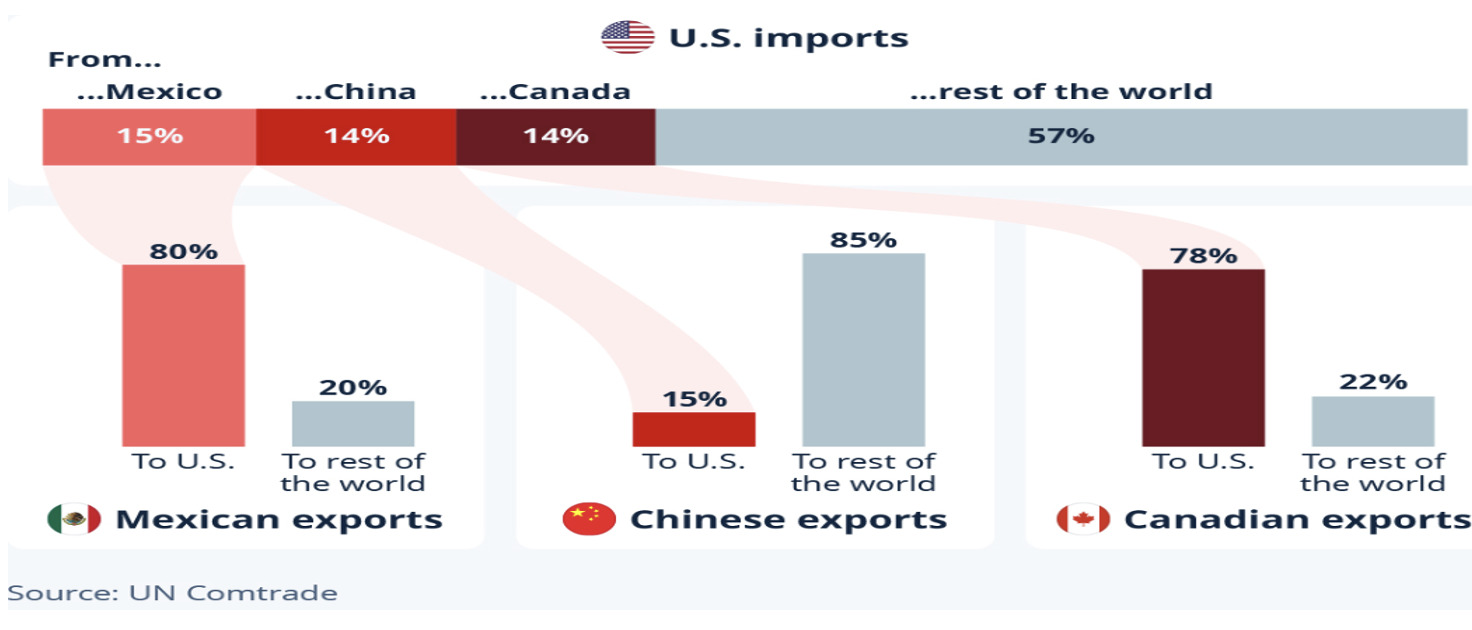
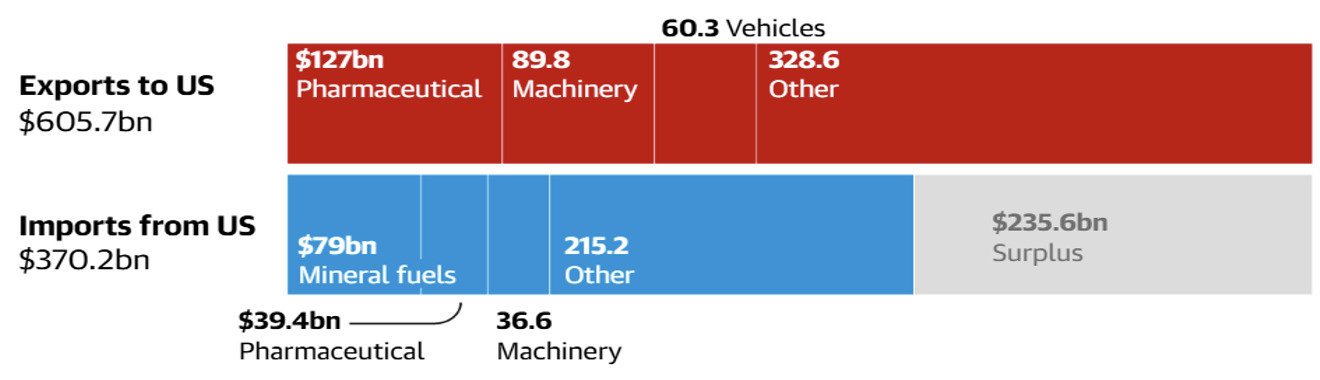
 Dr. Kalim Siddiqui