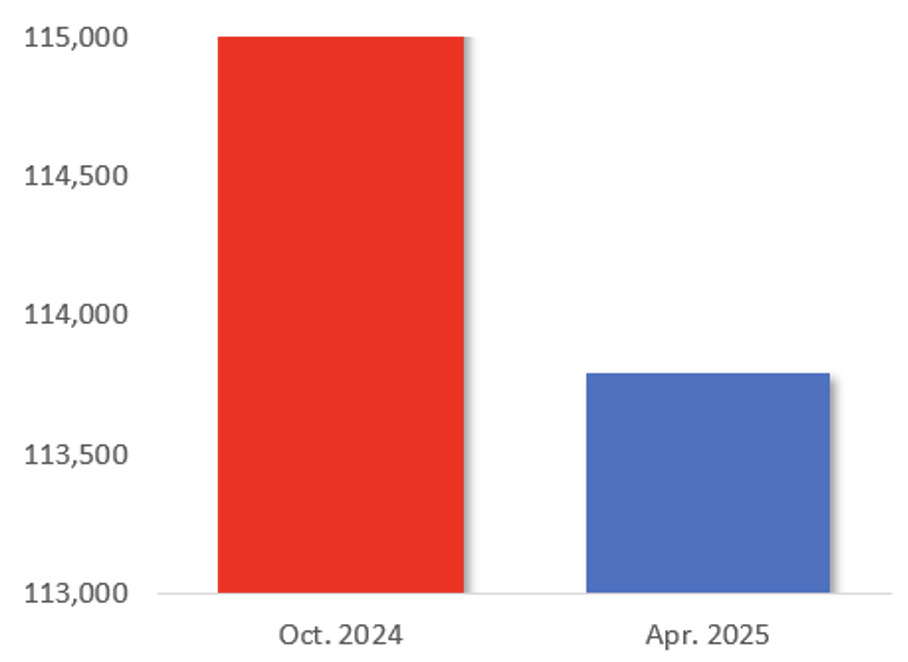
XRP (Ripple Coin), the core digital asset of the Ripple network, has always been considered one of the most promising tokens. With a series of positive developments unfolding, the investment outlook for XRP has become increasingly optimistic:
1. Brazil Approves First XRP Spot ETF
On February 19, 2025, Ripple CEO Brad Garlinghouse announced on Twitter (X) that Brazil’s securities regulator has approved the country’s first XRP spot exchange-traded fund (ETF). At the same time, the U.S. Securities and Exchange Commission (SEC) confirmed that it has acknowledged several XRP spot ETF applications, including from Bitwise, 21Shares, and Grayscale. The SEC has called for public comments on the filings within 21 days of their publication in the Federal Register, after which it will decide whether to approve, reject, or initiate further procedures. This move not only opens up new market opportunities for XRP but could also attract more institutional investors and capital inflows, potentially reshaping the cryptocurrency market.
2. Ripple vs. SEC Lawsuit Is Coming to an End
For the past four years, Ripple has been locked in a legal battle with the SEC. Recently, the SEC has signaled it may drop the case, removing it from its website and reassigning Tenreiro (the lead litigator for the SEC in the Ripple case, who had accused the company of conducting unregistered securities offerings via XRP token sales) away from cryptocurrency-related tasks. This suggests the case may soon be coming to a close. Furthermore, Ripple’s business in the U.S. has experienced significant growth, supported by policies under the Trump administration, and XRP’s price has soared by over 300% since Trump’s election.
3. Ripple’s Brand Revitalization and Market Expansion
Ripplehas announced a strategic shift, focusing even more on cross-border payments and stablecoin integration. As global demand for digital currency payments grows, XRP is poised to gain wider market recognition as a core technology for the payments industry. By 2025, it is expected that 80% of Japanese banks will adopt Ripple technology for international remittances and payments. SBI Group CEO Yoshitaka Kitao stated that XRP offers greater practical value for cross-border payments than Bitcoin. As RippleNet’s adoption increases, demand for XRP is set to rise, laying the foundation for future price growth.
BYDFi Supports Diverse Investor Profiles to Capture XRP Opportunities
As one of the top three cryptocurrencies by market cap, XRP provides rich trading opportunities for investors, whether they’re looking for short-term fluctuations or long-term value appreciation. BYDFi, with its diverse set of trading features, caters to various investor needs. Whether you’re a beginner or an experienced trader,BYDFiprovides tailored solutions to help users succeed in XRP trading.
1. Short-Term Traders: Maximizing Returns Through High Leverage and Short-Term Strategies
XRP’s price volatility presents lucrative opportunities for short-term investors. By utilizing technical analysis and high leverage strategies, traders can amplify their returns:
Real-Time Technical Analysis: BYDFi provides a variety of technical analysis tools, including candlestick charts, MACD, and RSI, enabling traders to quickly identify market trends and respond accordingly.
Cross and Isolated Margin Modes: Depending on their risk tolerance, short-term traders can opt for either isolated or cross margin modes. The isolated mode helps reduce the risk of a single position, while cross margin is suited for those seeking higher returns.
High Leverage:BYDFi’s perpetual contracts with up to 150x leverage help users rapidly expand positions and seize opportunities created by market volatility.
2. Long-Term Holders: Steady Growth Through Stable Investment Strategies
For those who see long-term potential in XRP, BYDFi offers investment strategies designed to foster steady growth:
Spot Trading: Users can engage in long-term holdings with low trading fees and a stable platform, reducing the risks associated with frequent trading.
Auto-Invest Strategy: The feature enables long-term investors to purchase XRP regularly, averaging out costs and mitigating the impact of market volatility.
Martingale Strategy: The Martingale strategy allows investors to increase their position size when the market declines, aiming to reduce average entry costs and position themselves for greater returns when the market recovers.
3. Professional Traders: Advanced Tools and Multi-Strategy Portfolio Management
For seasoned traders, BYDFi offers an array of advanced tools and flexible strategies to optimize portfolio management:
Perpetual Contract Trading: With both coin-margined and USDT-margined contracts, traders can leverage up to 150x, supporting a range of strategies, such as long, short, and hedging. The platform also supports short-term arbitrage and hedging for Coin-M Contracts.
Sub-Wallet Function: The sub-wallet feature allows users to allocate funds across different trading strategies, offering precise capital management to reduce risk and increase returns.
Advanced Charts and Candlestick Analysis: BYDFi provides in-depth technical analysis tools like advanced candlestick charts, market depth analysis, and real-time data, allowing professional traders to monitor market movements and make informed decisions.
Contract Copy trading profit-sharing: Professional traders can earn additional income through the copy trading feature, with a 10% profit-sharing model, offering extra earnings for their expertise.
4. New Users: Learning the Basics and Gaining Expertise in XRP Trading
For newcomers to the world of XRP, BYDFi provides a suite of easy-to-use tools and educational resources to help users gradually master crypto trading:
Easy XRP Purchase: Global users can purchase XRP with over 90 fiat currencies via a variety of payment methods such as credit cards, bank transfers, and Google Pay. The platform’s “Convert” feature also allows users to instantly convert other digital assets into XRP, providing a fast and convenient trading experience.
Demo Trading: The Demo Trading feature enables users to practice on a risk-free account, getting comfortable with platform operations while gaining valuable experience.
Start copy trading from $10: New users can follow experienced traders to learn their strategies and gradually improve their skills.
Educational Resources: BYDFi’s comprehensiveHelp Center andBuy Coin Guide feature support beginners in understanding the fundamentals of crypto and how to navigate market fluctuations.
Founded in 2020, BYDFi is a Forbes-certified global top-10 crypto exchange trusted by over 1,000,000 users worldwide. The platform offers a variety of trading tools and is set to launch “MOONX,” an on-chain trading tool specifically designed for Memecoin traders. MOONX integrates Safeheron’s top-tier security technology to ensure the safety of users’ trades. For more information, stay tuned to BYDFi’s official channels.
BYDFi offers 24/7 multilingual customer support to ensure that users can receive timely assistance whenever they encounter issues. BYDFi is committed to providing every user with a world-class cryptocurrency trading experience. BUIDL Your Dream Finance.
Personal Contract Purchase (PCP) car finance has become one of the most popular ways to purchase a vehicle in the UK and beyond. It offers an attractive alternative to traditional car loans by allowing individuals to pay lower monthly installments with the option to buy the vehicle at the end of the term. However, while the concept is appealing, it is essential to consider its wider financial implications, particularly in relation to mortgages, property investment, and insurance policies.
Understanding PCP Car Finance and Its Structure
PCP car finance is structured differently from conventional hire purchase agreements. Instead of paying off the entire cost of the car in equal installments, buyers pay a deposit followed by lower monthly payments. At the end of the term, they can either return the car, pay a final balloon payment to own it outright, or trade it in for a new deal.
While this flexibility appeals to many, there are financial considerations that extend beyond the automotive industry. This type of financing affects credit scores, long-term debt obligations, and future borrowing potential, particularly for larger financial commitments such as property purchases.
PCP Car Finance and Mortgage Eligibility
One often-overlooked aspect of PCP car finance is its impact on mortgage eligibility. Mortgage lenders assess an applicant’s financial commitments when determining their borrowing potential. Since PCP car finance agreements involve ongoing financial obligations, they can reduce an individual’s affordability when applying for a mortgage.
For instance, a significant monthly car payment may be viewed as a liability that limits disposable income. This can lead to lenders offering lower mortgage amounts or, in some cases, rejecting applications due to perceived financial strain. It is crucial for individuals planning to buy property to consider how their car finance agreement might affect their mortgage prospects.
The Connection Between Car Finance and Property Investment
Property investors, in particular, need to be mindful of their financial obligations, including those tied to PCP car finance. Real estate investments often require strong financial standing and the ability to secure financing for multiple properties. Having an ongoing PCP agreement might affect an investor’s debt-to-income ratio, reducing their borrowing power.
Additionally, property investors who use buy-to-let mortgages need to maintain a robust financial profile to secure favorable loan terms. While PCP car finance is a manageable expense for many, it is an added financial burden that could influence lenders’ risk assessments.
Insurance Considerations for PCP-Financed Vehicles
When purchasing a vehicle through PCP car finance, insurance is a key consideration. Unlike outright ownership, financed cars typically require comprehensive insurance coverage, as lenders need assurance that their asset is protected. This often results in higher insurance premiums compared to standard car insurance policies.
Another factor to consider is Guaranteed Asset Protection (GAP) insurance, which covers the difference between the car’s value and the remaining finance amount in case of a total loss. While beneficial, it adds to the overall cost of ownership. Consumers should carefully evaluate these additional expenses to determine whether a PCP agreement is financially viable in the long run.
The Role of Reclaim 247 in Financial Transparency
In recent years, concerns have arisen regarding the mis-selling of financial products, including PCP car finance agreements. Reclaim 247 is one of the companies that assist consumers in identifying potential mis-selling cases and reclaiming funds lost due to unfair financial agreements. Their work highlights the importance of financial transparency and consumer protection, ensuring that individuals fully understand the terms and conditions of their financial commitments.
Alternatives to PCP Car Finance for Financial Stability
For individuals who prioritize financial stability, alternatives to PCP car finance may be worth exploring. These include:
Traditional Car Loans – These involve straightforward repayment structures and result in full ownership at the end of the loan term.
Leasing Agreements – Leasing can be an attractive option for those who prefer driving new cars without the commitment of ownership.
Outright Purchases – If financially feasible, buying a vehicle outright can eliminate monthly payments and long-term financial obligations.
By exploring these alternatives, individuals can align their financial commitments with their broader goals, such as homeownership or property investment.
Planning Financial Commitments Wisely
Before entering into any financial agreement, whether it is PCP car finance, a mortgage, or an insurance policy, careful planning is essential. Individuals should assess their current and future financial needs to ensure they are not overburdened by multiple financial obligations. Consulting a financial advisor can also provide valuable insights into how different financial products interact and affect overall financial health.
Conclusion
PCP car finance is a popular but complex financial tool that extends beyond the automotive industry. Its impact on mortgage eligibility, property investment potential, and insurance requirements highlights the need for careful financial planning. While the flexibility of PCP agreements is appealing, individuals must consider the long-term consequences before committing.
Organizations like Reclaim 247 emphasize the importance of financial awareness, ensuring that consumers make informed decisions. As financial markets evolve, staying informed and evaluating all available options will remain crucial for achieving financial stability and success.
By Marcelina Horrillo Husillos, Journalist and Correspondent at The World Financial Review
U.S. President Donald Trump shared his vision of a Gaza Strip to clear its nearly 2 million Palestinian inhabitants by relocating them to new homes else were, so that the US could send troops to the Strip, take ownership, develop it into an international beach resort under U.S. control and build the “Riviera of the Middle East.”
To see an American president endorse what would be the forcible expulsion of Palestinians from their home – many made makeshift shelters in the ruins of their homes destroyed in Israeli’s onslaught against Hamas -, is an open amoral encouragement of an exodus that would subvert decades of US policy, international law and basic humanity showed the most imperialist reflex, after he’s already threatened to annex the Panama Canal, Greenland and Canada. He envisaged a real estate deal whereby he’d assume responsibility for Gaza and mastermind a job-creating urban regeneration project, included renewable energy, a light rail system, airports and harbors, digital governance and beachfront hotels. He called it an American “ownership position.” A better phrase would be colonialism for the 21st century.
In Trump’s recent public pronouncements on Gaza, there’s a crucial missing element — any sense that the Palestinian people would have a choice in their own destiny. As Aaron David Miller, a former US Middle East peace negotiator, said on CNN: “It’s not a real estate deal for them, it’s not even a humanitarian issue for them. It’s an existential issue.”
Gaza Riviera’s Plan Coined
Media reports suggest Trump’s idea was based on a 49-page document drawn up by Washington-based economics professor Joseph Pelzman last summer, and it revived an idea floated by Trump’s son-in-law Jared Kushner a year ago.
During a Podcast talk last August, Pelzman said that in order to make his plan happen, Gaza needs to be “completely emptied out,” ; the US “can lean on Egypt” to accept refugees from Gaza because the country is in debt to the US, he suggested.
The only reason the Palestinians want to go back to Gaza is they have no alternative.
Kushner was Trump’s senior White House adviser in his first term and played a key role in the Abraham Accords between Tel Aviv and four Arab countries in 2020. His Saudi-backed firm Affinity Partners “received the green-light from Israeli regulators to double its stake in Phoenix Financial Ltd”, which is a major Israeli financial firm and funds the construction of illegal settlements in the Occupied Palestinian Territories. The nod from Israeli regulators came days before Trump’s inauguration.
He stated that “Gaza’s waterfront property could be very valuable… if people would focus on building up livelihoods… It’s a little bit of an unfortunate situation there but, from Israel’s perspective, I would do my best to move the people out and then clean it up.”
Trump’s February 5 statements on taking over and owning Gaza and resettling Gaza’s Palestinian population elsewhere, in “a beautiful area with homes and safety they can live out their lives in peace and harmony” because “the only reason the Palestinians want to go back to Gaza is they have no alternative. It’s right now a demolition site… Virtually every building is down.” reaffirm previous talks around the subject to make 2 million Palestinians leave their homes and never return, something that could be classified as ethnic cleansing.
Old Rooted 21st White Colonialism
White colonial dreams of rights to other peoples’ lands can be traced as far back as the 1479 Treaty of Alcacovas, which established the principle that an area outside of Europe could be claimed by a European country, and was followed within 50 years by the Treaty of Tordesillas and the Treaty of Saragossa with which the Portuguese and the Spanish purported to divide the globe between themselves. There is a clear line from that to the infamous Berlin West Africa Conference 400 years later, attended by the US and all major European powers which established the legal claim by Europeans that all of Africa could be occupied by whoever could take it.
Similar proposals were enabled free trade laid out by the Berlin Conference 140 years ago gave birth to the horror that was the Congo Free State – a veritable hell that in 23 years claimed the lives of up to 13 million Congolese. The conference also supercharged and militarised what became known as the Scramble for Africa, which was accompanied by brutal wars of conquest, disease and campaigns of extermination. More than a century later, Africans are still living with the impact.
The precedent of using the protection and development of capitalism to justify colonial occupation is today reflected in Trump’s assertion that he will rebuild and internationalise Gaza, creating jobs and prosperity for “everyone”. In essence, Trump is unwittingly attempting to base his colonial claim on to Gaza on the doctrine: that he can impose American rule, in this case through expulsion of the natives, and that he will enable trade to flourish.
Real State over Dead Bodies
Since its inception, Israel has operated as a colonial power, fragmenting, dominating, and erasing the indigenous population. From the Nakba, when 750,000 Palestinians were violently cleansed, to the ongoing annihilation of Gaza, Israel’s actions mirror the extractive, exploitative logic of European colonial regimes. Like the First Nations in Canada or the Aboriginal peoples of Australia, Palestinians are treated as obstacles to progress: “progress” that envisions Gaza as Dubai, another capitalist playground.
Latest figures just before the ceasefire went into effect recorded at least 61,709 people killed, including 17,492 children. The figure for missing or presumed dead is 14,222 while 111,588 people, mostly women and children, have been wounded, a majority with life-altering injuries. Nearly 80 percent of Gaza’s infrastructure, especially in the north, has been completely destroyed.
The International Court of Justice has issued two advisory opinions concerning Israel and Palestine, the 9 July 2004 Advisory Opinion on the Wall, and the 19 July 2024 Advisory Opinion on Legal Consequences arising from the Policies and Practices of Israel in the Occupied Palestinian Territory, including East Jerusalem. The ICJ has no option but to issue a judgment confirming that Israel has perpetrated genocide, and that the issue of “intent” has been established. It is a continuation of the Nakba, a continuation of the Zionist dream of taking the entire territory for the Israelis and expel the native Palestinians, as if they were not human, as if they did not matter, as if they had no rights.
At present, after 15 months of bombardment, Gaza is a “demolition site” in Trump’s words, that will require 10-15 years of reconstruction. His proposal drawn shocked reactions from Palestinians, Arab neighbouring countries and Western audiences who say it would be tantamount to ethnic cleansing and illegal under international law. However, the Gulf countries see a potential source of investment in rebuilding Gaza, Saudis have consistently said they won’t agree to this unless a clear path toward Palestinian statehood opens up, strongly rejecting offering any finance while a pathway to an independent Palestinian state remains closed.
Conclusion
Your fate is decided not by you, but by some ruler in a foreign capital, simply because they are stronger, and there is nothing you can do about it.
Colonial fantasies thrive on illusion. Past and present, imperial powers imagine emptying lands, redrawing borders, and erasing histories to achieve their ambitions. What Trump is proposing in Gaza and elsewhere is a return to old colonialism, and geopolitics run by the law of the jungle. That, after all, is what colonialism is in its most fundamental form. Your fate is decided not by you, but by some ruler in a foreign capital, simply because they are stronger, and there is nothing you can do about it. Trump’s obliviousness to the aspirations of Palestinians and his assumption that they’d prefer a modern housing development elsewhere showed a stunning naivety about the causes of the conflict. But it was reflected in an interaction in the Oval Office when he asked, “Why would they want to return? The place has been hell.” A reporter replied: “But it’s their home, sir. Why would they leave?”
It’s notable that two of the territories Trump has fixated on, Greenland and Gaza, are in some ways two of the last remaining holdovers of the colonial age. That’s not to say they’re the same: Greenland is an autonomous territory with meaningful self-rule, albeit ultimately under Danish sovereignty, while the status of Gaza is, to say the least, highly contested. (Hamas still largely controls internal governance; Israel maintains external control, while the UN and many human rights groups view it as occupied territory.) But both are home to a recognized people with a long claim to the land. And both are considered in somecircles to be examples of the unfinished business of decolonization.
Ultimately, Gaza’s story is not only one of rubble or colonial violence but of enduring defiance. Palestinian resistance, like that of colonized peoples before them, reminds us that the colonial fantasy is doomed to fail. Tragically, this failure always comes at an unbearable human cost for which we must struggle to ensure that the perpetrators are finally held accountable.
In an era where artificial intelligence (AI) is revolutionizing various industries, Eldad Tamir, the CEO and founder of FINQ, is at the forefront of integrating AI into the financial sector to enhance investment outcomes. Tamir’s vision is clear: he wants AI to empower everyday investors, instilling in them the confidence to make smarter, data-driven decisions that can potentially grow their wealth. But how exactly is FINQ achieving this, and what does it mean for the average investor?
The Promise of AI in Investing
AI has already made significant inroads into the financial sector. According to a report by PwC, AI could contribute up to $15.7 trillion to the global economy by 2030, with the financial services industry being one of the primary beneficiaries. For investors, AI offers the ability to analyze vast amounts of data, identify patterns, and make predictions with a level of speed and accuracy that humans simply cannot match.
FINQ is leveraging this potential to create tools that simplify investing for everyone. By using AI to process and interpret complex financial data, FINQ aims to level the playing field, giving individual investors access to insights once reserved for Wall Street professionals.
Eldad Tamir’s Vision for FINQ
Eldad Tamir, a seasoned entrepreneur with a finance and technology background, founded FINQ to make investing more accessible and transparent. Tamir believes AI can help investors cut through the noise of financial markets and focus on what truly matters: making informed decisions that align with their goals.
The financial world is drowning in data overload, but much of it is difficult for the average person to navigate. FINQ aims to use AI to filter out the noise and provide actionable insights to help people make better investment choices.
How FINQ’s AI Works
FINQ’s platform uses advanced machine learning algorithms to analyze various data sources, including market trends, company financials, and news sentiments. The AI then distills this information into easy-to-understand insights, such as which stocks will likely outperform or underperform based on current conditions.
One key feature of FINQ’s platform is its ability to offer easy-to-follow model portfolios designed to beat the market, each for a different investment strategy: long, short, or market-neutral. The AI continuously analyzes market data to rank the 500 leading stocks in the United States. Based on these relative and continuous rankings, it constructs model portfolios purely backed by objectives and data—this is the shift to AI-based investing. This approach ensures that users can follow data-driven investment strategies without the need for expensive financial advisors.
The Impact of AI-Driven Investing
The potential benefits of AI-driven investing are significant. According to a study by Deloitte, AI-powered investment tools can improve portfolio performance by up to 20% compared to traditional methods. This is largely due to the ability of AI to identify opportunities and risks that humans might overlook.
The performance of FINQ’s AI-driven model portfolios, which outperformed the SPY by over 20% between August 24, 2022, and October 17, 2023, is a testament to its innovative approach. This outperformance can be attributed to several factors, including the AI’s ability to quickly adapt to changing market conditions, its lack of emotions and irrational reactions as the market shifts and changes, and its focus on long-term investment strategies.
The performance of FINQ’s AI-driven portfolios, which outperformed the S&P 500 by over 20% between August 24, 2022, and October 17, 2023, is a testament to its innovative approach. This outperformance can be attributed to several factors, including the AI’s ability to quickly adapt to changing market conditions, its personalized recommendations based on individual investors’ needs, and its focus on long-term investment strategies.
The launch of STOCKS-AI version 2.0 further exemplifies the platform’s success. Backtested data from December 2022 to September 2024 indicates that this upgraded algorithm delivered 127.60%, surpassing the S&P 500’s gains of 43.75% during the same period. This performance highlights the efficacy of AI in adapting to real-time market dynamics and generating superior returns.
The Future of AI Investing
Tamir envisions a financial landscape where AI plays an integral role in wealth management and investment strategies. He acknowledges the rapid advancements in AI technology and emphasizes the need for financial institutions to adapt accordingly. Tamir asserts that traditional methods cannot match the efficacy and speed of AI, which is continually improving. He believes embracing AI is essential for individuals aiming to thrive in the evolving financial sector.
In conclusion, Eldad Tamir’s leadership at FINQ exemplifies the transformative potential of AI in the investment domain. By offering data-driven, unbiased, and accessible investment solutions, FINQ is redefining traditional investment paradigms and empowering individuals to achieve financial success through the strategic application of artificial intelligence.
Fresh statistics show an interesting trend: new FDI projects in the US increased to 14.3% in 2024, reaching the record. Meanwhile, major European countries lack investments and seem to lag behind. This raises a question: Will Trump’s tariffs change the situation and what will Europe do to remain competitive?
Investments in the US will continue to grow
The new period for tracking new investment inflow has started with a major event both in economics and politics — Trump’s inauguration. As a president now, his second term is marked with a large number of provocative statements and actions. On Monday, 10 February, he substantially raised aluminium tariffs to 25% from 10%, aiming to make national manufacturing stronger. As tariffs make it more expensive to import goods into the United States, it creates incentives to move production inside the country. This means that investments in manufacturing in the United States will become even more appealing and, therefore, profitable.
Thus, Trump is actively promoting a strategy of protectionism, creating favourable conditions for domestic production and, at the same time, making it more difficult to import goods from abroad. For companies focused on the American market, it is more logical to launch a business inside the country in order to avoid additional costs associated with trade barriers. That is why the flow of foreign direct investment to the United States will only continue to grow — the tougher the trade restrictions, the more companies prefer to move production to America itself in order to remain competitive in the largest and most promising market.
What about Europe?
Europe, although not that demonstratively like the USA, protects its economy with strict regulatory restrictions. ESG standards (environmental, social and governance) have become the main tool, which makes it more difficult for new investors to enter the market and create a more closed economic environment. In fact, the EU relies not on direct protection from external competition but on creating conditions under which it becomes beneficial to work in Europe only for those who fully comply with the established rules.
To understand what I mean, let’s look at some evidence. If you’ve ever been to Europe, you may have noticed that all plastic bottles now come with caps that remain fixed. This change was implemented for two key reasons. First, there is a strong environmental incentive—millions of plastic caps that previously ended up as waste are now less likely to pollute the environment. Second, it serves as yet another regulatory requirement that companies must comply with in order to operate within the European market.
It turns out that Europe’s strategy is to regulate the market through strict environmental and social requirements, which at the same time limits competition and supports local producers. Companies that do not comply with ESG standards lose the opportunity to operate in the EU market, even if their products are cheaper or more technologically advanced. On the one hand, this makes the European economy more stable in the long term, and on the other hand, it reduces its attractiveness to investors who find it easier to work in a more flexible environment.
Not as simple as it seems
The economic rivalry between the United States and Europe is far from as straightforward as it might seem at first glance. Although many believe that the American economy is significantly superior to the European one, a more thorough analysis reveals that the gap between them is not so drastic. If we take into account the GDP of the entire EU, as well as economic ties with neighbouring countries, we can see that Europe as a whole still remains one of the world’s largest economies.
But this competition isn’t just about investment or economic size—it’s also a fight for leadership in key industries. Take, for example, automobiles—here, Europe still has the edge. For example, the world leaders from the region, Volkswagen Group, BMW, and Mercedes, don’t just dominate the premium segment—they’re also pushing ahead in electric vehicles and self-driving technology.
At the same time, Europe is not afraid to set limits and protect its own market. A good example is the tariffs on Chinese electric cars, designed to keep European automakers competitive. Unlike the U.S., which openly uses trade barriers and subsidies, Europe plays a longer, more strategic game.
Therefore, in the end, it’s not just about how many startups appear and how much investments they attract—it’s about who stays on top in the long run. And no matter how much innovation happens elsewhere, big players will last. Is there any difference in how many small enterprises you have if leading auto concerns will sweep all competitors in 15 years?
Julia Khandoshko, CEO at the European broker Mind Money. She is an experienced C-level executive and financial services professional with over 10 years of experience in technology innovation and capital markets.
Overseas Development Assistance (ODA) has long been a cornerstone of international cooperation aimed at reducing poverty, improving livelihoods and fostering sustainable development in the Global South. While Organisation for Economic Co-operation and Development (OECD) Development Assistance Committee (DAC) figures indicate a marginal increase in ODA over recent years, the future of aid as a robust foreign policy instrument looks increasingly uncertain.
Governments once at the forefront of global development efforts are either withdrawing or reshaping their approach in ways that prioritize strategic corporate and national interests over traditional humanitarian and development goals. The closure of dedicated aid agencies, the shifting priorities of donor countries and the rising influence of private foundations and corporate social responsibility (CSR) initiatives all suggest that ODA–as we have known it–is on the decline.
Declining Role of Traditional Donors
Bilateral aid agencies such as the United Kingdom’s Department for International Development (DFID), the Canadian International Development Agency (CIDA) and Australian Aid (AUSAID) historically played a leading role in shaping international development. The closure or absorption of these agencies into broader government departments reflects a shift in priorities.
British Prime Minister has announced the country’s aid budget is to be cut from 0.5 percent to 0.3 percent of Gross Domestic Product (GDP) to cover the costs of increasing defense expenditure. The UK folded DFID into the Foreign, Commonwealth and Development Office (FCDO) in 2020. Critics argued the move diluted the focus on poverty alleviation and sustainable development–aligning aid more closely with geopolitical and commercial interests. AUSAID was merged into the Department of Foreign Affairs and Trade (DFAT) in 2013 while CIDA was integrated into Global Affairs Canada the same year. These shifts underscore how ODA is becoming more closely linked to national foreign policy objectives rather than being guided solely by development imperatives.
The United States of America, once the world’s largest aid donor, is undergoing a seismic shift in development strategy. The sudden closure of the United States Agency for International Development (USAID) and the implications for Washington’s foreign policy are still being digested. USAID has been criticized for inefficiencies and strategic misalignments, but its dissolution is not out of sync with the broader trend amongst donor countries to downsize or dismantle development sections or departments. These trends clearly indicate ODA is being deprioritized by traditional development partners–making way for alternative funding mechanisms.
Diminishing Role of ODA as a Foreign Policy Tool
For decades, ODA served as an essential instrument of foreign policy providing donor nations with opportunities to strengthen diplomatic ties, promote stability and expand economic influence. The Marshall Plan, Cold War-era development programs and more recent infrastructure initiatives in Africa and Asia demonstrate how aid has been wielded as a tool of strategic engagement. In today’s increasingly multipolar world, emerging economies such as China, India and Turkey play increasingly significant roles in development financing as traditional development partners reevaluate their commitments.
Western countries appear less inclined to use ODA as a means of influence, focusing instead on trade agreements, security partnerships and economic investments. China’s Belt and Road Initiative (BRI) has demonstrated an alternative model of development financing prioritizing infrastructure and economic growth over social development objectives. Rather than reinforcing traditional aid commitments, Western development partners appear to be retreating leaving a vacuum increasingly filled by alternative models of development assistance.
The recent halt in U.S. foreign aid disbursements has underscored a critical vulnerability in global development: the over-reliance on donor-driven models. As the Global Programs Director at Oxfam International in Kenya Adama Coulibaly argues, the disruption of aid flows has not just caused temporary funding gaps, but exposed deep structural weaknesses in the sector. International non-government organizations (INGOs) and local development actors have been forced to re-organize, highlighting the urgent need to shift power, resources and financial autonomy to more resilient, locally-led models that are not so easily destabilized by geopolitical decisions.
The Rise of Foundations and Corporate Social Responsibility (CSR)
As traditional government-led ODA recedes, philanthropic foundations and corporate CSR initiatives are stepping up to fill the gap. Private actors such as the Bill and Melinda Gates Foundation, Rockefeller Foundation, Mastercard Foundation and the Open Society Foundation have expanded their roles in global health, education and social development. Their ability to deploy large sums of capital rapidly and with relatively less bureaucracy positions them as attractive partners in development efforts.
A fundamental lesson from the shifting aid landscape is the necessity for alternative financing mechanisms that empower communities rather than reinforce dependency. Coulibaly’s emphasis on South-South philanthropy, remittance-driven investment and community-based savings models such as rotating savings and credit association (ROSCA) and tontines provide compelling ways to rethink development finance. These models have long demonstrated resilience and provide viable paths forward to reduce reliance on Northern donors and foster genuine local ownership of development initiatives.
Corporations are aligning their strategies with environmental, social and governance (ESG) principles and the United Nations’ Sustainable Development Goals (SDGs). Multinational companies are recognizing that long-term profitability is closely linked to sustainable and inclusive growth increasingly incorporating social impact into their business models. CSR programs, once viewed as peripheral to business strategy, are now becoming a central part of corporate identity and stakeholder engagement.
While this shift presents opportunities associated with increased funding and innovative approaches to development; it also raises important questions. Unlike traditional ODA that is, at least in principle, accountable to taxpayers and subject to parliamentary oversight; private and corporate-led initiatives are often less transparent. Motives behind corporate philanthropy is oftentimes more closely aligned more with brand-building and market expansion than genuine social transformation. An unchecked reliance on private actors can lead to fragmented development efforts with priorities dictated by neo-liberal corporate interests rather than comprehensive, country-led development strategies.
The Future of Development Finance
The future of ODA is likely to be shaped by a more diversified landscape where traditional government-to-government aid plays a diminished role while private philanthropy, CSR and blended finance models take center stage. Several key trends are expected to influence this transformation.
A major shift is the increased involvement of the private sector in development. As the effective implementation of ESG aligned with the SDGs becomes more integral to corporate strategies; businesses will be increasingly interested to embed development objectives into operations. Bigger businesses engaging in larger scale more long-term projects are usually better resourced to manage social and environmental issues.
Multinational operators, usually more closely tied to international value chains, generally demonstrate greater compliance with global standards–not withstanding notable exceptions. Micro, small and medium sized enterprises (MSME) are often less well equipped to oversee and manage the implementation of effective ESG initiatives. Many MSME’s are more inclined to satisfy the bare minimum standards and have demonstrated a higher tendency to cut corners wherever possible. Ensuring compliance and evaluating whether contributions genuinely address development needs remains a crucial challenge.
Another critical trend is the continued expansion of South-South cooperation. Emerging economies are increasingly playing an active role in development assistance, providing alternatives to the traditional Western-led ODA framework. Initiatives such as China’s BRI, India’s development partnerships and Turkey’s growing engagement in Africa illustrate this shift indicative of a broader redistribution of development influence.
As traditional ODA declines, INGOs are at a crossroads. Without meaningful reform, many INGOs will struggle to remain relevant and collapse under outdated structures or fail to transition into meaningful partnerships with local actors. This shift is already apparent as an increasing number of institutions recognize that effective impact requires deeper localization. The challenge for the sector is not only financial adaptation, but the decolonization of aid governance, decision-making and leadership.
Blended finance approaches are emerging as a significant development model. By combining public, private and philanthropic capital, these mechanisms, including impact investing, development bonds and social enterprises are gaining traction. These approaches aim to maximize financial sustainability and effectiveness leveraging multiple funding sources.
Technology is also revolutionizing development finance. Digital finance, artificial intelligence and blockchain innovations are poised to transform development assistance including many aspects of aid delivery, monitoring and evaluation. As technology advances, development partners and implementing institutions will need to adapt to remain effective and responsive to evolving needs.
ODA will continue to evolve moving away from traditional donor-driven models toward a more dynamic and multifaceted development landscape. The challenge will be to ensure these changes contribute to genuine development progress and prioritizes equity, accountability and long-term impact over short-term economic or geopolitical interests.
Christopher Burke is a senior advisor at WMC Africa, a communications and advisory agency in Kampala, Uganda. He has over 25 years’ experience working on a range of issues in social, political and economic development with a strong focus on governance, environmental issues, renewable and non-renewable extractives, international relations and peace-building based in Asia and Africa.
Let’s talk about the pink elephant in the financial inclusion room: why don’t financial service providers design products intentionally for women?
The success of all products and services hinges on a few critical elements – it must add value to the user’s life, address a problem they face, and be deeply rooted in their lived realities. While some in the financial inclusion industry have undertaken exercises in customer-centricity, many have not – and they continue to leave business opportunities on the table when it comes to women, who have proven to be excellent clients.
Pinkwashing – where companies superficially design for women by simply turning products pink – will no longer cut it. Financial inclusion means women have access to useful and affordable financial products and services that truly respond to her realities.
While access to finance has grown in the past decade, it has largely benefited men and excluded women. Women face systemic barriers to participation in the formal financial sector, fundamentally operating with less of everything: less mobility, less access to education, training, and financial services, fewer rights, fewer assets, less market access, less negotiation power, less control – the list goes on and on. The solution isn’t just “pink-wrapped” bank accounts but creating an environment where women entrepreneurs also have access to credit, insurance, and financial products. Designing for people facing the greatest barriers – often women — makes financial products more convenient, adaptable, and accessible for all. By addressing the challenges of those struggling most to start businesses or access credit, we create better solutions that drive economic growth and profitability.[1]
So how do we come together to design for these needs?
Design for differences – don’t just “Pink-It and Shrink-It”
Everywhere you look, the world is not equally designed for men and women.
Women experiencing medical emergencies in public are 23% more likely to die than men because CPR training focuses on “male” mannequins, leaving bystanders hesitant to perform chest compressions on women.
When astronaut Anne McClain needed a medium spacesuit for a spacewalk, she was grounded because there was no space suit available in her smaller size.
Women face twice as many adverse medication side effects since drug dosages have long been based on male-centric clinical trials.
This snapshot reveals a clear problem: the world we live in is often designed-by-men-for-men. No matter the sector, the distinct needs of women are frequently overlooked or inadequately addressed. To create a market system that truly serves women, we must fundamentally rethink our approach to designing financial services. Enter women-centered design (WCD). Building on the foundations of human-centered design, this approach involves actively listening to women, testing products and services with them, and iterating based on their feedback. WCD doesn’t exclude men, but rather, results in products that are more flexible, have fewer requirements, and are more convenient for all – expanding choice not just for women, but for many segments of the market – while also driving profitability. To better understand it, let’s take a look at an example in a sport over 5 billion of us love – soccer.
The soccer industry long relied on a “pink-it and shrink-it” approach to women’s cleats -resizing and recoloring men’s cleats for women. Not made to support their feet, female athletes are 2–8 times more likely to tear an ACL due to poorly designed cleats. Women-owned IDA Sports, seeing an opportunity to create more effective and safe products for women and also tap into a new market opportunity, addressed this by creating cleats based on women’s physiology, posted consecutive tripled year-over-year revenue growth in 2023 and 2024.
This shift demonstrates the power of intentional, women-centered design—an approach that can be both inclusive and moneymaking. Our experiences affirm that, while the process requires time and dedication, designing specifically with and for women not only leads to successful products for them, and even attracts male customers, highlighting the strong market appeal for the work.
Women-Centered Design for entrepreneurs: An intentional approach
Image from: Can Van Linh/CARE
What does WCD look like for women entrepreneurs? At CARE, through our Strive Women program, we work with women to ensure they feel equipped to grow their businesses, so they gain economic power in their households, communities, and economies. Grounded in WCD principles, addressing the syndrome of pinkwashing is at the very core of what we do.
Through the Ignite program, phase one of Strive Women, CARE successfully used WCD in partnership with financial service providers to adapt a portfolio of financial products.
In Peru: Collaborating with microfinance institution Financiera Confianza identifying barriers such as the requirement for a husband’s signature on loans and the demand for short-term loans. In response, we developed flexible loan products that also included health insurance for breast cancer screenings. These were delivered by trusted loan officers and supported by digital technology.
In Vietnam: Partnering with commercial bank VPBank creating affordable digital services tailored for women who were time-constrained and digitally capable that needed to access services quickly. With Thanh Hoa MFI, launching a highly successful loan product that increased loan amounts without raising requirements.
In Pakistan: With partner UBank, eliminating male guarantor requirements and leveraging gold as collateral- based on the insight that South Asian women have one particular asset – gold for marriage.
In each of these countries, we achieved significant success, with low non-performing loan rates and high demand for the women-centered products. In Pakistan, we even had 100% repayment on one loan product. Global data confirms this – showing that women are better savers, better repayors, more loyal clients, and are just good for business.
A new chapter in women’s economic growth
While our Women’s Entrepreneurship practice at CARE focuses on tailoring financial products to women’s needs, the lessons learned have far-reaching implications. Financial service providers, donors, and development organizations must move beyond brightly-colored marketing gimmicks and prioritize listening to target audiences and designing to address the specific barriers they face. The success of CARE’s programming illustrates that designing with women not only leads to meaningful inclusion but also unlocks untapped markets and build stronger businesses. Other organizations can leverage these insights to create innovative, impactful solutions in their respective sectors—whether it’s healthcare, education, or climate resilience.
We invite you to contribute to this journey, accelerating progress and enabling women to thrive. Together, a significant impact on women’s economic growth worldwide is within reach.
About CARE: Founded in 1945 with the creation of the CARE Package®, CARE is a leading humanitarian organization fighting global poverty. CARE places special focus on working alongside women and girls. Equipped with the proper resources, women and girls have the power to lift whole families and entire communities out of poverty. In 2024, CARE worked in 121 countries, reaching 53 million people through 1,450 projects. To learn more, visit www.care.org.
About Strive Women:Mastercard Strive is a portfolio of philanthropic programs supported by the Mastercard Center for Inclusive Growth and funded by the Mastercard Impact Fund. With programs around the world, Mastercard Strive aims to support 18 million small businesses to go digital, get capital, and access networks and know-how. Strive Women started in 2023 as an evolution of the Ignite program and uses women-centered design to deliver tailored financial products and support services, such as digital skills building and strengthening women’s networks. The program addresses the unique barriers faced by women-led businesses in Pakistan, Peru, and Vietnam. Strive Women aims to reach over 6 million entrepreneurs through its campaigns.
In the regions where CARE operates, structural disparities for women and girls are profound. Around 2.4 billion women of working age are not afforded equal economic opportunity and more than 1 billion women do not have access to finance. In lower and middle income countries, there are 265 million fewer women than men using mobile internet. Globally, 496 million women make up nearly two-thirds of the worlds illiterate adults, highlighting a significant gap in literacy. Addressing these challenges is crucial, as enhancing women’s economic participation can drive business growth, expand the financial sector, and foster overall market development.
Rathi Mani-Kandt is the Director of Women’s Entrepreneurship and Financial Inclusion at CARE. With over 15 years of experience, she specializes in designing financial and non-financial services that work for low-income populations, particularly low-income women. Rathi’s work focuses on supporting women-owned micro and small businesses through innovative, tailored products and support services.
In today’s retail landscape, efficiency is not always the golden rule. Some of the largest large retailers have mastered the art of controlled chaos, using supply chain failures to stimulate demand and boost profits. In short, what if chaotic logistics was the key to marketing success? Gilles Paché sets out to explore how unpredictability exacerbates consumer desire, influences pricing strategies and gives companies a competitive edge.
Regularly reading the trade press and listening to Europe’s top executives makes it clear that logistics is a crucial factor in the success of the retail sector—whether offline, online, or both. A seamless supply chain, optimized inventory levels, and strict delivery management are generally considered essential for ensuring customer satisfaction, maximizing company profitability, and delivering strong returns to shareholders. In e-commerce, the quality of fulfillment operations is often highlighted as critical for building a sustainable competitive advantage [1]. However, this dominant view overlooks a far more complex reality: powerful large retailers are thriving despite logistics that, by conventional performance standards, would be deemed “chaotic.” Yet, rather than being a weakness, these inefficiencies appear to drive sales. This raises an intriguing question: could what is typically seen as logistical underperformance serve as a powerful lever for marketing success?
There is no doubt that this perspective on supply chain management is iconoclastic—perhaps even provocative. But is it really? On the contrary, three key insights highlight the relevance of a heterodox approach to logistics—thinking outside the box, as I explored in a recent book [2]. First, stockouts in-store or online, along with extended wait times, can unexpectedly enhance a product’s appeal and create a sense of desirable scarcity, increasing consumer demand. Second, chaotic logistics can foster an opportunistic and agile business model, prioritizing adaptability and responsiveness over rigid planning while reducing operational constraints. Third, what appears to be logistical inefficiency can serve as a strategic justification for pricing and assortment management policies that maximize a large retailer’s profitability and strengthen its market position. A closer and more nuanced analysis of these perspectives reveals their strategic significance.
Perceived Scarcity: Amplifying Demand
Traditionally, stockouts in-store or online are viewed as failures that harm a large retailer’s profitability. However, research suggests that, in certain contexts, product unavailability can have the opposite effect, as demonstrated by Barton et al.’s [3] meta-analysis. When a product becomes difficult to obtain, its scarcity enhances its perceived value. Faced with the possibility of missing out, consumers feel a heightened urgency to purchase, increasing the likelihood of a sale. This phenomenon aligns with scarcity theory, which posits that goods perceived as rare or difficult to access are often seen as more valuable [4]. Large retailers can strategically leverage this mechanism, turning a disruption into a powerful driver of desirability. By applying this approach, a large retailer can encourage customers to return frequently—whether to physical stores or online—fostering loyalty while generating sustained demand for products that are not always in stock.
On the other hand, companies like Brico Dépôt (home improvement and DIY), Costco (warehouse club and wholesale), and Action (non-food consumer goods) deliberately employ strategies that make their products temporarily inaccessible. These large retailers cultivate a “treasure hunt” experience, where consumers understand that if they do not act quickly, the product may soon be gone [5]. While this is not a new approach, it has become increasingly prevalent in sectors such as food, electronics, and fashion, where promotional items and exclusive products are often available in limited quantities. The scarcity of products on shelves—or the speed at which certain items sell out—compels customers to return frequently, ensuring they do not miss out on a deal. Rather than viewing stock discontinuity as a weakness, these businesses harness it as a strategic tool to attract shoppers, maintain steady foot traffic, and stimulate impulse purchases. Not only does this approach drive rapid inventory turnover, but it also fosters a sense of anticipation and excitement that strengthens brand loyalty.

Some companies take this approach even further, turning logistical constraints into strategic selling points. Announcing long wait times or limited quantities becomes an intentional marketing tool, leveraging consumer psychology. Shoppers, eager to acquire something rare or exclusive, often accept delays or less-than-ideal conditions if it means securing a coveted product. This phenomenon is particularly evident in luxury markets, where scarcity is not just a supply issue but a core branding strategy [6]. Hermès, with its highly sought-after Birkin bags, and Rolex, with long waiting lists for premium watches, deliberately cultivate exclusivity to heighten desirability. Even outside luxury, brands use similar tactics. Limited-edition sneakers from Nike or Adidas are released in small batches to generate hype, while electronics companies such as Sony and Nvidia leverage supply shortages to sustain demand for PlayStation consoles and graphics cards. The perception of rarity fuels anticipation, making products seem even more valuable and desirable.
A similar dynamic is at play with Aramisauto, a key player in the French car distribution market. Unlike traditional franchised dealerships, which maintain planned inventories and predictable delivery schedules, Aramisauto operates with an opportunistic sourcing model. The company buys vehicles in bulk whenever manufacturers like Renault or Stellantis need to offload unsold stock. As a result, its vehicle selection is constantly changing, with no guarantee that a specific model will be available at any given time. Delivery times also fluctuate significantly, ranging from a few days to several months, depending on the vehicle’s origin and logistical factors. However, this approach offers a significant advantage: by acquiring cars at deeply discounted prices, Aramisauto can sell new vehicles at prices up to 30% lower than traditional franchised dealerships. While the unpredictability may frustrate buyers seeking a specific model, the ever-changing inventory creates a sense of urgency, prompting quicker purchasing decisions.
Logistical Chaos and Marketing Agility
Large retailers that excel at accurately forecasting demand, optimally managing stock, and minimizing costs are often seen as “masters of logistics.” In contrast, a more “chaotic” approach enables some companies to respond better to unexpected challenges. Hard-discount companies like Aldi and Action exemplify the urgent need for organized logistical chaos. Rather than relying on rigid forecasts and constantly renewed stocks, they frequently adjust their offerings in response to market opportunities. This strategy allows them to secure highly competitive prices by negotiating exceptional deals with suppliers [7], without being constrained by long-term assortment planning. The fluctuating assortment also becomes a key asset in attracting consumers, as customers know they will not always find the same products with each visit, fostering a sense of excitement and anticipation. This dynamic keeps customers coming back, enhancing both engagement and sales potential.
This business model is based on a high level of responsiveness to buying opportunities, allowing these companies to offer a wide range of products while staying highly competitive. Logistical chaos, therefore, becomes a key advantage for hard-discount companies, which leverage it to quickly adapt to a constantly changing market. By replacing rigid planning with resilient flexibility, these companies optimize operating costs while minimizing waste. In addition, they benefit significantly by reducing fixed costs related to logistical facilities. Reactive inventory management minimizes the need for large warehouses or centralized platforms, instead favoring local supply systems like urban micro fulfillment centers [8]. This operating model not only enables them to stay agile in the face of market fluctuations but also allows them to rapidly adjust their offerings to shifting economic conditions, particularly during times of crisis or inflation. The adaptability of this approach supports long-term sustainability, even in uncertain times.
Moreover, this approach provides significant financial flexibility, which can be reinvested into other strategic areas, such as marketing or customer experience management. For instance, a large retailer adopting this logic can allocate additional resources to promotions, advertising campaigns, or enhancing store design. This strategy can be an effective means of retaining price-sensitive customers while simultaneously boosting foot traffic and increasing sales. Furthermore, the variability in product offerings creates a dynamic buying environment, where consumers are encouraged to return frequently, fearing they might miss out on valuable opportunities. Rather than focusing on occasional stockouts, these large retailers embrace controlled instability, a tactic that does not necessarily harm their overall performance. By leveraging more fluid and opportunistic logistics, they successfully combine competitiveness with adaptability to shifting consumer trends, ensuring sustainable profitability, and long-term growth in an unpredictable, rapidly evolving market.
This is particularly evident in the case of Action, founded in 1993 in the Netherlands, which has experienced significant growth across Europe in recent years, largely driven by its strategic pricing approach. The large retailer consistently offers nearly 1,500 items priced under one euro, covering a wide range of products, from household goods to office supplies. This pricing strategy encourages frequent store visits, as customers aim to take advantage of the deals, even at the expense of leaving the shelves in disarray. The product assortment is regularly updated, creating a sense of urgency that drives impulse purchases, as customers are aware that stock levels are limited, and high-demand items may sell out quickly. At the core of Action’s approach is this “bargain-hunting” dynamic, which ensures a steady flow of shoppers without the need for active management of stockouts. Conversely, when products are unavailable, customers often attribute the shortage to their own delay in arriving at the store.

Inefficient Logistics: A Winning Strategy
Instead of fighting against stockout situations in-store or online, large retailers have increasingly recognized that it makes strategic sense to integrate these occurrences as a key competitive lever. Rather than viewing stockouts as failures, they deliberately cultivate them to maintain an aura of scarcity around their products. By controlling supply and artificially extending delivery times, these companies create a sense of urgency and heightened consumer desire. This phenomenon is particularly effective in sectors where exclusivity, originality, and prestige are key values, such as luxury or limited-edition products. More surprisingly, logistical inefficiencies are also used strategically as leverage to justify price hikes, because when supply difficulties are cited, companies find it easier to convince their customers that price increases are unavoidable [9], as we witnessed during the Covid-19 pandemic and the ongoing war between Ukraine and Russia. This strategy successfully capitalizes on consumer behavior, leveraging scarcity to boost demand and sales.
Founded in France in 2011, Le Slip Français (“The French Brief”) exemplifies how intentionally creating logistical inefficiencies can become a powerful marketing strategy. Specializing in the production and physical distribution of high-quality, locally made underwear for men and women, the brand quickly set itself apart with its unique marketing approach. This includes releasing limited-edition collections, which generates a sense of urgency, encouraging customers to make purchases before items sell out. The company intentionally limits production and distribution, leveraging consumers’ desire for rare and exclusive products to build an emotional connection with its audience. Through its strategic scarcity, Le Slip Français creates an aspirational image of exclusivity and desirability. The brand has successfully turned the logistical challenges faced by its competitors into a strategic advantage. Far from diminishing the perceived value of its offer, these disruptions enhance it, creating anticipation and loyalty among its growing customer portfolio.
Large retailers adopting this innovative strategy are not only boosting their margins, but they are also shaping customers’ perceptions of the product assortment value. By maintaining a degree of opacity around the causes of stockouts, they transform a logistical constraint into a potent marketing argument. The temporary absence of an item heightens the desire to purchase it once it becomes available again, either in-store or online. Powerful large retailers take advantage of this dynamic to segment their customer base, offering programs that guarantee priority access to items in short supply. This enhances the feeling of exclusivity and strengthens the loyalty of regular buyers, especially when they are given timely updates after a stockout [10]. The phenomenon extends beyond luxury goods, as limited promotions and seasonal offers are based on similar principles. Therefore, far from being a mere logistical inconvenience, stockouts are increasingly becoming a powerful lever, influencing purchasing decisions and justifying higher prices.
Large retailers not only increase their margins but also shape customers’ perceptions of the value of their products. By maintaining a certain level of opacity around the causes of stockouts, they turn a logistical constraint into a powerful marketing tool. The temporary absence of an item heightens the desire to purchase it once it is back on the shelves, creating a sense of urgency that fosters impulse buying. This phenomenon was observed and studied in the context of panic buying after lockdowns were lifted during the Covid-19 pandemic [11]. Some large retailers capitalize on this dynamic to segment their customer base, offering priority access to high-demand products. This reinforces the sense of exclusivity, strengthening the loyalty of regular buyers and encouraging anticipatory behavior among occasional shoppers. The phenomenon extends beyond luxury items, as limited promotions and seasonal offers operate on similar principles. By deliberately orchestrating logistical chaos, large retailers create the illusion of controlled scarcity, which paradoxically drives increased consumption.

A Deeper Understanding of Contexts
There is no denying it: achieving a high level of logistical performance is generally considered to be an inescapable imperative in the retail industry, and this managerial doxa is taught to MBA students around the world. Yet some companies in the retail industry are succeeding by adopting a more innovative approach that defies this logic. Far from being systematically perceived as harmful, stockouts in shops or online create a scarcity effect that benefits demand. Similarly, chaotic logistics enhance commercial agility, reduce fixed costs, and encourage a more opportunistic approach to conquering new markets. Finally, apparent logistical inefficiency is sometimes used as a strategic lever to justify higher prices, generate in-store traffic, or stand out from the competition. This non-traditional approach has proven successful, even in rapidly shifting market conditions. In short, has not the time come for a serious rethink of the classic performance criteria in the retail industry?
Rather than striving for ultra-optimized logistics at all costs, powerful large retailers are capitalizing on a certain degree of disorder and unpredictability to maximize marketing impact. This approach, grounded in flexibility and responsiveness, offers significant advantages in a competitive environment where consumer expectations are rapidly shifting. While unpredictability may seem risky at times, it allows companies to stand out by providing a more memorable and unique shopping experience. Of course, this is not to say that logistical chaos is always the best choice—this business model is not suitable for every sector or company. It is essential to carefully define the specific contexts in which this approach is beneficial versus harmful [12]. Therefore, additional research is needed to better understand the conditions under which a successful balance between order and chaos can become a sustainable, long-term competitive strategy. Understanding these nuances will help businesses adapt to changing markets and continuously improve their approach.
Gilles Paché is Professor of Marketing and Supply Chain Management at Aix-Marseille University, and Director of Research at the CERGAM Lab, in Aix-en-Provence, France. He has more than 650 publications in the forms of journal papers, books, edited books, edited proceedings, edited special issues, book chapters, conference papers and reports, including the recent two books: Variations sur la consommation et la distribution: Individus, expériences, systèmes (2022), and Heterodox logistics (2023).
[2] Paché, G. (2023). Heterodox logistics. Aix-en-Provence: Presses Universitaires d’Aix-Marseille.
[3] Barton, B., Zlatevska, N., and Oppewal, H. (2022). Scarcity tactics in marketing: A meta-analysis of product scarcity effects on consumer purchase intentions. Journal of Retailing, Vol. 98, No. 4, pp. 741-758.
[4] Robbins, L. (2007 [1932]). An essay on the nature and significance of economic science. Auburn (AL): Ludwig von Mises Institute.
[5] Rouquet, A., and Paché, G. (2017). Re-enchanting logistics: The cases of pick-your-own farm and large retail stores. Supply Chain Forum: An International Journal, Vol. 18, No. 1, pp. 21-29.
[6] Fan, L. (2019). Effects of resource scarcity in consumer behavior. Unpublished doctoral dissertation, Hong Kong Polytechnic University.
[7] Voigt, K.-I., Buliga, O., and Michl, K. (2017). Business model pioneers: Management for professionals. Cham: Springer.
[8] Karaoulanis, A. (2024). The role of micro fulfilment centers in alleviating, in a sustainable way, the urban last mile logistics problem: A systematic literature review. Sustainability, Vol. 16, No. 20, Article 8774.
[10] Kumar, P., Rossiter Hofer, A., and Peinkofer, S. (2023). The role of scarcity-inducing post-stockout disclosures on consumer response to stockouts. International Journal of Physical Distribution & Logistics Management, Vol. 53, No. 9, pp. 946-966.
[11] Cham, T.-H., Cheng, B.-L., Lee, Y.-H., and Cheah, J.-H. (2023). Should I buy or not? Revisiting the concept and measurement of panic buying. Current Psychology, Vol. 42, No. 22, pp. 19116-19136.
[12] Breugelmans, E., Campo, K., and Gijsbrechts, E. (2006). Opportunities for active stock-out management in online stores: The impact of the stock-out policy on online stock-out reactions. Journal of Retailing, Vol. 82, No. 3, pp. 215-228.
The study of Germany’s economy is crucial, as it has long been regarded as one of the most developed among advanced capitalist nations. Until recently, it was hailed as a successful export-led growth model and ranked as the fourth-largest economy globally and the largest in the European Union (EU) in terms of GDP. However, in recent years, Germany’s economic trajectory has faced significant challenges.
This paper critically examines the country’s economic decline based on key macroeconomic indicators and economic policies that have disproportionately favoured large corporations and elites at the expense of workers and low-income groups. The neoliberal policies adopted in the 1980s have contributed to deepening socio-economic disparities, rising unemployment, economic uncertainty, and environmental challenges (Siddiqui, 2024a).
Germany, once the symbol of capitalist success, has not experienced substantial economic growth over the past three years. Investment and employment have been in decline, eroding its status as Europe’s economic powerhouse. While Germany remains the fifth-largest economy in the world and the largest in Europe, its economic downturn raises concerns about its long-term stability (Eddy, 2024).
II. Deepening Crisis in Germany
Adding to these challenges, Germany faces external economic pressures, particularly from U.S. trade policies. The country’s trade surplus with the United States reached a record €65 billion (£54.7 billion) by the end of 2024, making it a likely target for tariffs imposed by Donald Trump’s administration. Furthermore, the German government is under increasing pressure to boost defence spending in response to Trump’s demands on NATO allies. This has led to indications that decarbonization policies may take a backseat to efforts aimed at supporting struggling industries.
Economists have warned that Germany’s economy is in “permanent crisis mode.” The Handelsblatt Research Institute has described the current downturn as the “greatest crisis in post-war history,” projecting a third consecutive year of recession in 2025 (Wolf, 2024).
As Germany navigates these challenges, its economic policies and strategic responses will play a crucial role in determining its future trajectory.
The ongoing crisis has weakened labour demand and reduced job vacancies, particularly impacting key industries such as automotive manufacturing. Volkswagen, for example, has undertaken significant cost-cutting measures in response to declining demand. Government statistics reveal that Germany’s economy contracted for the second consecutive year in 2024, shrinking by 0.2%, following a 0.3% contraction in 2023 (IMF, 2025).
These figures highlight a troubling economic slowdown, with recessionary trends continuing into 2025. As Germany navigates these challenges, its economic policies and strategic responses will play a crucial role in determining its future trajectory.
The International Monetary Fund (IMF), in its World Economic Outlook (2025), forecasts a decline in global inflation to 4.2% in 2025 and 3.5% in 2026. Additionally, the IMF projects that Germany’s economy will experience a modest recovery by the end of 2025 and into 2026. However, this growth is expected to remain below the historical 2000–2019 average of 3.7%.
Despite these projections, the IMF report overlooks critical structural challenges facing the German economy. Notably, real wages have been declining relative to rising labour productivity, negatively impacting household incomes, domestic demand, and consumption. Furthermore, increasing competition from China and East Asia poses a significant threat to Germany’s export markets, which could have serious long-term consequences for its export-driven economy (Siddiqui, 2024b).
The IMF study (2025) also projects that the U.S. economy will grow by 2.1% in 2026, while the Eurozone is expected to expand by just 1.1% in the same year. Germany’s overall GDP growth is forecasted at 1.1% in 2026, a stark decline compared to the 3.6% growth recorded in 2021. Figure 1a illustrates Germany’s GDP growth trends and projections through 2029. And Figure 1b provides an overview of long-term growth trends from 1965 to 2022. Figure 1c highlights the particularly bleak outlook for 2025, with Germany’s GDP growth expected to be the lowest among major economies at just 0.3%.
Similarly, Table 1 presents the IMF’s economic forecasts for major capitalist economies in 2025 and 2026, offering little cause for optimism. Per capita income data further underscores Germany’s economic struggles—after experiencing a sharp decline in 2008, income levels recovered by 2013, only to fall again in 2021, even before the onset of the Russia-Ukraine war (Figure 2). Among major capitalist economies, Japan has recorded the worst long-term performance (Siddiqui, 2015).
Given these grim forecasts, it is difficult to foresee a strong economic recovery in the coming years. Moreover, Germany’s economic slowdown will not only impact its domestic population but also have broader implications for the global economy.
Figure 1a: Germany: Growth Rate of the Real Gross Domestic Product (GDP) from 2019 to 2029.
Among macroeconomic indicators, capital investment is a crucial variable to examine, as changes in investment levels directly impact economic growth rates, employment, productivity, and incomes (Siddiqui, 2023). In Germany, capital investment as a percentage of GDP hit its lowest point in 2008 before gradually increasing. However, since 2022, it has once again started to decline, as illustrated in Figure 3.
Additionally, the ongoing recession has led to a slowdown in labour force growth across all major advanced capitalist economies. However, in Germany, this decline has been particularly sharp (see Figure 4).
Figure 3: Germany: Capital investment as Percentage of GDP.
Trade is a crucial economic variable for analysis, particularly for Germany, which has long been highly dependent on international trade. Over the years, trade steadily increased, but since 2022, it has declined, as illustrated in Figure 5.
Germany is the second-largest exporter in the world, with exports accounting for more than one-third of national output. The export of high-value-added products has been the primary driver of economic growth in recent years (Siddiqui, 2018). Trade, measured as the sum of exports and imports of goods and services as a share of GDP, has fluctuated: Germany’s trade-to-GDP ratio for 2023 was 90.11%, reflecting a 9.77% decline from 2022. In 2022, the trade-to-GDP ratio stood at 99.88%, marking a 10.72% increase from 2021 (Wolf, 2024).
Germany’s economy has faced significant trade disruptions due to geopolitical and structural challenges. The Russia-Ukraine war has led to severe energy supply cuts, particularly in oil and gas, resulting in higher energy costs (Siddiqui, 2022a). Additionally, economic sanctions imposed on Russia by the U.S. and the EU have severely impacted German exports, particularly in the automobile sector, where manufacturing exports to Russia have disappeared.
Germany’s heavy reliance on energy left it vulnerable, as the country was slow to diversify its energy supply before 2022. The phase-out of nuclear power, combined with rising global energy costs, further exacerbated price increases for German industries. Moreover, Germany’s export-led economy has suffered due to global shifts in demand and an inability to adapt quickly to digital technologies, affecting its productivity.
The large manufacturing sector, a key pillar of Germany’s economy, has been disproportionately affected by the surge in energy prices following Russia’s invasion of Ukraine three years ago. At the same time, German manufacturers face increasing competition from China, particularly in the automotive industry (Siddiqui, 2020).
Germany’s three major automakers—Volkswagen, Mercedes-Benz, and BMW—are grappling with rising costs as they transition from internal combustion engine vehicles to electric vehicles (EVs). This transition has become even more challenging as Chinese EV manufacturers, such as BYD, offer lower-cost alternatives, putting German automakers under significant pressure.
IV. Germany’s Economic Crisis and the Limits of Neoliberal Policy
The neoliberal approach to economic management, which relies heavily on monetary policy while sidelining fiscal measures, is often seen as the preferred strategy for combating recessions. However, this approach is likely to fail because it does not challenge the status quo or impose sacrifices on the ruling elites and large corporations, which have long benefited from tax cuts. Instead of expanding domestic consumption and demand, this policy continues to prioritize export-led growth, making Germany vulnerable to external economic fluctuations.
The European Central Bank (ECB) is expected to cut interest rates aggressively this year, more so than other developed economies. However, monetary policy alone may not be sufficient to stimulate growth. One alternative would be to eliminate the “debt brake”, a fiscal rule imposed in 2009 in response to the global financial crisis. This restriction limits the German government from running a structural budget deficit of more than 0.35% of GDP per year, thereby constraining public investment and spending.
Germany’s economic downturn intensified in 2024. In the first half of the year, the economy contracted by 0.2% compared to the same period in 2023. Several key factors contributed to this decline: Weak domestic and foreign demand for manufactured goods. High economic uncertainty, discouraging investment in equipment. Labor shortages and declining demand in the construction sector. Increased household savings, as low consumer confidence led to restrained spending
Despite a rise in real disposable income, private consumption failed to support economic growth. However, with lower inflation expected in 2025, real household incomes are projected to recover, leading to a gradual increase in private consumption, albeit at a slow pace.
The economic crisis has also taken a toll on the labour market: Labour demand weakened, and job vacancies fell by 23%—dropping to 1.3 million between 2023 and 2024. Job creation stagnated, leading to a rise in unemployment, which increased by 0.5 percentage points to 3.5% by the end of 2024.
Looking ahead, the deterioration of the labour market is expected to be contained as economic growth gradually resumes. Additionally, Germany’s ageing population will continue to weigh on labour supply, potentially limiting further job losses
A dominant perspective on Germany’s economic stability today comes from the Varieties of Capitalism (VoC) school, which has arguably become hegemonic in comparative political economy debates (Siddiqui, 2022b). This framework conceptualizes Germany as an ideal type of a Coordinated Market Economy (CME), in contrast to the Liberal Market Economy (LME) model exemplified by the United States.
The VoC approach theorizes national institutional systems in terms of economic complementarity—the positive interactions between institutions that reinforce firms’ competitive strategies. In LMEs, market-based institutions enable rapid adjustments, allowing firms to respond quickly to competitive pressures, reducing costs, and fostering innovation. In contrast, CMEs rely on non-market coordination, particularly in providing long-term capital investment (“patient capital”) and fostering industry-specific, non-transferable worker skills, which support sustained industrial competitiveness.
Germany’s financial sector has undergone significant liberalization, strengthened market forces while weakened traditional non-market coordination in economic governance. Notable changes include: The unwinding of cross-shareholding among corporations, particularly by banks and insurance companies. Relaxation of legal barriers against corporate takeovers, exposing firms to increased financial market pressures. A shift in major private banks towards investment banking—often with limited success. The rise of private equity firms and hedge funds, which have become increasingly influential in corporate governance.
These changes have made German companies more vulnerable to short-term value maximization strategies, particularly from activist investors and financial market fluctuations (Baccaro & Howell, 2017). The erosion of coordinated economic governance poses a fundamental challenge to Germany’s historical model of stability and long-term industrial strategy.
V. Challenges Facing Germany’s Industrial Sector
Since 2018, Germany’s industrial production has contracted by more than 12%, reflecting deep-seated structural challenges. Many of Germany’s leading industrial firms, including BMW, Mercedes-Benz, Volkswagen, and numerous automotive suppliers, chemical, and pharmaceutical companies, have significant investments in the United States. However, these companies rely heavily on exports from their U.S. operations, making them vulnerable to potential trade conflicts, particularly if U.S. President Donald Trump escalates tariff policies.
The outcome of this election will determine whether new leadership can implement policies to revive Germany’s industrial sector and restore economic growth.
Germany’s economy is now experiencing a second consecutive year of zero growth, with industry leaders increasingly pessimistic about the economic outlook. The potential imposition of tariffs by the Trump administration is a major concern for German manufacturers. For instance, Bosch, Germany’s largest auto supplier, announced plans to cut 5,500 jobs starting in 2027, with more than two-thirds of these losses occurring in German factories (Eddy, 2024).
Several factors have exacerbated Germany’s economic difficulties, including: High energy prices, which have increased production costs. Declining public infrastructure investment, affecting business efficiency. Geopolitical instability, disrupting trade and supply chains. Amid these challenges, the current government has collapsed, prompting early elections on February 23. The outcome of this election will determine whether new leadership can implement policies to revive Germany’s industrial sector and restore economic growth.
VI. Germany No Longer the World’s Leading Exporter
For decades, Germany’s export-led growth model followed a straightforward formula: import raw materials and components at competitive prices, leverage German engineering expertise and affordable energy, and transform them into high-value products proudly labeled “Made in Germany.” However, this model has been under increasing strain in recent years.
By 2024, it became evident to many policymakers that Germany’s macroeconomic framework—built on cheap energy and easily accessible export markets—was no longer sustainable. The country has been caught between cyclical downturns and deeper structural challenges, with manufacturing struggles and intensifying global competition, particularly from China, exposing long-term vulnerabilities.
Germany’s economic performance has continued to decline, making it the only G7 economy projected to contract in 2024. The economy is expected to shrink by 0.2% this year, down from earlier forecasts of 0.3% growth, following a 0.3% contraction in 2023. These figures highlight the country’s prolonged structural weaknesses, including an overreliance on manufacturing and growing pressure from foreign competitors.
According to the International Monetary Fund (IMF): “Germany’s GDP per capita shrank by 1% between 2019 and 2023, ranking 34th out of 41 high-income economies. Among G7 nations, only Canada performed worse. The UK saw a smaller decline of 0.2%, while France recorded a modest increase of 0.4%. Meanwhile, the U.S. economy grew by 6% over the same period, placing it in a league of its own.” (Wolf, 2024)
Germany’s terms of trade deteriorated significantly following Russia’s invasion of Ukraine, as natural gas prices soared, increasing production costs and damaging competitiveness. However, with natural gas prices returning to 2018 levels, some economic stabilization is expected in 2025—though whether this translates into sustained growth remains uncertain.
While energy-intensive industries in Germany have contracted, they account for only 4% of the economy, leaving automobile production to show more promising growth, with an 11% increase in 2023 and a 60% rise in electric vehicle exports. Despite falling industrial production, manufacturing value-added has remained steady, signalling those long-term structural issues, rather than temporary shocks, are driving the country’s economic challenges.
Germany faces a declining labour force, with a projected fall of 0.66 percentage points in the growth of its working-age population (ages 15-64) from 2025 to 2029, compared to the period between 2019 and 2023 (Wolf, 2024). This demographic shift poses significant challenges to economic sustainability, especially as labour shortages may exacerbate existing economic pressures.
VII. Neoliberal Policies and Their Consequences
The neoliberal push for privatization has resulted in the socialization of losses while privatizing profits. This process often involves public-private investment policies, such as buying up infrastructure and charging monopoly rents, which place an unfair burden on ordinary citizens who must pay for the use of these resources.
The rise of Donald Trump as U.S. President represents a significant shift in global politics, marking a collapse of the liberal centre and the growth of support for either Left-wing movements or extreme Right-wing (neo-fascist) ideologies, especially in contexts where trade unions are weak. The political philosophy underlying this shift can be traced back to classical liberalism, which emphasized the free market and opposed state intervention.
During the Great Depression of the 1930s, John Maynard Keynes demonstrated that laissez-faire capitalism failed to address widespread unemployment. He argued that state intervention was essential to boost aggregate demand and achieve full employment. Despite this, Keynesianism was never fully embraced by finance capital, which feared that any systemic intervention would undermine its dominance—especially that of financial capital.
The post-war economic boom in the U.S. and Western Europe was characterized by state intervention, which expanded aggregate demand and employment, although it also contributed to rising inflation from 1955-1972. Additionally, the decolonization process removed mechanisms that had previously kept commodity prices low, further complicating global economic dynamics. As inflation rose, neoliberalism emerged as a solution, promising to restore investor confidence and profitability by rolling back state intervention.
However, neoliberalism resulted in immense suffering for workers both in advanced capitalist countries and in the Global South. The growth rate of the world economy significantly slowed during the neoliberal era, and the 2008 financial crisis marked a particularly severe downturn. As monopoly capital faced increasing challenges, it shifted its support towards the Right-wing or neo-fascist movements in order to maintain its hegemonic control, further weakening the liberal centre and exacerbating the crisis of liberalism.
Donald Trump’s economic agenda appears to be focused on protecting the U.S. economy from foreign imports, not just from China, but also from the European Union. However, protectionism alone will not revive the U.S. economy. While it may encourage domestic production, it cannot expand the domestic market, which requires an expansion of state expenditure—financed either through fiscal deficits or by taxing the wealthy (see Figure 6). Without such measures, the protectionist policies will likely fall short of achieving long-term economic growth.
Figure 6: Public Investment in Germany, gross public investment as a share of GDP, 2018-22 (%)
Over the past three decades, as finance became dominant in Germany and other advanced capitalist countries, corporate investment behaviour increasingly shifted toward a shareholder-value orientation. Remuneration schemes based on short-term profitability directed management’s focus toward shareholders’ objectives. Unregulated financial markets further favoured asset purchases over asset creation, undermining long-term growth prospects (Siddiqui, 2023).
Under capitalism, the decline in the labour share and stagnant real wages have been sources of a realization crisis for the system. Profits can only be realized if there is enough effective demand for the goods and services produced. However, stagnant wages harm consumption, as spending from profit income tends to be lower than that from wages. This reduction in demand diminishes investment incentives, as capital spending depends on the demand for the products that capital produces. In Germany, rising unemployment and the increased reliance on market forces have led to greater poverty and inequality.
For example, government policies that aimed to drive down wages in the name of global competition replaced the previous unemployment insurance system with the punitive Arbeitslosengeld II. This law effectively removed social security protections after twelve months, leaving individuals with nothing after paying into the system, a stark shift toward workfare.
If one country saves more than it invests, other countries must absorb the difference, often accumulating debt.
It is clear that the export-led growth model in Germany has failed. It has not reduced income inequality, protected jobs, or safeguarded the environment. The country’s massive structural savings surpluses, which finance its current account surpluses, are hailed by mainstream economists as evidence of international competitiveness. However, this view is misleading. For the global economy to function, savings and investment must balance. If one country saves more than it invests, other countries must absorb the difference, often accumulating debt. Therefore, Germany’s trade surpluses must be reduced to raise output, trade, and employment in deficit countries.
The solution is for Germany to use its surplus savings to address its low public investment levels. This can be done by allowing the government to borrow from domestic markets and invest more in the country’s infrastructure. Additionally, raising wages and improving incomes for low-income groups would boost aggregate demand and consumption. Over the past twenty-five years, net public investment has been near zero, leading to a consistent decline in the ratio of public capital to GDP. It is nonsensical for a country with substantial surplus savings not to use them to boost domestic consumption and generate demand, benefiting both Germany and the Eurozone.
In summary, it has become evident that capitalism in Germany has failed as a social system. It no longer provides jobs or social security to the people. The economy is mired in stagnation, financialization, and inequality, accompanied by rising unemployment and social unrest. Liberal democracy is on the verge of collapse, with the rise of fascism and other regressive ideologies such as patriarchy, racism, imperialism, and war. These trends are not confined to Germany; they are visible in other advanced capitalist countries as well, where investment stagnation is often punctuated by financial bubbles under the guise of the free market (Siddiqui, 2024c). Despite rising productivity, real wages for most workers in Germany have barely increased in recent decades.
As Karl Marx wrote, “Humanity inevitably sets itself only such tasks as it is able to solve, since closer examination will always show that the problem itself arises only when the material conditions for its solution are already present or at least in the course of formation” (Siddiqui, 2025). The solutions to Germany’s crises lie in the economic, social, and ecological realms. These require rational regulation between human beings and nature, under the control of an associated humanity—one that regenerates and maintains the vital processes of healthy ecosystems at the local, regional, and global levels, ultimately achieving human development and sustainability.
Dr. Kalim Siddiqui is an economist specializing in International Political Economy, Development Economics, Trade and Economic Policy. Since 1989, he has been teaching economics at various universities in Norway and the UK. Dr. Siddiqui’s research interests encompass a wide range of topics, including political economy, international trade, and economic history, South Asia, and emerging economies. He has presented papers at international conferences across numerous countries, reflecting his global engagement in the field. His scholarly pursuits span six broad domains: Political Economy, Development Economics, Economic History, Economic Policy, Globalization, and International Trade. Dr. Siddiqui has made significant contributions to research in areas such as trade policy, globalization, and political economy. His work has been published in chapters of edited books and articles published in peer-reviewed journals. For inquiries, Dr. Siddiqui can be reached at: [email protected]
References
1. Baccaro, L. and Howell, C. (2017) Trajectories of Neoliberal Transformation: European Industrial Relations Since the 1970s. Cambridge: Cambridge University Press.
3. IMF. (2025) World Economic Outlook, January, Washington DC: International Monetary Fund.
4. Siddiqui, K. (2025) “Neoliberalism and the Performance of the UK’s Economy: A Critical Review”, World Review of Political Economy, forthcoming.
5. Siddiqui, K. (2024a) “Climate Change, Capitalism, and Invisible Hands of the Market: A Critical Review” World Financial Review, April.
6. Siddiqui, K. (2024b) “China’s Growth Miracle and Development Strategy Since the 1980s” World Financial Review, December.
7. Siddiqui, K. (2024c) “Deepening Economic Crisis in the Advanced Capitalism” World Financial Review, June.
8. Siddiqui, K. (2023) “Marxian Analysis of Capitalism and Crises” International Critical Thought 13(4):525-545.
9. Siddiqui, K. (2022a) “Ukraine-Russia War and the Impact on the Global Economy” World Financial Review, November-December.
10. Siddiqui, K. (2022b) “Capitalism, Imperialism, and Crisis” European Financial Review, June-July.
11. Siddiqui, K. (2020) “The Rise of the Chinese Economy and Growing Concerns in the United States” World Financial Review, September-October.
12. Siddiqui, K. (2018) “David Ricardo’s Comparative Advantage and Developing Countries: Myth and Reality” International Critical Thought, 8(3):1-28, September.
13. Siddiqui, K. (2015). “Political Economy of Japan’s Decades Long Economic Stagnation” Equilibrium Quarterly Journal of Economic Policy 10(4):9- 9.
Analysing China’s social sector performance is crucial for several reasons. The remarkable achievements in poverty alleviation and healthcare improvements are often overlooked by mainstream economists, particularly the role played by the Communist Party of China (CPC) and its members, as well as the coordinated efforts of government and party officials. The CPC set clear targets, and government and party officials worked with great determination to achieve them. The fact that China managed to accomplish these goals within a remarkably short period is nothing short of a historic milestone – an achievement unprecedented in human history (Siddiqui, 2024a).
This issue is particularly significant because, like many other developing economies, China historically had a large proportion of its population living in poverty. Understanding how China successfully eradicated extreme poverty provides valuable lessons for other developing nations, offering a model that can be adapted to their specific conditions (World Bank, 2022).
When the People’s Republic of China was founded in 1949, the government implemented radical land reforms to dismantle land monopolies and promote greater rural equality. However, despite the abolition of the feudal land system, rural poverty remained widespread due to low agricultural productivity and limited investment in rural development (Siddiqui, 2019a). To address this challenge, in 1978 the Chinese Communist Party endorsed economic reforms and fully supported the government’s decision to open the economy to foreign investment and technology (Jiang and He, 2024).
In 1978, nearly 250 million people in rural China were still living in poverty, with an incidence rate of 30.7% (Office of Household Survey of the National Bureau of Statistics, 2020, p. 294). The highly centralized people’s commune system, while initially aimed at collective development, ultimately constrained economic growth and social progress. It became evident that this system was incompatible with the evolving demands of rural production and economic expansion (CPC, 2021).
According to Chinese official statistics, individuals earning below the poverty line of 2,800 yuan per year account for approximately 0.04% of the population, or 5.51 million out of 1.4 billion people. In 2013, the Chinese government adopted the “Targeted Poverty Alleviation” strategy, which has played a crucial role in achieving substantial progress in poverty eradication (Zhang, 2023).
A key component of this policy is the promotion of private enterprises, which have significantly contributed to employment generation and socio-economic growth.
Aligned with China’s governance structure, President Xi Jinping’s poverty alleviation strategy emphasizes a multifaceted approach. A key component of this policy is the promotion of private enterprises, which have significantly contributed to employment generation and socio-economic growth. At the same time, state-owned enterprises, particularly in China’s major commercial centres, have also focused on raising wages for workers, further supporting national poverty reduction efforts.
II. Poverty Alleviation Measures in China
Over the past 45 years, China’s economic reforms and openness to foreign investment and technology have led to remarkable progress in poverty alleviation. According to the World Bank, nearly 800 million people in China have been lifted out of poverty (as shown in Figures 1a and 1b). On a global scale, this achievement represents an unprecedented large-scale poverty reduction effort, often described as nothing short of a miracle (Siddiqui, 2015).
China’s share of the world’s poor declined dramatically from 46.38% in 1980 to 1.3% in 2016, ultimately reaching zero in 2020 (see Figure 2). As a result, China has contributed more than two-thirds of global poverty reduction and has become the first developing country to achieve the poverty reduction target set by the United Nations Millennium Development Goals (MDGs). These accomplishments have significantly improved real incomes for millions of people and have played a pivotal role in advancing the global fight against poverty.
Over the past few decades, market liberalization and economic reforms have fuelled a dramatic increase in trade, driving unprecedented economic growth in China (Siddiqui, 2009). The government has leveraged rising prosperity and incomes to implement development-driven poverty alleviation strategies, intensifying its poverty reduction efforts in recent years. As a result, China has witnessed a remarkable decline in the number of its impoverished citizens (Jiang and He, 2024).
Based on the poverty standard set by the Chinese government in 2010, the rural poor population fell from 770 million in 1978 to 5.51 million by the end of 2019. Over this period, approximately 760 million rural residents were lifted out of poverty, reducing the incidence of poverty from 97.5% to just 0.6%. Absolute poverty, which was widespread in rural areas 40 years ago, has now been completely eradicated (Zhang, 2023).
At the same time, the income structure of rural residents has steadily improved. The share of property income and transfer income in disposable income increased from 6.3% in 1978 to 26.2% in 2023. Meanwhile, the spending power of rural households rose sharply, driven by expanding employment opportunities in China’s rapidly growing manufacturing sector (Siddiqui, 2024b).
Following the 2008 global financial crisis and a decline in China’s export demand—particularly from advanced capitalist markets-the Chinese government shifted its focus toward public investment in infrastructure and housing. This strategic move led to a significant rise in employment and income levels over the past seventeen years (World Bank, 2022).
Additionally, China has diversified its economy and significantly increased trade and investment in developing countries through the Belt and Road Initiative (BRI). This initiative has further strengthened China’s global economic influence while supporting economic development in other countries (Siddiqui, 2019b).
Figure 2: The Number of Impoverished People and Poverty Incidence from 1978 to 2019.
Sources: National Bureau of Statistics of China, 2020; Sun, 2024.
To eliminate mass poverty and improve the efficiency of rural productive forces, China initiated rural economic reforms, integrating institutional changes into its poverty alleviation strategy. A key component of these reforms was the establishment of the household contract responsibility system (Sun, 2024).
In 1978, a village in Fengyang County, Anhui Province, took the lead in contracting production responsibilities to individual households or groups of households. In September 1980, the CPC Central Committee formally discussed strengthening and refining the system of responsibility for agricultural production, leading to the nationwide promotion of the “contracting production to the household” policy (CPC Central Committee, 1982, p. 546).
These rural policy reforms granted peasants the right to use land for production, clarified basic production relations in the countryside, and significantly enhanced farmers’ motivation for agricultural work. As a result, the development of rural productive forces accelerated, and peasant incomes rose. Additionally, the establishment of a rural market system encouraged rural commodity production and the rapid growth of township enterprises, further boosting farmers’ earnings (The State Council Information Office of the People’s Republic of China, 2009).
In 1980, nearly 97% of China’s population lived in rural areas, with the vast majority in extreme poverty. Even in urban areas, the poverty rate was as high as 70% of the total urban population. However, the introduction of the household contract responsibility system in the rural sector marked a turning point, stimulating farmers’ interest in economic reforms and allowing them to capitalize on new opportunities. Since then, rapid economic growth has enabled hundreds of millions of people to escape extreme poverty, migrating from villages to cities in search of employment. Additionally, agricultural production increased, leading to higher farmer incomes and improved living standards (Sun, 2024).
Between 1986 and 1993, the Chinese government launched large-scale, development-based poverty alleviation initiatives. As anti-poverty efforts intensified, the nature of China’s poverty problem evolved from widespread deprivation to regional disparities, shifting the government’s approach from relief-based assistance to development-oriented strategies (World Bank, 2022).
In 1994, the government introduced the “National Seven-Year Plan of Poverty Alleviation for 80 Million People.” This plan provided a comprehensive assessment of poverty at the time, outlining clear goals, guidelines, and strategies, as well as defining the methods for fund allocation and implementation (Zhang, 2023).
A new phase of poverty alleviation and development began between 2001 and 2012. In 2001, the government adopted the “Outline of China’s Rural Poverty Alleviation and Development Program (2001–2010),” aimed at accelerating poverty reduction in impoverished regions and further advancing the country’s anti-poverty efforts (Office of Household Survey of the National Bureau of Statistics, 2015, p. 112).
While widespread poverty that had persisted for decades was greatly alleviated, impoverished populations became increasingly concentrated in western provinces and remote rural areas.
Between 1985 and 1993, the government significantly increased funding for poverty reduction programs, leading to substantial improvements. While widespread poverty that had persisted for decades was greatly alleviated, impoverished populations became increasingly concentrated in western provinces and remote rural areas. During this phase, the government shifted its focus from assisting poor regions to targeting individual households, addressing their specific socio-economic conditions to ensure more effective poverty reduction (Sun, 2024).
From 1980 to 2022, China underwent a series of economic reforms, with the Chinese Communist Party (CPC) playing a leading role in both mobilizing and implementing these reforms to achieve its poverty alleviation targets. The bureaucracy and the Party worked in coordination to meet projected goals for economic development and poverty reduction. The government defined its primary objective as “unleashing and developing the productive forces, lifting the people out of poverty, and helping them achieve prosperity in the shortest time possible” (CPC Central Committee, 2021).
As a result, China has witnessed a remarkable decline in the number of impoverished citizens. Based on the poverty standard set by the Chinese government in 2010, the number of rural poor fell from 770 million in 1978 to 5.51 million by the end of 2019. Over this period, approximately 760 million rural residents were lifted out of poverty, reducing the poverty incidence from 97.5% to just 0.6%. Absolute poverty, which was widespread in rural areas 40 years ago, has now been completely eradicated (Zhang, 2023).
China’s approach to poverty reduction has evolved from a quantitative focus—reducing the sheer number of impoverished individuals—to a qualitative approach aimed at improving overall living standards. Driven by economic growth and wealth creation, the effectiveness of rural poverty alleviation is reflected in the significant rise in rural income levels and the continuous optimization of income structures. Between 1978 and 2023, the real per capita disposable income of rural residents increased more than 162 times, rising from 133.6 yuan (measured at 1985 price levels) to 21,691 yuan (Zhang, 2023).
III. Improvements in the Health Sector
China’s healthcare system demonstrated remarkable efficiency during the COVID-19 pandemic, providing free services including testing, vaccines, and treatment. In contrast, many advanced capitalist economies struggled to respond effectively to the medical needs of their populations during the crisis. The pandemic highlighted the limitations of market-driven healthcare systems, particularly in delivering services to low-income groups, whereas state intervention policies proved far more effective in ensuring universal access to healthcare under such conditions (Siddiqui, 2020a).
During the COVID-19 outbreak, China’s healthcare performance compared favourably to that of the United States, where health services struggled to cope with the crisis. China’s effective health delivery system was further strengthened by increased government spending, leading to the expansion of medical insurance coverage and improved access to healthcare resources across the country.
Historically, China’s healthcare system was shaped by the Soviet developmental model. In the 1950s, the system was primarily designed to support rapid industrialization, leading to an urban bias in healthcare services. In 1951, the government established labour health insurance exclusively for urban industrial workers, leaving rural farmers—who made up 90% of the population—without coverage. This urban-centric policy continued until the 1970s, exacerbating health inequalities between urban and rural areas (Siddiqui, 2021).
During the Great Leap Forward and the famine (1959–61), total grain output plummeted, resulting in widespread food shortages and a significant increase in mortality rates. Recognizing the urgent need for rural healthcare, the government launched the Rural Cooperative Medical System in 1965 and deployed barefoot doctors—community health workers—based on their willingness to serve rural populations. This initiative brought substantial improvements in public health outcomes. Between 1965 and 1975, life expectancy at birth in China increased from 49.5 to 63.9 years, while the child mortality rate (under five years old) dropped from 210 to 100 per 1,000 live births.
By the early 2000s, only about 25% of the Chinese population had some form of health protection—with coverage rates of 50% in urban areas and just 10% in rural areas. The majority of people lacked health insurance and had to pay out-of-pocket for medical expenses. Recognizing these shortcomings, the government acknowledged in 2005 that market-driven health sector reforms had been “unsuccessful.” In response, it launched an expanded health insurance program, significantly increasing coverage in rural areas. As a result, health insurance coverage rose dramatically from 22.1% in 2000 to 95.1% in 2022. Moreover, government spending on healthcare increased substantially as a share of total health expenditures.
Between 2012 and 2022, China’s infant mortality rate was cut in half, declining from 10.6 to 5.0 per 1,000 live births. Public healthcare spending per capita nearly doubled, rising from US$167.74 to $304.16 (in constant 2015 US dollars) between 2012 and 2020, while its share of GDP increased from 2.53% to 3%. These investments led to substantial improvements in healthcare infrastructure: Hospital beds per 1,000 people increased by 48.6%, from 4.24 to 6.3. Healthcare workers per 1,000 people increased by 36.7%, from 5.3 to 7.3. Health insurance coverage expanded from 95.6% of the population in 2013 to 97.1% in 2018.
Despite these advancements, China’s government spending on healthcare remains low compared to that of advanced capitalist countries (Siddiqui, 2020b). Due to insufficient public funding, out-of-pocket expenses continue to place a financial burden on many citizens, particularly low-income and disadvantaged groups. Between 2012 and 2019, medical costs as a share of total household consumption increased from 6.4% to 8.1% for urban households and from 8.7% to 10.7% for rural households (China Statistical Yearbook, 2020).
Figure 3: Medical Spending as a Percentage of Total Consumption, 1992–2020.
Source: National Bureau of Statistics, China Statistical Yearbook (Beijing: China Statistics, 2020).
IV. Market Reforms in China’s Public Health System
In the late 1970s, China implemented market reforms in its public hospitals, paralleling the reform of state-owned enterprises. Under these reforms, public hospitals were allowed to retain profits for purposes such as employee bonuses and collective welfare expenses, effectively linking doctors’ incomes to the economic performance of hospitals. It was argued that without connecting revenue generation to hospital performance, it would be impossible to establish effective competition and incentive mechanisms, and the quality of health services would inevitably decline.
Since then, China’s public hospitals—which make up the majority of hospitals in the country—have largely operated under “self-funded, for-profit” principles, similar to private hospitals. Their main sources of revenue are government insurance and out-of-pocket payments from patients, which cover medical procedures and prescribed medications. Direct government funding now plays a minor role in their finances. For example, in 2002, government budgetary allocations accounted for only 7.5% of the total revenue of government hospitals. By 2019, this figure rose slightly to 9.7%, though it still only covered 28.3% of personnel expenses. This means that nearly 90% of a public hospital’s revenue—and more than 70% of its wage bill—is generated from the sale of checkups, procedures, drugs, and medical consumables.
To sustain a healthy population and workforce, China must continue to adapt its health sector to meet evolving environmental conditions and public health demands.
Healthcare is a critical component of a nation’s overall health and well-being. Improved health outcomes not only enhance the quality of life but also increase labour force productivity, which in turn boosts national output and reduces welfare spending. Despite nearly universal health insurance and improved access to healthcare resources in China, there has been deterioration in some of the country’s major health indicators. Notably, the rise in chronic diseases among younger cohorts deserves focused attention. Medicine alone is insufficient to address these chronic health challenges; health programs focusing on behavioural and lifestyle modifications are also necessary.
On a positive note, China’s public health has benefited greatly from its unique institutional infrastructure. A 2019 study published in the Proceedings of the National Academy of Sciences found that China successfully reduced excess deaths attributable to particulate matter by 370,000, or 92% of the total avoided deaths in 2017. This achievement was the result of a series of stringent measures implemented since 2013, including strengthening industrial emission standards, upgrading industrial boilers, phasing out outdated industrial capacities, and promoting clean fuels in the residential sector.
To sustain a healthy population and workforce, China must continue to adapt its health sector to meet evolving environmental conditions and public health demands. This includes addressing a wide range of health determinants, such as working conditions, housing, income inequality, gender issues, fiscal austerity, and deregulation.
V. Conclusion
China has achieved a monumental breakthrough, transitioning from a period of economic backwardness and poor living conditions to becoming the second-largest economy in the world. The country has seen a remarkable improvement in its people’s living standards – once a population struggling to meet basic needs, China now has a generally well-off population with aspirations to improve all aspects of life (Siddiqui, 2024c).
However, significant challenges remain. By the end of 2010, according to 2008 poverty standards, 26.9 million people in rural China were still living in poverty, with an incidence rate of 2.8% (Office of Household Survey of the National Bureau of Statistics, 2015).
This study finds that, in global terms, China’s poverty alleviation efforts are unparalleled in human history. The country has contributed more than two-thirds to global poverty reduction and is the first developing nation to achieve the poverty reduction target outlined in the UN Millennium Development Goals. This accomplishment represents an extraordinary achievement by any government—successfully transforming the lives of millions and improving their quality of life and income. It is a testament to the power of policy-driven change and deserves global recognition.
Karl Marx argued that capitalist systems, based on private ownership of the means of production, inherently prioritize profit maximization and wealth accumulation, which leads to poverty and increasing economic inequality. Marx believed that true poverty elimination could not occur within the capitalist framework, and that only through sweeping away existing societal structures, institutions, and modes of production could poverty be eradicated at its root. In Marx’s anti-poverty theory, he proposed that the establishment of socialist public ownership – based on public control of the means of production – could overcome the systemic limitations of neoliberalism, offering a solution to poverty.
Dr. Kalim Siddiqui is an economist specializing in International Political Economy, Development Economics, Trade and Economic Policy. Since 1989, he has been teaching economics at various universities in Norway and the UK. Dr. Siddiqui’s research interests encompass a wide range of topics, including political economy, international trade, and economic history, South Asia, and emerging economies. He has presented papers at international conferences across numerous countries, reflecting his global engagement in the field. His scholarly pursuits span six broad domains: Political Economy, Development Economics, Economic History, Economic Policy, Globalization, and International Trade. Dr. Siddiqui has made significant contributions to research in areas such as trade policy, globalization, and political economy. His work has been published in chapters of edited books and articles published in peer-reviewed journals. For inquiries, Dr. Siddiqui can be reached at: [email protected]
2. Office of Household Survey of the National Bureau of Statistics (2020) Peoples Republic of China.
3. Jiang, Y. and He, Y. (2024) “The Process, Characteristics and Prospects of the Century-Long Fight against Poverty by the Communist Party of China” International Critical Thought, 14(3):339-360.
4. Siddiqui, K. (2024a) “China’s Growth Miracle and Development Strategy Since the 1980s”, World Financial Review, December.
5. Siddiqui, K. (2024b) “The BRICS Expansion and the End of Western Economic and Geopolitical Dominance”, World Financial Review, November.
6. Siddiqui, K. (2024c) “Impact of Population Changes and Economic Growth in China and India”, World Financial Review, November.
7. Siddiqui, K. (2021). “The Political Economy of Industrial Policy” World Financial Review, May-June.
8. Siddiqui, K. (2020a) “The Impact of Covid-19 on the Global Economy” World Financial Review, May-June.
9. Siddiqui, K. (2020b) “The Rise of the Chinese Economy and Growing Concerns in the United States” World Financial Review, September-October.
10. Siddiqui, K. (2019a). “Economic Transformation of China and India: A Comparative Political Economy Perspective” Asian Profile, 47(3):243-259.
11. Siddiqui, K. (2019b). “One Belt and One Road, China’s Massive Infrastructure Project to Boost Trade and Economy: An Overview” International Critical Thought 9(2):214 – 235.
12. Siddiqui, K. (2015). “Perils and Challenges of Chinese Economic Development”, International Journal of Social and Economic Research 5 (1):1-56.
13. Siddiqui, K. (2009). “The Political Economy of Growth in China and India”, Journal of Asian Public Policy 1(2):17-35.
14. Sun, Y. (2024) “China’s Achievements of Poverty Alleviation, and the Prospects for the Anti-poverty Battle” International Critical Thought, 14(3):361-377.
By Terence Tse
CFOs are evolving into AI-driven transformation orchestrators, balancing finance, technology, and strategy while upskilling teams, managing risks, and driving measurable business value.
A key insight from this year’s AI for CFOs event, organized...
The World Financial Review uses cookies to improve site functionality, provide you with a better browsing experience, and to enable our partners to advertise to you. Detailed information on the use of cookies on this Site, and how you can decline them, is provided in our Privacy Policy and Terms and Conditions. By clicking on the accept button and using this Site, you consent to our Privacy Policy and Terms and Conditions. ACCEPT
Privacy & Cookies Policy
Privacy Overview
This website uses cookies to improve your experience while you navigate through the website. Out of these cookies, the cookies that are categorized as necessary are stored on your browser as they are essential for the working of basic functionalities of the website. We also use third-party cookies that help us analyze and understand how you use this website. These cookies will be stored in your browser only with your consent. You also have the option to opt-out of these cookies. But opting out of some of these cookies may have an effect on your browsing experience.
Necessary cookies are absolutely essential for the website to function properly. This category only includes cookies that ensures basic functionalities and security features of the website. These cookies do not store any personal information.
Any cookies that may not be particularly necessary for the website to function and is used specifically to collect user personal data via analytics, ads, other embedded contents are termed as non-necessary cookies. It is mandatory to procure user consent prior to running these cookies on your website.
White Neo Colonialism Fantasies and Trump’s Gaza ‘Riviera’ Plan
By Marcelina Horrillo Husillos, Journalist and Correspondent at The World Financial Review
U.S. President Donald Trump shared his vision of a Gaza Strip to clear its nearly 2 million Palestinian inhabitants by relocating them to new homes else were, so that the US could send troops to the Strip, take ownership, develop it into an international beach resort under U.S. control and build the “Riviera of the Middle East.”
To see an American president endorse what would be the forcible expulsion of Palestinians from their home – many made makeshift shelters in the ruins of their homes destroyed in Israeli’s onslaught against Hamas -, is an open amoral encouragement of an exodus that would subvert decades of US policy, international law and basic humanity showed the most imperialist reflex, after he’s already threatened to annex the Panama Canal, Greenland and Canada. He envisaged a real estate deal whereby he’d assume responsibility for Gaza and mastermind a job-creating urban regeneration project, included renewable energy, a light rail system, airports and harbors, digital governance and beachfront hotels. He called it an American “ownership position.” A better phrase would be colonialism for the 21st century.
In Trump’s recent public pronouncements on Gaza, there’s a crucial missing element — any sense that the Palestinian people would have a choice in their own destiny. As Aaron David Miller, a former US Middle East peace negotiator, said on CNN: “It’s not a real estate deal for them, it’s not even a humanitarian issue for them. It’s an existential issue.”
Gaza Riviera’s Plan Coined
Media reports suggest Trump’s idea was based on a 49-page document drawn up by Washington-based economics professor Joseph Pelzman last summer, and it revived an idea floated by Trump’s son-in-law Jared Kushner a year ago.
During a Podcast talk last August, Pelzman said that in order to make his plan happen, Gaza needs to be “completely emptied out,” ; the US “can lean on Egypt” to accept refugees from Gaza because the country is in debt to the US, he suggested.
Kushner was Trump’s senior White House adviser in his first term and played a key role in the Abraham Accords between Tel Aviv and four Arab countries in 2020. His Saudi-backed firm Affinity Partners “received the green-light from Israeli regulators to double its stake in Phoenix Financial Ltd”, which is a major Israeli financial firm and funds the construction of illegal settlements in the Occupied Palestinian Territories. The nod from Israeli regulators came days before Trump’s inauguration.
He stated that “Gaza’s waterfront property could be very valuable… if people would focus on building up livelihoods… It’s a little bit of an unfortunate situation there but, from Israel’s perspective, I would do my best to move the people out and then clean it up.”
Trump’s February 5 statements on taking over and owning Gaza and resettling Gaza’s Palestinian population elsewhere, in “a beautiful area with homes and safety they can live out their lives in peace and harmony” because “the only reason the Palestinians want to go back to Gaza is they have no alternative. It’s right now a demolition site… Virtually every building is down.” reaffirm previous talks around the subject to make 2 million Palestinians leave their homes and never return, something that could be classified as ethnic cleansing.
Old Rooted 21st White Colonialism
White colonial dreams of rights to other peoples’ lands can be traced as far back as the 1479 Treaty of Alcacovas, which established the principle that an area outside of Europe could be claimed by a European country, and was followed within 50 years by the Treaty of Tordesillas and the Treaty of Saragossa with which the Portuguese and the Spanish purported to divide the globe between themselves. There is a clear line from that to the infamous Berlin West Africa Conference 400 years later, attended by the US and all major European powers which established the legal claim by Europeans that all of Africa could be occupied by whoever could take it.
Similar proposals were enabled free trade laid out by the Berlin Conference 140 years ago gave birth to the horror that was the Congo Free State – a veritable hell that in 23 years claimed the lives of up to 13 million Congolese. The conference also supercharged and militarised what became known as the Scramble for Africa, which was accompanied by brutal wars of conquest, disease and campaigns of extermination. More than a century later, Africans are still living with the impact.
The precedent of using the protection and development of capitalism to justify colonial occupation is today reflected in Trump’s assertion that he will rebuild and internationalise Gaza, creating jobs and prosperity for “everyone”. In essence, Trump is unwittingly attempting to base his colonial claim on to Gaza on the doctrine: that he can impose American rule, in this case through expulsion of the natives, and that he will enable trade to flourish.
Real State over Dead Bodies
Since its inception, Israel has operated as a colonial power, fragmenting, dominating, and erasing the indigenous population. From the Nakba, when 750,000 Palestinians were violently cleansed, to the ongoing annihilation of Gaza, Israel’s actions mirror the extractive, exploitative logic of European colonial regimes. Like the First Nations in Canada or the Aboriginal peoples of Australia, Palestinians are treated as obstacles to progress: “progress” that envisions Gaza as Dubai, another capitalist playground.
Latest figures just before the ceasefire went into effect recorded at least 61,709 people killed, including 17,492 children. The figure for missing or presumed dead is 14,222 while 111,588 people, mostly women and children, have been wounded, a majority with life-altering injuries. Nearly 80 percent of Gaza’s infrastructure, especially in the north, has been completely destroyed.
The International Court of Justice has issued two advisory opinions concerning Israel and Palestine, the 9 July 2004 Advisory Opinion on the Wall, and the 19 July 2024 Advisory Opinion on Legal Consequences arising from the Policies and Practices of Israel in the Occupied Palestinian Territory, including East Jerusalem. The ICJ has no option but to issue a judgment confirming that Israel has perpetrated genocide, and that the issue of “intent” has been established. It is a continuation of the Nakba, a continuation of the Zionist dream of taking the entire territory for the Israelis and expel the native Palestinians, as if they were not human, as if they did not matter, as if they had no rights.
At present, after 15 months of bombardment, Gaza is a “demolition site” in Trump’s words, that will require 10-15 years of reconstruction. His proposal drawn shocked reactions from Palestinians, Arab neighbouring countries and Western audiences who say it would be tantamount to ethnic cleansing and illegal under international law. However, the Gulf countries see a potential source of investment in rebuilding Gaza, Saudis have consistently said they won’t agree to this unless a clear path toward Palestinian statehood opens up, strongly rejecting offering any finance while a pathway to an independent Palestinian state remains closed.
Conclusion
Colonial fantasies thrive on illusion. Past and present, imperial powers imagine emptying lands, redrawing borders, and erasing histories to achieve their ambitions. What Trump is proposing in Gaza and elsewhere is a return to old colonialism, and geopolitics run by the law of the jungle. That, after all, is what colonialism is in its most fundamental form. Your fate is decided not by you, but by some ruler in a foreign capital, simply because they are stronger, and there is nothing you can do about it. Trump’s obliviousness to the aspirations of Palestinians and his assumption that they’d prefer a modern housing development elsewhere showed a stunning naivety about the causes of the conflict. But it was reflected in an interaction in the Oval Office when he asked, “Why would they want to return? The place has been hell.” A reporter replied: “But it’s their home, sir. Why would they leave?”
It’s notable that two of the territories Trump has fixated on, Greenland and Gaza, are in some ways two of the last remaining holdovers of the colonial age. That’s not to say they’re the same: Greenland is an autonomous territory with meaningful self-rule, albeit ultimately under Danish sovereignty, while the status of Gaza is, to say the least, highly contested. (Hamas still largely controls internal governance; Israel maintains external control, while the UN and many human rights groups view it as occupied territory.) But both are home to a recognized people with a long claim to the land. And both are considered in some circles to be examples of the unfinished business of decolonization.
Ultimately, Gaza’s story is not only one of rubble or colonial violence but of enduring defiance. Palestinian resistance, like that of colonized peoples before them, reminds us that the colonial fantasy is doomed to fail. Tragically, this failure always comes at an unbearable human cost for which we must struggle to ensure that the perpetrators are finally held accountable.