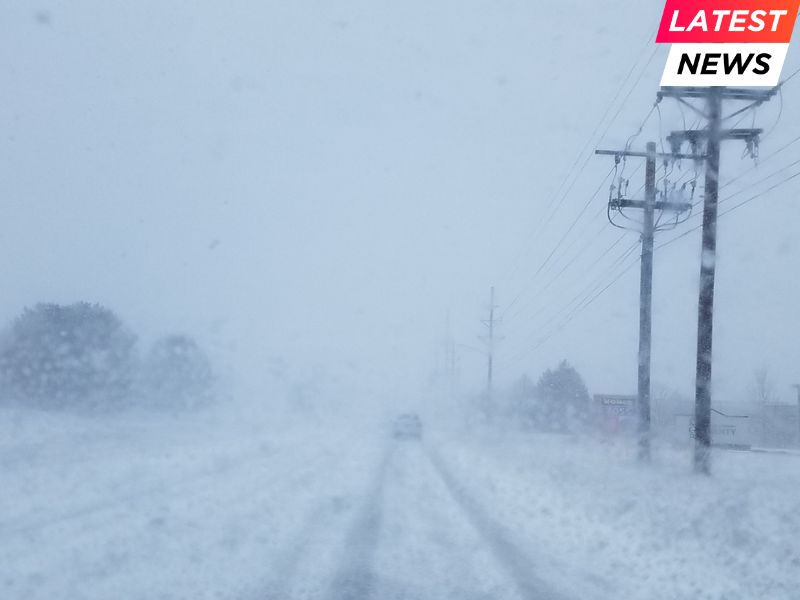
A powerful winter storm bringing brutal cold, heavy snow and dangerous ice is sweeping across large parts of the United States east of the Rockies, disrupting travel and threatening lives as Arctic air plunges deep into the country. While the bitter conditions may appear at odds with a warming planet, scientists say this kind of extreme winter weather can still occur and may even intensify under the right circumstances.
The current outbreak is driven by a southward surge of Arctic air linked to the polar vortex, a massive circulation of cold air that usually remains locked over the far north. This week, that system stretched and dipped, allowing frigid air to spill into the Central and Eastern states. The result is a prolonged period of unusually cold temperatures more typical of winters several decades ago.
“There’s clearly this strong relationship between stretched vortex events and extreme winter weather here in the US,” said Judah Cohen, a research scientist at MIT. “I’m not saying any one weather event is attributed to climate change,” he added, “But I do think it loaded the dice here.”
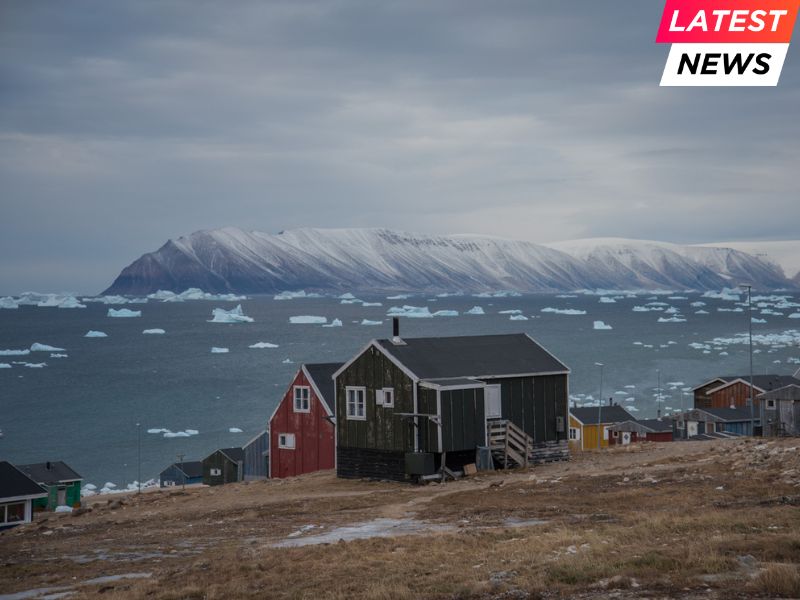
Cohen and other researchers point to rapid changes in the Arctic as a key factor. Loss of sea ice in regions such as the Barents and Kara Seas can weaken the polar vortex, making it more likely to stretch and wobble. Above average snowfall in parts of Siberia, also tied to reduced sea ice, can further increase the chances of these disruptions, sending cold air south into the US, Europe and Asia.
Jennifer Francis, a researcher at the Woodwell Climate Research Center, said the current storm fits a broader pattern she has observed. “Even though global warming is causing warmer winters overall, severe winter weather events are still possible — and perhaps even more likely — because warming is not the only consequence of human-caused climate change,” she said. “Other ingredients that set the stage for severe winter weather are on the rise, and many of them are in play this week.”
Despite the intensity of the cold now unfolding, long-term trends show that winters across the US are warming rapidly. Winter is the fastest warming season in the country, and cold extremes are becoming less frequent over time. This season alone, warm temperature records have outpaced cold records across the Lower 48 states, largely because parts of the West are experiencing their warmest winter on record.
Many ski destinations in Colorado and other western states have struggled with a lack of snow, highlighting the uneven nature of winter weather in a changing climate. “Relatively few cold temperature records have been set so far when compared to the warm records out West,” said Bernadette Woods Placky, chief meteorologist at Climate Central. Still, she emphasized that the current cold is real and significant, noting it resembles winters common in the Midwest and Northeast years ago.
Climate Central research shows how dramatically cold extremes have shifted. In Minneapolis, the coldest temperature of the year has risen by about 12 degrees Fahrenheit since 1970. Cleveland has seen a similar increase of 11.2 degrees over the same period. These changes mean that while extreme cold snaps can still occur, they are increasingly rare compared with past decades.
“Bone-chilling cold is becoming less common and severe as the world warms,” Woods Placky said, even as millions brace for dangerous conditions now. Whether this outbreak will break longstanding cold records remains uncertain, but scientists stress that its severity does not contradict climate change.
Instead, experts say the storm underscores a complex reality. A warming world does not eliminate winter or extreme cold. Rather, it reshapes weather patterns, sometimes increasing volatility. As Cohen put it, climate change may not create individual storms, but it can influence the background conditions that make extreme events more likely.
For communities facing days of dangerous cold, the science offers little comfort in the moment. But researchers hope a better understanding of these dynamics will help the public see how climate change can produce both record warmth and punishing cold, sometimes at the same time.
Related Readings: