Table of Contents
- The Evolution of Scottish Residential Architecture
- Why Aluminium has Become the Material of Choice
- Slim Sightlines and the Pursuit of Natural Light
- Thermal Performance in the Scottish Climate
- Durability and Maintenance in Coastal and Urban Environments
- Colour Palettes and Aesthetic Versatility
- Sustainable Building Practices and Recyclability
- Integrating Smart Technology with Window Systems
- The Future of Scottish Home Design
The Evolution of Scottish Residential Architecture
Scottish architecture has undergone a radical transformation over the last two decades. While the traditional sandstone tenements and white harled cottages remain iconic symbols of the past, the new builds emerging across the Central Belt, the Highlands, and the coastal regions are embracing a much more modernist aesthetic. This shift is characterized by a desire for transparency, minimalism, and a seamless connection between internal living spaces and the rugged beauty of the Scottish landscape.
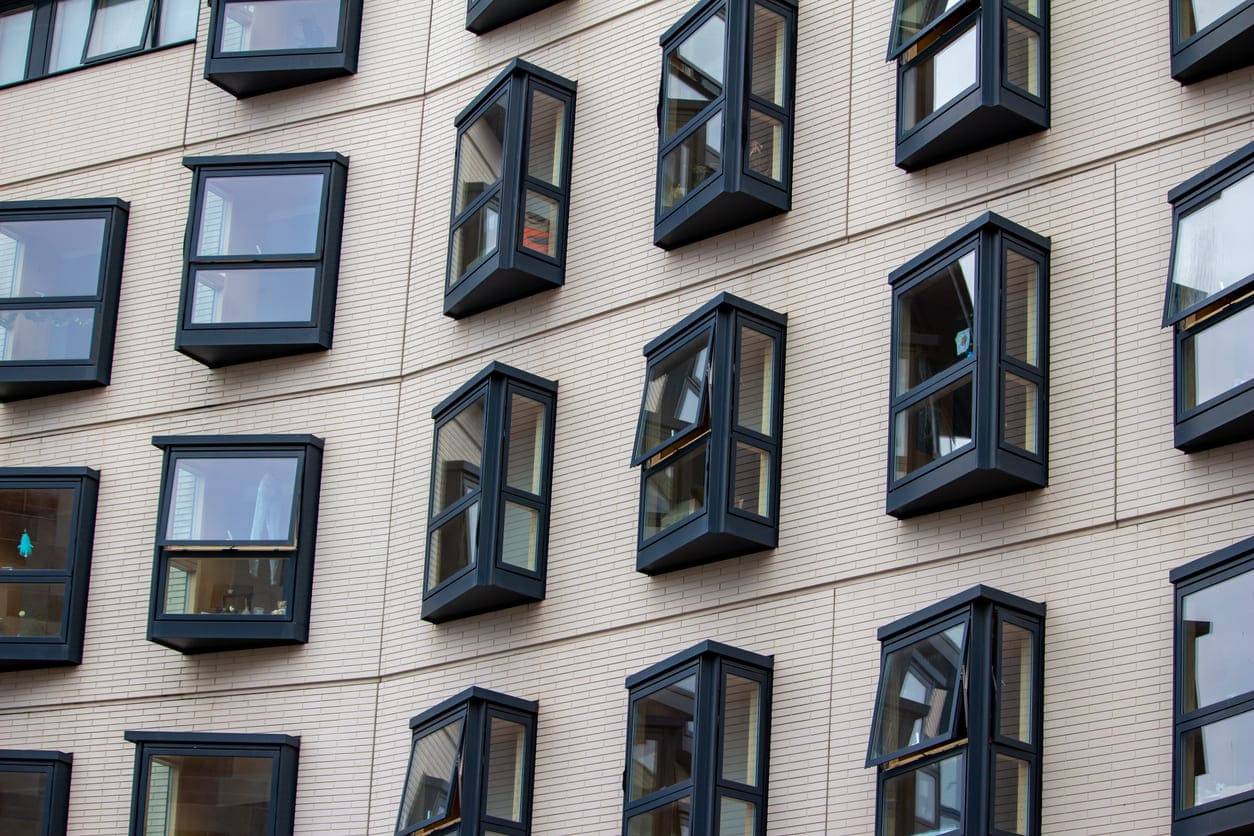
The transition from timber and uPVC toward more industrial materials is not merely a fashion statement but a response to the changing demands of homeowners. Today, people want expansive glass walls that frame the view of a loch or a city skyline without the intrusion of thick, bulky frames. This demand for high performance and high style has placed aluminium at the center of the contemporary design movement. Architects are no longer restricted by the structural limitations of traditional materials, allowing for larger apertures and more creative floor plans that prioritize light above all else.
Why Aluminium has Become the Material of Choice
The rise of aluminium in the residential sector is largely due to its incredible strength to weight ratio. Unlike timber, which can warp over time, or uPVC, which requires internal steel reinforcement for larger spans, aluminium is inherently rigid. This allows for the creation of massive floor to ceiling window installations that remain stable and secure. When considering Contemporary Design: How Aluminium Windows are Shaping New Builds Across Scotland, it is clear that Wolfline Windows & Doors has become a pivotal name for developers seeking to combine this structural integrity with bespoke craftsmanship.
Furthermore, aluminium is a highly flexible material in terms of fabrication. It can be extruded into complex profiles that accommodate triple glazing and advanced weather seals while maintaining a sleek profile. This versatility means it can be used in everything from ultra modern urban apartments in Glasgow to secluded eco homes in the Cairngorms. The material does not rust or rot, making it a permanent fixture that adds significant value to any new build property.
Slim Sightlines and the Pursuit of Natural Light
One of the most defining characteristics of modern Scottish homes is the use of slim sightlines. In a country where daylight hours can be limited during the winter months, maximizing the entry of natural light is vital for both well being and energy efficiency. Aluminium frames can be significantly thinner than their counterparts, meaning the ratio of glass to frame is much higher.
- Maximizing Solar Gain: Larger glass panes allow more sunlight to enter the home, naturally warming the interior spaces during the day.
- Uninterrupted Views: Slimmer frames ensure that the focus remains on the scenery outside rather than the hardware of the window itself.
- Minimalist Aesthetic: The clean, sharp edges of aluminium profiles complement the geometric shapes often found in contemporary architecture.
By reducing the visual bulk of the window, architects can create a sense of weightlessness in a building. This is particularly effective in open plan living areas where the boundary between the kitchen, dining room, and garden is blurred through the use of bi folding or large sliding doors.
Thermal Performance in the Scottish Climate
A common misconception from decades ago was that metal windows were cold and prone to condensation. However, modern engineering has completely eradicated this issue through the introduction of thermal breaks. A thermal break is an insulating material placed between the inner and outer sections of the aluminium profile to prevent heat transfer.
For Scottish homeowners, this is a critical feature. With the wind and rain that often batter the Atlantic coast, windows must provide a robust barrier against the elements. Wolfline Windows & Doors provides systems that utilize these advanced thermal breaks alongside high performance glazing to achieve exceptionally low U values. This ensures that even with vast expanses of glass, the home remains warm and energy bills are kept under control. Triple glazing is also becoming a standard request in new builds, providing an extra layer of insulation and soundproofing that is particularly beneficial in bustling city centers or exposed rural sites.
Durability and Maintenance in Coastal and Urban Environments
Scotland presents a unique set of challenges for building materials. From the salt spray of the Western Isles to the atmospheric pollutants in industrial areas, windows are subjected to constant environmental stress. Aluminium is naturally resistant to corrosion, but when finished with a high quality powder coating, it becomes virtually indestructible.
- Salt Resistance: Marine grade finishes are available for homes located within a certain distance of the shoreline, preventing the finish from pitting or bubbling.
- Low Maintenance: Unlike timber, which requires sanding and painting every few years, aluminium simply needs an occasional wipe down with soapy water to maintain its appearance.
- Longevity: An aluminium window system can easily last forty years or more without losing its structural integrity or aesthetic appeal.
This long term durability makes it a cost effective choice for developers and self builders who want to invest in a product that will not require replacement or heavy maintenance for decades to come.
Colour Palettes and Aesthetic Versatility
While many people associate aluminium windows with a dark grey or black industrial look, the reality is that they are available in any RAL colour imaginable. This allows homeowners to perfectly match their windows to other elements of the building, such as the roofline, cladding, or front door.
Wolfline Windows & Doors offers a wide range of finishes, including matte, gloss, and even textured surfaces that provide a unique tactile quality to the frames. In many contemporary Scottish builds, we see a trend towards dual colour options. This allows the exterior of the window to be a bold, dark shade that stands out against stone or timber cladding, while the interior is finished in a softer white or light grey to complement the interior decor. This level of customization is one of the primary reasons why architects prefer aluminium for bespoke projects.
Sustainable Building Practices and Recyclability
As the construction industry moves towards a net zero future, the sustainability of materials has never been more important. Aluminium is often referred to as the green metal because it is one of the most recycled industrial materials on earth. Around seventy five percent of all aluminium ever produced is still in use today.
- Circular Economy: At the end of its long life cycle, an aluminium window can be melted down and recycled into a new product with no loss of quality.
- Energy Efficiency: By reducing the need for artificial heating and lighting through superior thermal design and light entry, these windows lower the overall carbon footprint of a home.
- Responsible Sourcing: Many manufacturers now prioritize using primary aluminium produced with renewable energy sources, such as hydroelectric power.
Choosing sustainable materials is a priority for many new build projects in Scotland, especially those aiming for specific green certifications or building to Passivhaus standards.
Integrating Smart Technology with Window Systems
The modern home is increasingly connected, and window technology is no exception. Contemporary aluminium systems are now being designed to integrate seamlessly with home automation. This includes everything from automated opening vents for climate control to integrated Venetian blinds that can be controlled via a smartphone app.
Security is another area where technology and design intersect. Because aluminium is so strong, it can support heavy duty multi point locking systems that are much harder to breach than those found on uPVC windows. Many systems now include concealed sensors that can alert a homeowner if a window has been left open or if there is an attempt at forced entry. Wolfline Windows & Doors ensures that their products meet the highest security standards, providing peace of mind to residents in both urban and rural settings.
The Future of Scottish Home Design
Looking forward, the influence of aluminium on the Scottish architectural landscape is only set to grow. As building regulations become stricter regarding energy efficiency and ventilation, the precision engineering of aluminium profiles will make them the go to solution for meeting these requirements. We are likely to see even more ambitious designs, including curved glass walls and even thinner frames that push the boundaries of what is possible.
The trend of bringing the outdoors in will continue to dominate. Large scale sliding doors that disappear into wall pockets and corner to corner glass without visible support pillars are becoming more common in high end new builds. These features rely entirely on the strength and versatility of aluminium. By choosing high quality installations from providers like Wolfline Windows & Doors, Scottish homeowners are ensuring that their properties are not only beautiful and functional today but are also built to withstand the tests of time and the unpredictable Scottish weather. The marriage of form and function that aluminium provides is truly the foundation of modern residential design in the north.