
Tongits rounds usually don’t collapse because of one huge error. Momentum more often shifts through a chain of small choices—keeping a card a little too long, throwing away a discard without considering what others might be building, or sticking with a meld that stopped being realistic several turns ago.
For players trying GameZone Tongits, recognizing these micro-decisions can be more valuable than memorizing “best moves.” Tongits is a game of partial information: opponents’ hands stay hidden, draws are uncertain, and the strength of a card depends on what the table reveals next. The aim isn’t to remove uncertainty, but to play better while uncertainty is part of every turn.
Common mistakes players run into
Typical Tongits GameZone errors include holding high cards too long, forcing unlikely combinations, speeding up after a lucky draw, overlooking discard-pile patterns, and letting emotions—especially after a loss—drive the next decisions. Consistency improves when players keep reassessing hand structure, tracking table signals, adapting to endgame pressure, and following responsible limits.
1. Keeping high cards without a current purpose
A player hangs onto a King hoping it eventually pairs or becomes useful in a set. Several turns pass and nothing connects. The longer it’s held, the harder it feels to discard—because dropping it looks like admitting the earlier choice was wrong.
In Tongits, sunk effort shouldn’t decide the next turn. An unmatched high card can quickly turn into deadwood if someone ends the round before it becomes part of a meld. A practical check is asking what that card contributes right now, not what it might do later.
2. Discarding as if the table isn’t giving clues
A discard doesn’t only remove a card from your hand—it also becomes information other players can react to. When an opponent repeatedly picks up cards that fit a certain run, carelessly feeding nearby ranks or related suits can help them complete a combination.
No one can read an opponent’s full hand, but discard history and pickups provide hints. Learning to treat those hints as decision tools is often where players move from simply knowing rules to applying strategy.
3. Chasing an “almost finished” meld for too long
One of the most common traps is the “one more card” mindset. A run like 6♥-7♥-8♥ can look strong, but if the rest of the hand is scattered with high deadwood and the needed cards never appear, continuing the chase may be the wrong trade.
At that point, the correct decision is based on the hand’s current reality—not how close it felt several turns ago. Earlier turns are feedback, not a commitment.
4. Picking up every card that looks helpful
More options can also mean more confusion. Some players grab anything that might connect, then end up with multiple half-built sequences and pairs competing for space. The result is less flexibility and more deadwood risk.
A steadier approach is choosing pickups that support the best-developed plan, rather than collecting “maybe useful” cards that pull the hand in too many directions.
5. Speed-playing right after a good draw
A strong draw can create instant confidence, and online play can make it easier to act fast because the next button is always available. But even when a pickup improves the hand, it doesn’t automatically reveal the best discard.
A brief pause helps: what just improved, what became less useful, and what discard gives away the least to the table?
6. Letting regret shape the next move
After a poor discard, some players try to “fix” the mistake immediately by taking bigger risks—picking up questionable cards or holding heavy deadwood longer than they should. The next choices become emotional reactions instead of objective decisions.
Treating each turn as a reset point helps: what is known now, what changed, and what is the lowest-risk useful action?
7. Copying a move without matching the context
Watching strong players can teach timing and table awareness, but copying a discard without understanding the hand behind it can be misleading. The same card drop can be smart for one player and harmful for another.
Before imitating, consider your hand, the visible discard trail, likely meld routes, the stage of the round, and how much risk your deadwood level allows.
8. Missing endgame pressure
Players can get locked into building their own combos and miss how quickly the round is tightening. As draws and discards accelerate, the correct strategy may shift toward lowering deadwood and preventing opponents from completing patterns.
Evaluating position against the table’s pace—not just personal progress—often separates careful play from inconsistent play.
9. Trying to recover a loss immediately
Strategy and responsible play meet here. PAGCOR guidance commonly emphasizes setting limits and avoiding chasing losses. Research on gambling behavior also describes loss-chasing as continuing or escalating play after losing, including faster play or increased risk-taking.
In Tongits terms, the danger thought is trying to “get it back next round,” which can push rushed decisions and bigger mistakes.
10. Expecting a perfect move in an imperfect-information game
Because opponents’ hands are hidden and future draws are unknown, even strong decisions can lead to bad outcomes. Better play comes from separating decision quality from result: a smart move isn’t always rewarded immediately, but it improves long-run consistency.
Platform verification and safer access notes
GameZone users are encouraged to verify they are accessing the platform through official, regulated channels as part of responsible online play. PAGCOR’s January 29, 2026 registry lists Gamezone under Total Gamezone Xtreme Incorporated (TGXI) and names gamezone.ph as the primary domain, with gzone.ph and gamezone.com.ph also identified as additional URLs. In PAGCOR’s March 19, 2026 approved electronic-games list, Tongits Plus and Tongits Quick are included under Gamezone.
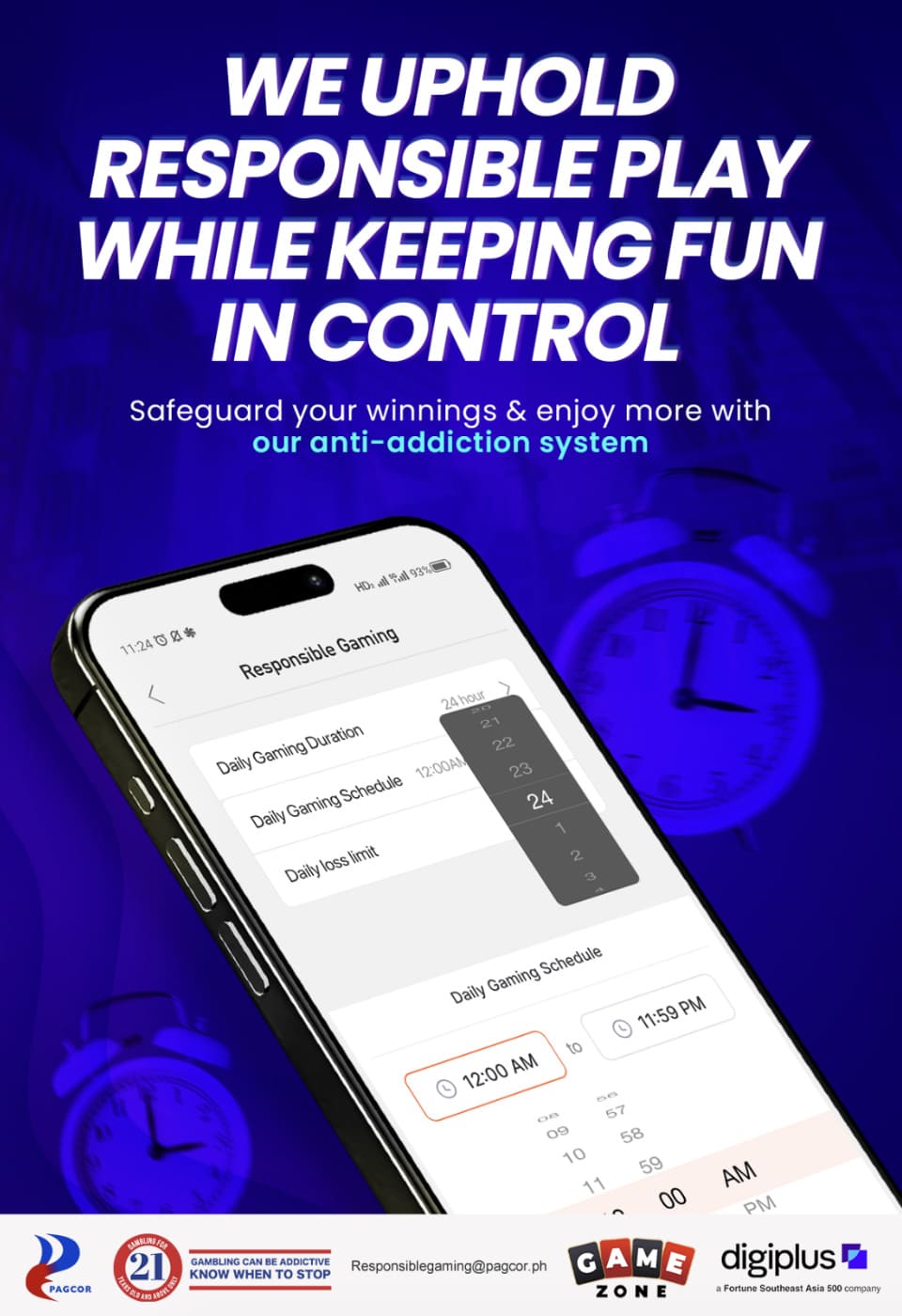
The platform’s access rules also state that players must meet eligibility requirements, including an age minimum of 21 years old and above. For mobile access, downloading the GameZone app through the official website or a verified app-store listing helps reduce security risks. Avoid installing random APK files or clicking unofficial download links shared through unverified messages or advertisements, as these sources may be unsafe.
Disclaimer: This article contains sponsored marketing content. It is intended for promotional purposes and should not be considered as an endorsement or recommendation by our website. Readers are encouraged to conduct their own research and exercise their own judgment before making any decisions based on the information provided in this article.