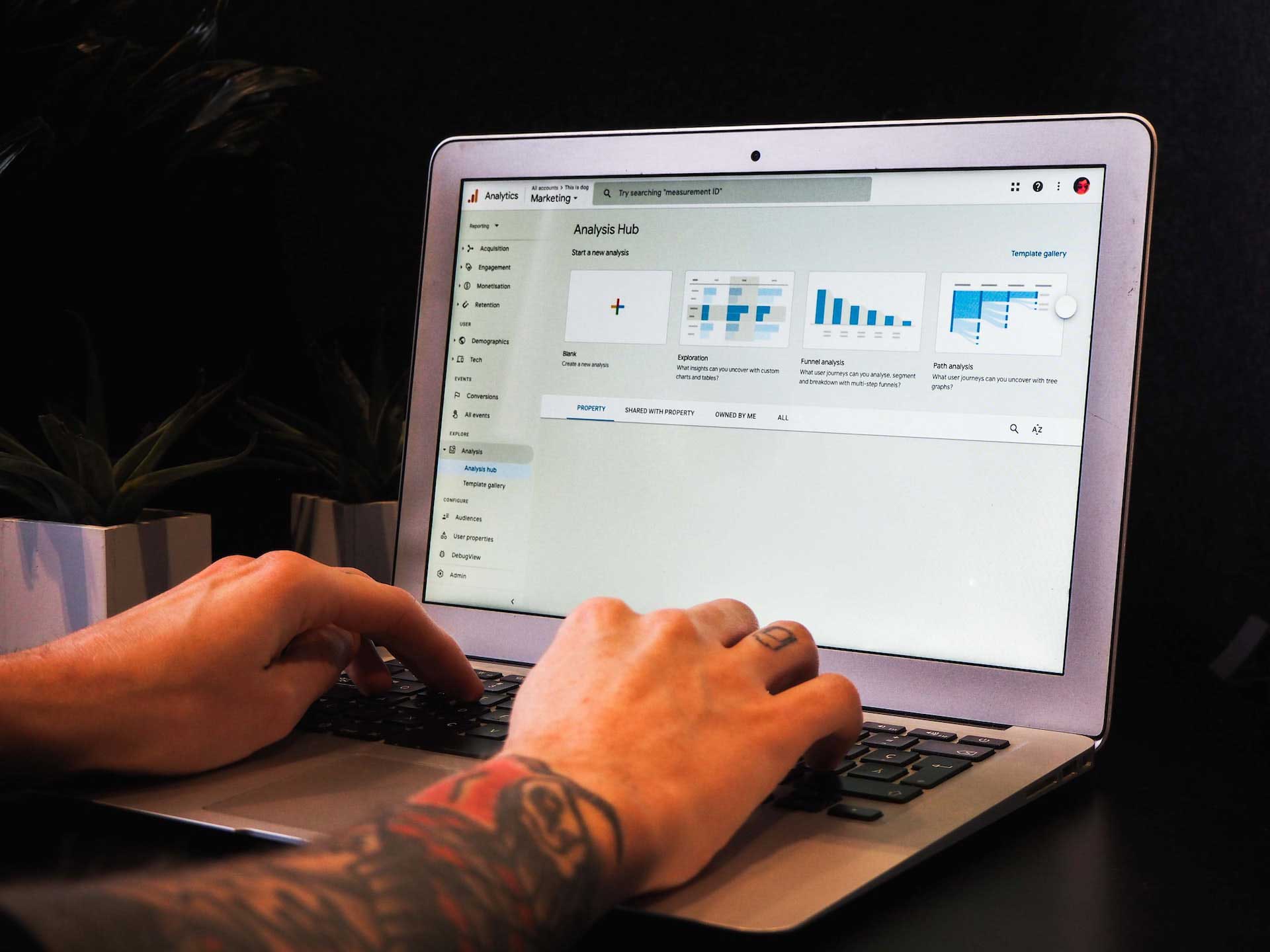
A data governance specialist is a professional who is responsible for the overall management of an organization’s data. This includes developing and implementing data policies and procedures, ensuring that all data is accurate and compliant with regulations, and managing the flow of data within and outside the organization. Without data governance in place, an organization’s data can quickly become disorganized and unmanageable. A data governance specialist helps to keep an organization’s data organized and under control.
There are many different aspects to data governance, and the role of a data governance specialist can vary depending on the size and type of organization. However, there are some general responsibilities that are common to most data governance specialists. In this article, we will go in-depth about the six essential ones you should know about.
Developing and Implementing Data Policies and Procedures
One of the most important responsibilities of a data governance specialist is to develop and implement policies and procedures for managing data. These policies and procedures should be designed to meet the specific needs of the organization and should be regularly reviewed and updated as needed. Without well-defined policies and procedures in place, it can be very difficult to ensure that all data is accurate and compliant with regulations.
Depending on the size and complexity of the organization, the data governance specialist may be responsible for developing these policies and procedures from scratch or working with other members of the organization to develop them. In either case, it is important that the data governance specialist has a good understanding of the organization’s business goals and objectives, as well as a thorough knowledge of relevant laws and regulations.
Ensuring Data Accuracy and Compliance
Another key responsibility of a data governance specialist is to ensure that all data is accurate and compliant with relevant laws and regulations. This includes ensuring that data is properly collected, stored, and processed, as well as ensuring that it is used in accordance with the organization’s policies and procedures.
While you might be tempted to think of data accuracy and compliance as two separate issues, they are actually very closely related, and working with a firm specialized in providing data governance consulting services may be the best way to ensure both. Even the most well-designed data governance policies and procedures will be of little use if the data itself is inaccurate or non-compliant.
To do this, the data governance specialist must have a good understanding of the organization’s data lifecycle, as well as the tools and processes used to manage it. They must also be able to identify potential risks and implement controls to mitigate them. In some cases, the data governance specialist may need to work with external auditors or regulators to ensure compliance.
Managing Data Flow
Whether data is coming in from external sources or being generated internally, it is important that there is a process in place for managing its flow. The data governance specialist is responsible for ensuring that data flows smoothly and efficiently throughout the organization. This includes developing processes for importing and exporting data, as well as for moving data between different departments or business units.
The data governance specialist should also be familiar with the various tools and technologies that are available for managing data flow. For example, they may need to use data quality assessment tools to ensure that all incoming data meets the organization’s standards. They may also need to use data mapping tools to track the movement of data between different parts of the organization.
Identifying and Resolving Data Issues
Part of ensuring data accuracy and compliance is being able to identify and resolve any data issues that arise. The data governance specialist is responsible for identifying these issues and working with the relevant parties to resolve them. This may involve everything from correcting errors in data entry to tracking down missing or inaccurate data
In some cases, the data governance specialist may need to liaise with external agencies or service providers to resolve data issues. For example, if customer data is being imported from an external database, the data governance specialist may need to contact the provider to rectify any errors. Or, if sensitive data is lost or stolen, the specialist may need to work with law enforcement agencies to track down the perpetrators and recover the data.
Communicating with Stakeholders
A data governance specialist also needs to be able to communicate effectively with all stakeholders, both inside and outside the organization. This includes upper management, as well as other members of the data governance team, such as data analysts and data scientists. It also includes anyone who uses or relies on the organization’s data, such as customers, partners, and suppliers.
The data governance specialist must be able to clearly explain the organization’s policies and procedures, as well as any changes or updates that are made to them. They must also be able to answer questions from stakeholders and help them understand how the organization’s data is used and why it is important to protect its accuracy and compliance.
Continuous Improvement
Data governance is an ongoing process, and the data governance specialist needs to be able to continuously improve the organization’s policies and procedures. This includes keeping up to date with changes in technology and best practices, as well as identifying any areas where the organization’s current data governance arrangements could be improved.
The organization’s data should be regularly reviewed to identify any new risks or issues that need to be addressed. Data government specialists should work with upper management to ensure that the budget and resources are in place to support the continuous improvement of the organization’s data governance arrangements. And if the organization is subject to external audits or reviews, the specialist should liaise with the auditor or review team to ensure that the data governance arrangements are up to par.

Data governance is a complex and ever-evolving field, and the responsibilities of a data governance specialist are constantly changing and expanding. As such, it is important for organizations to work with a firm that specializes in data governance consulting services, so they can be sure that their data is being managed effectively and compliantly. As you can see, the responsibilities of a data governance specialist are numerous and varied, but they all boil down to one thing: ensuring that the organization’s data is accurate, compliant, and secure.