


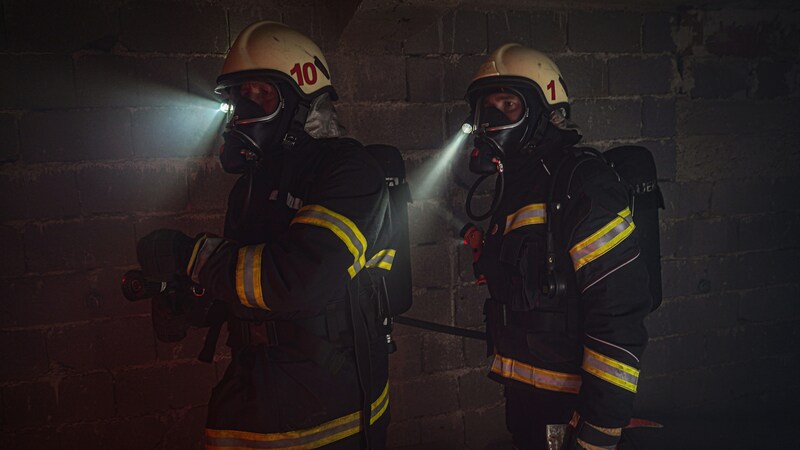
When choosing fire watch guards, look for proper training, round-the-clock availability, clear patrol records, solid communication and a provider that works with your local fire marshal. The right team protects occupants, supports compliance and gives you written proof that the building was watched during an outage.
This guide explains what to ask, what to check and which warning signs to avoid, so you can decide quickly when a fire alarm or sprinkler system goes down.
Why Does the Choice of Provider Matter So Much?
The choice matters because a fire watch replaces part of your building’s protection while the system is impaired. If the person on patrol is untrained, distracted or absent, the building is exposed.
A weak fire watch can also create paperwork problems. Fire marshals, insurers and building owners may ask for proof that patrols took place. Missing or sloppy records can turn a manageable outage into a compliance headache.
Since these situations are often urgent, many property managers have little time to compare options. Knowing what to look for in advance saves hours when it counts.
What Training Should a Fire Watch Team Have?
A fire watch team should understand fire hazards, building exits, extinguisher use, emergency reporting and how to document patrols. Ask exactly what training its fire watch guards receive before they start a shift.
Requirements differ by state and local authority, so ask your fire marshal what they expect. Then ask the provider how their people meet those expectations. A good company can explain its training clearly and will not dodge the question.
Background matters too. Guards with fire service experience may recognize hazards faster, though experience alone is not a substitute for training and clear procedures.
Can They Cover Nights, Weekends and Holidays?
Yes, they should, because fire system failures do not follow business hours. A provider that can only work weekdays is a poor fit for many outages.
Ask how coverage is scheduled, who answers the phone after hours and what happens if a guard cannot make a shift. A live dispatcher who can reach a supervisor is far better than a voicemail box.
Be careful with promises of exact arrival times. Response depends on location and availability, so ask for realistic estimates in writing rather than relying on a verbal guarantee.
How Should Patrols and Records Be Documented?
The Fast Fire Watch Company explains, Patrols should be logged with times, locations checked and any issues found. These logs are the main proof that your building was watched during the impairment.
Ask to see a sample log. Check whether it records each round, includes the guard’s name and shows what areas were covered. Some companies use GPS tracking or digital reporting, while others use paper logs. Either can work if it is complete and legible.
Also ask how and when you will receive copies. You will want them for the fire marshal, your insurer and your own files.
What Checklist Should You Use Before Hiring?
Use a short checklist so nothing important gets missed under pressure. Keep it with your emergency contacts.
- Confirm what training the guards receive.
- Ask whether coverage is available around the clock.
- Request a sample patrol log and reporting method.
- Verify insurance coverage and ask for proof.
- Get a written quote with the rate, minimum hours and any extra fees.
- Ask who your single point of contact will be.
- Check that the provider serves your area.
- Confirm how they coordinate with the fire marshal and your contractor.
Where Can You Find Reliable Providers?
Start with your fire protection contractor, your insurer and your local fire marshal, who may know which companies have worked in your area. Peer property managers are another good source.
You can also research specialist providers online. Many buildings turn to dedicated fire watch guards because a focused provider can usually supply trained people and documentation without pulling your own staff away from their regular jobs.
As an example, Fast Fire Watch Guards says on its website that it was founded by a retired firefighter, offers 24/7 live dispatch, uses GPS-tracked patrols and provides a dedicated site contact. Whichever company you consider, confirm these details in your contract before you rely on them.
What Warning Signs Should You Watch For?
Be cautious if a provider cannot explain its training, refuses to share sample records or avoids putting prices in writing. These are signs of a company that may struggle under pressure.
- Vague answers about insurance or licensing.
- No clear way to reach someone after hours.
- Promises that sound too good, such as guaranteed arrival times with no conditions.
- No plan for replacing a guard who calls in sick.
- Unwillingness to coordinate with your fire marshal or contractor.
If something feels unclear, ask again. A reliable provider will welcome the questions.
How Can You Be Ready Before an Outage Happens?
Prepare by choosing a provider in advance, saving contact numbers and writing a simple impairment plan. A short call today can save critical time later.
Share your floor plans, exit locations and key contacts ahead of time if the provider will accept them. During an outage, the more the guard knows about your building, the more effective each patrol will be.
Frequently Asked Questions
What qualifications should a fire watch guard have?
Requirements vary by location, so ask your fire marshal what they expect. In general, guards should understand fire hazards, exits, emergency reporting and logging. Ask any provider to explain its training in writing and to confirm that guards meet local requirements.
How much does a fire watch cost?
Costs depend on location, hours, number of guards and how urgent the request is. Rates can differ widely, so ask for a written quote showing hourly rates, minimum shifts and extra fees. Compare quotes carefully rather than choosing on price alone.
Can my own staff do the fire watch?
Sometimes, if your local authority allows it and the person is trained and has no other duties. Many buildings prefer outside help because staff are busy with normal work. Always confirm with your fire marshal before assigning anyone.
How quickly can a fire watch start?
It depends on the provider, your location and current demand. Some companies can start within hours, but timing is not guaranteed. Ask for realistic estimates in writing, and call early, because delays can lead to violations or gaps in protection.
What should be in the contract?
Look for rates, minimum hours, coverage areas, insurance details, reporting methods and a named contact. Also confirm who provides logs and when. Read the terms about cancellation and extensions, since repairs often take longer than first expected.
Final Thoughts
The best fire watch team is trained, reachable at any hour and open about how it documents its work. Ask direct questions, compare written quotes and confirm everything in the contract.
Take a few minutes now to build your checklist and save your contacts, so you can act fast when a system fails.