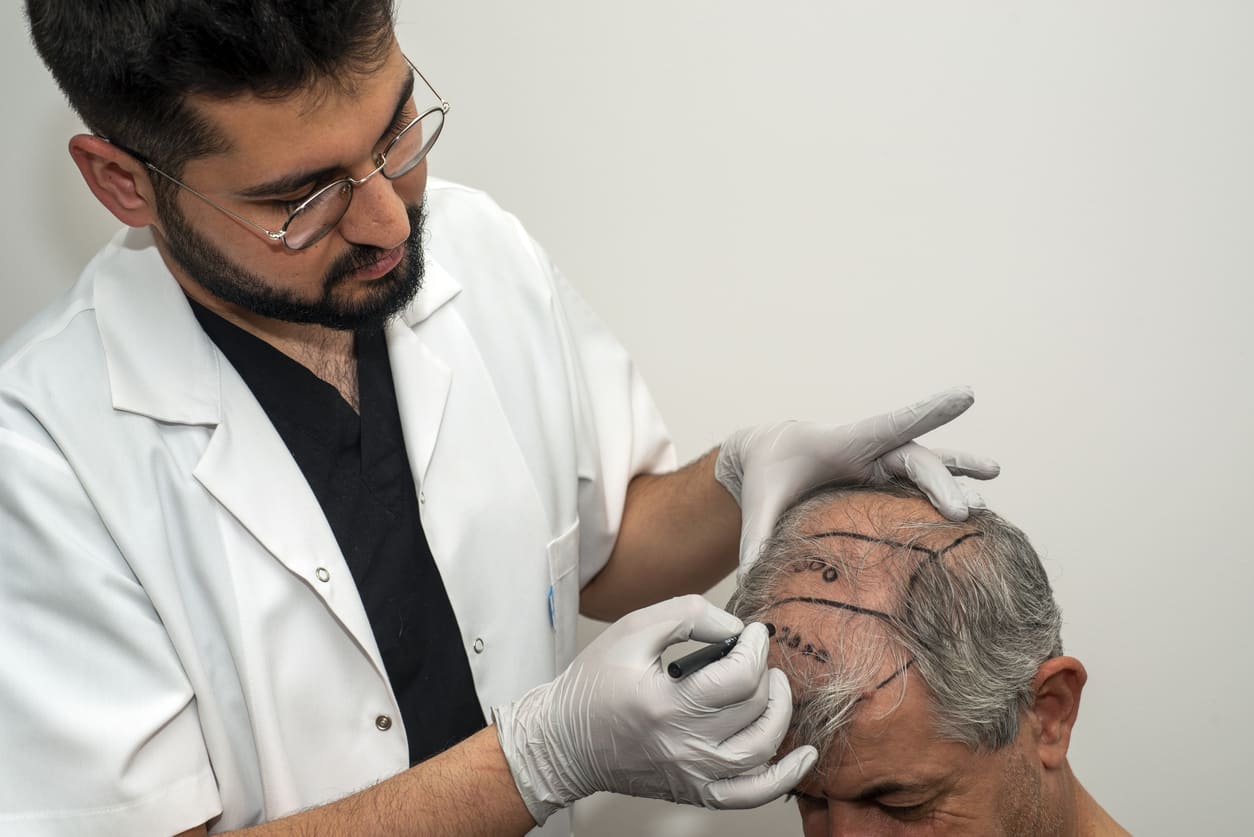
Turkey has become a major destination for people considering hair restoration abroad. Istanbul, in particular, has a large number of clinics serving both local and international patients. Lower operating costs, an established medical-tourism sector, and the availability of specialized hair-restoration services have all contributed to the country’s popularity. At the same time, the large and varied market means patients need to compare clinics carefully rather than assuming that location alone indicates quality.
Why Turkey Has Become Popular for Hair Restoration
Several factors have contributed to the growth of hair transplant in Turkey. Treatment and facility costs can be lower than in the United States, the United Kingdom, and parts of Western Europe. Turkey also has an established medical-tourism infrastructure, making it relatively straightforward for international patients to arrange consultations, accommodation, transportation, and treatment in one trip.
The availability of many providers has created more choice, but it has also made comparison important. Clinics can differ considerably in surgeon involvement, staff experience, techniques offered, follow-up care, and the way treatment packages are priced. A low advertised price should therefore be considered alongside the actual scope of treatment and aftercare.
Before You Book: What a Proper Consultation Should Include
A consultation, whether conducted in person or remotely, should involve an assessment of the pattern and extent of hair loss, the density of the donor area, and the patient’s expectations. A proposed graft count should be based on an examination rather than presented simply as a selling point. Patients should also ask how the treatment plan is expected to change if additional hair loss occurs in the future.
It is equally important to establish who will perform each stage of the procedure. Some clinics involve surgeons for certain parts of the operation while trained technicians assist with extraction or implantation. This is not automatically a sign of poor care, but patients should be told clearly who is responsible for each step and what level of supervision is provided.
What Happens on Procedure Day
A hair transplant commonly takes several hours, although the duration varies with the number of grafts and the technique used. The donor area is generally prepared and numbed with local anesthesia. Follicular units are then removed and placed into the recipient area according to the planned hairline and the natural direction of growth.
Patients are normally awake during the procedure. Breaks may be possible depending on the clinic and the length of the session. Temporary redness, small scabs, and visible marks in the treated areas are common during the early recovery period.
Recovery Timeline: Week by Week
Swelling can occur during the first few days and may move toward the forehead or around the eyes before gradually settling. Small scabs commonly develop around the transplanted follicles and usually disappear over the following days. The exact recovery experience differs from person to person.
The transplanted hairs often shed during the first several weeks. This temporary shedding is commonly known as shock loss and does not necessarily mean that the transplant has failed. The follicles can remain beneath the skin before entering a new growth phase. New visible growth often begins after several months, while density continues to develop over a longer period. Final results can take well over a year to mature.
Choosing a Clinic Without Getting Burned
Reviews and before-and-after photographs can provide useful information, but they should not be the only basis for a decision. Patients should look for consistent documentation, clear information about the medical team, realistic explanations of expected results, and photographs that show results after sufficient time has passed.
It is also worth asking about follow-up arrangements, complications, and revision policies before paying a deposit. A clinic should be willing to explain what happens if growth is lower than expected or if additional treatment is later recommended. Patients should also verify whether photographs and testimonials represent the clinic’s own work and whether they have enough information to be independently assessed.
What the Price Actually Includes
Hair-transplant packages in Turkey vary widely in price. Hair transplant cost depends on the number of grafts, treatment technique, medical team, facility, and services included in the package. International-patient packages may include items such as airport transportation, accommodation, translation or coordination, and basic aftercare.
Before booking, ask for a written breakdown of what is and is not included. Medication, follow-up consultations, additional nights, transfers, or aftercare products may sometimes be charged separately. Comparing the total scope of treatment is more useful than comparing headline prices alone.
Setting Realistic Expectations
A hair transplant redistributes existing hair follicles; it does not create a new supply of follicles. The amount of coverage that can be achieved therefore depends heavily on donor supply, the extent of hair loss, hair characteristics, and the treatment plan. Existing hair outside the transplanted area can also continue to thin over time.
A consultation may include discussion of treatments or maintenance options that can help manage continuing hair loss. Patients should ask what is realistically achievable, how long results may take to develop, and what ongoing care might be appropriate for their individual situation.
For anyone considering a hair transplant in Turkey, the most useful approach is to treat the decision as a medical comparison rather than simply a travel purchase. Looking beyond package prices and promotional claims can help patients evaluate the medical team, treatment plan, expected results, and aftercare on their own merits.