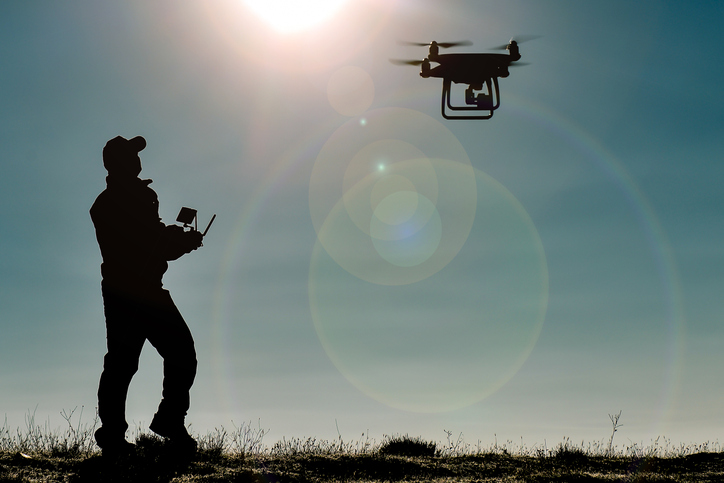
Businesses across finance, logistics, construction, and infrastructure management are rapidly investing in automation technologies to improve operational efficiency and reduce costs. Companies seeking scalable digital ecosystems increasingly rely on providers offering drone software development expertise to create intelligent platforms tailored to complex enterprise operations. Companies such as Wezom help businesses integrate drone technologies into broader automation strategies that support real-time analytics, operational visibility, and long-term scalability.
Why Automation Has Become a Business Priority
Modern enterprises operate in an environment where efficiency, speed, and data accuracy directly influence competitiveness. Companies are expected to deliver faster services, reduce operational downtime, and optimize resource allocation while maintaining high levels of reliability and security.
Traditional operational models often rely heavily on manual inspections, paper-based reporting, and fragmented communication between departments. These processes slow decision-making and create unnecessary operational expenses. As businesses grow, the limitations of manual workflows become even more visible, especially for enterprises managing large facilities, infrastructure networks, or distributed operations.
Drone technologies help solve these challenges by introducing automation into everyday business processes. Instead of relying entirely on human labor, organizations can use intelligent drone systems to collect data, monitor assets, and identify operational issues in real time.
Businesses adopting automation strategies typically focus on several key goals:
- Improving operational efficiency;
- Reducing long-term infrastructure costs;
- Increasing process transparency;
- Accelerating data collection and reporting;
- Enhancing workplace safety.
Drone software development supports all of these objectives by creating centralized platforms capable of integrating aerial intelligence into larger enterprise ecosystems.
How Drone Technologies Support Business Automation
Modern drone systems are no longer standalone tools used only for aerial photography or surveillance. They have evolved into intelligent operational platforms capable of supporting highly automated business environments.
One of the main advantages of drone technologies is their ability to automate repetitive and resource-intensive tasks. This is especially valuable for industries where inspections and monitoring procedures are performed frequently and across large geographic areas.
For example, infrastructure inspections that once required multiple employees, expensive equipment, and extended operational downtime can now be completed much faster using autonomous drone systems combined with AI-powered analytics.
Drone platforms also improve operational consistency. Manual inspections often depend on human judgment and may vary in quality or accuracy. Automated drone systems follow predefined workflows and capture standardized data sets, reducing inconsistencies and improving reporting reliability.
Another important advantage is accessibility. Drones can quickly reach difficult or hazardous environments where traditional inspections may be dangerous or expensive. This improves safety while allowing businesses to monitor assets more frequently.
Common automation scenarios include:
- Facility and infrastructure inspections;
- Remote asset monitoring;
- Warehouse inventory management;
- Construction progress tracking;
- Security surveillance operations.
As organizations continue investing in digital transformation, drone automation is becoming a critical component of enterprise operational strategy rather than a supplementary technology.
The Growing Role of Artificial Intelligence in Drone Platforms
Artificial intelligence has significantly expanded the business value of drone technologies. Without AI, drones primarily function as remote data collection devices. With intelligent analytics, they become systems capable of generating actionable operational insights automatically.
AI-powered software can process large volumes of drone-generated data much faster than human teams. This enables organizations to identify problems early and respond proactively before operational issues escalate into costly disruptions.
For businesses managing critical infrastructure, predictive analytics has become especially important. AI systems can analyze visual patterns, thermal imagery, and equipment performance indicators to detect anomalies that may indicate future failures.
Instead of reacting to incidents after they occur, companies can implement predictive maintenance strategies that improve operational reliability and reduce downtime.
Artificial intelligence also improves automation capabilities through:
- Intelligent route planning;
- Automated image recognition;
- Real-time anomaly detection;
- Predictive operational forecasting;
- Automated reporting and analytics.
As machine learning technologies continue advancing, drone platforms will become even more autonomous and capable of handling increasingly complex operational tasks.
Why Businesses Across Industries Are Investing in Drone Automation
The demand for drone software development continues growing because businesses across multiple sectors face similar operational challenges. Organizations need faster access to accurate information while controlling infrastructure costs and improving efficiency.
In the financial and insurance sectors, drone technologies help automate property inspections, assess infrastructure conditions, and accelerate claims processing. AI-powered analytics improve fraud detection while reducing the manual effort required for operational assessments.
Construction companies increasingly rely on drones to monitor project progress and improve resource management. Real-time aerial intelligence helps managers identify delays, monitor safety conditions, and improve communication between teams and stakeholders.
Logistics and supply chain companies use drone systems to improve warehouse operations and inventory visibility. Automated monitoring reduces inefficiencies while supporting better operational planning.
Energy providers also represent a major area of growth for drone automation. Power lines, pipelines, solar farms, and industrial facilities require continuous monitoring to maintain operational stability. Drone inspections help reduce downtime while minimizing human exposure to hazardous environments.
Several factors are accelerating enterprise drone adoption:
- Growing operational complexity;
- Rising infrastructure maintenance costs;
- Increased demand for automation;
- Expansion of AI-powered analytics;
- Improvements in cloud infrastructure.
As these trends continue, drone technologies are becoming more deeply integrated into long-term enterprise strategies.
The Limitations of Generic Drone Software
Many businesses initially adopt ready-made drone applications because they appear affordable and easy to implement. However, generic platforms often create limitations once operational requirements become more complex.
Off-the-shelf software is typically designed for broad use cases rather than industry-specific operational needs. This can create significant challenges for enterprises requiring advanced integrations, scalability, or compliance controls.
One of the most common problems is limited flexibility. Generic platforms may not support specialized workflows or custom analytics capabilities required by large organizations.
Integration also becomes a major issue. Enterprise environments often depend on interconnected systems such as ERP platforms, CRM software, cloud environments, and IoT infrastructure. Drone platforms that cannot integrate effectively reduce the overall value of operational data.
Businesses frequently encounter problems such as:
- Inflexible reporting structures;
- Security vulnerabilities;
- Limited automation capabilities;
- Poor scalability for enterprise operations;
- Restricted customization options.
Custom drone software development allows businesses to create ecosystems tailored specifically to operational goals, infrastructure requirements, and long-term growth strategies.
Security and Compliance in Enterprise Drone Ecosystems
As enterprises automate more operations, cybersecurity and compliance become increasingly important considerations. Drone systems often process sensitive operational and infrastructure data that must be protected against unauthorized access or security breaches.
Industries such as finance, logistics, and critical infrastructure management operate under strict regulatory requirements. Businesses in these sectors need platforms that support secure data management and transparent operational controls.
Modern enterprise drone platforms typically require:
- Secure cloud architecture;
- Role-based user access management;
- Data encryption standards;
- Audit tracking capabilities;
- Regulatory compliance reporting.
Organizations investing in custom software environments gain greater control over how data is stored, processed, and shared across operational systems.
Security considerations are becoming even more important as businesses expand automation initiatives and integrate drones into broader enterprise ecosystems.
The Future of Drone Software Development
Drone technologies will continue evolving alongside advancements in AI, cloud computing, and enterprise automation. Over the next several years, businesses are expected to adopt increasingly intelligent drone ecosystems capable of operating with minimal human intervention.
Autonomous drone fleets, edge computing, and real-time analytics will significantly expand operational capabilities. Companies will be able to process data faster, improve predictive decision-making, and automate complex infrastructure management tasks at scale.
Future drone platforms will likely focus on:
- Autonomous operational workflows;
- Advanced AI-assisted analytics;
- Real-time infrastructure monitoring;
- Integration with digital twin technologies;
- Predictive maintenance automation.
As competition increases and operational efficiency becomes even more important, businesses investing early in scalable drone ecosystems will gain stronger long-term advantages.
Conclusion
Drone software development is becoming a critical part of modern business automation strategies. Enterprises across finance, logistics, construction, and infrastructure management increasingly use drone technologies to improve operational visibility, automate repetitive tasks, and reduce long-term operational costs.
While generic software platforms may support basic drone operations, modern enterprises require scalable ecosystems capable of integrating with broader business infrastructure. Custom solutions provide greater flexibility, stronger security, and more advanced analytics tailored to specific operational goals.
As automation, AI, and cloud technologies continue reshaping enterprise operations, drone platforms will play an increasingly important role in helping businesses improve efficiency, scalability, and long-term digital transformation outcomes.