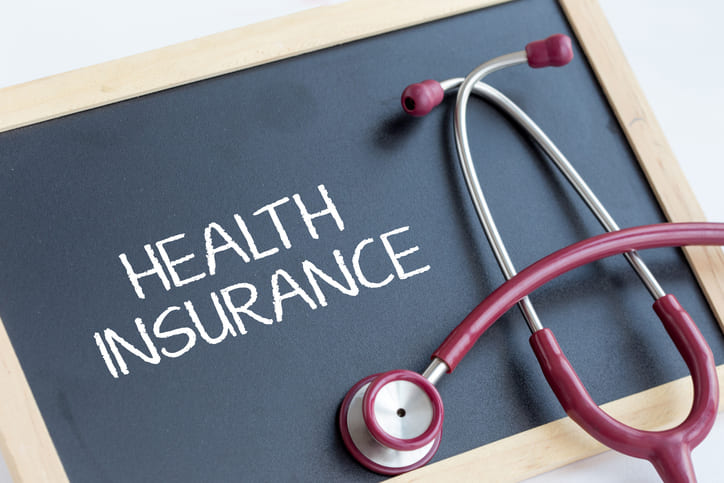
For most young Indians, purchasing the first health insurance policy amounts to a step into the unknown. Premiums, deductibles, exclusions, it’s all a bit of a puzzle, and misinformation is rampant. The good news? Once you have gathered some basic information, picking the appropriate policy is no longer such a daunting task.
That being said, let’s now break down the ‘must-knows’ of health insurance, so that you can make an informed and cost-effective choice.
Why Health Insurance Matters Even If You’re Healthy
Health inflation in India takes place at a much faster pace than general inflation, and hospitalisation costs go up by 10%–15% every year. A single surgery, or extended stay in an ICU at a metro hospital, can take away years of savings. Health insurance essentially transfers this risk from your pocket to the insurer’s, encompassing room rent, specialist fees and costs of post-hospitalisation follow-up.
Understand the Building Blocks
Before you browse health insurance plans, familiarise yourself with these terms:
- Sum insured: The maximum amount the insurer will pay in a policy year. Common urban picks range from ₹5 lakh to ₹20 lakh.
- Waiting period: Time during which specific illnesses aren’t covered, often 2–4 years for pre-existing conditions.
- Co-payment: The percentage you must pay out of each claim. Zero co-pay policies cost a bit more but avoid surprises later.
- Day-care procedures: Modern treatments like cataract or chemotherapy that don’t need 24-hour hospitalisation; ensure your plan lists at least 500 such procedures.
Pick the Right Coverage Amount
Start by adding up worst-case costs:
- A cardiac bypass in a tier-1 city can touch ₹6 lakh;
- A complex orthopaedic implant, ₹4 lakh;
- An ICU stay, ₹35,000 per day.
Add inflation for the next 10 years, and a ₹10 lakh cover begins to look like the bare minimum for a young family in 2025. Solo earners in smaller towns may manage with ₹5 lakh, but aim higher if you frequently travel or live in metros. Many modern policies automatically reinstate your full sum insured after it’s exhausted once, at no extra cost. This doubles protection without doubling the premium.
Compare Features, Not Just Premium
While hunting for the best health insurance, resist the urge to filter by “low to high premium.” Instead, score policies on:
- Cashless hospital network: Anything above 10,000 hospitals nationwide eases admission hassles.
- Room rent limits: Sub-limits like “1% of sum insured per day” can saddle you with large out-of-pocket bills; choose “no cap” if possible.
- Non-medical expense cover: Consumables (gloves, syringes) can form a substantial part of a bill. Plans covering them reduce hidden costs.
- No-claim bonus (NCB): A 50% annual boost to sum insured for claim-free years builds a buffer against inflation. Look for cumulative NCB up to 100% or higher.
Don’t Overlook Exclusions
Every policy lists ailments or scenarios it won’t pay for. Common exclusions include:
- Self-inflicted injuries or substance abuse
- Cosmetic or fertility treatments
- Illnesses contracted within 30 days of policy start (except accidents)
Read the fine print. If a clause feels ambiguous, ask the insurer in writing before purchase.
Individual vs. Family-Floater
A health insurance for family has a single sum insured for all members. It’s economical when members are young and healthy, for instance, a couple with a toddler. Once parents cross 50 years, consider separate senior-citizen policies because their higher claim probability can drain the floater, leaving little coverage for others.
Medical Insurance vs. Mediclaim Policy
In popular parlance, both phrases overlap, but insurers use them differently:
| Aspect | Mediclaim policy | Comprehensive medical insurance |
| Coverage scope | Primarily hospitalization | Includes hospitalisation, day-care, domiciliary, ambulance, health check-ups |
| Sum insured | Usually up to ₹5 lakh | Can exceed ₹1 crore |
| Flexibility | Limited add-ons | Multiple riders (critical illness, OPD) |
For holistic protection, comprehensive medical insurance makes more sense, though it costs more upfront.
Buy Health Insurance Early
Premiums rise with age and health issues. Buying at 25 vs. 35 could save you 30%–40% over the policy’s lifetime. Early buyers also finish waiting periods while still healthy, ensuring future claims sail through.
Go Digital but Verify
Reputable insurers now let you buy health insurance online in minutes: fill a proposal form, schedule a medical check-up (if needed), pay, and download your e-policy. Always double-check proposal details; errors in disclosure can void claims later.
Claim Process: Cashless vs. Reimbursement
- Cashless: You inform the insurer/TPA, get pre-authorisation, and the hospital settles directly. Keep your e-health card handy.
- Reimbursement: You clear the bills, then submit documents for repayment. Use only when the hospital isn’t in-network or cashless approval is delayed.
Maintain a claim diary, dates, approvals, and bills, to avoid missing any documents. Among mainstream insurers, HDFC ERGO’s health insurance policy quietly stands out with a 16,000-plus cashless network, no-cost instalment options, an extra 5% online discount, and coverage for non-medical consumables, useful benchmarks when you evaluate competitors.
Wrapping Up
Figuring out India’s insurance maze may seem tough, but an informed approach makes it easier. Evaluate features, not just prices, stay transparent with your health details, and your first policy will serve as a sturdy financial shield when life throws a curveball.
Disclaimer: This article contains sponsored marketing content. It is intended for promotional purposes and should not be considered as an endorsement or recommendation by our website. Readers are encouraged to conduct their own research and exercise their own judgment before making any decisions based on the information provided in this article.