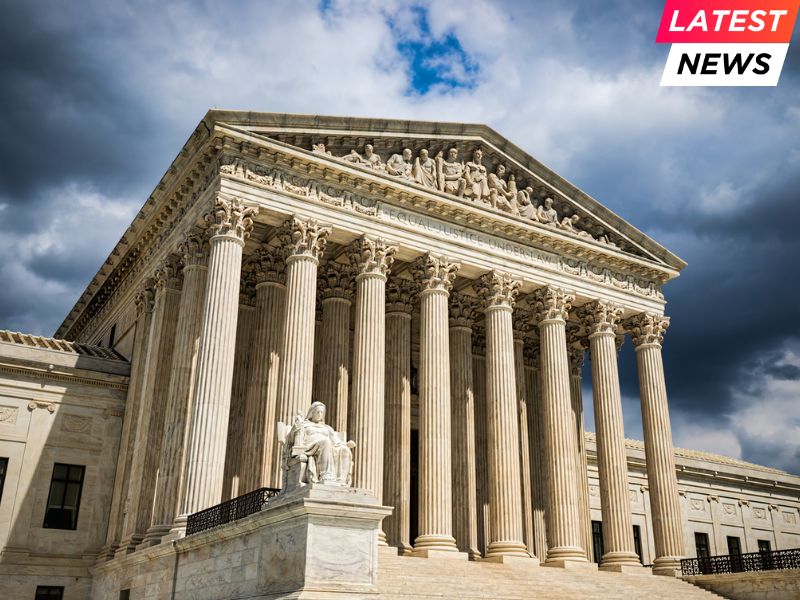
The U.S. Supreme Court has ruled against President Donald Trump’s attempt to end birthright citizenship through an executive order, delivering a major setback to one of the administration’s key immigration policies. In a 6-3 decision, the court said the Constitution guarantees citizenship to nearly all children born in the United States, regardless of their parents’ immigration status.
Writing for the majority, Chief Justice John Roberts said the language of the 14th Amendment is clear and does not support limiting citizenship based on whether a child’s parents are in the country legally or permanently. He also pointed to the court’s 1898 ruling in United States v. Wong Kim Ark, which has long been considered the foundation of birthright citizenship in the United States. Roberts said the court saw no reason to overturn that long-standing interpretation.
The ruling exposed divisions among the court’s conservative justices. While Justice Amy Coney Barrett joined the majority, Justices Samuel Alito, Clarence Thomas, and Neil Gorsuch dissented, arguing that the Constitution does not automatically grant citizenship to everyone born on U.S. soil. Justice Brett Kavanaugh agreed that Trump’s order could not take effect but said Congress could revisit the issue by passing new legislation.
The decision marks another significant legal defeat for Trump’s second-term agenda. Although the administration has secured several victories before the court this year, the ruling reinforces that birthright citizenship remains protected under the Constitution unless lawmakers decide to change federal law.
Related Readings: