Home Blog Page 549

The Predicted Growth of Construction: The Need for Increased Worker Safety in 2023

When it comes to industries that encounter hazards day to day, construction comes out on top. Research from HSE found that a quarter of the fatal injuries to workers in the UK occurred in the construction industry across 2021/22.

This shows that there’s still work the UK must do to improve safety for construction workers. But even with room for improvement, it makes us wonder where some of the best places in the world are for workers in the industry.

In this article, with some insights from van leasing company, Van Ninja, we look at the best places to work in construction, where some of the worst locations are, and what those countries towards the bottom of the safety pile should be looking to change to improve their placing on the list.

Construction around the world: breaking down the best and the worst

Workwear Guru, who supply construction clothing and apparel for sites and companies, conducted a survey in 2021 that looked at the best places to work in construction. These countries were ranked based on the average salaries available, the cost and quality of living in said country, and the safety of working conditions on these sites.

From the findings of the survey, we can see that the top 10 best places for the industry is dominated by countries located in and west of Europe. Switzerland takes first place, followed by the UK in second, and then Belgium. However, this is the overall score and the country with lowest incident rate for accidents is Poland with just 4% of workforce reporting injuries while working. Singapore similarly has a low incident rate of 5%, and the UK also has a relatively low rate of accidents at 8%.

On the opposite end of the scale, the list for the 10 worst places to work in construction features locations all over the globe. The worst place in the world for workplace safety is reported to be Myanmar in Asia with an incident rate of 58%.

On-site safety: safety practices that can be implemented

With shocking statistics like over half of construction workers in Myanmar – formerly known as Burma – reporting potentially fatal workplace incidents in construction, it shows that globally more attention can still be paid to improving the on-site safety.

Incidents and accidents often happen due to a lack of awareness and preparation. This is why, before even beginning projects, workers should be adequately trained in safety practices that can be implemented to improving job site safety. These should include sections on awareness of the tools they are working with, the cleanliness of the site, and identifying potential hazards before they occur, as well as sections on communication with other members of the workforce to prevent potential hazards forming.

The training shouldn’t just be down to those who’ll be operating equipment either. Site managers could benefit hugely from extra training focusing on proper supervision, monitoring, and reporting of the sites and any potential incident dangers or those that have occurred. Proper management of documentation and administrative processes around the safety of the workers should be reviewed to make sure they are of an appropriate standard.

Having quality equipment to work with, both in terms of machinery to operate and protective clothing, is crucial to ensuring worker safety. If you’re on a site where a drill is required but the drill bit or body is of poor quality, there is the possibility of the operator of the equipment getting put in harm’s way.

Similarly, there should always be the appropriate equipment for jobs. For example, if you have a lot of heavy goods that need transporting, exploring van leasing options can prove the ideal solution rather than stretching your current equipment thinner.

Industry experts are predicting that construction will continue to grow into the new year. The Office for National Statistics (ONS) found that the value for new orders was up 22.8% in only the first quarter of 2022. With more projects for companies to work on, an extra emphasis must be placed on worker safety to avoid any potential incidents that could not only injure your workforce, but subsequently slow down progress.

References:

Data Backup Tips For Startups

Every business has a different approach to backing up its data. While some approaches will be better than others, entrepreneurs will be doing their best under the circumstances.

However, those leading humble startups have a few more pressures to contend with here. These organisations are in a vulnerable position already, struggling to secure access to funding or compete with multinational conglomerates. Factors like these may limit how well they deal with data security.

Moreover, while some firms can survive a data breach, there’s an increasing likelihood that many startups won’t. Startups can be on the brink of failure just by their very nature. Lost and corrupted data can be the final push over the precipice.

So, what can startups do here? If you’re running a startup and you’re concerned about backing up sensitive data, read on for some tips on how to best do this.

Utilise SaaS Protection

Your startup can greatly reduce the risk of data loss by working with competent professionals elsewhere. After all, a startup can’t be excepted to do everything alone.

Things like Datto SaaS Protection will backup your Microsoft 365 and Google Workspace data onto a secure, cloud-based platform. It can be accessed anywhere in the world. Despite being market leaders in backup solutions, these providers offer a free 14-day trial of these services, with no credit card details required. Therefore, your startup can get off to a more comfortable and cost-effective start with these high-quality data backup solutions.

Most startups outsource at least some of their processes. It can save money in the long term, a cheaper alternative to hiring departments full of staff that need training, insurance, and competitive salaries. Ensure you’re working with reputable vendors of these services, though, as more dubious entities can exploit smaller businesses and enforce ridiculous fees for additional storage space.

Data corruption and deletion can also be relentless in today’s digitally driven world. If you feel a lot of anxiety around how your startup might fair, it’s perfectly understandable. That said, these worries can be greatly reduced by having dedicated specialists on your side. The peace of mind their presence can bring is worth the investment alone.

Explore Legacy Technology

It’s important to diversify when it comes to data storage and backup. Unexpected measures can be the most effective precisely for that reason.

Given the fast-paced nature of some industries, much of your company’s information can become obsolete relatively quickly. However, the technology used for storing it doesn’t necessarily fade into obscurity. For instance, you can archive static and legacy data on a tape drive. While this equipment is often referred to as ‘legacy technology’ today, it could be perfect for your startup to use.

Tape drives are cheap and easy to procure. They’re also cost-effective to maintain, as they’re an offline solution and don’t require lots of updates and maintenance procedures. If it’s not connected to the system, attackers can’t access them. Tape drives also have enormous storage capacity and remain in use today, which means they can keep your legacy data safe for decades to come.

Furthermore, tape drives are also portable. This means you have the advantage of offsite storage too. Whether your library is at your home or a colleague’s, having multiple locations to store data is always a good idea.

Lean on Automation

Modern data backup solutions have a place too. A layered approach to company security is always best.

Of course, it’s no secret that the age of automation is looming bigger and bolder than ever before. Your startup should utilise this type of tech with data backups. That way, backups of data can be scheduled and reliable, and you don’t depend on any individual worker to see them through. After all, if you designate one employee as a data specialist, what happens when they leave the company, either temporarily or permanently?

Time is a factor here too. Every employee a startup hires has to be immensely valuable to the business. They must be utilised to the utmost potential, and if their time is taken up carrying out manual processes that could otherwise be automated, it can significantly hinder the proactivity, and thus the potential, of your startup.

Build Employee Awareness

Automation can’t do everything. Employee intervention is often needed sooner or later with data backups.


Employees at startups work very hard. However, the working environment can sometimes be more fun, as these companies can be less tainted by the jaded affairs of the corporate world. Everybody knows each other’s names, real friendships can form, and good times can be had. Startups have a lot of heart and soul!

That said, every employee needs to take data backup incredibly seriously. They should be instructed to secure their personal devices and avoid public Wi-Fi for work activities so backups can take place safely. Even if the backup has been automated, they should double-check that the process has succeeded. Collaborating on rules and measures is also a good idea for mutual enforcement, with staff holding one another accountable.

6 Tips for Choosing the Right Degree Program

Which degree should I choose? Which degree is more beneficial more me? If you’re also graduating from high school or heading to college, these questions might always be on your mind.

After all, choosing a degree represents a significant step in college and shouldn’t be taken lightly. Even though it might not be the only determinant in your life or career, it substantially influences where you land and how much you’ll earn.

But, for many students, selecting the right degree seems overwhelming; there are many courses and reasons to pick them.

Additionally, the idea that you’ll devote a couple of years of your life to your program makes it an even greater responsibility, adding to your stress levels. But remember that picking the perfect degree for yourself doesn’t have to be stressful.

So, how can you choose the right course for yourself? We’ve listed down some helpful tips to choose the right course.

1. Consider your interests

Do you enjoy solving math equations or science experiments? Would you rather dwell in the world of art or play sports? Do you see yourself as a healthcare worker, a computer whizz, or an entrepreneur? 

While choosing your degree, it’s crucial to think about your interests. Selecting a degree, you’re interested in makes you more motivated to learn about, work hard and persist through challenges.

By the time you’re done with high school, you’ll probably have enough information to decide what you might or might not be interested in pursuing. 

For instance, if you love studying medicine, you can consider opting for an MSPH degree. Similarly, if you’re tech-savvy and like drawing, you can look for a course in graphic design.

2. Play by your strengths

Imagine this: everyone around you thinks you should opt for a science or business degree, but you skew more towards arts and literature. You would never want to set yourself up for failure, so why would you select a degree that depends more on your weaknesses than your strengths?

Pursuing a degree according to your strengths and talents can go a long way in helping you make smarter and more informed decisions.

Not just that, opting for a course that compliments your strengths helps you distinguish within your field better. On the other hand, if your degree doesn’t support your strengths, you might find that the curriculum within your area of choice is more challenging than you expected.

Hence, you must self-reflect and figure out what you are good at. But how can you do that? Talk to your professors if you’re unsure about what area you perform the best in. They can likely offer you valuable ideas and point out a way you had not previously considered.

Besides that, aptitude tests can help you understand the areas in which you possess the ability to learn easily. Finding your aptitude allows you to ensure that you select a degree that suits your actual strengths.

3. Explore your learning style

Have you ever thought about why some students thrive in group discussions while others are much stronger in separate assignments? Well, this might be related to different learning styles, which influence how you take in information, making it essential to choose a degree that suits your learning style.

So, what are the different types of learning styles? Here are some of the learning styles:

  • This learning style is where a student learns more effectively through listening and hearing. Auditory learners preserve information better when it is provided through sound or speech rather than written form.
  • This learning style is where students prefer graphics, images, colors, and maps to communicate thoughts and ideas. Visual learners need to see information to learn and understand it. For instance, during classes, visual learners can learn through diagrams on chalkboards or slideshows.

4. Decide your career goals

After exploring areas that interest you and potential career options, you need to think about future career goals. Besides that, you also need to think about how simple or hard it might be to look for a job with the course you decide to pursue. If you decide on a specific career goal, you must choose your degree and major in advance, sometimes as quickly as while applying to various colleges.

Hence, it’s better to know what program you’ll need for the industry you decide to step into. So, here’s an overview of different college degrees:

  • Bachelor’s Degree. This degree involves completing a four or five-year college program.
  • Joint Degree. This degree enables you to get a bachelor’s degree alongside a graduate degree in less time if you combine them.

5. Evaluate the cost

Are you deciding to choose a unique degree program that might require you to relocate? If yes, you have to keep in mind all costs and expenses. In contrast, if you decide to pursue a program that only a bunch of colleges provide or state universities in other countries, expect to pay a little more, as tuition fees might be greater in other areas.

Considering the challenges in managing college and work, you must consider whether you can afford to relocate to pursue a degree. For instance, if you decide to enter an industry that requires extensive education, like medicine, these degrees might be more costly.

6. Seek advice from experts

One part of selecting the right degree for yourself is to meet professors and students from departments that interest you. After all, if you wouldn’t have fun hanging around teachers and students from a department, you probably shouldn’t pursue a course in that subject.

Moreover, talking to students from a particular degree allows you to gain unfiltered views and insight into what the course is like. 

Additionally, don’t forget to talk to your education counselor. They can help you identify your strengths and weakness, helping your choose the right degree program.

Final thoughts

Check out these tips if selecting the right degree is challenging. Look at the practical tips mentioned above and see how to make choosing a degree easier and smoother.

What to Consider When Wanting to Complete a Construction Project Successfully

You will be hard pushed to find a construction project that is completed without measured and experienced project management. There are diverse skills required, and there are always plenty of phases and possible moments where it can all go wrong. However, with the right processes and structures, potential hazards can be eliminated or dealt with quickly. But before all that, you need to know what is involved in a construction project from start to finish, so you can plan ahead.

The planning phase

Regardless of the size, a construction project requires plenty of planning and expertise, as well as teamwork. To ensure everything goes as planned, each detail needs to be carefully planned so that no unexpected problems or delays arise. Before the project begins, architects and engineers will spend considerable time drawing up detailed plans and designs for the project. Below are what teams will often be involved in a construction project and what they are responsible for:

Architects – The architects will have the central role of developing a detailed design for the project, usually including drawings of all the rooms on the property and the surrounding landscape. This will vary depending on the aims, locations, and goals of the project, including whether it is commercial or domestic, for example.

Engineer – An engineer will usually prepare the blueprints for the building, noting details of how each primary component should be built and installed. In addition, they can advise on what materials and machinery will be required.

Health and Safety Consultant – For any project, a fire risk assessment and a health and safety assessment must be completed. This doesn’t have to be someone on your team internally, as you can outsource it, so the paperwork is limited. Most health and safety consultants will be able to do an assessment of the site and identify any potential hazards.  

Once these initial plans have been finalized, a planning authority will likely need to approve them before construction can even begin.

Execution

Once the plans have been approved, the construction teams can begin work on the actual building of the property. The idea of this stage will involve several activities at the beginning of the project, including constructing walls and foundations, installing plumbing and electrical supplies, as well as laying the chosen flooring. In most cases, the buildings will be built using steel frames. This is because they are robust and relatively easy to put together.

To execute the project, the Townsville house builders JMB will often begin work on the walls of the building first, as these will provide the structure for the rest of the building. Walls usually have three courses of bricks, with the top course considerably thicker than others to provide extra support. The division will then be finished with a coat of plaster to give the inside walls a smooth appearance and protect them from the elements.

Foundation: The foundation of the building is the base on which the rest of the structure will be built. Most foundations will consist of a layer of concrete reinforced with steel bards, providing extra stability and preventing the building from sinking into the ground over time.

Framing: The framing of the structure is one of the most critical stages in the process, as the frame provides structural support for the rest of the building. Once you’ve got this in place, your construction crew can get going on the internal aspects of the building and allow the interior designers to work their magic.

These are the basics of getting started on a construction project, but how can you ensure you can get to this stage without anything going wrong? One aspect we touched on at the start of the article was project management. So here’s how you can get your construction project off the ground without tripping up.

Tips for Project Management in a Construction Setting

If you are a construction project manager, you will want to take note of this. A construction project manager is responsible for planning, coordinating, budgeting, and supervising projects from the beginning to the end. Alongside the teams mentioned above, they’ll be responsible for ensuring the project reaches a successful conclusion.

So before the project even gets off the ground, the project manager will have embarked on the planning phase. They will have worked hard to compile a cost analysis, work out an affordable budget and negotiate cost estimates. They’ll be arranging timetables to ensure no time is wasted and there is no conflict between teams. The research will be conducted to find and choose the most efficient construction methods and strategies. If the client has any questions, the project manager will also be responsible for answering them.

It all sounds a bit much. But the truth is, it is all part of the job. The good news is modern technology has made it easier for Project Managers to manage a construction project. How? We hear you ask!

Construction Project Management Software

 Well, the small matter is the invention of state-of-the-art construction project management software. When sifting through the various technology on offer, you can come across companies like Kahuna, which help construction companies and builders to build smarter. To a project manager, this type of tech is game-changing. The software helps personnel manage construction project costs, documents, and processes from inception through to completion. To the delight of any manager, it also aids in improving efficiency and reducing risk. If you are in the construction industry and are involved in an upcoming project, don’t rule out technology as something which could be of serious help!

Coming to the conclusion of your project

When you are coming to the conclusion of your project, it is essential to reflect on what went successfully so you can use it next time. The complexity of managing costs on a construction project can lead to issues that are damaging for individuals and brands. You can streamline cost change management by using the right people, materials, and software. This provides visibility for builders and clients into what issues need addressing and what hazards might crop up which could stall a project. Not only can the right team and software highlight problems, but it can also provide solutions on both sides of the project.

Consider whom you want on your team before the project starts, and consider the type of experience levels you are looking into when embarking on a project. Then, work with a team to source the best materials for the job at an affordable price and consider if there is any way you can make the project more efficient. The last thing any Project Manager needs is someone bringing them problems rather than solutions. 

Construction and software have not always gone hand in hand, but this changed dramatically recently. Between reduced construction time and better performance monitoring, the ultimate project processes are now clear to see. With reduced risks for accidents and mishandling, there is no reason why your construction project cannot be a success.

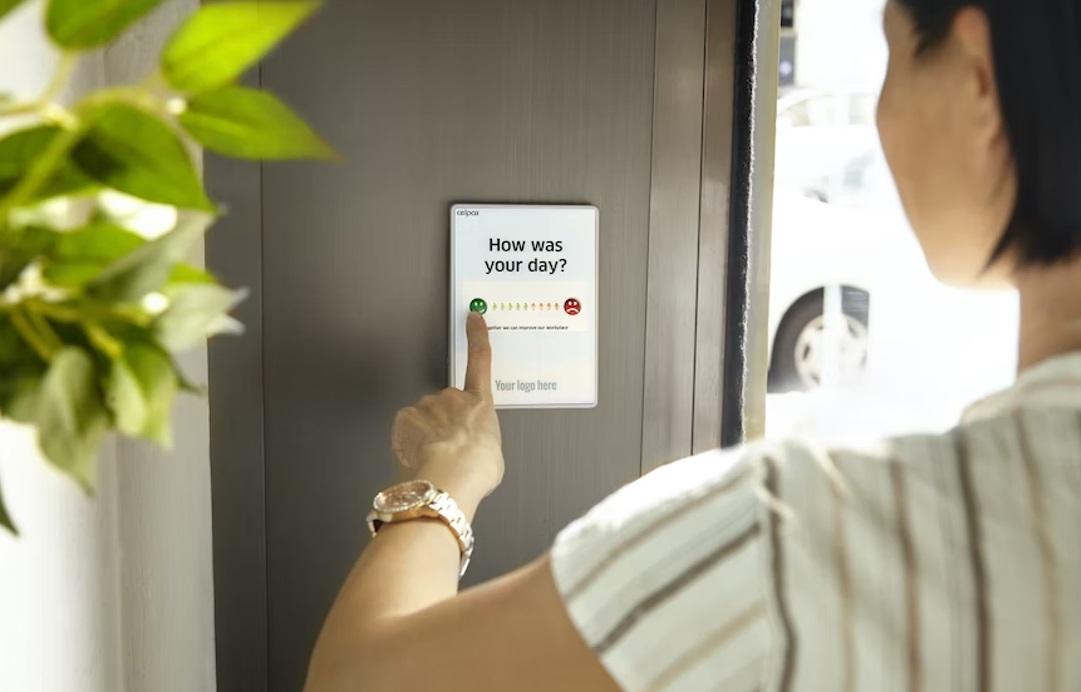
How to Measure Employee Satisfaction

Knowing your employee satisfaction is important for assessing the overall productivity of your workforce. But how do you realize if your employees are actually happy with their jobs?

In this blog post, we’ll explore some tips for figuring that out and identifying areas where your company could improve. Keep reading to learn more!

1. Use an Employee Satisfaction Survey

Use an Employee Satisfaction Survey

One of the most common methods to get employees’ feedback is through surveys. They can cover various topics, such as job satisfaction, compensation and benefits, company culture, and operation. Surveys help you identify areas where employees are happy and where they could improve. In this way, it’s easier to track the progress of your organization’s efforts and improve satisfaction.

2. Conduct Interviews with Employees

Conduct Interviews with Employees

Conducting one-on-one interviews allows managers to collect direct feedback from employees about their job fulfillment levels. Interviews provide insight into what factors are most important to employees. For example, some may value flexible work hours or opportunities for professional development. Others may need extra pieces of training or courses. In each scenario, listening to employees’ opinions helps employers identify improvement areas and make changes to boost morale and retention.

3. Set KPI

Set KPI

A key performance indicator (KPI) is a metric used to evaluate how well an organization or individual is performing. It can be financial or non-financial, often specific to an industry or sector.

The most important aspect of setting KPIs is ensuring they align with the organization’s overall goals. For example, if an organization’s goal is to increase productivity, then a KPI that measures employee satisfaction would need to be linked to productivity in some way. This demonstrates whether the organization is achieving its desired results.

4. Measure NPS

Measure NPS

The Net Promoter Score (NPS) is a tool that measures employee satisfaction. It works by asking employees to rate their satisfaction on a scale of 0-10 and then dividing them into three groups: detractors, passive participants, and promoters. Promoters are very satisfied with their jobs and will likely spread positive word-of-mouth about the company. Passives are moderately satisfied and may be open to leaving for a better opportunity. Detractors are unhappy with their jobs and can damage the company’s reputation with negative feedback.

How to Calculate it

The formula to calculate the NPS score is very simple:

NPS = percentage of Promoters minus percentage of Detractors

The NPS tools identifies areas where employees are dissatisfied and track changes in employee satisfaction over time. They also compare employee satisfaction levels across different departments or organizations.

5. Implement a Suggestion Box

Implement a Suggestion Box

Implementing a suggestion box is a great and fun way to keep productivity going in the workplace. This gives employees a confidential way to share their suggestions, concerns, and feedback. In addition, it provides management with valuable insight into what employees think and feel. Suggestion boxes can be physical or digital boxes set up on a computer or phone. Either way, they work effectively to boost overall motivation at work.

How to Improve Your Employee’s Satisfaction

A company’s most important asset is its members. Employees who are satisfied with their jobs are more prone to be productive, engaged, and loyal to the company. Therefore, businesses need to measure employee satisfaction and take steps to improve it. So, which are some common strategies to achieve that?

1.Regular Trainings

Providing professional training will not only help employees to stay up-to-date on recent developments in their field, but it will also allow them to learn new skills. Furthermore, by investing in employee training, you share the strong message that you value your employees and are committed to their development. This can help to increase employee satisfaction and loyalty, both essential elements for long-term success.

2. Offer Flexible Working Hours

Flexible hours are becoming increasingly popular in the modern workplace. And it’s no wonder why–employees who can control their own schedules are often more productive. It is proven that flexible hours can help to reduce stress levels and promote work-life balance. Plus, in today’s fast-paced world, remote or hybrid working is a win-win for both employers and employees.

3. Give Job Promotions

One of the most important aspects of running a business is managing employees. This also includes promoting and evaluating them. At first, this can be challenging, as it requires finding the right balance between experience and potential. However, this strategy is also very important, as it helps to motivate them while identifying areas where they may need improvement.

4. Encourage Team Building

A strong team is essential for any successful business. Team members need to work together efficiently and effectively to meet common goals. One great way of promoting team unity and cohesion is to organize employee team-building activities. They help employees better know each other, develop trust, and build communication and problem-solving skills. The team-building activities that any organization can tailor are endless, from icebreakers to various group games.

5. Support Diverse Backgrounds

A diverse workplace includes employees from various backgrounds with unique experiences and perspectives. Different opinions can lead to more creative solutions and help build a more well-rounded company culture. Moreover, studies have shown that diversity leads to increased productivity and profitability. For these reasons, it is essential to support variety in the workplace. This can be done by recruiting employees from diverse backgrounds, establishing policies that promote inclusivity, and providing training on cultural competence.

Conclusion

Employee satisfaction is the best indicator of how well a company is doing. By measuring it, companies can ensure they are on the right track and identify areas where they need to improve. This helps to increase overall performance and boost happiness. So how do you stay motivated at work? Let us know in the comments section below.

Assisted Living Twin Falls Idaho for Helping Seniors Live Quality Lives

Grace Assisted Living and Memory Care Independent Living, Senior Living, and Memory Care are the three types of housing options available in Assisted living Twin Falls, Idaho. Residents of Grace have access to perks like as covered parking, patios, and an abundance of sidewalks for people who enjoy going for walks in the fresh air. Everyone in the community has a good time watching movies at the theatre, which features large recliners and a popcorn maker. Everyone looks and feels their best thanks to our fitness center and salon, in addition to the popularity of the game tables and activity areas.

Residents of Grace with varying degrees of mobility are able to take advantage of the Grace bus’s “Mystery Rides” and country excursions, which frequently include pit breaks for ice cream, thanks to the motorized wheelchair lifts that are specifically installed on the bus. Shopping trips and doctor’s appointments are both made easier for locals by the availability of the bus service.

Grace Assisted living Twin Falls Idaho senior center:

At the Grace Assisted living Twin Falls Idaho senior center, the delectable meals are carefully planned by a skilled chef, then cooked and served by staff members who have received extensive training (dessert is always available, too!). Some examples of these activities include jigsaw puzzles, bingo, table games, cards, and crafts.

The provision of care is an essential component of the Grace senior home experience. Our staff of Registered Nurses, Licensed Practical Nurses, Certified Nursing Assistants, and Medication Technicians have received extensive training specifically for assisted living settings. The most recent additions to the Grace team are physicians Aaron Moorhouse and Jason Ludwig, who will serve in the roles of Medical Directors. Grace Senior Living Twin Falls is ecstatic to announce the launch of our new hospice firm, Grace Care Hospice. This will allow us to offer a wide range of medical services to our patients through our linked businesses, such as home nursing care, rehabilitation, and counselling.

If you are from another State the easiest way to find a good facility is to Google memory care + your home state. For example “memory care New York” would provide you with all the information for the state of New York.

Facilities for Assisted Living Twin Falls Idaho:

1. Nutrition

According to the findings of numerous pieces of research, maintaining a healthy diet is of critical significance for both health and growth. According to the World Health Organization, the food that we eat on a daily basis is thought to have a correlation with the quality of life that we lead. Nothing about this alters as we get older.

Your level of energy is directly impacted by nutrition, and proper nutrition may even reduce your risk of developing certain cancers and diseases. A weakened immune system, decreased bone and muscle mass, and an increased risk of needing medical treatment are all potential outcomes of inadequate nutrition. Because of this, assisted living facilities offer exceptional medical treatment and the preparation of nourishing meals for their senior residents. This helps to ensure that these individuals have access to a wide variety of options and a higher degree of autonomy in their daily lives.

The fact that nursing homes are responsible for the preparation of nourishing meals and snacks for their residents is one of the many reasons why these facilities are so beneficial. The act of preparing meals can free up more time for seniors, allowing them to devote that time to more meaningful pursuits, such as discovering their actual passion and developing hobbies that offer them a sense of accomplishment.

2. An increase in activity

Assisted living Twin Falls facilities offer another advantage, which is the provision of programs that encourage residents to engage in physical activity. Even as we get older, we need to ensure that we continue to engage in physical activity for the sake of our health. You may maintain your health by participating in one of the many exercise programs that are offered at assisted living communities like Foxtail Senior Living.

The activities rotate on a weekly basis, providing the residents with the opportunity to try something new and venture outside of their comfort zones. The fitness programs that are offered also develop excellent habits that are beneficial to one’s general health and lead to improvements in that health.

3. Concerns Relating to One’s Health

In addition, nursing homes offer a secure living environment, which benefits both our physical and mental well-being.

As we become older, the risk of experiencing catastrophic injuries as a result of a fall increases. Communities that provide assisted living to adhere to safety protocols and offer assistance to seniors who have previously suffered injuries as a result of falls. Even though they take efforts to avoid future falls, assisted living homes are prepared to give rapid treatment in the event that a resident has one.

Memory assistance is one of the most valuable tools that is made available to residents in assisted living communities because Alzheimer’s disease is one of the most prevalent forms of dementia that people experience as they age. Those who are experiencing memory loss can benefit from the therapeutic assistance and round-the-clock supervision that assisted living facilities offer.

Who Qualifies for the EV Tax Credit?

Now that electric cars are becoming more popular because of their environmentally-friendly features, their demand is expected to double in the upcoming years due to the recent expansion of the Electric Vehicle (EV) Tax Credit.

So if you’re planning on getting your own electric vehicle soon, the tax credit eligibility requirements might be worth looking into.

What is the Electric Vehicle Tax Credit?

The EV Tax Credit is a type of tax break that allows electric and plug-in vehicle owners to receive a minimum of $2,500 and a maximum of $7,500 of tax credits depending on the qualifications of the vehicle. Similar to other tax credits, you can only claim it once you file your tax return. Take note that its credits are nonrefundable even if the full amount was unused, but you can use them to lower your owed taxes to zero.

On August 16, 2022, the Inflation Reduction Act (IRA) was signed into law by Pres. Biden bringing a number of significant changes that will take effect on January 2023 until 2032. Part of the major changes is that by 2024, you can use the credits to discount the purchasing price immediately when buying an electric vehicle instead of waiting until your next tax return. 

Who is Qualified to claim the EV Tax Credit?

Due to the IRA, electric vehicles are now more accessible but you can only qualify for the EV Tax Credit if your income, vehicle price, battery, and final assembly meet its requirements. 

One of its conditions is that the vehicle should only be sold for use or for lease, not for reselling. The owner should also be the taxpayer, and it should mostly be driven within the United States. Some of the other requirements are as follows:

1. Income

You can only be eligible to claim the EV Tax Credit if your income falls within these ranges:

  • Single filers – $150,000 or below
  • Head of household – $225,000 or below
  • Joint filers – $ 300,000 or below

2. EV and fuel-cell vehicles

Before the IRA, you can only claim full credit if you have a pure electric vehicle while plug-in hybrids or fuel-cell vehicles are only allowed less than half of the credit. But beginning July 2023, fuel-cell vehicles are eligible for the EV Tax Credit for up to $3,000 as long as it meets their qualifications.

The criteria include having a total purchasing price that doesn’t exceed $50,000, and its parts are never altered from the original manufacturer’s specifications.

3. Vehicle price range

Considering electric vehicles can be pricey, you can only be eligible for the EV Tax Credit if your car doesn’t exceed the price range of $55,000, while SUVs, vans, or trucks shouldn’t be over $80,000.

4. Used vehicles

In 2023, used electric vehicles will also become eligible for this tax credit as long as they cost $25,000 or less and the credit only covers up to 30% of its price, with a limit of $4,000. You should also keep in mind that the vehicle should only have a weight of fewer than 14,000 pounds and be at least 2 years old.

5. Manufacturer restrictions

Previously, the EV Tax Credit reduces and eventually phases out once an auto manufacturer sells more than 200,000 electric vehicles. But thanks to the IRA, this restriction is no longer observed, so huge manufacturers like Tesla, Chevrolet, and General Motors can now offer this discount again in 2023.

But to qualify for the maximum amount of $7,500 tax credits, any electronic vehicle purchased after August 16, 2022 must only be assembled in North America. Since several brands have their parts assembled from different countries, this will limit your options of vehicle brands and models to choose from. 

To help you pick an eligible vehicle, the Department of Energy has a comprehensive list of models that qualify for this criteria.

6. Battery percentage

Half of the final assembly requirement of the EV Tax Credit is your vehicle should have a certain percentage of its battery assembled or made in North America. Each year, this percentage requirement will increase until electric vehicle batteries are completely built within. 

For instance, the battery requirement for 2023 is set to 50% while it bumps into 60% by 2024. But by 2029 and onwards, the requirement is expected to reach 100%.

7. Critical minerals

The other half of the final assembly qualification for this tax credit is your electric car should have a specific percentage of critical minerals in its battery that’s sourced from the United States or a country that’s part of its free-trade partners.

Similar to the battery requirement, the percentage threshold increases every year where the eligibility in 2023 is 40%. But by 2027 and onwards, the requirement surges to 80%.

What to Consider When Wanting to Complete a Construction Project Successfully

You will be hard pushed to find a construction project that is completed without measured and experienced project management. There are diverse skills required, and there are always plenty of phases and possible moments where it can all go wrong. However, with the right processes and structures, potential hazards can be eliminated or dealt with quickly. But before all that, you need to know what is involved in a construction project from start to finish, so you can plan ahead.

The planning phase

Regardless of the size, a construction project requires plenty of planning and expertise, as well as teamwork. To ensure everything goes as planned, each detail needs to be carefully planned so that no unexpected problems or delays arise. Before the project begins, architects and engineers will spend considerable time drawing up detailed plans and designs for the project. Below are what teams will often be involved in a construction project and what they are responsible for:

Architects – The architects will have the central role of developing a detailed design for the project, usually including drawings of all the rooms on the property and the surrounding landscape. This will vary depending on the aims, locations, and goals of the project, including whether it is commercial or domestic, for example.

Engineer – An engineer will usually prepare the blueprints for the building, noting details of how each primary component should be built and installed. In addition, they can advise on what materials and machinery will be required.

Health, Safety and Environmental Consultant – For any project, a fire risk assessment and a health and safety assessment must be completed. This doesn’t have to be someone on your team internally, as you can outsource it, so the paperwork is limited. Most health and safety consultants will be able to do an assessment of the site and identify any potential hazards. Environmental Consultants help you to determine the ecological impact of your project. Companies like East Coast Ecology offer a review of environmental factors helping you to build more sustainably.

Once these initial plans have been finalized, a planning authority will likely need to approve them before construction can even begin.

Execution

Once the plans have been approved, the construction teams can begin work on the actual building of the property. The idea of this stage will involve several activities at the beginning of the project, including constructing walls and foundations, installing plumbing, roofing by a Cincinnati roofing company and electrical supplies, as well as laying the chosen flooring. In most cases, the buildings will be built using steel frames. This is because they are robust and relatively easy to put together.

To execute the project, the Townsville house builders JMB will often begin work on the walls of the building first, as these will provide the structure for the rest of the building. Walls usually have three courses of bricks, with the top course considerably thicker than others to provide extra support. The division will then be finished with a coat of plaster to give the inside walls a smooth appearance and protect them from the elements.

Foundation: The foundation of the building is the base on which the rest of the structure will be built. Most foundations will consist of a layer of concrete reinforced with steel bards and the best concrete wall forms, providing extra stability and preventing the building from sinking into the ground over time.

Framing: The framing of the structure is one of the most critical stages in the process, as the frame provides structural support for the rest of the building. Once you’ve got this in place, your construction crew can get going on the internal aspects of the building and allow the interior designers to work their magic.

These are the basics of getting started on a construction project, but how can you ensure you can get to this stage without anything going wrong? One aspect we touched on at the start of the article was project management. So here’s how you can get your construction project off the ground without tripping up.

Tips for Project Management in a Construction Setting

If you are a construction project manager, you will want to take note of this. A construction project manager is responsible for planning, coordinating, budgeting, and supervising projects from the beginning to the end. Alongside the teams mentioned above, they’ll be responsible for ensuring the project reaches a successful conclusion.

So before the project even gets off the ground, the project manager will have embarked on the planning phase. They will have worked hard to compile a cost analysis, work out an affordable budget and negotiate cost estimates. They’ll be arranging timetables to ensure no time is wasted and there is no conflict between teams. The research will be conducted to find and choose the most efficient construction methods and strategies. If the client has any questions, the project manager will also be responsible for answering them.

It all sounds a bit much. But the truth is, it is all part of the job. The good news is modern technology has made it easier for Project Managers to manage a construction project. How? We hear you ask!

Construction Project Management Software

 Well, the small matter is the invention of state-of-the-art construction project management software. When sifting through the various technology on offer, you can come across companies like Kahuna, which help construction companies and builders to build smarter. To a project manager, this type of tech is game-changing. The software helps personnel manage construction project costs, documents, and processes from inception through to completion. To the delight of any manager, it also aids in improving efficiency and reducing risk. If you are in the construction industry and are involved in an upcoming project, don’t rule out technology as something which could be of serious help!

Coming to the conclusion of your project

When you are coming to the conclusion of your project, it is essential to reflect on what went successfully so you can use it next time. The complexity of managing costs on a construction project can lead to issues that are damaging for individuals and brands. You can streamline cost change management by using the right people, materials, and software. This provides visibility for builders and clients into what issues need addressing and what hazards might crop up which could stall a project. Not only can the right team and software highlight problems, but it can also provide solutions on both sides of the project.

Consider whom you want on your team before the project starts, and consider the type of experience levels you are looking into when embarking on a project. Then, work with a team to source the best materials for the job at an affordable price and consider if there is any way you can make the project more efficient. The last thing any Project Manager needs is someone bringing them problems rather than solutions.

Construction and software have not always gone hand in hand, but this changed dramatically recently. Between reduced construction time and better performance monitoring, the ultimate project processes are now clear to see. With reduced risks for accidents and mishandling, there is no reason why your construction project cannot be a success.

How the Lightning Network Is Changing Cryptocurrency

Since its inception in 2008, Bitcoin’s creator and proponents have viewed the cryptocurrency as a modern and fair method of conducting transactions and exchanging funds which could replace the existing (and arguably broken) financial system. However, there are several issues which have stood in the way of it really taking off as the currency of tomorrow.

These relate to the slow processing times involved in conducting Bitcoin transactions, as well as the excessive amount of computing power and the high costs associated with doing so. Now, however, the lightning network has revolutionized all of that by creating a system whereby users can deviate from the main blockchain channels to speed up transactions and make them more economical and efficient, all without compromising on their decentralized and highly secure properties.

What is the lightning network and why is it necessary?

For the uninitiated, “what is the lightning network” is probably the most frequently asked question on the subject right now. Simply put, the lightning network is a 2nd layer blockchain which diverts transactions off the main blockchain network. This means that instead of requiring excessive amounts of computing power to verify a transaction (and the time and money which go hand-in-hand with that), the lightning network can process the deal much more quickly and affordably.

It has been developed as a means of making Bitcoin transactions more efficient, allowing for potentially millions of transactions to take place every second. That’s a sizable step up from the handful of transactions (between two and seven) that the traditional method could muster. As well as saving its customers time and money and reducing the impact of Bitcoin on the environment (which has been the main cause of criticism in some circles), it also makes it competitive with other payment systems (such as Visa and Mastercard).

How is the lightning network being used in real life?

The lightning network is a technology that is still in its infancy and as such, new applications of it are surfacing all the time. Already, however, it is being used across the globe. El Salvador, for example, became the first country in the world to embrace Bitcoin as legal tender and its government has designed Chivo, a lightning-enabled wallet to facilitate cross-border payments. Since its launch, it has consistently been one of the most popular apps in the country.

Meanwhile, global companies don’t come much bigger than Twitter, as has been witnessed by its recent acquisition by tech guru Elon Musk for a whopping $44 billion. Since September last year, the social media platform has allowed its 360 million users to send “tips” (or Bitcoin assets) to one another using the lightning network quickly and free of charge. Indeed, it’s not even the first social media company to do so; Substack beat it to the punch the month prior.

Although the number of companies and countries which have fully embraced cryptocurrency is still small relative to other payment methods, its popularity is steadily growing – and innovations like the lightning network are only going to accelerate that process.

The Popularity of Crypto Funds Sparks Growing Interest from Managers

Crypto funds have become a popular investment option for those who are looking to take advantage of the booming cryptocurrency market. This is mainly due to the fact that the market is still young and has not yet matured, meaning that there is still plenty of room for growth. Many people are investing in crypto hedge funds because they are more efficient than traditional hedge funds or stocks. The funds themselves are also convenient because they are typically liquid and can be traded on exchanges, which makes them easy to access.

Is Crypto Safe to Invest in?

Crypto is a relatively new type of digital currency that can be traded digitally. This new form of currency has been on the rise in recent years and has a lot of promise for the future. However, there are still a lot of uncertainties in the market, not like with the kissbrides activities. Some people are worried about whether or not this new currency is safe to invest in. The value of the currency fluctuates often, and there is no guarantee that it will continue to go up. Cryptocurrency funds ETF are still very new and there are a lot of risks involved. If you are interested in investing in Crypto, it’s important to do your research and be aware of the risks involved.

Reasons of Popularity

There are many reasons why people are investing in crypto mutual funds, including their ability to diversify their portfolio and the potential for higher returns. But there are also many risks associated with investing in crypto funds, such as the volatility of cryptocurrency prices and the lack of liquidity. Crypto funds also have low liquidity and are harder to sell, which means that it can be hard to get your money out when you need it. With these risks in mind, it is important to understand how to invest in cryptocurrency funds and what you should be looking for when choosing one.

How to invest in cryptocurrency funds

Cryptocurrency is a digital currency that uses cryptography to secure transactions, control the creation of new units, and verify the transfer of assets. There are many online platforms that allow you to invest in cryptocurrency funds. You can buy cryptocurrency funds through numerous crypto funds lists, which will allow you to purchase Bitcoin, Ethereum, or Litecoin. The price of cryptocurrency funds fluctuates on a daily basis and is determined by the demand for the coins.

The guy analyzes looking at the tablet

Types of Cryptocurrency Funds

There are many different funds crypto that are popular in the market. The most popular cryptocurrency funds are the ones that have the best returns and are available to anyone with a bank account. There are two main types of cryptocurrency funds: centralized and decentralized. Centralized cryptocurrency funds are managed by a single entity and are created to be traded on a public stock exchange. Decentralized cryptocurrency funds are run by a network of participants and are not traded on any public stock exchange.

These funds are popular because they have a team of professional traders and investors who make money on their crypto funding rates. The cryptocurrencies these funds invest in are Bitcoin, Ethereum, Ripple, and Litecoin. Investors can also choose to invest in these funds and receive dividends from the profits.

How to Choose the Best Cryptocurrency Fund

The best way to choose the best cryptocurrency fund is to research the market and the different types of cryptocurrency funds that are available. You can also find out what fees you will be charged if you choose a particular fund. The best cryptocurrency fund is a fund that has a long-term investment strategy with a high degree of risk and returns. A good cryptocurrency fund has a low volatility and an average annual return of at least 10%. It’s important to note that the cryptocurrency market is highly volatile, so the probability of losing money is high. Here are some tips for choosing the best cryptocurrency fund for you.

  1. Look at the fees. Some cryptocurrencies have high fees that can get out of hand and cost you more than what you would have made.
  2. Look at the performance of the fund. Are they consistently making profits or are they losing money?
  3. Look at the types of cryptocurrencies they have invested in. Some funds only invest in one type of cryptocurrency while others invest in many different types of cryptocurrencies.
  4. Check the liquidity of the fund. This means how much is invested into the fund, how quickly it can be withdrawn, and what percentage of your investment will be kept in cash or other assets.
  5. Check their reputation online by looking at online reviews or social media pages.
  6. Find out how long they have been in business for and if they are registered with the SEC (Securities and Exchange Commission).
  7. Find out what their investment minimum is and if there is a fee for withdrawing your money early.

 If you’re looking for a passive investment, you should look into buying an index fund. If you’re looking for a more active investment, there are many cryptocurrency funds you can choose from.

EDITOR'S PICK OF THE WEEK

CFO's new mandate. CFO explaining the presentation

The Performance and Transformation Orchestrator: The CFO’s New Mandate in the Age of AI

By Terence Tse CFOs are evolving into AI-driven transformation orchestrators, balancing finance, technology, and strategy while upskilling teams, managing risks, and driving measurable business value. A key insight from this year’s AI for CFOs event, organized...

WISE DECISION MAKER GUIDE

POWER INFLUENCERS

Emerging Trends

The Future of Global Trade