Home Blog Page 381

Understanding the Taxability of Employee Retention Credit (ERC) and its Impact on Business Finances

Understanding tax regulations, particularly those related to incentives such as the Employee Retention Credit (ERC), is vital to business management. The ERC, established under the CARES Act of 2020, has been significant financial support for businesses wrestling with the repercussions of COVID-19. Despite its benefits, considerable ambiguity exists regarding the taxability of these funds.

The ERC isn’t a straightforward ticket to financial recovery. Instead, it carries several complexities that businesses must understand in depth. These intricacies include eligibility criteria, calculation methods, and the implications of receiving such credits. Such understanding is crucial for businesses, as it guides them towards accurate reporting and compliance, ensuring they adhere to the law while benefiting from the credit.

The primary objective of this article is to shed light on the tax implications of the ERC and to examine its influence on business finances critically. Businesses can better align their financial strategies and optimize benefits in navigating this intricate area.

Taxability of ERC: An Overview

Understanding the intricacies of tax rules is a fundamental part of maintaining a profitable business. This truth stands even regarding tax incentives like the Employee Retention Credit (ERC), a financial lifeline extended to businesses during the pandemic-induced economic downturn. The central issue, however, revolves around the tax treatment of these funds. It’s a complex web of rules and regulations that intertwine the credit with deductions.

The Taxability of Employee Retention Credit is subject to several conditions. Generally, employers that qualify for the credit can exclude it from their gross income. This exemption applies only to those deductions claimed by the employer; any expenses paid to employees using the credit are subject to payroll taxes. As a result, it’s essential for businesses to carefully track and account for employee wages, as well as the credit they receive.

The funds received from the ERC could offset deductible expenses. This offset might increase taxable income, making it appear that the ERC indirectly contributes to tax liabilities. Thus, businesses must tread carefully while maneuvering through the labyrinth of these regulations, aiming to sidestep potential tax pitfalls that could harm their financial stability.

State Tax Implications

Exploring the Employee Retention Credit (ERC) taxability becomes more complex when considering state tax laws. While the federal guidelines provide clear directives, state-level implications offer mixed regulations. Some states have aligned their tax laws with federal guidelines, excluding the ERC from taxable income.

However, the scenario isn’t universal. Several states have chosen a different path, imposing taxes on the ERC, which can create additional tax liabilities for businesses. This inconsistency among state regulations demands constant vigilance from businesses. To ensure compliance, they must stay informed about the evolving tax landscape within their operational states. Understanding and adapting to these state-specific tax rules around the ERC is not just a compliance necessity but also a strategic move for businesses aiming to leverage the credit effectively while managing their overall tax burden.

Interplay with Paycheck Protection Program (PPP)

The Employee Retention Credit (ERC) and the Paycheck Protection Program (PPP) are two crucial support mechanisms that emerged during the pandemic-related economic turbulence. Initially, businesses found themselves in a position where they had to pick one over the other. This decision presented a significant challenge, considering each program’s unique advantages.

But the landscape shifted with subsequent legislative changes. Businesses could now breathe easier, as they could leverage both programs. Yet, a vital caveat remained: businesses could not use both benefits to cover the same costs. Specifically, if a business had a PPP loan forgiven, it could not claim the ERC for wages paid using that loan. This requirement necessitates careful planning and strategic financial management from businesses seeking to optimize the benefits of these programs without stumbling into compliance issues.

Impact on Business Financial Statements

The implications of the Employee Retention Credit (ERC) extend far beyond tax calculations, making a big imprint on a company’s financial statements. When businesses receive and use the ERC, it impacts their tax liabilities and influences how they present their financial health to stakeholders.

The ERC becomes a part of the financial narrative that a company’s statements tell. Depending on the presentation, the ERC can either amplify a company’s fiscal strength or highlight its reliance on external support. Businesses must, therefore, strategically decide how to represent this credit in their financial reporting. A well-thought-out approach can enhance stakeholders’ perceptions, build trust, and perhaps influence future financial opportunities.

Strategic Use of ERC

Optimizing the Employee Retention Credit (ERC) involves a strategic approach that maximizes benefits while managing potential tax liabilities. The path towards this goal includes:

  • Understanding the eligibility criteria: A company needs to thoroughly comprehend the qualifying conditions for the ERC, which include experiencing significant business disruptions or substantial declines in gross receipts.
  • Accurate calculation of credit: Companies must ensure the precision of credit calculations. Missteps here could lead to compliance issues or missed opportunities.
  • Efficient utilization of funds: The funds obtained from ERC should be used effectively, focusing on maintaining operations and supporting employees.

The strategic use of ERC isn’t merely about tapping into available resources; it’s about integrating the ERC into your broader business strategy.

Record Keeping for ERC

Compliance with the Employee Retention Credit (ERC) hinges significantly on robust record-keeping. Businesses must maintain meticulous records to adhere to the ERC’s eligibility requirements. Key documents to keep on hand include:

  • Records of business disruption: Detailed documentation of the adverse effects of the pandemic on business operations.
  • Proof of significant decline in gross receipts: Financial documents illustrating a substantial drop in gross receipts compared to a reference period.
  • Details of qualified wages: Payroll records confirming the wages paid to retained employees during the qualifying period.

Effective record-keeping practices for ERC affirm compliance and serve as a reference for future tax planning and financial decision-making. They underpin the credibility of a business’s claims, ensuring smooth audits and establishing a sound foundation for the strategic use of the ERC.

Role of a Tax Advisor

Given the intricacies surrounding the taxability of the Employee Retention Credit (ERC), the role of a tax advisor becomes indispensable. Their expertise can significantly streamline the process of availing and utilizing the ERC. Here’s how a tax advisor can help:

  • Ensuring accurate calculations: A tax advisor can accurately compute the ERC amount, reducing the risk of errors.
  • Facilitating optimal decision-making: Advisors can provide strategic insights to maximize the benefits of ERC.
  • Guaranteeing compliance: They help businesses meet eligibility requirements and comply with tax regulations.

In short, a proficient tax advisor acts as a compass, guiding businesses through the labyrinth of ERC taxability.

Conclusion

Navigating the landscape of Employee Retention Credit (ERC) is indeed a challenging endeavor. Its taxability, interplay with other financial aids, and impact on business finances are significant considerations. Staying informed, seeking expert advice, and maintaining robust records are essential. As the future of ERC remains uncertain, staying agile and responsive to legislative changes is key. Remember: the ERC is not merely a tax matter but an integral part of our business strategy.

Why Are Progressive MGAS Shifting Their Focus to Client-Centric Tech?

The insurance landscape has experienced a dynamic transformation in the wake of the pandemic, with the previously less digitized industry now embracing technology at an accelerated pace. According to the Boston Consulting Group, the pandemic has expedited the industry’s digital transformation by at least five years.

Furthermore, there is a projected significant growth rate of approximately 50% on a compound annual basis for the global insurtech market between 2021 and 2028. This growth is expected to propel the market to a value of $60.98 billion within the next seven years. Consequently, insurers are faced with the inevitability of change.

In addition to digitization, insurers are also undergoing a paradigm shift by adopting a customer-centric approach. The entire insurance landscape has witnessed a sea change in terms of customer services, reflecting a radical shift in customer behavior and expectations.

Insurers are now transitioning from a product-centric strategy to one that prioritizes the needs and preferences of customers. They are pushing their boundaries to achieve their goals and thrive in the competitive market. Similarly, progressive managing general agents (MGAs) are also redirecting their focus towards emerging technology trends and enhancing the customer journey.

Evolving Customer Expectations and Demands

Insurers must embrace technology in order to keep up with the evolving expectations of customers and the competitive landscape. It is because the insurance sector is undergoing a progressive digital revolution.

The use of digitized processes has become essential, driven by the changing demands of policyholders and market competition.

Key technologies, such as artificial intelligence, predictive analytics, machine learning, and live chat, are reshaping the insurance industry and will continue to do so for the foreseeable future.

  • The impact of digital transformation on customer expectations

A connected ecosystem of insurance carries, service providers, InsurTechs, and other tech products are crucial for an exceptional digital transformation. An “outside-in” model should be promptly enabled by insurers. At present, cross-industry partners are working together to provide consumers with end-to-end value, giving a boon to variety of products.

According to researchers, customer experience and digital transformation can boost revenue by 20%-50% and improve customer satisfaction by 20%-30%.

  • Shift towards personalized experiences and seamless interactions

There is a growing recognition of the significance of personalized experiences and seamless interactions in the insurance industry. Clients today expect a tailored approach catering to their needs and preferences. By leveraging client-centric technology, MGAs can provide personalized solutions, streamline communication channels, and enhance the overall customer experience. This shift towards personalized experiences helps MGAs build stronger client relationships and fosters customer loyalty.

  • Client-centric tech alignment with evolving customer demands

In today’s digital age, customers seek convenience, speed, and accessibility when interacting with insurance providers. By implementing advanced technology solutions, such as mobile apps, online portals, and self-service platforms, progressive MGAs can meet these evolving demands.

These technologies enable clients to access policy information, make updates, file claims, and receive support in a seamless and user-friendly manner. As a result, clients feel empowered and have greater control over their insurance experience.

Key Client-Centric Tech for MGAs

1. Advanced data analytics and predictive modeling

To understand customer behavior, preferences, and needs, MGAs are leveraging advanced data analytics and predictive modeling. By analyzing expansive amounts of data, including historical claims, policyholder demographics, and market trends, MGAs can gain valuable insights that help them tailor their products and services to meet the unique needs of their clients.

These insights enable MGAs to offer proactive solutions, personalized recommendations, and targeted marketing campaigns, increasing customer satisfaction and loyalty.

2. CRM systems for personalized interactions

Implementing robust CRM systems allows MGAs to provide personalized interactions and foster stronger client relationships. These systems consolidate and centralize customer data, giving MGAs a holistic view of each client’s history, preferences, and interactions.

Armed with this information, MGAs can provide tailored solutions, anticipate customer needs, and deliver personalized experiences that align with evolving customer demands.

3. Mobile and digital platforms for seamless communication and access

Mobile and digital platforms have become essential tools for MGAs to facilitate seamless communication and provide convenient access to insurance services. Through mobile apps and online portals, clients can easily manage their policies, make updates, file claims, and receive support at their fingertips.

These platforms offer a user-friendly interface, empowering customers with greater control over their insurance experience and eliminating traditional barriers to communication.

4. AI-powered chatbots and virtual assistants for instant support

MGAs are embracing AI-powered chatbots and virtual assistants to provide instant support and enhance customer service. These intelligent systems can handle a wide range of customer inquiries, provide real-time assistance, and offer personalized recommendations.

By leveraging natural language processing and machine learning algorithms, these chatbots and virtual assistants ensure quick and efficient resolution of customer queries, resulting in improved customer satisfaction and reduced response times.

5. Data security and privacy considerations in client-centric tech

As MGAs adopt client-centric technology, ensuring data security and privacy becomes paramount. MGAs are investing in robust cybersecurity measures to protect sensitive customer information from potential breaches.

They are implementing encryption protocols, multi-factor authentication, and regular security audits to maintain the integrity and confidentiality of client data internally, as well as when they opt for insurance BPO services. By prioritizing data security and privacy, MGAs instill trust and confidence in their clients, further enhancing the client-centric experience.

The Future of Client-Centric Tech in the MGA Industry

The MGA industry will experience the impact of technology in two distinct ways, presenting both opportunities and risks, while also significantly enhancing internal business models. An illustrative case is that of a prominent US insurer, which recently announced its intention to acquire an InsurTech company.

This strategic move aims to offer usage-based insurance (UBI) to customers, showcasing the insurer’s commitment to a highly customer-centric approach. By leveraging the InsurTech Company’s expertise in usage and behavioral aspects, the insurer aims to provide customers with hyper-personalized services.

This example exemplifies the shift from a product-centric to a customer-centric approach within the insurance sector, highlighting the importance of customer-centric innovation. The focal point of such innovation lies in delivering exceptional Customer Experience (CX), akin to what is seen in the retail and banking industries.

Consequently, we witness concerted efforts from insurance players to direct customer journeys and achieve hyper-personalization by harnessing technologies such as hyper-automation, Artificial Intelligence (AI), and Machine Learning (ML).

Conclusion

The shift towards client-centric technology among progressive MGAs is driven by the recognition of evolving customer demands and the desire to enhance the overall insurance experience. By embracing personalized experiences, seamless interactions, and advanced technology solutions, MGAs can cater to individual needs, streamline communication channels, and provide exceptional service.

Everything You Should Know About Wrongful Death Lawsuits

The death of a loved one is always hard, but when it’s a wrongful death that happens because of someone else’s actions or negligence, it seems even worse. In some cases, the grieving family may be able to file a suit for the wrongful death against the responsible party.

Work with an experienced wrongful death lawyer in Sacramento to help you navigate the case and better understand your options.

What is a Wrongful Death?

A wrongful death happens when someone is killed based on another party’s negligence or misconduct. In these cases, there may be medical bills, funeral costs, loss of household income, and other expenses that the family is left trying to deal with. That’s where filing a suit may be helpful.

There are many different types of wrongful deaths, which include car accidents, medical malpractice, premise liability, and additional incidents. These components are an important part of wrongful death claims:

  • Someone died due to negligence
  • Wrongful death led to suffering (mental or emotional distress, monetary, etc.)
  • Defendant violated responsibility willfully, deliberately, or with recklessness
  • Defendant was legally required to provide reasonable care or follow certain actions and failed to do so

A wrongful death claim may be filed by a surviving spouse, child, or immediate family members. An estate representative may also file a wrongful death claim in some cases.

Wrongful Death Claim Processes

There are certain steps to follow when you file a wrongful death claim. Your case will require evidence, and the legal proceedings will take some time. Work with a qualified lawyer to help you with your wrongful death case.

Here is a quick overview of the general steps. While every case will be unique in detail, these steps will remain similar:

  1. Collection of evidence to back the wrongful death claim
  2. Complaint filed in civil court for defendant to be served
  3. Discovery requires both parties to share information with each other
  4. A mediator or the court will hear both sides and evidence will be presented
  5. The case may go to trial if no settlement is reached
  6. The defendant has the option to appeal when the plaintiff wins a judgment

How Does a Wrongful Death Lawyer Help?

Just as you would go to a professional stylist to get your hair done, you should go to a professional lawyer for a court case. Lawyers are trained to understand court processes and know what it takes to help you with your case. They are familiar with the process, your rights, and what you might be able to get from this case.

When you hire a lawyer, look for these characteristics:

  • Experience with wrongful death cases
  • Consultation options
  • Provision of legal counsel
  • Consistent interaction and advisement
  • Assistance investigating and collecting evidence
  • Knowledge of maximum compensation
  • Willingness to fight for maximum compensation
  • Professionalism and customer service

A Sacramento wrongful death lawyer who is qualified to take your case will help you every step of the way. You are not alone in this.

What You Should Know Before Investing in the Online Casino Industry

Online casinos have spiked in popularity, especially with the surge of new technological innovations. There are hundreds of casinos across the world that offer a vast collection of casino games covering every possible game category starting from slots to card games like poker, blackjack, table casino games, and live dealer games.

With online casinos, you can have an authentic and realistic gaming experience from the comfort of your own home, which is fairly more comfortable than playing in any traditional casino.

Furthermore, casinos, due to technological innovations, are mobile-friendly and are available on the move. So, it comes as no surprise that the global online market continues to grow not just in size but also in value; it was evaluated in 2022 at $63.53 billion and is expected to grow even more in the years to come.

Competition

The online casino industry is quite competitive; there are many well-established brands and new casino sites that enter the market on a daily basis. Since we’re talking about the online casino sector, there aren’t that many barriers to entry when we compare online casinos to land-based casinos where you need to make a serious investment into property, new slot machines, table games, a bar, and many other amenities for your guests.

But if you’re in take into consideration that online casinos are only focused on providing a high-quality gaming experience online, we are facing a much more competitive landscape. So, when you choose to invest in stocks of certain casino brands, you should take into consideration how long they have been part of the market, how well they have performed in the last couple of years, how they are communicating with their casino players, and whether they still are relevant in the casino market.

Regulations

Another factor that you should consider is the regulations because in some regions or countries, casinos, including online casinos, are legal but, in some cases, are not. Otherwise, it’s really a highly monitored sector because their regulatory bodies supervise the work of the online casino sector. In fact, it’s actually advisable to check the background of the casino brand that you want to add to your portfolio.

Most casino gambling agencies have detailed information regarding the casino brand, and you can see their background, whether there are any complaints against the casino brand or significant transgression that could ultimately impact your decision. But it’s still a highly monitored sector and the regulatory bodies continues to supervise the work of the casino brands.

At the same time, it’s important to stay on top of any new regulations which could impact the only casino market or impact the way certain casinos operate because that can have a domino effect on the entire sector.

Potential ROI

You should also take into consideration the potential returns of investing in online casino stocks. That said, this is quite a competitive dynamic market, and you need to take into consideration your financial background, your financial budget, main financial goals, as well as the current position of the market.

It is equally important to do your research and see how well the stocks of that particular plan have performed in the last quarter or the past couple of years and based on that what are the predictions for the future. That will give you a better idea of whether you want to invest in this sector or not.

The Reputation of the Casino Brand

Another factor that you should take into consideration is the reputation of the casino site. It doesn’t matter whether it’s a new brand or a long-lasting one in the market. It’s really important to see how casino members have reacted to their interaction with the casino.

See whether there is an overwhelmingly positive or negative response, if there are any complaints against the casino or other legal processes that are important for your decision. in most cases, a simple Google search can reveal.

In most cases, a simple Google search can reveal information about the casino brand, but in some areas, it will be equally important to collaborate with professionals and to really investigate the background of the business.

It’s actually quite easy to assess the reputation of the online casino since most casino members will publicly share their opinions on the casino site online, on social media platforms, and on specific websites. Plus, there are plenty of online casino sites that specialize in online casino reviews where you can read in-depth about specific casinos and how they are positioned in the market.

Tech Innovations

The online casino world is closely tied to the trends in digital technology without the technological innovations because the online casino space wouldn’t exist in the way it exists today if it wasn’t for the influx of modern tech innovations.

In sport, it heavily relies on the Internet and any changes in that space. For example the introduction of 5G networks were actually quite auspicious for the online casino market because it will increase the Internet speed, decrease the latency, and provide more opportunities for casino players across the world to engage in online gambling.

There are many other technological innovations that you should take into consideration such as virtual reality technology, augmented reality, artificial intelligence technology which also impact the casino experience.

Actually, most of the technological innovations have a positive impact on the casino experience, and they can also impact the rise of specific casino brands, developers or the entire online casino market.

Summary

In conclusion, the online casino sector is dynamic, competitive, and it can change quickly due to the impact of different technological innovations. Despite this, it is a lucrative sector because it utilizes the best of technological progress to its own advantage. As online casinos remain at the forefront of the latest tech revolution, there are many opportunities for your portfolio. You can do your diligence and research the brand online to see how a particular stock will fit into your portfolio and your financial goals.

The Negative Impacts of Meat Consumption and Livestock Farming on the Environment and Climate

By Lotte Maria Reuter, Charlotte von der Ohe, and Michael Palocz-Andresen

Current global food production causes approximately a quarter of greenhouse gas (GHG) emissions, with animal products, particularly meat, making up a significant amount 1. In addition, the production process of these meat products requires large amounts of resources, such as agricultural land and fresh water, and can lead to environmental and health risks. After depicting current global meat consumption and the associated risks, this paper aims to provide an overview of possible ways to effectively reduce GHG emissions and related harm caused by the production and consumption of animal products, specifically meat. The measures target different stages and actors along the value chain.

The production of meat is a major emitter of greenhouse gases, consumer of resources, and source of risk to the environment and human health. The good news is that – by pulling together – we can do something about it.

Introduction

In order to accommodate high levels of consumption, livestock farming requires large amounts of resources, and causes emissions as well as air and water pollution. The dietary choice of animal products is thus a major contributor to global warming and environmental degradation, and poses health risks. Recently, additional stress is being put on the food system by rising energy and subsequently fertiliser prices and a shortage in the supply of resources following Russia’s attacks on Ukraine. Hence, reducing the consumption of animal products, especially meat, and making its production more sustainable are important steps for the protection of the environment, in the fight against anthropogenic climate change, and in order to ensure resilience and safety in the food supply. The process, as well as the pathway towards change, is depicted in figure 1.

figure 1

International comparison

Global meat consumption has increased significantly in recent decades and, with it, meat production, going from 232.8 million tonnes in 2000 to 337.2 million tonnes in 2020, a 45 per cent increase 2. This is due to economic and population growth (figure 2).
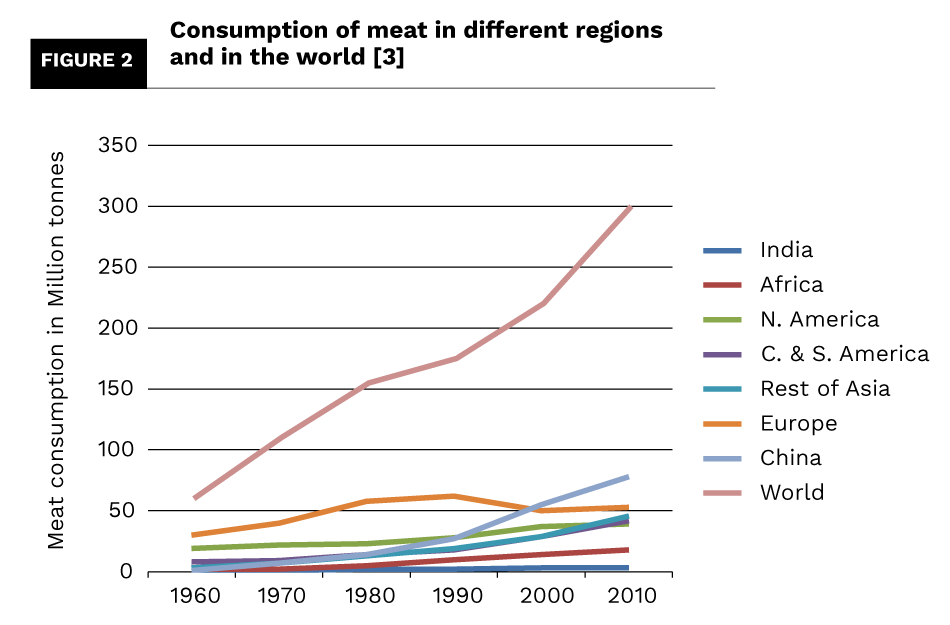
figure 2

While the increase in meat consumption in developing countries is predicted to be about five times higher than that in developed countries over the next 10 years (figure 3), consumption levels in industrialised countries are often close to saturation, due to meat being valued less in accordance with its cheap methods of production 4. However, it is noteworthy that consumption today is increasing at a slower rate than 10 years ago 5, in some cases even decreasing slightly in recent years due to concerns about health, animal welfare, and the environment. Nevertheless, per capita meat consumption in developed countries remains significantly higher compared to that in developing countries, resulting in 83 per cent of the average European’s food emissions being caused by meat, eggs, and dairy products 1.

The overall increase in production and consumption over the past 50 years includes all major meat types, yet not to the same extent, as depicted in figure 3. The share of pork and, particularly, poultry in total consumption is increasing, while that of lamb and beef is decreasing 4 (table 1).
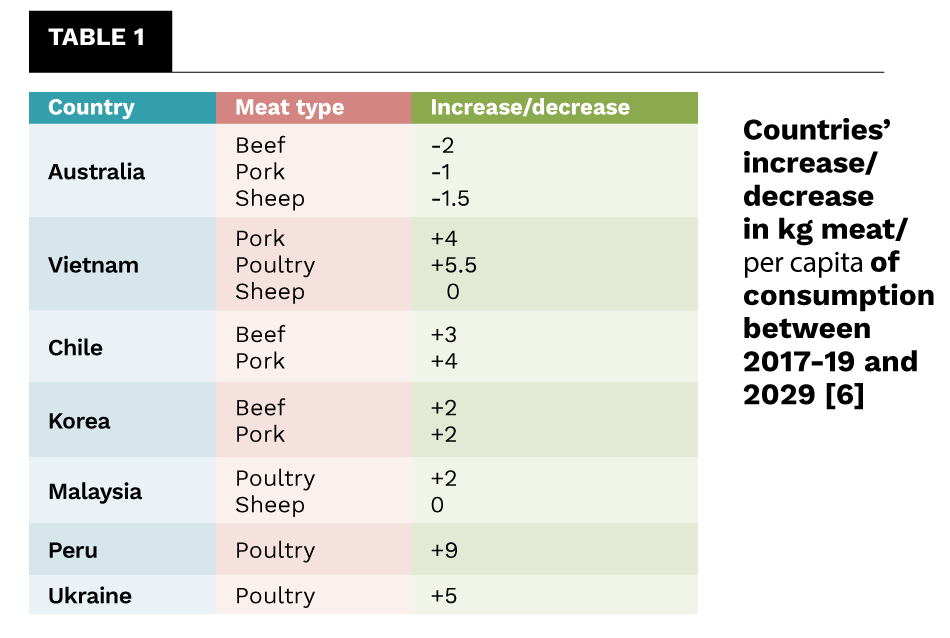
table 1Greenhouse gas emissions and additional risks

The global climate is warming steadily and new record temperatures are continually being registered. This climate crisis has a variety of consequences for the environment and humankind, ranging from water and food scarcity over melting glaciers and ice sheets, rising sea levels, and natural disasters to social conflicts arising from the direct effects of climate change, and many more 7.

This anthropogenic change in the global climate finds its origin in industrialisation and is caused by the increased emission of greenhouse gases, consisting of carbon dioxide (CO2), methane (CH4), nitrous oxide (N2O), hydrofluorocarbons (HFC), perfluorocarbons (PFC), and sulphur hexafluoride (SF6). Of the five main causes of the increase in emissions identified by the European Commission, three can be directly or indirectly linked to meat consumption and factory farming, namely deforestation, increased livestock farming, and the use of fertilisers 8. The 5th Assessment Report of the Intergovernmental Panel on Climate Change (IPCC) concludes that approximately 10-12 GtCO2eq/year are emitted by the “agriculture, forestry and other land use” (AFOLU) sector, accounting for just under a quarter of anthropogenic greenhouse gas emissions 9.

table 2The total emissions generated in the livestock production chain are composed of several categories (table 2). Animal feed production accounts for almost 50 per cent of these emissions. With almost 40 per cent, the gases that occur during digestion (enteric gases) are in second place. Just under 10 per cent are generated by manure management, meaning the management of the animal wastes. The remaining 5 per cent are caused by direct and indirect energy use or arise after production 10.Focusing on the enteric emissions, the largest share can be attributed to cows, causing about 75 per cent, while other animal species such as sheep or goats cause 7 per cent or less (table 3). As a digestive by-product, ruminants produce enteric methane, which is the most common greenhouse gas from agriculture 11. Over a 20 year period, it is 84-6 times more damaging to the climate than CO2 [12].

table 3In addition to generating emissions, meat production is associated with high levels of land use. While the exact amount of land needed for food production depends on regions and the chosen production system, approximations can be made. Thus the production of 100 g of protein from beef needs an average of 104 m² of land; for the same amount of protein, an average area of only 6.4 m² is needed for chicken, 5.7 m2 for beans and only 2.1 m2 for tofu. Hence, animal products require more land than plant-based alternatives 13. This strongly relates to the animal feed; more than a third of all crops worldwide are cultivated for livestock feed. The high demand for land leads to deforestation, further contributing to climate change and endangering biodiversity. Globally increasing amounts of pesticides are used for the production of feed and during livestock farming. This not only endangers ecosystems and the health of workers but also, together with the high level of antibiotics use, leads to increased antibiotic resistance. 5,14.

Moreover, large amounts of water are required for meat production. The water footprint of food is a useful indicator of its environmental impact. The water footprint per calorie of beef is 20 times greater than that of cereals. Just as with land use and GHG emissions, water requirements vary significantly by animal species, livestock management, and production system. The production of one kilogram of chicken requires an average of 4,325 l of water, whereas that of beef requires an average of 15,415 l of water. Most of the water needed in the production of meat is attributable to feed production 5.

livestockFurthermore, the issue of manure arises. With the increasing amount of livestock being held, manure has reached a quantity that exceeds local capacities and can no longer be completely used as a valuable agricultural resource. Instead, it leads to the pollution of ground and surface water and an increase in particulate matter and other air pollutants, which then can lead to acid rain, loss of soil fertility, and health issues, while also contributing to climate change. Overall, there is a food safety risk and increased emergence of pathogens and zoonotic diseases, to name only a few 14. These consequences can combine to conflict with the UN SDGs – most prominently Goal 6 (clean water and sanitation) and Goal 3 (good health and well-being), while the process as a whole acts contrary to Goal 12 (responsible production and consumption) and Goal 13 (climate action) 15.

The share of pork and, particularly, poultry in total consumption is increasing, while that of lamb and beef is decreasing.

A last major issue is food waste. This accounts for about 6 per cent of global greenhouse gas emissions, as about a quarter of food is thrown away, spoiled, or spilled in supply chains, at retail or restaurant level or in private households. This is due to poor storage and handling techniques, lack of refrigeration, spoilage, and misconceptions regarding the shelf life 1.

Solutions
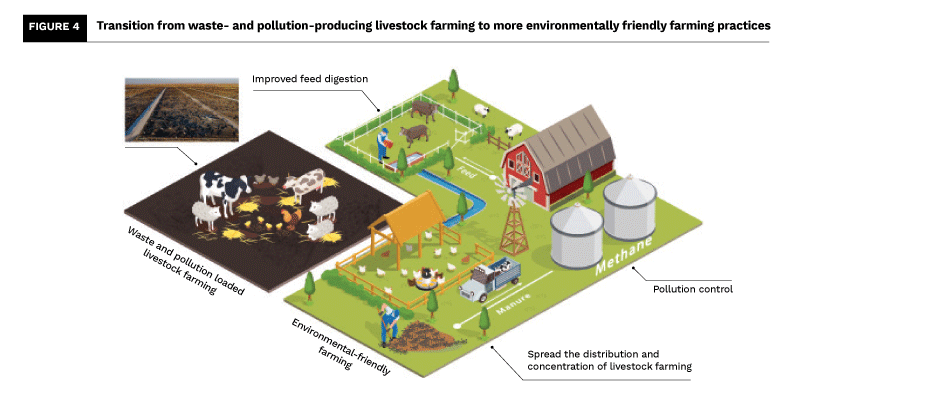
figure 4

In order to limit the harmful impact of meat production on the environment and achieve a more balanced practice of livestock farming, different paths can be taken (figure 4). While some measures target production, others are based on changing consumer behaviour, and still others are aimed at changing legal requirements and policies.

Lifestyle change

There are various approaches that start with consumer behaviour, including switching to less climate-impacting species, reducing the consumption of animal products, replacing them with alternatives, and reducing food waste.

In many countries, consumers eat more meat and dairy products than recommended by the government. In Germany, an average of 600 g of meat per person per week would be eaten if the recommendations of the German Nutrition Society were followed. This corresponds to a 48 per cent reduction compared to the average consumption in 2017, and would reduce greenhouse gas emissions by 7.37 million tonnes per year 16.

chicken coopAnother way to reduce the demand for meat is to reduce food waste. Goal 12 of the SDGs is dedicated to sustainable consumption and production patterns, including halving global food waste per capita at retail and consumer level. The majority of food waste in Germany is generated in private households, at 52 per cent (6.14 million tonnes), which corresponds to about 75 kg per capita in 2015. About half of this waste could be avoided 17. Consumers could drastically reduce meat waste by switching to a strict zero-waste strategy to reduce the impact of meat production on the climate. In addition, consumers could be encouraged to eat more of the offal of animals by increasing its value.

Alternatives

Conventional meat can be completely or at least partially replaced by insects, in-vitro meat and plant-based alternatives. However, these differ significantly from one another in their efficiency in reducing the climate-damaging emissions of meat.

Cell and tissue cultures are currently not efficient processes in terms of energy, water, and raw material consumption. Financial, health, and sustainability benefits are also unclear, as research is still in its infancy.

Currently, there is a tendency for more poultry and pork to be consumed, while beef and lamb consumption are decreasing. If beef is replaced by poultry, this already has a positive effect on the carbon footprint of an omnivorous diet, as poultry products are better for the environment, partly because of the smaller amount of agricultural land needed 18. If an average German household were to replace its calories from red meat and dairy products with chicken, fish, or eggs on just one day per week, it would save 0.3 tCO2eq. The positive effect would be even stronger if beef and dairy products were replaced by plant-based alternatives, which would save 0.46 tCO2eq 16.

healthy meal
The global sales market for meat substitutes is growing steadily and already amounted to US$4.6 billion in 2017. In Germany, the production of vegetarian and vegan meat substitute products increased by 37 per cent in the first quarter of 2020, i.e. from 14.7 thousand tonnes to about 20 thousand tonnes. However, the sales figures of substitute products are still very low compared to conventional meat. In 2019, the production of meat substitute products on the German market achieved a value of €272.8 million, while the production value of the meat, poultry meat and processed meat categories together amounted to around €40.1 billion 19. In-vitro meat is not yet available on the market, but investor interest in production is increasing.

Edible insects such as mealworms, grasshoppers, and crickets have the potential to become an important source of food for humans. They are high in fat, protein, and micronutrients. However, consumer attitudes towards edible insects may change in the future. Another problem for the establishment of insects on the European market is the European Union’s regulations concerning novel foods and the legal status of insect-based foods, according to which insects may not be processed and must be marketed as a whole 18.

In-vitro meat, also known as lab-based or cultured meat, is produced outside a living animal. “The meat is produced by culturing animal stem cells in a medium that contains nutrients and energy sources required for the division and differentiation of the cells into muscle cells that form into tissue.” 18 The amount of nutrients and energy required can be relatively small, as only muscle tissue is developed, and the development of respiratory, digestive or nervous systems, and skin is not necessary. However, cell and tissue cultures are currently not efficient processes in terms of energy, water, and raw material consumption. Financial, health, and sustainability benefits are also unclear, as research is still in its infancy. Just as with insects, there are consumer barriers to in-vitro meat. The product must have sufficient similarity to farm-animal meat in terms of taste, texture, and appearance to gain high acceptance, and this is still difficult to achieve at the moment 18.

table 4Plant-based alternatives include tofu and tempeh, which are made from soya, pea- or lupin-based products and seitan, which is made from wheat protein. These can be used to imitate conventional meat. Imitation of meat includes the criteria of smell, taste, texture, appearance, and consistency. Complete imitation is difficult to achieve with plant-based alternatives, but they can have very good nutritional values. Tofu, for example, has a high protein content but is low in fat, so it has a similar protein value to beef for human nutrition. As shown in table 4, soya beans also produce the most protein and energy per unit of farmland compared to conventional meat and the other alternatives studied 18. Another advantage of plant-based alternatives is that they are well accepted. Fifteen per cent see them as a good substitute, and 26 per cent would try them 5.

Technological changes

An alternative approach to combatting rising emissions from livestock farming targets the supplier side. Here, the focus is set on the stage of pre-production, with the overarching goal of reducing as many emissions and harmful environmental impacts as possible, while still continuing production without compromising sales 14.

soybean farmingOne strategy to be considered is increasing the efficiency of existing systems, focusing specifically on breeding, feed, and sanitation. In breeding, the aim is to increase the animals’ productivity, meaning a young age at slaughter, thus fewer days of feeding but still with a high output. This is influenced by animal genetics and hormonal growth promoters. In the area of feed, a distinction should be made between additives and vaccinations on the one hand and improved feed digestion on the other. In the first approach, supplements are added to the feed, such as inhibitors, including algae or 3-nitrooxypropanol (3-NOP), which can lead to a methane reduction of up to 40 per cent. Other approaches include vaccines against methanogens, plant bioactive compounds, dietary lipids from vegetables and animal oils, and electron receptors such as nitrates. For improved digestion, feed quality and management are enhanced, concentrates are added, and feed gaps are filled. In addition, feeding is done with precision while being analysed 14, 20.

Another strategy targets procedures and technologies for pollution control, as well as less-damaging processes. This includes anaerobic digestion, resulting in methane capture and utilisation. Other possible approaches are the recovery and sale of ammonia as fertiliser, the construction of animal quarters so that less antibiotics are needed to guard against disease outbreaks and, finally, covering of anaerobic lagoons 14.

Furthermore, there are other individual areas in which emissions occur, as explained in the previous chapter, which are less prevalent in these three strategies – for example, land use. Here, the mitigation potential lies in restoration, reduced deforestation, and an overall increase in the growth of woody biomass. Moreover, waste streams could be utilised by converting them, so that manure and food waste could be turned into energy, as well as microbial protein and hydrocarbon. This not only prevents emissions but could also serve as another source of income for the farmers. Furthermore, renewable energy could be used along the value chain and the overall energy efficiency could be increased, for example in refrigeration 20.

Many of these approaches still need further development and, even if they have a high technical mitigation potential, the economic mitigation potential is still quite low. Therefore, a combination with other mitigation strategies is needed 20. In addition, it should always be noted that the most efficient mitigation option is the overall reduction of consumption, which not only takes the pressure off the technologies mentioned but is the most promising way for the food sector to counteract climate change.

Political approaches

Governments and politicians are additional relevant actors in the mitigation of emissions and in overcoming the issues arising from meat consumption. Through an appropriate climate policy, which also covers the meat sector, they support consumers and producers in reducing the overall negative effects of production.

In order to promote the use of the technologies and motivate farmers, different measures come into question. For example, by taxing CO2, the industry will look for production options that result in low CO2 emissions. It is also possible to tax the disposal or emissions of manure. Alternatively, a way could be chosen by which farmers are paid, instead of having to pay themselves, such as through purchasing verified emission reductions. Another cost incentive could be that farmers are paid more money for products that do not contain hormones or antibiotics or similar. Further incentives, e.g. in relation to the price of water, could promote actions that have a high resource use efficiency. However, this is risky, as it could also lead to poorer management and a resulting increase in emissions and environmental damage. Furthermore, those incentives in the field of energy that favour a damaging system instead of an environmentally friendly one should be removed.

The knowledge and awareness of the problems and ways to overcome them already exist, but they must be further spread through good communication and the way must be facilitated for the parties to act accordingly.

Governments could also play an active role in reducing consumption. For example, national efforts could be made to raise awareness of the negative consequences of meat consumption, especially among consumers, but also, for instance, among medical professionals. This could be done by improved communication of nutritional guidelines. Furthermore, economic approaches, such as the aforementioned taxes, could also lead to a reduction in meat consumption. In Germany, for example, one approach would be to place meat products in the higher VAT category. Other monetary measures could also be considered to support consumers in choosing a healthy and sustainable diet and in order to make this diet affordable 14.

Financial approaches

Development banks are currently financing large meat companies and thus factory farming with public funds across all continents. These financing decisions do not only enable factory farming, but also all the steps prior to the actual farming and all the consequences that have been mentioned throughout this article that are linked to meat production, i.e. deforestation, emissions, and the pollution of water and soil, affecting especially the local population. In addition, there are social problems related to labour protection, which will be considered in the following chapter. These types of funding are promoted as aiming to make meat production more sustainable and create more jobs, yet the recipients of the investments are the world’s largest meat producers, whose actions are further supported by the money. This behaviour actively conflicts with the sustainable development goals of the UN and endangers small farmers and producers, as well as the entire environment 21.

For socially just meat production and distribution and, at the same time, environmental and climate protection, no more funds should flow into large corporations that produce in detrimental ways, but rather they should be systematically allocated to those who, on the one hand, actually need it and, on the other, have shown willingness to engage in environmental protection and to operate responsibly.

A possible consequence of alternative financing decisions by development banks would be that financial institutions, as well as other actors, would follow this behaviour as an example and act or invest accordingly. Nevertheless, more and more stakeholders are already now emerging, investing specifically in alternative protein sources, and supporting the shift to more sustainable diets.

Social approaches

About one million people work in the European meat industry and their working conditions have been criticised for decades. Thousands of people, usually migrants from Central and Eastern Europe, are precariously employed by subcontractors. In the Netherlands, for one of the largest meat exporters, this figure is estimated to be as high as 90 per cent 22.

Because of public criticism, some countries have tightened regulations on working conditions in recent years. Germany, among others, has banned subcontracting since 1 January 2021, so the legal framework for workers has improved. However, the law contains loopholes for smaller companies, for example. Tougher controls are necessary to guarantee sustainable improvement in working conditions and housing.

Summary

herd of cattles

Today’s meat consumption and detrimental production pose a major threat to the environment and a sustainable future. A distinction can be made between the supplier and the demand side. On the supplier side, technologies come into play that aim to guarantee the same output with lower emissions and pollutants, for example by targeting and improving breeding, feeding, and manure management. On the consumer side, the potential is great, as the total demand and thus the resulting damage can be significantly minimised. This requires a change in diet, from reduced to completely halted meat consumption. To facilitate this change, the market for meat substitutes or even insects is growing. In order to support the change and the implementation of solutions for both sides, policy makers can also play an important role by introducing incentives and taxation to promote low-emission production and sustainable and healthy diets that are socially just. Additional changes need to occur in the financing of meat consumption and the way workers in the meat industry are treated. By having all stakeholders working well together and thus combining the aforementioned solution approaches, the damage to the climate and the environment could be minimised and a positive impact could be made jointly.

Outlook

Looking ahead, it is important that action should be taken quickly by all the parties involved, and that solutions that are already available should be implemented in a timely manner. The knowledge and awareness of the problems and ways to overcome them already exist, but they must be further spread through good communication and the way must be facilitated for the parties to act accordingly. Also, this sustainable shift needs to be made socially feasible and even small farms should be able to operate sustainably and receive fair prices for their products.

Acknowledgement
The authors would like to thank Prof. Dr José Ignacio Huertas, director of the Energy and Climate Change Research Group at the TEC de Monterrey Instituto Tecnológico y de Estudios Superiores de Monterrey for years of support in this scientific area.

About the Authors

oheCharlotte von der Ohe started her bachelor’s degree with a major in business administration and a minor in economics at Leuphana University Lüneburg in 2020. In addition to her studies, she is involved in the BEM student council and sneep (student network for ethics and economics in practice), a student initiative that promotes business and corporate ethics.

ReuterLotte Maria Reuter has studied environmental sciences and law in her bachelor’s degree at Leuphana University Lüneburg since 2019. In her studies, she focuses on international and national environmental law, renewable energies, and the effects of agriculture on the environment. Additionally she worked as a student assistant at the Fachagentur Windenergie an Land and did an internship with the European Commission in Brussels.

AndresenMichael Palocz-Andresen works as a guest professor at the Benemérita Universidad Autónoma de Puebla México. From 2018 to 2022, he was a Herder-professor supported by the DAAD at the TEC de Monterrey. He became a full professor at the University West-Hungary Sopron, a guest professor at the TU Budapest, the Leuphana University Lüneburg, and the Shanghai Jiao Tong University. He is a Humboldt scientist and an instructor of the SAE International in the USA.

References

  1. Ritchie, H. and Roser, M. (2020) Environmental Impacts of Food Production, Our World in Data. Available at: https://ourworldindata.org/environmental-impacts-of-food?country (Accessed: 7 March 2022).
  2. Statistisches Bundesamt (Destatis) Global animal farming, meat production and meat consumption, 2022. Available at: https://www.destatis.de/EN/Themes/Countries-Regions/International-Statistics/Data-Topic/AgricultureForestryFisheries/livestock_meat.html (Accessed: 27 July 2022).
  3. FAO, FAOSTAT (2018)
  4. OECD-FAO (2021) Agricultural Outlook 2021-2030. OECD. doi: 10.1787/19428846-en.
  5. Chemnitz, C. et al. (2021) Fleischatlas: Daten und Fakten über Tiere als Nahrungsmittel.
  6. OECD/FAO (2020), Agricultural Outlook 2020-2029, https://doi.org/10.1787/1112c23b-en.
  7. United Nations (no date) The Climate Crisis – A Race We Can Win. Available at: https://www.un.org/en/un75/climate-crisis-race-we-can-win (Accessed: 12 March 2022).
  8. European Commission (no date) Causes of climate change. Available at: https://climate.ec.europa.eu/climate-change/causes-climate-change_en (Accessed: 12 March 2022).
  9. Smith, P. et al. (2014) Assessment Report 5: Agriculture, Forestry and Other Land Use (AFOLU), IPCC.
  10. Gerber, P. et al. (2013) “Tackling Climate Change Through Livestock: A Global Assessment of Emissions and Mitigation Opportunities”, Food and Agriculture Organisation of the United Nations (FAO). Available at: www.fao.org/publications (Accessed: 12 March 2022).
  11. Conchedda, G. and Tubiello, F.N. (2020) “Emissions due to agriculture: Global, regional and country trends 2000-2018”, Food and Agriculture Organisation of the United Nations.
  12. UNECE (no date) Methane Management: the Challenge. Available at: https://unece.org/challenge (Accessed: 12 March 2022).
  13. Ritchie, H. and Roser, M. (2013) Land Use, Our World in Data. Available at: https://ourworldindata.org/land-use.
  14. Cassou, E. (2018) Agricultural Pollution: Livestock Wastes, World Bank Group.
  15. United Nations (no date) The 17 Goals: Sustainable Development. Available at: https://sdgs.un.org/goals (Accessed: 12 March 2022).
  16. Scheffler, M. and Wiegmann, K. (2019) Quantifizierung von Maßnahmenvorschlägen der deutschen Zivilgesellschaft zu THG – Minderungspotenzialen in der Landwirtschaft bis 2030. Available at: www.oeko.de (Accessed: 28 May 2022).
  17. Schmidt, T. et al. (2019) Thünen Report 71 Lebensmittelabfälle in Deutschland-Baseline 2015. doi: 10.3220/REP1563519883000.
  18.  Alexander, P. et al. (2017) “Could consumption of insects, cultured meat or imitation meat reduce global agricultural land use?”, Global Food Security. Elsevier B.V., S. 22–32. doi: 10.1016/j.gfs.2017.04.001.
  19. Statistisches Bundesamt (Destatis) Vegetarische und vegane Lebensmittel: Produktion steigt im 1. Quartal 2020 um 37%, 2020.
  20.  Mbow, C. et al. (2019) Climate Change and Land: Food security, IPCC.
  21. Hamerschlag, K. and D Cook, C. (2021). To fight the climate crisis, banks must stop financing factory farming. The Guardian. Available at: https://www.theguardian.com/commentisfree/2021/oct/19/climate-crisis-factory-farming-paris-climate-un (Accessed 20 September 2022)
  22. McSweeney, E. and Young, H. (2021) “Revealed: exploitation of meat plant workers rife across UK and Europe”, The Guardian.

How Will the Metaverse Impact Identity Governance?

By Martin Kuhlmann

Businesses have exciting new opportunities thanks to the metaverse, but there are also identity and security hurdles.

The development and growth of the metaverse will alter our social interactions and broaden each person’s digital footprint. Businesses will be keen to participate in the metaverse market, which is expected to grow to over USD$1.6 trillion by 2030.

It will also influence the idea of identity. The effect on digital identification and the idea of providing people with more ownership via a universal digital identity have been the subject of numerous discussions. Even if the concrete shape of a “Metaverse” is still blurry, businesses must be mindful of how digitally enhanced worlds and business models will affect their identity strategy with regard to employees, contractors and business partners.

The current dynamic situation highlights the importance of having a solid identity governance program in place that maintains business security, adheres to data privacy laws and upholds the rights of partners and staff.

Digital identity beyond borders

Digital identity beyond borders

Consumers are constantly creating new digital identities and use multiple logins for their many online accounts. Even while solutions exist to limit the spread of personal data (e.g., consent management), companies continue to collect and generate a variety of data about everyone they interact with.

In spite of current identity federation technology, organisations often create and retain proprietary identities for their workers and, typically, for their collaboration partners as well. Organisations partly trust third parties for identity and authentication in specific situations, such as when using Microsoft Azure guest accounts for B2B collaboration or nationwide universal education IDs for students in some nations. Many businesses still need to modify their governance strategies in light of these scenarios and prepare for higher volumes of identities and increasing dynamics of interaction.

We anticipate being able to move “digitally” within a mesh of digital platforms, in a metaverse. This necessitates more sophisticated identity and authentication portability, as Gartner described in its “identity trust fabric” (ITF). Controlling and protecting a person’s “digital twin” and the information that goes with it will be a major concern for individuals.

In these situations, problems like trust and governance must be addressed:

  • What aspects of identity governance within an organisation need to be rethought? This covers risks associated with “external” authentication, risks found through outside knowledge of the identity and risks regarding access within the company.
  • How can an identity’s total risk profile be established and maintained, and where might this run afoul of data privacy?
  • How much, and under what circumstances, does a company trust “universal” or external identities? Who is the creator and owner of these?
  • To what extent does the company trust third parties to keep their own employees’ information safe?
  • What falls under the purview of the digital identity’s owner? What elements of identity governance does a trusted identity provider cover?

If businesses permit extensive use of third-party platforms by employees, they must make sure that the disclosure of user data or the potential for tracking user behaviour doesn’t violate privacy or expose proprietary information about the company. 

Developing a long-term identity strategy

For good reason, identity is increasingly at the heart of many organisations’ security strategies. According to the Identity Defined Security Alliance’s 2022 Trends in Securing Digital Identities report, 79% of respondents had experienced an identity-related compromise in the past two years. Such a breach can have significant financial and reputational consequences. According to the report, 78% of respondents who experienced an identity-related breach stated that it had a direct impact on their business.

To ensure compliance and security, organizations need appropriate transparency into the digital identities engaging with their workers or accessing their digital services and data. They must know the accuracy and dependability of identity information, as well as the purposes for –and circumstances under – which identities require access. These are the fundamental elements of identity governance and the foundation of an Identity Governance and Administration (IGA) plan.

Identity governance will become more crucial and difficult as identities are used across boundaries and for a variety of purposes. There will be an increase in the number of identities that are digitally related to an organisation. A metaverse-driven ecosystem needs trusted spaces in which these identities can interact, and clearly defined workplaces, services and resources they are provided and allowed to use. IGA solutions will be required to automate access management and maintain control.


For example, the recertification of access privileges will likely emerge into a broader capability to assure that identities are moving and operating within the desired boundaries. Yet, new issues must be dealt with: Businesses must determine how safe they believe an identity to be, how trustworthy the proffered identity qualities are, and how much the identity’s “digital behaviour” complies with corporate security needs – without compromising individual freedom.

Future-proofing

Many enterprises still don’t have an effective IGA approach, but even if you do have a strategy in place, you need to future-proof it. You must immediately build an integrated corporate and B2B IGA plan while concurrently keeping track of how the “identity trust fabric” is developing. Start by making sure you have all the necessary elements to manage identities from various sources. You must be ready in the event that a new trust architecture emerges.

Toward a safer Metaverse

Businesses have exciting new opportunities thanks to the metaverse, but there are also identity and security hurdles. As identities are used more widely and in greater numbers, identity management becomes more complex. As a result, the company’s assets might be in jeopardy. To make sure that everyone who needs access to information and services is who they say they are and can fulfil their duties, identity managers require a defined plan. Using the suggestions above, start developing a future-proof identity strategy that can grow together with the metaverse.

About the Author

OMA Martin KuhlmannDr. Martin Kuhlmann heads up the Global Presales Team at Omada. In this position and formerly as Senior Solution Architect, he has been advising strategic customers and designing Identity & Access Management solutions. Martin has been active in the IT Security space for more than two decades and has been a frequent speaker and panelist at international conferences. As a consultant and strategist, he had a leading role in various security integration projects in large organizations. He specializes in Identity & Access Management and IT governance, risk & compliance. Martin published numerous journal articles and several scientific papers on Role-based access control (RBAC) and application security. 

The Road to COP28: Actions Speak Louder than Words

By Kipkorir Koskei

Following the IDF Summit in June, which brought together governments, international organisations, civil society and academia to enhance financial resilience and inclusivity in the face of climate change, Kipkorir Koskei, IDF Director, Strategic Partnerships & Policy looks ahead to COP28, and identifies the different roles insures can play in global adaptation and resilience measures 

November’s COP28 in UAE will mark eight years since the Paris Agreement was signed – a global effort to halve emissions and limit global warming to 1.5°C by 2030. However, with only seven years left until this deadline, it is now accepted as almost inevitable by most experts that we will not achieve this goal, and the focus is now equally on adaptation and resilience measures in the face of the escalating impacts of climate change on the most vulnerable among us. 

Insurance and related risk management tools are key pieces of this puzzle. On its own, insurance is not the antidote to the threat that climate change poses, nor does it provide a total safety from its impacts, but combined as part of proactive ex-ante disaster risk financing measures that span public, private and development sectors, insurance is increasingly accepted as a powerful resilience tool. 

This is the major message as we head towards COP28, and it was unpacked further at June’s pre-COP28 convening in Zurich, Switzerland – the Insurance Development Forum (IDF) Summit 2023. This Summit is the flagship event convening a community of partners with global reach and local presence including governments, international organisations, civil society and academia with the purpose of driving forward ambition, action and impact in enhancing financial resilience and inclusivity, and advancing the United Nations Sustainable Development Goals.  

The Inextricable Link Between Insurance and Climate Change Resilience

One prominent theme that emerged from the event was the undeniable need to be honest and acknowledge the truth that is laid bare before us: current efforts to “build back better” are falling short, and despite the urgent action that we all know is needed, it is unlikely that humanity will be able to prevent global temperatures from exceeding the critical threshold of 1.5 degrees Celsius.

Leaders expressed a shared ambition to scale up collaboration efforts and increase the implementation of Insurance Development Forum projects. By leveraging the collective expertise and resources of insurers, governments, and other stakeholders, these initiatives can drive sustainable solutions and foster resilience on a larger scale.

After all, systems don’t change – leaders do. Embracing a culture of innovation and continuous improvement allows us to refine our approaches and drive positive change in building resilience against climate change. But political short-termism must be overcome. Recognising the long-term impact of climate change, leaders emphasised the need to focus on sustainable projects and prioritise education. By educating individuals and communities about the importance of resilience measures, we can lay the foundation for a more resilient future.

At the same time, the importance of goodwill and trust in the insurance sector particularly among the underinsured and uninsured is critical to closing the protection gap. We also anticipate further strong appeals at COP28 for increased investments from insurers in resilience, including resilient infrastructure, and for the development of methods to measure the value of these initiatives. Demonstrating the return on investment in resilience can encourage all stakeholders including the private sector to prioritise such investments and further drive climate change resilience efforts.

The Shift to Ex-Ante

For those in developing countries, this protection gap means that people, communities and even whole countries, are unable to recover quickly and efficiently following a natural disaster. To help overcome this, insurance has to be inclusive, and insurers have to be focused on ex-ante investment. It is imperative for the sector to invest wisely and reduce the impact of a devastating event, rather than pay out after one has occurred.

This mindset forms the basis of the Early Warnings for All initiative, a $3.1bn plan announced by the UN’s secretary-general António Guterres during COP27. The project (updates of which will be announced at COP28) aims to ensure that by 2027, the world’s population will be protected by weather warning systems – a move which could both limit damage and save lives. 

Model examples

Advocating ex-ante financing isn’t, however, the only way insurers can help build global resilience and support adaptation measures. Ensuring open data and access to data tools is proving to be just as effective, as has been made apparent by the Global Resilience Index Initiative (GRII). Led by the IDF’s Risk Modelling Steering Group, and supported by technical contributors including the University of Oxford, the Oasis Loss Modelling Framework, Willis Towers Watson and the World Bank, the GRII aims to provide reference data on climate and natural hazard risks to help countries manage their exposures to increasing climate risks.

Such a goal is being achieved through its GRII Viewer, a tool which provides the initial set of ‘people’ ‘planet’ and ‘prosperity’ indices that will guide financial decisions to scale up adaptation and help build regulatory and industry capabilities around modelling natural catastrophe risk. First announced at COP26, the GRII Viewer is expected to be fully launched at COP28.

As UN Special Representative for Disaster Risk Reduction, Mami Mizutori noted at the IDF Summit 2023, “Currently, we know that only about 4 percent of all official development assistance related to disasters goes into prevention; the rest goes into response and recovery. But there is not much evidence that recovery is building back better.

It seems that we are doing more of building back the same – and that’s simply not enough in the face of increasing climate change risk. GRII helps point to where action is needed and can have the most impact. This is about building resilience, this is about reducing the risk. That’s what we’re not doing yet.  It’s about bringing in investment and resources before the disaster happens and working together for a resilient climate future.”

During the IDF Summit, the GRII secured a fresh agreement from the UN, insurance and academic leaders to draw upon insurance data and expertise to advance climate and disaster risk analytics and help mobilise finance for adaptation. New funding was also provided for the initiative, to provide open, globally consistent climate risk data for governments and financial institutions to scale-up climate adaptation, resilience and loss and damage finance and protect exposed communities and economies.

Accelerated risk needs accelerated action

As climate change accelerates, the stakes are getting higher for people, businesses and governments around the world.  Putting globally consistent numbers behind who and what is most at risk, and how people, prosperity and the planet will be impacted is essential to guide capital investments in adaptation.   

But while data is key to building global resilience, sometimes it is not available to all: without doubt, insurers have a collective responsibility to change this. This is where initiatives such as the Global Risk Modelling Alliance (GRMA) come into play. 

Launched with the V20 Group of Countries and co-funded by the BMZ and IDF insurance industry members, the GRMA increases the availability of risk information to climate-vulnerable countries. 

This initiative is so important that the Global Shield against Climate Risks cooperation has identified it as a key resource to helping it deliver on its own ultimatum: to increase protection for poor and vulnerable people by substantially enhancing pre-arranged finance, insurance and social protection mechanisms against disasters. 

With projects already underway in Pakistan, the GRMA has confirmed its reach will be expanded and progressed at COP28, with more pathfinder countries expected and wider applications of the modelling tools to be announced. 

Closing the protection gap

High-ambition scale is needed to close the protection gap, and leaders at the IDF Summit 2023 underscored the need to move away from pilots to scaling up existing programmes for lasting development impact. There was also strong support for further multi-stakeholder partnerships that drive action, particularly in relation to working across public, private and humanitarian sectors to build resilience to climate shocks. 

One of the initiatives announced during the IDF Summit that will be progressed at COP28 is  Tripartite 2.0. An initiative Led by the IDF Sovereign and Humanitarian Solutions (SHS) Working Group, the United Nations Development Programme (UNDP) and Federal Ministry for Economic Cooperation and Development (BMZ), together with the InsuResilience Global Partnership and InsuResilience Solutions Fund (ISF), the Tripartite Agreement aims to develop effective climate risk financing and insurance programmes for vulnerable communities. 

To date, members of the Tripartite Agreement have established projects in Mexico, Colombia, Nigeria, Ghana and Peru, and upon successful implementation, around 18 million people will benefit from these projects. 

Protecting the future

At COP27 in Egypt there was significant momentum generated around the important role that insurance can and must play in driving resilience. As we head towards COP28, there is a strong sense of urgency for efficiency and scale in implementation and help to shape a way forward. 

The IDF is active in 22 countries, with 29 projects currently underway, and is a strong advocate for the critical, tangible and impactful role of public and private partnerships, and in open risk management tools, in building a more resilient future. 

We are living the reality of a climate emergency, and there is a global expectation that leaders from the public, private and development sectors need to act fast. For COP28, the IDF and its partners are engaging across sectors to seek convergence on the climate adaptation and resilience agenda, develop collective responsibility and ownership by partners, members and countries with an emphasis on the need to work better, to work together and deliver real impacts at scale.

About the Author

author's imageKipkorir Koskei is the Director of Strategic Partnerships and Policy at the Insurance Development Forum, a public-private partnership led by the insurance industry and supported by the World Bank and the UN, aiming to enhance the use of insurance to build greater resilience against disasters and help achieve the UN Global 2030 Agenda.

Intra-EU Investment Protections – Where to Look for Protection

In the last sixty years numerous states have entered into investment agreements containing investor state dispute settlement provisions and investor state dispute settlements became a common means by which investors sought to protect their investments.

At the same time as investor state dispute settlements became more common, the EU continued to grow, bringing within its territory an increasing number of member states who already had such treaties either with each other or with existing members.   

But those “intra-EU” treaties present a problem.  By acceding to membership of the EU, members had undertaken an obligation to ensure the uniform interpretation of EU law, which forms part of the law of each member of the EU.  In Achmea v Slovak Republic (C-284/16), in 2018, the Court of Justice of the European Union (“CJEU”) ruled that ISDS under the intra-EU bilateral investment treaty at issue in that case was incompatible with that obligation.  In the subsequent Komstroy v Moldova (C-741/19) decision the CJEU ruled that intra-EU ISDS proceedings under the multi-lateral Energy Charter Treaty are also incompatible with EU law.   In PL Holdings v Poland (C-109/20) the CJEU ruled that member states were required to challenge the jurisdiction of any arbitral tribunal based on a treaty that is contrary to EU law.  Finally, in Micula v Romania the CJEU upheld a ruling of the European Commission that payment of an ICSID award based on an intra-EU treaty amounted to impermissible state aid.

In response to the Achmea decision, the Commission and Member States began a process to terminate the intra-EU investment treaties, culminating in a termination agreement that entered into force on 29 August 2020 (the “Termination Agreement”).  This Termination Agreement does not apply to the Energy Charter Treaty.  More recently, the failure of the Commission’s efforts to obtain member state assent to a modernization of the Energy Charter Treaty has resulted in the Commission calling, in February of this year, for the member states to withdraw from the Energy Charter Treaty.

The overall effect is to largely dismantle the ability of EU investors to have recourse to ISDS in respect of their investments within the EU.  That presents issues for two classes of EU investors.  First, those who already have pending claims or awards under the pre-existing treaty regime and second those who either plan to make new investments or already have committed to investments within the EU.

Pending Claims/Awards

In the Termination Agreement, the EU member states agreed that 

  1. awards that had been “executed” (i.e., paid) before 6 March 2018 (when Achmea was decided) would not be affected, 
  2. “pending” proceedings, those commenced before that date but where no award had been executed, would be subject to a transition regime under which investors would have the option of terminating their claims and going to national courts or seeking to negotiate a settlement of their claim, and 
  3. Finally, all “new” proceedings commenced after 6 March 2018 would have no legal effect.  

The Termination Agreement attempted to have retrospective effect – it sought to invalidate not just new claims brought after it came into force but also claims brought prior to it coming into force.  The Termination Agreement also required EU member states to contest the jurisdiction of claims brought on the back of intra-EU treaties.

In practice, the attitude of most Tribunals seized with proceedings commenced before the Termination Agreement came into force has been to treat such jurisdictional challenges with skepticism.  Most such challenges are rejected on the basis that the Tribunal’s jurisdiction is governed by the terms of the relevant treaty, not by EU law.  As a result, the incompatibility of ISDS with EU law is not relevant to the Tribunal’s jurisdiction.  

Kingdom of Spain v ECT 

series of over 50 investment claims against the Kingdom of Spain from renewable energy producers who lost subsidies off the back of certain Spanish regulatory changes, including the rollback of the feed-in tariff scheme, showcase the complexities that arise from the enforcement of the treaty both within and outside of the EU.  

Where cases have been brought within the European Union, the general pattern has been a refusal by Tribunals to entertain arguments based on EU law, on the basis that the jurisdiction of the Tribunal is determined by the relevant treaty, rather than EU law.  The recent decision of the Tribunal in Green Power v Spain in June 2022 is an exception to the trend.  In this case, the arbitration was seated in Sweden so was subject to the Swedish Arbitration Act and, ultimately, to EU law.  In contrast, most claims are not affected by this analysis as they either are (i) seated outside the EU or (ii) take the form of ICSID arbitration which does not have a seat or an applicable curial law.

Further complications arise in the context of enforcement of awards based on intra-EU treaties or the ECT seated outside of the EU, where EU law is not considered to take precedence.  In 2020, the United Kingdom Supreme Court refused to grant a stay of enforcement of the award in Micula v Romania, holding that the UK’s obligation under the ICSID convention to enforce that award was not subject to its (then applicable) duty of sincere cooperation with the European Commission.  

More recently, the UK courts have been willing to order interim attachment of monies owed to Spain pending enforcement of the award in favor of Antin against Spain. A final decision on the enforcement of that award is expected soon. 

Likewise, on 12 April 2023 High Court of Australia ruled that the award in Infrastructure Services (formerly Antin) v Spain was enforceable, rejecting arguments that Spain enjoyed state immunity from enforcement. Spain’s main focus in its arguments was whether, by entering into the ICSID Convention, it had waived its immunity from enforcement.  Spain failed in this argument.  In a secondary argument, which it does not appear to have advanced with much conviction, Spain argued that the effect of the Komstroy decision was that it had not agreed to submit to the jurisdiction of the Court for the purposes of the state immunity act. 

The High Court rejected that very briefly because, it said: “the relevant agreement arose from Spain’s entry into the ICSID Convention”.  This has put several of the Kingdom of Spain’s assets in Australia, including the headquarters of the Cervantes Institute and various Navantia assets, at risk of seizure to meet a debt of over €120 million owed.  

The United States has also generally been a sympathetic jurisdiction for parties looking to enforce awards.  Perhaps the clearest examples are the decisions in the Next Era and 9Ren cases in February, 2023.  In both cases, the respondent state, Spain, had sought an anti-suit order from the European court in whose jurisdiction the claimants were incorporated (the Netherlands for Next Era, Belgium for 9Ren).  That order instructed the claimants not to pursue enforcement in the United States or elsewhere on pain of daily fines.  In response, Judge Chutkan of the DC District Court (i) ruled that the awards were enforceable in the US and the arbitration exception to state immunity applied and (ii) granted an anti-anti suit injunction requiring Spain to withdraw its anti-suit injunction in respect of US proceedings.

The position in the US has been complicated by the recent decision of Judge Leon, also of the DC District Court, in Blasket v Spain in March 2023.  In contrast to the Court’s earlier decisions, he held that Spain did not have capacity to enter into the ECT contrary to EU law and that therefore there was no valid agreement to arbitrate and so Spain continued to enjoy state immunity.  He therefore refused to enforce the award.  That decision is under appeal.

The Future for Investment Protections

As the summary above shows, in spite of the decision in Blasket, those who have already brought claims under intra-EU treaties may still be able to reach awards and monetise them.  In contrast, investors hoping to bring claims after the Termination Agreement came into effect in August 2020 will face struggle due to the termination of the relevant investment treaties.  Normally, when an investment treaty is terminated, a “sunset” clause allows investments made before the termination to continue to be protected for a period of time.  The Termination Agreement seeks to avoid such reliance by the state parties agreeing that the sunset clauses do not have legal effect.  

The Commission’s intention for future investors is that they should have recourse to national courts, relying on the protections contained in national and EU law.  The Commission’s view is hardly surprising.  A central pillar of EU law is mutual trust and independence between members.  Yet, realistic investors will know that both substantive legal protections and the efficiency of the courts varies widely across the EU.  In the latest survey conducted for the EU’s own Justice Scorecard, in 13 member states 50% or more of the public surveyed ranked the independence of the judicial system as being “very” or “fairly” bad.

One attractive option for investors seeking additional protection is to structure their investments through a non-EU member state that continues to have an investment treaty with the relevant target EU state for the investment.  This, for the time being, continues to provide a pathway for investors to enjoy investment protections.  One obvious venue for such investment is the United Kingdom.  Prior to leaving the EU, the UK did not enter into the EU’s agreement for termination of BITs.  As a result, the treaties between certain individual EU member states and the UK remain in effect.  However, there remains a risk that the EU member states may themselves unilaterally terminate or seek to renegotiate those agreements.  Examples of such moves include the Netherland’s proposed renegotiation of its investment treaties to reduce the scope of potential claims, including provisions designed to reduce investors’ ability to rely on structuring to obtain ISDS protections.  In the background the EU continues to explore the possibility of creating a multilateral investment court, a permanent state-appointed body mandated to rule on investment disputes.  Progress on this goal though has been haltingly slow and unenthusiastic.  

If they chose not to structure their investments for continued ISDS protection, investors may be able to instead invoke the protections of the European Convention on Human Rights in claims before the European Court of Human Rights (“ECtHR”) a non-EU body in Strasbourg.  In particular, Article 6 of the Convention provides for a right to a fair trial, Article 14 prohibits discrimination on the ground of national origin, and Article 1 to the Convention’s Protocol provides that no one shall be deprived of their possessions except in the public interest and subject to the conditions provided for by law and by the general principles of international law. 

The ECtHR has long accepted that claims under the Convention which significantly overlap with the subject matter of conventional investor-state claims.  For example, as far back as 1986, in Agosi v United Kingdom, the ECtHR accepted that a claim could be made in principle against the United Kingdom in a case brought by a company over forfeiture of smuggled gold coins, though it rejected the claim on the merits.  

More recently, alongside the much-discussed investor-state claims by the shareholders in OAO Neftyanaya Kompaniya Yukos v. Russia (no. 14902/04), Yukos’ management also brought a successful claim against the Russian Federation before the ECtHR.  In its 2011 judgment, the ECtHR held that Russia’s treatment of Yukos had violated the protections of Article 6 of the Convention and Article 1 of the Protocol.  A subsequent decision on just satisfaction in 2014 awarded Yukos EUR 1.8 billion in compensation.    

However, the Yukos decision reveals the limitations of such a claim.  In contrast to the ECtHR’s award of EUR 1.8 billion (itself by far the largest award ever granted by the ECtHR), the majority shareholders in Yukos were awarded over USD 50 billion in their investor-state claim.  This reflects the reality that claims under the ECtHR tend to result in far lower levels of compensation.  In applying the Convention, the ECtHR will generally have regard to a principle of proportionality in assessing compensation for expropriations and interferences in property.  In contrast, investor-state tribunals will look to give “full compensation” usually based on an assessment of the market value of the affected investment.  

In short, the EU position now leaves investors with the option either of structuring for investment protection or of accepting the potentially thinner protections of EU law and the ECtHR.

Safe Passage Through The Digital Transformation

By Melvin Ejiogu

“Is it safe?” the sinister figure played by Sir Laurence Olivier repeatedly asked Dustin Hoffman’s protagonist in the 1976 film “The Marathon Man.” While in the movie script Olivier was referring to a hidden stash of diamonds, nearly half a century later, the same question speaks to a more frequent and common-place worry: anyone who relies on computer networks – which is really almost everyone today – needs to know their system, their data, and critically their personal information is indeed safe from exploitation, loss or theft.

According to analysts, last year alone companies reported more than 4,100 major data breaches. Many more went unreported. The targets were all household names, like Twitter, Uber, WhatsApp, and major contractors to the U.S. government, and hundreds of millions of customers of these firms had their data compromised. For any business, this is both a reputational and operational nightmare.

The estimated, average cost to a business of a data breach is $3.86 million – an eye-popping sum to any executive who wants to insure his or her company against unplanned expenses.

Whether you’re running a business with ten employees or 10,000, cyber security is a front-of-mind concern because hardly a day goes by without hearing about malicious intrusions like these. Given the irreversible shift the world has seen since the COVID-19 pandemic from office-based jobs to remote work, the challenge of keeping systems safe has become more complex. Gartner, a major business consultancy, predicts that by 2027, more than half of all companies will have adapted to human-centric security practices.

For more than a decade, my company – VeeMost Technologies – has been on the cutting edge of the digital transformation that is exploding right now.  From cloud computing to artificial intelligence, the very ecosystem of technology is now undergoing revolutionary change at an ever-faster pace. What we have learned is that the IT service companies which have thrived during this period have been those which anticipated emerging trends and threats, and positioned their clients to harness the full benefits of the changing landscape.

We see three key IT needs of all enterprises, institutions and organizations today: transitioning to the cloud, scoping out how AI can optimize their operations, and protecting against the heightened risks that can come with remote workforces.

In one form or another, most enterprises today are bridging the gap between traditional IT infrastructure and the hybrid cloud for data storage and resource safety. This is in part to accommodate the changing needs of the workplace, but also remains a dominant trend in tech today. Importantly, cloud-based solutions allow teams to collaborate better, improving processes and outcomes

One question on almost everyone’s mind today is particularly how Artificial Intelligence (AI) is going to change the way we live and work tomorrow.

Just as many rely on ‘Alexa’ or similar apps in the home to help with mundane tasks, businesses are seeking ways to free up employees from repetitive tasks through automation that increase employee productivity and reduce overhead. In the IT services industry, providers who can match their clients’ needs to scalable AI solutions will be very busy in the years ahead.

Perhaps the biggest lesson of the last few years is this: absent the stronger firewalls that brick and mortar offices have been afforded up until now, more and more remote workers now face greater cyber security threats in today’s environment. And without in-house IT departments to respond to the range of everyday network issues companies face, IT service providers are seeing a steep uptick in demand.

Combined with the rapid pace of progress in technology, managed service arrangements are thus becoming increasingly popular.

Managed services let organizations outsource their IT to a growing number of providers. Globally, there are about 150,000 managed services providers, and in 2019 their revenues were $179 billion – a figure that is projected to grow to over $400 billion by 2027.

In this dynamic marketplace, providers with the right partnerships, records of performance and capabilities will likely be the ones that earn their clients’ trust.

The Marathon Man’s diamonds are today’s data – Keeping your enterprise safe requires a holistic approach to your IT needs, and that means having a service provider who is abreast of the emerging trends in tech, like cloud solution and AI.

Cyber security threats pose as great a risk to business today as bandits did to wagon-trains in the Wild West. As your company embarks on the digital transformation, chances are you’ll be looking for the right IT safeguard to get you there safely.

MelvinMelvin Ejiogu is the CEO of VeeMost Technologies and has worked in the technology sector for over a quarter-century.

Don’t Sell Blindly: How a Home Appraisal Can Help You Pocket Thousands More

It can be tempting to just list your home and start selling, especially in a competitive real estate market. But if you’re looking for the greatest return on your investment, it’s important to take advantage of an often overlooked step that could help you get thousands more: having a professional appraisal done. 

This blog post takes an in-depth look at why getting yours done is essential when putting your property on the market—and how it can set you up for success instead of leaving money left unclaimed! We’ll explore how home appraisers are trained professionals who know what factors influence value and provide detailed reports on the current state of the house. By arming yourself with this knowledge, not only will you make well-informed decisions while preparing for sale; but also understand its true worth prior to negotiating offers or making costly repairs too soon!

The Benefits of Home Appraisal

A home appraisal is an important step in buying or selling a property. This process involves having a professional determine the market value of your home. The valuation of properties can be beneficial in many ways. For instance, if you’re selling your property, you can use the appraisal report to set a realistic price based on the current market conditions. On the other hand, if you’re a buyer, an appraisal can help you avoid overpaying for a property. Bank lenders also use home appraisals to determine how much to loan in a mortgage. 

Moreover, an appraisal can reveal any defects or issues with the home, which can be addressed before they turn into bigger problems. In short, getting your home appraised is a smart move that can save you time and money in the long run.

Steps to Take Before the Appraisal

Getting ready for an appraisal can be nerve-wracking, but taking the right steps beforehand can help ensure a smooth process and potentially increase the value of your property. One important step is tidying up and decluttering your home. A clean and organized space showcases your property’s potential and can leave a lasting impression on the appraiser. It’s also a good idea to make any necessary repairs or improvements, such as fixing leaky faucets or updating outdated features. 

Finally, gather any important documents related to your property, such as recent renovations or upgrades, and be open and honest with the appraiser about any unique features or qualities that make your home stand out. By taking these simple steps, you can help ensure a successful appraisal and potentially increase the value of your investment.

Understanding Your Home Value

As a homeowner, understanding your home’s value is crucial, especially when it comes to selling or refinancing. However, it’s not as simple as just having an overall value for your property. Different parts of your home may appraise at different values, and it’s essential to understand why. Additionally, appraisals are affected by current market trends, so it’s important to stay informed about the real estate market in your area. 

Other factors, such as the condition of your home, its location, and any recent renovations or updates, can also greatly impact its value. By taking the time to understand these factors, you can have a better idea of what your home is truly worth and make informed decisions about its future.

How to Use the Results

Now that you have received the results of your home appraisal, it’s important to understand how to use the information to your advantage. A home appraisal provides a detailed report of your property’s value, taking into account its location, size, condition, and other factors. This information is vital for those looking to sell their home as it can help determine the listing price. 

Additionally, if you’re thinking of refinancing your mortgage, a home appraisal can provide a more accurate estimate of your home’s equity, which can help you negotiate a better interest rate. Understanding the value of your home can also help you make informed decisions about home improvements and renovations. So, take the time to review the results of your home appraisal and use them to your advantage.

Case Studies

The selling process of a home can be a daunting experience, especially when it comes to valuing your property accurately. However, case studies have shown that homeowners who have implemented home appraisals have reaped significant benefits. By learning from the real-life experiences of those who have successfully used this tool in the selling process, you can gain invaluable insights and make informed decisions. 

These case studies not only give you an understanding of the importance of home appraisals but also outline how you can leverage them to your advantage, ensuring that you get the best possible price for your property. So, whether you’re a first-time seller or a seasoned pro, exploring these case studies is sure to be worthwhile.

Questions to Ask Your Appraiser

Appraisals can be a stressful and overwhelming experience, especially if you’re unprepared. That’s why it’s important to equip yourself with the right questions to ask your appraiser beforehand. Knowing what to ask can help you understand the appraisal process better, as well as ensure that you’re getting the most accurate and fair appraisal possible. 

Some questions to consider asking include what factors are considered in determining the value of your property, whether any repairs or improvements are needed to increase the value, and how long the appraisal process typically takes. By being proactive and asking the right questions, you can confidently face your appraisal and get the most out of the experience.

Ask Your AppraiserA home appraisal is an invaluable tool for sellers who are eager to increase their profits when selling a property. Knowing your home value and the current market trends that affect it can help you make the most of your sale. Taking steps to prepare for an appraisal before it occurs can also ensure that you maximize the value of your home and pocket more after each purchase. 

Most importantly, having case studies and questions to ask ahead of time can give you a competitive edge during negotiations, and understanding how you can use the results effectively afterward will ensure that you get the best possible deal. With this knowledge in hand, you’ll be well-prepared to capitalize on any appraisals that come your way and make every sale count!

EDITOR'S PICK OF THE WEEK

CFO's new mandate. CFO explaining the presentation

The Performance and Transformation Orchestrator: The CFO’s New Mandate in the Age of AI

By Terence Tse CFOs are evolving into AI-driven transformation orchestrators, balancing finance, technology, and strategy while upskilling teams, managing risks, and driving measurable business value. A key insight from this year’s AI for CFOs event, organized...

WISE DECISION MAKER GUIDE

POWER INFLUENCERS

Emerging Trends

The Future of Global Trade