Home Blog Page 273

Packing Tips for a Smooth Move in Georgetown TX

Moving to a new home can be an exciting yet challenging experience. Whether you’re relocating within Georgetown, Texas, or moving to the city for the first time, proper packing is essential for a smooth transition. By following these packing tips, you can ensure your belongings stay safe and organized throughout the moving process.

Moving is a significant undertaking that requires careful planning and organization. The key to a successful move lies in effective packing techniques and strategies. In this article, we will provide you with valuable tips to help you pack efficiently and minimize stress during your move in Georgetown, TX.

Start Planning Early

One of the essential steps to a smooth move is to start planning early. Begin by creating a timeline that outlines all the tasks you need to complete before the moving day. This includes notifying utility companies, updating your address, and researching moving companies if needed. Starting early gives you ample time to tackle each task without feeling overwhelmed.

Create a Packing Checklist

To stay organized during the packing process, create a packing checklist. List all the rooms in your current home and break down the items that need to be packed in each room. This checklist will serve as a guide, ensuring that no item gets left behind. Tick off each item as you pack it, giving you a sense of accomplishment and tracking progress.

Gather Packing Supplies

Before you begin packing, gather all the necessary packing supplies. This includes sturdy boxes in various sizes, packing tape, bubble wrap, packing paper, and markers for labeling. Having these supplies readily available will save you time and prevent any delays during the packing process.

Sort and Declutter

Moving presents an excellent opportunity to declutter your belongings. Before you start packing, go through each room and sort your items into categories: keep, donate, sell, or discard. Letting go of unnecessary items will not only reduce the number of things you need to pack but also lighten your load and simplify the unpacking process in your new home.

Pack Room by Room

To maintain organization and avoid confusion, pack one room at a time. Start with the rooms you use less frequently, such as spare bedrooms or storage areas. Clearly label each box with the room it belongs to and a brief description of its contents. Packing room by room allows for easy unpacking and helps you stay focused on one area at a time.

Label Your Boxes

Labeling your boxes is crucial for easy identification and efficient unpacking. Use a permanent marker to write the contents of each box and the room it belongs to. You can also use color-coded labels or stickers to differentiate between rooms. This simple step will save you time and effort when you reach your new home.

Pack Fragile Items with Care

When packing fragile items, take extra precautions to ensure their safety during transportation. Wrap delicate items individually in bubble wrap or packing paper and secure them with tape. Place them in appropriately sized boxes with extra padding to prevent shifting. Clearly mark these boxes as “fragile” to alert the Georgetown Tx movers and handle them with care.

Consider Hiring Professional Georgetown Tx movers

If you have a lot of belongings or limited time, consider hiring professional Georgetown Tx movers. Experienced Georgetown Tx movers can handle the packing, loading, and unloading of your items with expertise and efficiency. They will ensure your possessions are protected during the move, giving you peace of mind and saving you valuable time and energy. Before hiring one do a research using “moving companies near me” as it will show the most trusted movers in your area.

Take Care of Important Documents

Keep important documents, such as passports, birth certificates, and financial records, separate from your regular boxes. Place them in a secure folder or a small, lockable box and carry them with you personally during the move. This way, you’ll have quick and easy access to these documents when needed.

Pack an Essentials Box

Prepare an essentials box containing all the items you’ll need immediately upon arrival at your new home. Include toiletries, a change of clothes, bedding, basic kitchen supplies, and any other essential items. This way, you won’t have to rummage through multiple boxes to find what you need right away.

Prepare Appliances and Electronics

Before moving your appliances and electronics, ensure they are properly prepared. Defrost and clean your refrigerator, disconnect appliances from power sources, and secure any loose parts. Take a photo of the wiring setup of your electronics to make reconnection easier at your new home. Consider packing these items in their original packaging if available for added protection.

Disassemble Furniture, if necessary

If you have large furniture pieces, consider disassembling them before the move. This will make them easier to transport and save space in the moving truck. Keep all the necessary screws, bolts, and other hardware in labeled bags or containers, ensuring you can quickly reassemble the furniture in your new home.

Use Proper Lifting Techniques

When lifting heavy items, prioritize your safety by using proper lifting techniques. Bend your knees, keep your back straight, and lift with your legs rather than your back. If an item is too heavy to lift alone, ask for assistance or use tools such as dollies or furniture sliders to make the process easier.

Securely Load the Moving Truck

When loading your belongings onto the moving truck, ensure they are securely placed to prevent shifting and damage during transit. Place heavier items at the bottom and lighter ones on top. Use straps or ropes to secure items in place, reducing the risk of accidents while in transit.

Prepare Your New Home

Before the moving day, make sure your new home is ready to receive your belongings. Clean the space, check that utilities are functioning, and do any necessary repairs or improvements. This proactive approach will allow for a smoother transition when you arrive at your new residence.

What To Know Before moving to Georgetown, TX 

Moving to a new home in Georgetown, TX, can be made significantly easier with proper packing techniques and organization. By starting early, creating a packing checklist, gathering supplies, decluttering, and following the tips mentioned above, you can ensure a smooth and hassle-free move. Remember to label your boxes, pack fragile items carefully, and consider professional movers if needed. With these tips in mind, your move to Georgetown, TX, will be a positive and stress-free experience.

Expert Advice for Relocating to Stamford, CT.

Because of its robust economy, demographically diverse population, and status as one of the New England regions with the best reputations for public safety, Stamford is an excellent location to call home. In comparison to the average for the region, its crime rate is far lower, and it offers a unique and interesting combination of history and culture. Moving to Stamford is also a good idea because it is home to eight Fortune 1000 companies, which helps the city’s economy grow and creates many job opportunities. 

Moving to Stamford can be a challenging and trying experience. You need to take into consideration the location, the cost of living, and the work options that are offered there. It looks like you are in luck if you are considering making Stamford, Connecticut, your new home. Stamford is a thriving city that boasts a large and varied population, an abundance of available employment possibilities, and a desirable housing market. Within the following paragraphs, you will find in-depth information and recommendations from our local Stamford movers.

Cost of Living

To begin, it is of the utmost importance to gain an understanding of the cost of living in Stamford. According to BestPlaces, the cost of living index in Stamford is 161.9, which is significantly more than the average index across the country, which is 100. This indicates that the cost of living in Stamford is significantly greater than the cost of living in a significant number of other cities located within the United States. 

However, the exceptional quality of life that Stamford provides more than makes up for the relatively high expense of living in the city. The city of Stamford is known for its high-quality educational institutions, breathtaking parks, and abundant options for leisurely pursuits. In addition, the job market in Stamford is robust, and there are plenty of high-paying opportunities available here.

Housing Market

When thinking about moving to Stamford, housing should be at the top of your list of priorities. There is a wide range of housing available in Stamford, from opulent condominiums to roomy single-family houses. 

According to data provided by Zillow, the median price of a property in Stamford is $540,000. However, because the real estate market in Stamford is so competitive, it is very necessary to collaborate with a real estate agent in the area who is able to walk you through the steps of purchasing or renting a home. A reputable real estate agent will be able to assist you in finding a property that is within your price range and meets all of your specifications.

Education

If you are planning to relocate to Stamford, CT, with your family, education should be one of your primary concerns. The public school system in Stamford is quite strong, as seen by the high placement of several individual schools on several national and state education rankings. In addition, there are a multitude of private schools located in the vicinity, each of which provides a unique curriculum. 

It is necessary to do research and evaluate the offerings of different private schools if you are considering enrolling your child in one of these institutions for his or her education. Stamford is also home to various schools and universities, including the University of Connecticut, Stamford Campus, and the University of Bridgeport, Stamford Campus. If you are considering furthering your education, Stamford offers a wide variety of opportunities from which to pick and choose.

Transportation

When thinking about moving to Stamford, one more important factor to take into consideration is transportation. With its excellent road and rail connections, Stamford is able to maintain strong ties with the surrounding areas. 

Because of its location on the New Haven Line of the Metro-North Railroad, Stamford is frequently served by trains traveling to and from New York City as well as other areas in Connecticut. I-95 and the Merritt Parkway are only two of the major routes that provide the city with excellent connections to the rest of the state of Connecticut as well as the states that are nearby.

Things to Do

Residents in Stamford have access to a wide range of entertainment and leisure opportunities thanks to the city of Stamford. The city limits include a number of parks and natural reserves, some of which include Cove Island Park, Cummings Park, and Scalzi Park. Other parks include Scalzi Park and Cummings Park. 

These parks provide visitors a wide variety of options for recreational pursuits, including canoeing, fishing, hiking, and picnicking, to name a few. A number of cultural institutions, such as the Palace Theatre, the Stamford Symphony Orchestra, and the Stamford Museum and Nature Center, call this city home.

A Diverse City

Before moving to Stamford, it is essential to familiarize oneself with the city’s traditions, customs, and culture. This is one of the most essential steps to take before making the move. It is possible to find residents of Stamford who are of a wide range of nationalities and races, which contributes to the city’s status as a hub for people of many cultures. The city is home to a flourishing arts culture, as seen by the existence of a variety of art galleries, theaters, and music venues here and there across the city. Stamford is particularly well-known for the quality of its restaurants, which include a wide variety of eateries providing cuisine from all over the world. These restaurants have contributed to Stamford’s prominence as a dining destination.

In Conclusion 

Before moving to Stamford, it is essential to familiarize oneself with the city’s traditions, customs, and culture. This is one of the most essential steps to take before making the move. It is possible to find residents of Stamford who are of a wide range of nationalities and races, which contributes to the city’s status as a hub for people of many cultures. 

The city is home to a flourishing arts culture, as seen by the existence of a variety of art galleries, theaters, and music venues here and there across the city. Stamford is particularly well-known for the quality of its restaurants, which include a wide variety of eateries providing cuisine from all over the world. These restaurants have contributed to Stamford’s prominence as a dining destination.

What is the Best Time to Move

Moving can be an exciting yet stressful event in one’s life. The decision to relocate often signifies embarking on a new journey and embracing new opportunities, but it also involves a significant amount of preparation and organization. Choosing the best time to move is crucial to ensure a smooth transition and minimize the potential for unnecessary stress. 

With so many factors to consider, such as the weather, housing market, employment, personal preferences, and moving company availability, it can be challenging to determine the optimal moving period. We will explore various aspects and provide guidance on selecting what is the best time to move, considering your unique circumstances and requirements.

Seasonal Considerations

Spring

Spring is often considered a great time to move, as the weather is milder, and the days are getting longer. This season also provides a fresh start, with nature in bloom and the chance to organize and declutter your belongings.

Summer

Summer is the busiest moving season, as the warm weather and school holidays provide a convenient window for families. However, the high demand can result in increased moving costs and limited availability.

Fall

The fall season offers cooler temperatures and beautiful scenery, making it a comfortable time to move. Additionally, since it’s considered the off-peak season, you may enjoy lower moving costs and more availability.

Winter

Moving during winter can be challenging due to cold temperatures, snow, and icy conditions. However, if you’re willing to brave the elements, you may benefit from significantly reduced moving expenses and flexible scheduling.

School and Family Considerations

When you have school-aged children, it’s essential to consider the impact of moving on their education. Summer breaks are usually the best time to move, as it minimizes disruption to their schooling.

Housing Market Factors

The housing market can influence the best time to move. Spring and summer are popular times for home buying and selling, providing more options. However, the fall and winter months may offer better deals on housing prices, as there is generally less competition.

Employment and Relocation

If your move is employment-related, consider the timeline given by your employer. You may also want to take advantage of company relocation assistance if it’s available.

Weather Conditions

Consider the typical weather conditions in your current and future locations. It’s essential to avoid moving during severe weather events, as this can cause delays and increase the risk of damage to your belongings.

Holidays and Personal Events

Factor in holidays and personal events when planning your move. It’s best to avoid moving during major holidays, as this can lead to increased stress and limited availability of moving services.

Moving Company Availability

Research and book your moving company well in advance, especially during peak seasons. Booking early can help ensure you secure your preferred moving date and potentially save money with early-bird discounts. Professional movers such as Hello Movers can assist you in every step of your relocating process.

Financial Factors

Evaluate your financial situation and consider the costs associated with moving, such as packing materials, moving company fees, and potential housing expenses. Moving during the off-peak season can result in lower costs.

Personal Preferences

Ultimately, the best time to move depends on your personal preferences and unique circumstances. Take the time to consider all factors and choose a moving period that works best for you and your family.

What To Know Before Moving Process

Determining the best time to move is a highly individual decision that depends on various factors such as your personal situation, the housing market, seasonal considerations, weather conditions, and moving company availability. 

By taking the time to evaluate these aspects, you can find the optimal time to move that caters to your needs, preferences, and circumstances.

It is essential to recognize that each person’s situation is unique, and what works for one individual or family might not be ideal for another. The key is to find a balance between convenience, affordability, and personal comfort. When planning your move, remember to remain flexible and adaptable, as unforeseen circumstances may arise.

Additionally, don’t forget to involve your family in the decision-making process, as their input can be invaluable in choosing the right time to move. By working together, you can create a moving plan that ensures a smooth transition to your new home and minimizes stress for everyone involved.

Is it better to move during the week or on weekends?

Moving during the week is often less expensive and less busy, as weekends are in higher demand. However, consider your work schedule and personal commitments when deciding.

Are there any times of the year when moving companies offer discounts?

Moving companies may offer discounts during the off-peak season, typically from late fall to early spring. Contact your preferred moving company to inquire about potential deals.

How far in advance should I book a moving company?

It’s recommended to book a moving company at least 4-6 weeks in advance, especially during the peak moving season. Booking early ensures you secure your desired moving date and allows for proper planning.

What are some tips for a smooth moving day?

Plan and prepare well in advance, create a moving checklist, pack an essentials box, label your boxes, and notify important parties of your address change. On moving day, ensure you have easy access to refreshments and snacks, and stay organized to minimize stress.

How can I reduce moving costs?

To reduce moving costs, consider moving during the off-peak season, compare moving company quotes, declutter and downsize your belongings, and use recycled or free packing materials when possible.

FlareGain’s Client-Centric Approach Sets the Tone for Exceptional Financial Services

London, United Kingdom – FlareGain’s unwavering dedication to placing clients at the forefront of its operations is vividly demonstrated through its steadfast commitment to delivering exceptional financial services, underscoring its proactive approach to comprehending and fulfilling the distinct needs of its diverse clientele.

At the heart of FlareGain’s ethos lies a strong emphasis on building lasting relationships with its clients, fostering an environment where their financial goals and aspirations take center stage. By prioritizing client-centric solutions, FlareGain has solidified its position as a trusted partner for individuals and businesses, consistently delivering tailored financial services that align with each client’s unique requirements and preferences.

Through a personalized and empathetic approach, FlareGain ensures that every client interaction is characterized by a deep understanding of their financial objectives and a commitment to providing comprehensive and customized solutions. Whether it’s wealth management, investment strategies, or financial planning, FlareGain goes above and beyond to ensure that every client receives the attention and support they deserve, fostering a sense of trust and reliability that transcends the typical client-company relationship.

This commitment to client satisfaction is embedded in every aspect of FlareGain’s operations, from its user-friendly interface and intuitive tools to its dedicated customer support team, designed to enhance the overall client experience and simplify the complexities of the financial landscape. With a client-focused approach at its core, FlareGain continues to set new benchmarks for excellence in the financial services industry, reaffirming its position as a leader dedicated to empowering its clients to achieve their financial ambitions with confidence and peace of mind.

As FlareGain continues to prioritize its clients’ well-being and financial success, it remains committed to upholding the highest standards of professionalism and integrity, ensuring that each client receives the utmost attention and care they deserve on their financial journey. Through its steadfast commitment to client-centric excellence, FlareGain continues to redefine the standard for superior financial services, setting itself apart as a trusted ally in the pursuit of economic prosperity and security.

About Company

FlareGain, a prominent entity in the financial services arena, prides itself on offering a seamless and comprehensive experience for individuals exploring various financial solutions. With its intuitive interface and a set of sophisticated tools, FlareGain ensures users can navigate the platform with ease, making informed decisions in a secure and efficient environment. Tailoring services to diverse requirements, FlareGain presents different account types, each with exclusive benefits, ensuring a personalized approach to its extensive customer base.

Company Details

What Are the Best Places to Live Near Kansas City?

When considering the best places to live near Kansas City, a unique blend of urban dynamism and suburban serenity emerges. Kansas City, as the heart of the Midwest, has always been a beacon for those seeking both the vibrancy of city life and the tranquillity of suburban retreats. 

Over the years, a growing number of individuals and families have been drawn to the outskirts of this bustling metropolis, making the areas around it some of the most sought-after residential spots. The appeal is undeniable. The best places to live near Kansas City offer not just proximity to a major urban hub but also a distinctive character, community spirit, and a lifestyle that strikes a balance between metropolitan perks and suburban comforts.

It’s no surprise that the charm of these suburbs has seen a surge in popularity. With an array of amenities, parks, schools, and recreational activities, they present a compelling case for potential residents. And while each suburb has its unique selling points, the common thread is the promise of a better quality of life. Interestingly, many people have professed a deep-seated love for moving to these places, entranced by the promise of new beginnings in neighbourhoods that offer the best of both worlds.

The Appeal of Living Near a Major City

Urban life can be thrilling, but there’s a unique charm in residing close to the city’s buzz yet far enough to enjoy peace. Many folks often inquire, “What is a safe area near Kansas City, MO to live in?” The answer often points to the tranquil suburbs that offer a balance of both worlds.

Importance of Proximity to Kansas City

Being adjacent to Kansas City opens a world of opportunities. Whether it’s for work, entertainment, or cultural experiences, the best places to live near Kansas City ensure you get the urban experience without the associated hustle and bustle.

Benefits of Suburban Living: Cost and Safety

One major advantage of the suburbs is the cost factor. “How much money do I need to live near Kansas City?” you may ask. While the exact amount differs, suburban living often offers more value for money. Moreover, for those concerned about safety, the suburbs around Kansas City, like Grandview, MO, and Lee’s Summit, are known to be safe areas.

In-Depth Look at Suburbs Near Kansas City

Overland Park

Often topping the list of best places to live near Kansas City, Missouri, Overland Park offers a mix of modern amenities with a touch of nature.

Lifestyle and Amenities

The city is a tapestry of parks, recreational facilities, and family-centric events, making it a popular choice for many looking for balanced living.

Economic Opportunities

Overland Park’s economy has been growing steadily, providing residents with numerous job opportunities and a stable economic environment.

Cost of Living and Safety

Overland Park not only offers a competitive cost of living but is also counted among the safe areas around Kansas City, making it an attractive proposition for families and singles alike. In Overland Park, homes have an average price tag of $413,800. This figure surpasses the national median of $338,100 by 22.4% and is a significant 113.2% above Kansas’s average home price of $194,100. 

If you’re leaning towards renting, a two-bedroom apartment in Overland Park typically sets you back about $1,500 a month. While this is 4.9% above the national rent average of $1,430, it’s notably 35.3% higher than Kansas’s average monthly rent of $970 for a similar space. For a quality standard of living in Overland Park, Kansas, families should aim for an annual income of at least $79,200. Single individuals, on the other hand, would ideally need a yearly income of around $51,600.

Lee’s Summit

Another name that regularly pops up when discussing the best places to live near Kansas City is Lee’s Summit, renowned for its community spirit and safety.

Community Vibes and Events

Lee’s Summit exudes a community feel, thanks to its numerous festivals, parades, and local events that foster community bonding.

Safety Measures and Crime Rates

Safety is paramount in Lee’s Summit. With its proactive community policing and low crime rates, it’s often highlighted as a safe area near Kansas City, MO to live.

Cost of Living

From affordable housing options to luxury estates, Lee’s Summit’s real estate market caters to diverse needs and budgets. In Lee, the average home is priced at $335,900, which slightly undercuts the national median of $338,100 by 0.7%. Moreover, this value is a substantial 39.7% less than Massachusetts’s average home cost of $557,300. For those considering renting, a two-bedroom apartment in Lee typically demands a rent of $1,550 a month. 

This is 8.4% higher than the national average rent of $1,430 but is a significant 38.1% less than Massachusetts’s state average of $2,140 for comparable units.

 To ensure a comfortable living standard in Lee, Massachusetts, it’s suggested that families have an annual income of at least $64,440. For individuals, an estimated yearly income of about $47,600 is recommended.

Grandview, MO

Grandview is a hidden gem, offering residents affordability and safety near the bustling Kansas City.

Recreation and Attractions

Grandview boasts several parks, theatres, and local attractions, ensuring there’s always something to do.

Cost of Living in Grandview

One of the biggest draws of Grandview is its affordability. The cost of living here is reasonable, allowing residents to enjoy a comfortable lifestyle without breaking the bank. The average home in Grandview is priced at $197,600. This is a notable 41.6% drop from the national median of $338,100 and stands 6.9% below Missouri’s average home value of $212,300. 

If you’re considering renting, a two-bedroom apartment in Grandview typically goes for $990 a month. In comparison, this is 30.8% lower than the national median monthly rent of $1,430 and 4.0% below Missouri’s average of $950 for a similar space. For a comfortable lifestyle in Grandview, Missouri, it’s advisable for families to have an annual income of at least $37,800. Individuals, on the other hand, should aim for an income of around $34,000 annually.

Safety Profile

Safety is a strong suit of Grandview, making it an answer to many who ask about safe areas around Kansas City.

Making the Move to Your Chosen Suburb

Role of Moving Companies

Relocating can be daunting, but with the right moving company, the process becomes seamless.

How “Kansas City Movers” Can Assist

Opting for reliable Kansas City Movers ensures that your move is hassle-free. From packing to transporting, they handle everything, letting you focus on settling into your new home.

Estimating Relocation Costs

Understanding your relocation costs is vital. It includes mover’s fees, packing materials, and any additional services you might opt for.

Conclusion: Picking the Right Spot

Selecting the right location to settle down, especially in the vicinity of a vibrant city like Kansas City, is a blend of personal preferences, logistical considerations, and financial readiness. The best places to live near Kansas City aren’t just about proximity to the urban centre, but also about the specific nuances and offerings of each suburb. 

It’s about finding a space that resonates with your lifestyle, whether that means prioritising schools for your kids, seeking out a robust local arts scene, or simply finding a quiet spot to retreat to after a day’s work in the city.

Overland Park, Lee’s Summit, Grandview, MO, and other such locales each come with their distinct flavour and advantages. The crucial aspect is to identify what aligns most closely with your personal and familial goals. Is it the cost of living, safety, community vibes, or accessibility to Kansas City’s downtown? Your priorities will guide your decision. 

Moreover, the surge in people moving to these suburbs is a testament to their appeal. As more and more individuals share their success stories of relocating, it reinforces the idea that the suburbs around Kansas City truly do offer something special for everyone. Thus, in the end, the right spot is where your heart finds comfort, your needs are met, and where you see a future brimming with potential.

Is Suffolk Virginia a Good Place to Live?

The age-old question, “Is Suffolk, Virginia a good place to live?” has intrigued many for years. Located in the Commonwealth of Virginia, Suffolk boasts an enviable blend of history, culture, and modern amenities that collectively make it a sought-after destination for living. From its early foundation in 1742, Suffolk has witnessed remarkable growth, evolving from a humble agricultural town to a city with a dynamic blend of urban conveniences and serene countryside settings. 

This fusion has been the drawing point for many, making them contemplate the livability of Suffolk. As someone considers relocating, the idea of setting down roots in a place that offers both the energy of a city and the tranquillity of nature can be highly appealing. 

Furthermore, the community’s commitment to preserving its rich heritage while embracing the future has continually enhanced its reputation. Residents often highlight the city’s unique charm, showcasing the myriad reasons that make Suffolk not only a good place to live but also an enriching one. Interestingly, people’s love for the city is evident in the way families, professionals, and retirees alike have been steadily moving there, seeking the balanced lifestyle it promises.

A Brief Overview of Suffolk

Suffolk, sitting proudly since 1742, is not only one of Virginia’s oldest but is also its most expensive city by area. It offers residents a chance to experience the serenity of the countryside and the buzz of urban life, making many wonder: “Is Suffolk, Virginia a good place to live?”

The Essence of the Discussion

Finding a new place to call home can be daunting. But it’s not just about the physical space—it’s about community, opportunities, and growth. The debate on whether Suffolk fits the bill is what we’ll uncover today.

Historical Significance

Suffolk’s history is as rich as its landscapes. It has seen wars, peace treaties, and industrial revolutions, making it a place where past meets present seamlessly.

The Geographical Landscape of Suffolk

Spread across vast landscapes, from dense woods to shimmering waterways, Suffolk offers picturesque views at every corner. Its geographical diversity promises something for every nature enthusiast out there.

Economy and Employment Opportunities

Key Industries in Suffolk

While traditionally, Suffolk was recognized for its agriculture, especially peanut farming, it has now diversified into tech, healthcare, and tourism sectors. This shift promises a broad spectrum of job opportunities.

Employment Rate and Opportunities

As of the last data in 2023, Suffolk maintained a stable employment rate, slightly better than the national average. Thanks to its booming industries, the city is ripe with job openings for various skill sets.

Future Economic Prospects

The future looks bright for Suffolk. With continuous investments in tech and infrastructural developments, the city is poised for significant economic growth in the coming years.

Education and Schools

Quality of Schools

When it comes to education, Suffolk stands tall. Its schools consistently score above the national average, ensuring that the city’s youth get a strong foundation.

Higher Education Opportunities

Apart from excellent primary and secondary schools, Suffolk is proximal to some renowned universities, making higher education accessible for its residents.

Cost of Living 

In Suffolk, Virginia, the going rate for an average home stands at $335,700. When stacked against broader market trends, this figure shows a modest savings of 0.7% when compared to the national median price of $338,100. Additionally, this rate is still 2.2% more affordable than Virginia’s state average home cost, which hovers around $343,200. 

On the rental front, if you’re eyeing a two-bedroom apartment in Suffolk, you can expect to pay approximately $1,370 monthly. This pricing offers a 4.2% discount compared to the national average rent of $1,430. Furthermore, Suffolk’s rental rates prove to be competitive even within the state boundaries, as they’re 2.2% less than Virginia’s state median of $1,400 for a similar unit. 

Ensuring a good quality of life in Suffolk requires some financial foresight. For families aiming to strike a comfortable balance between income and expenses, an annual income of at least $64,440 is advised. Single individuals, aiming to maintain a similar lifestyle standard, should ideally have a yearly income that’s in the ballpark of $46,800.

Lifestyle and Culture

Festivals and Events

Suffolk’s vibrant culture is evident in its events—from the ever-popular Peanut Festival to art fairs that showcase local talent. These gatherings foster community spirit and celebrate the city’s rich heritage.

Nightlife and Dining

For those who love a vibrant nightlife, Suffolk doesn’t disappoint. Its array of restaurants, pubs, and live music venues promise a fun-filled night out. And if you’re a foodie, the city’s culinary scene, boasting everything from traditional Virginian to international cuisines, is a treat.

Recreational Activities

Outdoor enthusiasts, rejoice! Suffolk’s numerous parks, hiking trails, and water activities ensure that there’s never a dull moment.

Real Estate and Housing

Average Housing Prices

As of 2023, the average house price in Suffolk was slightly below the national average, making it an affordable option for many.

Renting versus Buying

While purchasing a house in Suffolk is a dream for many, renting is also a popular option, given the city’s growing transient working population.

Future Housing Prospects

With the city’s consistent growth, real estate experts predict a steady appreciation in property values in Suffolk, making it a potential goldmine for investors.

Safety and Security

The question, “Is Suffolk, VA safe?” is crucial. As per recent stats, Suffolk boasts a crime rate that’s lower than the national average, ensuring peace of mind for its residents.

Pros and Cons of Living in Suffolk, VA

Every coin has two sides, and so does Suffolk. While the city offers a plethora of advantages like affordable living, a tight-knit community, and ample job opportunities, it also has its challenges, like limited public transport.

Relocation Tips

Considering the move? There are numerous moving companies in Suffolk, VA that can make your transition smooth and hassle-free.

Conclusion

Suffolk, Virginia, presents a compelling narrative when it comes to evaluating its merits as a place to reside. The city, with its harmonious blend of old-world charm and contemporary facilities, seems to beckon to those seeking a place that promises both growth and grounding. 

In Suffolk, history is not just in the past; it’s interwoven into the fabric of everyday life, making every street and corner a testament to time’s passage and the city’s resilience. Additionally, its modern infrastructural developments, thriving job markets, and rich cultural tapestry ensure that residents don’t just live, but thrive.

In answering the query, “Is Suffolk, Virginia a good place to live?” one cannot merely rely on statistics and data. It’s about the anecdotes of families who’ve spent generations there, the young professionals who’ve recently made it their home, and the seniors who find comfort in its serene landscapes. 

It’s about the festivals that celebrate togetherness, the parks that echo with laughter, and the community spirit that binds everyone. Drawing all these experiences together, Suffolk emerges as a place not just of residence, but of life, passion, and collective growth. And while no place is without its challenges, the overwhelming narrative about Suffolk leans towards a promising and fulfilling life for its inhabitants.

How To Move A Pool Table: 5 Essential Steps

In the realm of challenging tasks, moving a pool table sits rightfully at the pinnacle. It’s a monumental yet delicate task, akin to moving a mammoth that’s made of glass. Our objective is to facilitate this process, turning mountains into molehills, and making the colossal seem trivial. We aim to illuminate the intricate pathway of moving a pool table, unraveling the layers of complexity, and providing a reliable roadmap of actionable steps on moving a pool table. 

Moving a pool table isn’t an act of brute strength alone; it is a ballet of precision, a synchronized dance where each step has its role and rhythm. In this comprehensive guide, we’ll walk you through each nuanced phase, ensuring that you’re well-prepared and confident. Embrace the challenge, for you are not alone on this journey. Together, we will navigate the avenues of success, ensuring that your pool table transitions safely from one location to another.

In today’s fast-paced world, methodologies evolve, and best practices are constantly refined. Rest assured, the insights provided here resonate with the latest data, ensuring that you are furnished with contemporary, reliable, and efficacious strategies. This guide embodies the culmination of extensive research and expert consultations, designed to empower you with knowledge and clarity in moving a pool table.

Why Proper Techniques Matter

When delving into the intricacies of moving a pool table, the significance of technique cannot be overstated. An understanding of methodological precision isn’t merely beneficial; it is imperative. Utilizing correct practices isn’t a suggestion; it’s a requisite—a cornerstone upon which the success of moving a pool table hinges. Proper techniques protect two invaluable assets: the integrity of your pool table and, most importantly, your well-being.

Protecting Your Investment

Your pool table isn’t merely a composite of wood, slate, and felt; it is an assemblage of memories, an artifact of joy, and a vessel of shared experiences. The financial implication of potential damages is daunting in its own right, given the substantial investment that a quality pool table represents. In terms of value, the latest data indicates a broad spectrum, with high-end models reaching upwards of $10,000. Moving a pool table with the meticulous care it deserves safeguards this considerable investment, ensuring that its monetary and sentimental value remains intact.

Ensuring Safety

Prioritizing safety is not negotiable; it is an intrinsic aspect of the process. Pool tables embody substantial mass, posing potential risks if not handled with requisite care and expertise. Data highlights a multitude of injuries attributed to improper handling during the moving process. Thus, applying appropriate techniques mitigates risks, safeguarding against potential harm and ensuring that the process of moving a pool table remains secure and uneventful.

Step-by-Step Guide: Moving Your Pool Table

Embarking on the journey of moving a pool table demands a systematic approach, a well-charted course that simplifies each phase. Our guide is intricately designed, providing a structured pathway composed of essential steps on moving a pool table. 

1. Gathering the Right Equipment

Arm yourself with the necessary arsenal of tools and equipment. The significance of preparation is monumental, laying the foundation upon which the subsequent steps on moving a pool table unfold. Your toolkit should resonate with diversity and specificity, ranging from wrenches to staple pullers, ensuring that each aspect of disassembly and reassembly is catered to with precision.

2. Disassembling the Pool Table

Disassembly stands as a pivotal phase in the journey of moving a pool table. It is a process that demands meticulous attention to detail, ensuring that each component is handled with care and preserved in its original condition. The steps on moving a pool table within this phase are multi-faceted, involving the careful removal of pockets, rails, and slates. It’s essential to approach this phase with patience, allowing for a seamless transition into the subsequent stages of moving.

3. Tips for Disassembly

Guidance is paramount in navigating the complexities of disassembly. Essential tips, imbued with the latest insights, can substantially enhance the effectiveness of your efforts. For instance, photographs serve as invaluable references, capturing the original setup, and facilitating a precise reassembly. Labels and organizational strategies further contribute to a smooth and systematic process, ensuring that each step resonates with clarity and coherence.

4. Safeguarding the Components

In the holistic journey of moving a pool table, safeguarding each component stands as a testament to foresight and care. Protective measures, such as the utilization of moving blankets, play a pivotal role in preserving the integrity of each part. The objective is to cultivate an environment conducive to protection, where each element is insulated against potential adversities and hazards.

5. The Actual Move

The culmination of prior steps converges at this pivotal juncture—the actual move. It represents the synthesis of preparation and execution, where planning manifests into action. The steps on moving a pool table within this phase are underscored by a balance between strength and delicacy, ensuring that the transition unfolds with optimal smoothness and efficiency.

Ensuring Safe Transport

Ensuring safe transport through reliable Pool Table movers is an unequivocal priority. The approach should be infused with strategies that epitomize care and precision, ensuring that the pool table is secure throughout the journey. Visualization strategies, such as envisioning the pool table as a delicate artifact, can enhance the quality of care exercised during transport.

Reassembling the Pool Table

Reassembly is the final frontier in the odyssey of moving a pool table. It is a phase where diligence and precision reign supreme, where the fragments of disassembly converge into holistic completion. Armed with photographs and the organization tools utilized during disassembly, the reassembly process should resonate with precision, marking a successful conclusion to the moving process.

Conclusion

Navigating the landscape of moving a pool table is an expedition of many facets. It embodies a journey of meticulous planning, systematic execution, and unwavering diligence. This guide has been your companion, illuminating the path with detailed steps on moving a pool table, grounded in the latest data and insights. The destination is now within reach— a successfully moved pool table, standing as a testament to your efforts and the efficacy of proper techniques.

Redesigning Your Online Store: UX Considerations in eCommerce Migration

In the continually evolving world of eCommerce, adaptability is the key to maintaining competitiveness and relevance. An essential step in ensuring a robust online presence involves either migrating or revamping your online store. As we approach the close of 2023, the eCommerce market is set to hit a staggering $6.3 billion, underscoring the vast opportunities within this ever-expanding sector.

Nonetheless, this undertaking goes beyond just updating the visual appeal or the underlying technology. It revolves around enhancing the user experience to align with the expectations of contemporary customers.

In this article, we will delve into five crucial UX considerations that should take center stage when you are redesigning your online store. However, before we get there, let’s delve a bit deeper into the realm of eCommerce migration.

eCommerce Migration: A Strategic Imperative

eCommerce migration is the process of moving your eCommerce site from your current platform to another one or to a newer version of the same platform. But, at the same time, the process of eCommerce migration also includes making changes to your entire website, which can include data, design, and content. 

During this process you can change the whole design of the website, include new plugins, improve UX, and different themes. This metamorphosis goes beyond superficial changes; it entails a fundamental enhancement of how customers engage with your online store. The user experience throughout this migration process holds a central role, ensuring that your business not only survives but thrives in an environment characterized by cutthroat competition.

Below, we explore the top five strategies to achieve this.

Mobile Responsiveness

Mobile devices have changed the way consumers shop online. Today, a significant portion of eCommerce transactions take place on smartphones and tablets. Therefore, ensuring mobile responsiveness is a paramount consideration when redesigning your online store.

Start by adopting a responsive web design that adjusts the layout and content to fit various screen sizes. This ensures that your website looks and works well on smartphones, tablets, and desktops alike. Furthermore, optimize images and content for mobile viewing to reduce load times. Fast-loading pages on mobile devices enhance the overall user experience, as slow websites can lead to high bounce rates and lost sales.

Streamlined Navigation

Navigating an eCommerce website should be intuitive and user-friendly. Redesign your store’s navigation to create a clear and efficient user journey. This involves categorizing products logically, creating a user-friendly menu, and offering robust search functionality.

Opt for clear and descriptive categories and product labels, simplifying the process for customers to locate their desired items. Incorporate filters and sorting features that empower users to fine-tune their search results. Additionally, ensure a prominent shopping cart icon is present, granting users convenient access to their cart at any moment during their visit.

Simplified Checkout Process

A convoluted checkout process is one of the most significant barriers to successful conversions in eCommerce. Long forms and multiple steps can lead to cart abandonment. Simplify the checkout process as much as possible to reduce friction and increase the chances of completing a purchase.

Give thought to incorporating guest checkout alternatives, enabling customers to complete a purchase without the obligation of creating an account. Additionally, offer various payment methods and ensure that customers have a clear view of their cart’s contents and the total cost, including taxes and shipping fees. A progress indicator during checkout can keep users informed about the steps involved, reducing anxiety and increasing the likelihood of a successful transaction.

woman in white long sleeve shirt holding black tablet computer
Photo by S O C I A L . C U T on Unsplash

Product Presentation

High-quality product presentation is a key factor in influencing user decisions. Ensure that your product pages feature high-resolution images, multiple views, and zoom functionality. Product descriptions should be comprehensive, highlighting key features and benefits.

Moreover, encourage user-generated content by integrating customer reviews and ratings. These provide valuable social proof, assuring potential buyers of the product’s quality. Implement features like ‘related products’ or ‘customers who bought this also liked’ to increase cross-selling opportunities, helping customers discover more of your product catalog.

Performance and Speed

User patience is at an all-time low when it comes to slow-loading websites. Performance and speed are crucial UX factors that significantly impact the success of your online store. A slow website not only deters customers but also affects your search engine rankings.

Optimize your website’s performance by minimizing image sizes, using content delivery networks (CDNs), and reducing unnecessary scripts and plugins. Regularly monitor your site’s performance and address any issues promptly to maintain a fast and responsive online store.

Bottom Line

Redesigning your online store is a critical step in maintaining your eCommerce business’s competitiveness and relevance. However, the success of this endeavor largely depends on the user experience you offer to your customers. Mobile responsiveness, streamlined navigation, simplified checkout processes, exceptional product presentation, and top-notch performance are the five key UX considerations that should be at the forefront of your eCommerce migration.

By attending to these facets, you can not just improve the experience for your existing customers but also draw in new ones. A favorable user experience has the potential to drive up your sales, cultivate customer loyalty, and establish a robust online presence that distinguishes you from your competitors. In the ever-changing eCommerce landscape, prioritizing your users stands as the most potent means to safeguard your position in the market and guarantee the enduring prosperity of your online store.

A Comparative Look at the Waste Recycling Efforts of Indonesia and the United Kingdom

By Nadine Haase and Michael Palocz-Andresen

First, the definitions of plastic, plastic waste, and plastic pollution will be clarified, followed by the topic of importation of plastic waste to Indonesia. Third, the poor waste management infrastructure and the lack of procedures for waste disposal will be touched upon. Fourth, the effects of plastic pollution on biodiversity are discussed, divided into the effects on animals and the process by which plastic reaches the food chain. Lastly, there will be a comparative look at the United Kingdom’s waste procedures and efforts to fight plastic pollution in contrast to Indonesia.

The world is drowning in plastic. The processing problem of plastic waste could already be described as a creeping or slow-motion crisis. At distant landfills, it accumulates silently. Many people do not appear to be aware of what transpires; many assume that “it is being recycled”. Yet, it is still unknown how, when, and where the recycling process takes place.

Plastics are not always recycled in Germany, the United States, the United Kingdom, or even in industrialised countries – that much is certain. There are numerous examples such as dying land and areas with threatened extinction, endangered marine life, sick humans and animals. Polluted waters or global warming due to increased greenhouse gas concentration in the atmosphere by burning single-layer plastic; all are consequences of inadequate and improper disposal and processing of plastic waste.

Figure 1Figure 1 shows the structure of plastic production, where the plastic ends up, and where plastic is found in living organisms.

What Exactly Is Plastic?

plastic

Plastic is an incredibly flexible and strong material. But it also has the tendency to be unbreakable and can only be divided into smaller particles. It always lives on in some form and cannot be destroyed entirely. Plastic contains toxins and is a carrier of toxins in its near environment that attach themselves to the surface of plastic particles. Therefore, the particles can cause tremendous harm to ecosystems while travelling through them. It can take thousands of years before the material decomposes. Different types of plastics have their individual durations before they biodegrade (see figure 2).
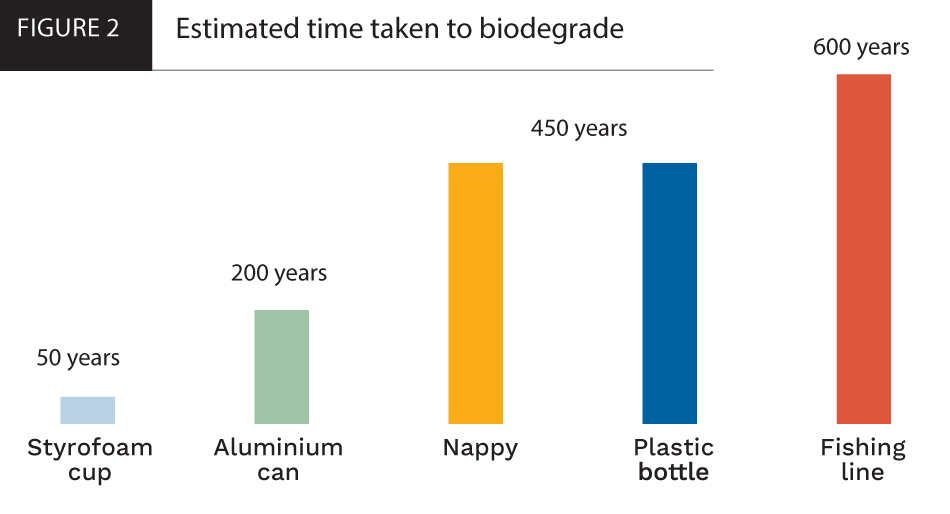
figure 2The particular reason for this is that plastic is composed of many tiny molecules fused to form an object of infinite use. Micro-plastics, or fragments of plastic that are hardly visible to the human eye, are harmful to humans, animals, small islands, coastal watersheds, and endangered species’ habitats. For plastic to be considered micro-plastic, it must be smaller than five millimetres in size [1].

Plastic Waste and Pollution

plastic waste

Essentially, waste is a material that does not create value to regular consumers. It is a useless product of human activities that physically contains identical substances that would be found in a product that is useful. Waste is something that no one, except companies with intentions of recycling it, can use and is commonly kept out of sight and out of mind [2].

Pollution can be defined as the introduction of damaging substances into the environment. These poisonous substances are called pollutants. They can emerge in exceptional ways. On one hand, they can be natural, for instance volcanic ashes or soot. On the other hand, they can be created with the aid of human actions, namely garbage or run-off produced in factories [3][4]. Pollution has various negative consequences, which will be further elaborated on later in this article.

Accumulation of Plastic Waste in Indonesia

Plastic contains toxins and is a carrier of toxins in its near environment that attach themselves to the surface of plastic particles. Therefore, the particles can cause tremendous harm while travelling through ecosystems due to their toxicity.

Indonesia is one of the world’s largest contributors to marine plastic pollution, with a significant amount of plastic waste generated by its rapidly growing population and economic development. The country’s archipelago geography and lack of waste management infrastructure have led to large amounts of plastic waste being disposed into nearby rivers and the ocean. Approximately 64 million tonnes of plastic reach the country of Indonesia annually via the importation of waste. Of that, 3.2 million tonnes of plastic waste are disposed of into the ocean. According to the Ministry of Maritime Affairs and Fisheries, Indonesia is the second-largest polluter of the world’s oceans, with 3.21 million metric tonnes of waste in 2019, after China with 8.81 million metric tonnes of plastic waste every year [5].

Causes of Plastic Pollution

Importation of Waste from Industrial Countries

Large quantities of plastics are shipped from industrial nations to Southeast Asian nations such as Indonesia, where workers are paid less than in industrial countries.
Indonesia imports not only plastic waste but also all sorts of other materials to recycle them. Due to some of the imported plastic being of poor quality, not all imported goods can be recycled. Therefore, 35 per cent of the plastic is burned. Figure 3 shows the regional local regulations where Indonesia has restricted single-use plastic waste in provinces, cities, and regencies of Indonesia (as of July 2021)[6].

figure 3

Many Indonesians lack access to recycling facilities or proper waste disposal systems. As a result, plastic waste frequently ends up in waterways and the ocean.

Due to the low wages in developing countries, it is more affordable for industrial countries to ship their waste to developing countries rather than recycle it in an environmentally friendly way but with higher expenses. Usually, the reasoning of the United States, Australia, or countries in Europe is, on one hand, the high costs of recycling and, on the other hand, the recycling process being too complex [7]. Figure 4 shows the principal destinations to which developed countries ship their plastic waste, from the year 2018.
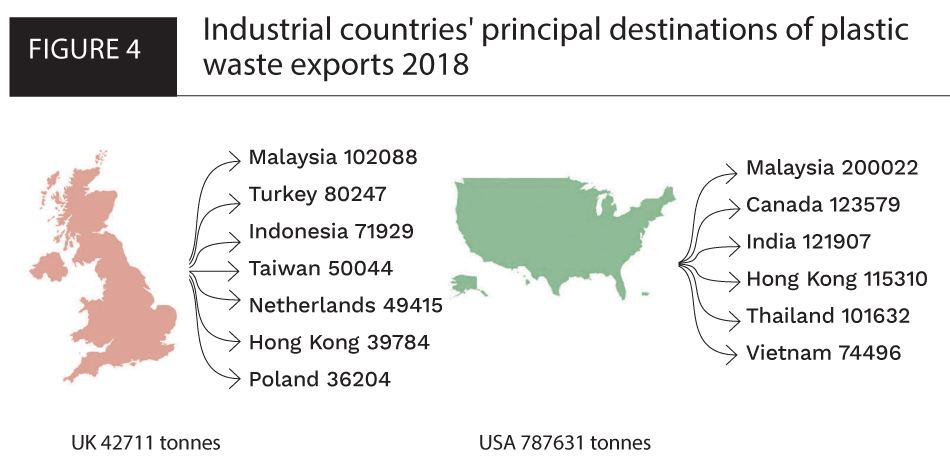
figure 4In developing countries, it is cheaper to recycle materials, because employed workers manually sort reusable plastics with their bare hands, instead of using expensive machines. Additionally, plastic pollution occurs when waste is exported to other countries. There is a high possibility of rubbish leakages into the water before the ships arrive at their destination.

Poor Recycling Infrastructure and Waste Procedures

Indonesia’s citizens discharge around 400,000 tonnes of plastic into the ocean annually [8]. It can take thousands of years before the plastic starts to break down into the environment. Many Indonesians lack access to recycling facilities or proper waste disposal systems. As a result, plastic waste frequently ends up in waterways and the ocean. Therefore, waste begins to pile up where there is free space available until it can be recycled. Figure 5 shows the transport of plastic waste from the land to the marine environment, when there are poor waste management procedures and a lack of recycling infrastructure.

figure 5

Through the natural food chain, plastic is transmitted to the different digestive systems because it cannot be digested.

One solution by which Indonesians have tried to deal with the issue is through open incineration of plastic waste. The particular reason that this is a common procedure in many areas is the low cost associated with it. No investment is required in waste management infrastructure or transportation to a landfill. Low-income households have much less means to support the environmentally friendly disposal of waste, which explains the practice [9]. Figure 6 shows the treatment of waste in Indonesia from the year 2019.

figure 6In contrast, high-income households have more means to finance proper waste management services. There is a large wage gap between the different social strata of Indonesia. In 2017, more than half of the population was living below the poverty line. As of 2021, the population of Indonesia totalled around 275.5 million citizens. From this, one can conclude that, since more than half of the population live below the poverty line, the vast majority cannot rely on a healthy environment with clean water, air, and streets. From an estimated 364.5 kilotonnes of plastic waste that are dumped into the waters from land-based sources, around two-thirds can be traced back to the cities of Sumatra and Java, Indonesia.

figure-7-1figure-7-2Hence, the majority of plastic waste is usually not collected but discarded into open landfills or leaked from dumping grounds; 4.9 million tonnes of plastic rubbish are not managed appropriately [10]. Figure 7 shows the types of plastic manufacturing in Indonesia [6].

Effects of Plastic Pollution

There are many different effects of plastic pollution. The effects that will be focused here are how plastic reaches the food chain, and the impacts of plastic on animals and the human body, as well as the environment.

Effects on Animals and How Plastic Reaches the Food Chain

effects on animals

Unintentionally, fish and other sea animals consume micro-plastic particles by mistaking them for food. By this means, harmful and toxic substances which accumulate on the surface of micro-plastics reach the digestive systems of wildlife. A study was sampled from fish markets in Makassar, Indonesia and California, USA.

From Indonesia’s samples, 28 per cent of individual fish and 55 per cent of all species had anthropogenic waste in them. In California 25 per cent of individual fish and 67 per cent of all species contained anthropogenic debris [11]. Anthropogenic waste is biological or chemical waste that is also produced as a by-product of human activities.

In fact, the traditional markets are the biggest contributors to plastic bag waste, not the retail stores.

Through the natural food chain, plastic is transmitted to the different digestive systems because it cannot be digested. It is either excreted or the micro-plastic travels with the food chains directly to the next animal, because the prey is eaten by predators. This process is known as the “trophic transfer of micro-plastics” [12]. As the trophic transfer of micro-plastics occurs, the process of “bioaccumulation” takes place as well, meaning that the toxins attached to the particles accumulate in the fat and tissue of animals.

Effects of Plastic Pollution on the Human Body

Plastic can be found in all the different aspects of life. The industry’s dependence on plastic is increasing as ever more people rely on it and have no alternative to using it. However, the bigger the advantages, the more disadvantages there are. As mentioned, a large number of animals die due to starvation or even entanglement. Around the world, more than one million birds and over 100,000 sea mammals and turtles die every year from eating or getting tangled in plastic waste [13].

The negative effects of plastic in organisms can be seen not only with animals but are also starting to negatively affect the well-being of humans. Through the accumulation of plastic and harmful toxins in our environment, oceans, and inland water bodies, the emerging exposure to harmful particles and chemical additives is hardly reversible in a short period of time [14]. Humans who consume fish and other animals will ingest the toxins through the toxic plastic particles that can be found in the organisms.

The UK’s Current State of Plastic Accumulation and Management

no to pollution

Sharing the recycling problem in Indonesia with all the following health risks for all organisms and biodiversity in general, it only leaves room to ask how an industrial country that is also an island, namely the United Kingdom, deals with plastic pollution.

In the UK, each person is said to use 37 single-use plastic pieces of flatware and 18 single-use plastic plates annually. Due to the durability of plastic and the fact that, for example, a plastic fork is used for only a short period of time, nature is left to deal with the problem for the next hundreds of years and longer. Annually, the United Kingdom produces around 5 million tonnes of plastic waste, half of which is packaging.

In 2021, 63.2 per cent of UK’s packaging waste was recycled. Collected items were plastic bottles, plastic bags, and all other forms of packaging containing plastic. In 2020, around 1.2 megatonnes of plastic packaging were recycled, compared to the years around 2000, which is a fourfold increase. Additionally, in contrast to 2017 / 2018, there is an increase of 4 per cent in collected waste from UK households [15].

Approaches to Tackling Plastic Pollution in Indonesia

approaches in indonesia

For rural areas, it is fairly hard to find solutions that are quick and effective. Nevertheless, there are governmental approaches and projects to combat plastic pollution that Indonesia faces.

It will take a fair amount of time before the planning and introduction of procedures brings noticeable first results, since the changes in health will only be noticeable some years from now.

The country announced new import policies in 2020, which included restrictions on the importation of paper and plastic waste with a maximum contamination of 2 per cent. The country is committed to reducing the current plastic waste in the sea by 70 per cent by 2025. There have been campaigns started by local agencies to reduce the use of single-use plastic bags. With these efforts, some cities have prohibited the supply of these specific shopping bags. In 2016, there was a three-month trial to offer bags in exchange for payment at some shops. With that test, there was a decrease of around 30 per cent in plastic bag use. Unfortunately, the majority of people still used plastic bags for grocery shopping. So far, a policy to prohibit plastic bags has been implemented in a few modern retail shops. However, in fact, the traditional markets are the biggest contributors to plastic bag waste, not the retail stores [16].

Approaches in the United Kingdom

plastic recycling

Approaches in Action

Compared to Indonesia, the United Kingdom has a highly advanced infrastructure with modern transportation systems and well-functioning telecommunications networks, as well as a highly developed healthcare system. In response to the issues we have been discussing and bearing in mind all the negative effects on biodiversity, as well as the possibilities afforded by the efficient infrastructure, the UK had a manifesto commitment in 2019 to ban the export of plastic waste to non-OECD countries. “OECD” is an abbreviation for the Organisation for Economic Cooperation and Development, an international organisation with the aim of creating and securing better politics for improved life, wealth, justice, chances, and life quality.
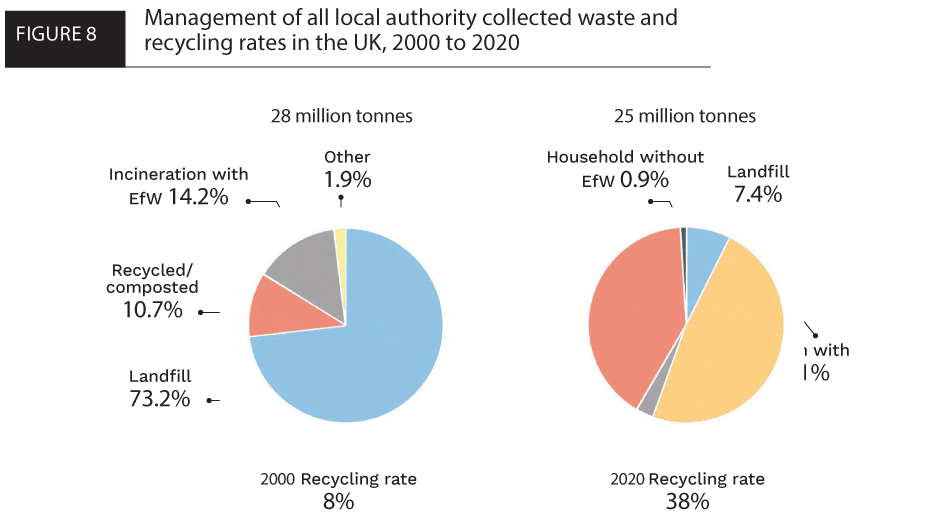
figure 8According to the UK Parliament’s Commons Library, since 1 January 2021 the rules of the Basel Convention apply to the UK. It obliges the United Kingdom to respect various regulations for the export of waste to countries abroad. However, so far, the UK has not implemented its own plastic ban, although it is in planning [15].
Local authorities collect all waste and send it to specialised institutions to be processed further (see figure 8). In 2000, the majority of the 28 million tonnes of waste were sent to landfills, where it piled up, and only a small percentage was burned later on in the process or composted. Twenty years later, almost half of the collected 25 million tonnes of waste is incinerated or composted, whereas only a very small amount of rubbish is collected at distant landfills. There has been a positive improvement with regard to piling up all waste at landfills, especially in the amount of waste that is recycled or composted.

Approaches for the Future

The UK government introduced various policies to reduce plastic waste in December 2018. Within the Resources and Waste Strategy, a new deposit return scheme (DRS) has been introduced in England, Wales, and Northern Ireland. Scotland also introduced a new, unrelated DRS, which is planned to start in August 2023. For instance, with the DRS, recyclable containers and plastic bottles will find their way to professional disposal instead of being discarded as litter. Additionally, the packaging producer’s responsibility is being reformed in all of the UK [15].

Positive Outlook

Plastic pollution is an issue not only at an individual level, but on a global scale as well. The negative consequences of using plastics due to toxic exposure are a major problem for all organisms in all ecosystems.

In Indonesia, there is an ever-growing awareness of plastic pollution and its negative effects but also a strong positive will to improve the country’s litter infrastructure in a more environmentally friendly direction. With the measures taken and more plans in development, there will be many positive changes in the far future. It has to be said that it will take a fair amount of time before the planning and introduction of procedures brings noticeable first results, since the changes in health will only be noticeable some years from now.

In the United Kingdom, there is an evidently strong commitment to improve plastic waste management. The UK is not only a well-deserved role model for other countries struggling to tackle plastic pollution and its effects, but is also setting a benchmark for the importance of a healthy environment. There have been plenty of measures to deal with plastic waste and its origin that seem to be making a tangible difference. With all the measures being relatively new, it will be interesting to see how much the changes will live up to their potential in the long run.

Acknowledgement
The authors would like to thank Alok Jain, CEO and Managing Director, Trans-Consult Ltd., Hong Kong, China for supporting the above seminar series for many years.

About the Authors

HaaseNadine Haase studies Law at the Leuphana University in Lüneburg, Germany. In one module about climate protection around the world, she focused on plastic recycling issues in Indonesia and compared it to the United Kingdom as an industrial country. She is interested in the problem because the UK and Indonesia are both islands in terms of geographics, but different in terms of development.

AndresenMichael Palocz-Andresen is a guest professor at BUAP Benemérita Universidad Autónoma de Puebla. In 2018-21 he worked as a Herder professor supported by the DAAD at the TEC de Monterrey in Mexico. He became a full professor at the University West Hungary 2005-17. Currently, he is a guest professor at the TU Budapest, the Leuphana University Lüneburg, and at the Shanghai Jiao Tong University. He is a Humboldt scientist and instructor of the SAE International in the USA.

Bibliography

  1. North, E.J. and Halden, R.U. (2013) “Plastics and environmental health: the road ahead. Reviews on environmental health”, 28(1), pp. 1–8. doi: 10.1515/reveh-20120030.
  2. Dalapang, S.T.P. et al. (2020) “Asean and Indonesia’s Policy against waste import in Indonesia”. Sociae Polites, 21(3), pp. 186–202. doi: 10.33541/sp.v21i3.2417.
  3. Boudreau, D. et al. (2022) “Pollution”, nationalgeographic.org. Available at: https://education.nationalgeographic.org/resource/pollution (4 March 2023).
  4. MacLeod, M. et al. (2021) “The global threat from plastic pollution”. Science (New York, N.Y.), 373(6550), pp. 61–5. doi: 10.1126/science.abg5433.
  5. Winardi, A.D. (2022) “It’s terrible, Indonesia is already a plastic waste emergency: A day reaches 64 million tons, the second largest in the world”. VOI.ID. Available at: https://voi.id/en/bernas/137477/its-terrible-indonesia-is-already-a-plastic-waste-emergency-a-day-reaches-64-million-tons-the-second-largest-in-the-world (4 March 2023).
  6. Ismawati, Y. et al. (2022) “Plastic Waste Management and Burden in Indonesia”. International Pollutants Elimination Network (IPEN). Available at: https://ipen.org/sites/default/files/documents/ipen-2021-indonesia-v1_1aw.pdf (4 March 2023).
  7. Staub, C. (2020) “Indonesia appears to have finalized scrap import rules”, Resource Recycling. Available at: https://resource-recycling.com/recycling/2020/06/16/indonesia-appears-to-have-finalized-scrap-import-rules/ (4 March 2023).
  8. Sari, D.A.A. et al. (2021) “Reduce marine debris policy in Indonesia”. IOP conference series. Earth and environmental science, 724(1), S. 012118. doi: 10.1088/1755-1315/724/1/012118.
  9. Kurniawan, T.A. et al. (2021) “Reforming MSWM in Sukunan (Yogjakarta, Indonesia): A case-study of applying a zero-waste approach based on circular economy paradigm”. Journal of Cleaner Production, 284(124775), p. 124775. doi: 10.1016/j.jclepro.2020.124775.
  10. World Bank Group (2021) “Plastic Waste Discharges from Rivers and Coastlines in Indonesia”. World Bank Group. Available at: https://www.worldbank.org/en/country/indonesia/publication/plastic-waste-discharges-from-rivers-and-coastlines-in-indonesia#:~:text=Rivers%20carry%20and%20discharge%2083,washed%2Doff%20from%20coastal%20areas (4 March 2023).
  11. Rochman, C. et al. (2015) “Anthropogenic debris in seafood: Plastic debris and fibers from textiles in fish and bivalves sold for human consumption”. Scientific Reports, 5(1), 14340. Report: 14340. doi: 10.1038/srep14340.
  12. Plastic Soup Foundation (2019) “Plastic In Food Chain”. Available at: https://www.plasticsoupfoundation.org/en/plastic-problem/plastic-affect-animals/plastic-food-chain/#:~:text=Animals%20carry%20microplastics%20in%20their,move%20through%20the%20food%20chain (4 March 2023).
  13. Department for Environment, Food & Rural Affairs (2022) “UK statistics on waste”. gov.uk. Available at: https://www.gov.uk/government/statistics/uk-waste-data/uk-statistics-on-waste (4 March 2023).
  14. GESAMP (2015). “Sources, fate and effects of microplastics in the marine environment: a global assessment” (Kershaw, P. J., ed.). (IMO/FAO/UNESCO-IOC/UNIDO/WMO/IAEA/UN/UNEP/UNDP Joint Group of Experts on the Scientific Aspects of Marine Environmental Protection). Rep. Stud. GESAMP No. 90, 96 p. Available at: https://ec.europa.eu/environment/marine/good-environmental-status/descriptor-10/pdf/GESAMP_microplastics%20full%20study.pdf (4 March 2023).
  15. Smith L.: House of Commons Library Plastic Waste (2022). https://commonslibrary.parliament.uk/research-briefings/cbp-8515/ (4 March 2023).
  16. Angriani, P. et al. (2021). “Ban on plastic bags usage: Consumer perception of single-use plastic bags in traditional market”. In 2nd International Conference on Social Sciences Education (ICSSE 2020) (pp. 226–32).

Why Every Investor Should Have an Investment Fraud Attorney by Their Side

Investing hard-earned money should lead to financial growth and security. But sometimes unscrupulous financial advisors and firms take advantage of unsuspecting investors. Investment fraud steals billions from Americans each year.

If you lost money because of a fraudulent investment, you need legal representation to get justice and recover losses. Here’s why every investor should have an investment fraud attorney by their side.

They Have Expertise in Navigating Complex Investment Laws

Investment fraud cases involve intricate securities laws and regulations. An investment fraud attorney has comprehensive knowledge of these complex legal frameworks. They understand regulated investment products and practices.

Seasoned lawyers are intimately familiar with the legal process for recovering stolen funds. Their expertise saves investors time and frustration when pursuing compensation.

You Don’t Have to Face This Alone

Investment fraud can leave victims feeling powerless and alone. But you don’t have to face this fight by yourself. An investment fraud attorney becomes your tireless advocate, leveraging their comprehensive legal knowledge and investigative skills to build the strongest possible case on your behalf.

They Conduct Thorough Investigations

Investing should be about building a secure financial future, not living with the fear that fraud may have stolen your hard-earned savings. Experienced investment fraud lawyers have investigative skills to uncover exactly what happened in case the worst happens. They dig deep into account records and statements looking for evidence of wrongdoing.

Attorneys use legal tools like subpoenas to get required documents brokers often try to conceal. A seasoned lawyer’s investigation builds a solid case by revealing the facts.

They Have a Proven Track Record

With an attorney as your guide, you have a trustworthy partner for navigating the legal system and getting the just compensation you deserve. Don’t wait to call an investment fraud lawyer – the sooner you start the legal process, the better your chances of maximum financial recovery.

They Handle Communications

The legal process for recouping investment losses includes lots of sensitive communication. Emotions and stress run high when life savings are lost.

Your fraud attorney handles all correspondence with firms and advisors professionally. This takes the burden off victims worried about saying something wrong that jeopardizes their restitution.

They Are Objective Advocates

Victims are often too shocked and angry to be objective following investment fraud. Seasoned lawyers remove feelings to build the strongest argument possible.

Investment fraud attorneys are laser-focused on recovering your hard-earned money. Their legal expertise and emotional distance produce favorable outcomes.

They Have Experience Recovering Funds

An investment fraud lawyer has successfully recovered stolen funds before. They use proven legal strategies to build cases resulting in litigation awards or settlements. Victims with experienced legal counsel recoup higher amounts.

An attorney’s track record of getting victims’ money back gives you the best chance of maximum recovery. Their knowledge gets results.

Protect Your Rights With The Help of an Investment Fraud Attorney

Recovering your life savings may seem impossible after investment fraud. Powerful legal representation levels the playing field. Protect your rights and financial future by hiring an experienced investment fraud attorney. With their expertise and advocacy, justice and compensation are within reach.

EDITOR'S PICK OF THE WEEK

CFO's new mandate. CFO explaining the presentation

The Performance and Transformation Orchestrator: The CFO’s New Mandate in the Age of AI

By Terence Tse CFOs are evolving into AI-driven transformation orchestrators, balancing finance, technology, and strategy while upskilling teams, managing risks, and driving measurable business value. A key insight from this year’s AI for CFOs event, organized...

WISE DECISION MAKER GUIDE

POWER INFLUENCERS

Emerging Trends

The Future of Global Trade