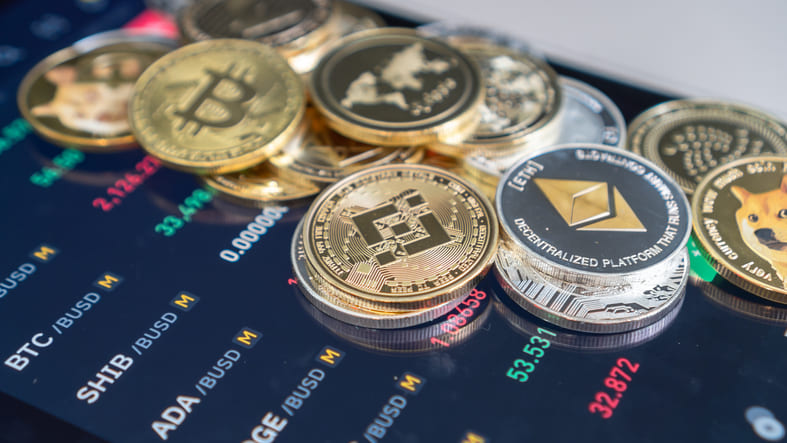
Transparency is a core feature that makes blockchain foundational to decentralized finance (DeFi). It exposes every transaction and movement for scrutiny in near-real time. While alternative technologies could theoretically support it, without blockchain, its decentralized nature would face significant challenges. Here are the specifics on how blockchain data improves transparency in DeFi protocols.
Public Transaction Records Replace Institutional Disclosure
Every DeFi interaction is logged on a public blockchain, from trades and liquidations to governance votes, oracle updates and treasury activity. There’s no need for curated reports or privileged access to understand what’s happening. Anyone can inspect on-chain data to track where and how funds move across pools, vaults and wallets.
What makes this visibility powerful is permanence. Once information is written to the blockchain, it can’t be altered, concealed or rewritten, even when errors occur. The smart contracts driving DeFi protocols are fully inspectable. Critical details like interest rate models, fee structures, liquidation thresholds and reward distributions aren’t hidden or lost in fine print.
This level of openness enables deeper analysis. Participants can assess liquidity depth, observe slippage patterns and track how collateral behaves during periods of market stress. Seasoned DeFi traders, in particular, monitor large wallet movements and inflows in real time. This informs them when trends or strategy shifts are forming. It’s like having a constant stream of credible information at the source before institutions comment, interpret and add to it.
Immutable Data Creates Reliable Audit Trails
This inherent immutability matters because many DeFi protocols manage billions of dollars. Auditors, governance members and liquidity providers all review the same historical record, which means there are no competing versions of the truth.
Imagine a situation where a DeFi lending platform suddenly collapses and thousands of users lose money overnight. In traditional finance (TradFi), people would argue over what actually happened. Internal reports might conflict, timelines could change and key decisions might be hidden or delayed.
In DeFi, the blockchain acts like a permanent security camera. When an exploit or movement occurs, every action is recorded in order — who changed a setting, when liquidations began, which wallets were affected and how quickly funds moved. Analysts can replay the event block by block for clarity. This makes it easier to fix issues and build stronger protocols, so other DeFi projects avoid repeating it.
This wasn’t just a hypothetical situation. It occurred during the 2021 Poly Network hack, in which $600 million in crypto assets were stolen. Thanks to blockchain transparency, post-mortem analyses could trace every transaction. The hacker was unable to move or launder the stolen funds without being tracked.
Smart Contract Transparency Exposes the Rules of Finance
DeFi protocols run on code and that code is public. Anyone with the right skills can read it, test it and see exactly how the system works. This means interest rates, liquidation rules, fees and rewards are built directly into the code and executed automatically. There’s no room for hidden interpretations about how the protocol operates.
For example, the Ethereum network saw over 8.7 million smart contracts deployed in the fourth quarter of 2025, many of which are audited and openly available for public review.
Experienced users pay close attention to smart contract updates, just as they do to price movements. Even a slight change in the code can affect how the entire protocol behaves. Blockchain data makes these changes visible the moment they go live.
Real-Time Monitoring Changes How Risk Is Managed
DeFi runs nonstop and blockchain data moves at the same speed. Instead of waiting for monthly reports to understand a protocol’s health, participants can monitor it in real time. On-chain dashboards reveal shifting collateral ratios, tightening stablecoin pegs and thinning liquidity pools as market conditions change. Analysts and researchers continuously track these signals.
When markets turn volatile, this transparency shortens reaction time. Liquidity providers can rebalance positions, Decentralized Autonomous Organizations can adjust parameters and traders can hedge exposure as events unfold. The ledger keeps updating regardless of time.
Blockchain Data Enables Compliance Without Centralization
Financial watchdogs are increasingly using public blockchain data to track market activity. Access to the chain is like having an entire record at their fingertips. Regulators can get an accurate picture immediately without waiting for slow and often incomplete requests from the companies involved.
As a result, compliance becomes less data collection and more verification. Real-time transaction histories, timestamped governance actions and immutable audit trails simplify reporting. Unlike TradFi, where teams must reconcile multiple internal databases, they simply reference shared ledgers in DeFi. This model supports oversight without needing a central authority.
Cross-border transfers also benefit. For example, if a company in Singapore wants to send funds to a partner in Germany through DeFi, the transaction settles quickly on the blockchain. It becomes visible to regulators in both countries in real time. This openness reduces the delays and paperwork typically involved in international transfers, while ensuring all local authorities can monitor the flow if needed.
Top 5 Blockchain Data Analysis Tools
Raw data holds immense value, but making sense of it requires the right tools. For DeFi participants and analysts alike, interpreting on-chain activity at scale demands platforms that can translate complex figures into clear, actionable insights. Below are five leading blockchain data analysis tools that professionals rely on.
1. Amberdata
Amberdata is one of the best tools for reliable, real-time data, specifically designed for financial institutions and traders. The AI-powered platform provides up-to-date and historical information from over 1,000 exchanges and more than 500,000 trading pairs. These figures make it easier to track what’s happening across the entire crypto market as users can easily research, trade, manage risks and handle compliance all in one place.
Big names like Citi and Nasdaq trust Amberdata for a reason. It delivers fast, scalable data and strong analytics to help users make smart decisions in the digital asset world.
2. Nansen
Nansen is known for its smart-money tracking and detailed wallet labeling. It goes beyond raw transaction data by identifying the types of actors behind trades, such as hedge funds, whales and protocol insiders. This helps users understand who is driving trends and capital movements across chains.
With real-time alerts and deep DeFi and NFT insights, Nansen offers valuable context for traders and analysts looking to interpret strategic activity, making it ideal for those active in the fast-paced crypto sector.
3. Dune Analytics
Dune Analytics is a community-driven platform that offers powerful transparency. It lets users explore and visualize large amounts of blockchain data using custom queries and dashboards. It covers everything from main blockchains to smaller networks and NFTs, providing a comprehensive view of activity across different systems.
While some knowledge of Structured Query Language is required, some of the newest AI tools help overcome the difficulty of using Dune, making it easier to use. It’s likely the largest repository of crypto data dumps and an essential tool in every analyst’s toolkit. The tool is trusted by many in the crypto community.
4. Glassnode
Glassnode is an excellent choice for traders who need long-term market insights and blockchain fundamentals. It offers detailed metrics on wallet activity, supply dynamics, miner behavior and network health for major chains like Bitcoin and Ethereum.
Bitcoin industry leaders trust it for the unified view it provides. Users understand big-picture trends, such as investor behavior and market cycles, rather than focusing on short-term price moves. Its customizable dashboards and deep analytics provide valuable tools for assessing market resilience and structural risks over time.
5. DeFiLlama
DeFiLlama is an excellent option for tracking Total Value Locked (TVL) and yields across hundreds of DeFi protocols on multiple blockchains, such as Ethereum, BSC, Avalanche and Solana. You get detailed data on lending, liquidity pools, decentralized exchange volumes, fees, liquidations and hack incidents.
Investors rely on DeFiLlama to compare annual percentage yields, monitor capital flows and spot protocol growth with historical charts. Its multi-chain insights make it essential for evaluating real liquidity and sustainable yields.
Leverage Blockchain Data for Greater DeFi Transparency
Blockchain data improves transparency in decentralized finance each time you refresh a block explorer or open an analytics dashboard. This open and permanent record of activity provides a single, reliable source of truth. It empowers users to track real-time transactions, verify protocol rules and respond quickly to market shifts. By offering dependable audit trails and easy-to-access insights, blockchain data can foster trust and accountability for all participants.
Disclaimer: This article contains sponsored marketing content. It is intended for promotional purposes and should not be considered as an endorsement or recommendation by our website. Readers are encouraged to conduct their own research and exercise their own judgment before making any decisions based on the information provided in this article.