Public Domain
By Joseph Mazur
History shows that aggression under inexperienced command can quickly spiral into chaos. Venezuela has the world’s largest reserves of extra-heavy crude oil. Is the U.S. really engaging in war for a few more barrels of oil, or is there something more ominous unfolding?
I begin with a story, as I often do. Bear with me. I promise there are connections to more serious problems that will emerge. Late one night, many years ago, I was returning from Staten Island to Manhattan on a ferry crossing New York Harbor. An eerie calm came over the early New York skyline just past midnight, when the boat suddenly stopped and blew its horn several times, calling attention to something. Within minutes, the bay woke to a whirl of approaching tugboats, a flotilla of what seemed like hundreds. Searchlights combed a large swath encircling our ferry, lighting the whole bay. Whatever the tugs were doing moments before was no longer important. A man had jumped overboard, intentionally leaving his wallet with ID behind. With the bay so brightly lit, the person would have surely been spotted had he still been above water. No, it was soon clear that whoever he was had disappeared below the water’s surface; and yet, the harbor night-world of pilots, captains, and crews persevered for the next four hours of night with devoted hope. With a disappointing reality, the search ended when the sun rose, and the ferry docked at its slip without complaint.
Over the years, I’ve been telling that story as an example of how impressed I was with how time stopped for hours. Those boats were following maritime law in New York Harbor; law or not, the crews were following human decency, To some folks, the search and rescue story will seem to have no connection to the U.S. strikes on helpless survivors in the Caribbean; to others, I hope, there is a definitive association with who we are and who we are not, as a species.
Before going into the details of this article, I must say how grateful I am to The World Financial Review for its editorial independence, permitting me to write with fact-checked truth about those who deserve to be challenged on policies and opinions that darken the prospects of world peace. I say this with deep concern for the future of the country I still love, with recognition of all its past faults. Six members of the U.S. Congress bravely and rightly produced a video instructing U.S. military service members to dismiss illegal orders – Senators Mark Kelly and Elissa Slotkin, and Representatives Chris Deluzio, Maggie Goodlander, Chrissy Houlahan, and Jason Crow. This news of U.S. potential war crimes is trending in America this month. Next month, a wholly different story of governmental chaos will emerge to shock us, just as they have each month since January 20, 2025. Fortunately, this essential magazine will reach a broad worldwide audience and stay active as an archive in my monthly column. I give many thanks to The World Financial Review and the European Business Review for publishing this article.
– Pete Hegseth, U.S. Secretary of Defense
(on his social media post)
Seriously?!
Every law – U.S., international, humanitarian, and the Geneva Conventions – shows Hegseth’s claim to be false. Anyone agreeing with him is surely far from the best of military and civilian lawyers.
These U.S. military dishonest narco-boat shenanigans are so dangerous that they bring me into the worldwide media reports of trouble on the high seas. This news has been aired for months in the United States. With so little worldwide coverage, I feel obliged to diverge from my usual column theme to cover one of the most dangerous military missions of the century. Dangerous in that Hegseth’s swerving of international military law gives precedent for others to follow. Violations of U.S. military and international laws must have been well known to him; even his arguments of carelessness or dismissiveness, “fog of war” claims, are not sufficient excuses. In his book The War on Warriors, he brings war back to the Pentagon, telling the U.S. to watch out for where he intends to take us. He believes that the U.S. should repeal the laws in the Geneva Conventions. It’s a shocking book, written by someone who lacks commitment to reciprocity for defenseless soldiers, one of five books that show just how cruel a bellicose man can be. In that book he wrote, “If our warriors are forced to follow rules arbitrarily and asked to sacrifice more lives so that international tribunals feel better about themselves, aren’t we just better off winning our wars according to our own rules?!” Rather amazing for a military veteran and astounding for a Secretary of Defense to tell 2.1 million military personnel to ignore humanitarian rules of war with his whims of disobeying humanitarian laws that surely put his own soldiers in harm’s way.
Questioning the Geneva Conventions, Hegseth suggested that the U.S. should reconsider following the Geneva Conventions and other “politically correct, overbearing rules of engagement” when dealing with enemies who do not follow them. Critics argue that this stance encourages war crimes and undermines the U.S. military’s moral leadership and adherence to international law. He spent one year as a National Guardsman in Iraq and told his troops they should ignore legal rules of engagement, offering to back them up if they would act in violation of international law. If such a stance is not bad enough, there is the question of whether he recently said, according to the Washington Post, referring to targeting alleged drug smuggling boats, “Kill everybody.” It is a haunting phrase, against moral and legal behaviors, though he denied giving such an order.
Fog of war?!
It is a phrase that does mean something, unlike what Hegseth repeatedly said in his attempt to distance himself: “It’s called the fog of war. The thing … was on fire … that was exploded. And fire, smoke, can’t see anything. You got digital. This is called the fog of war. This is what you and the press don’t understand.” But we and the press do understand. How is it that he, the head of the most powerful and technically advanced military agency in the world, does not? The phrase certainly does not mean smoke getting in the way of seeing two people clinging to a boat. Its normal definition is the complexity, uncertainty, confusion, and chaos of a war, not the literal smoke that prevents one from seeing the evidence in battle. Besides, if Hegseth could not see because of the smoke, his order to carry out the second strike would have been an ignorantly dangerous operation in flying blind with incomplete information. And besides that, surely advanced military cameras can see with amazing sharpness – as Representative Jim Himes did when he claimed the video showed “one of the most troubling things I’ve seen in my time in public office. You have two individuals in clear distress without any means of locomotion with a destroyed vessel who were killed by the United States.” [2] Senator Jack Reed, who also saw the video, confirmed that it was his “worst fears about the nature of the Trump administration’s military activities.”
For centuries, military behavior followed an instinctive moral code known to combatants: enemies or not, we do not kill defenseless people. Almost every major war is brutal, with flares of war crimes. The current wars in Ukraine and Darfur have daily crimes against humanitarian codes. In 2023, the International Criminal Court issued an arrest warrant against Russian President Vladimir Putin for the war crime of deportation and unlawful transfer of children from Ukraine to Russia.
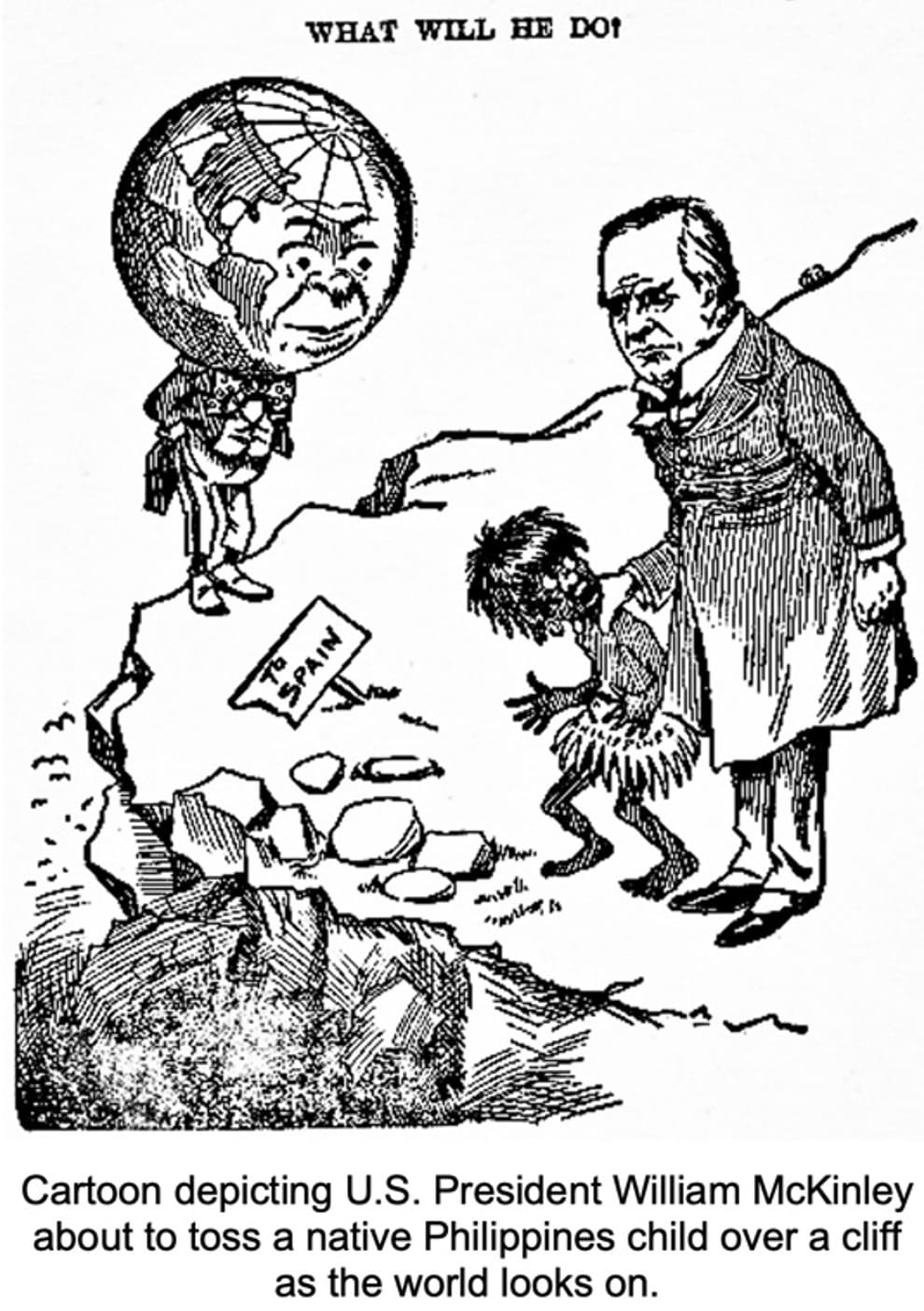
The U.S. had its own embarrassments in the last two centuries, as well as in this one, with its missions in the Philippines, Haiti, Korea, Vietnam, Iraq, and Afghanistan. [3] World Wars I and II were no exceptions. There were numerous war crimes in every one of those conflicts that have never surfaced strongly enough to be remembered. War crime memories have limited retention. Of course, we do not remember because we hardly knew of the U.S. history of many war crimes that were played down. Among the many crimes committed during the Philippine-American War (1899-1913) was one involving a commanding officer of a battalion of Marines giving the order to “kill all persons who are capable of bearing arms in actual hostilities” over the age of 10 years old. [4]
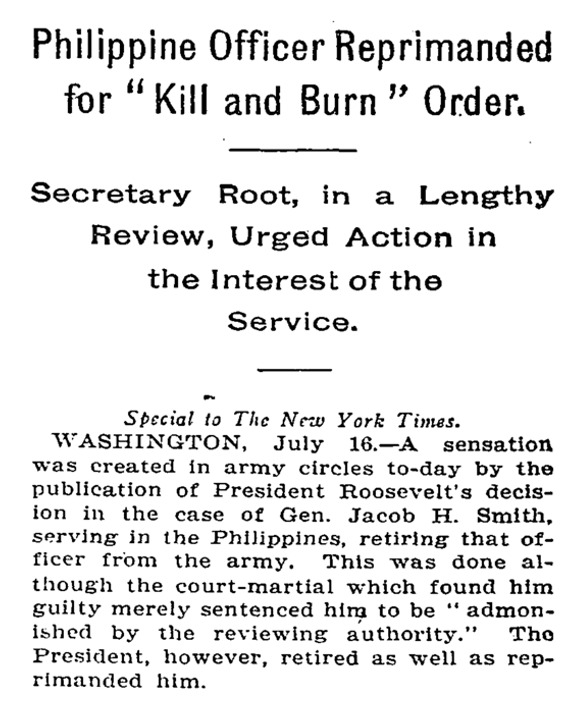 But those crimes committed in our lifetimes, like others too torturous to recount in this article, the My Lai massacre and the Abu Ghraib torture, are not forgotten. They were not fogs of war, but more like rising billow-mists of inevitable insanities that arise from battle insecurities. Commanders on the battlefield may have condoned behaviors that could have been considered war crimes. Still, in the entire history of the U.S. military, as far back as I can tell, to George Washington’s first U.S. Secretary of War, Henry Knox, no U.S. Secretary of War had ever condoned illegal rules of engagement.
A war crime example: the sinking of a hospital ship
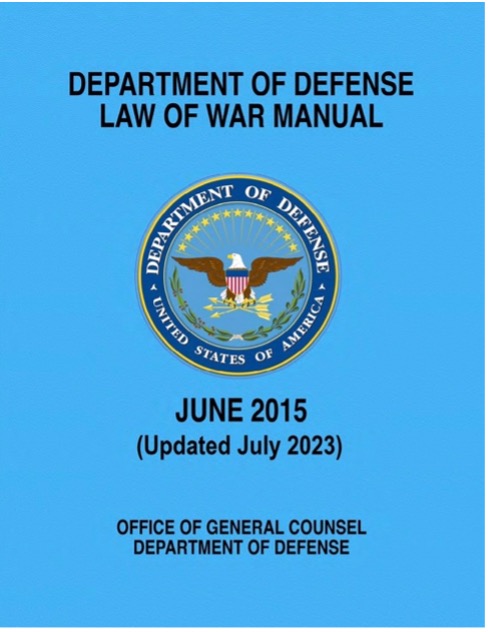
Consider the following case as one example that is clearly spelled out in Hegseth’s own copy of his Department of War (alias Department of Defense) Law of War Manual. That manual highlights an example: the British hospital ship Llandovery Castle was attacked by the German submarine SM U-86 on June 27, 1918, almost at the end of World War I. Three years later, the German Imperial Court of Justice, ordered by the Treaty of Versailles, tried and prosecuted two lieutenants for war crimes, for which they were sentenced to four years in prison. On appeal, they were freed, evidently because their commanding officer gave the order. Patzig was considered responsible for the crime, but he was no longer reachable by the court; he had fled to the free city of Danzig.
Helmut Patzig was in command of U-86, which had sunk 32 merchant ships, including the Llandovery Castle, which was clearly marked as a hospital ship. She was on her way back from Canada to England with 164 crew members, 80 doctors, and 14 Red Cross nurses. Patzig suspected that the ship was carrying American airmen. Acting on this suspicion, he decided to torpedo the ship, despite his having been advised not to do so by his officers. [5] Although he could see that the Llandovery Castle was a hospital ship and knew that international law forbade German U-boats to attack hospital ships, he disregarded his officers’ hesitation and, for whatever reason (possibly believing that the ship was an ammunition transport cloaked in Red Cross camouflage), ordered two torpedoes be fired. The first missed, but the second hit the port side. Ten minutes later, the ship broke in two and sank.
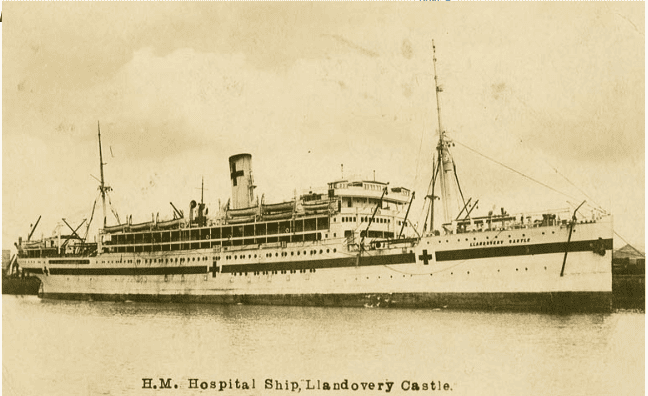
Frightened and hoping to prevent the news from reaching England, Patzig knew that he had committed a war crime with potential witnesses. He ordered a gunner to fire at the lifeboats. One sank, though another made it to the coast 116 miles away. In the end, 234 people who were on the Llandovery Castle perished. [6]
Read the full masterly told story here.
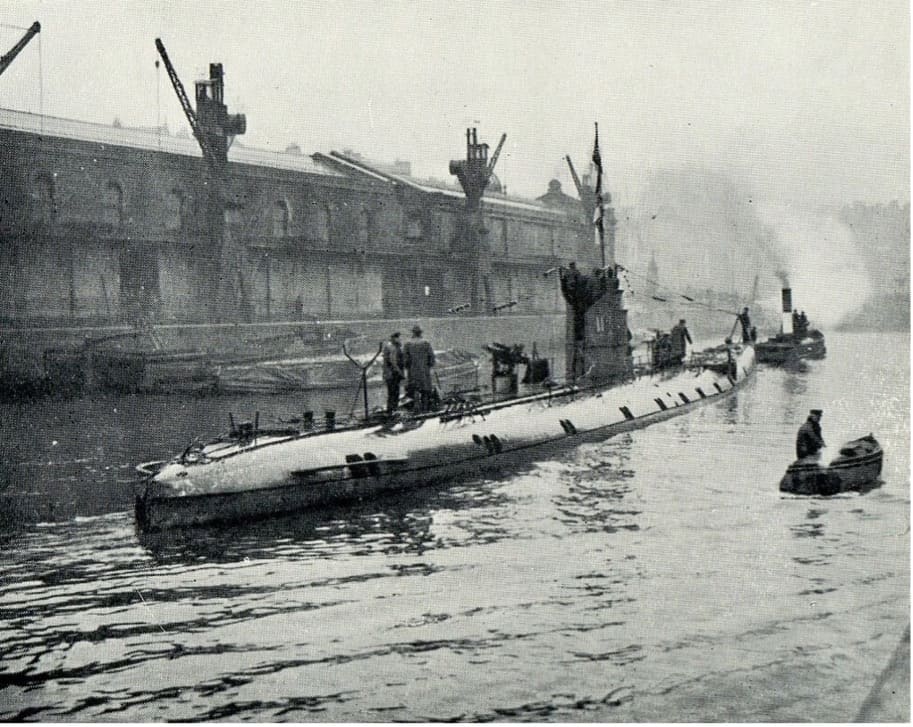
You may ask, as I would expect from my readers, why I use this story as an example in similarity with Hegseth’s alleged drug-running target command. Two reasons: One shows how a war crime can start by accident and yet segue into a crime by killing witnesses. The second reason is to understand that those responsible for the attack on the Llandovery Castle were prosecuted three years after the event, in Germany’s Imperial Court of Justice.
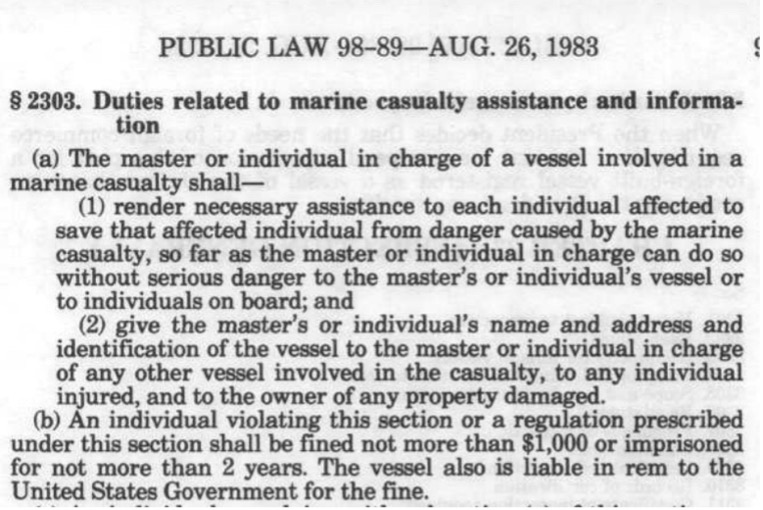
Although the 1907 Tenth Geneva Convention had already adopted principles of sea warfare – in particular, hospital ships were required to be fitted with distinguishing marks – those principles were buttressed by the Second Geneva Convention of 1949, the United Nations 1979 International Convention on maritime search and rescue, and Public Law 98-89 98th established in 1983 by the U.S. Congress.
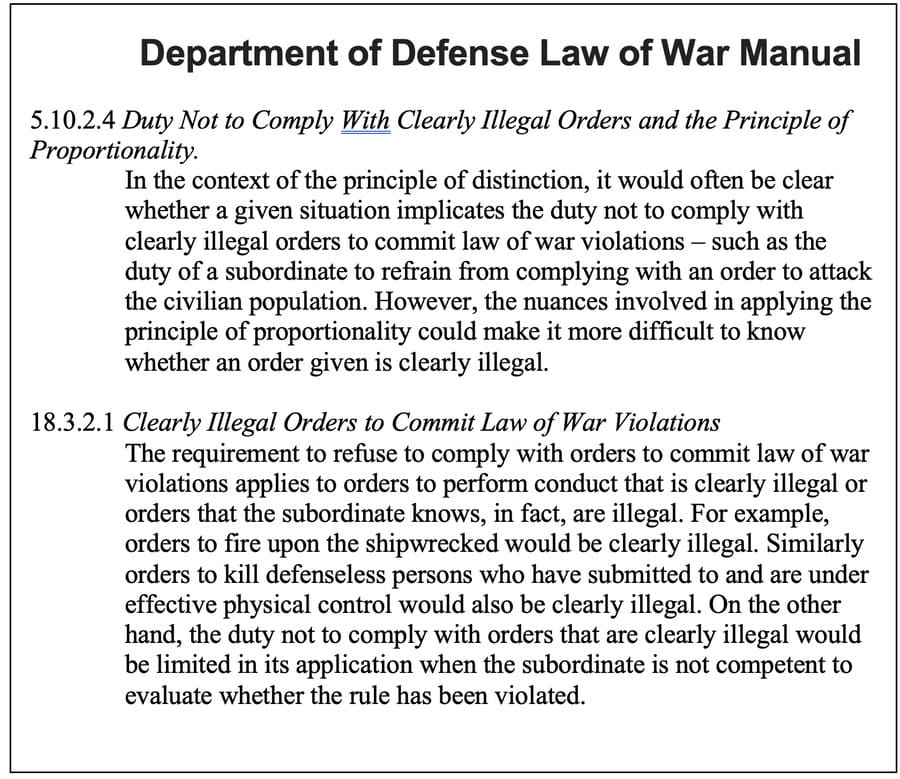
The Law of War Manual uses the Llandovery Castle case to make it clear that killing survivors is a crime. [7]
“It is certainly to be urged in favor of the military subordinates, that they are under no obligation to question the order of their superior officer, and they can count upon its legality. But no such confidence can be held to exist, if such an order is universally known to everybody, including also the accused, to be without any doubt whatever against the law … it was perfectly clear to the accused that killing defenseless people in the life-boats could be nothing else but a breach of the law. As naval officers by profession they were well aware … that one is not legally authorized to kill defenseless people. They well knew that this was the case here. They quickly found out the facts by questioning the occupants in the boats when these were stopped. They could only have gathered, from the order given by Patzig, that he wished to make use of his subordinates to carry out a breach of the law. They should, therefore, have refused to obey.”
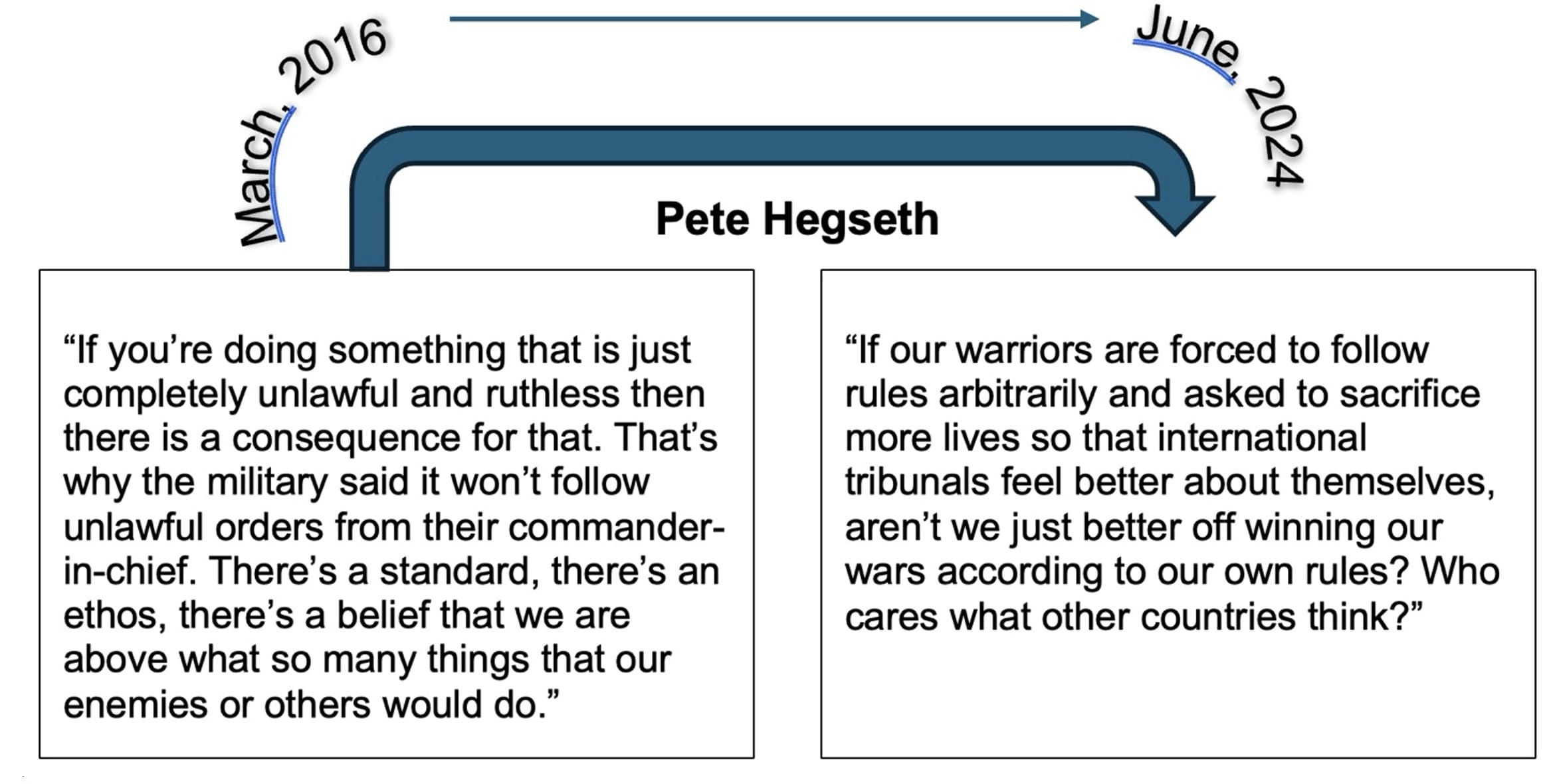
Opinions can change over time, but in this case, with Hegseth taking charge of the military, they have moved, atypically, in the unethical direction, from supporting the law to offending against it. To understand, look no further than how this happens when weak and shameless power opportunists find power by connections to powerful exploiters with influence and control.
Back to the drug-boat attacks
After the illegal bombing of one boat, two survivors remained clinging to their sinking boat when the Navy Admiral Frank “Mitch” Bradley made the final decision to conduct the second strike, according to two officials briefed on the operation, as ordered by Hegseth’s instructions to kill the drowning men. Bradley, though, later denied the kill-all order. That second strike has become the lightning rod that launched the U.S. House and Senate Armed Services Committee inquiries into the strikes. Shooting helpless hors de combat people, those who are unable to fight due to injury, sickness, surrender, or capture, even in declared wars, is an international and U.S. crime. Trump’s excuse is that the mariners in those targeted boats were narco-terrorists because, as he said, he has the authority to declare drug smugglers to be terrorists. It’s more than just a mistaken understanding of the concept of terrorism; it is dumb, because it diminishes the power of the word “terrorist.” Drug smuggling is simply trafficking a take-it-or-leave-it commodity, not a demanding threat for citizens to snort cocaine. Besides, drugs were not headed to the U.S., though we were told that they were.
Hegseth called the second strike a “double tap,” a military tactical compound verb that also goes by “hammers.” In warfare, the term means to shoot a target twice in rapid succession. That is not what happened. A double tap, as computer buffs know well, refers in military terms to a repeated strike as fast as a gun-finger can move, with no chance of checking and reassessing the need for another strike. In the case of the September 2 attack, the second strike allegedly happened 40 minutes after the first, with enough time to see two men hanging onto a damaged boat after nine of their buddies had just been killed. They were trying to stay alive on an overturned boat with no radio and no way to gather reinforcements. A second strike, after time to assess the first strike, is called a “restrike,” certainly not a “double strike”!
We don’t know the answer or whether Hegseth said, “Kill them all.” Some day we will. We know that he supports the strikes, for, in December 2025, at the Reagan National Defense Forum, he said, “I would have made the same call myself. Those involved in 20 years of combat in Iraq, Iran, and Afghanistan know that reattack, restrikes on the battlefield happen often. In this particular case, [sic.] it was well within the authority of Admiral Bradley, who is an incredible American Hero. And the 22 or 23 strikes since have followed a similar protocol of insuring to meet the criteria. The decision is not at my level anymore.”
What’s next?
If the U.S. Congress does not act soon, then the International Criminal Court (ICC) had better proceed with investigations of war crimes before the whole world of combatants begins to copycat U.S. boat crimes. If the U.S., which used to be the military envy of the world and once upon a time followed the United Nations International Legal Protection of Human Rights, as well as its own Department of Defense War Manual, and now abandons the most moral code of ethics in warfare, what then? Will there be military drone attacks targeting suspicious drug suppliers walking along city streets, killing innocent victims nearby under Hegseth’s repeated “fog of war” excuse?
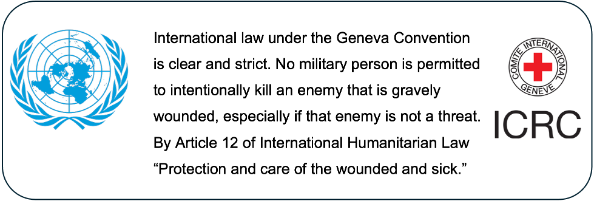
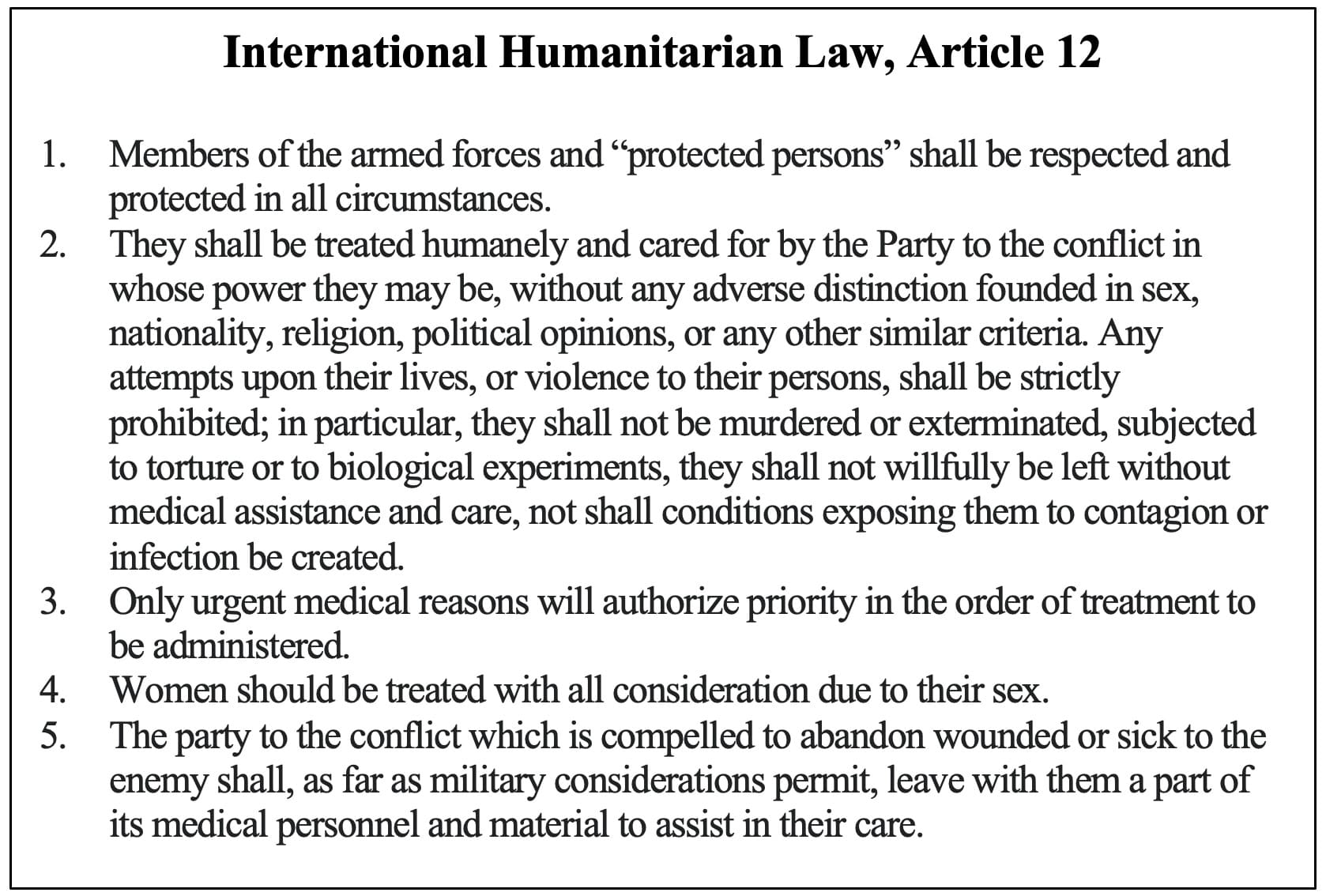
[9]Wounded and sick military personnel and medical personnel are considered “protected persons.”
Let’s go directly to the Department of Defense Law of War Manual.
New wars for the Americas to control the whole Western Hemisphere
Is there a legitimate reason for taking down drug boats, or are we preparing to be on the verge of war with Venezuela? A war beyond? The drug boat attacks are distractions, and any military personnel who have been directly involved with any of those attacks had better understand that at least one of them may eventually be imprisoned for up to three years. The two lieutenants involved with launching torpedoes and sinking a Llandovery Castle lifeboat were indicted, though the captain of the ship escaped punishment. In that vein, all military personnel should know that compliance with an illegal command can lead to severe punishment or imprisonment. [13]
Should we care about any of these conventions and rules that might slow down the machinations of government? Some people want to support Russ Vought, Trump’s shadow president, who said, “I don’t want President Trump having to lose a moment of time having fights in the Oval Office about whether something is legal or doable or moral.” [14] Vought, the U.S. Director of the Office of Management and Budget, said that. In other words, anything, legal or illegal, is fair game. He’s the leader of Project 2025, the policy that now defines almost all of Trump’s agendas, though Trump, in campaigning for his second presidency, claimed he knew nothing about the Project.
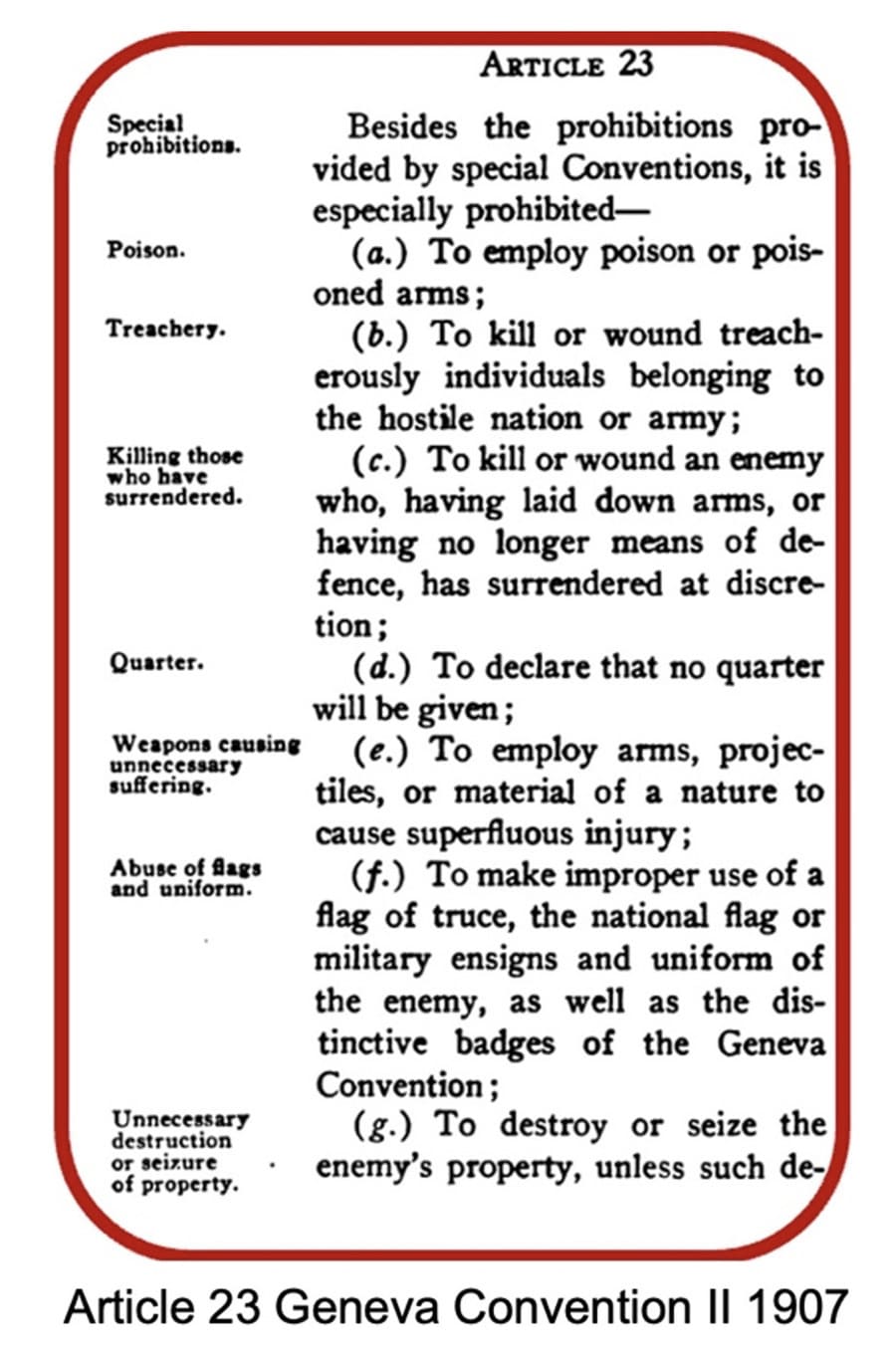
The Trump administration considers drug-running to be an armed conflict. If so, then killing survivors of the enemy would, under both international and U.S. law, be considered murder. If, on the other hand, the U.S. is not in an armed conflict, then domestic law applies, and the killing of civilian survivors would still be murder, an extrajudicial killing. An order to kill survivors is itself a war crime, in both cases. The War Powers Resolution Act of 1973 limits the President’s power to commit troops to armed conflict only under Congressional approval. Trump considers that Act to apply without Congressional approval when U.S. service members are in harm’s way. A White House statement confirmed that “the operation comprises precise strikes conducted largely by unmanned aerial vehicles launched from naval vessels in international waters at distances too far away for the crews of the targeted vessels to endanger American personnel.” [15] One loophole used by the administration opens interpretations that the strikes on drug-running boats do not qualify as hostility because the strikes are far from the scenes of carnage. [16] No one believes that excuse, because almost all modern armed conflicts are remote these days. If the excuse is legitimate, it is not a loophole but rather a sinkhole for excusing unconditional free murder. After all, the word “hostilities” can only refer to active exchanges of fire. Without each side striking the other, the engagement becomes a slaughter, not a war, and therefore a killing of civilians that is punishable by international and domestic court orders.
No quarter orders
– Donald Trump at an Oct 23 White House press briefing
My war-history colleagues tell me that drug cartels are not organized groups capable of sustaining armed combat, and therefore are not in a battle that brings in the rules of warfare but that, on the other hand, if we suppose that drug smuggling in combat with the U.S. is an armed conflict, the laws of international humanitarian law apply to prohibit targeting civilians and killing wounded and defenseless survivors. Those laws clearly stress that issuing or obeying “no quarter orders” is a war crime. The quote above, from Trump, itself is a U.S. and international war crime if it were implemented as policy. International humanitarian law distinguishes international and non-international, but in both instances, an armed conflict requires that both opposing forces must be organized armed groups engaged in substantive, intensive armed hostilities. [17] U.S. criminal law, the U.S. Code of Military Justice, and Maritime Law all tell the U.S. that we cannot kill people without due process.
To understand more deeply what that means is to understand that any person responsible for a war crime act – the guy instigating a command to do so, down to the guy pulling the trigger – will be held fully accountable, no matter where they are, or how long ago the offense happened. Soldiers should think about that, for there is no such thing as a Presidential pardon for war crimes. As Seth Moulton, a U.S. Representative, put it: “The idea that wreckage from one small boat in a vast ocean is a hazard to marine traffic is patently absurd, and killing survivors is blatantly illegal. Mark my words: It may take some time, but Americans will be prosecuted for this, either as a war crime or outright murder.” [18]
Just think about my short tale involving the Staten Island ferry’s six-hour search for a human being drowned in the New York Harbor. It was not just a humanitarian gesture, though it was that too. It is U.S. Maritime Law and International Humanitarian Law that require all vessels to assist anyone in distress. [19] It is more than a law; it is a moral and social duty.

History is filled with the names of dangerous people believing their own instincts that slow the turning world to start wars they can control. They come to power through power connections. Few wars are bloodless. Let me go off on a limb to say that sooner or later, if these offensive boat explosions in the Pacific and Caribbean continue, a grave error will bring the U.S. to a point where servicemen are killed – maybe just one, maybe more, or many more. With the recent news of the U.S.–Venezuela standoff with oil tanker seizures, escalation to war level seems to be in the military planning of a regime change, a risky mission that rarely works out well. The history I know tells me that revenge will turn bombing of boats into launching of missiles that will amplify in aggressiveness, unfortunately, because, at all costs, governments cannot face the reality of loss without gain. When blood is lost, when anger kicks in, it is almost impossible to stop violence. So how far will Hegseth’s illegal aggression go before the ICC steps in? Normally, the ICC follows the legal guideline the Principle of Complementarity, which advises an individual country accused of a crime to start the process of self-investigating. The ICC is a court of last resort that will intervene only when individual member states involved in a suspected war crime are unwilling or unable to investigate and prosecute. Letting this war crime continue, even for a short time, could lead to a dangerous perception that attacking boats and ships on the high seas is free for all. With the U.S. threatening Venezuela, we should be prepared for another war, this time in our own hemisphere, and one that will take far more lives than those of at least 104 humans (so far) blown off alleged drug smuggling boats. When that war comes, there will be war crimes that will kill enough American soldiers to rise to an uncontrolled level of revenge. Then what for? A few more barrels of oil?
Yes, Venezuela happens to be a country with the world’s largest reserves of extra-heavy crude oil, 17 percent of the world’s oil reserves, and close to four times that of the U.S. Would possession of those reserves be worth another costly war? Or is the plan disguised by drug stopping, maneuvering to blockade and pursue oil tankers to steal Venezuela’s oil, force regime change, curb China’s immense trade in the Western Hemisphere, or to control all the Americas? We rarely know what Trump is up to, so we can only guess what will happen next.
And so, here we are with an update from January 4, 2026, following Trump’s move from one day to the next. What is next, and why?
– Orlando J. Pérez, author of Civil-Military Relations in Post-Conflict Societies
In the early hours of Saturday, January 3, American troops invaded Venezuela and seized Venezuelan President Nicolás Maduro and his wife. That news is now flashing around the world, so there is no need to cover it here. But deconstructing the essentials brings us to the question: Why? Since that startling news, I’ve been probing my colleagues who know far more than I do with repeated whys. No one knows what the risky invasion, called “Operation Absolute Resolve,” is about. Therefore, the reasons appear to be highly speculative and troubling. Trump and Putin communicated by phone on December 28th and 29th, just days before the invasion of Venezuela. We, the American public, including many in government, have neither transcripts nor knowledge of what was said between the two leaders. [20]
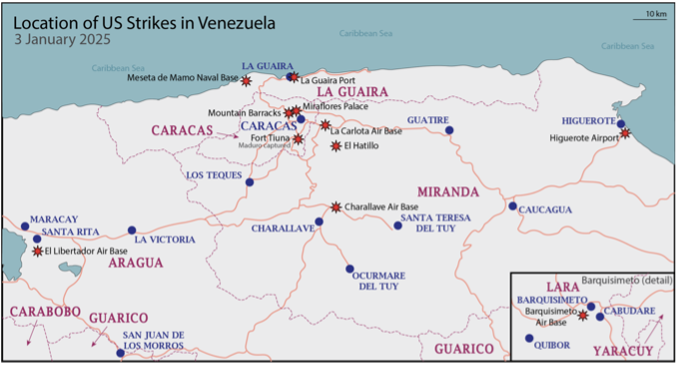
Creative Commons Attribution 4.0 International license
Credit: Chorchapu
Could those leaders been plotting a deal on partitioning spheres of influence, where Russia can take Ukraine and eventually go further, perhaps into Moldova and Romania? The U.S. will ignore Europe. China can take Taiwan. In return, Russia and China, powering the Eastern sphere, would agree to the overthrow of Venezuela, Colombia, possibly Greenland, or the Western Hemisphere. It’s speculation; I can’t think of any other acceptable reason for taking over Venezuela. Oil, drugs, or territory are not reasonable actions, though they are likely to be distractions to quell Trump’s continuing bad political news.
Stay tuned.
About the Author
 Joseph Mazur is an Emeritus Professor of Mathematics at Emerson College’s Marlboro Institute for Liberal Arts & Interdisciplinary Studies. He is a recipient of fellowships from the Guggenheim, Bogliasco, and Rockefeller Foundations, and the author of eight acclaimed popular nonfiction books. His latest book is The Clock Mirage: Our Myth of Measured Time (Yale).
Notes
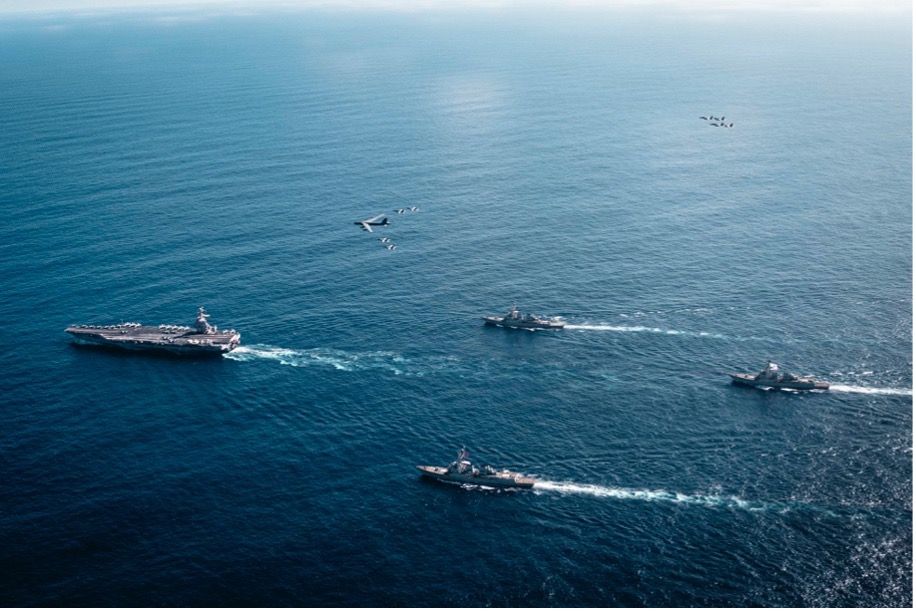
[1] The USS Gerald R. Ford (CVN 78), left, USS Winston S. Churchill (DDG 81), front, USS Mahan (DDG 72), back, USS Bainbridge (DDG 96), and embarked Carrier Air Wing Eight F/A-18E/F Super Hornets assigned to Strike Fighter Squadrons 31, 37, 87, and 213, operate as a joint, multi-domain force with a U.S. Air Force B-52 Stratofortress, Nov. 13, 2025. U.S. military forces, like the Gerald R. Ford Carrier Strike Group, are deployed in support of the U.S. Southern Command mission, Department of War-directed operations, and the President’s priorities to disrupt illicit drug trafficking and protect the homeland.
[2] https://www.nytimes.com/2025/12/04/us/politics/drug-boat-strikes-sept-2-video-congress.html#:~:text=Some%20Republicans%20and%20Democrats%20left,Trump%20administration%20needed%20to%20answer.
[3] https://archive.org/details/peopleshistoryof00howa/page/2/mode/2up
[4]https://www.google.com/books/edition/Benevolent_Assimilation/Zj6g2ag47TwC?hl=en&gbpv=1&pg=PA220&printsec=frontcover
[5] https://www.justsecurity.org/wp-content/uploads/2025/11/llandovery-castle-1921-german-imperial-court-of-justice.pdf
[6] https://ijnh.seahistory.org/an-unatoned-war-crime/#identifier_15_2685
[7] The Department of Defense Law of War Manual (June 2015, Updated July 2023) pp. 1088-1089.
https://media.defense.gov/2023/Jul/31/2003271432/-1/-1/0/DOD-LAW-OF-WAR-MANUAL-JUNE-2015-UPDATED-JULY%202023.PDF
[8] https://www.congress.gov/98/statute/STATUTE-97/STATUTE-97-Pg500.pdf
[9] https://ihl-databases.icrc.org/en/ihl-treaties/gci-1949/article-12/commentary/2016
[10] Judgement in Case of Lieutenants Dithmar and Boldt, Hospital Ship “Llandovery Castle” (Second Criminal Senate of the Imperial Court of Justice, Germany, Jul. 16, 1921), reprinted in 16 AJIL, 708, 721-22 (1922)
[11] Judgement in Case of Lieutenants Dithmar and Boldt, Hospital Ship “Llandovery Castle” (Second Criminal Senate of the Imperial Court of Justice, Germany, Jul. 16, 1921), reprinted in 16 AJIL, 708, 721-22 (1922)
[12] United States v. Calley, 22 U.S.C.M.A. 534, 543-44 (C.M.A. 1973) (“In the stress of combat, a member of the armed forces cannot reasonably be expected to make a refined legal judgment and be held criminally responsible if he guesses wrong on a question as to which there may be considerable disagreement.
[13] https://treaties.un.org/doc/publication/unts/volume%201405/volume-1405-i-23489-english.pdf
[14] https://www.propublica.org/article/about-russell-vought-trump-shadow-president#:~:text=I%20don’t%20want%20President,chainsaw%20to%20budgets%20and%20staffing
[15] https://www.nytimes.com/2025/11/01/us/politics/trump-boat-attacks-war-powers.html
[16] https://avalon.law.yale.edu/20th_century/warpower.asp
[17] https://guide-humanitarian-law.org/content/article/3/non-international-armed-conflict-niac/#:~:text=The%20definition%20and%20qualification%20of,1).
[18] https://www.washingtonpost.com/national-security/2025/11/28/hegseth-kill-them-all-survivors-boat-strike/
[19] https://www.usni.org/magazines/proceedings/1988/january/duty-rescue#:~:text=Courts%20have%20acknowledged%20that%20there,legally%20required%20or%20legally%20permitted.
[20] There were 10 phone calls between Trump and Putin in 2025.