The global economy is confronting an unprecedented energy shock as the closure of the Hormuz Strait halts critical oil and gas shipments, sending prices soaring. Arthur Azizov, Founder and Investor of B2 Ventures, highlights how this disruption extends beyond energy markets: rising resource costs, inflationary pressure, financial market volatility, and banking risks are forcing policymakers and investors to navigate an exceptionally complex economic landscape.
As time goes on, it has become clear that the current crisis will have far greater significance for the global economy than it was initially thought. Markets and investors are still considering it as just another energy shock, and many continue to look at oil prices as the main outcome. Yes, oil prices are surely important, but we should look beyond that. The current environment is affecting the economy on many levels. The longer it lasts, the larger the impact will be.
Why Hormuz Matters More Than Ever
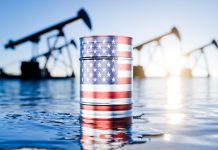
Undoubtedly, the main factor in this conflict is the closure of the Hormuz Strait. Typically, 20 million barrels of oil per day used to pass through it, along with 3-4 trillion cubic feet of liquified gas, accounting for roughly a quarter of global consumption.
Never before (even during the War between Iraq and Iran in the 1980s) has shipping through Hormuz been fully halted. That is what makes the current crisis exceptional. Think tanks and governments modelled scenarios involving a potential closure of the strait, but it was largely considered an ephemeral risk. Very few expected that such a critical artery would actually be cut off.
The shipping disruption has led to a sharp increase in oil and gas prices, and there are almost no signs that the situation will resolve quickly. The key problem with Hormuz lies in the lack of alternatives. Global oil and gas markets are highly segmented, and buyers are often tied to specific suppliers. Replacing oil from the Gulf region is extremely difficult, even though some flexibility exists.
The situation is far worse for buyers of liquefied gas from Qatar. The LNG market is much more dependent on specific supply chains, and it is extremely difficult for other players to increase production. Now, many Asian countries, which bought the LNG from Qatar, have gas reserves sufficient for only a few days or weeks. Once those are depleted, they might face a serious energy crisis.
The Shock Spreads Across Energy Markets
All of this has already pushed oil and gas prices up by 50%. Yet, it is important to look beyond energy markets, as was mentioned earlier. The halt of shipping through Hormuz affected other resources, and prices for aluminium, helium, and chemical fertilizers rose significantly. The rise in energy and input costs is putting pressure on the businesses. Many companies will either have to accept lower margins or cut production. The impact on several resource bases is what marks the current crisis from previous shocks.
It is only a question of time before these prices will affect the global economy. When the conflict began, many were concerned about inflation. Higher oil and gas prices translate into more expensive fuel and electricity, which, in turn, raise the general prices. Add to this the increase in production costs driven by higher prices for other inputs, and the result is a significant boost to inflation. Based on an economic rule of thumb, a 50% increase in energy prices can add up to 1% to inflation in developed economies. This is a noticeable increase because inflation remains above the central banks’ targets.
What Lies Beneath Oil and Inflation
Yet, inflation is only the first layer of this crisis. Central banks around the world will have to lean toward tighter monetary policy to contain rising prices. Over the last year, regulators in developed economies cut rates, but now that cycle may reverse. Higher interest rates will make borrowing more expensive for both consumers and businesses. Households will postpone large purchases, resulting in a loss of revenue for companies.
At the same time, the crisis is likely to increase volatility in financial markets. Investors have already moved a share of their assets into cash at the fastest pace since the pandemic. Normally, large investors avoid holding too much cash because it doesn’t generate profit. A rise in cash allocations almost always signals a desire to preserve capital and a concern about the market.
At a certain point, this dynamic can become a self-fulfilling prophecy. Selling assets pushes their prices down, which makes investors shift more funds into cash. Although markets remained relatively stable and the S&P 500 traded in a narrow 1-2% range, portfolio reallocations suggest reconsidering risk.
These market conditions also increase pressure on banks, especially in regions depending on energy flows. Estimates suggest Gulf banks could face $300 billion in deposit outflows, along with rising credit risks. In response, banks worldwide may tighten lending standards, leading to a decrease in consumer activity. This will put additional pressure on business revenues.
Is There Anything Central Banks Can Do?
All this makes it extremely hard for central banks to make the decision. Rising inflationary pressure needs a tighter monetary policy. Yet, this time the price increase came from the supply side. Manipulating interest rates could be insufficient to contain inflation. At the same time, such a policy will undermine economic growth and corporate profits. As a result, policymakers will have to balance between supporting growth and taming inflation. In practice, however, central banks tend to fight inflation, since there is not so much benefit from rising incomes if all prices in the economy also rise.
About the Author
 Arthur Azizov is a fintech entrepreneur and investor with more than 15 years of experience in financial markets. He is the founder of B2 Ventures, a fintech group focused on financial infrastructure and digital banking. His work focuses on developing technology-driven services for institutional clients.