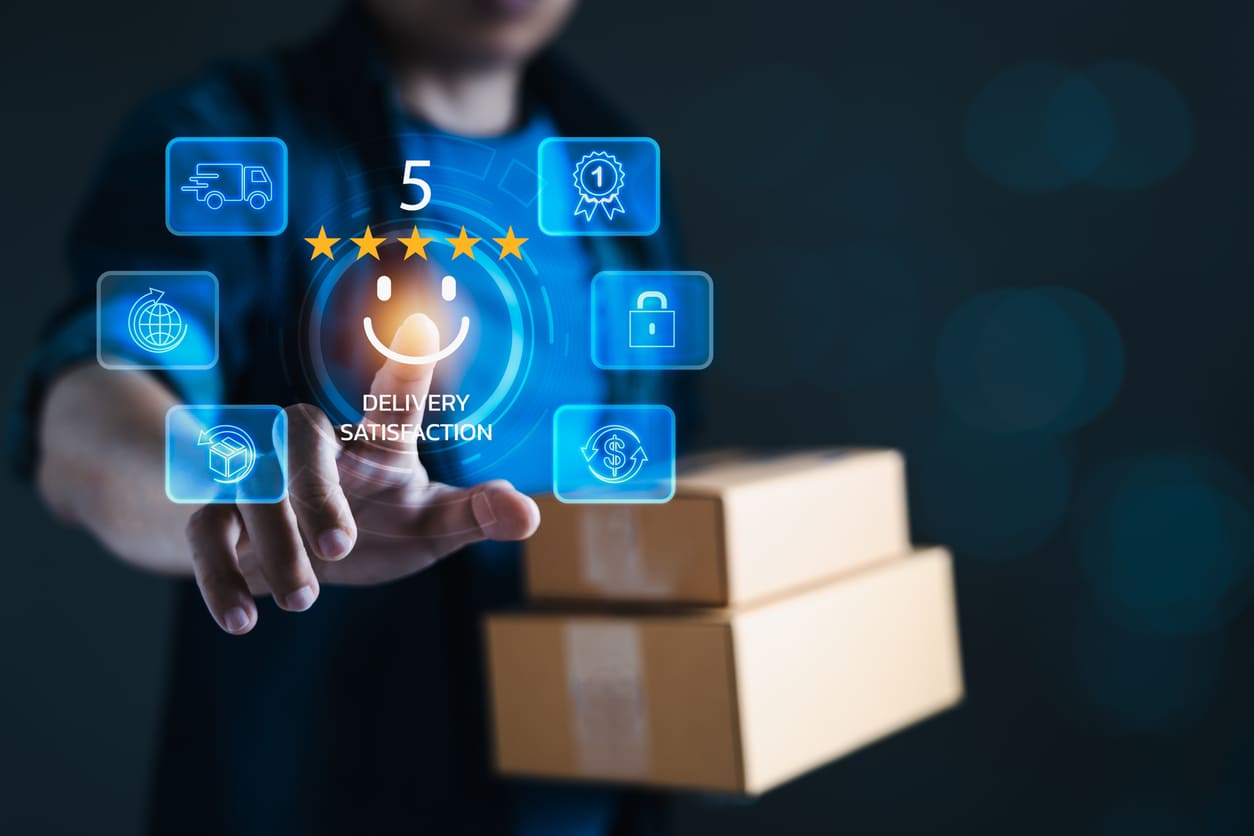
There is a specific kind of anticipation that comes with a delivery. You have placed the order, received the confirmation, and count the minutes to your tasty pleasure. You check the tracking page once. Then again. And again. That small window between ‘out for delivery’ and the doorbell ringing is where customer experience truly lives.
Last-mile delivery is no longer just logistics, considering the e-commerce world we are living in. It means emotion, expectation, and brand perception wrapped into one final interaction. And increasingly, it becomes the thing businesses win or lose customer loyalty.
The Last Mile: Where Experience Becomes Reality
Think about it, everything leading up to delivery is digital – product pages, checkout flows, confirmation emails. But the last mile is tangible because it is the moment your promise becomes real.
A smooth, transparent delivery can leave a lasting positive impression. In contrast, a missed order, vague tracking, or silence during delays all trigger frustration. That feeling tends to stick longer than the excitement of the purchase itself.
That is why companies are rethinking last-mile delivery. They begin to treat it as a customer experience opportunity rather than just as an operational challenge.
Real-Time Tracking: Reducing Waiting Anxiety
We have all been in a situation of staring at a tracking update that says ‘arriving today’ with no further details. It creates uncertainty, which, in turn, erodes trust. Real-time tracking changes that dynamic, so instead of guessing, customers can:
- See where their package is at any moment
- Get accurate, dynamically updated delivery times
- Follow the driver’s route in real time
It seems a small shift at first sight, but it has a powerful psychological impact. Transparency replaces anxiety, while control replaces guesswork.
Looking from a business perspective, it also quietly solves a major problem of fewer messages, like Where is my order? How long should I wait? Customers don’t need to ask when they can already see.
There is something more subtle at play here, too. Real-time tracking keeps the brand present in the customer’s mind, even after checkout. Every interaction with the tracking page becomes another touchpoint, encouraging future collaborations.
Personalization: Deliveries That Fit Real Lives
It is natural that not all customers live the same way. So last-mile deliveries shouldn’t also have to be universal. Personalization in last-mile delivery is about meeting customers’ lifestyles, literally and figuratively. It recognizes that convenience looks different for everyone.
For some, it might mean choosing a precise delivery window after work. For others, it might be redirecting a package to a nearby locker or pickup point, or simply adding a note like ‘please leave behind the gate.’ These options are small, but together they create a strong sense of oversight, being a powerful driver of satisfaction.
How personalization evolves over time is even more interesting. When systems learn from customer behavior, involving preferred delivery times, locations, or communication styles, the experience starts to feel intuitive and almost effortless. It is an essential shift from just casual delivery to a service that mindfully adapts.
Communication: The Quiet Hero of Great Delivery Experiences
If real-time tracking translates to visibility, communication translates to trust. Customers don’t expect perfection. They want to be informed. A simple message at the right moment can completely transform how a delivery is perceived:
- ‘Your order is on its way’ builds anticipation
- ‘The driver is 10 minutes away’ brings readiness
- ‘There is a delay, here is the new time’ shows respect
On the other hand, silence creates frustration and can kill the impression of the brand at its roots.
The most effective last-mile delivery experiences are established on proactive communication. Many misconsider it with a fast reaction when something goes wrong, but it is actually about guiding the customer through the process step by step.
That way, when issues do happen – as they inevitably will – clear, human-centered communication can turn a negative moment into a surprisingly positive journey. Customers tend to remember how they were treated, not just the mishaps, at the end of the day.
Technology Working Behind the Scenes
Things flowing smoothly for the client are often powered by complex systems behind the scenes. Route optimization tools calculate the most efficient paths. AI models adjust delivery estimates in real time. Integrated platforms ensure that updates are sent seamlessly across SMS, apps, and email. But the truth is, customers don’t see the technology. They touch the result.
- They feel it when a delivery arrives exactly when expected.
- They notice it when updates are timely and accurate.
- They appreciate it when everything performs.
So the goal should be to remove friction instead of illustrating cutting-edge technology.
The Challenges: Balancing Experience and Complexity
Of course, none of this comes without challenges. Providing flexible last-mile delivery options increases complexity. Implementing advanced tracking requires a great deal of investment. Handling customer data in a responsible way demands careful attention. Maintaining consistency can be especially difficult during peak periods.
Strategy plays a significant role here. The common mistake is to offer everything instead of offering what truly improves the experience sustainably. The most successful companies prioritize thoughtful innovation over more features.
Looking Ahead: The Future Feels Personal
Customer expectations will only rise along with technological progress. We are already seeing early signs of what is next – predictive delivery windows, hyper-personalized options, even autonomous delivery methods.
However, customers seek clarity, understanding, and control beyond the innovation. Keeping that in mind, the future last-mile delivery is going to be more intuitive and human-oriented.
Bottom Line
Last-mile delivery is often the most complicated part of the supply chain. While that is true operationally, it represents the most human touchpoint in the entire customer journey. It is the moment when expectation meets real experience, with the brand’s promise either fulfilled or undermined.
Real-time tracking, personalization, and clear communication are not just functional improvements in this context. They become strategic signals of reliability, respect, and customer-centric thinking. These elements do more than improve delivery – they demonstrate that a business values the time, preferences, and trust of its customers, framing the overall brand experience in an increasingly competitive market.