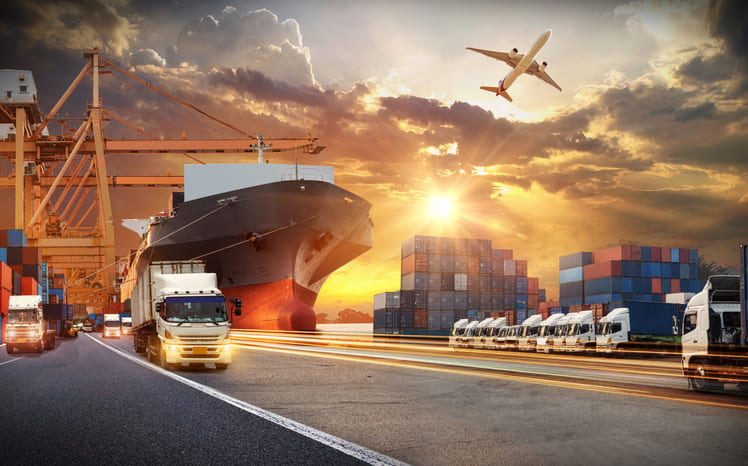
In today’s interconnected economy, the efficient movement of goods underpins almost every industry. Whether it’s raw materials heading to a manufacturer, or finished products en route to retailers, the right freight transport mode can make all the difference in cost, speed, and reliability. Each option — road, rail, sea, and air — comes with its own advantages and limitations, and understanding them helps businesses make smarter logistics decisions. For instance, when companies need to compare air vs road freight, it’s often a balance between urgency and budget.
Let’s break down the key features of each freight transport mode and when they work best.
Road Freight: Flexibility and Accessibility
Road freight remains one of the most popular and versatile methods of transport in Australia. Trucks can access regional towns, rural areas, and city centres alike, offering door-to-door delivery that other modes can’t always achieve.
This mode is commonly used for vehicle transport, where customers can choose from various Las Vegas car shipping options available when moving cars domestically or coordinating road transport as part of a broader logistics plan.
Advantages:
- Door-to-door service: Minimises handling and reduces risk of damage.
- Short-distance efficiency: Ideal for local and interstate transport.
- High flexibility: Schedules can be easily adjusted to meet delivery timelines.
Limitations:
- Vulnerable to road conditions, weather, and congestion.
- Typically less fuel-efficient for long hauls compared to rail.
- Limited load capacity for oversized or heavy goods.
Road freight is often used in conjunction with other modes, serving as the first or final leg of multimodal transport — a critical link in the logistics chain.
Rail Freight: Cost-Effective for Bulk and Long Distances
Rail transport offers an economical solution for large, heavy, or bulk commodities such as minerals, coal, grain, and building materials. Australia’s vast geography makes rail an efficient option for intercity or interstate shipments.
Advantages:
- High load capacity: Perfect for heavy or bulk freight.
- Cost-effective over long distances: Lower per-tonne costs than road freight.
- Environmentally friendly: More energy-efficient and produces fewer emissions.
Limitations:
- Less flexible — restricted to fixed rail networks.
- Longer transit times and potential delays at terminals.
- Often requires additional handling at origin and destination points.
Rail freight is best for predictable, large-scale supply chains that prioritise cost over speed.
Sea Freight: The Global Backbone of Trade
Sea freight carries around 80% of global trade by volume, making it the backbone of international shipping. It’s especially suited for heavy machinery, bulk commodities, and containerised goods.
Advantages:
- High capacity: Ideal for large or heavy shipments.
- Cost-effective for international trade: Cheaper per unit weight than air transport.
- Lower carbon footprint: A more sustainable choice for long-distance transport.
Limitations:
- Slower transit times: Ships move at a fraction of the speed of aircraft.
- Weather dependency: Can face delays due to maritime conditions.
- Port accessibility: Inland areas may require secondary transport links.
Sea freight is the go-to choice for businesses moving non-perishable goods across continents — balancing affordability with capacity.
Air Freight: Speed and Precision
When speed is critical, air freight is unmatched. Ideal for high-value, time-sensitive, or perishable goods, it allows products to reach markets across the globe within hours or days.
Advantages:
- Fastest delivery mode: Perfect for urgent or time-bound cargo.
- High reliability: Consistent schedules with fewer delays.
- Global reach: Connects remote markets efficiently.
Limitations:
- High cost: More expensive than sea, rail, or road freight.
- Limited cargo size and weight: Unsuitable for very large or heavy items.
- Environmental impact: Greater carbon emissions per kilogram of cargo.
Air freight is best for goods where time is money — pharmaceuticals, electronics, and perishables are common examples.
Choosing the Right Freight Mode
The choice of transport mode depends on factors such as distance, speed, cost, cargo type, and environmental impact. Many companies use a multimodal transport approach, combining modes for efficiency and reliability.
For example:
• A shipment might start by road to a regional depot, travel interstate by rail, then complete its journey by truck.
• International exports often rely on sea freight for bulk shipments, while urgent imports may go by air.
By understanding each mode’s unique advantages, businesses can design logistics strategies that balance speed, cost, and sustainability — ensuring goods arrive safely, efficiently, and on time.
No single mode of freight transport suits every situation
The most effective supply chains are those that adapt — using the right mix of road, rail, sea, and air transport depending on demand and destination. Whether your priority is speed, cost, or environmental performance, understanding the strengths and trade-offs of each freight mode is key to optimising logistics in today’s competitive market.