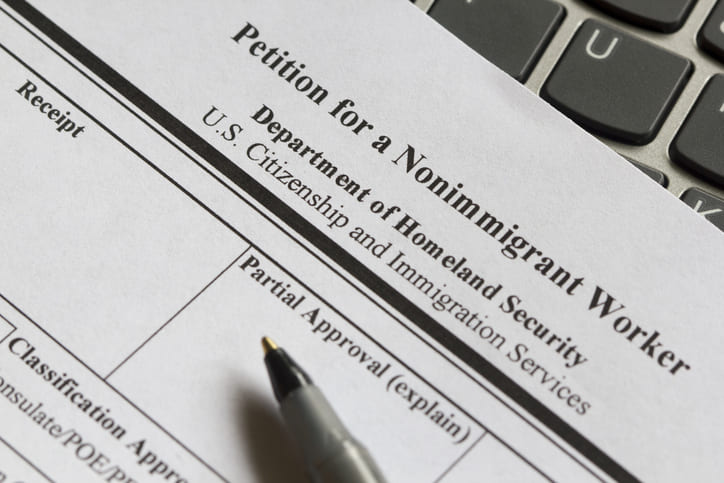
Applying for a U.S. visa or green card is stressful enough without worrying about whether your documents are translated correctly. Immigration officers at USCIS (United States Citizenship and Immigration Services) are strict about document requirements.
One small mistake with your visa translation can lead to delays, requests for evidence, or even outright rejection.
If you’re submitting birth certificates, marriage licenses, academic transcripts, or financial documents from another country, certified translations are a must. Let’s explore the most common pitfalls people face when translating their documents for USCIS – and how you can avoid them.
Why Translations Matter in Immigration Applications
Every document you submit to USCIS that isn’t in English must be accompanied by a complete certified translation. This includes personal records like birth or marriage certificates, as well as legal or financial paperwork. A certified translation confirms that the translator is competent in both languages and that the translation is accurate and complete.
Skipping this requirement or cutting corners can cost you time, money, and sometimes the chance to secure your visa.
Mistake 1: Using Free Online Translation Tools
It’s tempting to copy-paste your document into an online tool. While machine translations can be useful for casual use, they are not acceptable for immigration purposes.
Why?
- They often mistranslate legal terms or names.
- They can miss context, leading to inaccurate translations.
- They don’t provide certification, which USCIS requires.
How to avoid it: Always use a professional translation service that offers certified translations specifically for immigration documents.
Mistake 2: Submitting Incomplete Translations
USCIS requires a complete translation of every word in your document. This includes:
- Stamps
- Signatures
- Seals
- Marginal notes
Leaving anything out, even if it seems unimportant, could cause USCIS to question the validity of your application.
How to avoid it: Double-check that every visible part of your document is translated. A professional service will ensure no detail is missed.
Mistake 3: Forgetting the Certificate of Accuracy
A translation isn’t enough on its own. USCIS requires a signed certificate of translation accuracy, which states:
- The translator is competent in both languages.
- The translation is complete and accurate.
Without this certificate, your documents may be rejected even if the translation itself is perfect.
How to avoid it: Choose a translation provider that always delivers a certificate of accuracy with each translated document.
Mistake 4: Using Translators Without Immigration Experience
Not all translators understand the strict requirements for immigration. An academic translator or a bilingual friend might be fluent, but if they’re unfamiliar with USCIS rules, they can make small mistakes with formatting, terminology, or certification.
How to avoid it: Work with professionals who specialize in visa translation and certified translations for immigration. They know how USCIS reviews documents and can anticipate potential issues.
Mistake 5: Waiting Until the Last Minute
Immigration processes come with strict deadlines. Leaving translations to the last minute can create unnecessary stress – and rushed translations increase the chance of mistakes.
How to avoid it: Start gathering and translating your documents early. Many services offer expedited options, but it’s always better to plan ahead.
Best Practices for Visa Translation Success
To make sure your USCIS application goes smoothly:
- Use certified translations for every non-English document.
- Verify that a certificate of accuracy is included.
- Ensure the translation is complete, including seals and notes.
- Choose a provider experienced in immigration translations.
- Plan ahead to avoid unnecessary delays.
FAQs About Certified Translations for USCIS
Do I need certified translations for every non-English document?
Yes. USCIS requires certified translations for all documents not written in English.
Can I translate my own documents if I’m fluent?
No. Self-translations are not accepted. The translator must be a separate qualified individual.
What is the difference between notarized and certified translations?
Certified translations include a signed certificate of accuracy. Some institutions may also request notarization, but for USCIS, certification is the key requirement.
How long do certified translations take?
It depends on the length and complexity of your documents. Many providers, including Certling, offer both standard and expedited services.
Where to Get Certified Translations
When dealing with immigration paperwork, accuracy and compliance are non-negotiable. That’s why working with a trusted service matters.
At Certling, we provide certified translations for visa and immigration documents such as birth certificates, marriage licenses, academic records, and more. Our translations come with a certificate of accuracy and are accepted by USCIS, UKVI, IRCC, and other immigration authorities worldwide.
Final Thoughts
Your immigration journey is too important to be derailed by a translation mistake. By avoiding common pitfalls like incomplete translations, missing certificates, or using unqualified translators, you can give USCIS exactly what it requires – and move one step closer to approval.
Whether you’re applying for a student visa, family reunification, or permanent residency, certified translations are an essential part of the process. Choose wisely, plan ahead, and avoid the mistakes that could sink your application.