A sharp selloff in the US bond market intensified this week as inflation concerns, geopolitical tensions, and rising government debt pressures pushed long-term Treasury yields to levels not seen in nearly two decades.
The 30-year US Treasury yield climbed to 5.2%, its highest point since 2007, as investors reacted to fears that inflation could remain elevated for longer than expected. The move reflects growing unease over fiscal stability, persistent deficits, and the economic fallout from the ongoing conflict involving Iran.
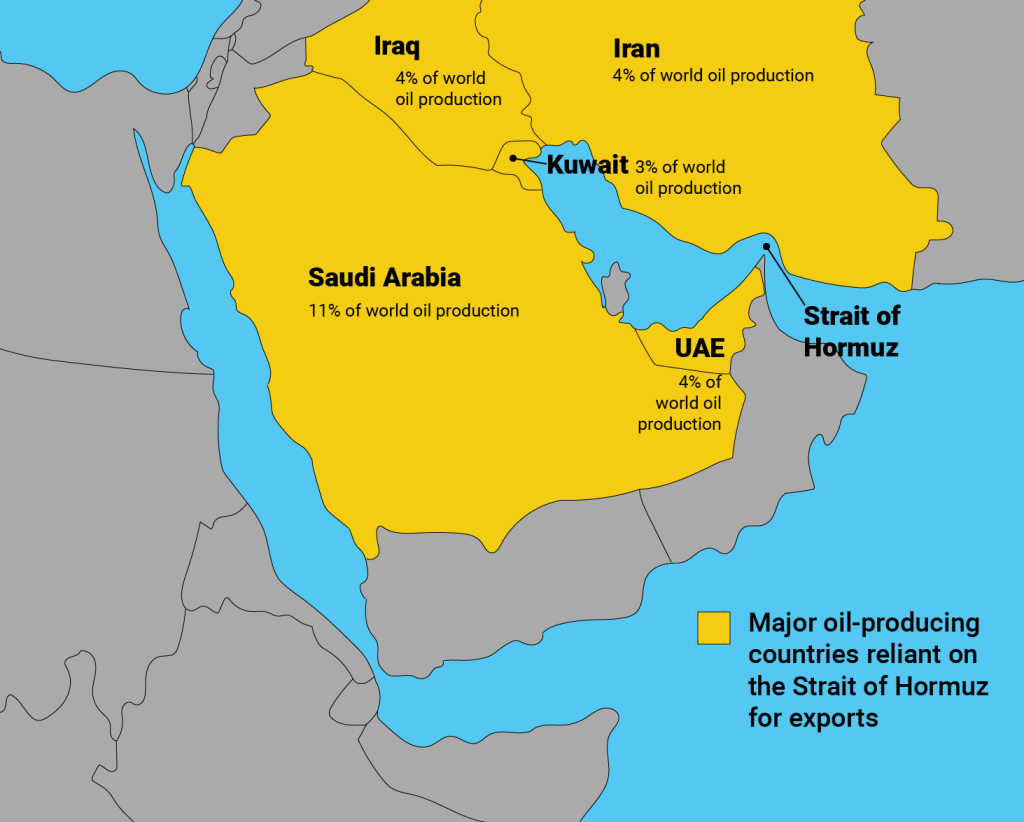
The war has triggered a global energy shock, driving oil and gas prices to four-year highs while disruptions in key shipping routes, including the Strait of Hormuz, continue to strain supply chains. Rising energy costs have begun feeding into broader inflation, including higher food prices and airfares.
“The forces driving the sell-off – fiscal deterioration, defense spending, sticky inflation, central bank paralysis – are not resolving in the next week. They are getting worse,” said Ajay Rajadhyaksha.
Investors have responded by demanding higher returns on government debt, pushing yields higher and bond prices lower. The benchmark 10-year Treasury yield, which influences mortgage and consumer borrowing rates, rose to around 4.67%, its highest level in more than a year.
Nigel Green, chief executive of deVere Group, said bond markets are signaling that inflation may prove more persistent than many investors anticipated. He added that investors are increasingly seeking compensation for inflation risk and geopolitical uncertainty.
Higher yields are reverberating across global financial markets. The US Treasury market plays a central role in setting borrowing costs, meaning increases in yields often translate into higher mortgage rates, auto loans, and corporate financing expenses. Stock markets have also come under pressure as investors reassess valuations in a higher rate environment.
Equity markets in the United States weakened on Tuesday, extending a recent losing streak. The Dow Jones Industrial Average fell 322 points, or 0.65%, while the S&P 500 dropped 0.67% and the Nasdaq Composite declined 0.84%. The S&P and Nasdaq each posted a third consecutive day of losses as rising yields weighed on sentiment.
The pressure is not confined to the United States. Global bond markets have also sold off as investors reassess long-term inflation risks and government borrowing needs. The United Kingdom’s 30-year gilt yield reached its highest level since 1998, while Japan’s 30-year government bond yield hit a record high.
In the US, two-year Treasury yields also climbed to their highest level in over a year, signaling expectations that the Federal Reserve may keep interest rates elevated or potentially consider further tightening if inflation persists.
The rise in yields contrasts with President Donald Trump’s push for lower interest rates to support economic growth. It also comes as markets prepare for a leadership transition at the Federal Reserve, with Kevin Warsh set to assume the role of chair.
For investors, the 10-year yield level of 4.8% is being closely watched as a key technical threshold, a level rarely sustained since 2007.
Thomas Tzitzouris, head of fixed income research at Strategas Research Partners, said inflation remains the primary driver of the selloff. He added that widening fiscal deficits across major economies are compounding pressure on long-term debt markets, reinforcing expectations of higher yields for longer.
Related Readings: