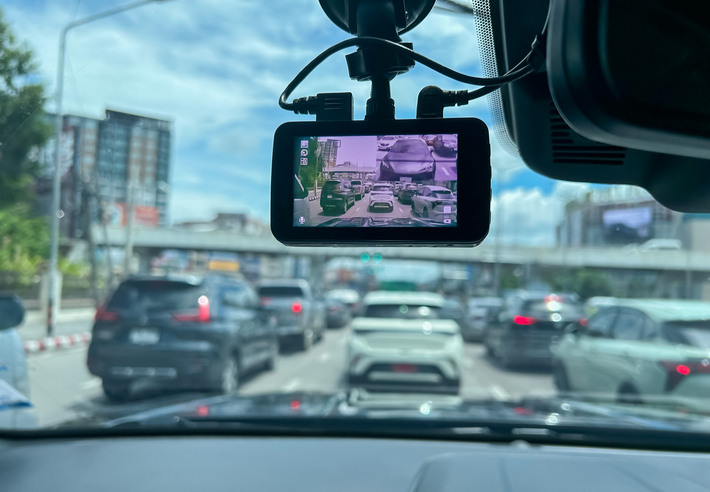
Road etiquette used to be a quiet agreement we all *hoped* everyone understood. A courtesy wave when someone lets you merge. A patient pause for a pedestrian who looks unsure. A calm “you go ahead” at a four-way stop. But the reality you see every day? It’s louder. Faster. More distracted. And yes—more emotional.
That’s why so many drivers are turning to a dash cam. Not just for evidence after a crash, but for something subtler: accountability. When you know your choices might be recorded, you don’t only drive differently—you *feel* differently behind the wheel. You think twice before tailgating. You hesitate before honking. You remember there’s a person in the other car, not an obstacle.
This guide walks you through how these small devices are shaping behavior, nudging manners, and sometimes even calming the chaos. And because road etiquette is deeply human, we’ll keep this personal—because YOU are part of this story every time you turn the key.
Why a dash cam changes how YOU drive (even when you swear it doesn’t)
Let’s be honest: you don’t drive the same way when you feel watched. Even if nobody else ever sees the footage, your brain knows there’s a record. That changes the internal dialogue from “Whatever, they deserved it” to “Wait… what if I’m the one who looks reckless?”
A dash camera creates a tiny courtroom in your head. Not in a paranoid way—more like a gentle nudge. You start treating the road like a shared space instead of a battleground. And that’s the first real impact: self-regulation.
This is where etiquette gets interesting. Courtesy isn’t just kindness; it’s also risk management. When you leave more following distance, you’re being polite *and* protecting yourself. When you signal earlier, you’re not only communicating—you’re reducing conflict.
And here’s a small moment many drivers recognize: that split-second before you react. A driver cuts you off, and your body wants to surge with anger. But then you remember the camera. The reaction softens. You breathe. You let it go. That’s etiquette… influenced by technology.
Synchronize your patience: the hidden rhythm of recorded driving
Years ago, we’ve all had that experience where everything on the road feels out of sync—green lights turning red at the worst time, pedestrians appearing right when you’re late, traffic flowing like it’s actively mocking your schedule. One day, you might notice that when you slow down just a bit—stop rushing, stop weaving—you begin to synchronize with the traffic instead of fighting it. Suddenly the merges feel smoother. The braking is gentler. The lane changes become less dramatic.
That’s what a dash cam often encourages: a calmer rhythm.
When you drive like you’re “on record,” you naturally smooth out your inputs. Fewer sharp accelerations. Fewer impulsive moves. More deliberate choices. YOU become predictable—and predictable drivers are safer drivers.
This matters because etiquette isn’t only about being nice. It’s about reducing uncertainty for everyone around you. The kindest driver is often the most consistent driver. When others can anticipate you, they don’t have to guess—and guessing is where danger lives.
Road etiquette, broadly speaking: how cameras shift the culture
There’s a difference between personal improvement and cultural change. A single driver being more polite helps. But when thousands of drivers adopt cameras and start sharing clips, the culture shifts too—broadly, in a way you can almost feel.
Here’s a quick anecdote: you’re sitting with friends, and someone pulls up a video of a near-miss. Everyone leans in, and suddenly you’re not just watching a clip—you’re having a conversation about “what should have happened.” Someone says, “They should’ve yielded.” Another says, “Yeah, but the other guy was speeding.” Without realizing it, etiquette becomes a topic again, not an afterthought.
That’s the wider impact: road manners become discussable, teachable, and—most importantly—visible.
A camera doesn’t just record crashes. It records *choices*. Rolling through stops. Cutting across lanes. Failing to yield. And once choices are visible, social pressure kicks in. People start caring how they look, how they’d be judged, and whether they’d be “that driver” on someone’s screen.
The capricious side of driving—and how footage tames it
Driving can be strangely emotional. One minute you’re fine. The next, a random act flips the switch: a glare, a horn, a sudden lane drift. Human behavior on the road can feel capricious—unpredictable, moody, reactive.
You’ve probably seen it: a driver who’s calm at a red light suddenly becomes aggressive the moment it turns green. Or someone who lets three cars merge kindly, then snaps at the fourth as if patience ran out midstream.
A dash camera doesn’t magically remove capriciousness, but it can reduce it by creating a pause. Not always, not for everyone—but often enough to matter. When you know your reaction is being captured, you’re less likely to indulge that emotional spike. YOU might still feel annoyed, but you’re less likely to *perform* the annoyance in risky ways.
And the best part? That restraint spreads. One calmer move can prevent the next driver from escalating. Etiquette is contagious when someone breaks the cycle.
What to look for when reviewing a dash cam for etiquette-focused driving
If the goal is safer, calmer driving—not just collecting footage—certain features matter more than flashy marketing. When you’re choosing dash cams, you’re really choosing how well it supports accountability and clarity.
Here’s what helps most:
- Clear video (day and night): If the footage is grainy, it won’t settle disputes or teach lessons. Look for solid low-light performance.
- Wide dynamic range: Roads have harsh lighting—glare, shadows, headlights. Better dynamic range means fewer “you can’t tell what happened” moments.
- Reliable loop recording: You don’t want to manage files constantly. The camera should quietly do its job without demanding your attention.
- G-sensor and incident locking: This protects key clips from being overwritten, so real incidents aren’t lost.
- Time and date stamping: Small detail, huge difference for insurance and clarity.
- Parking mode (if YOU need it): Road etiquette doesn’t end when the engine stops. Hit-and-runs in parking lots are where courtesy really gets tested.
Also consider how the device makes you feel. Some drivers want a discreet unit that fades into the background. Others want visible deterrence. Both approaches can influence etiquette—either by quietly improving your own habits or by signaling to others that accountability exists.
Using recordings responsibly: etiquette isn’t about “gotcha” moments
Here’s the tricky part: a camera can encourage good manners, but it can also tempt people into judgment. You don’t want to become the driver who hunts for mistakes like it’s entertainment. Etiquette grows when footage is used to learn, clarify, and protect—not to shame for sport.
Disclaimer: This article contains sponsored marketing content. It is intended for promotional purposes and should not be considered as an endorsement or recommendation by our website. Readers are encouraged to conduct their own research and exercise their own judgment before making any decisions based on the information provided in this article.