Imagine a bustling Dublin restaurant kitchen on a Friday night. The deep-fryer sizzles, golden chips fly onto plates, and the air fills with the irresistible scent of perfectly fried food. But behind the scenes, something even more remarkable is happening: every drop of that used cooking oil isn’t heading to a landfill or down the drain. Instead, it’s being transformed into renewable biodiesel that powers cars, buses, and even Frylite’s own delivery fleet. This isn’t science fiction—it’s the everyday reality created by Frylite Solutions, Ireland’s leading cooking oil supplier and recycler. For over 35 years, Frylite has turned what many see as waste into a powerful driver of the circular economy, helping build a greener, more sustainable Ireland.
Founded in 1988 by visionary entrepreneur Eamon McCay with just one truck and a big idea, Frylite began as a family operation determined to professionalise the cooking oil industry. What started as a simple supply service quickly evolved into a complete ecosystem of sustainability. Today, the company serves more than 8,500 food businesses across Ireland and Northern Ireland—from cosy local cafés to multinational chains—supplying around 32.5 million litres of premium fresh cooking oil annually while collecting approximately 22 million litres of used cooking oil (UCO) for recycling. With a fleet of 50 specialist vehicles and processing facilities in Strabane, Co. Tyrone, Frylite has become a cornerstone of Ireland’s green transition.
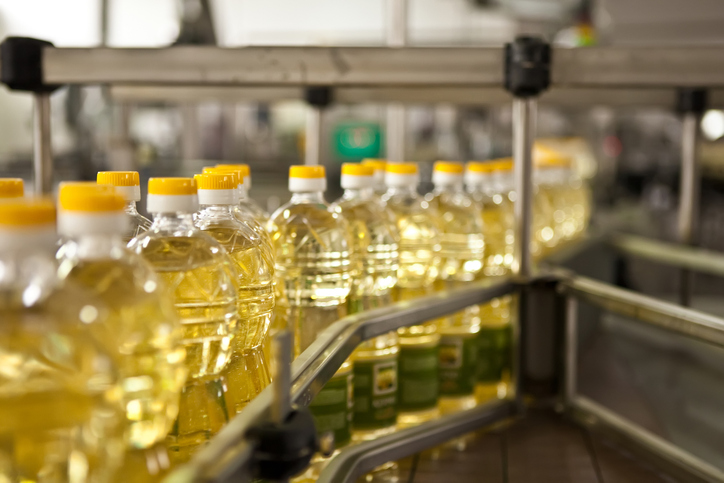
At the heart of Frylite’s success is its brilliantly simple “supply-and-collect” model. When a delivery driver drops off fresh oil, the same truck immediately sucks up the used oil from specially provided wheelie bins—no extra cost, no extra trips, and no hassle for busy kitchen staff. Free equipment, automatic monthly compliance reports, full insurance against regulatory fines, and HACCP documentation come as standard. This seamless integration isn’t just convenient; it’s revolutionary for reducing emissions. Fewer lorries on the road mean fewer carbon emissions right from the start. As one Frylite campaign neatly puts it, the same vehicle that delivers your fresh oil collects the old—turning logistics into a sustainability win.
Once collected, the real magic of the circular economy begins. The used oil travels to Frylite’s dedicated facility in Strabane, where it is de-packed, heated, cleaned, and filtered to the highest standards. Approximately 85% of the collected UCO is then converted into biodiesel through transesterification—one kilogram of processed UCO yields about 0.97 kilograms of biodiesel. This renewable fuel ends up at service stations across Ireland and beyond, powering vehicles with a much lower carbon footprint than traditional diesel. In 2023 alone, Frylite’s UCO and food waste recycling initiatives saved over 47,265 tonnes of CO₂. To put that in perspective, it’s the equivalent of taking thousands of cars off the road or preventing the emissions of hundreds of thousands of flights between Dublin and Paris.
This process perfectly embodies the principles of the circular economy: designing out waste and pollution, keeping products and materials in use, and regenerating natural systems. In a linear “take-make-dispose” model, used cooking oil would clog drains, pollute waterways, or rot in landfills, releasing methane and harming the environment. Frylite flips the script. Instead of disposal, there’s recovery; instead of pollution, there’s renewable energy; instead of waste, there’s value. By closing the loop—from farm or refinery to kitchen fryer and back to biofuel—Frylite demonstrates how everyday business operations can support Ireland’s ambitious Circular Economy Act 2022 and EU sustainability targets.
The environmental wins are matched by powerful economic and operational benefits for Irish businesses. Restaurants, hotels, and food manufacturers save time and money—no need to source separate waste collectors or worry about illegal dumping fines. Frylite’s local teams provide reliable, scheduled collections (weekly, fortnightly, or as needed), and the company’s commitment to reusing collection containers minimises plastic waste further. Customers receive peace of mind through transparent reporting that helps them meet regulatory requirements effortlessly. As one satisfied operator noted in Frylite’s materials, “All we have to worry about is making great burgers!” Meanwhile, Frylite itself walks the talk: its fleet is increasingly fuelled by the very biodiesel produced from collected UCO, creating an internal circular loop that inspires the entire industry.
Beyond the numbers, Frylite’s 35-year journey reflects Ireland’s broader green awakening. The hospitality sector generates significant used cooking oil, and proper management is critical to hitting national climate goals. If every drop of UCO across Ireland were recycled like Frylite’s, the CO₂ savings would be staggering—equivalent to removing 40,000 cars from the roads. Frylite doesn’t stop at oil: its expanding food waste collection service diverts plate scrapings and packaged waste into biogas and biofertiliser, further strengthening the circular model and reducing reliance on chemical fertilisers and fossil fuels.
Looking ahead, Frylite’s story is far from finished. With decades of expertise, a nationwide network of depots, and an unwavering focus on innovation, the company continues to set industry standards for safety, efficiency, and sustainability. Partnerships with biofuel producers and initiatives like powering its own fleet with recycled oil show a forward-thinking approach that aligns perfectly with Ireland’s vision of a climate-neutral future.
In an era when climate action can feel overwhelming, Frylite reminds us that real change often starts with the simplest actions—like recycling the oil from last night’s fish and chips. By turning used cooking oil into clean energy, Frylite isn’t just running a business; it’s helping build a greener Ireland, one fryer at a time. For food businesses ready to join the circular revolution, the message is clear: when Frylite delivers fresh oil, sustainability is already on the menu.
Disclaimer: This article contains sponsored marketing content. It is intended for promotional purposes and should not be considered as an endorsement or recommendation by our website. Readers are encouraged to conduct their own research and exercise their own judgment before making any decisions based on the information provided in this article.